Is the Copenhagen Card Worth It? A 2026 Breakdown
The Copenhagen Card promises free entry to 80+ attractions and unlimited public transport across the Danish capital. But is it actually worth the price? This guide breaks down the numbers, the fine print, and who genuinely benefits.
Plan and book this trip
Tools from our partner Travelpayouts help you compare flights and hotels. If you book through them, we may earn a commission at no extra cost to you.
Flights
Hotels map
TL;DR
- The Copenhagen Card (DISCOVER) costs DKK 589 for 24 hours and covers 80+ attractions plus unlimited metro, bus, S-tog, and regional trains including the airport.
- The official provider reports customers saved on average a minimum of 30% with a DISCOVER card in 2025, but your actual savings depend entirely on how many paid attractions you visit per day.
- It works best for visitors planning 3-4 paid attractions per day, especially at major sites like Rosenborg Castle, the National Museum, and Tivoli Gardens.
- There are two versions: DISCOVER (full transport + 80+ attractions) and HOP (hop-on hop-off buses + 40+ attractions, no standard public transport).
- The card is 100% digital, activated via the Copenhagen Card City Guide app when you are ready to start. Validity begins at first scan, not purchase.
What Is the Copenhagen Card, Exactly?
The Copenhagen Card is a digital city pass sold by the official Copenhagen Card provider and available through third-party platforms like GetYourGuide. There is no physical card: you buy online, download the Copenhagen Card City Guide app, and activate it the moment you want to start using it. That activation flexibility is one of its most practical features, since your 24, 48, or 72-hour window does not start counting down until you actually scan in.
Two distinct products exist and they are easy to confuse. The DISCOVER card is the flagship version: free entry to 80+ attractions and unlimited travel on Copenhagen's integrated public transport network (metro, bus, S-tog, and regional trains in zones 1-99, with free public transport to and from Copenhagen Airport when the card is active). The HOP card covers 40+ city-centre attractions and grants access to Stromma hop-on hop-off buses, but does not include standard public transport. For most visitors, DISCOVER is the relevant product.
⚠️ What to skip
Do not assume the HOP card covers regular buses and metro. It does not. If you plan to use Copenhagen's public transport network independently, you need the DISCOVER version. Check the attraction list on the official site before purchasing, as it is updated periodically.
Copenhagen Card Prices: What You Actually Pay
Current DISCOVER pricing (adults 16+, listed in DKK) starts at DKK 589 for 24 hours, DKK 875 for 48 hours, and DKK 1,050 for 72 hours. Junior prices (ages 12-15) are discounted, and children aged 3-11 are cheaper still. Importantly, each paying adult can bring two children aged 3-11 for free, but you must add the free kids' card at the time of purchase. The children still need their own digital card in the app. Forgetting this step is a common mistake that causes problems at attraction entrances.
- 24 hours (Adult) DKK 589 / approximately €79. Viable if you are packing a full day of 4-5 attractions.
- 48 hours (Adult) DKK 875 / approximately €118. The most popular duration for city trips of 2-3 days.
- 72 hours (Adult) DKK 1,050 / approximately €141. Best value per hour if you plan regional day trips and heavy museum coverage.
- 120 hours (Adult) Around €190 via third-party platforms. Suited to a full week with regional exploration.
- Children 3-11 Two per adult can be added free. Paid kids' rates start around DKK 100 for 24 hours.
ℹ️ Good to know
Prices listed here are based on official copenhagencard.com data as of 2026. Always verify current rates before purchasing, as exchange rates and pricing tiers can change.
Transport Coverage: What the Card Actually Gets You

The DISCOVER card's transport coverage is genuinely broad. It includes unlimited travel across zones 1-99 of Copenhagen's integrated transit network, which means the metro, all city buses, S-tog suburban trains, and regional trains. Critically, this includes the Metro line from Kongens Nytorv to Copenhagen Airport (CPH), which saves you around DKK 36 per single journey. If you are arriving and departing by air and using the card across your stay, those two airport trips alone cover a meaningful chunk of the transport value.
The regional train coverage is where the DISCOVER card earns its keep for exploratory visitors. The card covers travel to Roskilde (where you can visit the Viking Ship Museum and Roskilde Cathedral), to Helsingør for Kronborg Castle, and north along the coast to the Louisiana Museum of Modern Art. These day trips, combined with attraction entry, can produce significant savings on a 72-hour card.
✨ Pro tip
Activate your card the moment you take public transport from the airport on arrival day. The clock starts then, so plan your first day to be your busiest: stack 3-4 attractions immediately after check-in while the card is running.
The Real Math: Does the Copenhagen Card Save You Money?
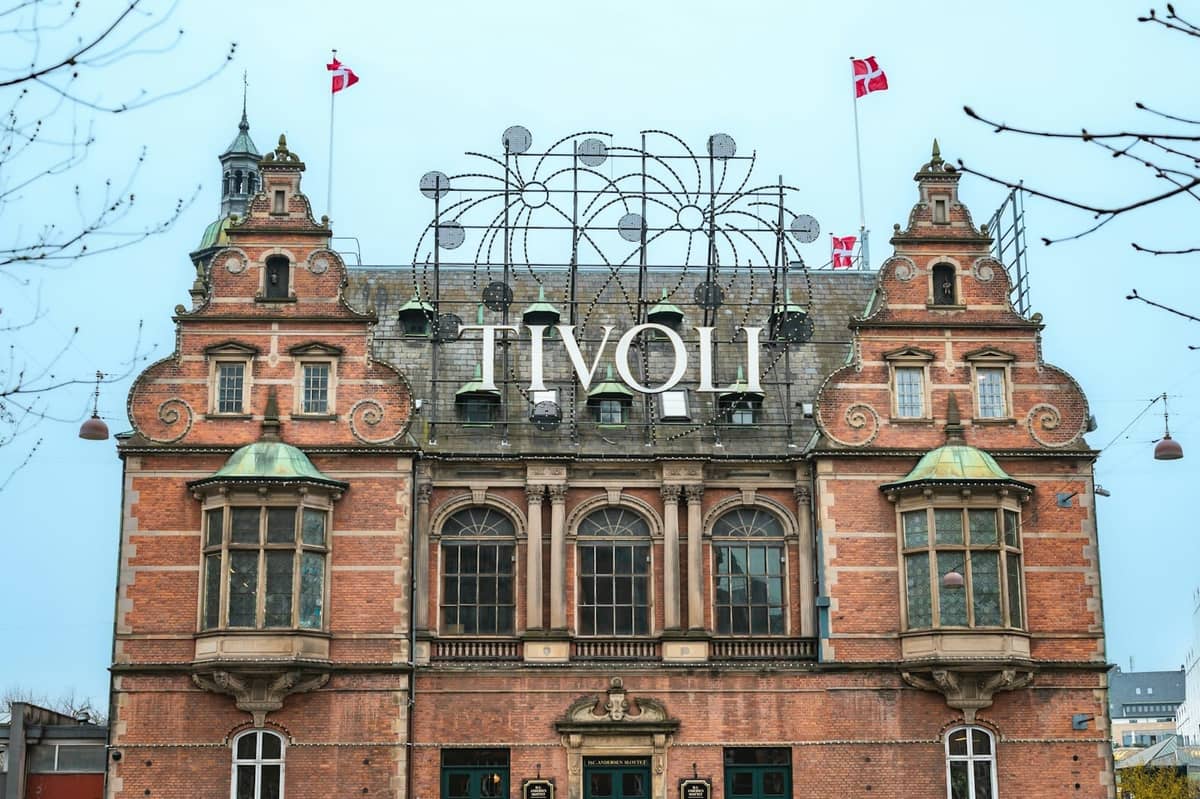
This is where most guides get vague. The honest answer is: it depends on your pace and priorities. Copenhagen's major attractions are individually expensive by European standards. Entry to Rosenborg Castle runs around DKK 130-150. The National Museum of Denmark currently charges an adult admission fee (a key point: do not pay for the card to visit museums that are already free). Tivoli Gardens charges separate entry (around DKK 135-160) and the card covers that, but rides inside are not included and cost extra. The Louisiana Museum of Modern Art, about 35 km north of the city, charges around DKK 145-160 for adults.
A realistic 48-hour itinerary for an adult might include: airport metro both ways (DKK 72), Tivoli Gardens entry (DKK 150), Rosenborg Castle (DKK 145), the Ny Carlsberg Glyptotek (DKK 125), Designmuseum Danmark (DKK 115), and the Round Tower (DKK 45). That is roughly DKK 652 in paid admission plus transport, against a DKK 875 card cost. In that scenario, you break even or come out slightly behind. Add one regional day trip and one or two more attractions, and the card moves into clear positive territory.
- Card works best when you visit 3-4 paid attractions per day and use public transport frequently
- Free attractions (outdoor botanical gardens, Assistens Cemetery, and similar) do not add card value — skip counting them in your savings math
- Tivoli Gardens entry is covered; rides inside are not, and can add DKK 200-400 extra
- The Louisiana Museum day trip alone (train + entry) can justify a significant portion of a 48-hour card
- Families with children get outsized value because two kids per adult travel and enter free
Which Attractions Are Actually Covered?

The official DISCOVER list currently covers over 80 attractions. Some highlights that individually justify the card cost: Rosenborg Castle, Christiansborg Palace, Ny Carlsberg Glyptotek, Designmuseum Danmark, Tivoli Gardens (entry only), Den Blå Planet (Blue Planet Aquarium), and Louisiana Museum of Modern Art. The full list is maintained on the official Copenhagen Card website and should be checked before purchase, as it is updated.
Worth noting: several popular Copenhagen experiences are either free regardless or not on the card list. Freetown Christiania does not charge general admission. The Little Mermaid statue is a public waterfront landmark. Nyhavn is a public canal. Counting these as 'savings' from the card is a mistake many traveler blog posts make.
Who Should Buy the Copenhagen Card (and Who Should Skip It)
The Copenhagen Card genuinely pays off for a specific type of visitor: someone on a 2-4 day trip who wants to see a high volume of paid attractions without spending time calculating transit fares. Families with children under 12 are strong candidates given the free kids policy. Visitors planning at least one regional day trip (Louisiana, Kronborg, Roskilde) get substantial added value from the transport coverage alone.
The card is a poor match for visitors who prefer slow travel: lingering at one or two museums, spending afternoons in Nørrebro cafés, or exploring Vesterbro's food and design scene. Copenhagen is a walkable city, and if your itinerary skews toward food, markets like Torvehallerne, and neighbourhood streets, single tickets or a Rejsekort/contactless payment will cost far less.
- Buy the DISCOVER card if: You plan 3+ paid attractions per day, will use public transit heavily, or are visiting with children under 12.
- Buy the 48h or 72h, not 24h: The per-hour cost drops significantly and gives breathing room for a regional day trip.
- Skip the card if: Your itinerary is food-focused, slow-paced, or centered on free sights and walking neighbourhoods.
- Consider the HOP version if: You prefer hop-on hop-off sightseeing and only want 40+ central attractions, and plan to walk or Uber (Bolt in Copenhagen) between major sights.
- Budget travelers note: Some major museums have free-entry days or are permanently free. Check our guide to free things in Copenhagen before assuming you need the card.
Practical Tips for Getting the Most From Your Card
The one-visit-per-attraction rule means planning matters more than it might seem. Sketch out your itinerary before activating the card. Group geographically close attractions together: Rosenborg Castle and the Designmuseum Danmark, for example, are both in the area north of the city centre and can be combined in a morning. The card app includes a map function that helps with clustering.
Seasonal context matters too. Copenhagen's outdoor swimming spots like Islands Brygge Harbour Bath and its cycling infrastructure are free to use regardless. In summer, you may find your itinerary naturally leans toward outdoor and free experiences, which reduces card value. In October through April, when you are naturally drawn indoors to museums, the card's density of covered venues justifies the cost more easily. See our breakdown of the best time to visit Copenhagen for seasonal planning context.
💡 Local tip
Download and log into the Copenhagen Card City Guide app before you travel. Test that your card appears correctly. At busy attractions, inspectors scan the app quickly and connectivity can be patchy. Screenshots of your card are not accepted — you need the live app.
FAQ
Is the Copenhagen Card worth it for 2 days?
For a 2-day visit, the 48-hour DISCOVER card (DKK 875 for adults) makes financial sense if you plan to visit at least 4-5 paid attractions across the two days and use public transport regularly. Add a half-day regional trip to Louisiana or Kronborg and the math improves further. If your trip is more relaxed and food-focused, individual tickets are likely cheaper.
Does the Copenhagen Card include the airport metro?
Yes. The DISCOVER card covers unlimited travel across all zones 1-99, which includes the Metro line to and from Copenhagen Airport (CPH). A single airport metro ride typically costs around DKK 30, so two airport trips (arrival and departure) alone account for roughly DKK 60 in transport value.
What is the difference between Copenhagen Card DISCOVER and HOP?
DISCOVER covers 80+ attractions plus unlimited standard public transport (metro, bus, S-tog, regional trains) across the Capital Region. HOP covers 40+ central attractions and access to Stromma hop-on hop-off buses, but does not include standard public transport. Most independent travelers benefit more from DISCOVER.
Can I use the Copenhagen Card for Tivoli Gardens rides?
The card covers the entrance fee to Tivoli Gardens, but rides inside the park are not included. You will need a separate ride wristband or individual ride tickets inside Tivoli. Budget an additional DKK 200-400 per person if you plan to use the rides.
Is the Copenhagen Card digital or physical?
It is 100% digital. You purchase it online, activate it through the Copenhagen Card City Guide app on your smartphone, and present it at each attraction. There is no physical card option. Make sure you have data connectivity or have the app open before approaching attraction entrances.