Designmuseum Danmark: Danish Design Inside a Rococo Masterpiece
Housed in one of Copenhagen's finest rococo buildings, Designmuseum Danmark traces the story of Danish and international design across five centuries. From Arne Jacobsen chairs to contemporary fashion, this is the essential stop for anyone serious about design, craft, and the ideas that shape everyday life.
Quick Facts
- Location
- Bredgade 68, Frederiksstaden, Indre By, Copenhagen
- Getting There
- Østerport Station (train) or Marmorkirken (Metro M3)
- Time Needed
- 1.5 to 3 hours
- Cost
- 140 DKK adults; free for ages 0–17; free with Copenhagen Card
- Best for
- Design enthusiasts, architecture lovers, curious travellers on rainy days
- Official website
- designmuseum.dk/en
What Is Designmuseum Danmark?
Designmuseum Danmark is Denmark's national museum dedicated to design, craft, and applied arts. The collection spans everything from 18th-century silverware and Chinese porcelain to postwar Danish furniture, industrial objects, and contemporary fashion. Founded in 1907, it is one of the oldest design museums in the world, and its depth reflects that seniority.
For most visitors, the building itself is as compelling as anything inside it. The museum occupies the former Royal Frederik's Hospital, a rococo structure completed in 1757 and designed by Nicolai Eigtved and Lauritz de Thurah. It sits in the Frederiksstaden district, the planned aristocratic quarter that also contains Amalienborg Palace and the Marble Church. The symmetry of the courtyard and the pale ochre facade make an immediate impression before you even purchase a ticket.
ℹ️ Good to know
Opening hours: Tuesday–Sunday 10:00–18:00 (Thursday until 20:00). Closed on Mondays. The café and courtyard garden are open during museum hours.
The Building: Architecture Worth Arriving For
The rococo hospital building, completed in 1757, was the first purpose-built public hospital in Copenhagen. It closed as a medical facility in the 19th century, and the museum moved into its current home in 1926. The architectural logic of a hospital, long wards, a central courtyard, wide corridors designed for movement of people and equipment, actually suits a museum remarkably well. Galleries flow with natural light from tall windows, and the courtyard offers a rare moment of quiet in a city-centre location.
The exterior is restrained rococo: smooth render, rhythmic window bays, and a central gateway that opens onto a garden courtyard. It looks authoritative rather than ornate, which feels appropriate for a building now dedicated to functional beauty. Visitors who approach from Bredgade will notice the contrast with the Frederiksstaden streetscape, where the hospital's horizontal mass reads differently from the taller residential blocks nearby.
💡 Local tip
Arrive ten minutes before opening on weekday mornings to photograph the courtyard without other visitors present. The warm morning light falls directly into the garden between roughly 9:30 and 11:00 in summer.
Tickets & tours
Hand-picked options from our booking partner. Prices are indicative; availability and final rates are confirmed when you complete your booking.
1-hour boat harbour tour in Copenhagen
From 26 €Instant confirmationFree cancellationSmall group 3-hour walking tour in Copenhagen
From 45 €Instant confirmationFree cancellationCopenhagen to Malmo one-day tour
From 56 €Instant confirmationFree cancellationFull-day tour to Forest Tower and Forgotten Giants from Copenhagen
From 110 €Instant confirmationFree cancellation
Inside the Collection: What You Will Actually See
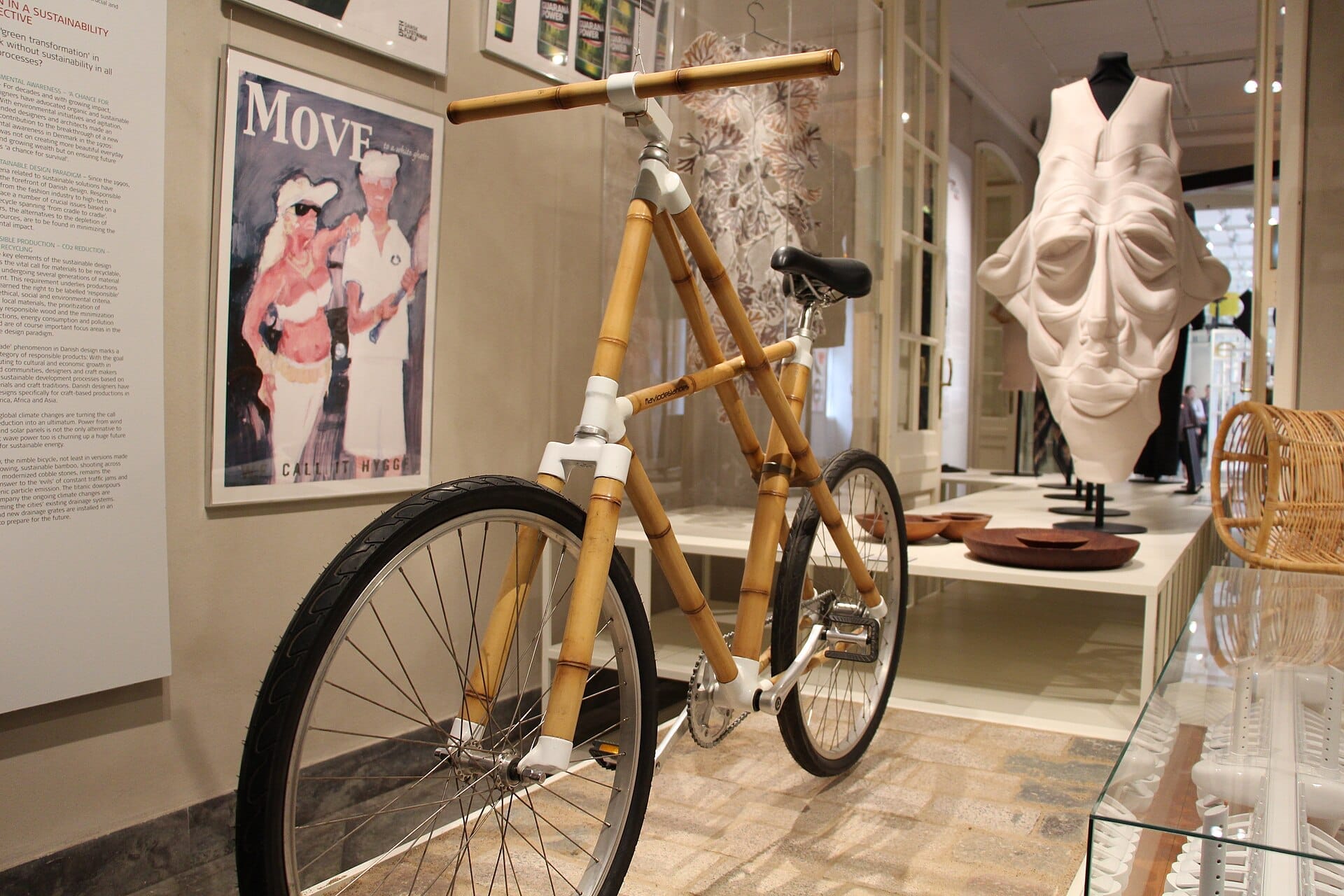
The permanent collection is substantial and organized across multiple thematic and chronological sections. The Danish design galleries are the most widely visited: here you will find canonical 20th-century pieces by Arne Jacobsen, Hans Wegner, Finn Juhl, and Poul Kjærholm, displayed not as art objects on pedestals but in context with the ideas that produced them. The Egg Chair and the Series 7 Chair appear in person considerably smaller than most visitors expect, and that shift in scale is genuinely informative about how these objects were conceived for domestic rather than institutional settings.
Beyond Danish modernism, the museum holds significant holdings in European applied arts, historic textiles, ceramics, and fashion. The fashion and textile galleries tend to attract visitors who arrive expecting a furniture museum and find themselves spending more time than anticipated on embroidered court dress or the technical construction of contemporary knitwear. The temporary exhibition programme changes annually and is typically of high quality, often drawing material from international collections.
If you are building a day around Copenhagen's design culture, the museum pairs naturally with a visit to the Danish Architecture Center across the city, or with a walk through the Ny Carlsberg Glyptotek if you want to extend into fine arts. The Copenhagen design and architecture guide maps out a logical sequence.
How the Experience Changes by Time of Day
Morning visits, particularly on Tuesdays through Fridays, offer the galleries at their quietest. School groups occasionally arrive from late morning, and they tend to concentrate in the design history sections. The Thursday evening extension until 20:00 is genuinely underused by tourists and worth considering: the museum takes on a calmer atmosphere after 17:00 as day visitors leave, lighting in the galleries shifts to a warmer register, and the café begins serving lighter evening options.
Weekend afternoons between 13:00 and 16:00 are the most crowded windows, particularly when a temporary exhibition is running. The courtyard garden becomes a social space on warm days, with visitors sitting on the lawn between gallery rooms. In winter the garden loses most of its appeal, but the galleries feel genuinely cosy in the low light, and the entrance hall, with its stone floors and high ceilings, retains a sense of occasion regardless of the season.
💡 Local tip
Thursday evenings until 20:00 are consistently the most relaxed time to visit. Crowds thin significantly after 17:30, and you can move through the permanent collection at a comfortable pace without competing for space.
Getting There and Practical Navigation
The museum sits on Bredgade, a straight, relatively quiet street running through Frederiksstaden. The nearest Metro station is Marmorkirken on the M3 Cityringen line, roughly a five-minute walk. Østerport Station, served by S-trains and regional trains, is a slightly longer walk of around ten to twelve minutes but connects more directly from the airport and northern neighborhoods. Bus options exist but the walk from either transit point is easy and passes interesting streets.
The museum is fully wheelchair accessible. Pushchairs and prams are common and manageable throughout the ground-floor galleries, though some upper sections involve stairs. There is no dedicated parking lot but street parking exists on surrounding streets, which is metered and can be limited during weekday daytime hours. If you hold a Copenhagen Card, admission is included, which makes the 140 DKK adult ticket effectively free alongside the card's transit benefits.
The museum shop near the entrance carries a carefully selected range of design books, prints, and objects. It is worth allowing fifteen minutes at the end of a visit. The café serves sandwiches, cakes, and hot drinks at prices consistent with Copenhagen's general cost level, and the courtyard seating is pleasant in good weather.
Who This Museum Is For, and Who Might Not Connect With It
Designmuseum Danmark rewards visitors who bring some patience and curiosity. It is not a high-stimulation, interactive experience: the curatorial approach is scholarly and the presentation is calm. Visitors who prefer hands-on exhibits or fast-paced visual variety may find it slow. Children under eight are generally better served by other Copenhagen attractions, though teenagers with an interest in fashion, product design, or architecture tend to engage genuinely.
For anyone with a professional or serious amateur interest in design, furniture history, textiles, or Scandinavian visual culture, this museum is one of the most substantive experiences Copenhagen offers. It stands alongside the SMK National Gallery as a place where the collections justify extended time rather than a quick pass-through. Visitors exploring Indre By for the day will find it fits logically into a morning or afternoon route through Frederiksstaden.
Insider Tips
- Check the museum's website for the current temporary exhibition before visiting. The programme changes seasonally and the quality is consistently high, but some shows suit general audiences better than others.
- The courtyard garden is freely accessible during opening hours and makes a good pause point between gallery sections. On warm days, the lawn fills up after noon, so visit earlier if you want the space to yourself.
- Thursday evenings until 20:00 are the least crowded entry window of the entire week. If your schedule allows it, this is the best time to visit.
- The museum shop stocks design monographs that are difficult to find elsewhere in Copenhagen, including out-of-print titles on Danish furniture makers. Budget time and luggage space if books are a priority.
- Bredgade itself is worth a slow walk after your visit. The street connects the museum to Kongens Nytorv in one direction and toward the harbor in the other, passing several significant 18th-century buildings along the way.
Who Is Designmuseum Danmark For?
- Design and architecture enthusiasts who want context alongside the objects
- Travellers combining a Frederiksstaden walk with Amalienborg and the Marble Church
- Adults looking for a substantive indoor option on a grey Copenhagen day
- Fashion and textile researchers or enthusiasts
- Copenhagen Card holders maximizing value from included attractions
Nearby Attractions
Other things to see while in Indre By (Old Town):
- Amalienborg Palace
Amalienborg is the official home of the Danish royal family and one of Copenhagen's most architecturally coherent ensembles. Four near-identical Rococo palaces frame a grand octagonal square, with the Amalienborg Museum open to visitors inside Christian VIII's Palace. The daily changing of the guard at noon is a punctual, unhurried ceremony worth timing your visit around.
- The Black Diamond
The Black Diamond is the modern extension of the Royal Danish Library, clad in polished black granite and angled toward the harbour on Slotsholmen. Entry is free, the atrium is genuinely impressive, and the building rewards visitors who take time to understand what they are looking at.
- Botanical Garden of the University of Copenhagen
Tucked behind Nørreport Station in the heart of the city, the Copenhagen University Botanical Garden is a 10-hectare green sanctuary with a Victorian glasshouse complex, a tranquil lake, and around 8,000 plant species. Entry to the grounds is free, making it one of the most rewarding stops in central Copenhagen for any pace of traveler.
- Christiansborg Palace
Christiansborg Palace sits on the Slotsholmen islet in central Copenhagen, serving simultaneously as the home of the Danish Parliament, the Supreme Court, the Prime Minister's Office, and the Royal Reception Rooms. It is widely described as uniquely housing all three branches of Denmark’s national government under one roof, and its 106-metre tower offers one of the best free panoramic views in the city.