Copenhagen Design & Architecture Guide: Museums, Icons & Walking Routes
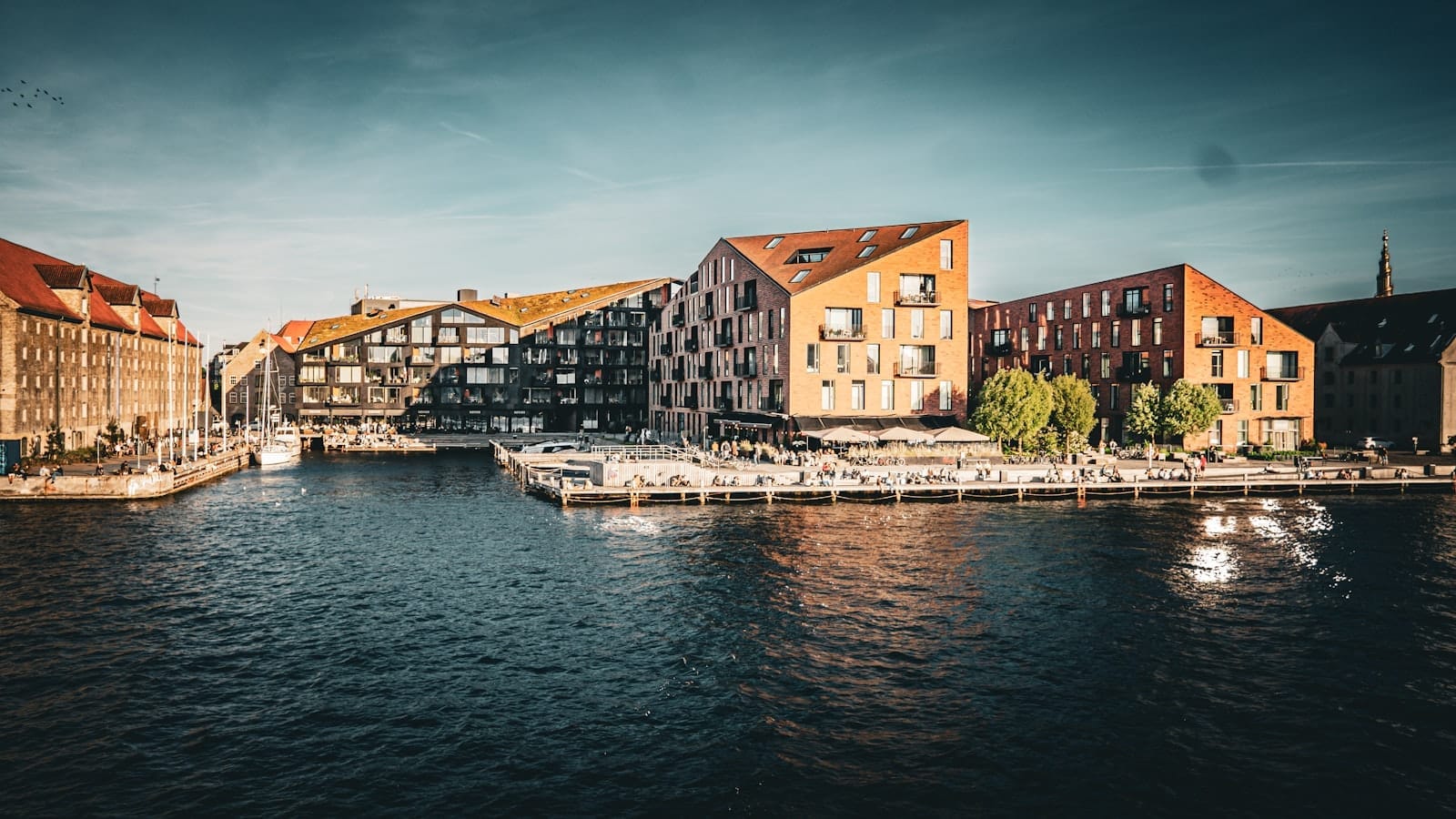
Copenhagen is one of the world's most architecturally ambitious cities, named UNESCO/UIA World Capital of Architecture in 2023. This guide covers the essential museums, landmark buildings, contemporary projects, and practical routes for anyone serious about design and architecture in København.
Plan and book this trip
Tools from our partner Travelpayouts help you compare flights and hotels. If you book through them, we may earn a commission at no extra cost to you.
Flights
Hotels map
TL;DR
- Copenhagen was named UNESCO/UIA World Capital of Architecture 2023, cementing its status as a global design destination — visit the Danish Architecture Center at BLOX as your first stop.
- Designmuseum Danmark is the best single building for understanding Danish design history, from the Kaare Klint chair to Arne Jacobsen's Swan.
- The city's architecture spans medieval Middelalderbyen, Neoclassical Frederiksstaden, and cutting-edge waterfront projects in Ørestad and Refshaleøen.
- Many of the best architectural experiences are free and outdoors: cycling through Ørestad or walking Cykelslangen costs nothing.
- Always verify current opening hours and ticket prices directly with each venue before visiting — they shift seasonally.
Why Copenhagen Belongs on Every Architecture Itinerary
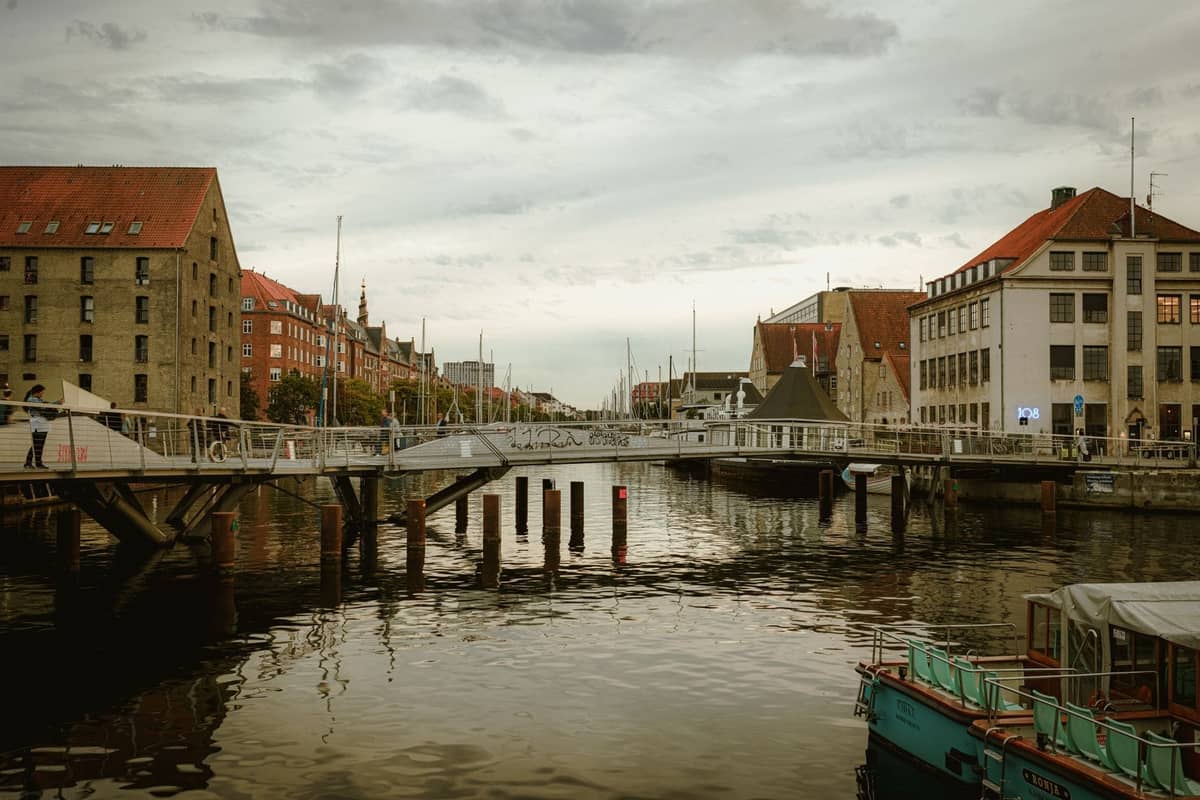
Few cities have reinvented themselves as deliberately as Copenhagen. The Danish capital (København in Danish) was a car-dominated city as recently as the 1960s. Today it is routinely cited as the global benchmark for human-scale urban planning, cycling infrastructure, and mixed-use public space. That transformation did not happen by accident. It was designed, block by block, building by building, and it makes Copenhagen unusually readable as a city: you can trace the decisions that shaped it just by walking its streets.
The architectural timeline stretches from the 13th-century medieval core of Middelalderbyen through the Baroque splendor of Frederiksstaden — the royal district built around Amalienborg Palace in the 1750s — to the radical contemporary experiments of Ørestad and the waterfront districts. No single style dominates. That layering is precisely what makes the city compelling for architecture enthusiasts.
ℹ️ Good to know
Copenhagen held the UNESCO/UIA World Capital of Architecture designation in 2023. The Danish Architecture Center (DAC) continues to host exhibitions, guided tours, and urban walks inspired by that program. Check dac.dk for current schedules before you visit.
The Essential Museums: Where to Start
The Designmuseum Danmark is the single best introduction to Danish design culture. Housed in a converted 18th-century hospital in the Frederiksstaden district, the permanent collection traces applied arts and industrial design from the Renaissance to the present. The highlights are the 20th-century Danish furniture section — Kaare Klint's church chairs, Hans Wegner's Wishbone Chair, Arne Jacobsen's Egg and Swan — and a substantial textiles and fashion collection. Plan at least 90 minutes. Admission fees and current temporary exhibitions are listed on the museum's official website; the cafe is genuinely good and worth a stop.
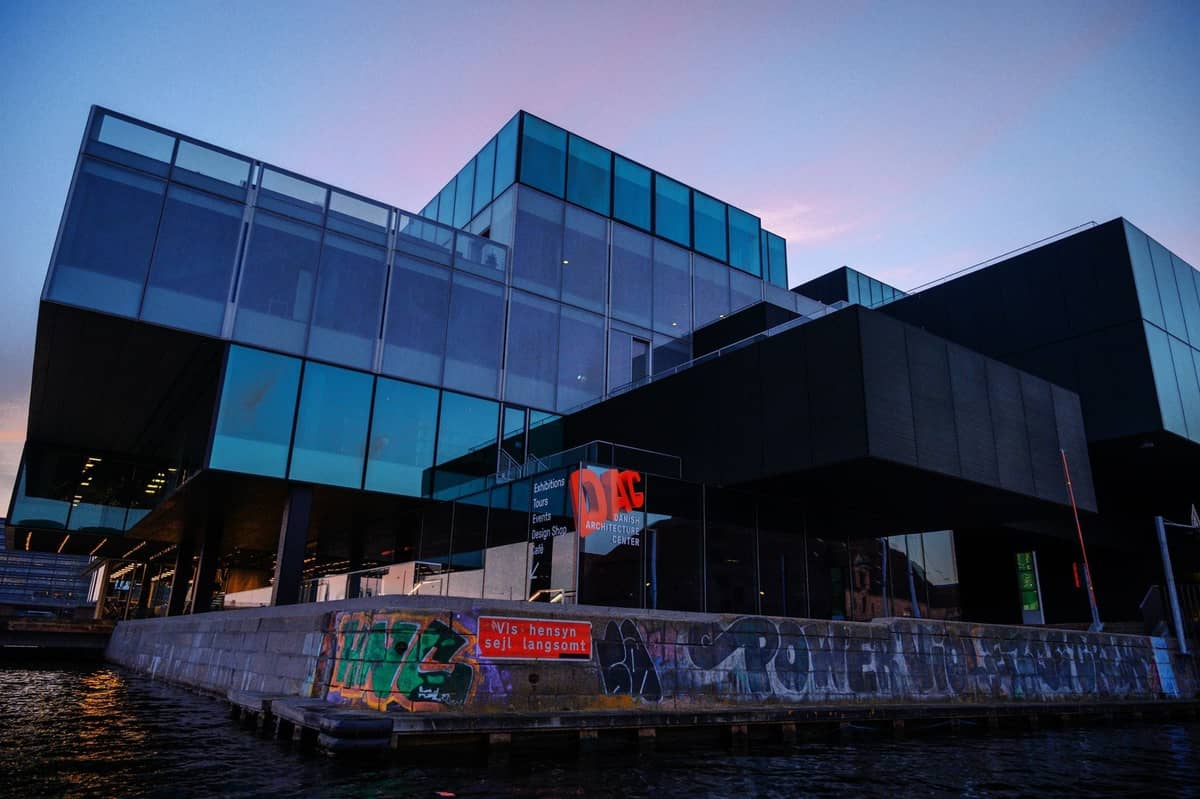
The Danish Architecture Center (DAC) occupies BLOX, a striking building by OMA (Rem Koolhaas's firm) at Bryghuspladsen 10, directly on the harbor. The center runs rotating exhibitions on Danish and international architecture, urbanism, and sustainability, and organizes guided architecture walks around the city. The BLOX building itself is worth inspecting: the cantilevered volumes over the historic canal and the ground-floor public passage through the building are deliberate architectural statements about city permeability. Tickets for exhibitions are priced separately from the building access. Check dac.dk for current hours.
For contemporary art in an architectural context, the SMK National Gallery of Denmark is worth including. The original 1896 building by Vilhelm Dahlerup was expanded in 1998 with a linking structure by architects Henning Larsens Tegnestue. The contrast between the two structures is instructive: Danish architecture's ongoing conversation between historical reverence and contemporary intervention.
💡 Local tip
The Copenhagen Card covers entry to Designmuseum Danmark and many other museums. If you plan to visit multiple venues in two or three days, run the numbers against individual ticket prices — it often saves 200-300 DKK. See the full breakdown in our Copenhagen Card guide.
Landmark Buildings: Arne Jacobsen, BIG, and Beyond
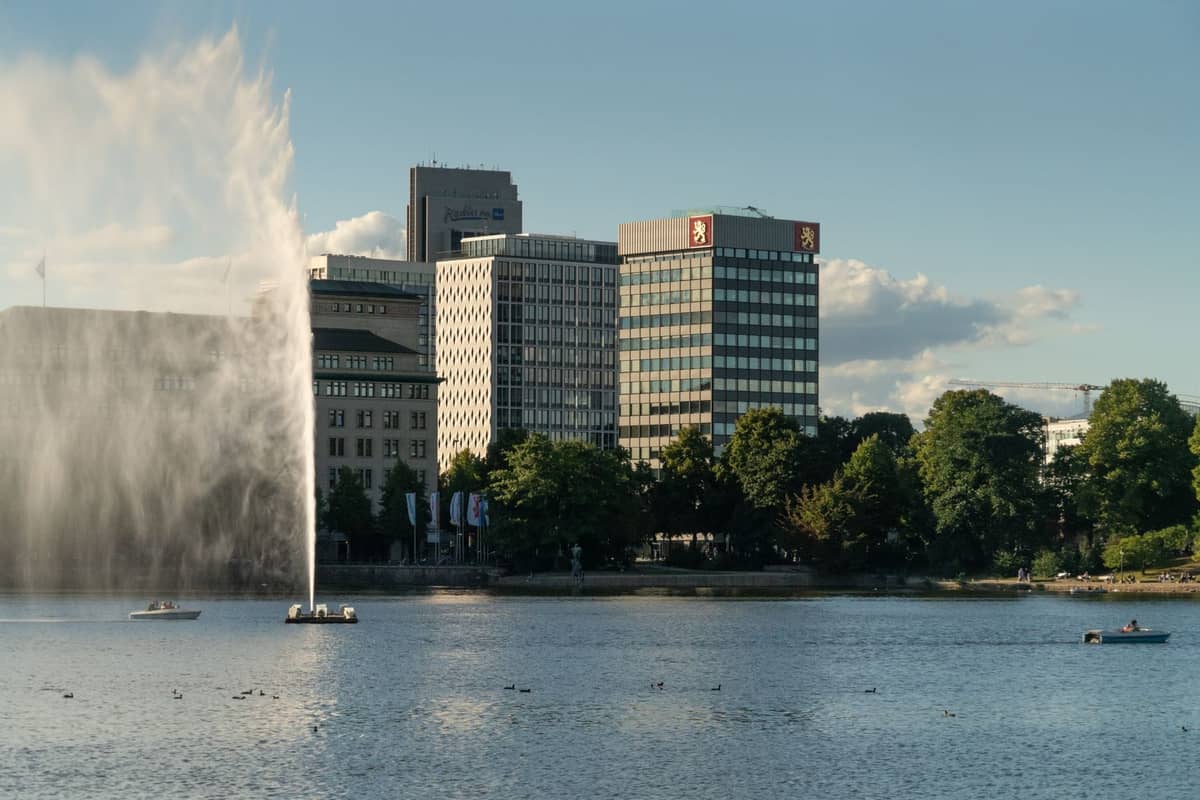
Arne Jacobsen is the designer most associated with Danish modernism internationally, and Copenhagen contains several of his major works. The Radisson Collection Royal Hotel on Hammerichsgade (formerly the SAS Royal Hotel, completed 1960) is the most complete example of his total-design philosophy: Jacobsen designed everything from the curtain-wall facade to the furniture, cutlery, and door handles. Room 606, preserved as a museum room with original Jacobsen furnishings, can be viewed by arrangement with the hotel. The building divides opinion locally — some Copenhageners still find it jarring next to the City Hall area — which makes it more interesting, not less.
Bjarke Ingels Group (BIG) has become the dominant voice in contemporary Copenhagen architecture. Their projects include the 8 House in Ørestad (a sloping mixed-use residential building with a continuous cycling ramp to the rooftop), the VM Houses nearby, and the Amager Bakke waste-to-energy plant with a ski slope on its roof. The Blue Planet Aquarium (Den Blå Planet), designed by 3XN and opened in 2013, is another standout: its five-arm pinwheel form is most dramatic from the air, but the spiral entrance sequence is architecturally coherent at ground level too. It sits about 8 km from the city center near the airport, accessible by Metro.
- Radisson Collection Royal Hotel (Arne Jacobsen, 1960) The fullest surviving example of Jacobsen's total-design approach. Ask about Room 606 at the front desk.
- BLOX / DAC (OMA, 2018) The Danish Architecture Center's home. Note the cantilevered volumes and the through-passage that keeps the waterfront publicly accessible.
- 8 House, Ørestad (BIG, 2010) Sloping mixed-use block with a continuous ramp. Best understood by cycling around and through it.
- Copenhagen Opera House (Henning Larsen, 2004) Dramatically sited on Holmen island. Controversially funded and positioned — the debate around its relationship to the harbor tells you a lot about Danish public space politics.
- Blue Planet Aquarium (3XN, 2013) Scandinavia's largest aquarium, about 8 km from center. Worth visiting for the architecture as well as the exhibits.
- Grundtvigs Kirke, Bispebjerg (P.V. Jensen-Klint, 1940) A brick expressionist church of extraordinary scale and coherence. Undervisited by international tourists — the interior is as powerful as the famous facade.
Neighborhoods to Walk: Architecture in Context
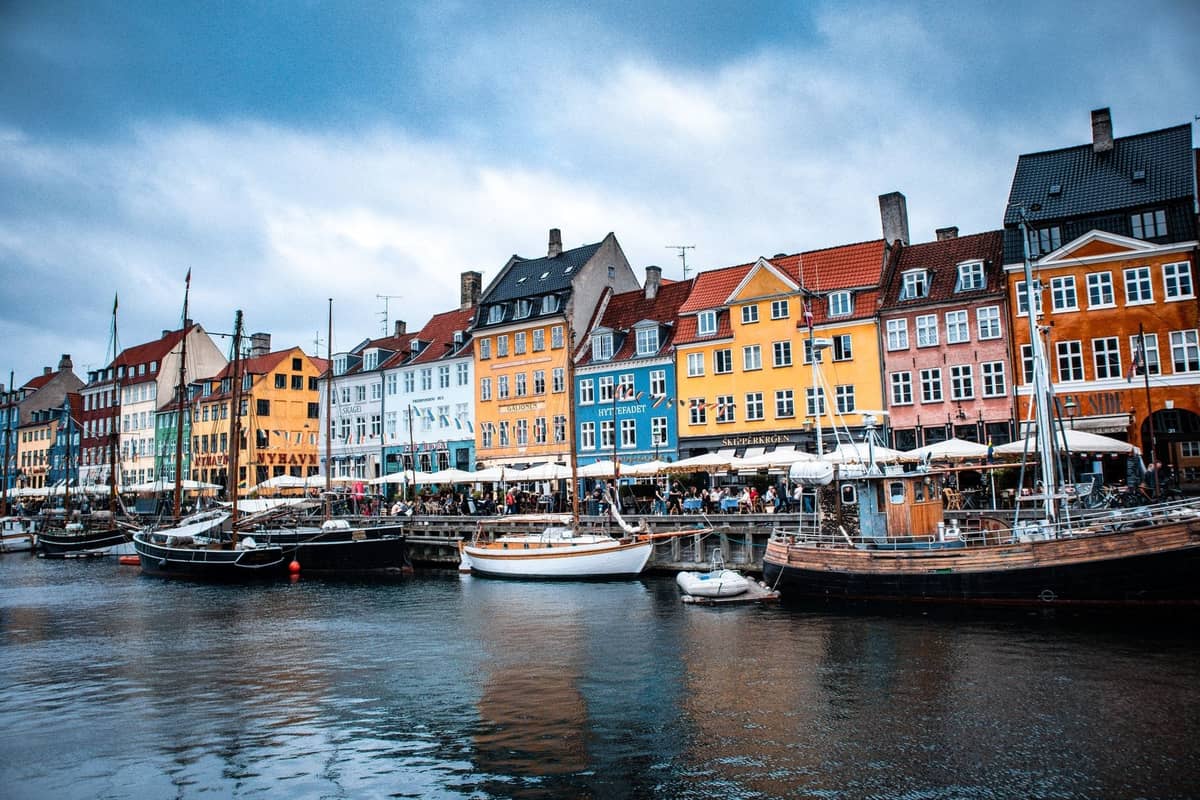
Architecture is best understood in its urban context, and Copenhagen's neighborhoods each have a distinct spatial character. Christianshavn is the most immediately picturesque: a 17th-century canal district modeled loosely on Amsterdam, with narrow streets, lifted bridges, and the distinctive baroque tower of the Church of Our Saviour rising above everything. The Church of Our Saviour has an external helix spire you can climb for views across the harbor — the staircase narrows to about 30 cm at the top, which is not for everyone, but the panorama of Copenhagen's roofscape is hard to match.
Refshaleøen is where Copenhagen's architectural story is currently being written. The former shipyard island northeast of the city center has been transformed incrementally into a creative district: the Copenhagen Contemporary art center occupies a former industrial hall, the Reffen street food market fills the outdoor shipyard spaces, and new cultural and residential buildings are appearing each year. It is rough, unfinished, and genuinely interesting — the opposite of a sanitized development. Access is by harbor bus or bicycle across the bridge from Christianshavn.
Ørestad, the planned high-density district on Amager island, is the most polarizing neighborhood in Copenhagen. Developed from the late 1990s around the Metro line, it contains some of the most architecturally ambitious residential and commercial buildings in Scandinavia alongside some of the bleakest public spaces in any Nordic city. It is genuinely instructive to visit precisely because it shows the gap between architectural ambition and livable urbanism. Take the Metro to DR Byen or Ørestad stations and walk. The Copenhagen Contemporary art center is on Refshaleøen, not Ørestad, but the two make a logical day trip from the center.
⚠️ What to skip
Some of the most-photographed contemporary buildings in Copenhagen (certain residential complexes in Ørestad, private office buildings) are not open to the public. Do not expect to enter lobbies or common areas. Architecture guides from DAC or ArchDaily will flag which buildings have public access.
Cycling Routes and Outdoor Design: The Infrastructure Is the Attraction
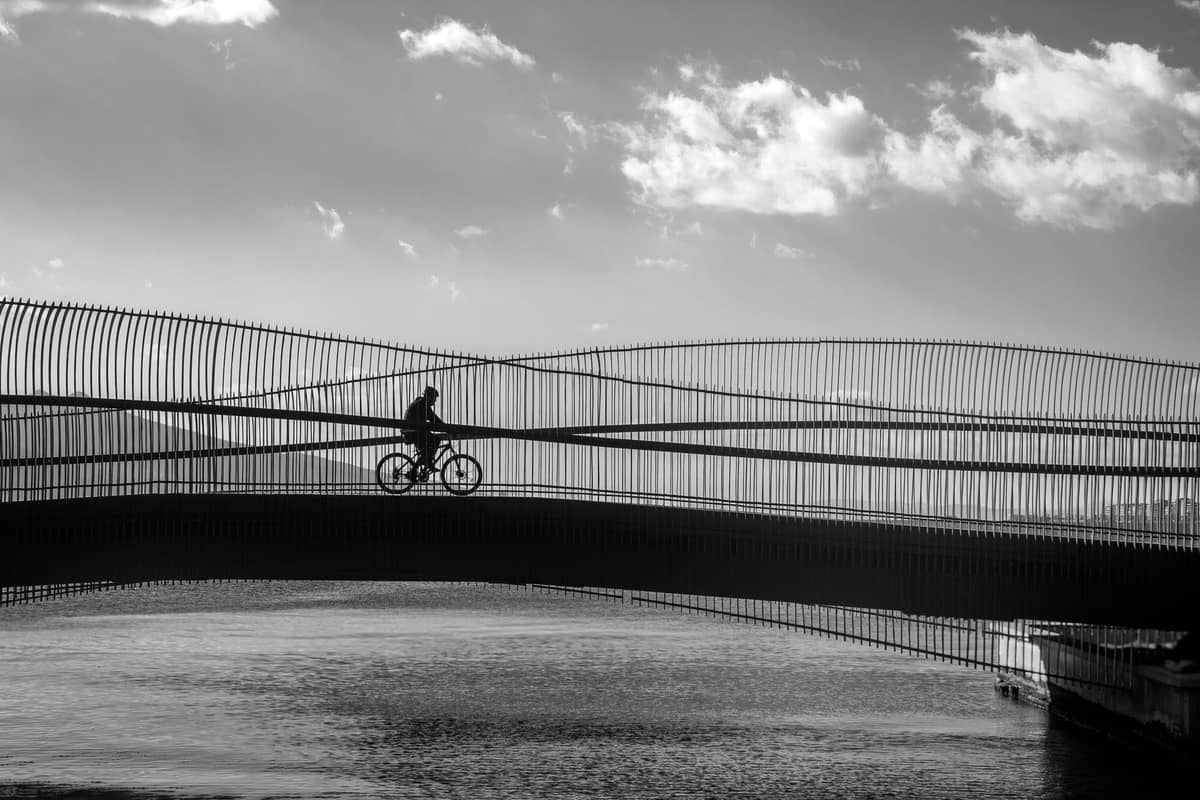
Copenhagen's design reputation is not built only on buildings. The cycling and pedestrian infrastructure is itself a design achievement worth examining. The Cykelslangen (the Cycle Snake) is a 220-meter elevated cycling bridge over the harbor at Fisketorvet, completed in 2014 by Dissing+Weitling. It is free to use, takes about three minutes to cycle across, and is a precise example of infrastructure design: the width is exactly right, the gradient is gradual enough for loaded cargo bikes, and the sight lines over the water are deliberate. Cycling it at rush hour, alongside hundreds of Copenhageners, gives you something no museum visit can.
The harbor bath at Islands Brygge is another example of Copenhagen's approach to public space: a series of outdoor swimming pools in the harbor, free to use, designed by PLOT (the precursor to BIG and JDS) and opened in 2002. The project transformed a neglected industrial waterfront into one of the city's most-used public spaces. On a warm summer day it is packed — which is the point. Good design, in the Copenhagen model, maximizes public use rather than restricting it. Come early morning in summer if you want to swim without crowds.
For a structured route, the cycling routes in Copenhagen connect most of the major architectural sites in a single day. A logical loop runs from the city center through Frederiksstaden, across to Refshaleøen via the Inderhavnsbroen pedestrian bridge, south through Christianshavn, and back via Cykelslangen and Islands Brygge. The full circuit is around 15-18 km and manageable in 3-4 hours with stops.
Planning Your Visit: Seasons, Logistics, and Honest Caveats
Outdoor architectural exploration is most comfortable from May through September, when typical daytime temperatures range from around 17°C to 22°C and daylight extends past 9 pm in June and July. The summer months (June to August) bring the most visitors overall, but architecture tourism is not as crowd-sensitive as, say, Tivoli or Nyhavn. You are unlikely to queue for BLOX or Ørestad in any season. For the best light for photography, late May and September offer lower sun angles and fewer tourists. If you are visiting in winter, the indoor museum circuit — Designmuseum Danmark, DAC, SMK — works well regardless of weather, and Copenhagen's Christmas atmosphere adds a specific quality to the Frederiksstaden streetscape.
Getting around is straightforward. The Metro and S-train reach most neighborhoods relevant to design and architecture tourism. A standard zone-based ticket covers most journeys within the urban area; the airport-to-city Metro fare is around 36 DKK but should be confirmed before travel. Cycling is the preferred mode for many architectural routes — rental bikes are widely available. Full transport details are in our guide to getting around Copenhagen.
- Book DAC guided architecture walks in advance during summer — they sell out.
- Designmuseum Danmark is closed on Mondays; confirm current hours on their official website before visiting.
- The Blue Planet Aquarium (3XN) is worth combining with a Ørestad architecture walk — both are on Amager island and accessible by Metro, though the aquarium is in Kastrup rather than Ørestad.
- Grundtvigs Kirke is in Bispebjerg, about 4 km north of the center. It is not on most tourist maps but is one of the most architecturally significant buildings in Denmark.
- Tipping is not expected at museum cafes or tour desks. Service charges are included in prices.
- Danish kronor (DKK) is the currency. Most venues accept cards, including contactless, but carry a small amount of cash for smaller food vendors in markets like Reffen.
✨ Pro tip
ArchDaily's Copenhagen Architecture City Guide (freely available online) lists 44 significant projects with addresses and access notes. Download it before your trip and cross-reference with DAC's current walking tour routes. Together they cover nearly every major building worth visiting.
FAQ
What is the best museum for Danish design in Copenhagen?
Designmuseum Danmark is the most comprehensive single institution. Its permanent collection covers furniture, industrial design, textiles, and fashion from the Renaissance to the present, with particular depth in 20th-century Danish furniture design — Wegner, Jacobsen, Klint. The Danish Architecture Center (DAC) at BLOX is the best institution specifically for architecture and urbanism. Both are worth half a day each.
Is Copenhagen good for architecture tourism even if I am not an expert?
Yes. The city's strength is that architectural thinking is embedded in public infrastructure and everyday spaces: cycling bridges, harbor baths, public squares, and market halls. You do not need specialist knowledge to notice that these spaces work well and to start asking why. DAC's guided walks are explicitly designed for non-specialists and are a good starting point.
Which Copenhagen neighborhoods have the most interesting contemporary architecture?
Ørestad (for the 2000s-era residential experiments by BIG, JDS, and others), Refshaleøen (for adaptive reuse of industrial buildings and emerging cultural venues), and the central harbourfront around BLOX and the Opera House. Christianshavn gives the best 17th-century canal-city streetscape. Frederiksstaden remains the most coherent Neoclassical ensemble.
How do I get to the Blue Planet Aquarium from central Copenhagen?
Take the Metro M2 line toward the airport and exit at Kastrup station. The Blue Planet (Den Blå Planet) is about a 10-minute walk from there. Total journey time from central Copenhagen is around 20-25 minutes. Check the current Metro schedule on rejseplanen.dk.
Was Copenhagen really the UNESCO/UIA World Capital of Architecture?
Yes. Copenhagen held the designation for 2023, jointly awarded by UNESCO and the International Union of Architects. The city hosted a world architecture congress and numerous public programs focused on sustainable urban development. DAC continues to build on that programming — check their current calendar for ongoing exhibitions and events related to the theme.