Getting Around Copenhagen: The Complete Transport Guide
Copenhagen's integrated transport network is one of Europe's most efficient. This guide covers the metro, S-trains, buses, cycling, taxis, and airport connections — with 2026 fares, zone logic, and practical advice on what's worth the money.
Plan and book this trip
Tools from our partner Travelpayouts help you compare flights and hotels. If you book through them, we may earn a commission at no extra cost to you.
Flights
Hotels map
TL;DR
- Copenhagen's public transport runs on a unified zone system — one ticket covers metro, buses, S-trains, regional trains, and harbour buses.
- The minimum fare is 24 DKK (2 zones, 75 minutes); the airport sits in zone 4, requiring a 3-zone ticket costing around 30–36 DKK from the city centre.
- Cycling is a legitimate and practical way to explore the city — not just a novelty. See our cycling in Copenhagen guide for rental tips and route advice.
- The Copenhagen Card bundles unlimited transport (zones 1–99) with free entry to 80+ attractions — useful if you plan to visit multiple museums in a short stay.
- Uber does not operate in Denmark. Use Bolt or licensed taxis instead. For a broader trip overview, the 2-day Copenhagen itinerary maps out the best routes between major sights.
How Copenhagen's Public Transport System Works
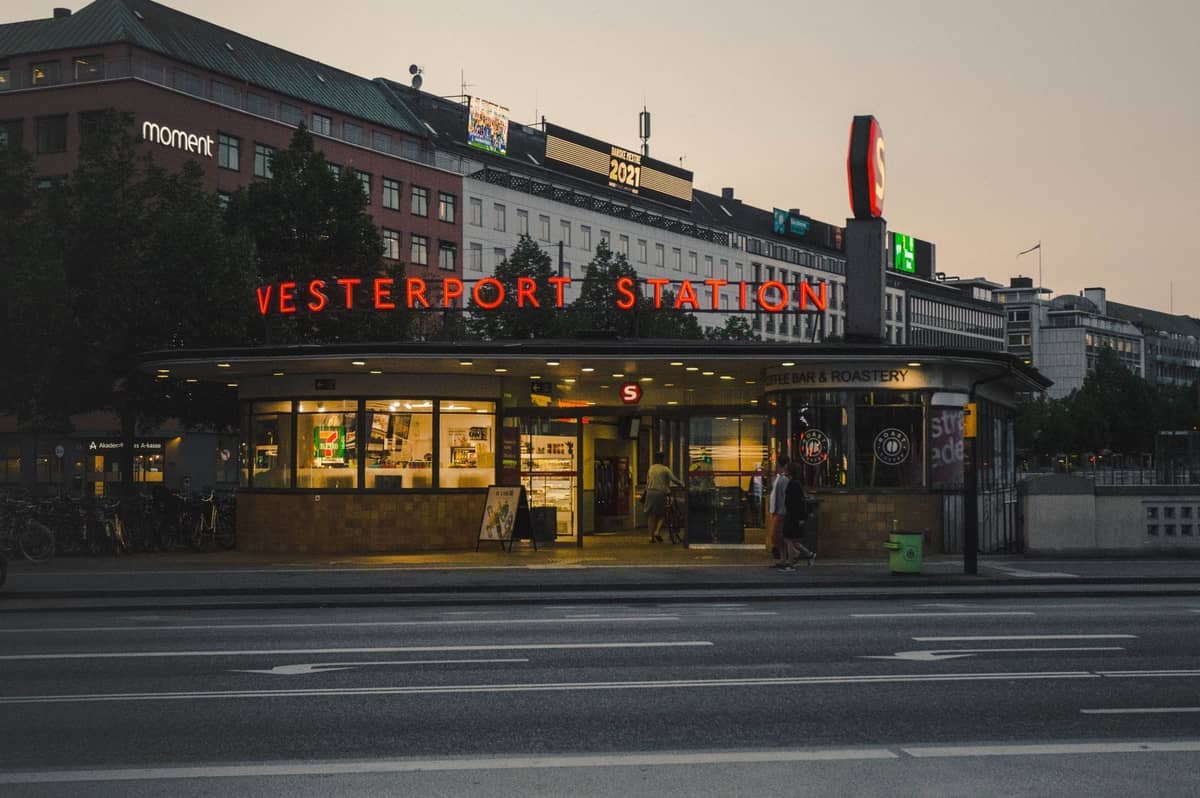
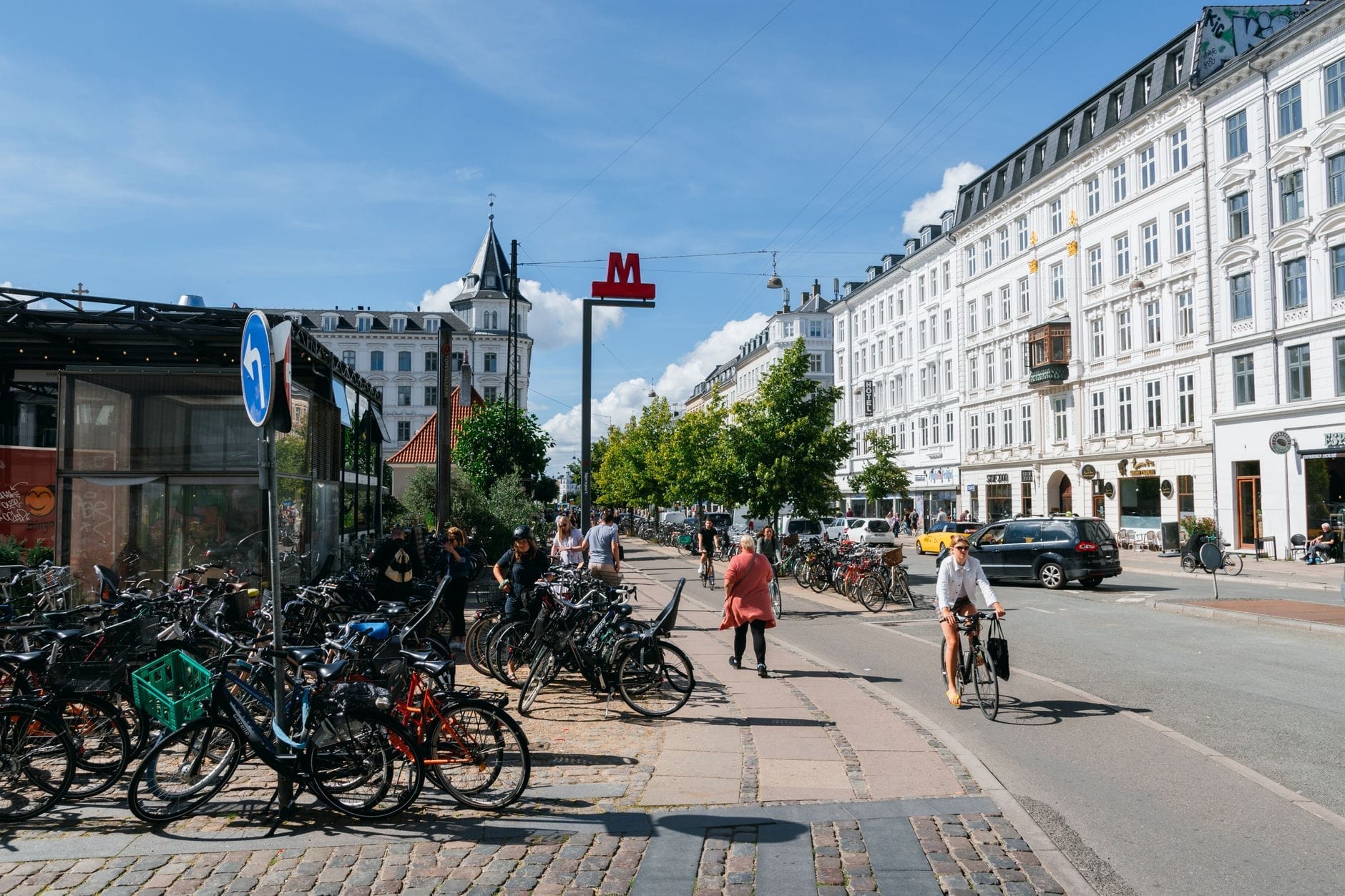
Getting around Copenhagen is genuinely straightforward once you understand one core principle: the entire network operates on a shared zone-based ticketing system. A single valid ticket covers the metro (M1–M4), S-trains, city buses, regional trains within purchased zones, harbour buses, and night buses. You do not need separate tickets for different modes — one ticket, one time window, all transport.
The zones radiate outward from the city centre. Most tourist destinations in central Copenhagen sit within zones 1–2, so a 2-zone ticket at 24 DKK covers a lot of ground. That ticket is valid for 75 minutes, enough time to transfer between a bus and the metro. Extend to 3 zones (around 36 DKK) for travel to Copenhagen Airport (CPH), which sits about 8 km from the centre and falls in zone 4. Validity increases with zone count: 3 zones gives you 90 minutes, 6 zones gives you 135 minutes.
⚠️ What to skip
Promotional metro-only passes occasionally appear during spring and summer campaigns. These are NOT valid on buses, S-trains, or regional trains — only on the metro itself. Standard zone tickets and City Passes cover all modes. Check what you're buying before you travel.
From 18 January 2026, 4–6 zone single tickets are priced at 40, 46, and 50 DKK respectively. Most city-only trips won't require more than 2–3 zones, so the fare increases mainly affect day trips toward the suburbs or airport connections with longer routing. Prices are set by DOT (Din Offentlige Transport), the coordinating body for the Capital Region's transport network.
The Metro, S-Train, and Bus Network: What to Use When
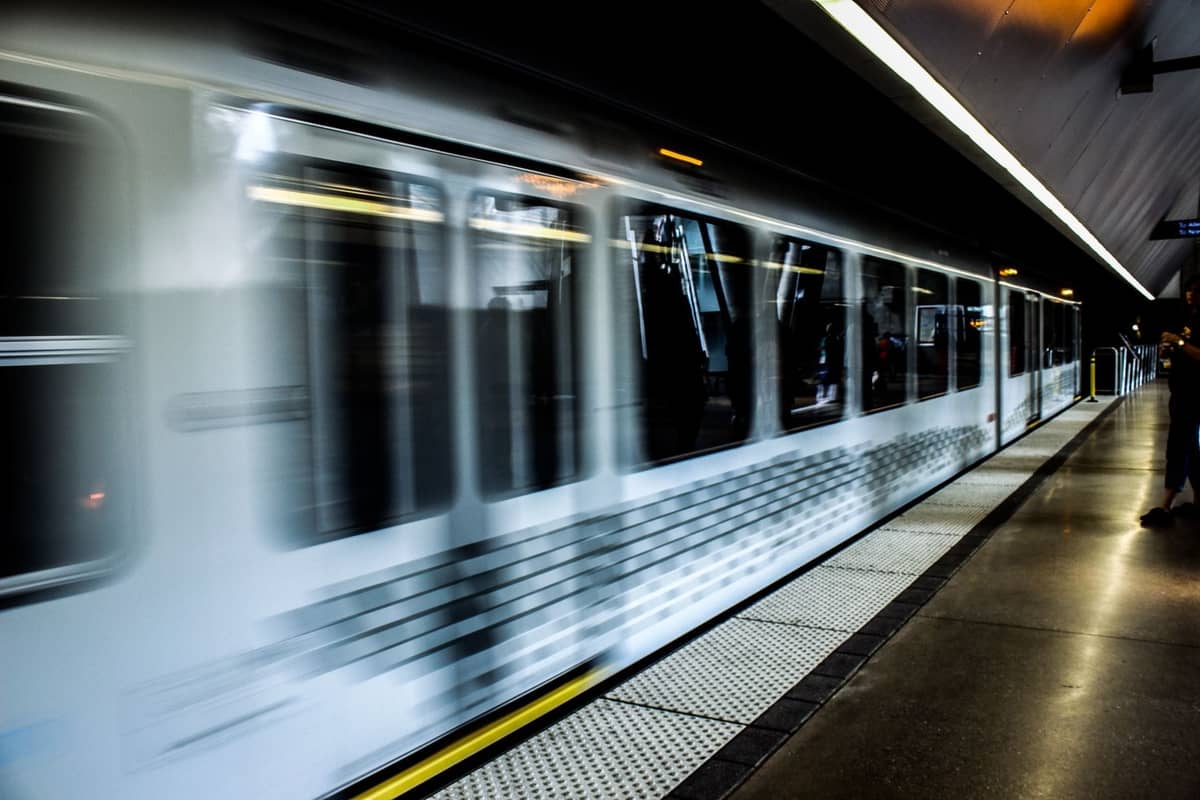
The Copenhagen Metro is the fastest option for most tourist trips. Lines M1 and M2 connect the city centre to Christianshavn, Nørreport, the university area, and the airport. M3 (the Cityringen) is a circular line completed in 2019 that loops through Frederiksberg, Vesterbro, Nørrebro, and Østerbro — effectively connecting districts that previously required a bus transfer. M4 extends toward the harbour front and Orientkaj. All four lines run 24 hours a day, 7 days a week, every 2–4 minutes at peak times and every 7–20 minutes overnight.
S-trains (S-tog) cover greater Copenhagen and the surrounding suburbs, making them essential for reaching outer areas and for connecting to day trips. If you're planning to visit the Louisiana Museum of Modern Art in Humlebæk or take one of the popular day trips from Copenhagen, you'll use the S-train or regional rail out of København H (Central Station).
Buses fill the gaps the metro doesn't reach, particularly in residential areas and along routes the circular M3 bypasses. Harbour buses (routes 991–993) are a scenic and practical option between Islands Brygge, Nyhavn, the Black Diamond library, and the Opera House — the fare uses the same zone ticket, and the views justify the slightly slower pace. Night buses operate after midnight on most routes when metro frequency drops.
- Metro (M1–M4) Best for: airport, Christianshavn, Nørreport, circular city loop. Runs 24/7.
- S-train (S-tog) Best for: suburbs, Frederiksberg, and intercity connections. Runs from around 5am to 12:30am, with reduced weekend hours.
- City buses Best for: gaps in metro coverage, neighbourhood exploration. Lines 5C and 6A are key cross-city routes.
- Harbour buses Best for: scenic waterfront transit between Nyhavn, Islands Brygge, and the cultural harbour area.
- Night buses Best for: late arrivals and departures after midnight. Marked with an N prefix. Same zone tickets apply.
Buying Tickets: Apps, Machines, and Day Passes
Tickets must be purchased before boarding — there is no on-board payment option, and travelling without a valid ticket results in a spot fine. Inspectors board without warning on all modes, including buses. The fine is significant and non-negotiable.
The easiest method for most visitors is the Rejsekort, a contactless travel card you check in and out with at yellow card readers. It automatically calculates the correct zone and applies a slight discount over single tickets. You can load credit at machines and top up as you go. Alternatively, the DOT Tickets app and Mobilbillet app allow mobile ticket purchases for single trips and day passes without needing a physical card. Ticket machines are available at every metro and S-train station, including at Copenhagen Airport, and accept both card and cash.
✨ Pro tip
7-Eleven stores near major stations sell physical single tickets and City Passes. If you're arriving late and the airport machines are busy, this is a fast backup. The store inside the arrivals hall at CPH keeps long opening hours and is a reliable backup if machines are busy.
For visitors staying 2–5 days and planning to use transport frequently, the City Pass is worth calculating. City Pass Small covers zones 1–4 (enough for the entire city and airport) and costs around 100 DKK for 24 hours up to 340 DKK for 120 hours. City Pass Large extends to zones 1–99 and runs from around 200 to 600 DKK for the same time range — relevant only if you're taking regional trains to places like Helsingør or Roskilde.
The Copenhagen Card takes this further by bundling unlimited zone 1–99 transport with free admission to over 80 attractions, including major museums and the harbour bath. If your itinerary involves several paid attractions, run the numbers: the card frequently pays for itself within two or three museum visits.
Getting from Copenhagen Airport to the City Centre
Copenhagen Airport (CPH) is one of the better-connected airports in Europe for city access. The metro M2 line runs directly from the airport to the city centre in about 12 minutes, stopping at Christianshavn and Kongens Nytorv, with easy interchange to other lines. Regional trains (operated by DSB) also serve the airport and connect to Central Station (København H) in roughly the same time, sometimes faster depending on stops.
Both options use the same zone 3 ticket, priced around 30–36 DKK depending on exact routing. For context, a taxi from the airport to the city centre typically costs 250–350 DKK or more depending on time of day and traffic. The public transport option is objectively better value for solo or paired travellers. For families with heavy luggage, a taxi or private transfer becomes more reasonable — just expect the price gap to be substantial.
Bus route 5C also connects the airport to the city centre but takes around 35 minutes and involves more stops. It’s not the obvious choice when the metro is this fast, and while it uses the same zone system, some airport configurations cost slightly more than a standard 3-zone single, but it’s useful if your destination is along the bus corridor rather than on the metro line.
ℹ️ Good to know
Uber does not operate in Denmark. The main app-based alternative is Bolt. Licensed taxis are metered and widely available at the airport and major city stands — look for cars with official taxi signage on the roof and company branding. Always confirm the meter is running before you depart.
Cycling in Copenhagen: Practical, Not Just Picturesque
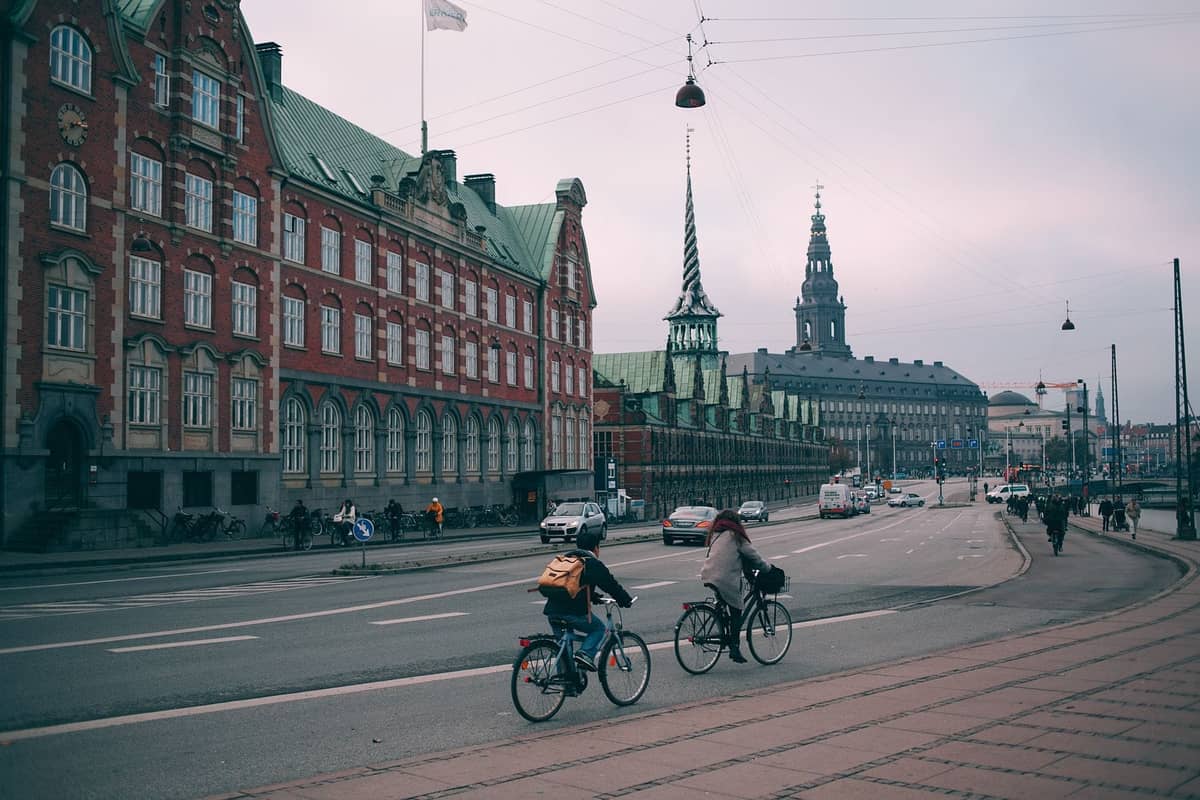
Copenhagen has around 400 km of dedicated cycle lanes, and cycling is genuinely how a large proportion of residents commute year-round. For visitors, renting a bike for a day or more is one of the most practical decisions you can make, especially if you're staying in the centre and visiting attractions within a 5–6 km radius. The cycling in Copenhagen guide covers rental costs, route suggestions, and the rules of the road in detail.
A few practical notes: cycle lanes are on the right side of the road, between the pavement and the car lane, and they are taken seriously. Pedestrians should not walk in them. Cyclists indicate with arm signals and give way at junctions according to clear right-of-way rules. Riding confidently but attentively is the right approach. City Bike (Bycyklen) electric bikes are available across the city through an app, and several private rental companies operate near Central Station and Nørreport.
Navigating by Neighbourhood: Practical Logistics
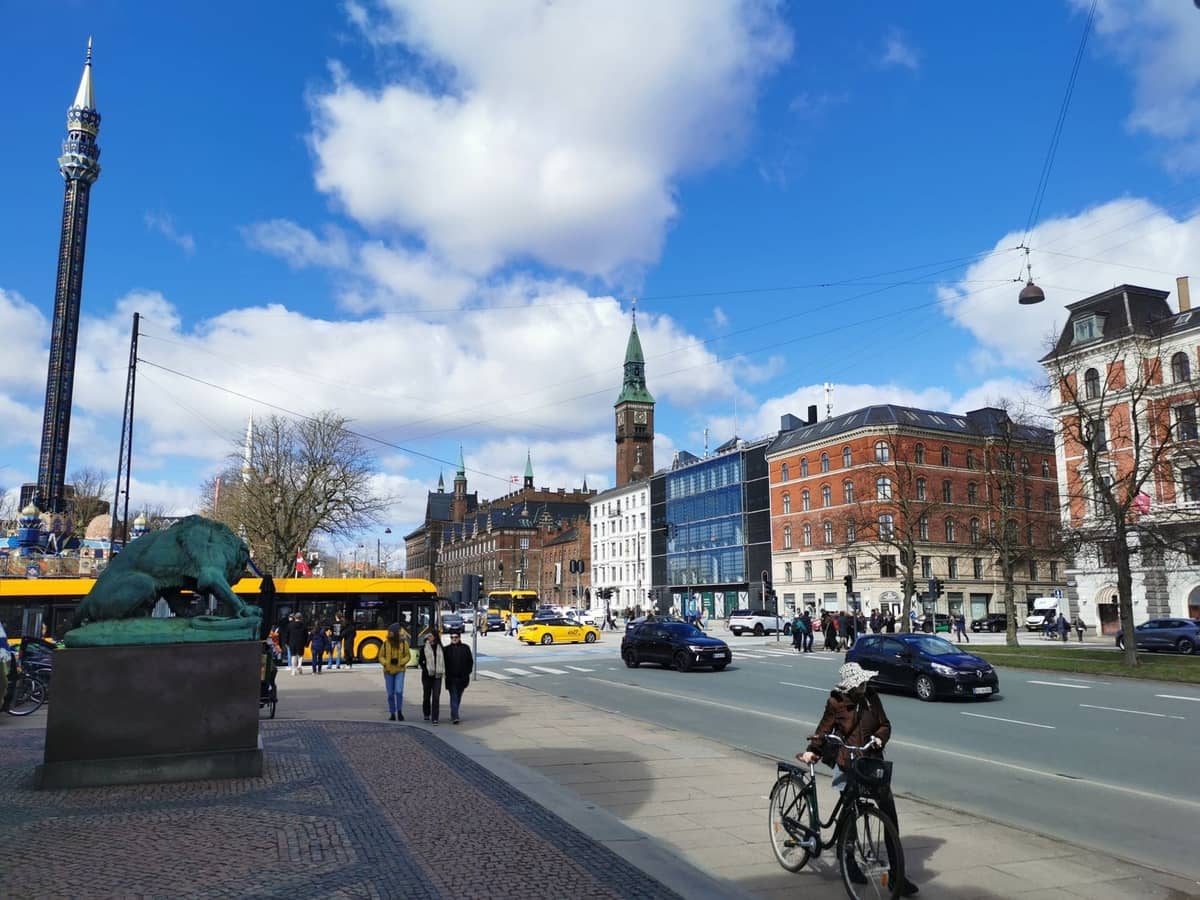
Understanding Copenhagen's districts helps you plan transport efficiently. Indre By, the historic core, is compact enough to walk across in 20–25 minutes. Most major attractions — Rosenborg Castle, Strøget, and the National Museum — sit within this walkable zone. For this area, public transport is often slower than walking.
Moving between districts is where transport earns its keep. Nørrebro is best reached by metro (M3, Nørrebro station) or bus. Vesterbro and the Meatpacking District are a short walk from Central Station or accessible via M3. Christianshavn sits on M1 and M2, making it one of the easiest districts to reach by metro. For Østerbro, buses and the M3 (Skjolds Plads or Trianglen stops) both work well.
- Walk Indre By — the centre is small and most sights are within 15 minutes on foot from each other
- Metro M3 (Cityringen) for Vesterbro, Nørrebro, and Frederiksberg without backtracking through the centre
- M1/M2 for Christianshavn, the airport, and Amager
- S-train for Frederiksberg Palace, northern suburbs, and rail connections
- Harbour bus for a scenic route between Nyhavn, the Black Diamond, and Islands Brygge
💡 Local tip
Google Maps and the official Rejseplanen app (available in English) both provide accurate real-time journey planning across all Copenhagen transport modes. Rejseplanen is marginally better for complex multi-modal trips and shows exact platform numbers. Download it before you arrive.
FAQ
How much does public transport cost in Copenhagen?
The minimum fare is 24 DKK for a 2-zone ticket, valid for 75 minutes across all transport modes. Most city-centre trips fall within 2–3 zones. A 3-zone ticket (covering the airport) costs around 36 DKK and is valid for 90 minutes. From 18 January 2026, 4–6 zone singles are priced at 40, 46, and 50 DKK respectively. Day passes (City Pass Small, zones 1–4) start from around 100 DKK for 24 hours.
Is the Copenhagen Metro 24 hours?
Yes. All four metro lines (M1–M4) run 24 hours a day, 7 days a week. Frequency ranges from every 2–4 minutes at peak times to every 7–20 minutes overnight. S-trains and most buses do not run 24 hours — night buses cover major routes after midnight.
Can I use one ticket on both the metro and the bus?
Yes. A standard zone-based ticket or City Pass is valid across all modes: metro, buses, S-trains, regional trains (within purchased zones), harbour buses, and night buses. The only exception is metro-only promotional passes, which occasionally appear in seasonal campaigns and are not valid on buses or trains.
Is it worth renting a bike in Copenhagen?
For most visitors staying 2 or more days, yes. The city's cycling infrastructure is excellent and most central attractions are within comfortable cycling distance. Bikes are especially practical for Nørrebro, Vesterbro, and the harbour area, where cycling is often faster than waiting for transit. Electric city bikes (Bycyklen) are available via app, and private rentals are widely available near Central Station.
What is the best transport option from Copenhagen Airport to the city?
The metro M2 and regional DSB trains both reach the city centre in about 12–15 minutes for a 3-zone ticket costing around 30–36 DKK, depending on the specific fare product. This is by far the most cost-effective option. Taxis cost 250–350 DKK or more. Uber does not operate in Denmark, but Bolt is available as an app-based alternative. Bus 5C is cheaper in some configurations but takes around 35 minutes.