2 Days in Copenhagen: The Perfect Weekend Itinerary
Two days in København is genuinely enough to cover the city's royal palaces, canal district, world-class food markets, and Freetown Christiania without feeling rushed. This itinerary sequences the sights logically, cuts the walking time, and flags what is actually worth your limited hours.
Plan and book this trip
Tools from our partner Travelpayouts help you compare flights and hotels. If you book through them, we may earn a commission at no extra cost to you.
Flights
Hotels map
TL;DR
- Two days is sufficient to cover Nyhavn, Rosenborg Castle, Amalienborg, The Little Mermaid, Tivoli Gardens, Christianshavn, and Christiania at a relaxed pace.
- The Copenhagen Card covers entry to 80+ attractions plus unlimited metro, bus, and S-train travel — worth calculating against your specific plans using our Copenhagen Card guide.
- The metro from Copenhagen Airport (CPH) to Kongens Nytorv takes around 15 minutes on line M2 — the fastest, cheapest way in from the airport.
- Late May to early September gives you the longest daylight, open canal tours, and outdoor venues at full operation. Winter weekends are quieter and atmospheric but several outdoor spots lose their appeal.
- Book Rosenborg Castle and Tivoli Gardens in advance, especially on summer weekends. See the full Copenhagen things to do guide if you want to go deeper.
Before You Arrive: Logistics Worth Sorting
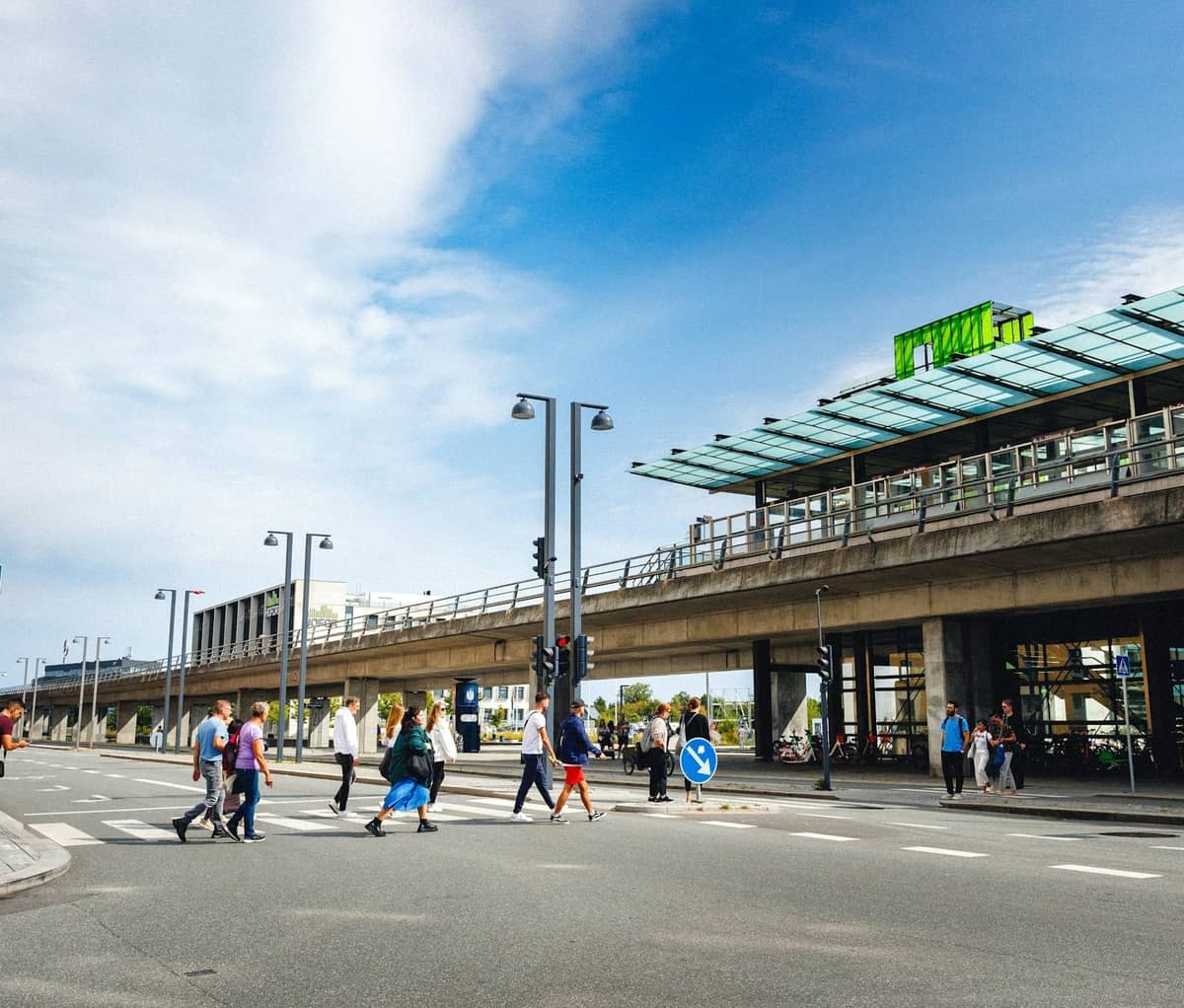
Copenhagen Airport (Københavns Lufthavn, IATA: CPH) sits about 8 km from the city centre. Metro line M2 connects the airport directly to Kongens Nytorv, the main interchange hub in central Copenhagen, in roughly 13–15 minutes. A standard 3-zone public transport ticket for this journey costs around 36 DKK, though fares are zone-based and should be verified at the airport ticket machines before you travel. Taxis and ride-hailing via Bolt (Uber operates only as Uber Taxi with licensed cabs in Denmark) are significantly more expensive, typically 250–350 DKK for the same journey. Unless you have heavy luggage or an early morning arrival with no metro service, the Metro is the obvious choice.
The city runs on Danish krone (DKK). English is spoken fluently almost everywhere you will go as a tourist, so language is not a concern. Tap water is safe to drink. Tipping is not mandatory as service charges are included in most bills — rounding up or leaving a small amount is entirely optional. For a full breakdown of getting between neighbourhoods, check the getting around Copenhagen guide.
💡 Local tip
The Copenhagen Card (copenhagencard.com) covers unlimited public transport across zones 1-99 plus free entry to more than 80 attractions including Rosenborg Castle, the National Museum, and many others. Run the numbers against your specific plans: if you are hitting three or more paid attractions per day, it usually pays for itself. A 48-hour card covers a two-day visit precisely.
Day 1: Royal Copenhagen, the Canal District, and Nyhavn
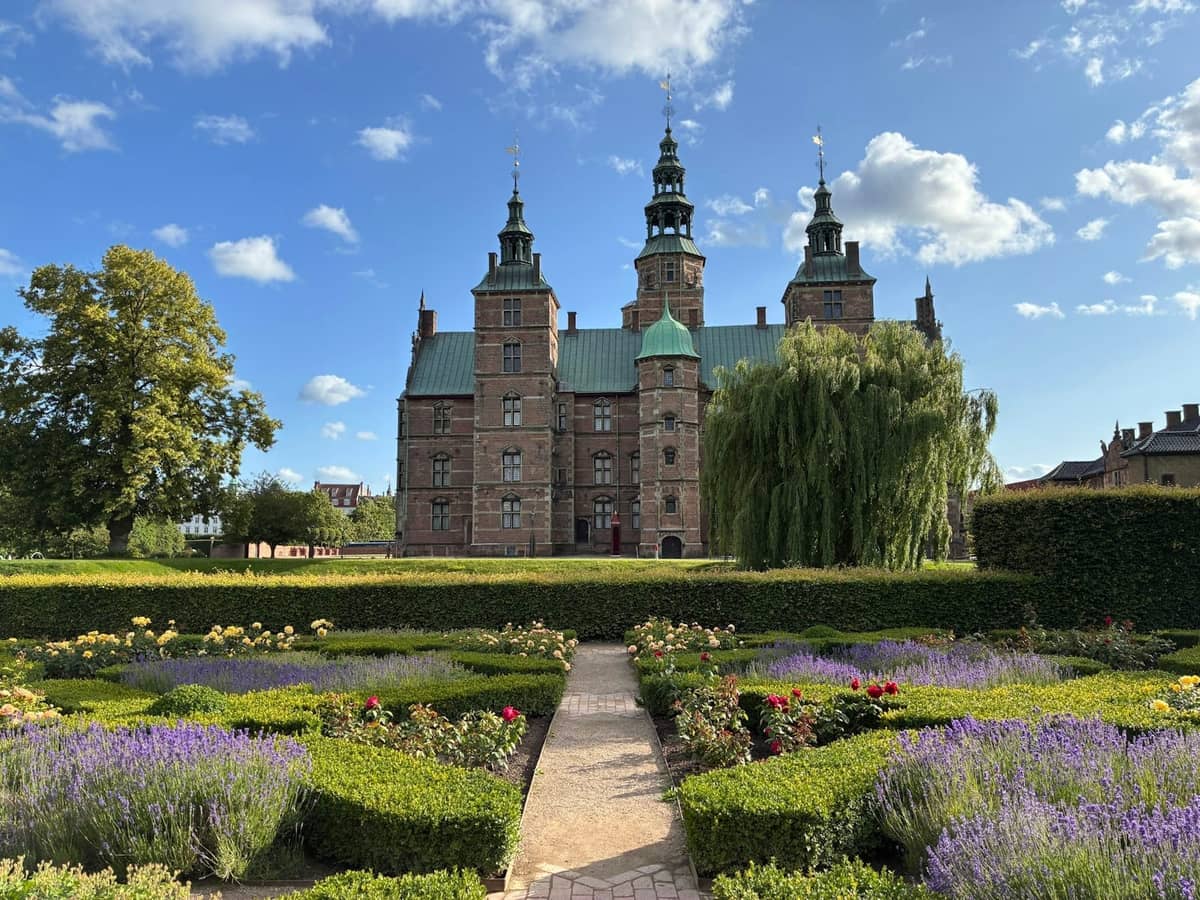
Start the morning at Rosenborg Castle, a Renaissance-era palace built by Christian IV in the early 1600s. The reason to go early is practical: timed entry slots fill quickly on weekends, and the King's Garden (Kongens Have) surrounding it is at its best before the lunch crowd arrives. The castle houses the Danish Crown Jewels in its basement treasury, and these are the genuine draw. Adult tickets run around 140 DKK, with students around 100 DKK and under-18s free. Allow 90 minutes inside.
From Rosenborg, it is a short walk north toward the Amalienborg Palace complex, the official residence of the Danish royal family. The changing of the guard happens daily at noon and is worth timing your walk for. Nearby, Frederik's Church (the Marble Church) is free to enter and offers a striking domed interior — it takes 20 minutes and is often skipped by visitors who later regret it. From Amalienborg, continue north along the waterfront to Kastellet, the 17th-century star-shaped fortress, and then to The Little Mermaid statue on Langelinie. Be honest with yourself here: the statue is small and frequently crowded. It is historically significant as a symbol of the city, but it rewards visitors who manage expectations, not those expecting a spectacle.
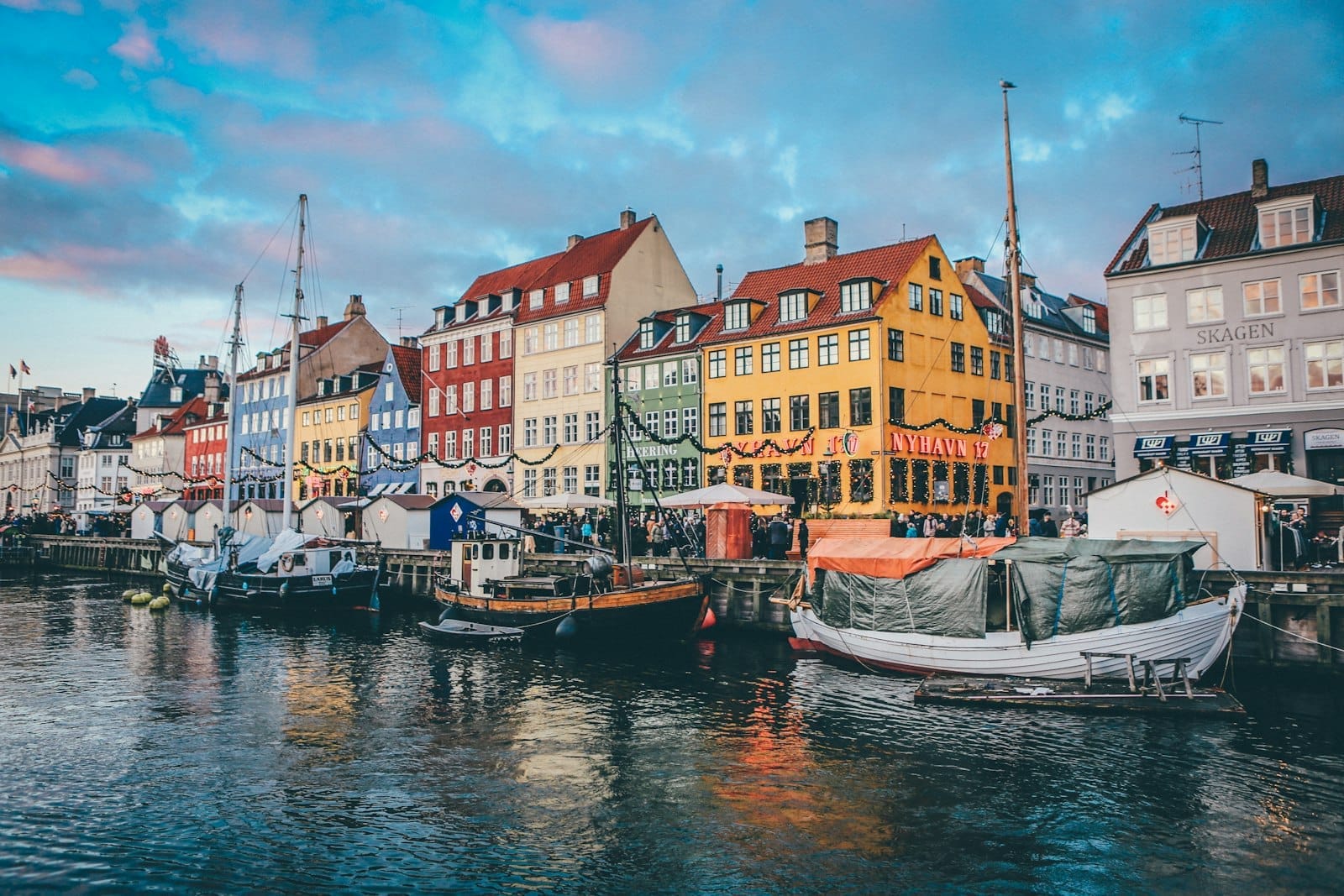
Spend the afternoon at Nyhavn, the canal lined with colourful 17th- and 18th-century townhouses. A canal boat tour departing from Nyhavn is one of the best ways to get oriented: Netto-Bådene runs roughly hourly tours (approximately 60 DKK adults, 25 DKK children) covering the harbour and canals. Tours run from spring through early autumn. The canal-side restaurants in Nyhavn look appealing but skew toward tourist pricing; the smørrebrød and coffee options on the side streets behind the canal tend to offer better value. In the evening, Tivoli Gardens is the logical conclusion to Day 1. The amusement park opens in the evening during summer and is genuinely beautiful after dark, with illuminated gardens, live music stages, and rides. Book tickets in advance on weekends.
- Morning (9:00-11:30) Rosenborg Castle and King's Garden — arrive at opening, book timed entry in advance.
- Late morning (11:30-13:30) Walk north to Amalienborg (catch the noon guard change), Frederik's Church, and Kastellet.
- Early afternoon (13:30-15:00) The Little Mermaid statue and Langelinie waterfront promenade.
- Afternoon (15:00-18:00) Nyhavn canal area and a 1-hour boat tour.
- Evening (19:30 onwards) Tivoli Gardens — best experienced after dark in summer.
Day 2: Christianshavn, Christiania, and the Old City
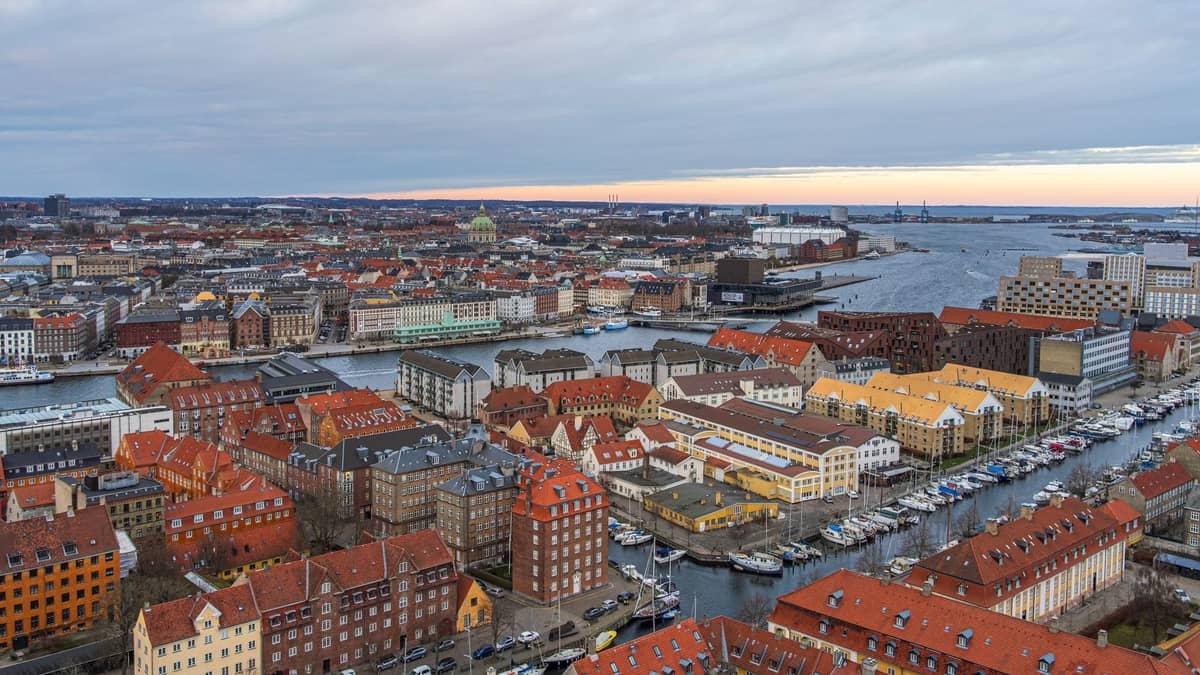
Cross to Christianshavn first thing on Day 2. The neighbourhood has a quieter, canal-laced character that contrasts with the tourist density of Nyhavn. Start at the Church of Our Saviour (Vor Frelsers Kirke) on Sankt Annæ Gade. The external spiral staircase, which winds to the top of the tower, gives one of the better elevated views of the city. The climb is around 400 steps and not suitable for those uncomfortable with heights, but the view over Christianshavn's canals and toward the city centre is genuinely worth it on a clear day. Entry to the tower costs around 80 DKK (verify current prices before visiting).
From the church, walk five minutes to Freetown Christiania. Founded in 1971 by squatters occupying a former military base, Christiania operates as a self-governing community of around 900 residents. It functions as a neighbourhood as much as a social experiment: there are galleries, workshops, cafés, and live music venues. Photography is restricted in parts of the area, particularly on Pusher Street, and signs clearly indicate where cameras are unwelcome. Respect these rules without exception. Plan 90 minutes to walk through at a relaxed pace.
⚠️ What to skip
Christiania is worth visiting, but do not make it the centrepiece of your Copenhagen trip at the expense of the city's extraordinary museum collections, food scene, or architecture. It is one neighbourhood among many genuinely interesting ones.
After Christiania, cross back to the old city and spend the afternoon at Christiansborg Palace on Slotsholmen island. This is the seat of the Danish Parliament (Folketing) and contains the Royal Reception Rooms. The palace tower is free to access and provides another strong city viewpoint. Nearby, the National Museum of Denmark covers Viking Age artefacts, Norse history, and Danish cultural history in depth. It is a serious museum that deserves two hours minimum.
For food and a mid-afternoon break, Torvehallerne on Israels Plads is the best covered market in the city. Two large glass-and-steel halls contain around 60 stalls selling fresh produce, smørrebrød, coffee, pastries, and ready-to-eat food. It is genuinely popular with locals, not just tourists, and the quality is consistently high. For a proper introduction to Danish open-faced sandwiches, read our Copenhagen smørrebrød guide before you go so you know what to order.
- Morning (9:00-10:30) Church of Our Saviour tower climb — go early before queues build.
- Mid-morning (10:30-12:30) Freetown Christiania — allow 90 minutes to walk the area properly.
- Afternoon (12:30-17:00) Christiansborg Palace tower and the National Museum of Denmark.
- Mid-afternoon break Torvehallerne market — smørrebrød, fresh coffee, and Danish pastries.
- Late afternoon/evening Strøget pedestrian street for shopping, or Vesterbro's Meatpacking District for dinner.
What to Skip (or Save for a Longer Trip)
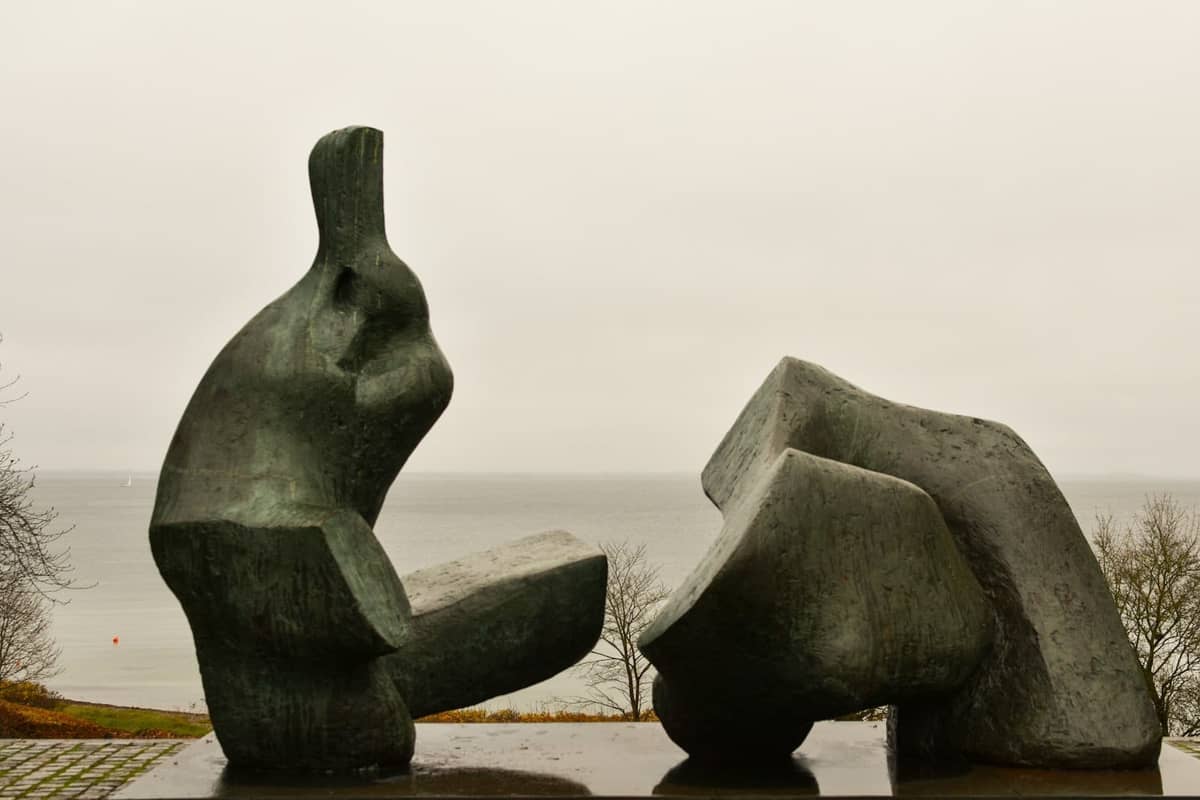
With only 48 hours, some significant attractions have to be left out. The Louisiana Museum of Modern Art in Humlebæk, about 35 km north of the city, is one of the great modern art museums in Europe. It is worth an entire half-day on its own and is better saved for a longer visit or treated as a dedicated day trip. Similarly, Kronborg Castle in Helsingør (the setting for Shakespeare's Hamlet) is a world-class site but requires around three hours of travel time round-trip. These are not failures to include in a weekend; they are reasons to come back.
The SMK National Gallery of Denmark is closed on Mondays, so if your trip falls on a Sunday-Monday weekend, factor this in. The Ny Carlsberg Glyptotek near Tivoli contains an impressive collection of ancient Mediterranean and French Impressionist art and deserves more than a rushed 45-minute pass-through. If museums are a priority, the best museums in Copenhagen guide will help you choose where to focus.
✨ Pro tip
Copenhagen's neighbourhoods reward slow walking more than attraction-ticking. If you find yourself sprinting between sights to hit everything on a list, cut one attraction and spend that time in Nørrebro or along the Lakes (Søerne). The residential streets and canal paths are as much a part of the city's character as the palace interiors.
Seasonal Timing: When Your 2-Day Trip Lands Matters
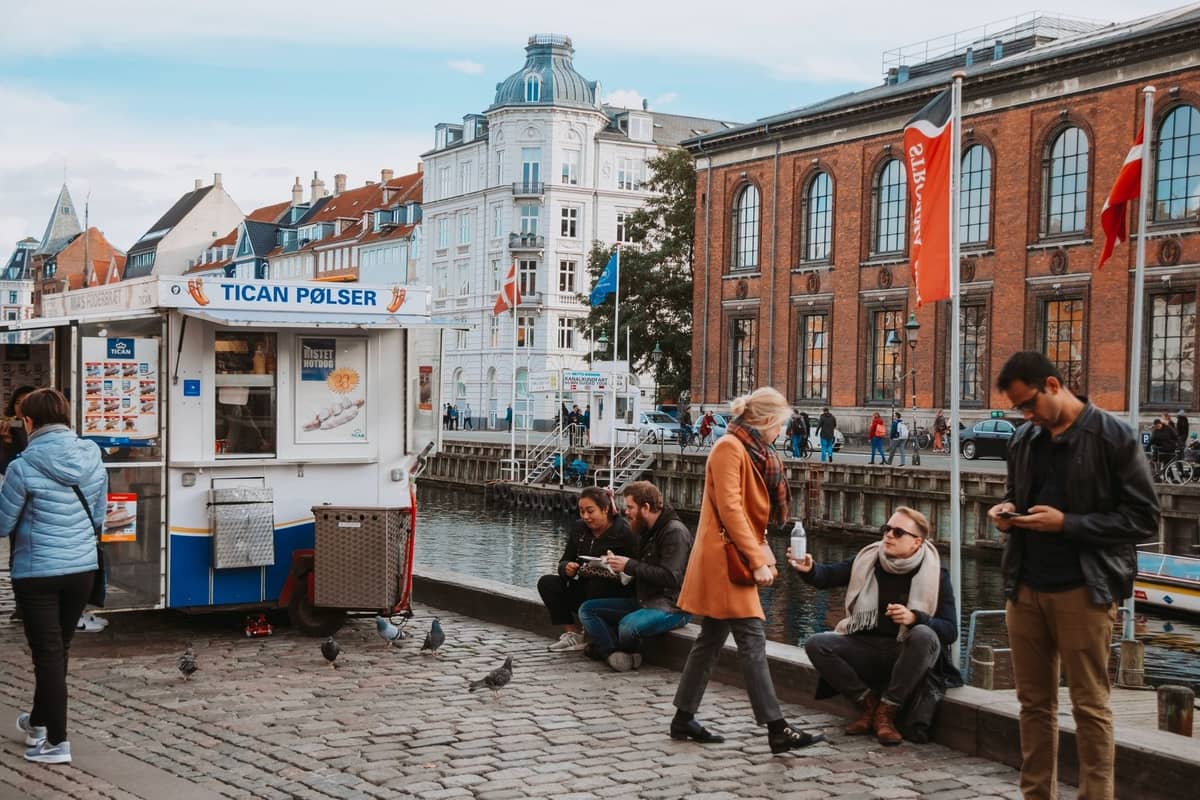
A Copenhagen weekend itinerary in June or July means roughly 17 hours of daylight, outdoor canal tours running at full frequency, harbour baths open at Islands Brygge, and the street food market at Reffen operating at full capacity. These are genuinely significant additions to a two-day visit. Summer is also when Tivoli Gardens runs at full operation with its evening programme. The trade-off is crowds: Nyhavn in July is significantly more congested than in May, and popular restaurants need advance booking.
May and September are arguably the sweet spot: fewer tourists, still-pleasant temperatures (around 13-18°C), and most outdoor venues still open. October through March is a different city. Daylight drops sharply, some outdoor attractions close or reduce hours, and the canal tour season winds down. That said, Copenhagen in winter has its own logic: the Christmas markets (see our Copenhagen Christmas guide) are genuinely good, Tivoli runs a winter season, and the museum scene is at its quietest and most accessible. For more detailed seasonal analysis, the best time to visit Copenhagen guide covers month-by-month conditions.
- June-August: Maximum daylight, all outdoor venues open, peak crowds and prices.
- May and September: Good weather, fewer crowds, nearly all attractions operational.
- October-November: Autumn atmosphere, shorter days, some outdoor venues closing.
- December-February: Winter markets, Tivoli winter season, and Christmas crowds in December — cold (around 0-4°C).
- March-April: Unpredictable weather but the city starts reopening outdoor venues as spring progresses.
Food, Budget, and Practical Numbers
Copenhagen is an expensive city. Budget around 150-250 DKK for a sit-down lunch, 275-450 DKK for a mid-range dinner per person without wine. Torvehallerne and the street food market at Reffen offer significantly lower-cost meals (80-150 DKK) without sacrificing quality. The New Nordic cuisine movement that put Copenhagen on the global food map is well represented across price points; you do not need a Michelin-starred reservation to eat exceptionally well here. For a practical breakdown of where and what to eat, the Copenhagen food guide covers everything from bakeries to fine dining.
For a two-day trip on a tighter budget, the Copenhagen on a budget guide identifies the free museums (the David Collection is permanently free; SMK occasionally offers free SMK Fridays evenings), free parks like Kastellet and the King's Garden, and other ways to reduce daily spend without cutting the experience short. Knowing what to spend on versus what to skip makes a significant difference.
FAQ
Is 2 days in Copenhagen enough to see the main sights?
Yes, two days is enough to cover the core of Copenhagen at a relaxed pace: Nyhavn, Rosenborg Castle, the royal palace district, The Little Mermaid, Christianshavn, Christiania, Christiansborg, and Tivoli Gardens all fit within 48 hours without rushing. You will not exhaust the city, but you will leave having seen its most significant areas. A third day would open up day trips to Louisiana or Kronborg, or more time in the neighbourhoods.
What is the best way to get from Copenhagen Airport to the city centre?
The Metro (line M2) from Copenhagen Airport to Kongens Nytorv takes around 13–15 minutes and costs approximately 36 DKK for a standard 3-zone ticket. Trains run frequently. This is the standard low-cost option. Taxis and Bolt are available but typically cost 250–350 DKK for the same journey and offer no time advantage except late at night or with heavy luggage.
Is the Copenhagen Card worth it for a 2-day trip?
It depends on your itinerary. The 48-hour Copenhagen Card covers unlimited public transport in zones 1-99 and free entry to more than 80 attractions. If you plan to visit Rosenborg Castle, the National Museum, the Glyptotek, and use the metro multiple times per day, it is likely to pay for itself. If you are spending one of your two days mostly walking and eating rather than visiting paid attractions, the value calculation is less clear. Use the official Copenhagen Card calculator with your specific planned stops before purchasing.
What is the best area to stay in Copenhagen for a short visit?
Indre By (the city centre) and areas around Kongens Nytorv put you within walking distance of Nyhavn, Rosenborg, Christiansborg, and the main metro interchange. Vesterbro is slightly further but has a better concentration of independent restaurants and cafés. Avoid staying near the airport for a sightseeing-focused trip — the metro connection is fast, but adding transit time twice a day to every outing adds up. Our where to stay in Copenhagen guide covers neighbourhoods in detail.
When should I visit Copenhagen for a weekend trip?
May and September offer the best balance: milder temperatures (13-18°C), most outdoor attractions operational, and significantly lower crowds than July. If you want the full summer experience with canal tours, harbour baths, and outdoor markets, June-August is the peak season but expect larger crowds at Nyhavn and popular restaurants. Winter weekends (December-February) are viable for Christmas markets and museum visits but several outdoor venues operate on reduced schedules.