Best Things to Do in Copenhagen: A Practical Guide for Every Traveler
Copenhagen rewards visitors with a rare combination of world-class history, cutting-edge design, and outdoor culture. This guide covers the best things to do in Copenhagen across every interest and budget, with honest assessments and practical logistics to help you plan confidently.
Plan and book this trip
Tools from our partner Travelpayouts help you compare flights and hotels. If you book through them, we may earn a commission at no extra cost to you.
Flights
Hotels map
TL;DR
- Tivoli Gardens, Rosenborg Castle, and Nyhavn canal tours are the classic starting points, but Copenhagen rewards those who go beyond the obvious. See our 2-day Copenhagen itinerary to prioritize smartly.
- The Little Mermaid is worth a quick visit but is genuinely small — manage expectations and don't make it the centerpiece of a day.
- The Copenhagen Card bundles public transit with museum entry and can save meaningful money if you plan to visit several attractions. Read the full Copenhagen Card breakdown before buying.
- Summer (June to August) is peak season for harbor swimming and outdoor culture; December brings Tivoli's Christmas market. Both are excellent, just different.
- Freetown Christiania follows its own rules: no photography on Pusher Street, no running, and genuine respect for residents goes a long way.
Iconic Landmarks Worth Your Time
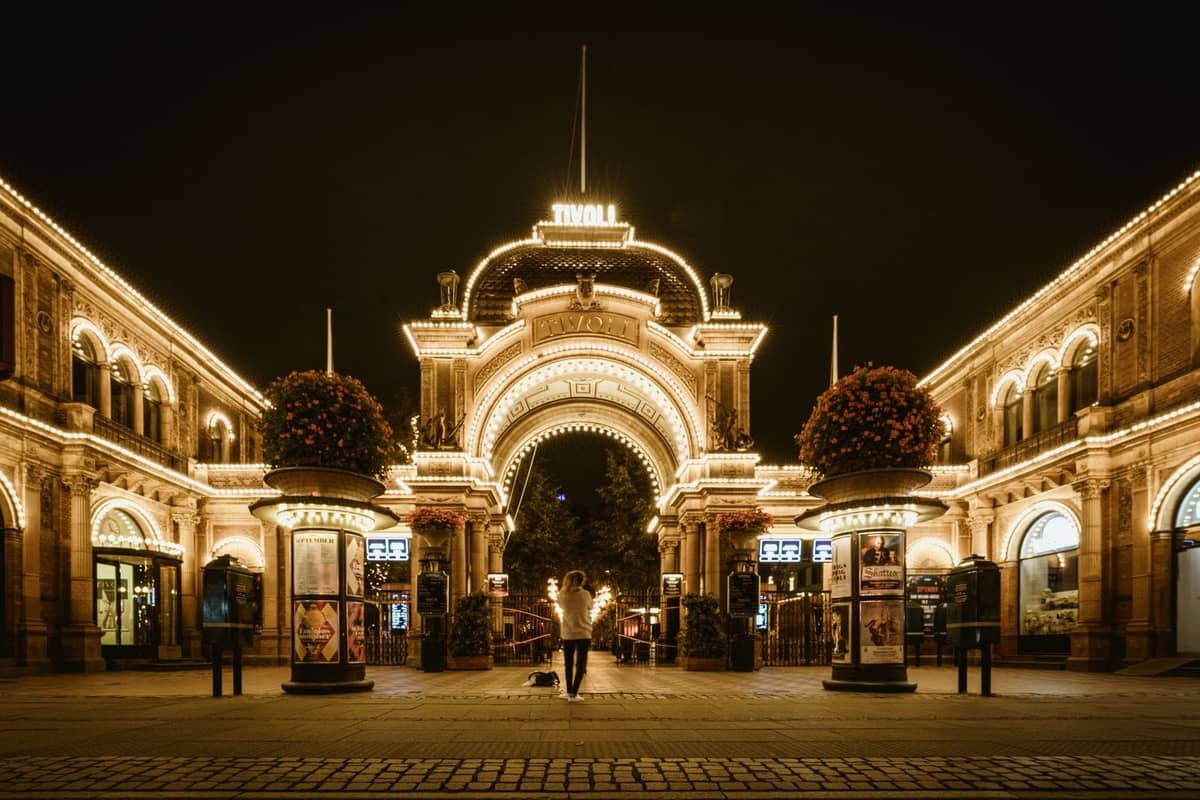
Copenhagen's core landmarks are concentrated enough to cover several in a single day on foot. Tivoli GardensTivoli Gardens sits at the center of the city and is the obvious first stop for many visitors. That history matters: this is not a generic theme park but a carefully maintained cultural institution with gardens, live concerts, restaurants, and rotating seasonal programming. Adults without children often enjoy it more than they expect.
Tickets are sold as entry-only or entry-with-rides, and the ride pass is only worthwhile if you plan to use multiple attractions. The park closes earlier than it appears to on initial reading, particularly for rides, so check current hours at the official Tivoli website before planning an evening visit. Just across the street, Ny Carlsberg Glyptotek houses one of Northern Europe's finest collections of ancient sculpture and French Impressionism — a genuinely underrated stop that most visitors skip.
Rosenborg Castle is a 17th-century royal residence in the heart of the city, housing Denmark's crown jewels in its basement treasury. The surrounding King's Garden (Kongens Have) is Copenhagen's oldest royal park and one of the best spots in the city for a midday picnic in summer. The garden is free to enter. The castle requires a ticket, and queues can be long in July and August — buy online to avoid waiting.
⚠️ What to skip
The Little Mermaid is a genuine piece of Copenhagen history, but it is a small bronze statue perched on a low rock at the waterfront. Many visitors walk 20 minutes from the city center expecting something monumental and feel underwhelmed. Go with accurate expectations: it is a symbol, not a spectacle. Combine it with a walk along Langelinie promenade and a stop at Kastellet fortress nearby to make the trip worthwhile.
The Round Tower (Rundetårn) is the oldest functioning observatory in Europe, built in 1642. The climb is via a wide spiral ramp rather than stairs, which means it is accessible for most visitors. The 360-degree city view from the top costs a modest entry fee and takes under 30 minutes total. It is located in Indre By, the historic city center, making it easy to fold into a morning walking route.
Neighborhoods That Reward Slow Exploration
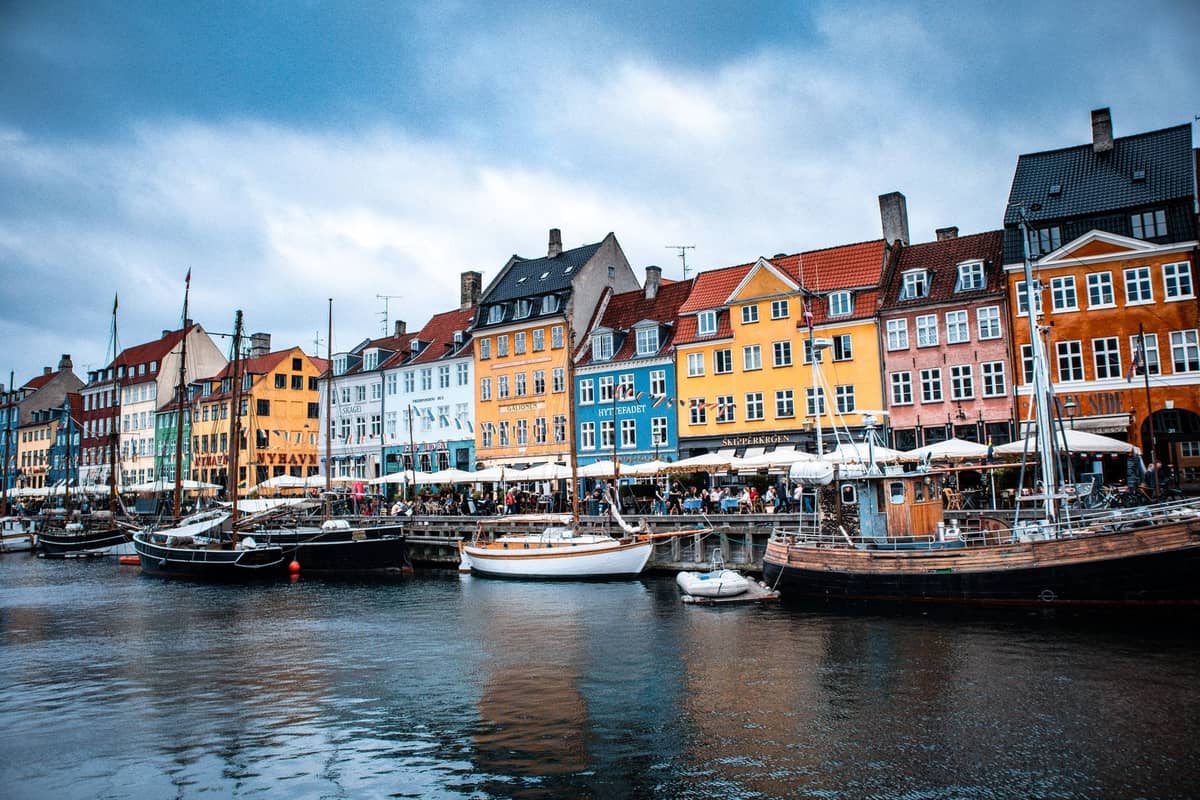
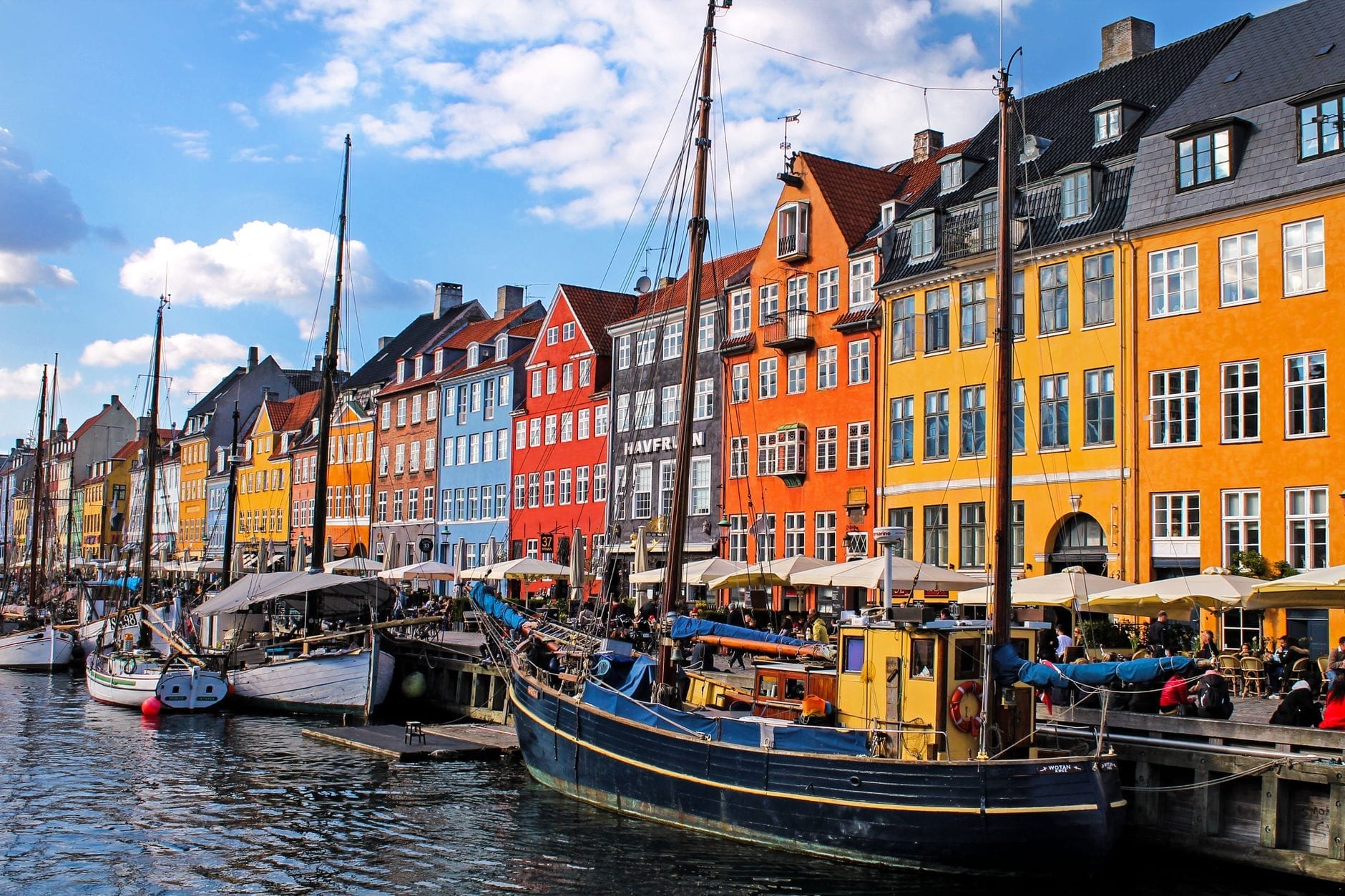
NyhavnNyhavn is the canal-front district with 17th-century townhouses painted in ochre, red, and blue. It is Copenhagen's most photographed street, which means it is also one of the most crowded. The restaurants lining the canal are convenient but come at a premium: expect to pay significantly more per meal here than in surrounding neighborhoods. Use Nyhavn as an orientation point, walk the canal, take a photo, then move on for actual dining. It is Copenhagen's most photographed street, which means it is also one of the most crowded. The restaurants lining the canal are convenient but come at a premium: expect to pay significantly more per meal here than in surrounding neighborhoods. Use Nyhavn as an orientation point, walk the canal, take a photo, then move on for actual dining.
For a more honest experience of how Copenhagen actually lives, head to Nørrebro. This densely urban district is home to independent coffee shops, secondhand bookstores, and the Assistens Cemetery, where Hans Christian Andersen and Søren Kierkegaard are buried. Locals use the cemetery as a park on sunny days, which tells you something about Copenhagen's relationship with public space. Nørrebro is also where you'll find Superkilen, a public park designed by BIG architects that integrates objects sourced from 60 different countries.
Christianshavn deserves at least half a day. The canal district has a slower pace than the city center, with houseboats moored along the water and the copper spire of the Church of Our Saviour visible from most angles. The church tower features an external spiral staircase that can be climbed for excellent harbor views. Christianshavn also provides the main pedestrian access to Freetown Christiania, the self-declared autonomous neighborhood that has operated since 1971.
ℹ️ Good to know
Christiania is a functioning residential community, not a theme park. Photography is strictly prohibited on Pusher Street (the central market area). Running is also prohibited — it creates panic among residents. Walk calmly, respect the space, and understand that the people living here are not performers for tourists. The rest of Christiania, including its cafes, music venues, and lake area, is generally relaxed and welcoming.
Culture, Museums, and Design
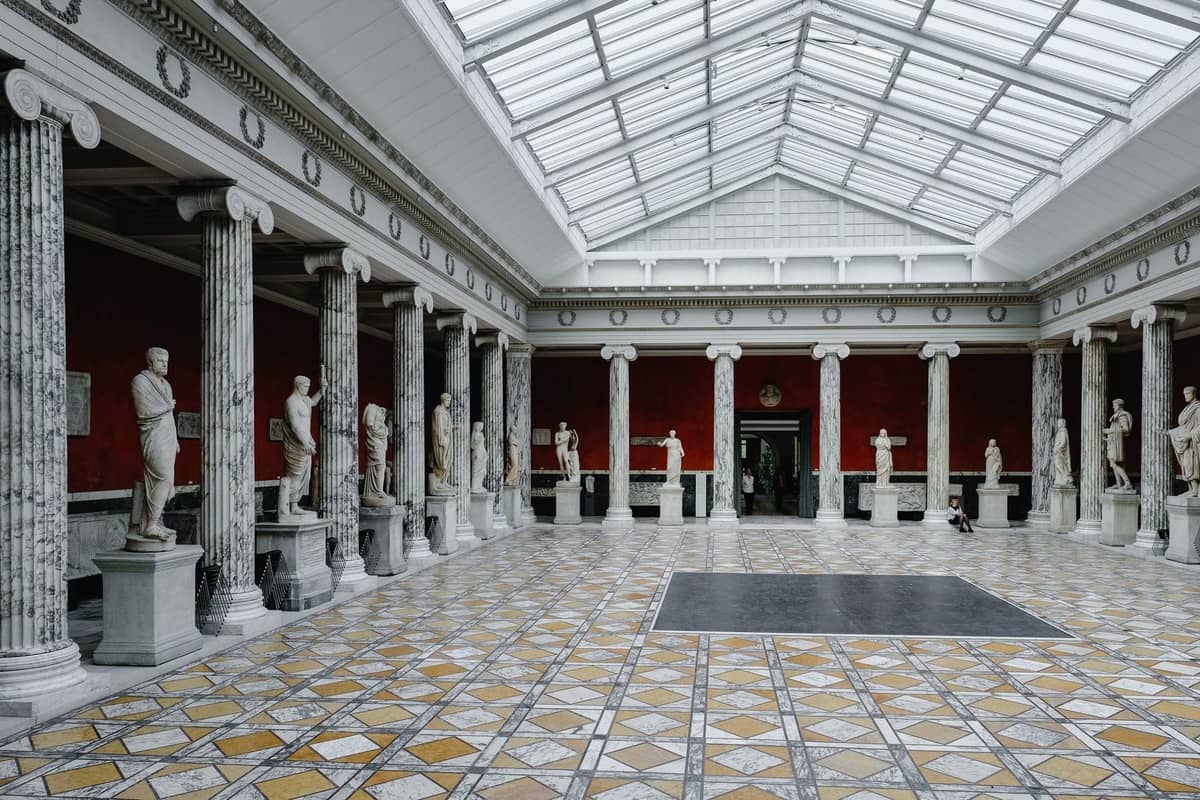
Copenhagen has an unusually strong museum scene for its size. The SMK (National Gallery of Denmark) is free for visitors under 27 and houses Danish and international art from the 14th century to the present. The National Museum covers Danish prehistory through to the Viking Age and beyond — it is one of the most comprehensive Scandinavian history collections in the world and frequently underestimated by visitors focused on contemporary design.
For design specifically, the Designmuseum Danmark traces Danish industrial and applied design from the 18th century forward. Its permanent collection on Danish chairs alone is more interesting than it sounds. Copenhagen's architectural identity is best understood through Copenhagen's design and architecture landscape, which extends from the copper-roofed old city to the newer Ørestad district and the harbor area.
- Louisiana Museum of Modern Art Located 35 km north of Copenhagen in Humlebæk, this is widely considered one of the finest modern art museums in Europe. The permanent collection includes Giacometti, Warhol, and a strong Danish section. The setting, on a coastal bluff above the Øresund, is as important as the art.
- Christiansborg Palace The seat of the Danish Parliament, the Supreme Court, and the Prime Minister's Office. The Royal Reception Rooms are open to visitors on guided and self-guided tours. The palace tower is the highest public viewpoint in central Copenhagen and free to visit.
- Black Diamond (Det Kongelige Bibliotek) The modern extension of the Royal Library on the harbor is a striking piece of architecture that many visitors walk past without entering. The interior atrium and waterfront reading rooms are open to the public. Temporary exhibitions on Danish cultural history are often running.
Outdoor Activities and Harbor Culture
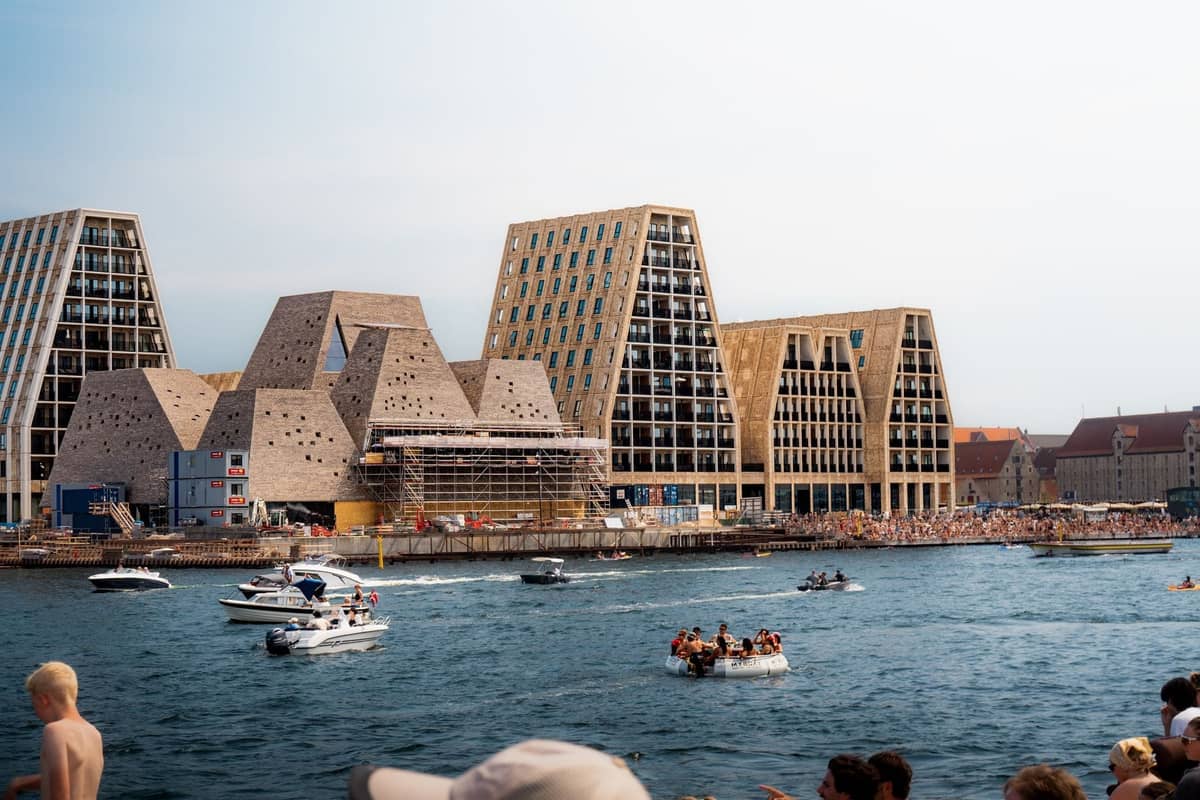
One of the most distinctive things to do in Copenhagen in summer is swimming directly in the harbor. Islands Brygge Harbour Bath is a public outdoor pool built into the harbor with lanes, diving platforms, and a children's pool. Entry is free. It opens in late May or early June and closes in September, with exact dates depending on water temperature testing. On warm weekdays in July, it fills up by mid-morning.
A one-hour canal tour is one of the most efficient ways to orient yourself in Copenhagen. Boats depart from both Gammel Strand and Nyhavn canal throughout the day, with Stromma being the primary operator. The boats pass Christiansborg, the Opera House, Christianshavn, and Freetown Christiania before returning. Tours run year-round, though winter departures are less frequent and obviously colder. Tickets are available at the dock, but booking online in advance saves time during summer.
Cycling in CopenhagenCycling is not a tourist gimmick: it is the primary transport mode for a large portion of residents. Rental bikes and e-bikes are available across the city, and the infrastructure, dedicated lanes on most major streets, makes it genuinely safe for visitors who follow the rules. Cycling from Nyhavn to the Little Mermaid along the harbor takes around 15 minutes and covers several waterfront highlights.
✨ Pro tip
If you visit between late June and early August, check the schedule for the Copenhagen Jazz Festival, which runs for around 10 days and spreads free and ticketed concerts across the city's public squares, parks, courtyards, and venues. Many of the best performances are free and happen outdoors in the early evening. It is one of the most atmospheric times to be in the city.
Food, Markets, and the New Nordic Scene
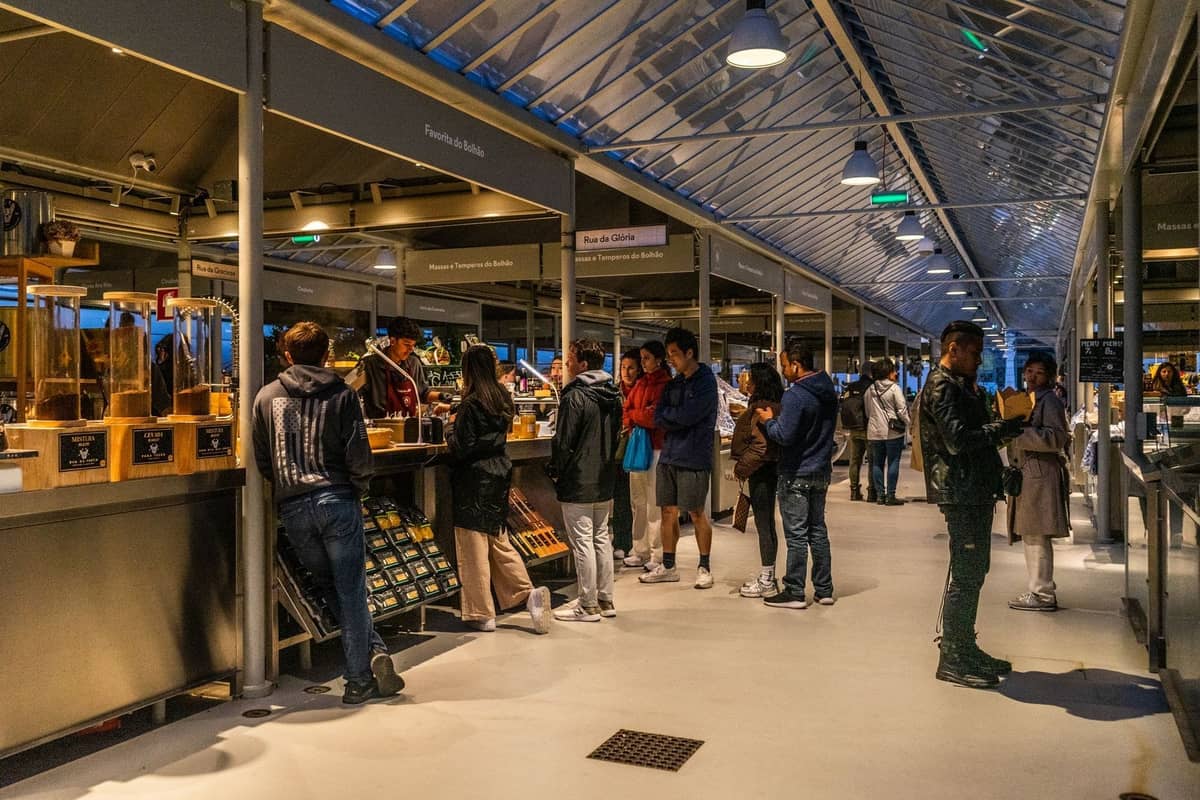
Copenhagen's food identity goes well beyond Noma's influence, even if that restaurant put the city on the international culinary map. The most practical entry point to Danish food culture is Torvehallerne, an indoor-outdoor market near Nørreport station with around 60 stalls selling fresh produce, smørrebrød, coffee, wine, and prepared food. It is busiest on Saturday mornings but open daily. Budget around 100-180 DKK for a lunch here.
Smørrebrød, the open-faced rye bread sandwich that forms the backbone of traditional Danish lunch, deserves a dedicated meal. The Copenhagen smørrebrød guide covers where to find both traditional and contemporary versions. For the broader food landscape, including how to navigate the New Nordic restaurant scene without spending a fortune, the Copenhagen food guide is the right starting point.
- Vesterbro and the Meatpacking District (Kødbyen) concentrate the city's most interesting restaurant and bar openings — this is where to eat if you want to avoid tourist pricing and find places actually popular with residents.
- The street food market at Reffen on Refshaleøen operates seasonally (roughly April to October) and is one of the best casual outdoor food experiences in the city, with around 50 vendors and harbor views.
- Tipping is not expected in Copenhagen. Service charges are included in prices, and rounding up slightly is optional. Do not feel pressure to tip 15-20% as you might in North America.
- Copenhagen tap water is safe to drink and among the cleanest in Europe. Skip bottled water entirely.
Practical Logistics: Getting Around and Getting In
Copenhagen Airport (CPH) is 8 km from the city center and directly connected by Metro in around 15 minutes. The fare is around 36 DKK on a standard zone ticket, though you should verify current pricing before travel. Taxis are significantly more expensive and rarely necessary given how well the public transit system functions. For a full breakdown of options, the Copenhagen airport transfer guide covers every scenario.
The Metro, S-train, and bus network cover the entire city on an integrated zone-based ticketing system. For visitors planning multiple attraction visits, the Copenhagen Card bundles unlimited transit with entry to over 80 attractions. It is not automatically good value: it depends entirely on which sites you plan to visit. Run the numbers against your specific itinerary before purchasing. The detailed guide to getting around Copenhagen explains the full transit system, bike rental options, and when taxis actually make sense.
FAQ
How many days do you need in Copenhagen?
Three days is enough to cover the main landmarks and get a feel for the city's neighborhoods without rushing. Two days works if you prioritize tightly. Five or more days allows for day trips to Louisiana Museum, Kronborg Castle in Helsingør, or Roskilde. If you only have one day, focus on Indre By, Rosenborg Castle, Nyhavn, and Christianshavn.
Is Copenhagen expensive for tourists?
Yes, Copenhagen is one of Western Europe's more expensive cities. Budget travelers can manage on around 500-700 DKK per day by using free parks and museums, self-catering, and public transit. Mid-range travelers should expect 1,200-2,000 DKK per day including accommodation, restaurant meals, and paid attractions. Currency is DKK (Danish krone); card payment is accepted almost universally.
What is the best time of year to visit Copenhagen?
May, June, and September offer a strong balance of decent weather and smaller crowds compared to July and August. Summer (June to August) is warmest with up to 18-20 hours of daylight, making it ideal for outdoor activities and harbor swimming. December is worth considering for Tivoli's Christmas market, which runs from mid-November. Winter is cold (around 0-4°C) but the city stays active.
Is Copenhagen easy to explore without a car?
Completely. Most visitors never need a car or taxi. The Metro and S-train connect the airport, main neighborhoods, and suburbs efficiently. The city is also one of the most cycle-friendly in the world, with dedicated infrastructure throughout. Walking the central neighborhoods is practical — Nyhavn to Rosenborg Castle is around 15 minutes on foot.
What should I avoid doing in Copenhagen as a tourist?
Eating every meal along Nyhavn canal will drain your budget quickly with little culinary reward. Skipping the neighborhoods beyond Indre By means missing most of what makes Copenhagen distinctive. In Christiania, photographing Pusher Street or running can cause serious friction with residents. And arriving at Rosenborg Castle or popular museums in peak summer without pre-booked tickets often means long queues.