Nyhavn Canal: Copenhagen's Colorful Waterfront, Honestly Assessed
Nyhavn is the 450-metre canal that has defined Copenhagen's waterfront since 1673. Lined with brightly painted townhouses, outdoor restaurants, and historic wooden ships, it draws more visitors than almost anywhere else in the city. Free to walk, easy to reach, and worth understanding properly before you arrive.
Quick Facts
- Location
- Nyhavn 1–71, 1051 København K, Copenhagen, Denmark
- Getting There
- Kongens Nytorv Metro Station (M1/M2), 2-minute walk
- Time Needed
- 30–90 minutes for the canal itself; half a day with a boat tour
- Cost
- Free to walk. Canal boat tours are paid separately — check operators directly for current pricing
- Best for
- First-time visitors, photography, canal boat departures, waterfront dining
- Official website
- www.visitcopenhagen.com/copenhagen/planning/nyhavn-gdk474735
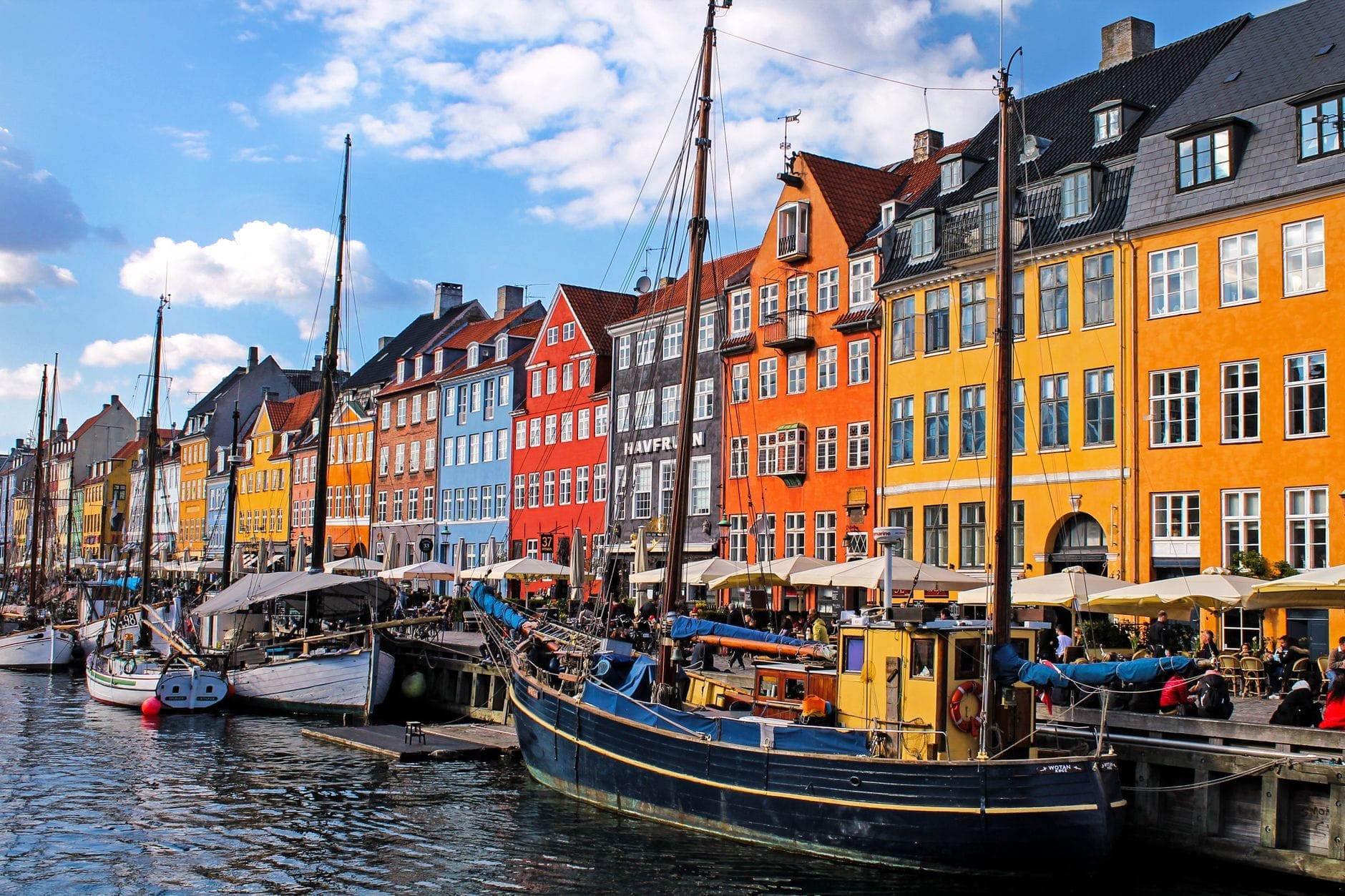
What Nyhavn Actually Is
Nyhavn Canal is a 450-metre waterway cutting through the eastern edge of Copenhagen's inner city, flanked on both sides by narrow townhouses painted in ochre, terracotta, and powder blue. The canal stretches from Kongens Nytorv at its inland end down to the Inner Harbour, where the water opens up toward the Copenhagen Opera House and the sea. What visitors see today is almost entirely a product of post-industrial restoration: the area spent much of the 20th century as a rough sailor's district, and the photogenic promenade now associated with Copenhagen tourism is a relatively recent reinvention.
The name translates directly as "New Harbour" (formerly Den Nye Havn in older Danish), which tells you something about how Copenhagen thought of this place in 1673 when it was completed. The canal was excavated between 1671 and 1673, largely by Swedish prisoners of war during the reign of King Christian V, as a practical shipping channel connecting the city to the sea. For centuries it functioned exactly as designed: a working port lined with taverns, ship chandlers, and sailor lodgings. The colorful facades survived; the working-class character did not.
ℹ️ Good to know
Nyhavn is a public street and canal — open 24 hours a day, year-round, with no admission fee. Individual restaurants, bars, and canal tour operators set their own hours and prices separately.
The Hans Christian Andersen Connection
The most historically significant thing about Nyhavn has nothing to do with the restaurants. Hans Christian Andersen, Denmark's most celebrated author, lived at three addresses along the canal during different periods of his life: Nyhavn 18, Nyhavn 20, and Nyhavn 67. A commemorative plaque marks Nyhavn 67, where he lived for nearly two decades and wrote some of his most famous fairy tales. The house looks modest from the outside, which is part of the point: the man who wrote The Little Mermaid and Thumbelina was not wealthy, and Nyhavn in the 19th century was not a fashionable address.
For anyone tracing Andersen's footsteps through the city, Nyhavn is a logical starting point. The broader story of his life in Copenhagen is worth understanding before you arrive — the guide to Hans Christian Andersen's Copenhagen covers the connections across the city in more detail.
Tickets & tours
Hand-picked options from our booking partner. Prices are indicative; availability and final rates are confirmed when you complete your booking.
Copenhagen Classic Canal Tour
From 169 €Instant confirmationFree cancellationGrand Canal Tour of Copenhagen
From 28 €Instant confirmationFree cancellationCopenhagen in a nutshell express tour
From 40 €Instant confirmationFree cancellationGuided Segway™ tour of Copenhagen
From 47 €Instant confirmationFree cancellation
How Nyhavn Changes Through the Day
The experience of visiting Nyhavn varies dramatically depending on when you arrive. Early morning, roughly between 7 and 9am, the canal is calm enough to hear the water moving against the hulls of the historic wooden vessels moored along the quay. The cobblestones are still damp from cleaning, the outdoor restaurant furniture is being set out, and the light from the east falls directly onto the north-facing facades, illuminating the painted plasterwork in a way that no tourist photograph from midday quite captures.
By midmorning, particularly from May through August, the crowds build steadily. Tour groups, cruise passengers, and day visitors from across Scandinavia fill the south-facing quay (known locally as the sunny side) from late morning onward. Outdoor seating fills quickly on any day with reasonable weather, and the sound environment shifts from gentle harbor noise to a constant low roar of conversation and cutlery. This is peak Nyhavn: visually spectacular, not particularly relaxing.
Late afternoon and evening bring a different atmosphere again. The canal tour boats that operate from the Nyhavn dock throughout the day thin out, the light warms considerably toward golden hour, and the restaurants transition from lunch crowds to dinner service. In summer, people sit on the stone quay itself with takeaway food and drinks from nearby shops, legs dangling over the edge above the water. Winter evenings are quieter, with frost on the cobblestones and lit windows reflecting on the canal surface.
💡 Local tip
For photography, arrive before 9am in summer. The facades on the north side of the canal catch direct morning light from the east, and you'll have clear sight lines along the water without crowds. By 10am, tour groups significantly reduce your options for uncluttered composition.
Walking the Canal: What You'll Actually See
The south quay, running from Kongens Nytorv toward the harbour, is where most visitors spend their time. This is the sunniest side on most afternoons and is almost entirely given over to restaurant terraces, each competing for the same waterfront views. The menus skew toward Danish classics (smørrebrød, herring platters, meatballs) and international staples aimed at tourists, with prices to match the location. It is not the place to seek out cutting-edge Copenhagen cuisine, but the setting justifies a long lunch if the weather cooperates.
The north quay is slightly quieter and offers better views of the painted facades across the water. This is the side to walk if you want to look rather than eat. At the harbour end, the canal opens up to a panorama that includes the Copenhagen Opera House on the opposite bank and the start of the inner harbour promenade heading south toward Christianshavn. The transition from canal to open water is abrupt and worth pausing at: the scale of the harbor after the narrow 450-metre channel is genuinely striking.
Along the quay, several tall wooden sailing ships and historic vessels are permanently or semi-permanently moored. These are among the oldest ships in any Scandinavian urban waterfront context and provide visual anchoring for the overall composition. Some are privately owned; others belong to associations. Signage near the vessels explains their history where applicable.
Canal Boat Tours: Practical Notes
Nyhavn is the primary departure point for Copenhagen's canal boat tours, which are a legitimate and efficient way to see large parts of the city from the water, including Christianshavn, the inner harbour, and areas around Christiansborg Palace. Multiple operators run from the Nyhavn dock; prices and route coverage vary, so check directly with providers for current fares before you travel.
If you hold a Copenhagen Card, confirm with the specific operator whether the tour is included before boarding, as coverage can vary. The Copenhagen Card guide has more detail on what transport and attraction inclusions apply.
⚠️ What to skip
Canal tour queues at Nyhavn can be long in summer, especially between 11am and 2pm. If you want to take a tour, arrive early or book ahead. Some operators offer online booking.
Honest Assessment: Worth It, With Caveats
Nyhavn is objectively one of the most photographed places in Scandinavia, and it earns that status: the combination of painted facades, water, historic ships, and sky genuinely delivers on what you see in images. But it is also one of Copenhagen's most commercially concentrated tourist zones. The restaurant prices on the quay are among the highest in the city for comparable food quality. The crowds during high season (June through August) can make a comfortable, unhurried visit difficult unless you time it carefully.
For travelers with limited time, Nyhavn makes sense as a 30-minute walk-through combined with a canal boat departure, rather than as a sit-down dining destination. The waterfront restaurants are convenient and the setting is undeniably pleasant, but Copenhagen has far more interesting food options within a short distance. The Copenhagen food guide covers where the city's better dining is actually concentrated.
Visitors who will not enjoy Nyhavn: anyone who finds densely commercialized tourist zones stressful, those hoping for a quiet waterfront experience in summer, and travelers already familiar with similar canal districts in Amsterdam or Hamburg may find the atmosphere familiar rather than revelatory. In October or November, with far fewer people and low-angle light, Nyhavn is a genuinely different proposition.
Getting There and Getting Around
The most direct approach is from Kongens Nytorv Metro Station, served by Metro lines M1, M2, M3, and M4. The walk from the station entrance to the start of the canal takes under two minutes. Harbour buses also stop near the canal entrance, providing a scenic connection from other waterfront points including Islands Brygge and Christianshavn.
Nyhavn sits at the edge of Indre By and connects naturally to a broader walk through the city centre. Kongens Nytorv, the large square at the canal's inland end, provides onward connections to Strøget, the Amalienborg Palace axis, and the northern harbour promenade toward the Little Mermaid. A logical walking route from Nyhavn heads northeast along the harbourfront toward Langelinie, covering several of Copenhagen's most significant landmarks in sequence.
Accessibility note: the quayside is cobblestone throughout, with uneven surfaces particularly on the north side. Wheelchair users and those with mobility limitations can access the area but should expect rough paving rather than smooth walkways. Canal boat accessibility varies by operator and vessel — confirm requirements directly with your chosen operator before booking.
Insider Tips
- The north quay (the shaded side) is almost always less crowded than the sunny south quay and gives you better sightlines for photographing the colored facades. Cross to it immediately after arriving.
- Takeaway food and drinks from shops and kiosks near Kongens Nytorv are significantly cheaper than restaurant terraces on the quay. Many visitors buy food nearby and sit on the stone steps along the canal edge, which is both cheaper and often more pleasant in good weather.
- In winter, the canal sometimes has temporary floating Christmas market stalls and ice on the quay edges. Early December morning visits can be unusually atmospheric and very quiet compared to summer.
- The painted facades look most vibrant in overcast light, which diffuses shadows and saturates colors evenly. Midday summer sun creates harsh contrast and washes out the ochres and reds photographically.
- If you walk to the harbour end of the canal and turn right along the promenade, you reach the area in front of the Royal Danish Playhouse with one of the best free views back toward the Nyhavn facades from the water side — a perspective most visitors miss entirely.
Who Is Nyhavn Canal For?
- First-time visitors to Copenhagen who want to see the city's signature postcard view in person
- Travelers using the canal as a starting point for a boat tour through the harbour and Christianshavn
- Photography enthusiasts who plan an early morning visit before crowds arrive
- Walkers building a self-guided route through the city centre and harbour promenade
- Visitors in October through February who want a quieter, more atmospheric version of the canal
Nearby Attractions
Other things to see while in Nyhavn:
- Kongens Nytorv
Kongens Nytorv is Copenhagen's largest and most historically significant square, laid out in 1670 under King Christian V. Flanked by palaces, theatres, and the entrance to Nyhavn, it serves as both a major transit hub and a living piece of Danish urban history — free to enter at any hour.