Hans Christian Andersen in Copenhagen: The Complete Literary Trail
Copenhagen holds the key to understanding Hans Christian Andersen's life and work. From his former apartments along Nyhavn canal to his grave in Nørrebro, this guide maps every significant stop on the city's literary trail, with practical logistics for each.
Plan and book this trip
Tools from our partner Travelpayouts help you compare flights and hotels. If you book through them, we may earn a commission at no extra cost to you.
Flights
Hotels map
TL;DR
- Hans Christian Andersen was born in Odense in 1805 but spent most of his working life in Copenhagen, making the city the heart of any literary trail.
- His three former addresses at Nyhavn 18, 20, and 67 are the trail's starting point, close to the Nyhavn canal.
- The Little Mermaid statue at Langelinie, Tivoli's fairy tale ride, and Assistens Cemetery complete the core circuit. See our Copenhagen walking tour guide for route-planning advice.
- The trail is walkable in a single day, but spreading it across two gives space to explore each site properly.
- Andersen's tales were written for adults as much as children — read them that way and the city looks different.
Who Was Hans Christian Andersen — and Why Copenhagen?

Hans Christian Andersen was born on 2 April 1805 in Odense, a provincial town on the island of Funen. He arrived in Copenhagen at age fourteen with almost nothing, intending to become an actor. That ambition failed, but the city did not let him go. He would live and work here, on and off, for the rest of his life, dying in Copenhagen in 1875. The fairy tales — the *eventyr* — were produced here. That is why any serious literary trail runs through the Danish capital, not Odense.
One correction worth making before you start: Andersen did not write exclusively for children. His tales carried pointed social commentary and adult irony that 19th-century Danish readers would have recognized immediately. The Ugly Duckling is, among other things, about class and belonging in a rigid society. The Little Mermaid ends without the happy resolution most people expect from a fairy tale. Keeping this in mind changes how you read the city.
Nyhavn: Where Andersen Actually Lived
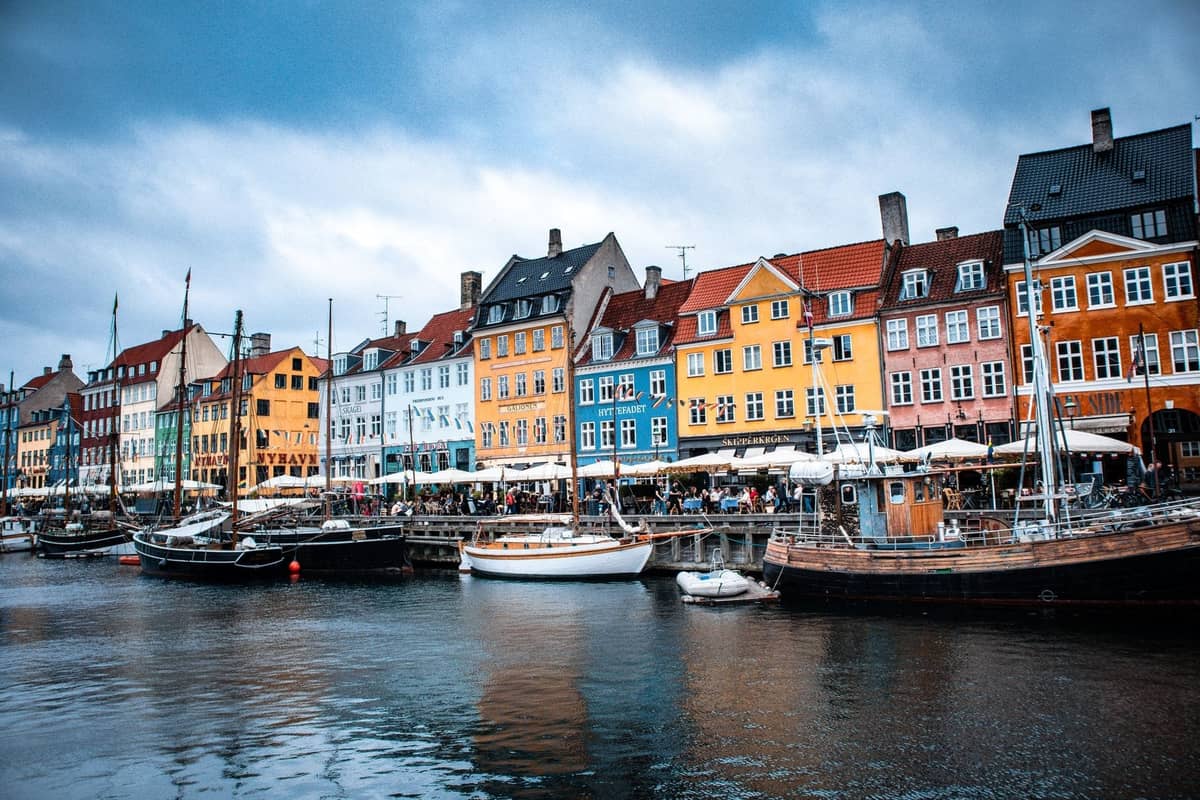
The Nyhavn district is where most literary tourists begin, and for good reason. Andersen lived at three separate addresses along this canal: Nyhavn 18, Nyhavn 20, and Nyhavn 67. He is documented to have written some of his most famous tales here, including The Little Mermaid, The Tinderbox, and The Princess and the Pea. A commemorative plaque marks his time at Nyhavn 20.
The canal today is lined with outdoor restaurants and is one of the most photographed spots in Copenhagen. On a summer afternoon it can feel crowded and tourist-oriented. If you want the atmosphere Andersen would have known, arrive early in the morning before 9am, when the light is good and the foot traffic is thin. The buildings themselves have changed relatively little in their exterior character, which makes the plaque feel more meaningful than most.
💡 Local tip
Nyhavn 67 is at the quieter, harbor end of the canal and is less visited than numbers 18 and 20. Worth seeking out if you want a more contemplative stop.
The Little Mermaid and Langelinie
The bronze statue at Langelinie is probably the most famous Andersen-related site in Copenhagen. Sculptor Edvard Eriksen created it in 1913, based on Andersen's 1837 tale, and it was commissioned by the Carlsberg founder's son Carl Jacobsen. The statue sits at the water's edge roughly 2 km north of Nyhavn. You can walk there along the harbor in about 25–30 minutes, passing Kastellet and Langelinie promenade along the way.
Be honest with yourself before making this walk a centerpiece of your day: the statue is small, roughly 1.25 meters tall, and the surrounding area offers little shade or seating. In peak summer months (June to August) it draws large tour groups. The walk to get there is genuinely pleasant; the statue itself is best treated as a waypoint rather than a destination. Canal tour boats departing near Nyhavn also pass the statue, which gives you a reasonable view without the crowds.
⚠️ What to skip
The Little Mermaid statue is among the most visited but also most underwhelming sights in Copenhagen for solo travelers. If your time is limited, a canal tour gives you the same view plus context about Andersen's tale without requiring a dedicated trip on foot.
Tivoli Gardens, Assistens Cemetery, and Other Key Stops

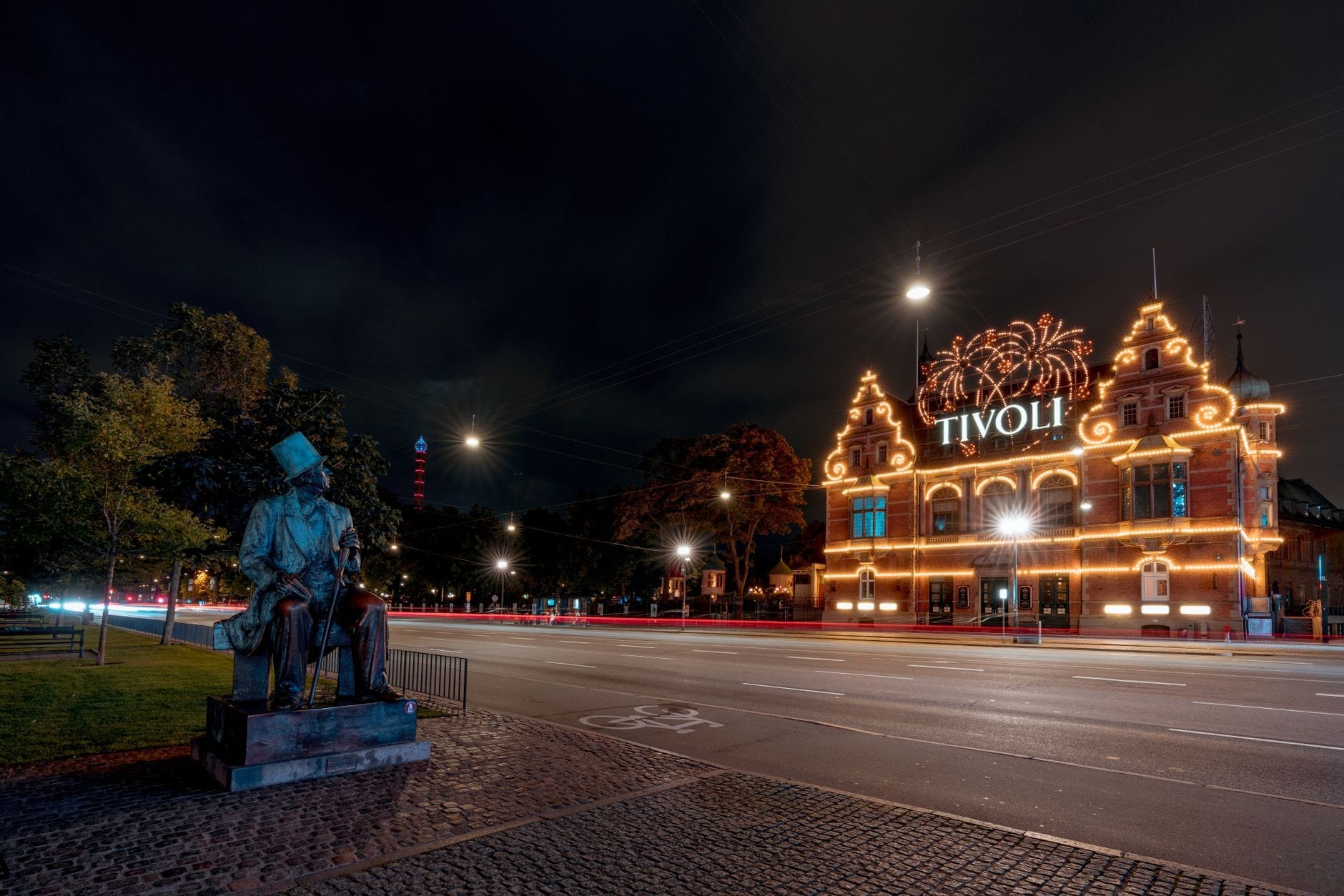
Tivoli Gardens at Vesterbrogade 3 has a direct connection to Andersen's work. The park features Den Flyvende Kuffert (The Flying Trunk), a dark ride that presents 32 of Andersen's fairy tales in approximately seven minutes. Andersen himself visited Tivoli regularly and was fascinated by its blend of spectacle and popular culture. The park operates seasonally, typically spring through autumn plus a separate Christmas period, so check the official Tivoli website for current dates and ticket prices before planning your visit.
Andersen's grave is at Assistens Kirkegård in Nørrebro, where he was buried in 1875. The cemetery is also the resting place of philosopher Søren Kierkegaard, making it a significant stop in its own right. Unlike many historic cemeteries, Assistens is a working public park as much as a burial ground: locals use it for walking and picnicking. The atmosphere is calm and distinctly un-touristy. The grave is marked and findable with a cemetery map, available at the entrance.
- Nyhavn 18, 20, and 67 Andersen's three documented addresses along the canal. Plaque at number 20. Start here for maximum atmosphere.
- The Little Mermaid at Langelinie The 1913 bronze statue based on Andersen's 1837 tale. Best visited early morning or via canal boat to avoid crowds.
- Tivoli Gardens — The Flying Trunk ride Dark ride covering 32 fairy tales in seven minutes. Seasonal opening; check the Tivoli website before visiting.
- Assistens Cemetery, Nørrebro Andersen's burial site, shared with Kierkegaard. Free entry. Open daily as a public park.
- Hans Christian Andersen Experience, Rådhuspladsen 57 Multimedia museum about Andersen's life and works, located within Ripley's Believe It or Not. Contact: +45 33 32 31 31.
- Magasin du Nord, Vingårdstræde 6 Fourth-floor Hans Christian Andersen Room with illustrations, quotes, and a reading area. Understated and free to visit during shop hours.
- Bakkehuset, Rahbeks Allé 23, Frederiksberg Historic cultural house with a Fairy Tale Academy section dedicated to Andersen. Accessible via Stromma's Urban Green Copenhagen route.
Guided Tours and How to Book
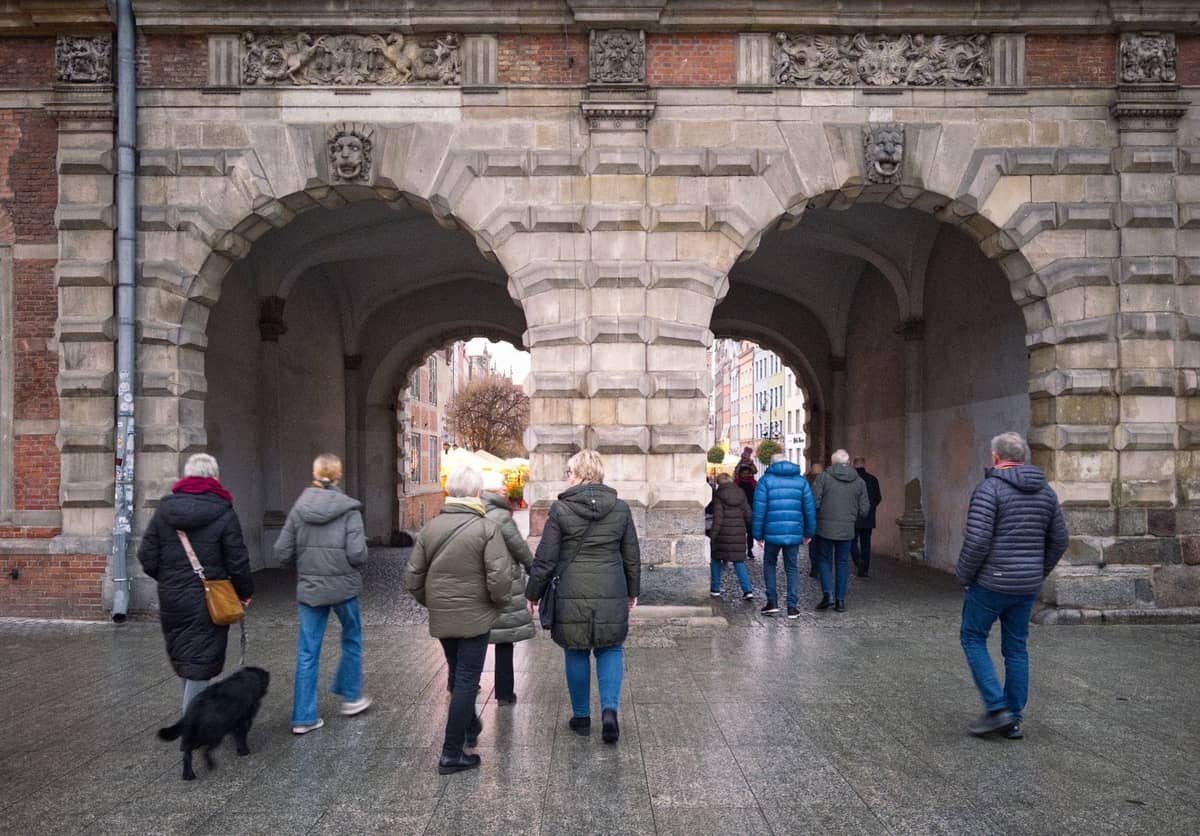
The H.C. Andersen Tour is a dedicated guided walking tour running roughly two to three hours through central Copenhagen, covering Andersen's residences, the landmarks associated with his tales, and biographical context. It is bookable through major platforms including TripAdvisor, and schedules vary by season. If you book in May or September rather than peak July, you will typically get smaller groups and more time at each stop.
Stromma operates canal boat tours and specific city routes that include Andersen-related stops. Their boats are occasionally named after Andersen's characters, and their Urban Green Copenhagen bus route serves Bakkehuset. Schedules and prices change seasonally, so verify on their official site. For broader planning, the Copenhagen Card covers some attractions and unlimited public transport, which can make sense if you are also visiting museums and crossing several neighborhoods in the same trip.
✨ Pro tip
If you prefer a self-guided approach, the trail from Nyhavn to the Little Mermaid statue and back via Kastellet is walkable in under two hours and free. Add Assistens Cemetery in Nørrebro as an afternoon stop via Metro (Nørreport station is a short walk from the cemetery entrance). That covers the core sites without a guided tour fee.
Practical Logistics for the Literary Trail
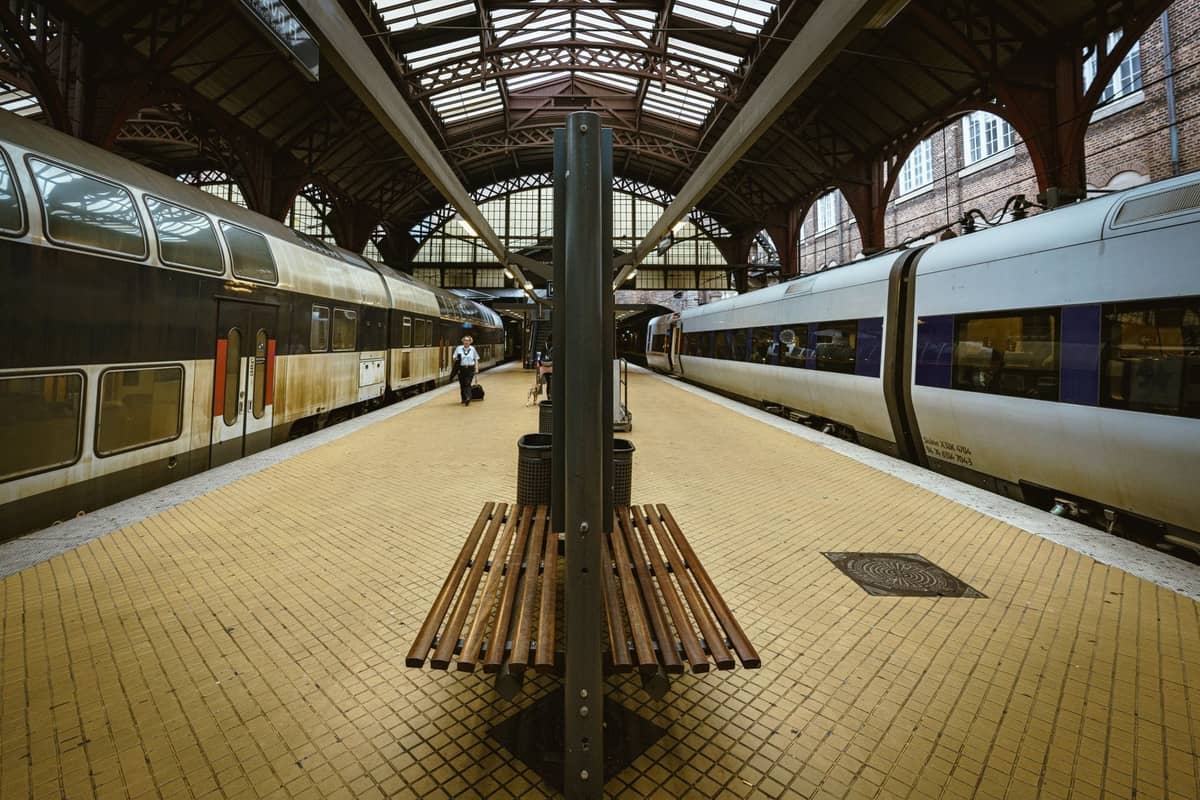
The trail spans several districts. Nyhavn and the Langelinie walk are both in central Copenhagen and easily reached on foot from most accommodation in Indre By. Assistens Cemetery in Nørrebro is a short Metro or bus ride north. Tivoli is directly adjacent to Copenhagen Central Station. Bakkehuset in Frederiksberg adds another 20 minutes by bus or Metro from the centre.
- The best months for this trail are May and September: fewer crowds, mild temperatures (10-15°C), and most sites open.
- Summer (June-August) is busiest at Nyhavn and Langelinie. Plan to arrive at both before 9am.
- Assistens Cemetery and the Magasin du Nord Andersen Room are good choices for grey or rainy days.
- Public transport in Copenhagen uses a zone-based ticketing system. A standard city journey costs around 26–36 DKK depending on zones; verify current fares at rejseplanen.dk before travel.
- The Copenhagen Card covers Tivoli entry (during operating season) and unlimited transit, which can be useful if you are combining the literary trail with other museum visits.
- Andersen sites in Nyhavn are free to visit externally; the Hans Christian Andersen Experience and Tivoli have entry fees. Check current prices directly before booking.
For a full two-day itinerary that fits the literary trail into a broader Copenhagen trip, the 2 days in Copenhagen guide covers sequencing and neighborhood logistics. If you are traveling with children for whom Andersen's tales are a primary draw, the Copenhagen with kids guide covers Tivoli and family-friendly route planning in more detail.
FAQ
Where did Hans Christian Andersen live in Copenhagen?
Andersen lived at three documented addresses along Nyhavn canal: Nyhavn 18, Nyhavn 20, and Nyhavn 67. He lived at various points throughout the city, but Nyhavn is where he wrote some of his most famous tales, including The Little Mermaid, The Tinderbox, and The Princess and the Pea. A commemorative plaque marks his time at Nyhavn 20.
Is The Little Mermaid statue worth visiting?
It depends on your expectations. The statue is small (about 1.25 meters tall) and draws large crowds in summer. The walk along the Langelinie promenade to reach it is genuinely enjoyable. If you are short on time, a canal tour gives you a good view of the statue without the crowds. Early morning visits before 9am are the best option if you want a quieter experience.
Where is Hans Christian Andersen buried?
Andersen was buried at Assistens Kirkegård (Assistens Cemetery) in the Nørrebro district of Copenhagen in 1875. The cemetery is free to enter and open daily as a public park. Philosopher Søren Kierkegaard is also buried there. Cemetery maps showing Andersen's grave are available at the entrance.
Are there guided tours focused on Hans Christian Andersen in Copenhagen?
Yes. The H.C. Andersen Tour is a dedicated walking tour of around two to three hours covering his residences and landmarks connected to his tales. It is available through major booking platforms. Stromma also operates canal and city routes that include Andersen-related stops. Schedules and prices change by season, so book in advance and confirm current availability.
Was Hans Christian Andersen from Copenhagen?
No. Andersen was born in Odense on 2 April 1805. He moved to Copenhagen at age fourteen and spent most of his working adult life in the city, which is why Copenhagen is the center of his literary trail. He died in Copenhagen in 1875. Odense has its own dedicated H.C. Andersen museum, but Copenhagen holds the locations most directly associated with his writing career.