Self-Guided Walking Tour of Copenhagen: The Complete Route Guide
Copenhagen (København) is one of Europe's most walkable capitals. This guide covers the classic self-guided walking tour route from Tivoli Gardens to Nyhavn and beyond, with practical details on distances, free stops, seasonal timing, and digital tools to make your day on foot count.
Plan and book this trip
Tools from our partner Travelpayouts help you compare flights and hotels. If you book through them, we may earn a commission at no extra cost to you.
Flights
Hotels map
TL;DR
- The core walking route covers about 11.4 km with 13 stops and takes 4-6 hours including time at sights.
- Most iconic stops — Nyhavn, Strøget, Little Mermaid, Kastellet, King's Garden — are free to enter.
- Paid highlights worth budgeting for include Rosenborg Castle, the Round Tower, and Tivoli Gardens.
- Start early in summer to beat crowds at Nyhavn and the Little Mermaid; in winter, start by 9am to maximize short daylight hours.
- Free audio apps like StoryHunt supplement the route well, but going budget doesn't mean missing anything essential.
Why Copenhagen Works So Well for Walking
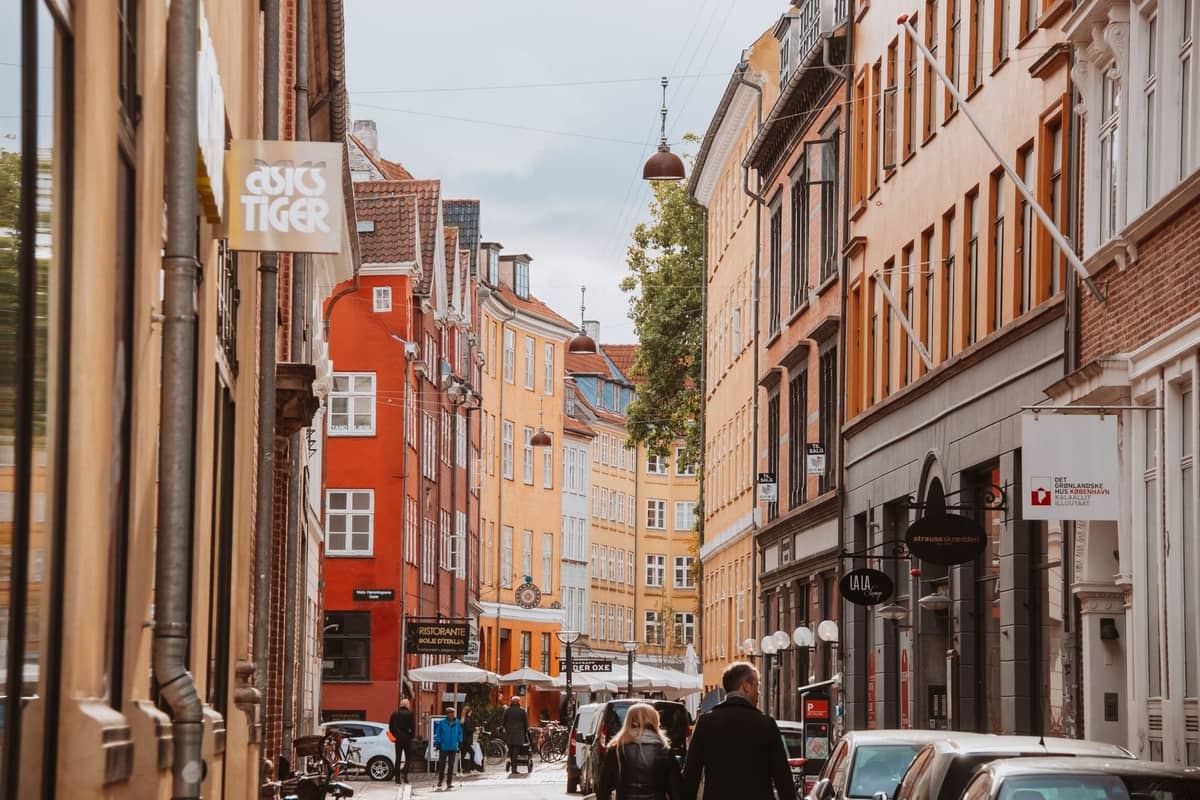
Copenhagen is compact, flat, and almost entirely pedestrian-friendly in its historic core. The city covers about 86 km² as a municipality, but the concentrated cluster of top sights spans a much smaller area: roughly the triangle between Central Station, Kongens Nytorv, and Kastellet. You can walk between most major landmarks without needing the Metro or a bus.
The city's terrain helps enormously. Unlike Rome or Lisbon, there are no hills to negotiate. Most streets are paved, well-maintained, and clearly signed in both Danish and English. Locals walk and cycle everywhere, so pedestrian culture is built into the city's DNA.
ℹ️ Good to know
English is widely spoken throughout central Copenhagen. You will rarely need Danish to navigate, read menus, or ask for directions, which makes self-guided exploration genuinely stress-free for most international travelers.
The city's walkability is also supported by a strong network of squares, canals, and green corridors that double as natural route markers. Strøget, the long pedestrian spine that dates to 1962 as one of Europe's first car-free shopping boulevards, is the most useful orientating axis for any walking tour. Start near City Hall Square at one end, and you'll walk all the way to Kongens Nytorv and Nyhavn at the other.
The Classic Route: 13 Stops, One Day
The most complete self-guided walking tour of Copenhagen links the following stops in a logical geographical sequence. The total distance is approximately 11.4 km. Pure walking time is around 2.5 hours, but most visitors spend 4 to 6 hours once they add sightseeing, photos, and a lunch break.
- Tivoli Gardens & City Hall Square Start here. City Hall Square (Rådhuspladsen) is free to walk through at any time. Tivoli Gardens alongside it requires a ticket and has seasonal opening times — it typically closes in winter. If Tivoli is open and interests you, factor in an extra 2-3 hours and budget for an entry fee.
- Strøget Walk northeast along Strøget toward Kongens Nytorv. It's free, always open, and lined with department stores, Danish design shops, and street performers. Don't rush it — the side streets off Strøget lead to quieter squares like Gammel Torv and Gråbrødretorv.
- The Round Tower (Rundetaarn) A short detour off Strøget. Built in 1642, this observatory tower features a distinctive equestrian spiral ramp rather than stairs. Paid entry required. Check current hours at the official site before visiting, as they vary by season.
- King's Garden & Rosenborg Castle The King's Garden (Kongens Have) is Copenhagen's oldest royal garden and always free to enter. Rosenborg Castle inside it holds the Danish Crown Jewels. Castle entry is paid and hours are seasonal.
- Marble Church (Frederiks Kirke) The domed church that dominates the Frederiksstaden district. Free to enter during opening hours. Its dome climb offers a good view over the rooftops toward the harbor.
- Amalienborg Palace The official residence of the Danish Royal Family, arranged around a large cobblestone octagonal square. Free to walk around the square and watch the changing of the guard, which typically happens at noon. The palace museum requires a ticket.
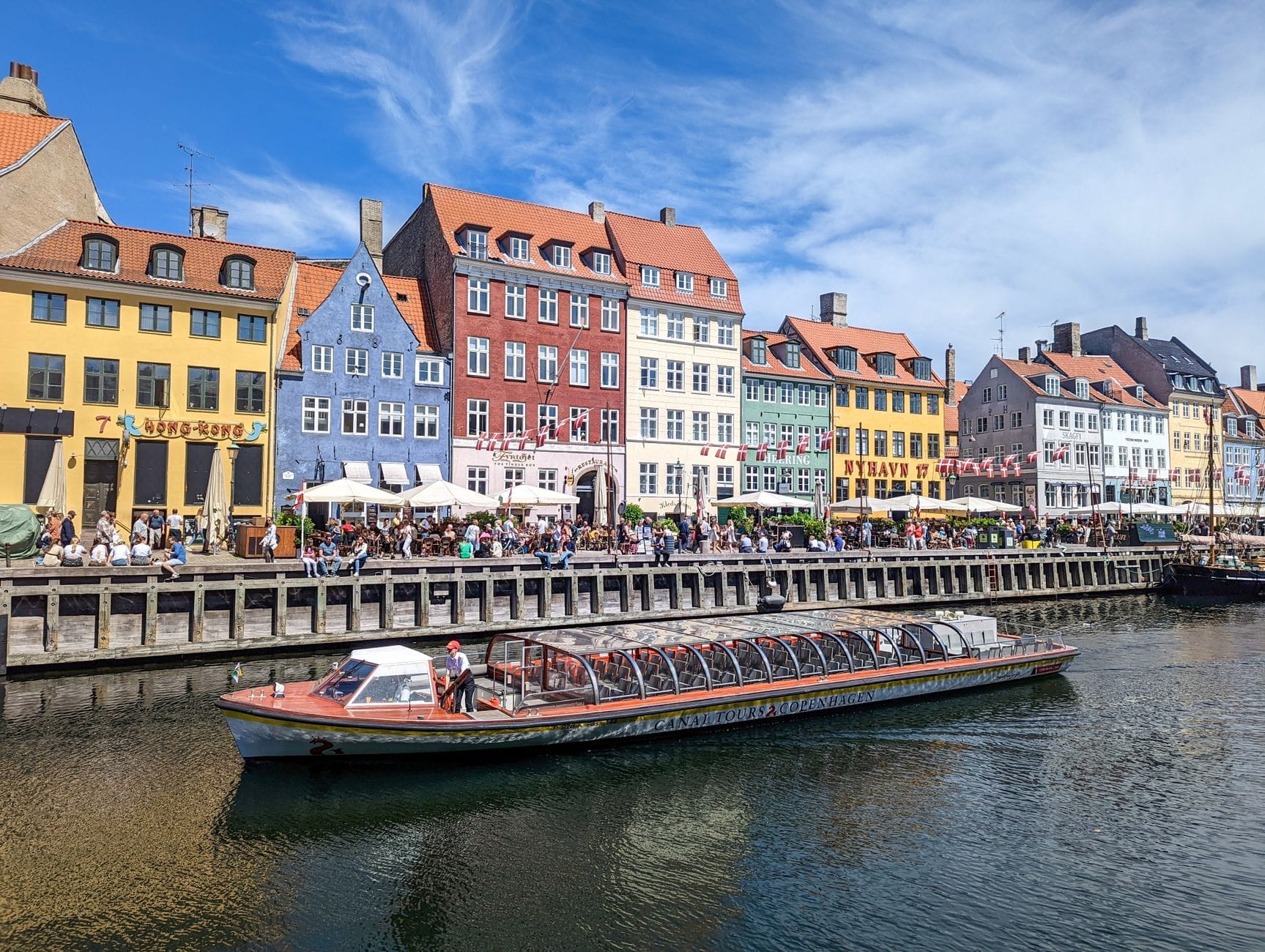
- Nyhavn Canal The most photographed spot in Copenhagen. The colorful 17th-century merchant houses along the north side of the canal make for a classic backdrop. Free to walk and photograph. Expect crowds here from mid-morning to evening in summer.
- Kastellet A star-shaped fortress built in the 17th century and still an active military area, making it one of the best-preserved Renaissance fortifications in Northern Europe. Free to walk around the ramparts and through the interior. Quiet and often overlooked.
- The Little Mermaid Permanently crowded, smaller than most visitors expect, and worth seeing for five minutes. Free to visit. The statue sits on a rock in the harbor at Langelinie. Go early morning if you want a photo without other tourists in frame.
- Gefion Fountain Just south of Kastellet, this large bronze fountain is one of Copenhagen's more dramatic public sculptures. Free and always accessible.
- Copenhagen Opera House (exterior) Cross the harbor by ferry (short ride) or walk around to see the striking Henning Larsen-designed opera house from the waterfront. The interior can be explored on a guided tour if booked in advance.
- Christiansborg Palace The seat of the Danish Parliament on the island of Slotsholmen. Several sections are open to the public including the royal reception rooms and ruins beneath the palace. Paid entry for interiors.
- Canal Views from Gammel Strand End the route with a walk along the waterfront near Gammel Strand, where you can watch canal boats pass and reflect on the route you've just completed.
💡 Local tip
The most efficient walking order follows the route above roughly northwest to northeast, looping around the harbor. Reversing it works fine too, but starting at Tivoli means the busier tourist areas (Nyhavn, Little Mermaid) come in the middle of the day when crowds peak. Starting from Nyhavn early and working backwards puts you at City Hall by afternoon.
What's Free and What Costs Money
One of the biggest misconceptions about a Copenhagen walking tour is that every landmark requires a ticket. In reality, the majority of what makes the route special is free. Outdoor spaces, squares, canal views, fortress ramparts, royal palace courtyards, and waterfront promenades cost nothing.
- Free: Strøget, City Hall Square, Nyhavn canal walk, King's Garden, Kastellet, Little Mermaid, Gefion Fountain, Amalienborg Square (outside), Marble Church exterior, all waterfront promenades
- Paid: Tivoli Gardens entry, Rosenborg Castle interior, Round Tower, Christiansborg Palace interiors, Marble Church dome climb, Copenhagen Opera House tours
- Free with Copenhagen Card: Most major museums and many paid attractions are included if you purchase the Copenhagen Card in advance
If you plan to combine the walking route with several museum visits, the Copenhagen Card can save significant money. It covers public transport and many paid attractions. For a pure walking day focused on outdoor sights, you can easily spend the full day without spending a single krone on entry fees.
Digital Tools and Audio Guides for Self-Guided Walkers
Several apps and platforms can enhance the route without replacing the freedom of going at your own pace. The StoryHunt app offers a free audio-guided city-centre walk covering key stops including City Hall Square, King's Garden, the Round Tower, and the harborfront areas. It works offline and is well-suited to first-time visitors who want context without booking a group tour.
The official VisitCopenhagen website also lists digitally guided tour options and themed walking routes covering everything from architecture to street food. For those interested in the literary and historical side of the city, the Hans Christian Andersen trail through Copenhagen is worth exploring alongside the main route.
✨ Pro tip
Download your maps and audio content offline before you leave your accommodation. Copenhagen's city centre has solid mobile coverage, but GPS can drift in narrow medieval streets and courtyards. An offline map in Maps.me or Google Maps offline mode prevents frustration near Slotsholmen's canal islands.
Seasonal Timing: When to Walk and What Changes
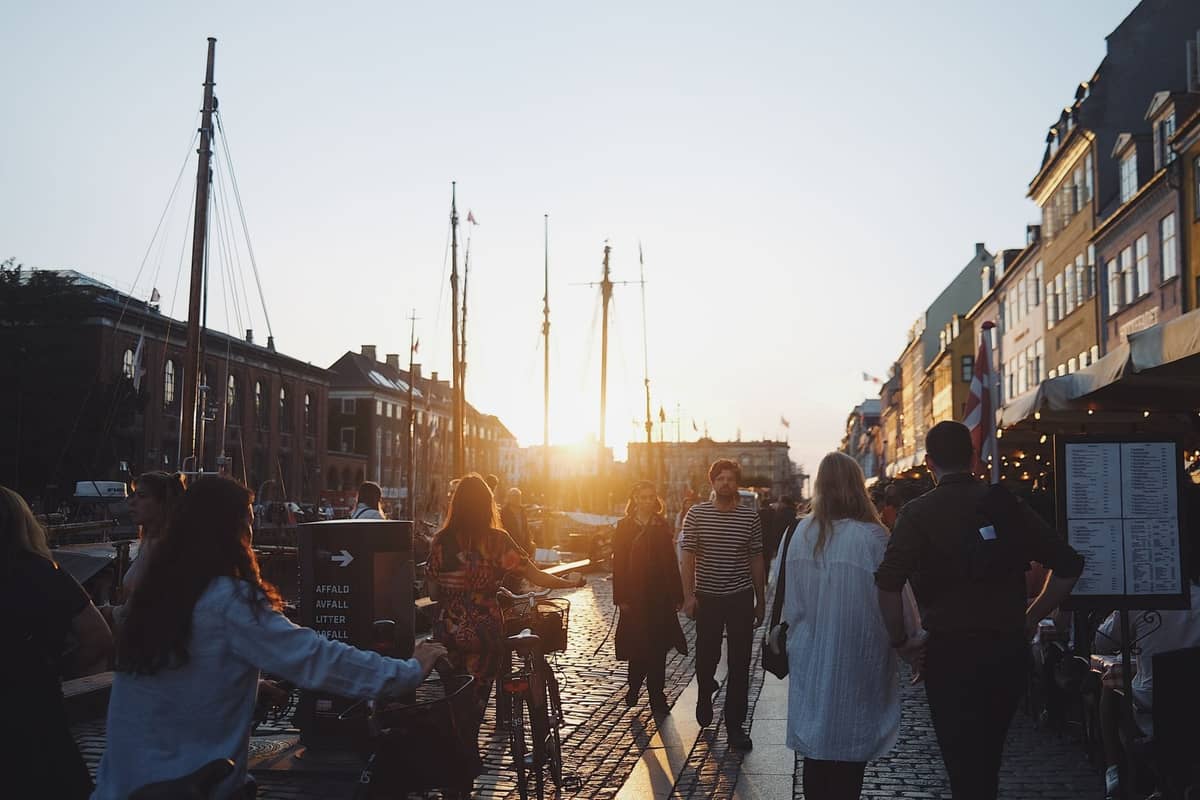
Copenhagen's oceanic climate means no season is truly off-limits for walking, but each has real trade-offs. Summer (June to August) offers the best conditions: temperatures of 15-22°C, long daylight hours stretching past 9pm, and all attractions at full operation. The downside is crowds. Nyhavn in July is genuinely packed by 11am, and the Little Mermaid draws constant queues of visitors.
May and September are the strongest months for a walking tour. Crowds thin considerably, temperatures remain comfortable (around 10-17°C), and most attractions still operate on full summer schedules. Choosing the right month makes a bigger difference to the walking experience than most travelers expect.
Winter walking is possible but requires planning. Daylight in December and January runs from roughly 8:30am to 3:30–4:00pm, giving you around seven hours of light. Start no later than 9am. Tivoli Gardens operates a popular Christmas market through most of December, which transforms City Hall Square and makes for a genuinely different atmosphere. Some museums and the Round Tower shorten their hours significantly in winter.
Rain is spread fairly evenly through the year in Copenhagen, with no true dry season. Pack a compact waterproof layer regardless of the forecast. If wet weather disrupts the outdoor route, Copenhagen's museums offer excellent shelter and are rarely overcrowded outside summer weekends.
Practical Details: Footwear, Food, and Route Logistics
Comfortable walking shoes are essential. The route covers cobblestones around Nyhavn, Amalienborg, and Christiansborg, which can be hard on feet after a few hours. Flat sneakers or walking shoes with cushioning are the standard sensible choice. Avoid brand-new shoes on a long walking day.
Food options along the route are plentiful. Torvehallerne, the covered food market near Nørreport station, is a short detour from the King's Garden section of the route and worth the 10-minute diversion for a lunch stop. Smørrebrød (open-faced rye bread sandwiches) is the classic Danish lunch format and available at numerous spots throughout the city centre. Nyhavn's waterfront restaurants are convenient but priced at tourist rates — budget-conscious walkers should grab food from a bakery on Strøget or the market instead.
⚠️ What to skip
The restaurants lining the south side of Nyhavn canal are aimed primarily at tourists and priced accordingly. Locals tend to eat elsewhere. If you're watching your budget, use Nyhavn for the view and photos, then walk a few blocks away for better value food. The same applies to most cafes directly facing major tourist landmarks.
FAQ
How long does a self-guided walking tour of Copenhagen take?
The core route covering 13 stops over approximately 11.4 km takes 2.5 hours of pure walking. With time spent at sights, photo stops, and a lunch break, most visitors take 4 to 6 hours. You can shorten the route by skipping interior visits to castles and towers, or extend it by adding Christianshavn and the Church of Our Saviour.
Do I need to book anything in advance for a Copenhagen walking tour?
Most of the route is open access with no booking required. If you plan to visit Rosenborg Castle, the Round Tower, or Tivoli Gardens, booking tickets online in advance saves time and sometimes money. The changing of the guard at Amalienborg happens daily around noon with no booking needed.
Is a self-guided Copenhagen walking tour suitable for children?
Yes, with some adjustments. The flat terrain and mix of open squares, harbor views, and interesting architecture works well for older children. Younger children may find 11 km too ambitious — consider splitting across two days or using the Metro to skip between sections. Tivoli Gardens adds strong family appeal if it's in season.
What is the best starting point for a Copenhagen walking tour?
City Hall Square (Rådhuspladsen) near Central Station is the most practical start. It is directly served by many bus routes and lies a short walk from Metro and S‑train services at Central Station, and places you immediately at Tivoli Gardens and the start of Strøget. From there the route flows logically northeast toward Nyhavn and the harbor.
Can I combine the walking tour with a Copenhagen canal boat tour?
Absolutely. Canal boat tours depart from Nyhavn and Gammel Strand and cover the harbor and canal sections of the city from the water. Many visitors do the walking route in the morning and take a canal tour in the afternoon, which gives a completely different perspective on the same landmarks. Tours run frequently in summer and take around 1 hour.