Rosenborg Castle: Inside Copenhagen's Royal Renaissance Palace
Built by King Christian IV between 1606 and 1634, Rosenborg Castle is where Denmark's Crown Jewels are kept and displayed. Set beside the King's Garden in central Copenhagen, the castle offers a rare look into four centuries of royal history across 24 furnished rooms.
Quick Facts
- Location
- Øster Voldgade 4A, 1350 København K — King's Garden, Indre By
- Getting There
- Bus lines serve the area; the castle is about 200 metres from Nørreport Station (Metro, S-train, regional trains, and city buses)
- Time Needed
- 1.5 to 2.5 hours for the castle; add 30–60 min for the garden
- Cost
- 140 DKK online / 150 DKK at the door for adults; free for children under 18; free with Copenhagen Card Discover
- Best for
- History lovers, Crown Jewels, royal interiors, garden walks
- Official website
- denkongeligesamling.dk/en/rosenborg-castle
What Rosenborg Castle Actually Is
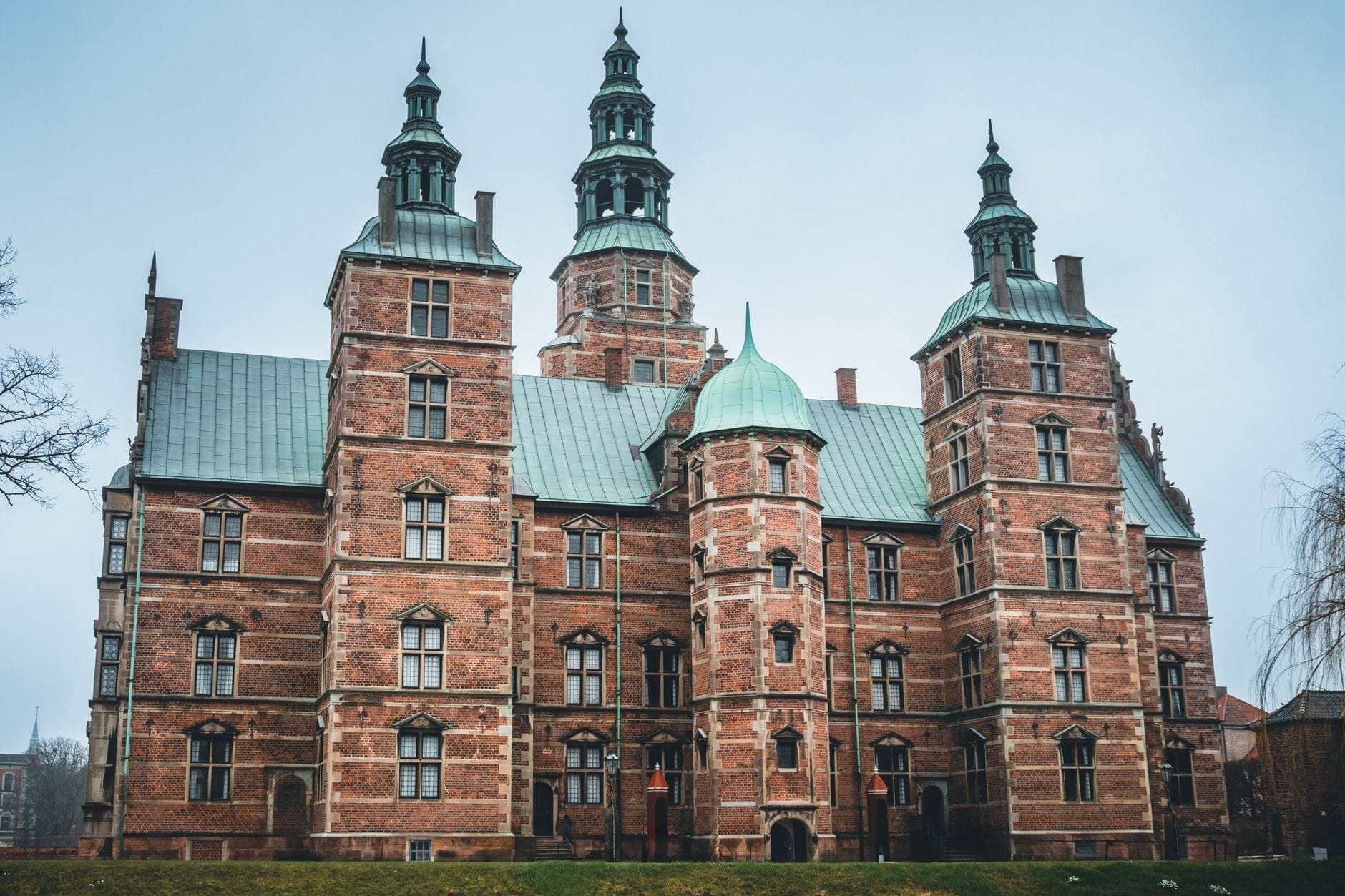
Rosenborg Castle, or Rosenborg Slot in Danish, is a Renaissance palace built by King Christian IV between 1606 and 1634. It was never a fortification in the military sense. Christian IV commissioned it as a royal summerhouse on the outskirts of the city, a place to escape the formality of the main court. The king died here in 1648. Since the early 18th century, the castle has served as a royal treasury and museum rather than a royal residence.
Today it is managed by The Royal Danish Collection and holds one of the most important assemblies of Danish royal artifacts in existence: 24 furnished rooms spanning four centuries of royal history, plus the basement Treasury where Denmark's Crown Jewels are kept under tight security. The collection includes coronation thrones, royal insignia, ceremonial weapons, personal effects of Danish monarchs, and objects that range from the extraordinary to the unexpectedly intimate.
ℹ️ Good to know
Opening hours are seasonal and subject to change. Opening hours are seasonal and subject to change. The summer holidays 2026 run 27 June to 30 August, daily 09:00–17:00. Always verify current hours on the official website before your visit, as closures for royal events can occur without much notice. Always verify current hours on the official website before your visit, as closures for royal events can occur without much notice.
The Architecture: What You See from Outside
Rosenborg's exterior is immediately recognizable. The castle rises in warm red brick with copper-topped spires and Dutch Renaissance detailing — stepped gables, sandstone framing around the windows, and ornamental stonework along the towers. From Øster Voldgade, the main approach road, the building reads as tall and slightly narrow for its height, with three floors visible above ground. Its vertical silhouette stands out against the flat Copenhagen skyline.
The surrounding moat is still intact. You cross a stone bridge to reach the entrance, and that short approach, with the moat reflecting the castle walls on calm mornings, gives the arrival a sense of ceremony that many larger palaces lack. In summer, the castle is framed by the trees of the King's Garden on three sides. In winter, the bare branches and low grey light shift the atmosphere toward something starker, but arguably more atmospheric.
Rosenborg sits at the edge of the King's Garden, Copenhagen's oldest royal garden, which is open to the public free of charge year-round. If you arrive early, the garden offers a quiet approach to the castle before the foot traffic builds up later in the morning.
Tickets & tours
Hand-picked options from our booking partner. Prices are indicative; availability and final rates are confirmed when you complete your booking.
48-Hour Hop-on Hop-off Copenhagen Sightseeing Bus Tour
From 39 €Instant confirmationFree cancellationCity Sightseeing Hop-On Hop-Off Bus Tour of Copenhagen
From 0 €Instant confirmationFree cancellationCity Sightseeing Hop-On Hop-Off Bus Tour of Copenhagen
From 0 €Instant confirmationFree cancellationFeel like a royal in Rosenborg Castle during a private walking tour
From 66 €Instant confirmationFree cancellation
Inside the Castle: The 24 Rooms
The interior is arranged chronologically, starting with rooms from the reign of Christian IV and moving forward through subsequent monarchs. The progression is not always labeled in a way that makes the sequence immediately obvious, so picking up a floor plan at the entrance is worth the few seconds it takes.
The rooms vary significantly in scale and tone. Some are intimate, with low ceilings and small windows that let in filtered northern light. Others open into larger reception halls with painted ceilings, silver furniture, and walls covered in Flemish tapestries. The Winter Room on the ground floor, used by Christian IV himself, is one of the most striking for its tiled stove and carved wooden ceiling. The Knight's Hall on the third floor is the grandest space in the building, used historically for royal celebrations and featuring three life-size silver lions that stand guard along the walls.
The objects throughout are genuinely extraordinary in their detail: personal drinking vessels, embroidered royal clothing, military decorations, and early modern scientific instruments. The experience rewards slow looking. Visitors who move quickly through the rooms mostly miss what makes the collection interesting.
💡 Local tip
Photography is permitted in most rooms. Natural light is limited in many interior spaces, so turn off your flash and allow your camera to adjust to the low-light conditions, particularly in the lower rooms.
The Treasury: Denmark's Crown Jewels
The Treasury occupies the basement of the castle and requires descending a stone staircase to reach it. The space is darker than the rooms above, deliberately so. Display cases are lit from within, and the objects inside are the most valuable in the entire collection.
The centerpiece is the Danish Crown Jewels: the crowns, orbs, scepters, and ceremonial chains used at royal coronations and investitures. Christian IV's crown, made in 1595 and used until 1648, is among the oldest and most elaborate pieces. The collection also includes Queen Margrethe II's regalia and a number of gem-set orders and decorations that span several centuries of Danish royal history.
The Treasury is small and can feel crowded when tour groups pass through. If you visit during peak summer hours, the queue to see the most prominent display cases can develop quickly. Arriving when the castle opens at 09:00 gives you the best chance of seeing the Treasury at a comfortable pace. By mid-morning, group tour schedules bring significantly more visitors inside.
How the Experience Changes by Time of Day
Early morning, roughly 09:00 to 10:30, is the most controlled and pleasant time to visit. The light in the King's Garden is clear, the castle rooms are quiet, and staff are generally more available to answer questions. The stone floors and thick walls keep the interior cool even on warm summer days, which is a practical bonus in July and August.
From around 11:00 onward, organized tour groups begin arriving. In the peak summer months (June through August), this noticeably changes the atmosphere in the smaller rooms, where ten to fifteen people can make a space feel full. The Knight's Hall and larger reception rooms absorb crowds better than the lower-floor rooms do.
Late afternoon has a different quality. The light shifts in the garden, and visitor numbers thin out as the closing hour approaches. If your priority is the architecture and garden rather than the interior, arriving at around 15:30 to 16:00 (where seasonal hours permit) gives you a decent run through the upper floors before closing.
💡 Local tip
Combine your visit with the King's Garden. The garden is always free and is pleasant at any time of day. Plan to spend time there before or after the castle rather than treating it as an afterthought.
Practical Information: Getting There and Getting In
The castle is located at Øster Voldgade 4A in the Indre By district of central Copenhagen. Nørreport Station is the most convenient transit connection, served by both the Metro and S-train. From Nørreport, the castle is a short walk through the King's Garden, around 8 to 10 minutes on foot. The walk is flat and straightforward.
Adult admission is 140 DKK. Children under 18 enter free. If you are planning multiple museum visits during your stay, the Copenhagen Card includes free entry to Rosenborg, which can make it worthwhile depending on your itinerary.
Accessibility at Rosenborg is a genuine limitation. The castle is a 400-year-old building with many stairs and narrow doorways, and there is no lift. The Treasury requires descending stairs. Visitors with mobility impairments will find large sections of the interior inaccessible. This is worth knowing before you plan your visit rather than discovering on arrival.
⚠️ What to skip
Rosenborg is not accessible for wheelchair users or visitors with significant mobility difficulties. The historic structure has stairs throughout and no elevator. Check the official website for the most current accessibility information before visiting.
Honest Assessment: Who Will Get the Most from This Visit
Rosenborg Castle earns its reputation. The Crown Jewels alone are worth the admission price for anyone with an interest in royal history or fine craftsmanship. The furnished rooms are genuinely informative about how Danish monarchs lived, worked, and projected power across the centuries. The building itself is architecturally distinctive within Copenhagen's landscape.
That said, visitors looking for interactive experiences or modern museum presentation may find the display style traditional. Labels are informative but the format is classic museum rather than immersive experience. If contemporary art and design are your priority, the National Gallery of Denmark is nearby and covers very different ground. Families with young children can certainly visit, but the narrow rooms, fragile objects, and emphasis on looking rather than touching means it requires management of expectations for younger visitors.
Visitors with limited time in Copenhagen should also consider that Christiansborg PalaceVisitors with limited time in Copenhagen should also consider that Christiansborg Palace covers complementary royal history with different rooms and collections. If you can only choose one, your decision should come down to whether you prioritize the Crown Jewels (Rosenborg) or the political history of the Danish Parliament and royal reception rooms (Christiansborg).
Insider Tips
- Buy your ticket online in advance during summer. While queues at the door are rarely extreme, online tickets let you go straight to the entrance and avoid any wait at the ticket desk.
- The King's Garden (Kongens Have) opens earlier than the castle and is free. Walk through it first to arrive at the castle entrance from the garden side, which gives a much more atmospheric approach than arriving directly from the street.
- The third-floor Knight's Hall is often the least crowded room in the castle, even when the lower rooms are busy. Spend more time there when group tours are moving through the ground floor.
- Rosenborg is included in the Copenhagen Card Discover tier, not just the higher tiers. If you are planning several museum visits in a short trip, check whether the card covers your specific itinerary before paying full admission.
- Winter visits, when the castle is open, offer a noticeably quieter experience. The garden is bare but the interior lighting feels warmer against the short daylight, and you will rarely have to share a room with more than a handful of other visitors.
Who Is Rosenborg Castle For?
- History enthusiasts interested in Danish royal and Renaissance history
- Travelers who want to see the Crown Jewels and royal regalia up close
- Architecture lovers drawn to Northern European Renaissance design
- Those combining a museum visit with a green-space walk in the King's Garden
- Copenhagen Card holders looking to maximize their museum coverage
Nearby Attractions
Other things to see while in Indre By (Old Town):
- Amalienborg Palace
Amalienborg is the official home of the Danish royal family and one of Copenhagen's most architecturally coherent ensembles. Four near-identical Rococo palaces frame a grand octagonal square, with the Amalienborg Museum open to visitors inside Christian VIII's Palace. The daily changing of the guard at noon is a punctual, unhurried ceremony worth timing your visit around.
- The Black Diamond
The Black Diamond is the modern extension of the Royal Danish Library, clad in polished black granite and angled toward the harbour on Slotsholmen. Entry is free, the atrium is genuinely impressive, and the building rewards visitors who take time to understand what they are looking at.
- Botanical Garden of the University of Copenhagen
Tucked behind Nørreport Station in the heart of the city, the Copenhagen University Botanical Garden is a 10-hectare green sanctuary with a Victorian glasshouse complex, a tranquil lake, and around 8,000 plant species. Entry to the grounds is free, making it one of the most rewarding stops in central Copenhagen for any pace of traveler.
- Christiansborg Palace
Christiansborg Palace sits on the Slotsholmen islet in central Copenhagen, serving simultaneously as the home of the Danish Parliament, the Supreme Court, the Prime Minister's Office, and the Royal Reception Rooms. It is widely described as uniquely housing all three branches of Denmark’s national government under one roof, and its 106-metre tower offers one of the best free panoramic views in the city.