Best Time to Visit Copenhagen: A Season-by-Season Guide
Copenhagen rewards visitors year-round, but the right month depends entirely on what you want from the trip. This guide breaks down weather, crowds, pricing, and seasonal events so you can match your travel style to the right window.
Plan and book this trip
Tools from our partner Travelpayouts help you compare flights and hotels. If you book through them, we may earn a commission at no extra cost to you.
Flights
Hotels map
TL;DR
- The best time to visit Copenhagen for warm weather and long evenings is June to August, though expect peak prices and the biggest crowds.
- May and September offer the best balance: pleasant temperatures (around 13–18°C), fewer tourists, and lower hotel rates than midsummer.
- Winter (December to February) is the cheapest period and delivers Copenhagen's famous hygge atmosphere, plus Tivoli's Christmas season. See the Copenhagen Christmas guide for details.
- Copenhagen's summer is mild, not Mediterranean: July highs average around 21°C (70°F). Pack layers regardless of when you go.
- There is no single best month. The ideal window depends on your priorities: outdoor activities, budget, major events, or quiet sightseeing.
Copenhagen's Climate: What You're Actually Getting Into
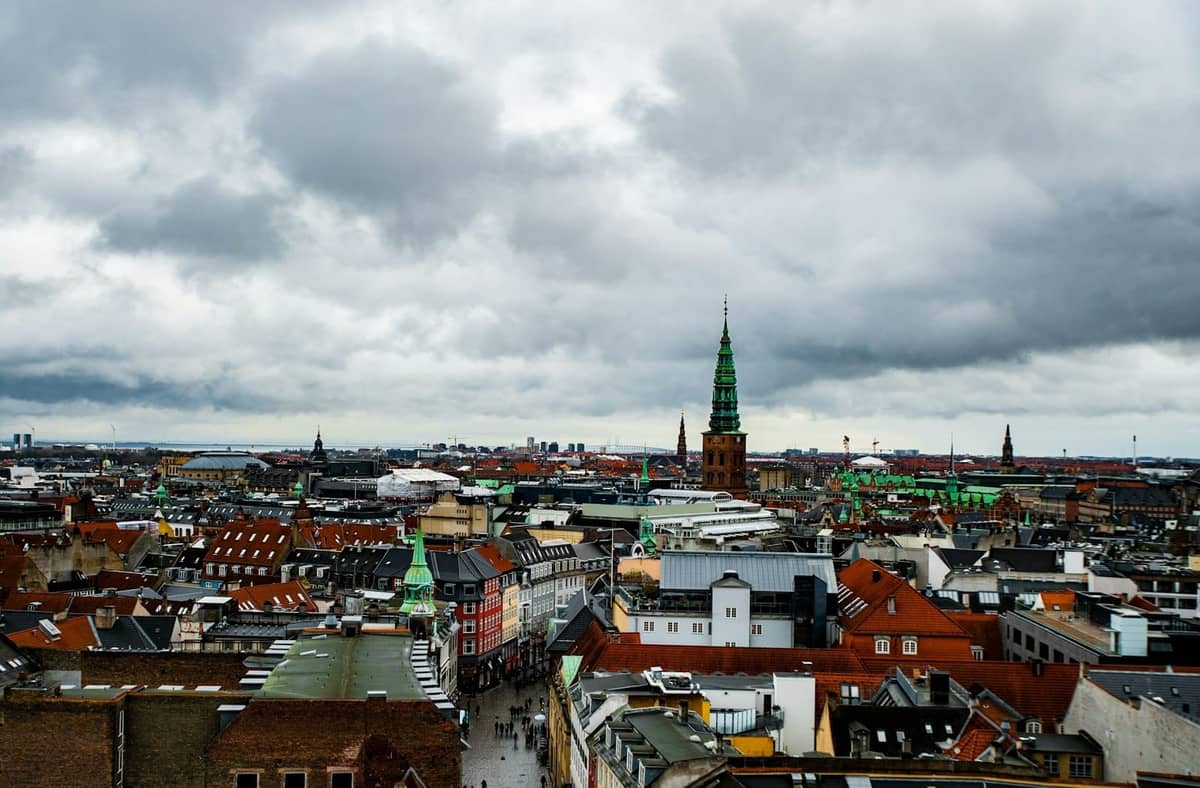
Copenhagen sits at approximately 55.7°N latitude, placing it well north of most European capitals. The climate is oceanic and temperate, meaning mild but grey winters, cool summers, and rain spread fairly evenly across the year. The annual temperature range runs from around 3°C (37°F) in the coldest months to roughly 20°C (68°F) at peak summer, with extremes in either direction being rare. You will rarely see sustained heat above 28°C (82°F) or deep cold below -10°C (14°F).
What surprises many first-time visitors is the daylight variation. In late June and July, sunset doesn't arrive until just before 10 pm, giving you enormous usable outdoor time. Conversely, a December day in Copenhagen offers only around seven hours of daylight. This swing matters more here than the temperature when planning an itinerary.
ℹ️ Good to know
Copenhagen does not have a dry season. Rain is possible any month, with slightly wetter conditions in late summer and early autumn. A compact waterproof jacket is worth packing regardless of when you travel.
Summer (June to August): Peak Season, Peak Experience
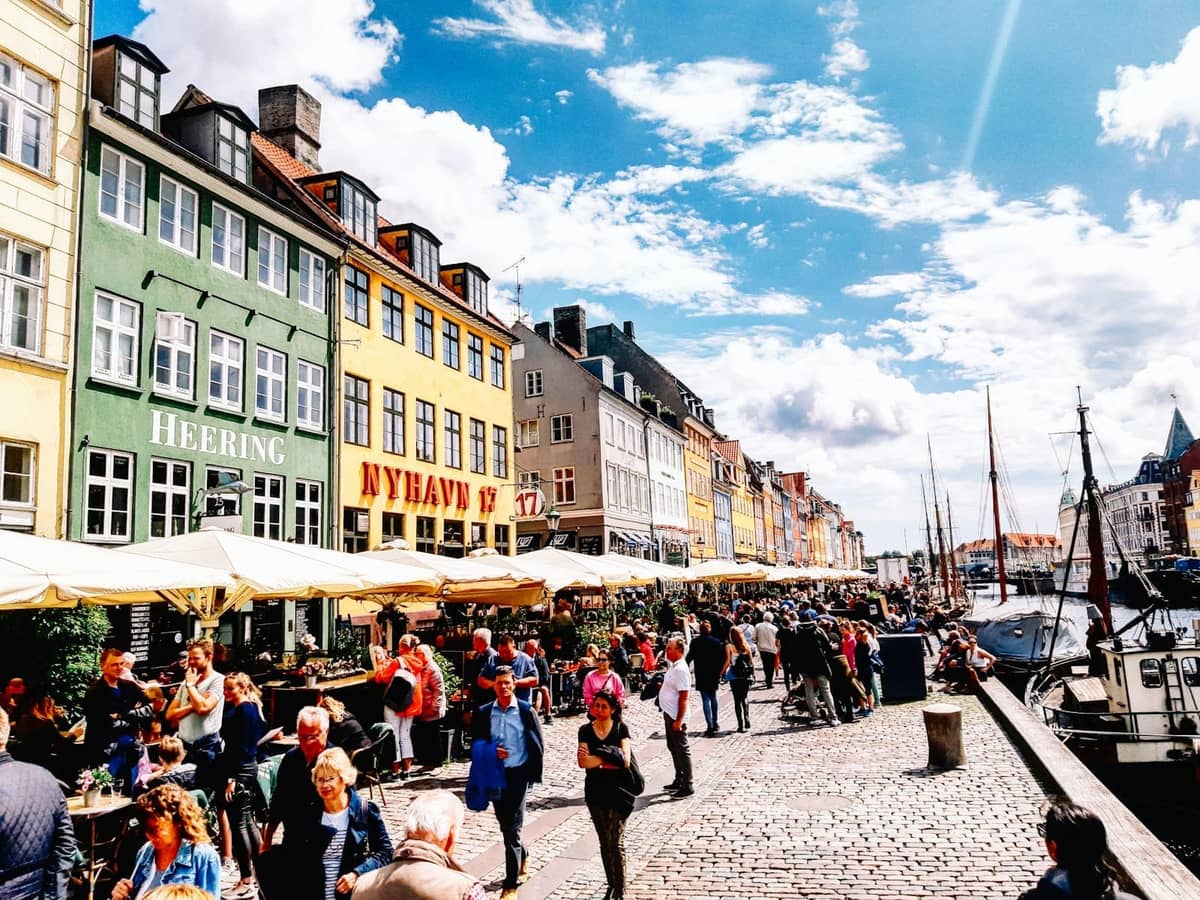
This is unambiguously the most popular time to visit Copenhagen, and for good reason. Average daytime highs run from about 19°C in early June to around 20°C in July, the sunniest month with roughly 230 hours of sunshine. The city operates at full capacity: outdoor restaurants are packed, harbour baths are in use, cycling lanes are full, and the energy is at its highest. Tivoli Gardens runs its main summer season, canal boat tours are at peak frequency, and most festivals land in this window.
The Copenhagen Jazz Festival, one of the city's signature events, runs across ten days in July with free and ticketed concerts across the city. If that interests you, check the Copenhagen Jazz Festival guide before booking. The trade-off for all this activity is straightforward: flights and hotels cost significantly more, popular restaurants require reservations days or weeks in advance, and attractions like Tivoli Gardens see their largest crowds on weekends.
⚠️ What to skip
If you're visiting in late July or August, book accommodation at least 6-8 weeks ahead. Budget options fill particularly fast. Prices for centrally located hotels can be two to three times higher than in winter.
- Temperatures 19–22°C (66–72°F) average highs; rarely exceeds 26°C
- Daylight Up to 17+ hours in June; sunset near 10 pm at midsummer
- Crowds Highest of the year, especially July and early August
- Prices Peak rates for flights and hotels
- Best for Outdoor dining, cycling, harbour swimming, festivals, families
Spring (March to May): The Underrated Window

Spring is the season most often overlooked by first-time visitors and most appreciated by those who return. March is still firmly cool (average highs around 6–8°C), but by April the city starts to feel genuinely alive again. May is the standout month of the shoulder season: average highs reach about 19°C (66°F), daylight extends past 9 pm, and tourist numbers are a fraction of midsummer levels. Hotel rates are noticeably lower than July and August, yet the city's main attractions, restaurants, and cycling infrastructure are all fully operational.
Spring is also when Copenhagen's parks come into their own. The Botanical Garden is particularly worth visiting in April and May, and The King's Garden around Rosenborg Castle fills with locals enjoying the first proper warmth of the year. If you're planning to cycle, May conditions are near-ideal: mild temperatures, long days, and fewer tourists on the bike paths. Our cycling in Copenhagen guide covers routes, rental options, and what to expect.
💡 Local tip
May is the best single month for most visitors who want good weather, manageable crowds, and reasonable prices. It's not as warm as July, but the longer days and lower hotel rates make the trade-off clearly worthwhile.
Autumn (September to November): Quality Over Comfort
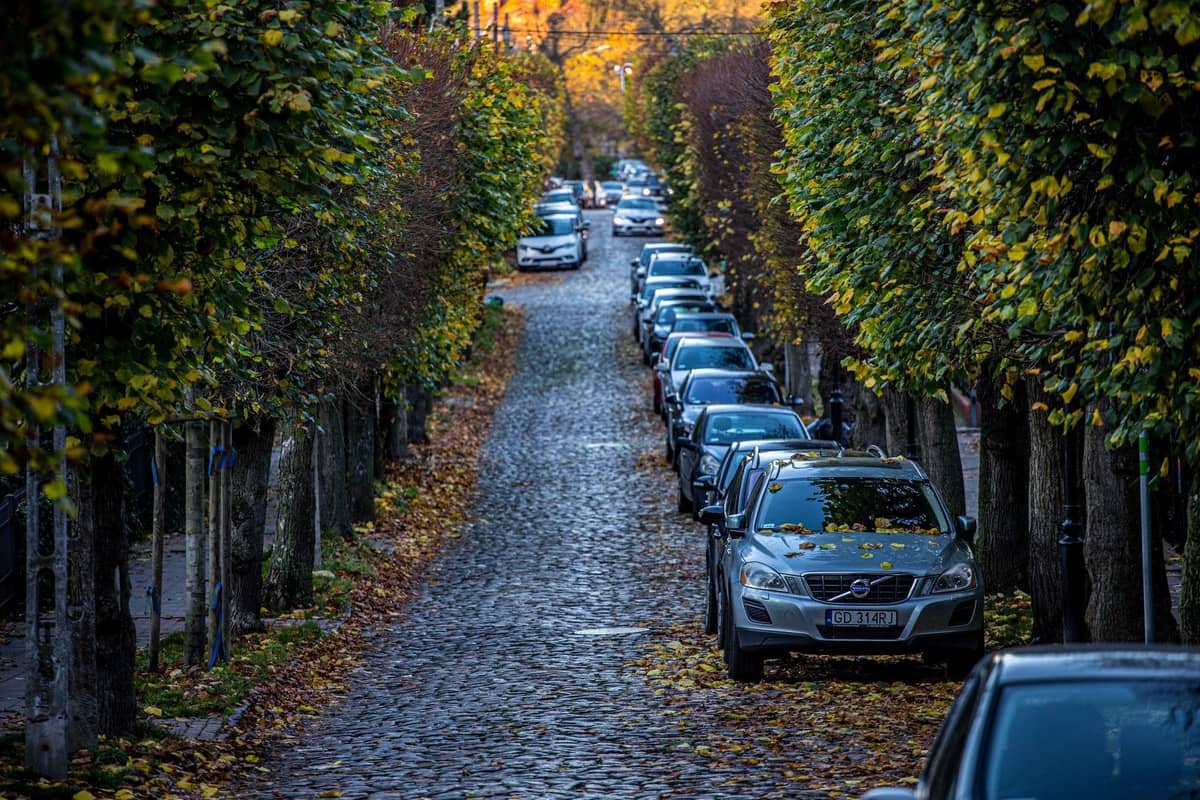
September holds much of summer's charm while shedding most of the crowds. Average highs sit around 17°C early in the month, dropping to around 12°C by October and 7°C by November. The city's food scene, design culture, and museum circuit are completely unaffected by the cooling temperatures, and some argue that autumn is the best time to explore Copenhagen's indoor highlights without queueing. Restaurant reservations at in-demand spots are easier to secure. Prices for flights and hotels begin to drop noticeably from mid-September onward.
October and November are more of an acquired taste. Rain becomes more frequent, daylight shrinks quickly, and the outdoor café culture largely winds down. That said, museum-focused itineraries work extremely well. Copenhagen's museum lineup is genuinely strong, from the SMK National Gallery to the Ny Carlsberg Glyptotek and the National Museum of Denmark. See our guide to the best museums in Copenhagen for a full breakdown.
Winter (December to February): Cold, Cheap, and Genuinely Atmospheric

Copenhagen in winter is not for everyone, and that's worth saying clearly. Average temperatures hover between 0°C and 4°C (32–39°F), daylight is limited to around 7 hours in December, and outdoor activities are largely off the table. Wind chill along the waterfront and in open squares can make it feel significantly colder. If you're expecting a walkable outdoor city break, winter will disappoint.
What winter does deliver is affordability and a particular kind of atmosphere. Accommodation prices drop to their annual lows, and flight deals are common outside of the Christmas and New Year window. The Danish concept of hygge, roughly translated as cosy contentment, is genuinely felt in winter: candlelit coffee shops, warm interiors, and a slower pace. Tivoli operates a separate Christmas season from mid-November through late December, transforming into one of Scandinavia's most atmospheric festive markets. If that's your interest, the season runs roughly five weeks and is worth timing a visit around.
- December: Tivoli Christmas market, city-wide lights, festive atmosphere in Nyhavn and Strøget
- January: Quietest tourist month of the year, lowest hotel rates, city functions normally
- February: Still cold, but days begin to lengthen slightly; good for museum-heavy itineraries
Seasonal Events and Why They Matter for Timing
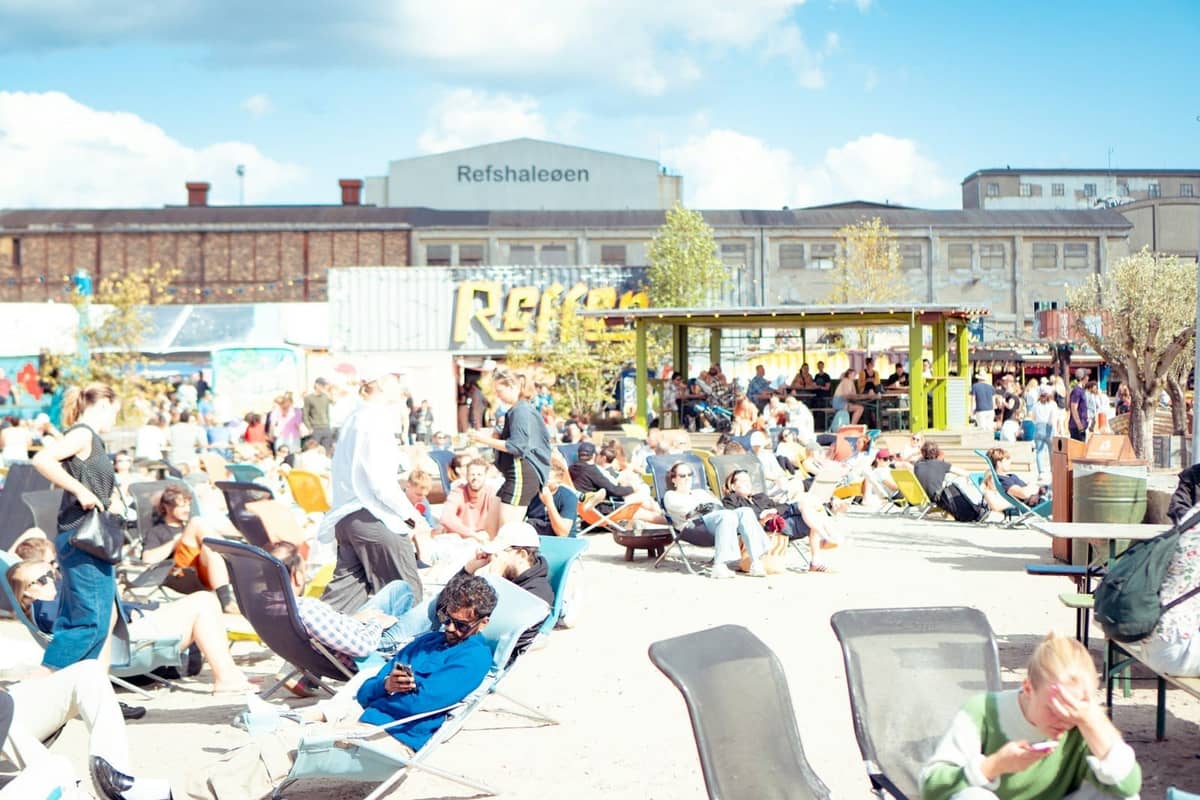
Major events should factor into any Copenhagen trip, whether you're planning around them or avoiding the crowds they generate. Beyond the Jazz Festival in July, Copenhagen in summer includes street festivals, harbour swimming events at places like Islands Brygge Harbour Bath, and outdoor cinema. Copenhagen Fashion Week runs twice annually (January and August), drawing international visitors and affecting hotel availability in the city centre.
For those planning around food and dining, note that the city's top restaurants are extremely difficult to book during peak summer and around major events. The Copenhagen food guide is worth reading well before your trip if dining is a priority. Restaurant reservations at the most sought-after spots typically open one to three months in advance and fill immediately.
✨ Pro tip
If you're visiting primarily for Copenhagen's food and design culture rather than outdoor sightseeing, September and October offer an excellent mix: the restaurants are operating at full capacity, design events fill the calendar, and you're not competing with the summer tourism peak for tables or hotel rooms.
Practical Planning: Budget, Booking, and Getting Around
Copenhagen is one of Europe's more expensive cities regardless of season, but the cost gap between summer and winter is significant. Winter hotel rates in central Copenhagen can be 40–60% lower than July peaks. Flight prices follow a similar pattern. If budget is a primary concern, November through February (excluding Christmas week) consistently offers the lowest prices. Our Copenhagen on a budget guide covers accommodation, food, and transport strategies in detail.
Getting around Copenhagen is efficient year-round. The Metro, S-train network, and buses run on an integrated zone-based ticketing system. Copenhagen Airport (CPH) sits about 8–9 km from the city centre and is connected directly by Metro, making the transfer straightforward. Standard public transport to and from the airport runs around 36 DKK for most central destinations, though fares should be verified before travel. For a full breakdown of options, see the Copenhagen airport transfer guide.
- Book in advance For summer travel, reserve hotels at least 6-8 weeks ahead. For winter, 2-3 weeks is usually sufficient.
- Copenhagen Card Worth considering if you're doing multiple museums and unlimited transit in a short window. See the Copenhagen Card guide for a cost comparison.
- Weather layering Even in summer, evenings can be cool. A light jacket is useful May through September; a proper warm layer is essential October through April.
- Cycling season Locals cycle year-round, but visiting cyclists will find May to September the most comfortable window.
- Currency Denmark uses the Danish krone (DKK), not the euro. Card payments are near-universal; cash is rarely needed.
FAQ
What is the best time to visit Copenhagen for good weather?
June through August offers the warmest and sunniest conditions, with average highs of 19–22°C (66–72°F) and near-10 pm sunsets in midsummer. July is the warmest and sunniest month. If you want warm weather with fewer crowds, aim for late May or early September instead.
Is Copenhagen worth visiting in winter?
Yes, with adjusted expectations. Winter means limited daylight (around 7-8 hours in December), cold temperatures (0–4°C average), and reduced outdoor activity. The payoff is significantly cheaper hotels and flights, Tivoli's Christmas season in November and December, and a genuinely cosy indoor atmosphere. It suits visitors focused on museums, restaurants, and design culture.
When are crowds lowest in Copenhagen?
January is the quietest month of the year. More practically, October, November, and the first half of September offer noticeably fewer tourists than summer while keeping the city fully operational. Shoulder season also means easier restaurant reservations and lower accommodation prices.
How far in advance should I book for a summer visit?
For July and August, book accommodation at least 6-8 weeks ahead, particularly for central neighbourhoods. Central budget accommodation fills fast. If a specific event like the Copenhagen Jazz Festival is part of your plan, book as soon as you have confirmed dates.
Does it rain a lot in Copenhagen?
Copenhagen has no strong dry season. Rainfall is spread across the year, with slightly wetter conditions in late summer and early autumn. A compact waterproof jacket is practical regardless of when you visit. The city doesn't experience heavy monsoon-style rain, but drizzle on any given day is always possible.