Ny Carlsberg Glyptotek: The Museum That Earns Every Minute You Give It
Founded by brewing magnate Carl Jacobsen and opened in 1897, the Ny Carlsberg Glyptotek houses over 10,000 works spanning ancient Egyptian, Greek, Roman, and Etruscan antiquities alongside 19th-century Danish and French masterpieces. It sits a short walk from Copenhagen Central Station, quietly outperforming its own reputation.
Quick Facts
- Location
- Dantes Plads 7, 1556 Copenhagen V — Vesterbro
- Getting There
- 6-minute walk from Copenhagen Central Station (København H)
- Time Needed
- 2–3 hours for a thorough visit; 1.5–2 hours for highlights
- Cost
- 150 DKK adults; children 0–17 free; Copenhagen Card holders free; free last Wednesday of each month
- Best for
- Art lovers, history enthusiasts, rainy-day refuge, solo explorers
- Official website
- glyptoteket.com
What the Glyptotek Actually Is
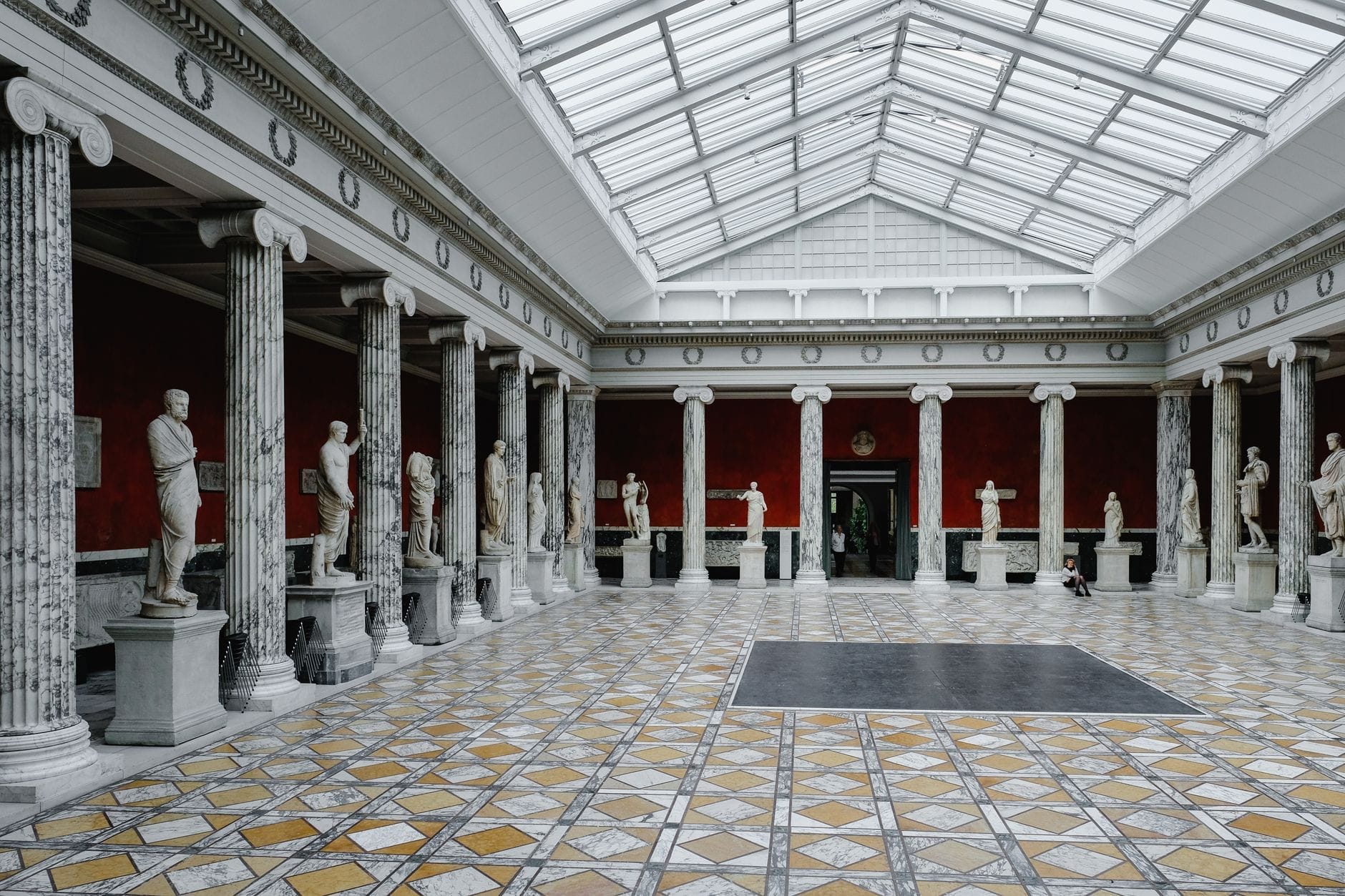
The Ny Carlsberg Glyptotek is an art museum of considerable range and depth, housed in a pair of interconnected 19th-century buildings near the edge of Tivoli's outer wall. The name comes from the Greek 'glyptos' (carved) and 'theke' (collection), signaling its sculptural core, but the collection has grown far beyond that original ambition. Today it holds ancient Mediterranean artifacts alongside 19th-century paintings and sculptures from Denmark and France, making it one of the few places in Scandinavia where you can walk from a Roman portrait bust to a Gauguin canvas in under five minutes.
What separates this museum from a standard civic art collection is the quality of individual objects and the coherence of the building itself. Carl Jacobsen, son of Carlsberg Brewery founder J.C. Jacobsen, donated his personal collection to the city of Copenhagen in the late 1880s. The original building opened in 1897. A second wing followed, and a major expansion completed in 1996 added the modern Kampmann wing, with the permanent galleries refined further between 2004 and 2006. The result is a museum that feels both historically grounded and carefully curated.
💡 Local tip
The Glyptotek is closed on Mondays. Open Tuesday–Wednesday and Friday–Sunday 10:00–17:00; Thursdays 10:00–21:00 (extended evening hours). Plan accordingly — arriving on a Monday is a common mistake for first-time visitors.
The Winter Garden: The First Thing You Notice
Entering through the main doors on Dantes Plads, the route leads almost immediately into the museum's central atrium: a glass-domed winter garden filled with palms, flowering plants, and stone sculptures set among café tables. The space is warm in winter and feels markedly cooler than outside in summer. Light filters through the dome in a diffused, greenish-white way that shifts noticeably across the day — early morning produces long diagonal shadows across the tiled floor; by midday it becomes a soft, even light that makes the space feel almost Mediterranean.
This is not just a circulation space. The winter garden functions as the emotional heart of the museum, and many visitors spend longer here than they intended. The café serves coffee, pastries, and light lunches. On Thursday evenings, the extended hours mean you can sit here after 17:00 when the daytime crowds have thinned, which is when the garden is at its most atmospheric.
For travelers visiting Copenhagen in winter, this room specifically represents the kind of experience worth planning around. The city outside can be cold, grey, and damp from November through February, and the Glyptotek's winter garden is one of the few indoor spaces in Copenhagen that genuinely counteracts that.
Tickets & tours
Hand-picked options from our booking partner. Prices are indicative; availability and final rates are confirmed when you complete your booking.
Home of Carlsberg entrance ticket and guided tour of the beer cellars
From 49 €Instant confirmationFree cancellationEntry Ticket to the Home of Carlsberg Exhibition in Copenhagen
From 29 €Instant confirmationFree cancellation1-hour boat harbour tour in Copenhagen
From 26 €Instant confirmationFree cancellationSmall group 3-hour walking tour in Copenhagen
From 45 €Instant confirmationFree cancellation
The Ancient Collections: Mediterranean Antiquity at Serious Depth
The antiquities floors cover Egypt, Greece, Rome, and the ancient Near East. The Egyptian collection is one of the strongest in Northern Europe, with mummified remains, ushabti figurines, and carved sarcophagi displayed in low-lit rooms that reward slow looking. The Greek and Roman portrait busts are the collection's most famous element — rows of marble faces recording real individuals from the ancient world with a directness that feels unexpectedly modern.
The Etruscan collection is smaller but genuinely unusual. Etruscan artifacts are underrepresented in most European museums outside Italy, and the Glyptotek's holdings here offer context and objects that many visitors have never encountered. If you have any interest in pre-Roman Italy, this section is worth seeking out specifically.
ℹ️ Good to know
The antiquities galleries are spread across multiple floors and wings. Pick up a free floor plan at the entrance — the museum's layout is not immediately intuitive, and it's easy to miss entire sections without one.
The 19th-Century Galleries: From Danish Golden Age to French Impressionism
The French collection is the other major draw. The Glyptotek holds an exceptional group of works by Rodin, including bronze and marble sculptures displayed with enough space around them to actually read the surfaces. The Impressionist and Post-Impressionist paintings include works by Monet, Pissarro, Renoir, Sisley, and a significant holding of Gauguin canvases — the latter group being particularly strong for a museum outside France.
The Danish section covers the Golden Age of Danish painting, roughly 1800 to 1850, with landscapes, portraits, and interiors by artists like Christen Købke and C.W. Eckersberg. This part of the collection is less internationally known but provides real context for understanding Danish visual culture in the period when the country was defining itself artistically. It complements a visit to the SMK (National Gallery of Denmark) rather than duplicating it.
If you're building a focused museum itinerary for Copenhagen, the Glyptotek pairs well with the SMK National Gallery of Denmark — together they cover the full arc of Danish and European art from antiquity to the 20th century without significant overlap.
Visiting by Time of Day: When to Go and Why It Matters
Tuesday through Wednesday mornings, from opening at 10:00 until around noon, are the quietest windows of the week. School groups occasionally arrive mid-morning, but the museum's size absorbs them without significant impact on other visitors. Weekend afternoons between 13:00 and 16:00 are the most crowded, particularly in summer and during school holidays.
Thursday evenings are the most underutilized option in the museum's schedule. The building stays open until 21:00, and by 18:00 the post-work crowd has typically cleared. Moving through the antiquities galleries or the French sculpture rooms with almost no other visitors changes the experience meaningfully. The café also remains open during these hours. For travelers whose daytime is full of other plans, Thursday evening represents a genuine alternative that most visitors overlook.
💡 Local tip
If you hold a Copenhagen Card, entry is free. The card covers most major museums and the Metro — if you're planning more than two or three museum visits, it frequently pays for itself. Check the current card pricing before buying.
The Copenhagen Card covers free entry to the Glyptotek and dozens of other attractions across the city, including unlimited public transport.
Getting There and Practical Details
The museum is located at Dantes Plads 7, directly behind Tivoli and about a 5–10-minute walk from Copenhagen Central Station (København H). The walk from the station is straightforward: exit toward Tivoli, follow Hans Christian Andersens Boulevard south, and the museum building is visible on your left before you reach the canal. There is no dedicated metro stop directly adjacent, but the nearest is Rådhuspladsen on the M3 line, and Central Station connects to the S-train network, the regional rail system, and several bus lines.
The museum's proximity to Tivoli Gardens means both attractions can be combined in a single day without significant transit time between them.
The museum is wheelchair accessible throughout, including the café and garden. Lockers are available for bags and coats. Photography without flash is generally permitted in many parts of the permanent collection, though this should always be confirmed at the entrance for any temporary exhibitions. Audio guides are available for additional context on the major collections.
Honest Assessment: Is It Worth It?
At 150 DKK for adults, the Glyptotek costs less than many comparable European museums of equivalent quality. The breadth of the collection, the architecture of the building, and the winter garden alone justify the entry price for most visitors. It is not overhyped — if anything, it is consistently underestimated by travelers who assume Copenhagen's art credentials begin and end at the SMK or the Louisiana.
That said, visitors who have little interest in either ancient antiquities or 19th-century European art will find their attention tested. This is not an interactive museum. There are no large-format digital installations, no gamified experiences, no children's activity zones beyond what the café area provides. Children under 17 enter free, but parents should know the collection is display-heavy and text-heavy rather than participatory.
Travelers visiting Copenhagen with young children may find the Experimentarium or the Blue Planet Aquarium better suited to a family day out.
For those building a broader sense of Copenhagen's cultural landscape, the best museums in Copenhagen guide covers how the Glyptotek fits alongside the city's other major institutions.
Insider Tips
- Thursday evenings after 18:00 offer near-empty galleries and the full atmosphere of the building without daytime visitor volume. The extended hours until 21:00 are far less used than they deserve to be.
- The winter garden café serves a lunch menu that is better quality than typical museum catering and is worth factoring into your visit timing. Arrive hungry and eat before or after exploring the galleries rather than leaving the museum for lunch.
- The museum floor plan is not self-explanatory. The different wings connect at unexpected points, and the ancient collections are split across multiple levels. Take the free map at the entrance and identify two or three specific rooms you want to prioritize before starting.
- If the Gauguin holdings are your main interest, head directly to the French collection on arrival rather than working through the museum sequentially — these rooms attract the largest clusters of visitors and are best seen before midday.
- The exterior of the building on Dantes Plads is photographically strong in morning light, particularly the facade facing the small square. This side of the building faces broadly east and is at its best before 11:00.
Who Is Ny Carlsberg Glyptotek For?
- Art and antiquities enthusiasts looking for European-quality collections outside the major Western European capitals
- Travelers seeking a serious indoor alternative on a rainy or cold Copenhagen day
- Solo visitors who want a reflective, unhurried museum experience
- Copenhagen Card holders looking to maximize value from multiple museum visits
- Anyone interested in French Impressionist and Post-Impressionist sculpture and painting, particularly Rodin and Gauguin
Nearby Attractions
Other things to see while in Indre By (Old Town):
- Amalienborg Palace
Amalienborg is the official home of the Danish royal family and one of Copenhagen's most architecturally coherent ensembles. Four near-identical Rococo palaces frame a grand octagonal square, with the Amalienborg Museum open to visitors inside Christian VIII's Palace. The daily changing of the guard at noon is a punctual, unhurried ceremony worth timing your visit around.
- The Black Diamond
The Black Diamond is the modern extension of the Royal Danish Library, clad in polished black granite and angled toward the harbour on Slotsholmen. Entry is free, the atrium is genuinely impressive, and the building rewards visitors who take time to understand what they are looking at.
- Botanical Garden of the University of Copenhagen
Tucked behind Nørreport Station in the heart of the city, the Copenhagen University Botanical Garden is a 10-hectare green sanctuary with a Victorian glasshouse complex, a tranquil lake, and around 8,000 plant species. Entry to the grounds is free, making it one of the most rewarding stops in central Copenhagen for any pace of traveler.
- Christiansborg Palace
Christiansborg Palace sits on the Slotsholmen islet in central Copenhagen, serving simultaneously as the home of the Danish Parliament, the Supreme Court, the Prime Minister's Office, and the Royal Reception Rooms. It is widely described as uniquely housing all three branches of Denmark’s national government under one roof, and its 106-metre tower offers one of the best free panoramic views in the city.