Copenhagen in Summer: What to Do in June, July & August
Summer is Copenhagen's peak season, with up to 17 hours of daylight, open-air festivals, free harbour swimming, and parks packed with locals. This guide covers the weather, major events, best activities, and practical tips for visiting in June, July, and August.
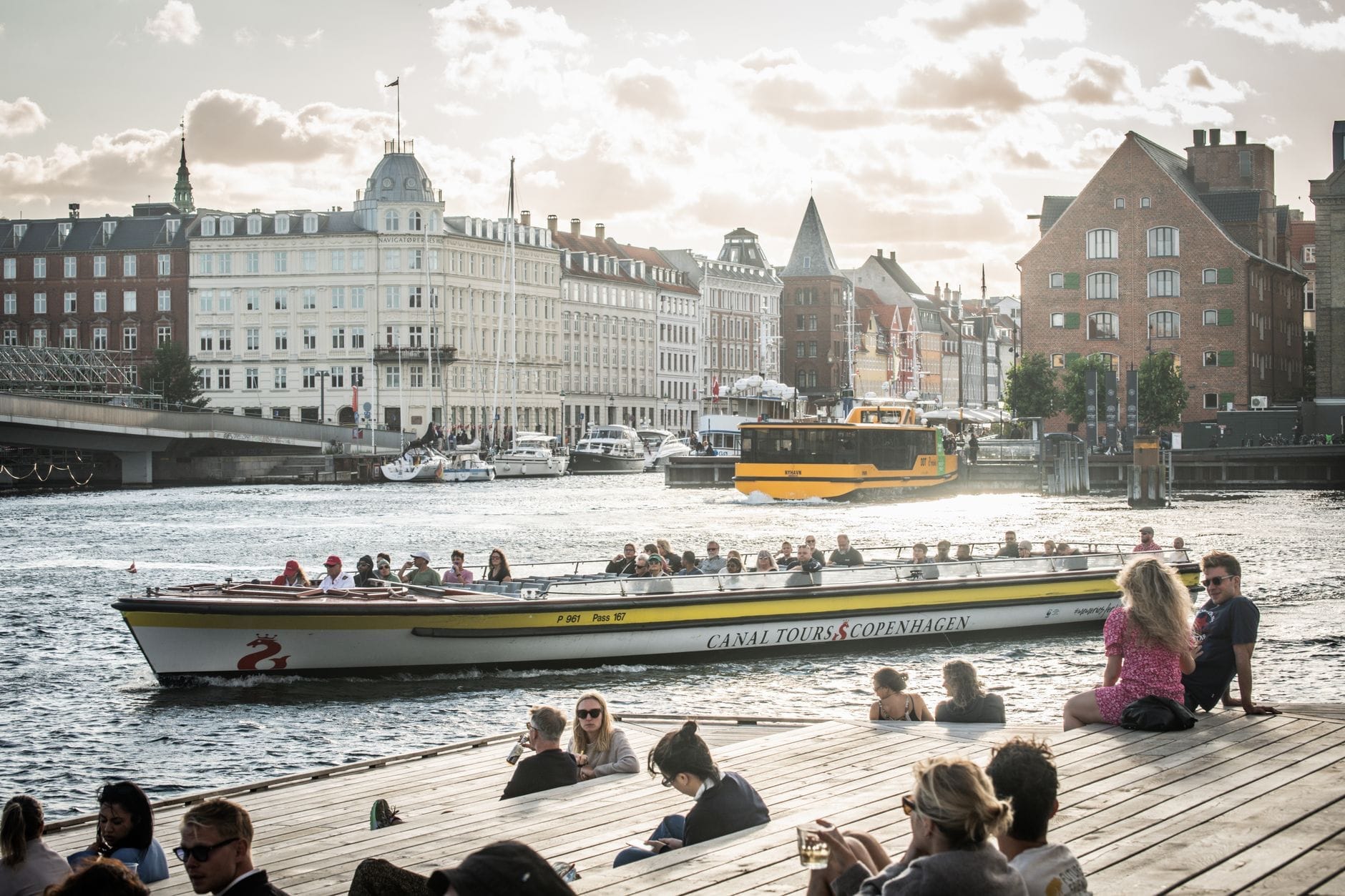
Plan and book this trip
Tools from our partner Travelpayouts help you compare flights and hotels. If you book through them, we may earn a commission at no extra cost to you.
Flights
Hotels map
TL;DR
- Copenhagen in summer (June–August) offers long daylight hours, average highs of 20–22°C, and the city's best outdoor life.
- Key events include the Copenhagen Jazz Festival (early July), Copenhagen Pride (August), and the Cooking & Food Festival (late August).
- This is peak season: expect higher hotel prices, long queues at top attractions, and restaurants that require reservations days in advance.
- Harbour swimming at Islands Brygge Harbour Bath is free and lifeguard-supervised from June to late August, but only swim in marked zones.
- Book accommodation and key activities (Tivoli, Noma-tier restaurants, canal tours) several weeks ahead.
Summer Weather: What to Actually Expect
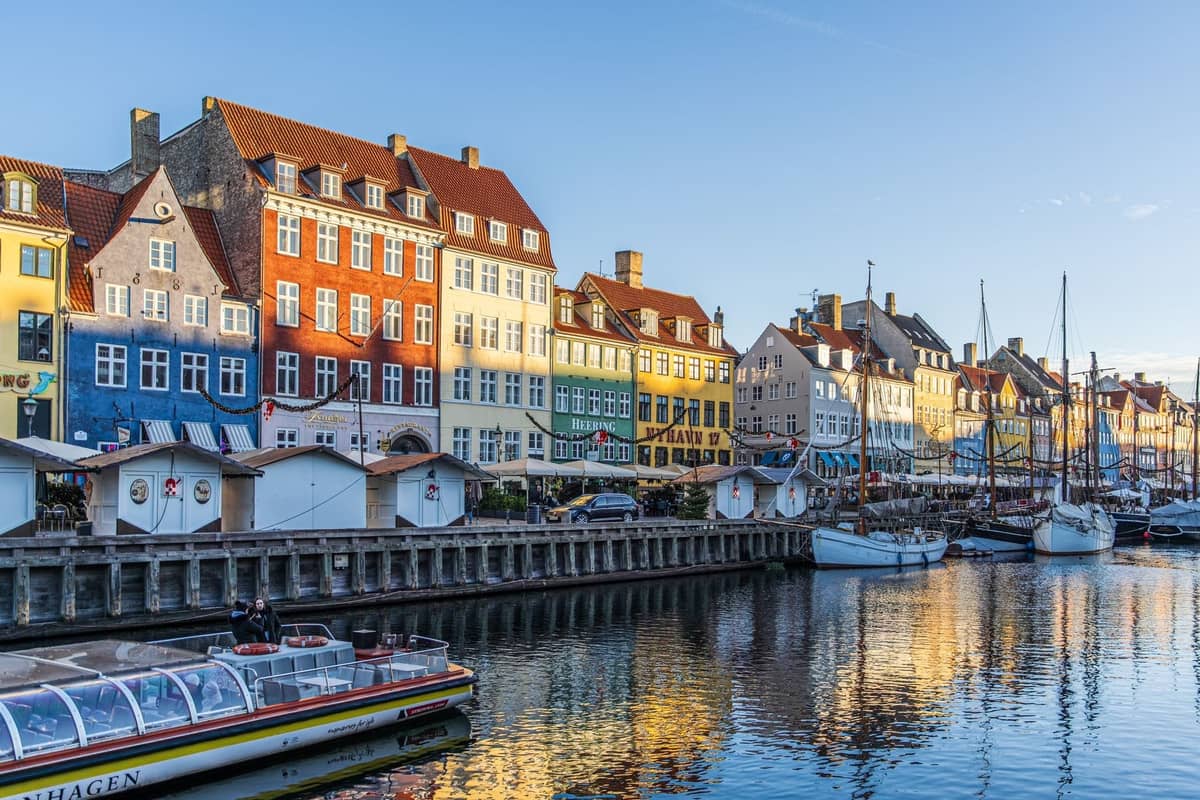
Copenhagen's climate is oceanic and temperate, which means summer is warm but rarely hot. Average daytime highs in July, the warmest month, sit around 20–22°C, though occasional spikes into the high 20s do occur. What makes summer genuinely special here is the light: at the June solstice, Copenhagen sees around 17 hours of daylight, and even by late August there are still 15 usable hours. Evenings stay bright until 9 or 10 pm, which shapes how locals eat, drink, and socialise outdoors.
Rain is the honest caveat. Copenhagen does not have a dry season in any meaningful sense, and summer showers are common, particularly in August. Pack a light waterproof layer regardless of the forecast. The upside is that most rain comes in short bursts rather than all-day downpours, and the city dries quickly. June tends to be slightly more settled than August, making it the better month for purely weather-based planning.
💡 Local tip
Dress in layers: mornings can be cool even in July, evenings drop off noticeably, and a sudden shower can change the feel of the day fast. Comfortable walking shoes and a compact rain jacket will serve you better than a heavy umbrella.
Peak Season Realities: Crowds, Costs, and What to Book Ahead
There is no polite way to say this: summer in Copenhagen is expensive and busy. June through August is the absolute peak window, when European holiday travel converges on one of the continent's most photogenic capitals. Hotel rates in central districts like Indre By and Nyhavn can run two to three times what you would pay in October. Restaurant reservations at anything beyond casual spots, especially in Vesterbro and Christianshavn, fill up fast.
The practical response is early planning. Book accommodation at least six to eight weeks out for late July and early August. If you're coming during the Copenhagen Jazz Festival in early July, that window extends to two or three months. For Tivoli Gardens, canal boat tours, and popular museums, buying tickets online in advance avoids the morning queue that forms at peak entry points.
- Tivoli Gardens Open April to late September; summer evenings are particularly crowded. Buy tickets online and consider visiting on a weekday rather than weekends.
- Canal tours from Nyhavn Boats depart regularly but queues build quickly on sunny days. Arrive at the dock at least 30 minutes before your preferred departure or pre-book.
- Top restaurants Copenhagen's fine dining scene books out weeks in advance in summer. If you miss the reservation window, walk-in seats at the bar or lunch sittings are often more available.
- Accommodation Central areas command premium summer rates. Consider Vesterbro, Nørrebro, or Østerbro for better value with quick metro or cycling access to the centre.
⚠️ What to skip
Nyhavn is Copenhagen's most photographed street, but in July and August it is also one of the most congested. Restaurants along the canal are often overpriced relative to quality and trade heavily on location. For the canal photo, go early morning; for dinner, walk inland two blocks to find better value.
Major Summer Events Worth Planning Around
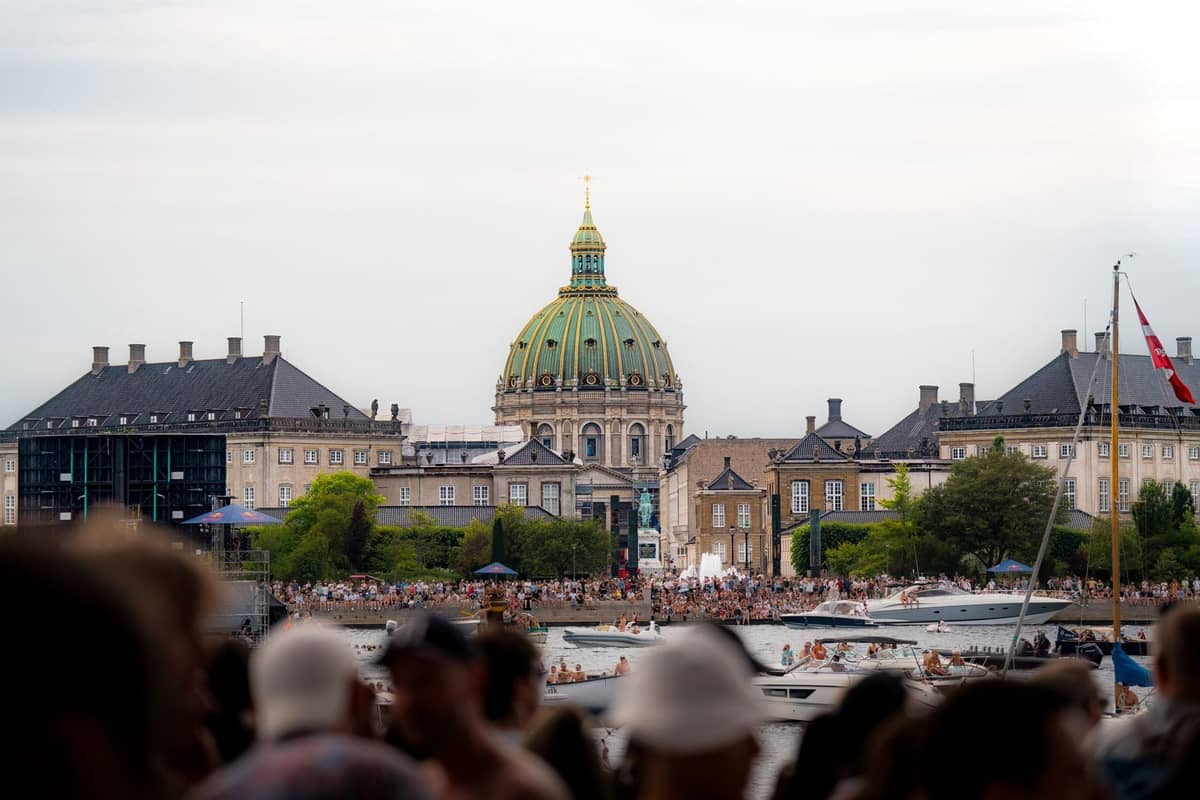
Copenhagen's summer calendar is genuinely excellent, but exact dates shift year to year. Always verify with the official event website or VisitCopenhagen before booking travel around a specific festival.
- Copenhagen Jazz Festival (early July) Around 10 days of performances across 100+ venues, including free outdoor stages at squares and parks. Widely regarded as one of Europe's premier jazz events. Both free and ticketed shows run simultaneously, so there is something accessible at every budget.
- Copenhagen Pride (August) A week of events culminating in a large Saturday parade through central Copenhagen. The city embraces it broadly, not just the LGBTQ+ community, and streets in the centre become very busy on parade day.
- Copenhagen Cooking & Food Festival (late August) Food events, market pop-ups, and ticketed dinners across the city. Given Copenhagen's outsized reputation in Nordic cuisine, this is a worthwhile week to time your visit around if food is your focus.
- Copenhagen Summer Festival (classical, late July) Chamber music and classical performances, historically associated with Charlottenborg. More niche than the Jazz Festival but high quality.
Outdoor Life: Parks, Beaches, and Harbour Swimming
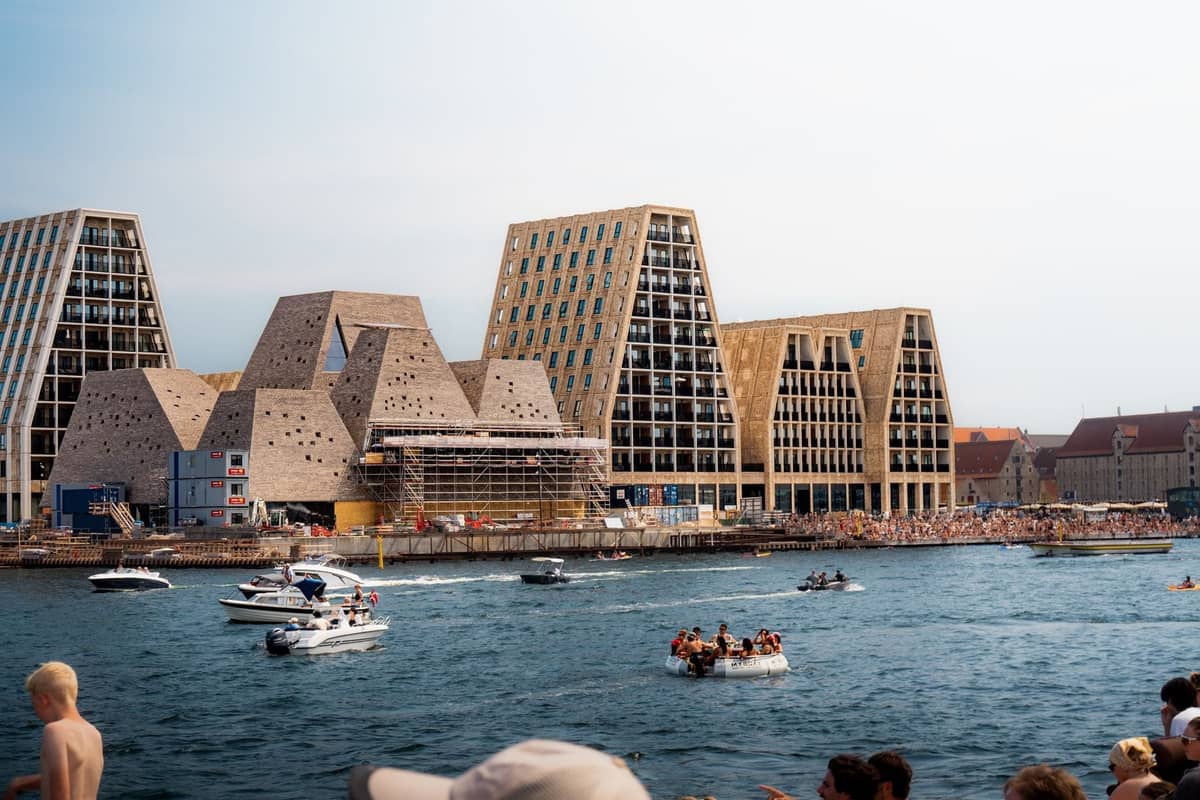
The single most Copenhagener thing you can do in summer is swim in the harbour. The city's clean harbour water is a genuine point of civic pride, and the harbour baths are where locals spend their evenings after work. Islands Brygge Harbour Bath on the south side of the harbour is the most famous, with outdoor pools, diving platforms, and a children's area. Entry is free, and lifeguards are on duty during official opening hours, typically 10:00 to 18:00 from June 1 through August 31, though you should confirm current hours before visiting.
One important note: not all of the harbour is a designated swimming area. Only swim in zones clearly marked as designated bathing areas. Outside these, water currents and boat traffic make swimming unsafe. The city maintains water quality monitoring across all bathing sites. If you want a longer beach experience with sand, Amager Strandpark is about 5 km from the centre and reachable by metro, offering a proper beach setting on the Øresund coast.
Copenhagen's parks are equally important to summer life. The King's Garden (Kongens Have) adjacent to Rosenborg Castle fills with picnickers and sunbathers from May onwards. Fælledparken in Østerbro is the city's largest park and the venue for outdoor concerts and Pride events. Both are free, both are genuinely used by locals rather than just tourists, and both make excellent starting points for a slow afternoon.
✨ Pro tip
Copenhagen's cycling infrastructure is world-class, and summer is the obvious time to use it. Rental bikes are available across the city, and the flat terrain makes 10–15 km rides between attractions entirely manageable. The Cykelslangen cycle bridge in Vesterbro is itself worth riding for the harbour views it offers.
Top Summer Activities Beyond the Obvious
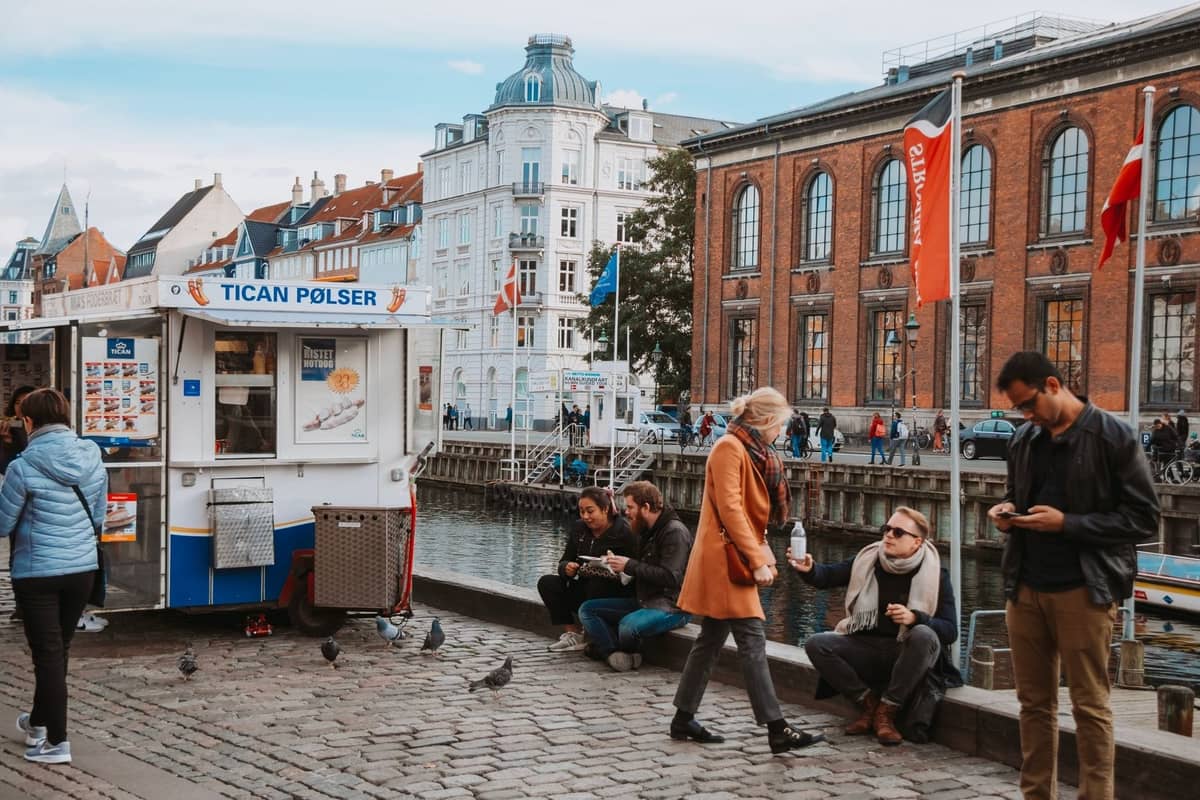
Tivoli Gardens gets most of the summer attention and deserves it, but Copenhagen's summer offer runs considerably deeper. The food scene is the city's strongest suit: the Copenhagen food scene operates at full intensity in summer, with outdoor terraces open across Vesterbro, Nørrebro, and the Reffen street food market on Refshaleøen, which runs through the warmer months with rotating vendors in a former industrial harbour setting.
For architecture and design, summer is when the city's outdoor spaces reveal the coherence of Copenhagen's urban planning. The Danish Architecture Center in the BLOX building on the harbour front is worth a visit for anyone serious about Scandinavian design. The Black Diamond, the Royal Library's modernist extension on the waterfront, offers free public access to its interior atrium and views over the harbour.
Day trips become more practical in summer when transport runs at full frequency. Louisiana Museum of Modern Art in Humlebæk, about 35 km north, combines world-class modern art with sculpture gardens that look over the Øresund strait. In summer, the garden alone justifies the trip. Trains run regularly from Copenhagen Central Station and the journey takes around 35–40 minutes.
Practical Logistics for a Summer Visit
Copenhagen Airport (CPH) sits about 8 km from the city centre. The Metro connects the airport to the city in roughly 15 minutes; standard zone-based fares apply, typically around 36 DKK, though you should verify current pricing before travel. The full Copenhagen airport transfer options are covered in detail separately. Taxis are available but significantly more expensive.
Within the city, the Metro and S-train network covers most visitor needs. For summer specifically, cycling is the most practical way to move between neighbourhoods: it is faster than the bus on many cross-city routes, and the infrastructure genuinely supports it. The cycling in Copenhagen guide covers rental options and key routes. If you plan to use public transport heavily, the Copenhagen Card may offset costs depending on your itinerary, since it covers transit and museum entry.
- Currency: Danish krone (DKK). Cards are accepted almost everywhere; cash is rarely needed.
- Tipping: service charges are included in restaurant bills. Small rounding-up is fine but not expected.
- Language: Danish is official, but English is spoken reliably across the tourism sector and most retail environments.
- Tap water is safe to drink throughout the city.
- Emergency number: 112 for police, fire, and ambulance.
- Electricity: 230V, 50Hz, plug types C and K. EU standard adapters work; UK and US visitors will need adapters.
ℹ️ Good to know
Copenhagen follows Schengen Area entry rules. Whether you need a visa depends on your nationality. Non-EU visitors should check their Schengen visa requirements well before booking, as short-stay limits (90 days within 180) apply across the entire Schengen zone, not just Denmark.
FAQ
Is Copenhagen in summer worth visiting despite the crowds?
Yes, but with honest expectations. Summer unlocks the full version of the city: outdoor swimming, festivals, long evenings in parks, and open-air dining. The crowds and costs are real, but they do not outweigh the experience if you plan ahead. If you prefer a quieter and cheaper visit, May or September offer much of the same charm with significantly fewer tourists.
What is the weather like in Copenhagen in June, July, and August?
Average highs are around 18–20°C in June, 20–22°C in July, and 20–21°C in August. Rain is possible in any month, with August slightly wetter on average. Daylight is the real story: up to 17 hours in June, tapering to about 14 hours by late August. Evenings are bright until well past 9 pm in midsummer.
When does the Copenhagen Jazz Festival take place?
The Copenhagen Jazz Festival typically runs for around 10 days in early July, with performances across the city including many free outdoor stages. Exact dates shift each year, so confirm with the official festival website before booking travel specifically around it.
Can you swim in Copenhagen harbour in summer?
Yes, and it is one of the best free things to do in the city. Islands Brygge Harbour Bath is the most popular spot, with free entry and lifeguard supervision during official opening hours (roughly 07:00–20:00, June to late August). Only swim in marked designated zones, identified by yellow buoys. Amager Strandpark offers a sand beach alternative a short metro ride from the centre.
How far in advance should I book accommodation for a summer trip to Copenhagen?
For late July and August, six to eight weeks ahead is the practical minimum for a reasonable selection at mid-range prices. During the Jazz Festival in early July or Copenhagen Pride in August, two to three months out is advisable. Prices in central neighbourhoods (Indre By, Nyhavn) are highest; Vesterbro and Nørrebro typically offer better value with good transport links.