Copenhagen with Kids: The Complete Family Activity Guide
Copenhagen is one of Europe's most genuinely child-friendly capitals, with discounted museum entry, excellent playgrounds, and a compact city center that makes logistics manageable. This guide covers the best family activities in Copenhagen, from Tivoli Gardens to canal cruises, plus honest advice on passes, costs, and seasonal planning.
Plan and book this trip
Tools from our partner Travelpayouts help you compare flights and hotels. If you book through them, we may earn a commission at no extra cost to you.
Flights
Hotels map
TL;DR
- Copenhagen with kids works best in summer (June-August) for outdoor activities, but indoor options like the Experimentarium and Den Blå Planet make year-round visits viable.
- The Copenhagen Card covers most major family attractions plus all public transport, and children 11 and under typically ride and enter free with a paying adult.
- Tivoli Gardens, Copenhagen Zoo, and the National Museum's Children's Museum are the anchor attractions for most family itineraries.
- Free playgrounds at King's Garden, Fælledparken, and Superkilen are genuinely excellent and require no planning or budget.
- Copenhagen is expensive but not uniformly so: strategic use of free entry days, parks, and the card can keep costs manageable. See our budget guide to Copenhagen for more detail.
Why Copenhagen Works Well for Families
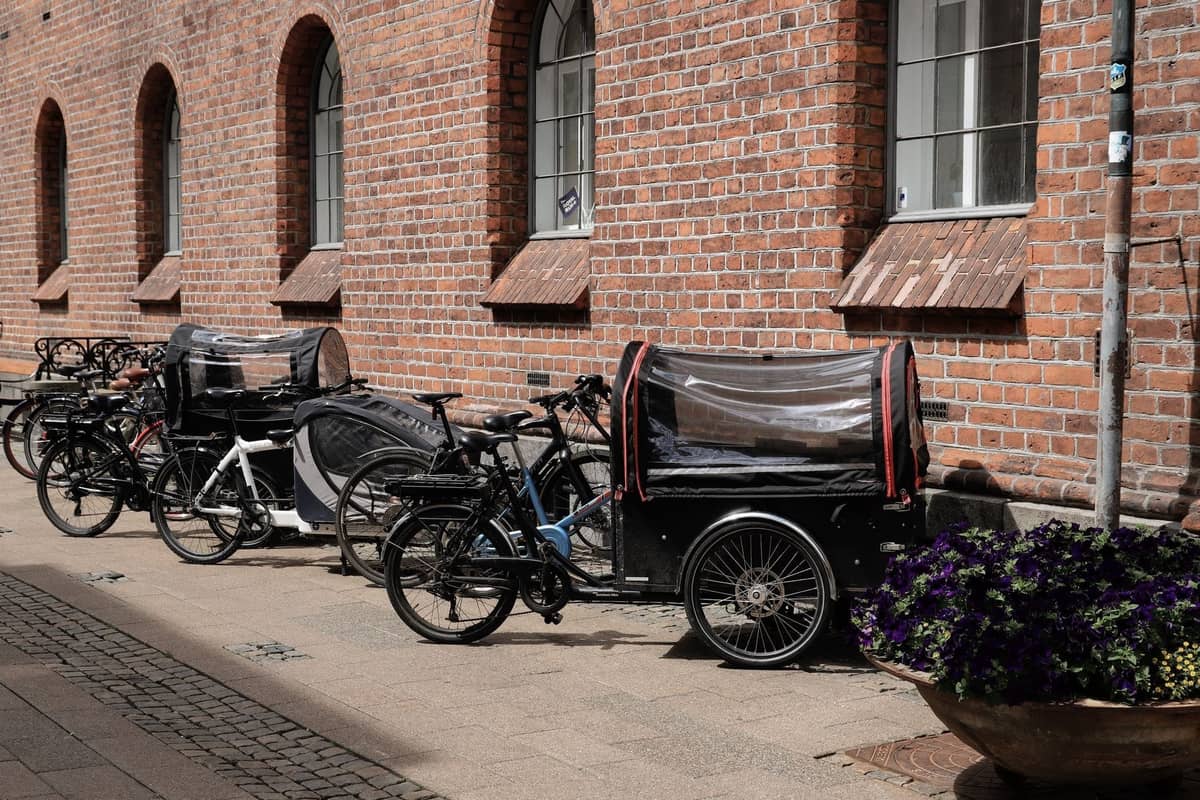
Copenhagen is compact, flat, and heavily invested in child-friendly infrastructure, partly because Danish culture places a high value on outdoor play and family life. The city center is walkable, the Metro and S-train system is stroller-friendly, and English is spoken reliably at every attraction. Unlike some European capitals where family tourism feels like an afterthought, Copenhagen has purpose-built playgrounds, reduced or free admission for children at most institutions, and a layout that rewards slow, unhurried exploration.
The city's neighborhoods each offer something distinct for families. Indre By holds the major attractions within easy walking distance of each other. Østerbro and Frederiksberg are quieter residential districts with large parks ideal for a half-day of unstructured play. And the waterfront areas provide canal access, beach proximity, and the kind of open space that children genuinely need after a museum morning.
ℹ️ Good to know
Danish law requires children in prams to be secured when using escalators. Most Metro stations have lifts, and stroller access is generally excellent, but plan an extra few minutes when navigating older S-train stations.
The Anchor Attractions: Where to Spend Your Big Days

Tivoli Gardens is the obvious starting point and for good reason. Opened in 1843, it sits directly opposite Central Station, making it easy to combine with arrival or departure days. It operates as both an amusement park and a garden, with rides calibrated to different ages and frequent live performances. Younger children gravitate toward the gentler rides and the pantomime theater; older kids go for the wooden roller coaster, which dates to 1914 and still delivers. Tivoli has distinct seasonal openings: the main season runs roughly April to late September, with a separate Halloween season and a famous Christmas market season in November-December. Check the official calendar before booking.
The National Aquarium Denmark, Den Blå Planet, is located about 10 minutes from the city center by Metro, on the island of Amager. It is the largest aquarium in Northern Europe and a reliable full-morning or full-afternoon activity. The shark tunnel, open ocean tank, and Amazon river section hold attention across a wide age range. Admission is not cheap, around 200–240 DKK for adults and somewhat less for children, which makes this one of the clearest cases where the Copenhagen Card pays off quickly for families.
Copenhagen Zoo in Frederiksberg is adjacent to the gardens and planetarium, making it easy to combine with a park afternoon. The zoo is large and well-maintained, with polar bears, elephants, and a dedicated children's farm section. Budget a full day. The Tycho Brahe Planetarium, a short walk from the zoo, runs family-appropriate dome shows in both Danish and English; it is worth checking the schedule for English-language screenings, which are less frequent.
- Tivoli Gardens Rides, gardens, and live shows in the city center. Seasonal opening calendar varies — check before visiting. The Copenhagen Card covers entry but not individual ride tickets.
- Den Blå Planet (National Aquarium) Northern Europe's largest aquarium, 10 minutes by Metro from the center. Allow 2-3 hours minimum. Covered by Copenhagen Card.
- Copenhagen Zoo Full-day attraction in Frederiksberg. Children's farm section suits toddlers well. Combined well with Frederiksberg Gardens for a picnic.
- National Museum of Denmark — Children's Museum Interactive historical play space inside the National Museum. Free for under-18s. Covered by Copenhagen Card for adults.
- Experimentarium Science and technology center in Hellerup, north of the center. Hands-on exhibits for ages 4 and up. Budget around 2-3 hours.
Free and Low-Cost Family Activities
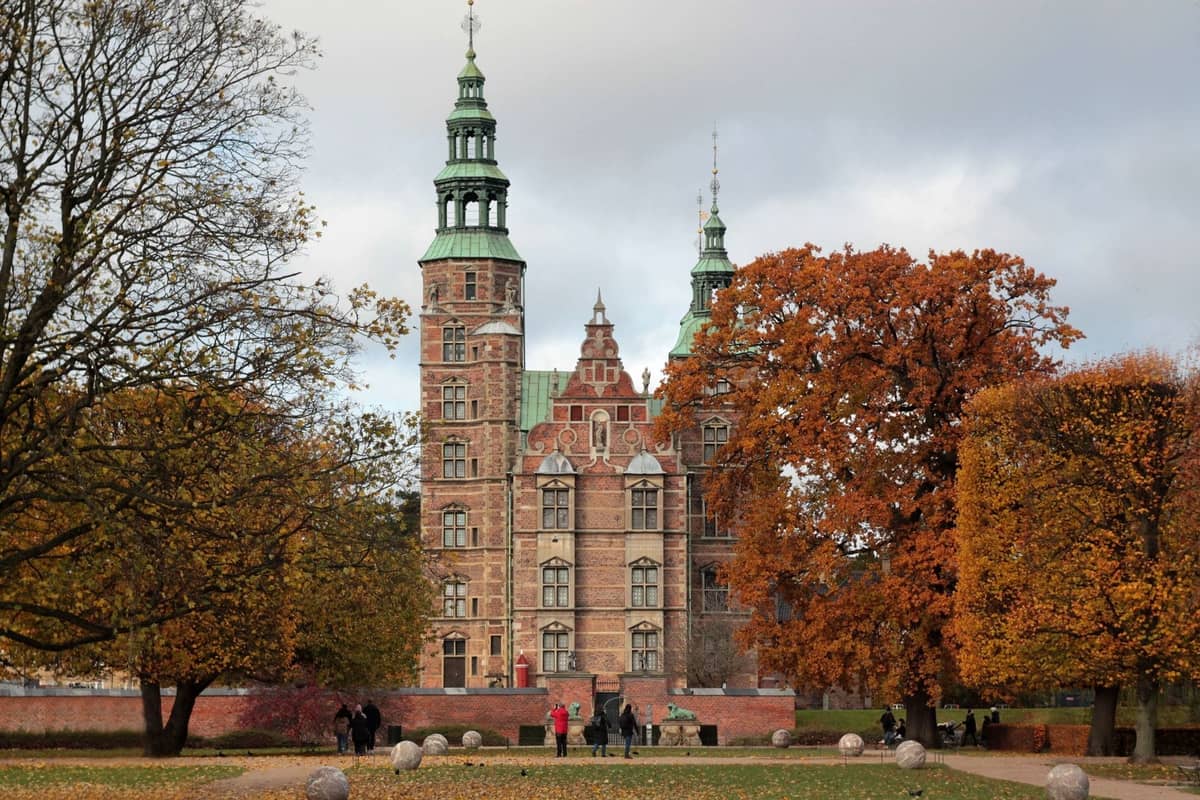
The playgrounds at King's Garden (Kongens Have), right beside Rosenborg Castle, are among the most thoughtfully designed in the city. There is a large adventure playground with climbing structures, sandpits, and open lawn. On summer weekends, the park hosts puppet theater performances for children, typically on weekends between mid-July and mid-August. Entry is free, the performances are free, and the adjacent castle provides an easy add-on for older children interested in royal history.
Fælledparken in Østerbro is Copenhagen's largest park and a genuine neighborhood asset. On warm days it fills with local families, and the playground infrastructure is extensive. It lacks the tourist atmosphere of King's Garden, which is either a selling point or a drawback depending on your perspective. For families who want to feel like a Copenhagen resident for an afternoon, Fælledparken is the better choice. Similarly, Superkilen in Nørrebro is a public space designed around objects collected from 60 different countries, giving it a playful, slightly surreal quality that children tend to find more interesting than a conventional park.
The Six Forgotten Giants are large wooden sculptures by artist Thomas Dambo, scattered across Copenhagen's green outskirts. Finding them requires some planning — they are spread across multiple locations and getting between them usually means combining Metro, S-train, and walking. Visit Copenhagen's official website has maps for each figure. Treat it as a half-day or full-day treasure hunt rather than a quick outing. Admission is free, and the sculptures are genuinely impressive at scale.
💡 Local tip
The National Museum of Denmark has free entry for all visitors under 18, and the Children's Museum section is interactive enough to occupy younger kids for 90 minutes without any adult needing to explain history. Combine it with a walk through Indre By for an affordable morning out.
Getting Around Copenhagen with Children
The Metro runs 24 hours a day and is fully accessible with strollers. The main family-relevant line connects the airport directly to the city center in around 15 minutes, which makes arrival with tired children significantly easier than many other European capitals. For airport transfer specifics including cost, see the Copenhagen airport transfer guide. Standard public transport fares are zone-based; children under a certain age travel free with a paying adult, but verify the current age threshold on the Rejseplanen app before travel, as policies are updated periodically.
Copenhagen's cycling culture is often presented as a selling point for family travel, and while the infrastructure is genuinely excellent, cycling with young children in an unfamiliar city requires some confidence. Cargo bikes are widely rentable and Copenhageners use them constantly for school runs, but navigating a cargo bike through city traffic is not something to attempt without at least some practice. For families with older children who cycle independently, it can be a rewarding way to see the city. For families with toddlers or non-cyclists, the Metro and bus system is more practical. For more detail on routes and rentals, the cycling in Copenhagen guide covers logistics thoroughly.
⚠️ What to skip
Bike lanes in Copenhagen are fast and taken seriously. Walking in or across a cycle lane, especially while managing children, is a common source of near-misses for tourists. Always look both ways before stepping off a pavement — in Copenhagen, the immediate danger is often a bicycle, not a car.
Passes, Prices, and Honest Cost Advice
The Copenhagen Card is the most relevant pass for families planning to visit several paid attractions over 2-3 days. It covers public transport across all zones plus entry to over 80 attractions including the zoo, aquarium, Rosenborg Castle, and most major museums. Children 11 and under are free with a paying adult cardholder. A 72-hour adult card costs roughly 900–950 DKK depending on when you buy it, so the math works in your favor if you are hitting four or more paid attractions. For a detailed breakdown of whether the card makes sense for your specific itinerary, the Copenhagen Card guide runs the numbers.
The claim that Copenhagen is uniformly expensive for families is worth examining. Entry for children is free or heavily subsidized at most public institutions. The National Museum, SMK (National Gallery), and several other major venues charge nothing for under-18s regardless of whether you hold a card. Where costs do accumulate is in food. Eating at restaurants with children in central Copenhagen is genuinely expensive — a family of four can spend 600-900 DKK on a modest sit-down lunch. The practical solution is what most local families do: buy food at Torvehallerne market or a supermarket (Netto and Lidl are widespread) and picnic in a park.
- Copenhagen Card: covers transport plus most major attractions; up to two children aged 3–11 are free with a paying adult when they have their own free Copenhagen Card KIDS
- National Museum Children's Museum: free for under-18s regardless of card status
- King's Garden puppet theater: free, weekends mid-July to mid-August
- Den Blå Planet: around 200–240 DKK adult admission; covered by Copenhagen Card
- Indoor skate parks and sports centers: around 50 DKK per session, good rainy-day fallback
- Supermarket picnic strategy: consistently the most cost-effective way to feed a family well
Seasonal Planning: When to Visit with Kids
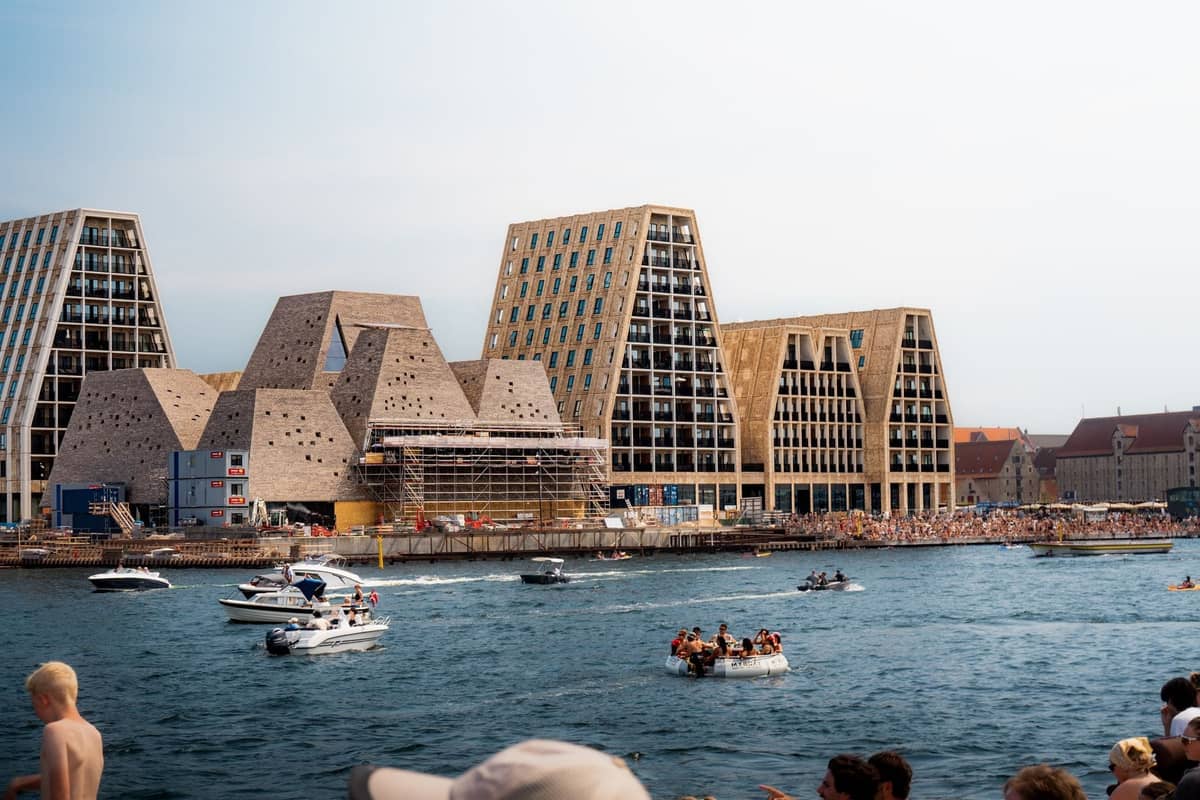
June through August is the clear window for outdoor-focused family travel. Daylight extends past 10pm in midsummer, temperatures reach 20-22°C on good days, and parks and beaches like Amager Strandpark are genuinely usable. The harbor baths at Islands Brygge are a Copenhagen summer institution — free outdoor swimming pools set in the harbor, popular with families and locals alike. Bring towels and expect queues on hot days.
May and September offer a reasonable compromise: fewer school-holiday crowds, still-manageable weather, and lower accommodation prices. October becomes more marginal for outdoor activities but the indoor museum circuit functions perfectly, and Copenhagen in October has its own appeal including Tivoli's Halloween season. Winter visits work if you are coming specifically for the Christmas markets — Tivoli's Christmas season is atmospheric and well-suited to children — but be realistic about cold temperatures and short days limiting outdoor time. For the full seasonal breakdown, the best time to visit Copenhagen guide covers each month in detail.
Rainy days are a consistent reality in Copenhagen regardless of season. Having a fallback plan matters. The Experimentarium, Den Blå Planet, indoor climbing centers, and the National Museum's Children's Museum are all full-day options that require no good weather. The Copenhagen Skatepark is another option for older children, with day passes around 50 DKK per person. These venues get crowded on rainy days in summer, particularly during Danish school holidays, so arriving early or booking online where possible is sensible.
✨ Pro tip
Danish school summer holidays typically run from late June to early August. Attractions are at their most crowded during this window, particularly on weekends. If your schedule is flexible, the weeks immediately before or after Danish school holidays offer better crowd conditions while keeping summer weather.
FAQ
Is Copenhagen a good destination for families with toddlers?
Yes, with some planning. The flat, stroller-friendly streets and Metro system make movement easy. The King's Garden playground, Den Blå Planet, and the National Museum's Children's Museum all work well for the under-5 age group. The main challenge is cost: restaurant meals and attraction entry add up quickly. Budget to eat at markets or cook rather than dine out for every meal.
Is the Copenhagen Card worth it for families?
For families visiting 3-4 major paid attractions over 2-3 days, yes. Children 11 and under are typically free with a paying adult cardholder, which significantly improves the value calculation. If your itinerary leans heavily on free options like parks and the National Museum, the card may not pay off. Use the official Copenhagen Card calculator with your specific planned attractions before buying.
What are the best free activities for kids in Copenhagen?
King's Garden and its playground (plus free puppet theater in summer), Fælledparken, Superkilen, the National Museum's Children's Museum (free for under-18s), and the harbor baths at Islands Brygge (free, open in summer). The Six Forgotten Giants sculpture trail is also free but requires a full day and some transport planning.
How do you get around Copenhagen with a stroller?
The Metro is the most stroller-friendly option, with lifts at all stations. Most buses also accommodate strollers. Cobblestone areas around Nyhavn and parts of the old city can be tricky on small wheels — wider-wheeled strollers handle them better. The city's cycling paths are fast and busy, so keep children close when navigating between pavement and road.
What should families do in Copenhagen on a rainy day?
Den Blå Planet (aquarium), the Experimentarium science center, the National Museum's Children's Museum, the Tycho Brahe Planetarium, and indoor sports centers are the strongest rainy-day options. All are reachable by public transport. Book tickets online in advance during summer — these venues fill up quickly when the weather turns bad.