Østerbro sits just north of central Copenhagen, where broad tree-lined boulevards meet green parks, historic workers' housing, and a calm waterfront. It is one of the city's most desirable residential districts, known for its family-friendly atmosphere, excellent transit links, and a food and café scene that serves locals far more than tourists.
Østerbro is the neighborhood that Copenhageners point to when they talk about where they actually want to live. Wide streets, Denmark's largest public park, a handful of Copenhagen's most photogenic historic housing estates, and easy access to the harbor make it a rewarding place to explore even if you are only passing through for a day.
Orientation
Østerbro occupies the northern arc of central Copenhagen, corresponding broadly to the postal code 2100 København Ø. It is bounded to the south and west by the string of freshwater lakes known as The Lakes, which also form the border with Nørrebro and Indre By. To the east and north, the district is close to the Øresund strait, with the Langelinie waterfront and the Svanemøllen harbour lying just beyond its formal borders.
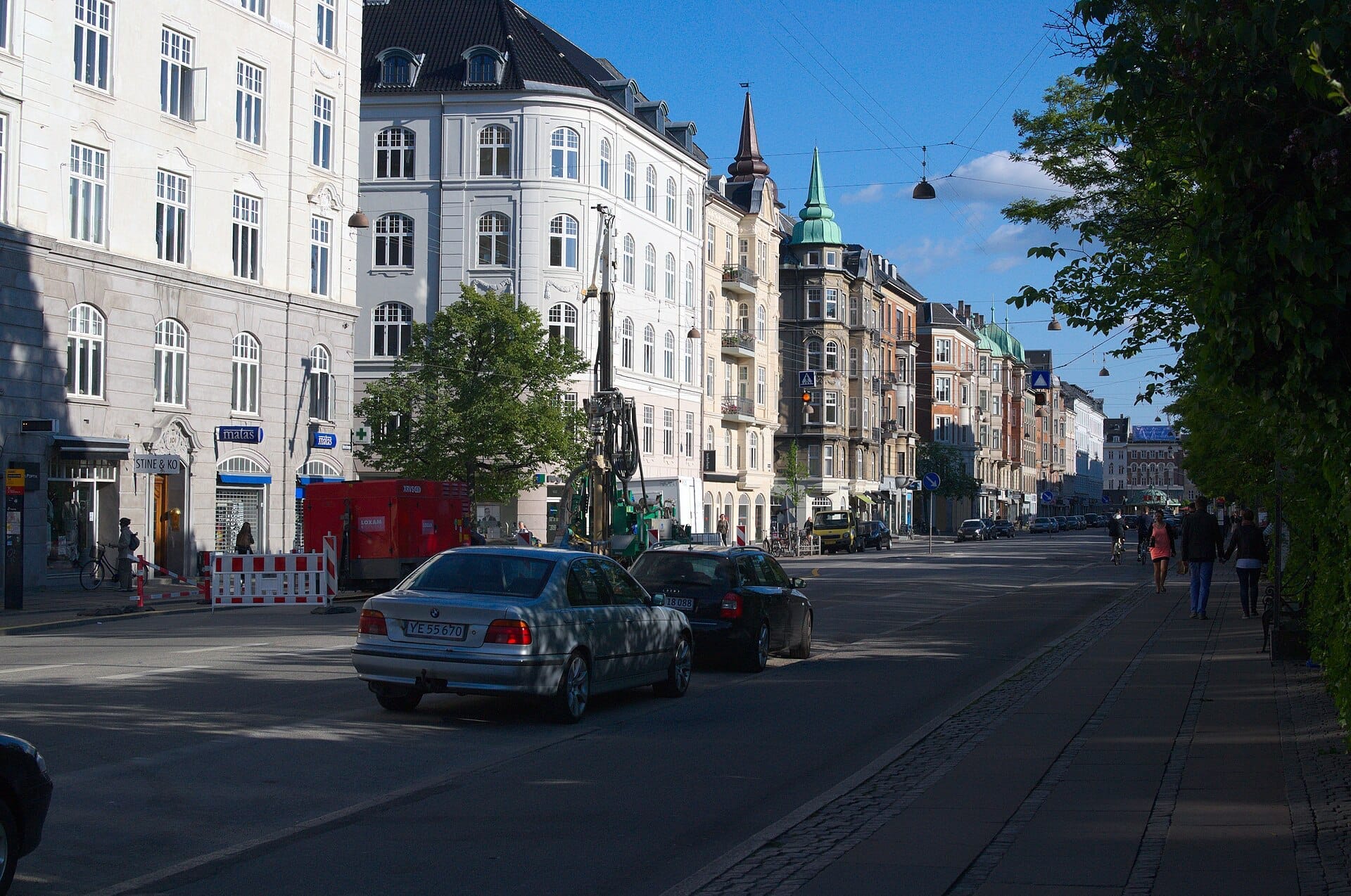
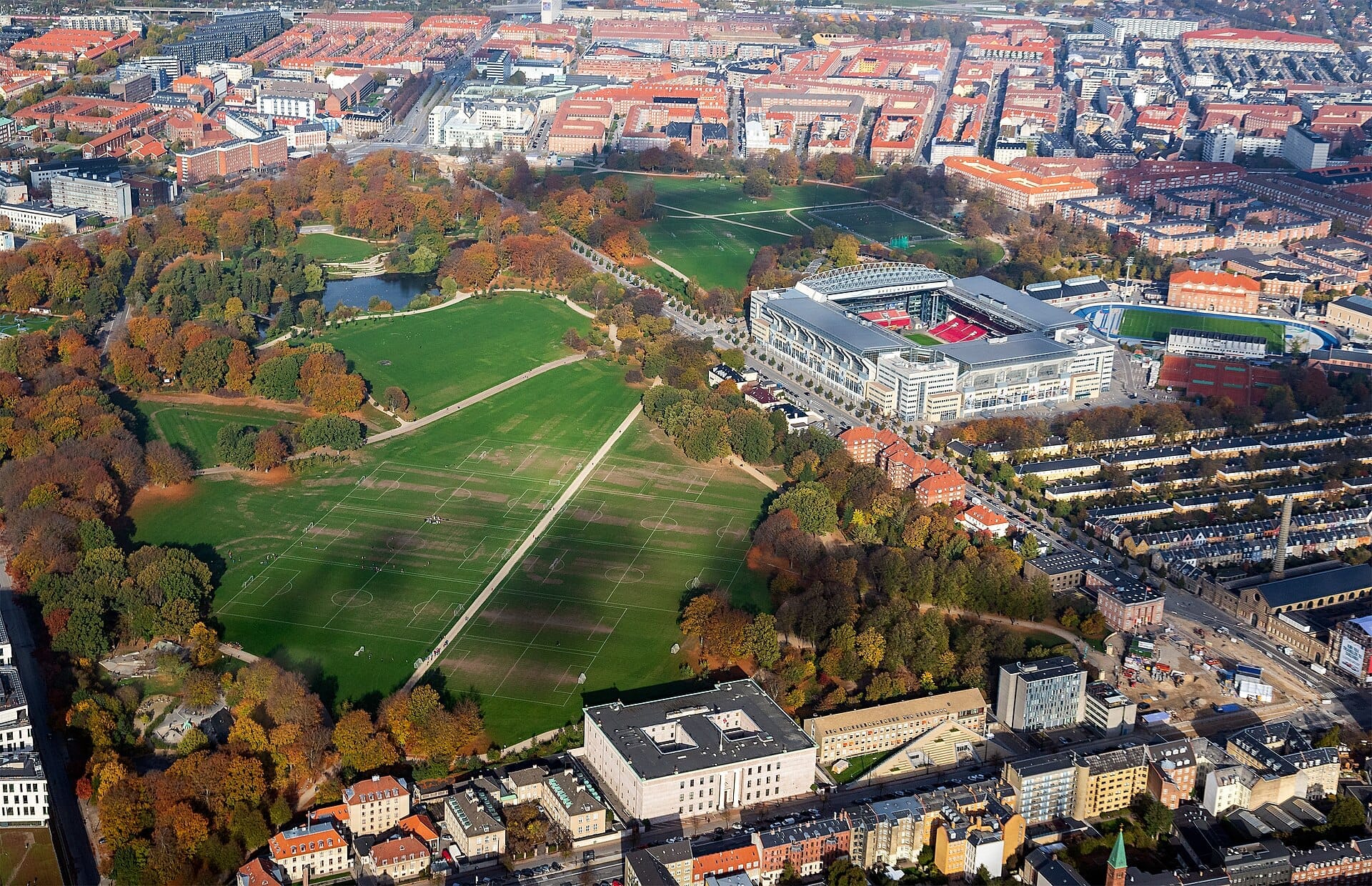
The two arteries that define daily movement here are Østerbrogade, which runs northeast from the lakes toward the coast, and Nordre Frihavnsgade, which parallels it a few blocks inland. These two streets converge at Trianglen, the commercial and transport hub of the neighborhood. From Trianglen, Fælledparken spreads westward behind Parken, the national football stadium, and the streets of villas housing foreign embassies fan out to the north.
Understanding how Østerbro fits into the wider city is simple: it is roughly fifteen minutes by foot or one metro stop from the edge of Indre By, and it shares a long border with Nørrebro to the west. The two neighborhoods could not feel more different: where Nørrebro is dense, multicultural, and street-level intense, Østerbro is spacious, orderly, and quietly prosperous.
Character & Atmosphere
Østerbro runs on a different rhythm from the tourist-heavy parts of Copenhagen. Early mornings here mean bakeries opening at seven, parents cycling children to school along wide, separated bike lanes, and coffee drinkers settling into window seats at the neighborhood cafés along Østerbrogade before the city fully wakes up. The light in the morning comes in low and long across the park, catching the stone façades of the old apartment blocks that line the streets parallel to Fælledparken.
By midday, Trianglen fills with a cross-section of Copenhageners that you simply do not see in Nyhavn or around Strøget: architects on lunch breaks, older residents doing their daily shopping, young families with strollers navigating the market stalls. The streets are wide enough that it never feels crowded even when busy. Afternoons in Fælledparken shift the energy entirely outdoors: joggers on the long perimeter paths, informal football matches on the grass, and dog walkers making slow loops around the park's quieter northern end.
After dark, Østerbro is quieter than Vesterbro or Nørrebro, which is part of its appeal for many residents. The restaurant strips along Østerbrogade and around Trianglen do steady business, but this is not a neighborhood that turns into a late-night destination. By ten on a weekday, most of the streets have settled back into residential quiet. On match nights at Parken, that changes dramatically: the area around the stadium fills with supporters, and the bars near Trianglen absorb the post-game crowd before it gradually disperses.
ℹ️ Good to know
Østerbro is highlighted by VisitCopenhagen as a particularly family-friendly neighborhood. Its wide streets, separated cycle paths, and proximity to Fælledparken make it particularly comfortable for travelers with children.
What to See & Do
The anchor of the neighborhood is Fælledparken, Denmark's largest public park. It is a working park in the fullest sense: football pitches used by local clubs, a skateboard area, a rose garden, children's playgrounds, and long gravel paths used by runners of all ages. Unlike the more formally landscaped parks closer to the city centre, Fælledparken has an open, democratic quality. It belongs to the neighborhood rather than to any particular visitor group, and it shows.
Two historic housing estates in Østerbro are genuinely worth seeking out for their architectural and social history. Kartoffelrækkerne, the Potato Rows, is a terrace of low red-brick workers' cottages built in the 1870s and 1880s, named for their layout rather than anything agricultural. They sit between Øster Allé and Classensgade, a few minutes' walk from the park, and the contrast between these human-scaled cottages and the grander apartment buildings on the main boulevards tells you a great deal about how the neighborhood developed. Brumleby, just south of the stadium, is a similar complex built in the mid-nineteenth century by the Danish Medical Association as a response to cholera conditions in the city: its small yellow-brick houses with shared gardens remain occupied and are one of the best-preserved examples of social housing architecture in Copenhagen.
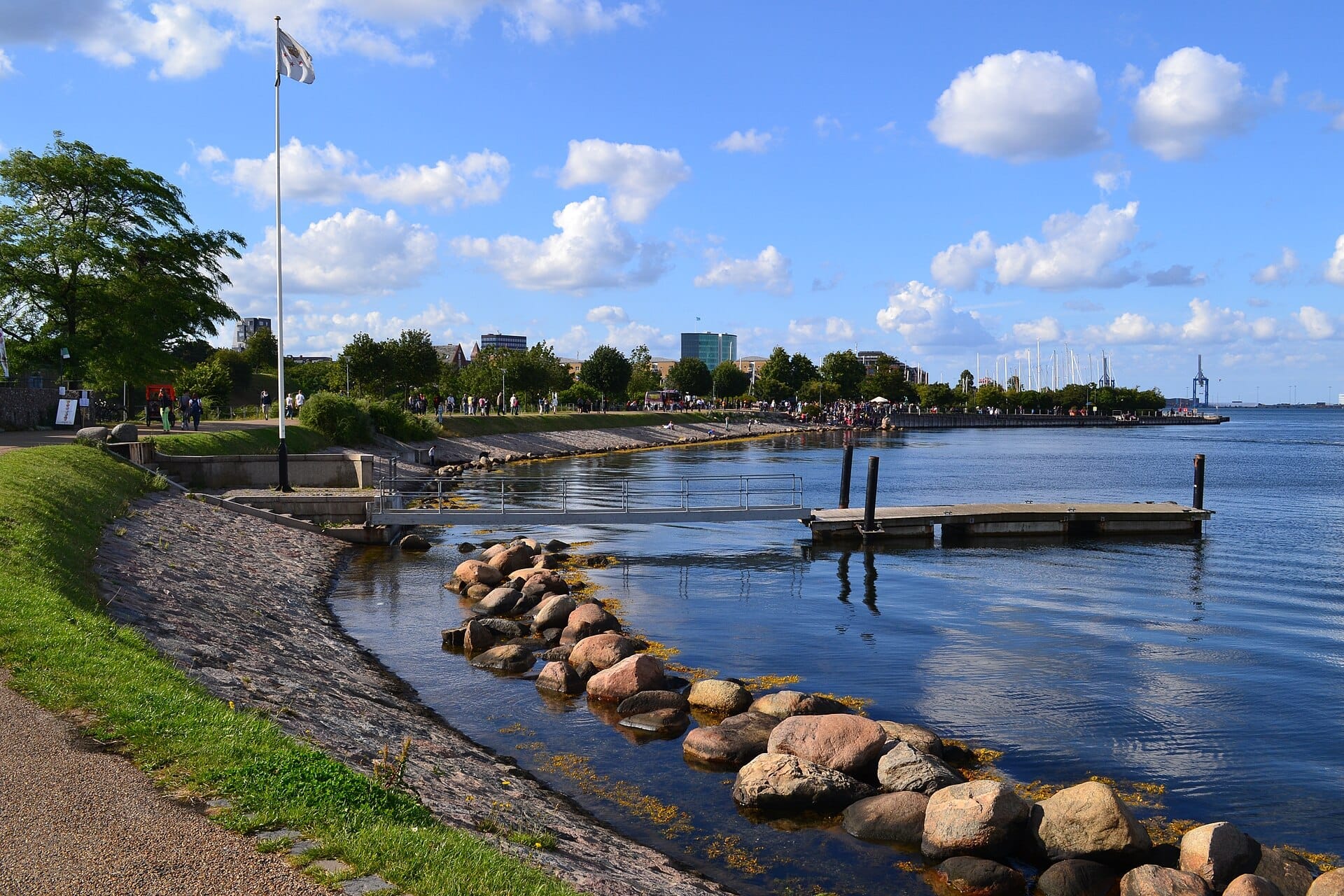
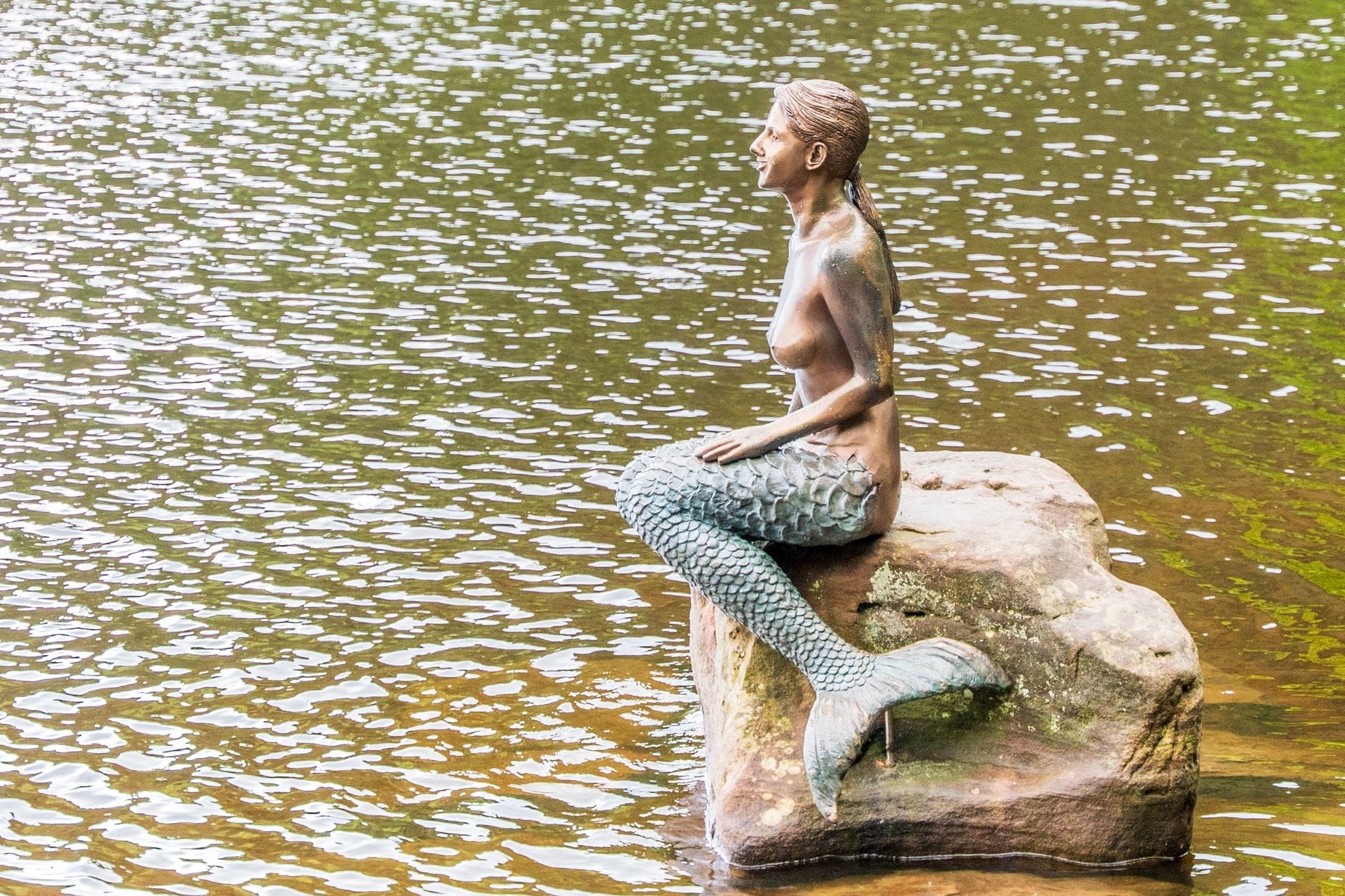
At the southern edge of Østerbro, where the district meets the Langelinie promenade, you reach The Little Mermaid statue. It is, by most measures, a small bronze figure on a rock in the harbour, and the experience of visiting it is defined as much by the surrounding crowd as by the sculpture itself. That said, the walk along Langelinie to reach it, with views across to the Øresund and the Swedish coast on clear days, is genuinely worth the fifteen minutes from Trianglen.
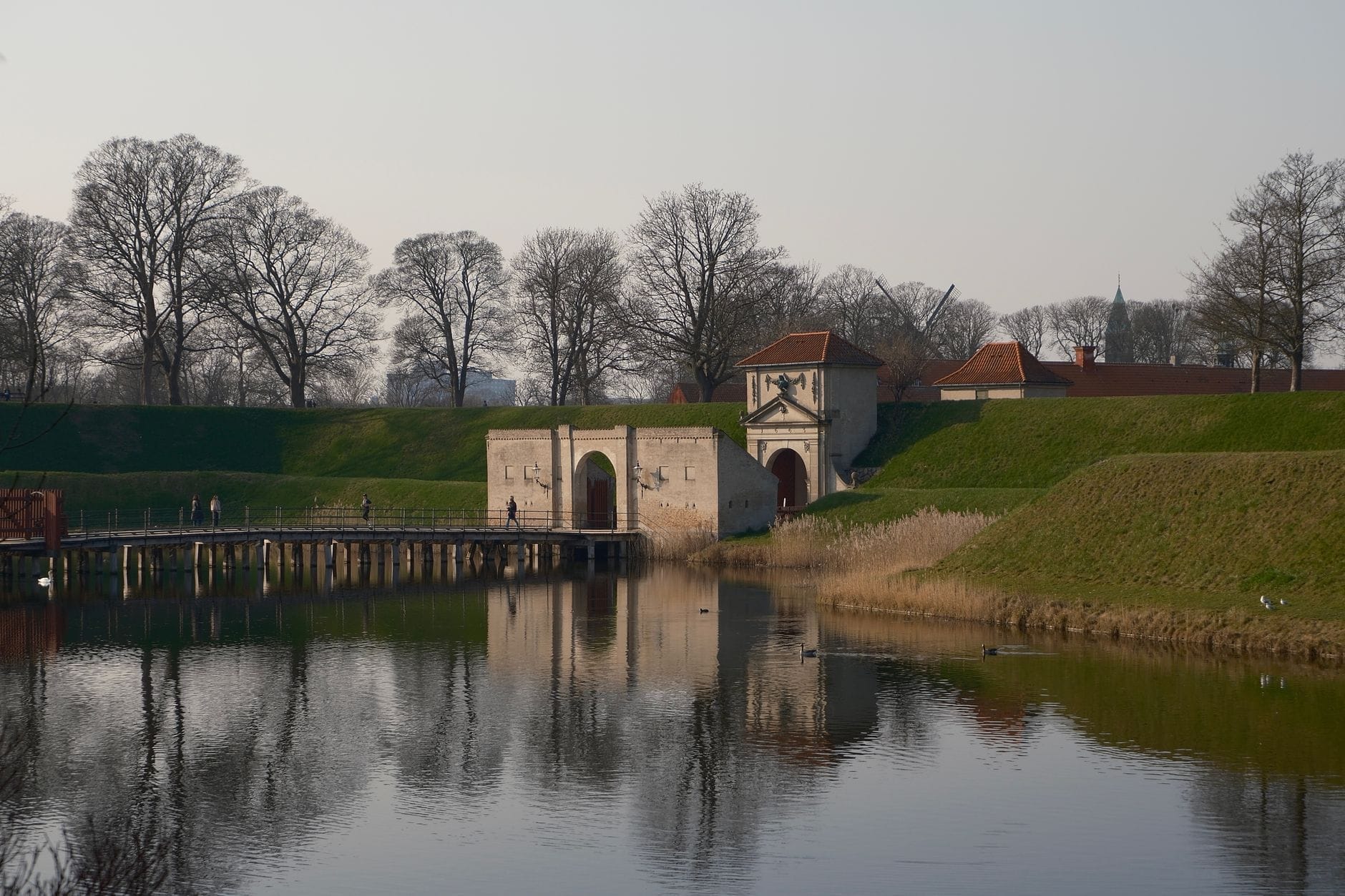
Nearby, Kastellet — the star-shaped fortress built in the seventeenth century and still partly used by the Danish military — sits on the edge of Østerbro's southern waterfront. Walking the earthwork ramparts takes less than thirty minutes and offers a completely different perspective on the harbour and the city's fortified history.
Fælledparken: Copenhagen's second-largest park, good for running, picnics, and informal sport at any time of year
Kartoffelrækkerne: 1870s workers' terrace housing, best explored on foot in about 20 minutes
Brumleby: mid-19th century cooperative housing estate with original yellow-brick cottages
Parken: Denmark's national football stadium, with occasional concerts and events beyond sport
Langelinie promenade: waterfront walk connecting The Little Mermaid statue to the harbour
Kastellet: seventeenth-century star fortress, free to walk, quietly atmospheric in the mornings
💡 Local tip
Visit Kastellet and The Little Mermaid early in the morning, ideally before 9am. By mid-morning both sites are busy with tour groups. The walk along the moat at Kastellet is particularly peaceful in the early light.
Eating & Drinking
Østerbro's food scene is built for residents rather than visitors, which generally means better quality at more honest prices than you will find around the central tourist corridors. The main concentration of restaurants and cafés runs along Østerbrogade itself and spreads out through the streets around Trianglen. You will find a mix of Nordic café-restaurants serving lunch plates and seasonal menus, Italian and pan-Mediterranean spots that do steady business with local regulars, and a handful of more casual bakery-café hybrids that draw long weekend queues.
The quality of everyday baking in Østerbro is notably high. Several independent bakeries operate along Østerbrogade and on the side streets toward Classensgade, and Saturday morning in particular brings out a neighborhood ritual of buying bread, pastries, and coffee for an extended breakfast at home or in the park. This is something worth participating in if you are based in the area over a weekend.
For a broader overview of what Copenhagen's food culture looks like, the Copenhagen food guide covers the city's range from street food to New Nordic restaurants. Østerbro sits comfortably at the everyday quality end of that spectrum rather than at the fine-dining extreme, though the neighborhood does have upscale options for dinner. Price-wise, a lunch plate at a neighborhood café typically runs 120 to 180 DKK, while a full dinner at a mid-range restaurant lands in the 250 to 400 DKK per person range before drinks.
There is no single market hall in Østerbro to match Torvehallerne in Indre By, but the neighborhood has its own smaller food market activity concentrated around Trianglen, particularly on weekday mornings. The streets around Nordre Frihavnsgade also have a cluster of specialty food shops, including delicatessens and wine merchants, that reflect the purchasing habits of the neighborhood's relatively affluent resident population.
Getting There & Around
Østerbro is served by a combination of Metro, S-train, and bus routes that connect it efficiently to the rest of Copenhagen. Much of the neighborhood, including Trianglen, lies in Zone 2 of the city's integrated ticketing system, meaning a two-zone ticket typically covers journeys to and from the area. The Trianglen area specifically functions as the main transit node for the district.
The Metro City Ring (M3) has stations serving the southern edge of Østerbro, bringing journey times to Kongens Nytorv and Nørreport down to five to ten minutes. Østerport Station on the Kystbanen line provides regional train connections running north along the coast toward Helsingør. Multiple bus routes use Østerbrogade as their spine, connecting the neighborhood to the city centre and to the northern suburbs. For most travelers staying in the area, the combination of metro and cycling covers the vast majority of journeys.
Cycling is the most natural way to move around Østerbro and between it and neighboring districts. The wide boulevards have generous separated bike lanes, and the flat terrain makes cycling straightforward regardless of fitness level. For guidance on navigating the city by bike, the cycling in Copenhagen guide covers rental options and route logic across the city. From Trianglen to Nørreport Station is roughly five to ten minutes by bike along Øster Farimagsgade, passing the edge of The Lakes.
Walking from Østerbro into the city centre is entirely practical. From Trianglen to Kongens Nytorv takes around twenty to twenty-five minutes on foot through the quieter streets south of Kastellet. This walk passes through some of the most architecturally consistent parts of the city, with well-preserved nineteenth-century apartment facades and relatively few tourists until you reach the harbour area.
💡 Local tip
If you are staying in Østerbro and plan to use public transit heavily across Copenhagen, the Copenhagen Card covers unlimited transit within the zones and includes free entry to many major attractions. Check current pricing before travel, as fares and card costs are subject to change.
Where to Stay
Østerbro is not Copenhagen's primary hotel district, and that is actually part of its appeal for certain travelers. Accommodation here skews toward apartment rentals, smaller boutique hotels, and a handful of larger properties along Østerbrogade. Staying in Østerbro makes most sense if your priorities are a quieter base, proximity to Fælledparken, or a genuine sense of local residential life rather than immediate walkability to the main tourist landmarks. For a full comparison of Copenhagen's neighborhoods as bases, the where to stay in Copenhagen guide sets out the options clearly.
The area around Trianglen and the streets between Østerbrogade and Nordre Frihavnsgade gives the best combination of café access, transit connections, and neighborhood character. Accommodation closer to the Langelinie waterfront is quieter and more residential in character, which suits some travelers and feels too removed from the action for others. The southern edge of Østerbro, near The Lakes, offers the fastest walking access to Indre By and is particularly useful for travelers who want to be close to the city centre while paying lower rates than the tourist-heavy central districts.
Families in particular tend to find Østerbro a comfortable base. The streets are safe and manageable with children, Fælledparken is immediately accessible for mornings and afternoons, and the neighborhood's general calm is a significant advantage after long days of sightseeing. The trade-off is that a trip to Tivoli or the main museum clusters in Indre By requires either a metro or bus journey, or a twenty-minute walk.
Honest Assessment: Who Østerbro is For
Østerbro will not satisfy travelers who want to be in the thick of Copenhagen's nightlife, canal views, or major landmark clusters. It is a neighborhood that rewards slowness: taking a morning in the park, following the cycling routes along the waterfront, eating lunch at a café that has been serving the same tables for a decade. It does not perform for visitors, and that is precisely what makes a day or two here feel restorative rather than transactional.
Travelers who explore beyond the obvious tourist circuits consistently find Østerbro one of the more satisfying parts of Copenhagen to simply inhabit for a few hours. Combining it with a visit to Nørrebro to the west makes for an excellent full day that covers two very different readings of what Copenhagen can be: one gritty and energetic, one measured and prosperous. For day trips beyond the city, the S-train from Østerbro Station connects directly north toward Helsingør and Kronborg Castle, making the neighborhood a practical starting point for coastal excursions.
⚠️ What to skip
On nights when Parken hosts a major football match or concert, the streets around the stadium become significantly congested and the bars near Trianglen fill quickly. If you are staying nearby and want an early night, this is worth checking before you arrive.
TL;DR
Østerbro is Copenhagen's most liveable residential district: upscale, spacious, and built around parks and broad boulevards rather than tourist landmarks.
Best for: families with children, travelers who want a quiet and well-connected base, and anyone who wants to experience the city as residents actually use it.
Key draws: Fælledparken (Copenhagen's second-largest park), Kartoffelrækkerne and Brumleby historic housing, the Langelinie waterfront, and Kastellet fortress.
Transit is excellent, with Metro, S-train, and bus connections placing the city centre within ten to twenty-five minutes by multiple routes.
Not ideal for travelers who prioritize nightlife, canal-front atmosphere, or immediate proximity to the main museum and shopping districts of Indre By.
Two days in København is genuinely enough to cover the city's royal palaces, canal district, world-class food markets, and Freetown Christiania without feeling rushed. This itinerary sequences the sights logically, cuts the walking time, and flags what is actually worth your limited hours.
Copenhagen has an unusually strong museum scene for a city its size, with world-class collections spanning ancient history, modern art, design, and Nordic heritage. This guide covers the best museums in Copenhagen, from the grand institutions in Indre By to extraordinary day-trip destinations just outside the city.
Copenhagen rewards visitors year-round, but the right month depends entirely on what you want from the trip. This guide breaks down weather, crowds, pricing, and seasonal events so you can match your travel style to the right window.
Copenhagen Airport (CPH) sits just 8 km from the city centre, and your airport transfer takes as little as 13 minutes by metro or train. This guide breaks down every option — public transport, taxi, and private transfer — with real fares, journey times, and honest advice on what to skip.
The Copenhagen Card promises free entry to 80+ attractions and unlimited public transport across the Danish capital. But is it actually worth the price? This guide breaks down the numbers, the fine print, and who genuinely benefits.
Copenhagen transforms in winter. From the ticketed spectacle of Tivoli Gardens to free canal-side markets and steaming mugs of gløgg, this guide covers everything you need to plan a Christmas visit to København with confidence.
Copenhagen is one of the world's most architecturally ambitious cities, named UNESCO/UIA World Capital of Architecture in 2023. This guide covers the essential museums, landmark buildings, contemporary projects, and practical routes for anyone serious about design and architecture in København.
Copenhagen food culture runs deeper than Noma's legacy. This guide covers the essential dishes, best markets, smartest restaurant picks, and seasonal foods that define eating in the Danish capital — across every budget.
October in Copenhagen (København) is one of the most underrated times to visit. Tivoli transforms into a Halloween wonderland with over 20,000 pumpkins, the crowds thin out compared to summer, and the city's museums and food scene hit their stride. This guide covers the weather, the best events, what to prioritize, and what to skip.
Summer is Copenhagen's peak season, with up to 17 hours of daylight, open-air festivals, free harbour swimming, and parks packed with locals. This guide covers the weather, major events, best activities, and practical tips for visiting in June, July, and August.
The Copenhagen Jazz Festival runs for 10 days every July, filling the Danish capital with around 1,200 concerts across 120 venues. This guide covers dates, tickets, free events, the best neighborhoods to explore, and everything you need to plan your visit.
Copenhagen's after-dark scene is disproportionately strong for a city its size. From precision cocktail bars in the Latin Quarter to techno clubs in the Meatpacking District, this guide cuts through the noise and tells you exactly where to go, when to arrive, and what to expect — including what costs more than it should.
Copenhagen (København) has a reputation as one of Europe's priciest capitals, and that reputation is not entirely unfair. But with the right passes, free attractions, and a few local habits, you can experience the city fully without a sky-high bill. This guide breaks down exactly where your money goes and where you can save it.
Copenhagen rewards shoppers at every level, from international flagships on Strøget to vintage finds on Jægersborggade. This guide breaks down where to shop by neighborhood, what to buy, how much to spend, and which spots to skip.
Smørrebrød is Denmark's defining lunch tradition, and Copenhagen is the best place in the world to eat it. This guide covers the top restaurants, what to order, how much to pay, and the customs first-timers always get wrong.
Copenhagen (København) is one of Europe's most walkable capitals. This guide covers the classic self-guided walking tour route from Tivoli Gardens to Nyhavn and beyond, with practical details on distances, free stops, seasonal timing, and digital tools to make your day on foot count.
Copenhagen is one of Europe's most genuinely child-friendly capitals, with discounted museum entry, excellent playgrounds, and a compact city center that makes logistics manageable. This guide covers the best family activities in Copenhagen, from Tivoli Gardens to canal cruises, plus honest advice on passes, costs, and seasonal planning.
Copenhagen has roughly 350 km of segregated cycle tracks, and Copenhagen has roughly 350 km of segregated cycle tracks, and nearly half of all people who work or study in the city bike to work or school every day. This guide covers everything a visitor needs to cycle the city confidently: where to rent, which routes to ride, what the unwritten rules are, and when to go.
Copenhagen sits at the centre of an extraordinary region. Within two hours, you can reach UNESCO-listed castles, world-class art museums on clifftops, a remarkably preserved fishing village, and an entirely different country. These are the best day trips from Copenhagen, whether you have a full day or just an afternoon.
Copenhagen is one of Europe's most rewarding cities to explore on a tight budget. From free museum days and royal palaces to harbour swims and world-class parks, here are 20 genuinely free experiences that capture the best of the Danish capital.
Copenhagen's integrated transport network is one of Europe's most efficient. This guide covers the metro, S-trains, buses, cycling, taxis, and airport connections — with 2026 fares, zone logic, and practical advice on what's worth the money.
Copenhagen holds the key to understanding Hans Christian Andersen's life and work. From his former apartments along Nyhavn canal to his grave in Nørrebro, this guide maps every significant stop on the city's literary trail, with practical logistics for each.
Copenhagen rewards curious travellers who look beyond Nyhavn and Tivoli. This guide uncovers the city's overlooked neighbourhoods, underrated museums, and unexpected green spaces that locals actually love.
Copenhagen didn't accidentally become one of Europe's great food cities. The New Nordic movement, formalized in 2004, rewired how chefs here think about ingredients, technique, and season. This guide covers the key restaurants, price realities, seasonal logic, and how to experience the movement beyond fine dining.
Copenhagen rewards visitors with a rare combination of world-class history, cutting-edge design, and outdoor culture. This guide covers the best things to do in Copenhagen across every interest and budget, with honest assessments and practical logistics to help you plan confidently.
Choosing where to stay in Copenhagen shapes your entire trip. This guide breaks down every major neighborhood by budget, transport links, atmosphere, and traveler type — so you can book with confidence, not guesswork.