Copenhagen Nightlife: Best Bars, Clubs & After-Dark Experiences
Copenhagen's after-dark scene is disproportionately strong for a city its size. From precision cocktail bars in the Latin Quarter to techno clubs in the Meatpacking District, this guide cuts through the noise and tells you exactly where to go, when to arrive, and what to expect — including what costs more than it should.
Plan and book this trip
Tools from our partner Travelpayouts help you compare flights and hotels. If you book through them, we may earn a commission at no extra cost to you.
Flights
Hotels map
TL;DR
- Thursday to Saturday are peak nights; weekday bars are quieter but still worth visiting for a calmer atmosphere.
- The Vesterbro Meatpacking District and central Copenhagen are the twin anchors of the nightlife scene, walkable between most venues.
- Cocktails typically run 130–180 DKK; a pint of craft beer is around 80–120 DKK. Copenhagen nightlife is expensive by European standards.
- Popular clubs like Chateau Motel have strict door policies — showing up as a large group of men without a plan is a reliable way to get turned away.
- Outdoor terrace culture peaks in summer; winter nightlife moves indoors. See when to visit Copenhagen for seasonal timing.
How Copenhagen Nightlife Actually Works
Copenhagen (København in Danish) is a capital of around 670,000 people, but its nightlife operates with the confidence of a much larger city. The scene is concentrated enough that you can cover several very different venues in one evening on foot. That density is one of its genuine strengths.
Danes tend to pre-drink at home before heading out, which means bars fill up later than in many European cities. Most venues don't hit their stride until 22:00-23:00 on a weekend, and clubs typically run until around 04:00. Arriving at a club before midnight on a Friday is often pointless. On weeknights, last orders come earlier and the crowd thins significantly by 01:00 — which is not a flaw, just the rhythm of the city.
ℹ️ Good to know
Danish licensing law allows municipalities to grant bar and club licenses with serving hours up to 05:00 on weekends. This is genuinely late by Scandinavian standards — Stockholm and Oslo both have earlier cutoffs — making Copenhagen the natural choice for late-night touring in the region.
Drink prices reflect Denmark's high cost of living. Budget around 80–120 DKK for a craft beer and 130–180 DKK for a well-made cocktail at a proper bar. Entry fees for clubs range from free to around 100–150 DKK depending on the night and venue. If nightlife spending is a concern, the Copenhagen on a budget guide covers strategies including happy hours, supermarket pre-drinks, and which venues don't charge entry.
The Best Neighbourhoods for a Night Out
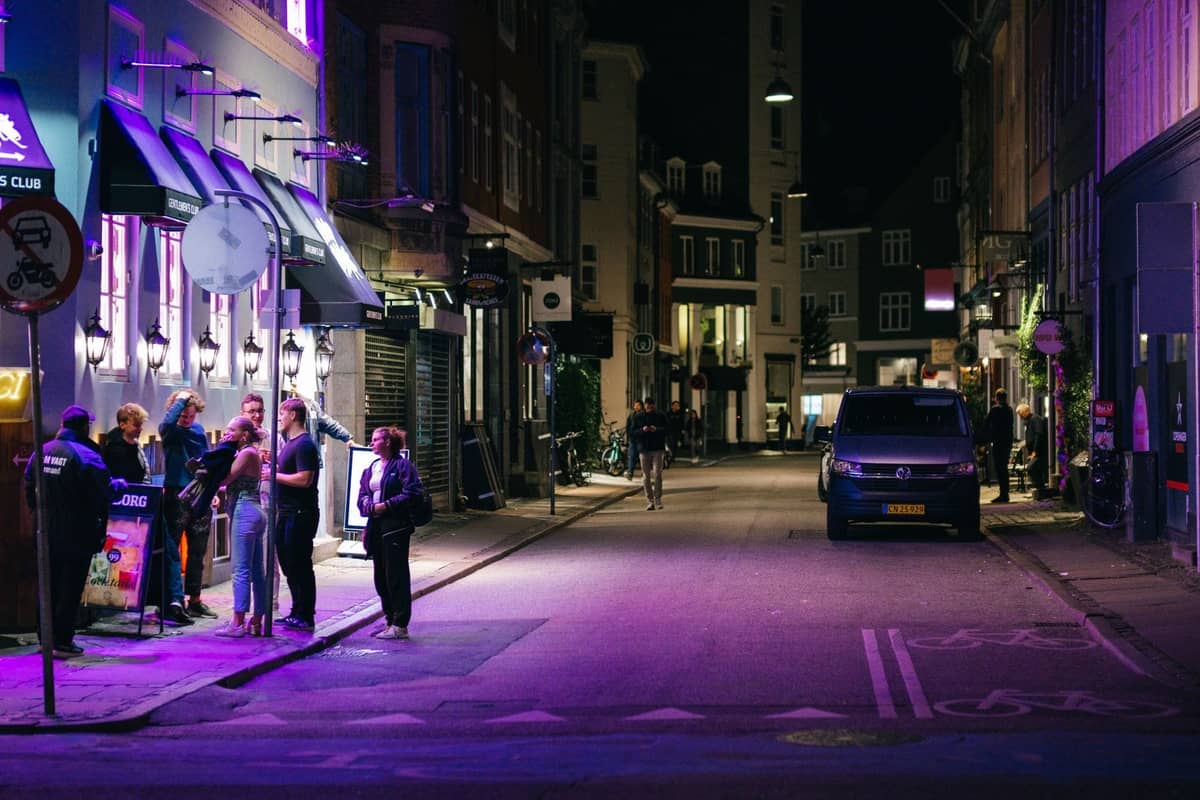
Knowing which area to base your evening in matters more than picking individual venues. The Vesterbro neighbourhood, and specifically its Kødbyen (Meatpacking District), is the densest concentration of nightlife in the city. Former slaughterhouse buildings now house cocktail bars, clubs, and late-night restaurants within a few hundred metres of each other.
- Kødbyen (Meatpacking District), Vesterbro The main club and bar hub. Industrial architecture, mixed crowd, and venues that stay open until 05:00. Best on Thursday and Friday when locals mix with visitors.
- Indre By (City Centre / Latin Quarter) Dense with cocktail bars and wine bars. Ruby and Lidkoeb are both here. More intimate and slightly older crowd than Kødbyen. Easier to find a seat earlier in the evening.
- Nørrebro More local and less polished. Independent bars, live music spots, and a younger, more neighbourhood-oriented feel. Good for an early evening drink that stretches late.
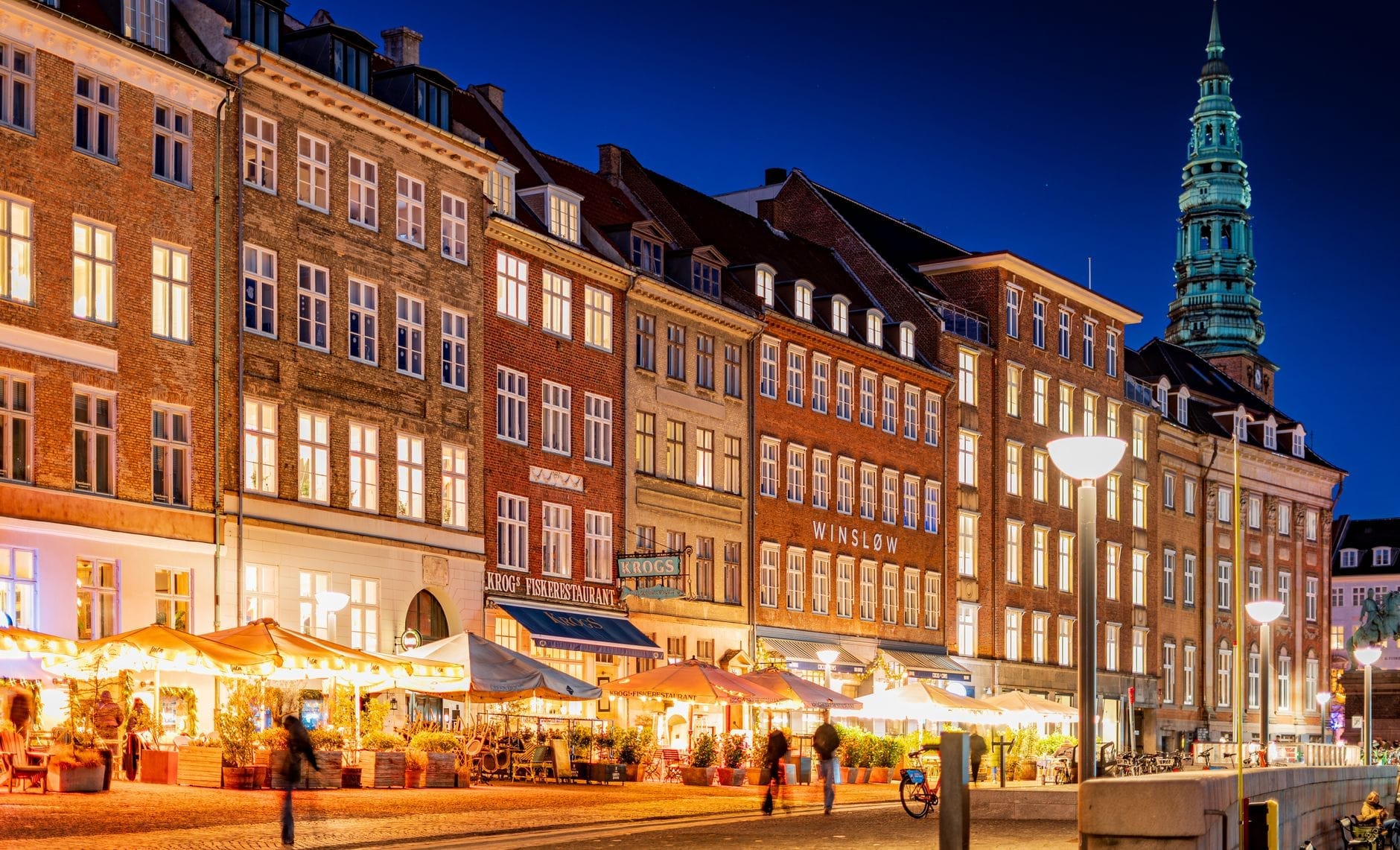
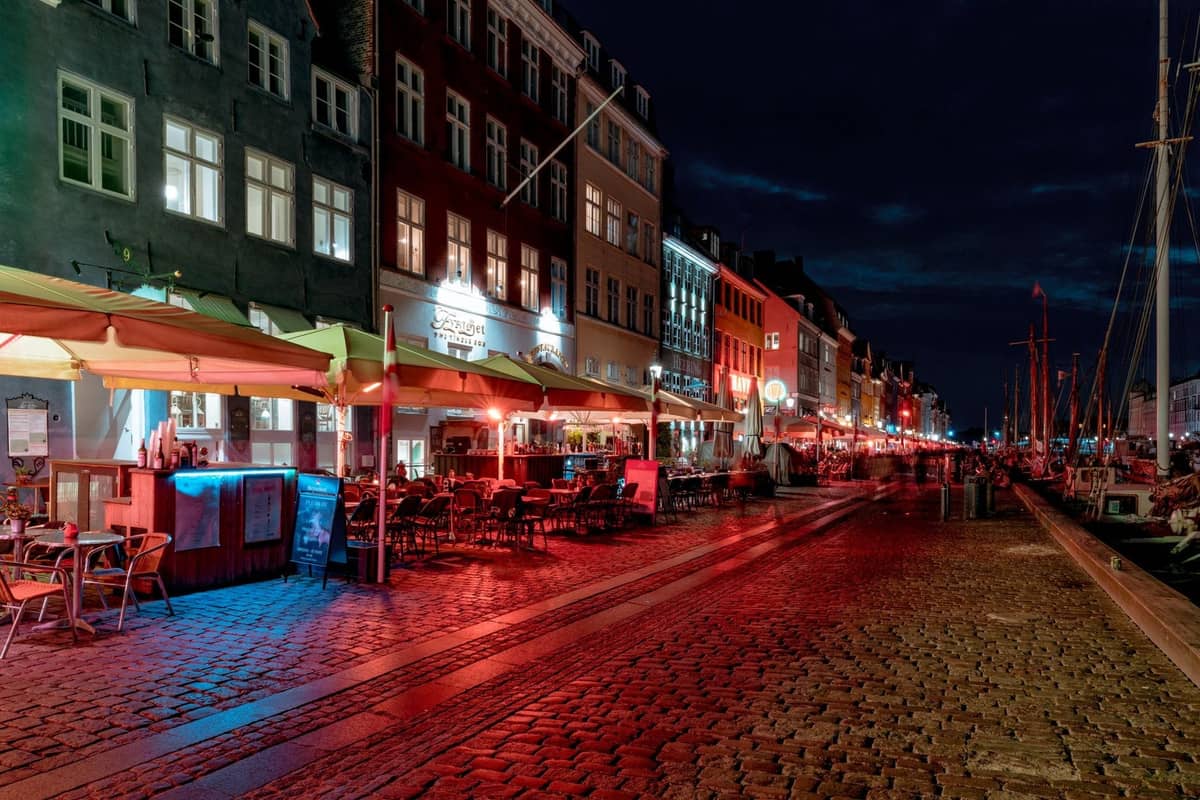
- Nyhavn Iconic canal setting, but the bars here are largely tourist-facing and overpriced. Fine for one drink with a view, but not where locals go for a real night out.
- Christianshavn Quieter bar scene with a relaxed canal-side atmosphere. Worth including if you're visiting Freetown Christiania earlier in the evening, which has its own informal bar culture.
⚠️ What to skip
Nyhavn looks great in photos, but the bars along the canal charge significant premiums and cater primarily to tourists. A beer that costs 80 DKK elsewhere in the city often costs 110–130 DKK here. One drink for the view is fair; spending your whole evening here is a waste of money.
Top Bars Worth Your Time
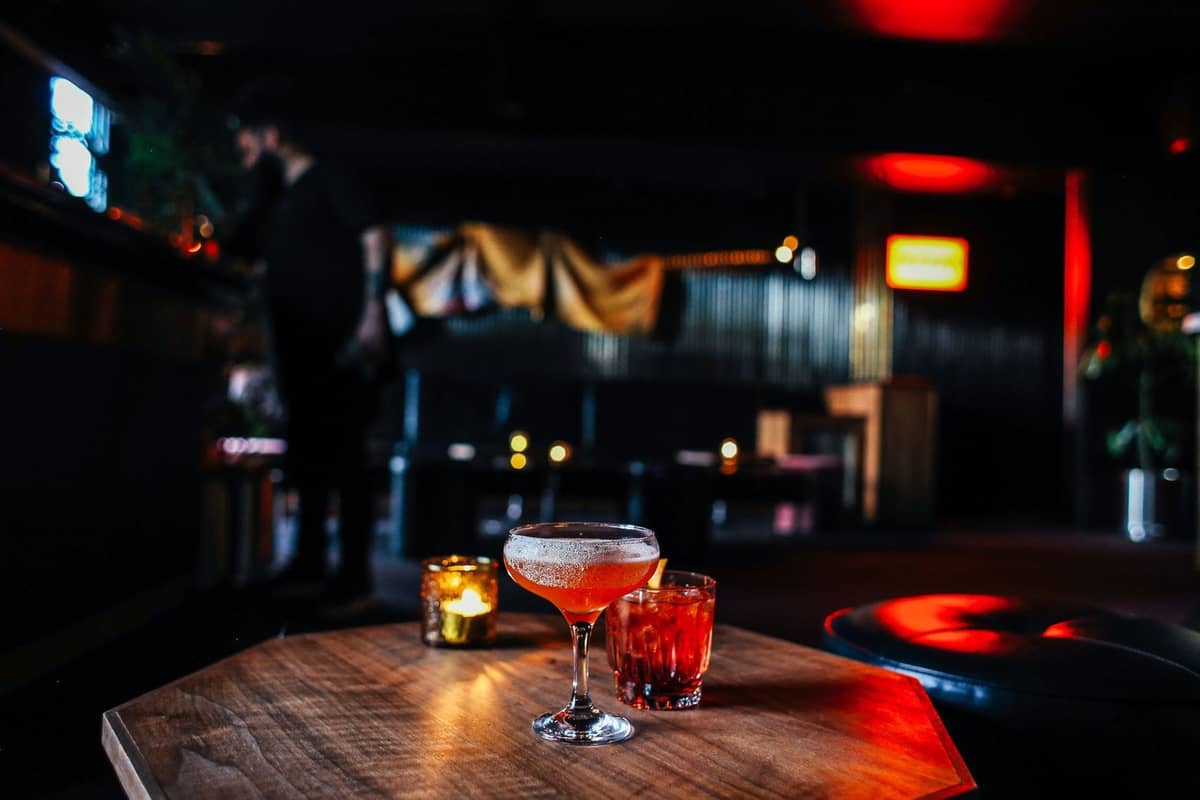
Copenhagen's cocktail bar scene is genuinely strong. The influence of New Nordic cuisine extends to drinks culture: local botanicals, seasonal ingredients, and a level of craft that justifies the prices more often than not. These are the venues that appear consistently on serious bar lists — not just tourist aggregators.
- Ruby (Nybrogade 10) A basement speakeasy in the Latin Quarter, open around 17:00–01:00. Ruby has been one of Copenhagen's best cocktail bars for years and still earns it. Classic technique, serious spirit selection, no gimmicks. Book a table on weekends.
- Lidkoeb (Vesterbrogade 72B) A three-floor converted pharmacy in Vesterbro, open around 18:00–02:00. The whisky selection upstairs is exceptional. Relaxed atmosphere despite the quality. One of the better all-round bars in the city.
- Mikkeller Bar (Viktoriagade 8) The tap room of Copenhagen's famous craft brewery. Around 20 rotating taps, knowledgeable staff, and a relaxed Vesterbro setting. Go here if beer matters more to you than cocktails.
- Taphouse (Lavendelstræde 15) 60+ taps of Danish and international craft beer. Open around 12:00–00:00, making it one of the better early-evening options. Can get crowded on weekends but rarely has a queue.
- Café Intime (Allégade 25, Frederiksberg) A neighbourhood piano bar with a loyal local following. Low-key, unpretentious, and genuinely warm. Not a destination for dancing — a destination for drinking well among Copenhageners.
Clubs and Late-Night Venues
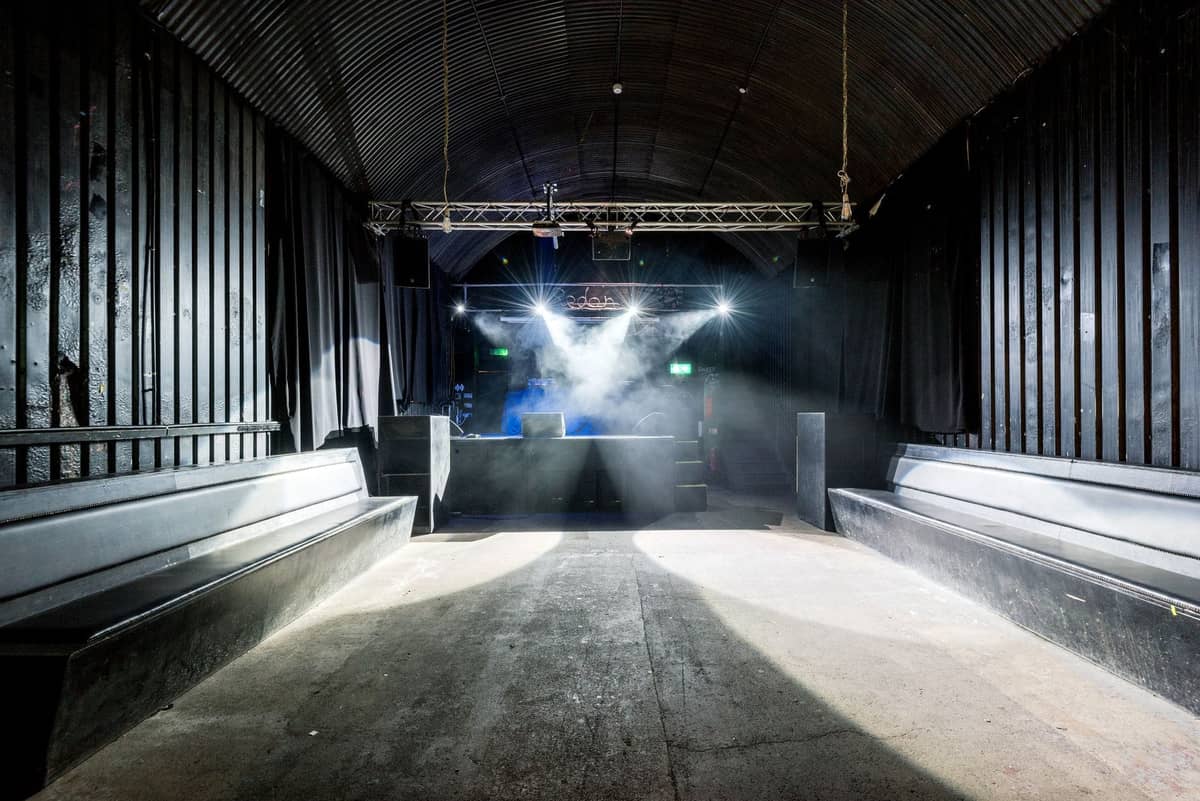
Copenhagen's club scene skews toward house and techno, with a few venues covering broader tastes. The critical thing to understand before you go: door policies here are not decorative. Some of the more established clubs exercise real selectivity, and knowing the rules before you arrive saves a wasted trip.
Culture Box (Kronprinsessegade 54) is the most internationally recognised club in the city and one of the better electronic music venues in Scandinavia. It runs across multiple rooms with a focus on house and techno, regularly booking credible touring DJs. Expect a queue on peak nights. The crowd is music-focused rather than scene-focused, which makes for a better experience on the dancefloor.
Chateau Motel is the venue that generates the most Reddit threads about door policy, and with good reason. It is selective. Large groups of men, anyone visibly very drunk before entry, and people who haven't checked the event in advance are routinely turned away. The solution is simple: go with a mixed group, arrive at a reasonable hour, dress with some intent, and check whether the specific night requires advance tickets or list placement. Their social channels typically publish this information.
✨ Pro tip
For any club with a known door policy, check their Instagram story or Facebook event the day you plan to go. Many Copenhagen clubs publish the guest list contact or ticket link 24–48 hours before the event. Being on a list doesn't guarantee entry, but it substantially improves your odds and often saves you the entry fee.
For larger concerts and touring acts, Royal Arena handles the biggest shows year-round. Check their event calendar well in advance for anything mainstream. The Copenhagen Jazz Festival (typically July) transforms the city's bars and outdoor spaces into performance venues and represents one of the best periods for live music at any level.
Seasonal Patterns and When to Go Out
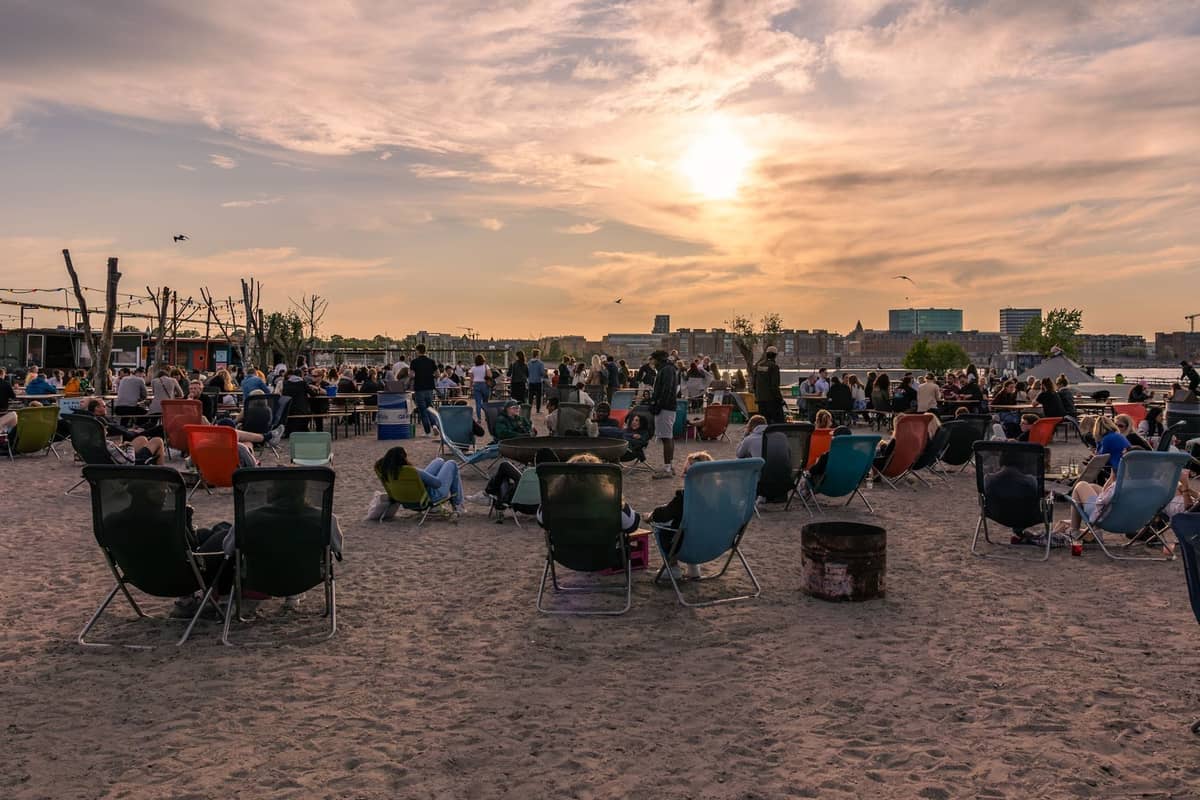
Copenhagen nightlife runs year-round, but the character changes significantly by season. Summer, particularly June through August, is when outdoor terraces, harbour bars, and street-level drinking culture come alive. Copenhagen summers bring long daylight hours (sunset after 22:00 in June) and a relaxed energy that extends naturally into the night.
Winter nightlife shifts indoors and becomes more intimate. Candlelit bars, warm craft beer spots, and the Danish concept of hygge (pronounced roughly 'hoo-ga') shape the experience. December adds a specific energy around Christmas markets and seasonal events. The crowd is largely local in winter, which some visitors actually prefer.
October sits in an interesting middle ground: outdoor terraces start closing, but the post-summer crowd hasn't thinned as much as you'd expect. The Copenhagen in October guide covers this shoulder season in detail. Spring (April–May) is similarly underrated for a bar-focused trip.
Practical Logistics for a Night Out
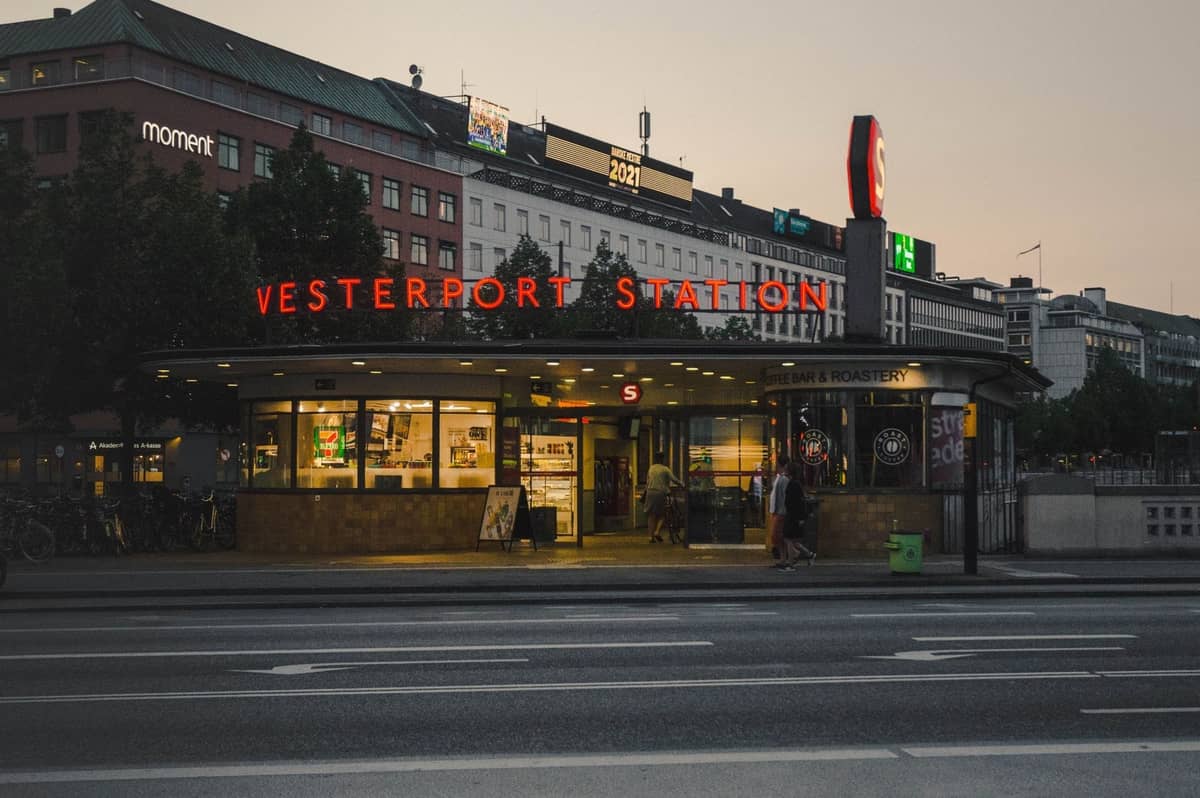
Getting around at night in Copenhagen is easier than in many capitals. The Metro runs 24 hours on weekends, which solves the last-train problem entirely. On weeknights, night buses cover the gaps after Metro service reduces. If you need a taxi or ride, Bolt operates in Copenhagen (Uber does not function here in its standard form). Fares will be higher after midnight, so factor that into your budget.
If you're staying in the centre, most of the bars listed above are walkable from each other. Vesterbro and Indre By are around 10–15 minutes on foot. Getting around Copenhagen has full transit details including night service schedules and zone ticketing.
- Carry a card: almost no venue in Copenhagen operates cash-only, and many don't accept cash at all.
- Tipping is not expected in bars, but rounding up or leaving small change is common and appreciated.
- Dress code: most bars have no formal dress code. Clubs vary — Chateau Motel expects some effort; Culture Box is casual but clean.
- ID: bring valid photo ID. Danish venues card liberally, even people who clearly don't need it.
- Tap water is safe to drink everywhere in Copenhagen, including bar bathrooms — stay hydrated between rounds.
💡 Local tip
The Metro's 24-hour service is one of Copenhagen's genuine nightlife advantages. Lines M1, M2, M3 and M4 run continuously, meaning you can stay until the early hours and still get home without a taxi. Check the Rejseplanen app for real-time routing.
FAQ
What nights are best for Copenhagen nightlife?
Thursday, Friday, and Saturday are the peak nights. Thursday is popular with students and often has good energy without peak-weekend crowds. Weekdays aren't dead — bars still operate — but hours are shorter and venues empty faster.
How expensive is drinking in Copenhagen?
Expensive by European standards. A pint of craft beer typically costs 80–120 DKK (around 11–16 EUR). Cocktails at quality bars run 130–180 DKK (around 17–24 EUR). Club entry, where charged, is usually 80–150 DKK. Pre-drinking from a supermarket (7-Eleven, Netto) before going out is common practice among locals and significantly reduces the bill.
Is it hard to get into clubs in Copenhagen?
It depends on the club. Culture Box is generally accessible if you're willing to queue. Chateau Motel is more selective and known for turning people away, particularly large same-gender groups and anyone who appears very intoxicated. Checking the event in advance, arriving before the rush (around midnight), and dressing with some care all help.
How do I get home after a late night in Copenhagen?
The Metro runs 24 hours on Friday and Saturday nights, which covers most situations. Night buses serve the gaps on other nights. Bolt is the main ride-hailing option (Uber doesn't operate here in the standard sense). Taxis are available but expensive — a cross-city fare after midnight can easily exceed 150–200 DKK.
What is the Meatpacking District like for nightlife?
Kødbyen (the Meatpacking District) in Vesterbro is the densest nightlife zone in Copenhagen. It's industrial in feel, with former slaughterhouse buildings converted into bars, restaurants, and clubs. Most venues are within walking distance of each other, making it easy to move between spots. Thursday and Friday tend to attract a good local-to-visitor mix; Saturday skews more towards a party crowd.