Hidden Gems in Copenhagen: Off the Beaten Path
Copenhagen rewards curious travellers who look beyond Nyhavn and Tivoli. This guide uncovers the city's overlooked neighbourhoods, underrated museums, and unexpected green spaces that locals actually love.
Plan and book this trip
Tools from our partner Travelpayouts help you compare flights and hotels. If you book through them, we may earn a commission at no extra cost to you.
Flights
Hotels map
Copenhagen is one of those cities that reveals itself slowly. The postcard version, colourful canal houses, the Little Mermaid, Tivoli, is easy to find. The better version takes a little more intention. Think a free Islamic art collection in a lawyer's former townhouses, an underground reservoir turned gallery, a multicultural park designed by Bjarke Ingels Group, and a 400-year-old deer park where you can stroll among free-roaming wildlife for nothing. For a broader overview of how to spend your time, see our guide to things to do in Copenhagen. But if you want to go deeper, read on. These are the places that earn return visits.
A note on logistics: several of these spots sit outside the city centre, but Copenhagen's public transport makes them easy to reach. If you plan to visit multiple attractions in a day, the Copenhagen Card covers public transport and museum entry across most of the city and region. For cycling to outlying spots, Donkey Republic bikes are available centrally and connect well with S-train lines.
Underrated Museums Worth Your Time
Copenhagen's museum scene goes far beyond the National Museum and SMK. The city has a remarkable number of specialist collections, many of them free or cheap, that draw almost no queue. Our dedicated guide to the best museums in Copenhagen covers the full picture, but the picks below are the ones most visitors skip entirely.
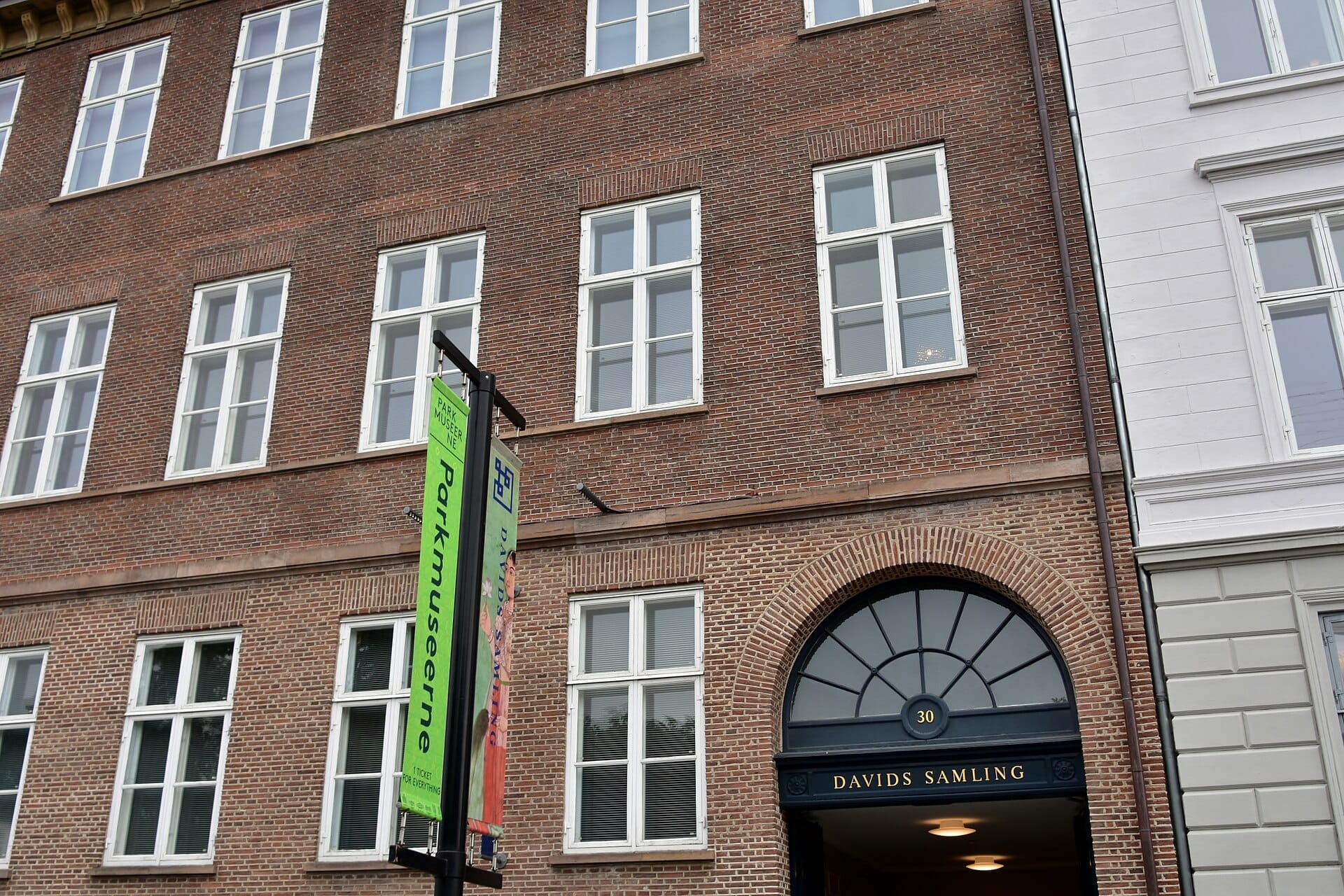
1. Explore World-Class Islamic Art for Free at the David Collection
One of the world's finest Islamic art collections, displayed in a lawyer's former townhouse near the King's Garden. Entry is completely free. Plan 90 minutes for the intricate metalwork, ceramics, and textiles from the 7th to 19th centuries.
Explore1. Explore World-Class Islamic Art for Free at the David Collection
One of the world's finest Islamic art collections, displayed in a lawyer's former townhouse near the King's Garden. Entry is completely free. Plan 90 minutes for the intricate metalwork, ceramics, and textiles from the 7th to 19th centuries.
Explore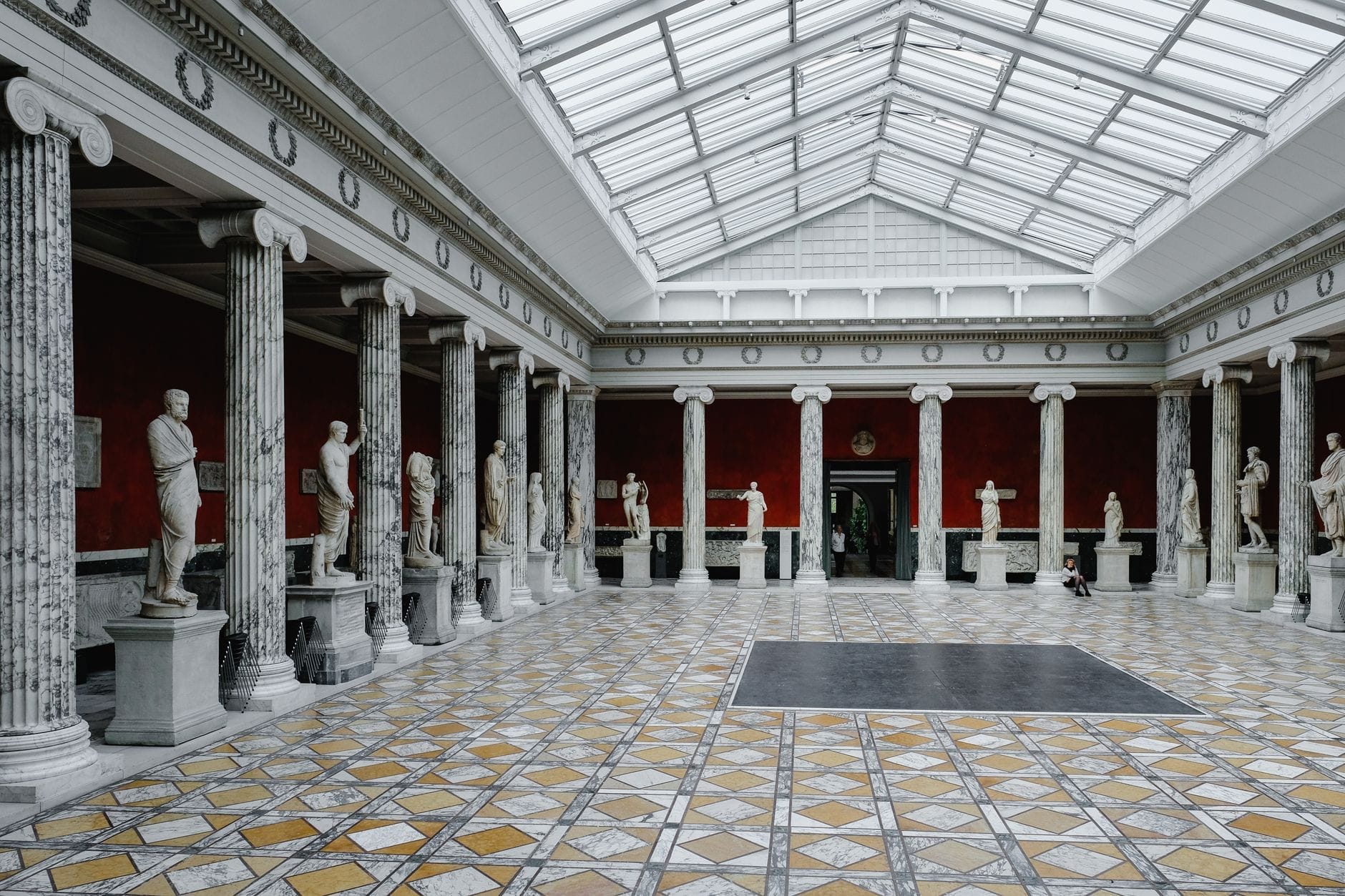
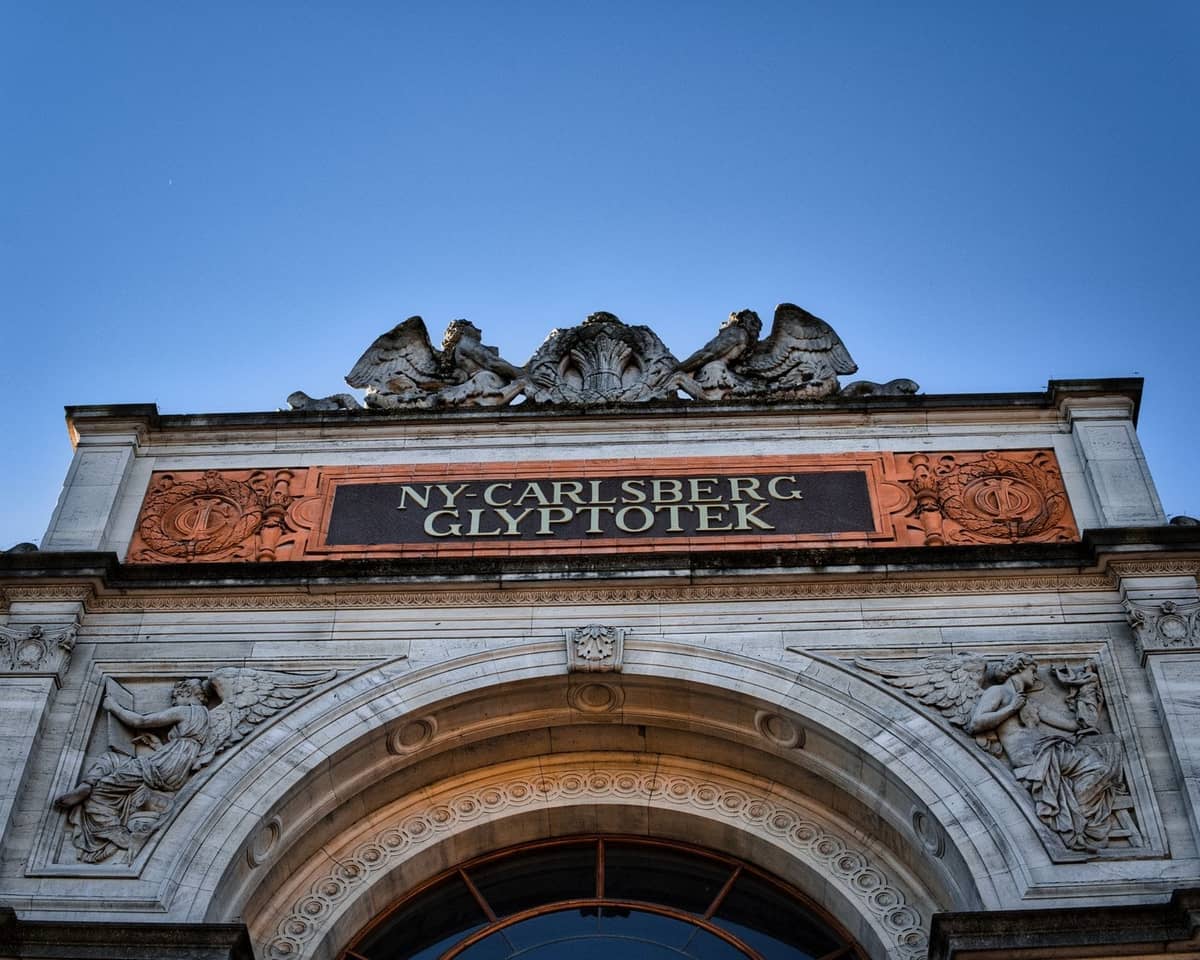
2. Discover Ancient Sculpture and Impressionism at Ny Carlsberg Glyptotek
Most visitors walk past this extraordinary museum on the way to Tivoli. Inside: 10,000+ works including Egyptian mummies, Roman busts, and Gauguin paintings, all surrounding a stunning glass-roofed winter garden. Free on the last Wednesday of each month.
Explore2. Discover Ancient Sculpture and Impressionism at Ny Carlsberg Glyptotek
Most visitors walk past this extraordinary museum on the way to Tivoli. Inside: 10,000+ works including Egyptian mummies, Roman busts, and Gauguin paintings, all surrounding a stunning glass-roofed winter garden. Free on the last Wednesday of each month.
Explore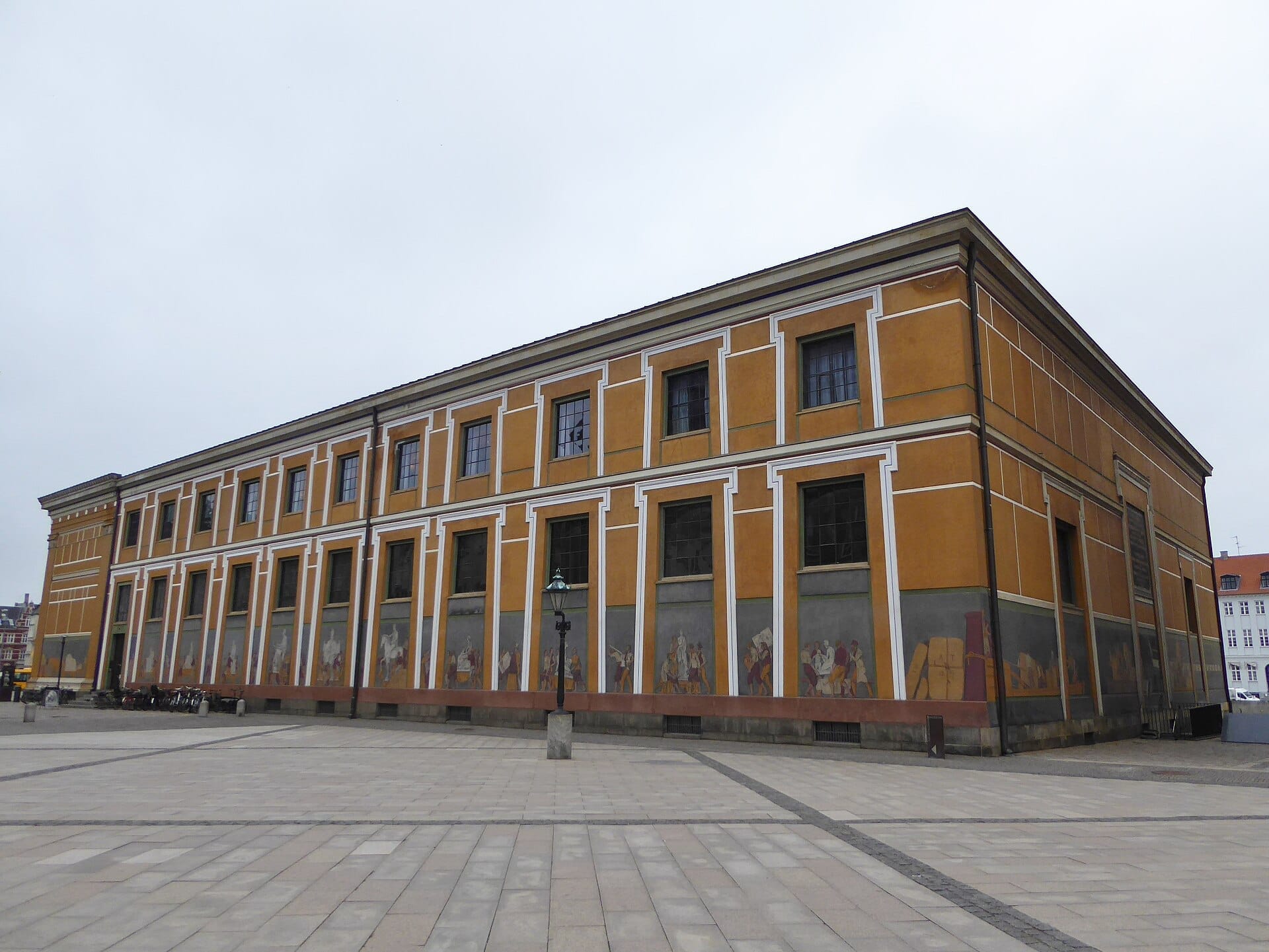
3. Visit Scandinavia's Oldest Public Museum on Slotsholmen
Built for Denmark's greatest sculptor, Bertel Thorvaldsen, this neoclassical building on Slotsholmen is remarkable inside and out. The colourful painted friezes on the exterior walls are unique in Copenhagen. Crowds are almost nonexistent compared to nearby Christiansborg.
Explore3. Visit Scandinavia's Oldest Public Museum on Slotsholmen
Built for Denmark's greatest sculptor, Bertel Thorvaldsen, this neoclassical building on Slotsholmen is remarkable inside and out. The colourful painted friezes on the exterior walls are unique in Copenhagen. Crowds are almost nonexistent compared to nearby Christiansborg.
Explore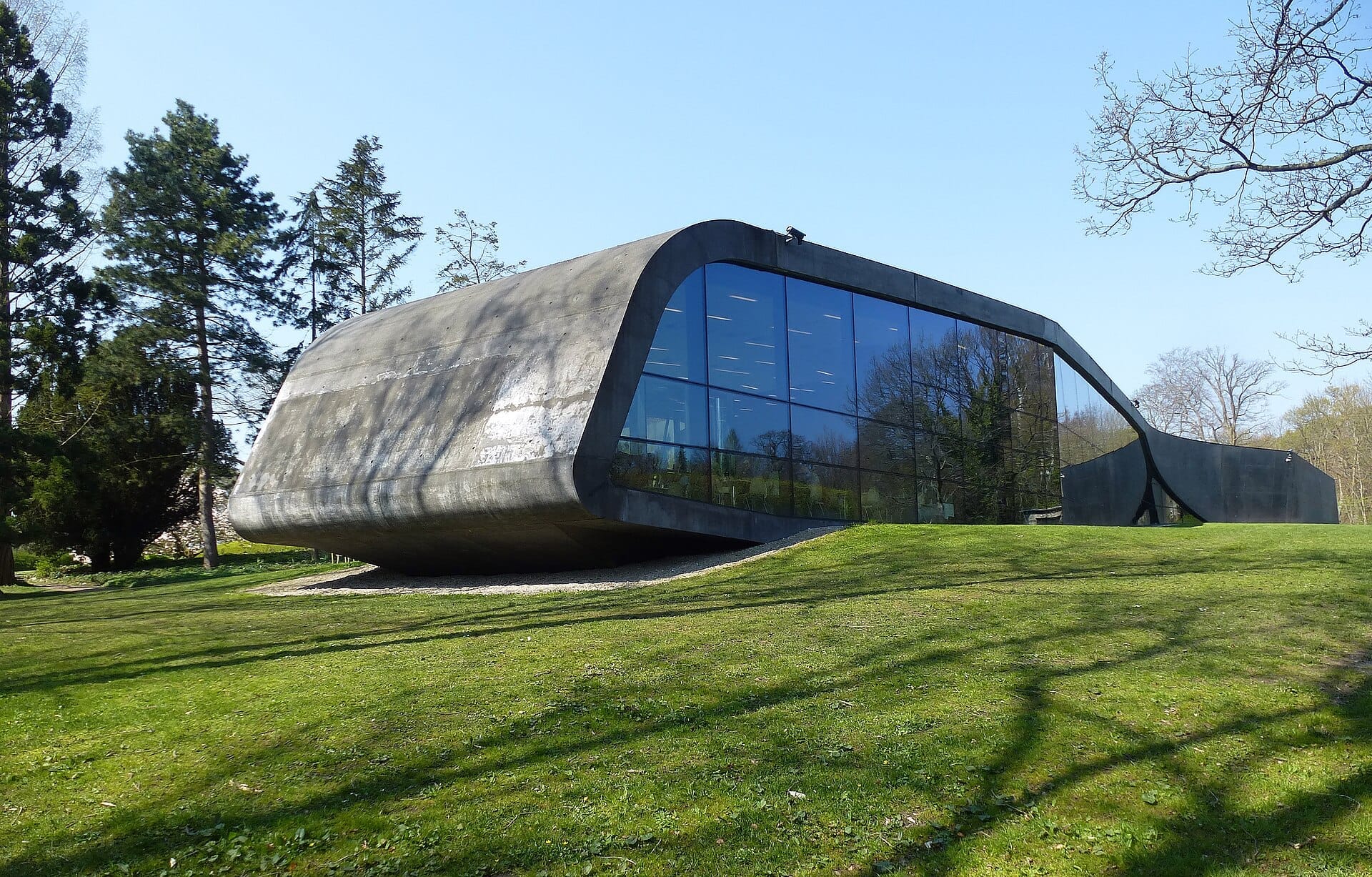
4. See Impressionist Masterpieces in a Villa North of the City
Ordrupgaard holds one of Scandinavia's finest French Impressionist collections, including Monet, Degas, and Cézanne, set in a historic villa with a Zaha Hadid extension. The surrounding park and café make this a genuinely rewarding half-day trip from central Copenhagen.
Explore4. See Impressionist Masterpieces in a Villa North of the City
Ordrupgaard holds one of Scandinavia's finest French Impressionist collections, including Monet, Degas, and Cézanne, set in a historic villa with a Zaha Hadid extension. The surrounding park and café make this a genuinely rewarding half-day trip from central Copenhagen.
Explore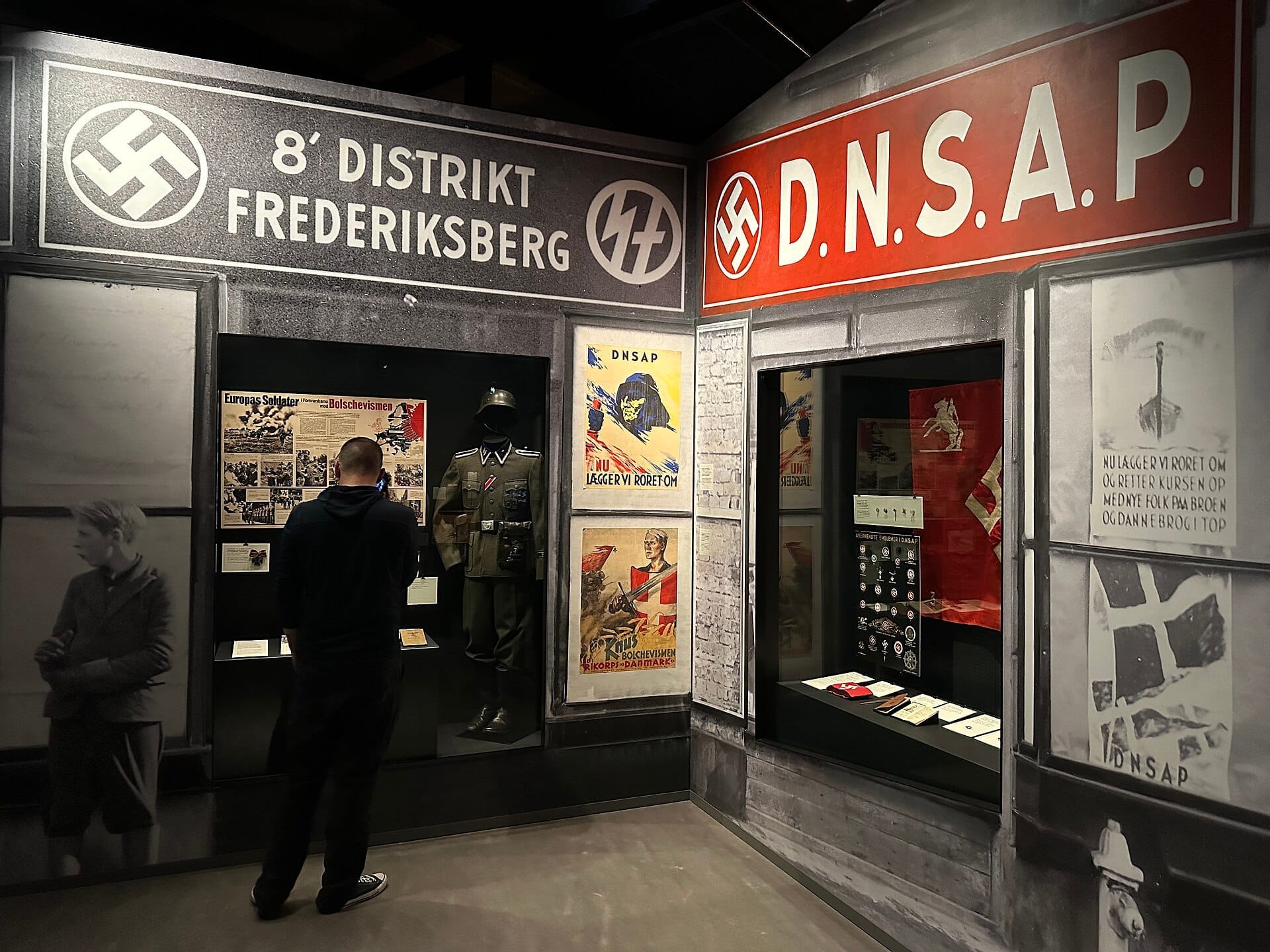
5. Understand Denmark's WWII Story at the Resistance Museum
Near Kastellet, this compact but deeply affecting museum documents Denmark's occupation from 1940 to 1945 and the rescue of Danish Jews. It's one of the most emotionally powerful museum experiences in Copenhagen, and far less visited than it deserves to be.
Explore5. Understand Denmark's WWII Story at the Resistance Museum
Near Kastellet, this compact but deeply affecting museum documents Denmark's occupation from 1940 to 1945 and the rescue of Danish Jews. It's one of the most emotionally powerful museum experiences in Copenhagen, and far less visited than it deserves to be.
Explore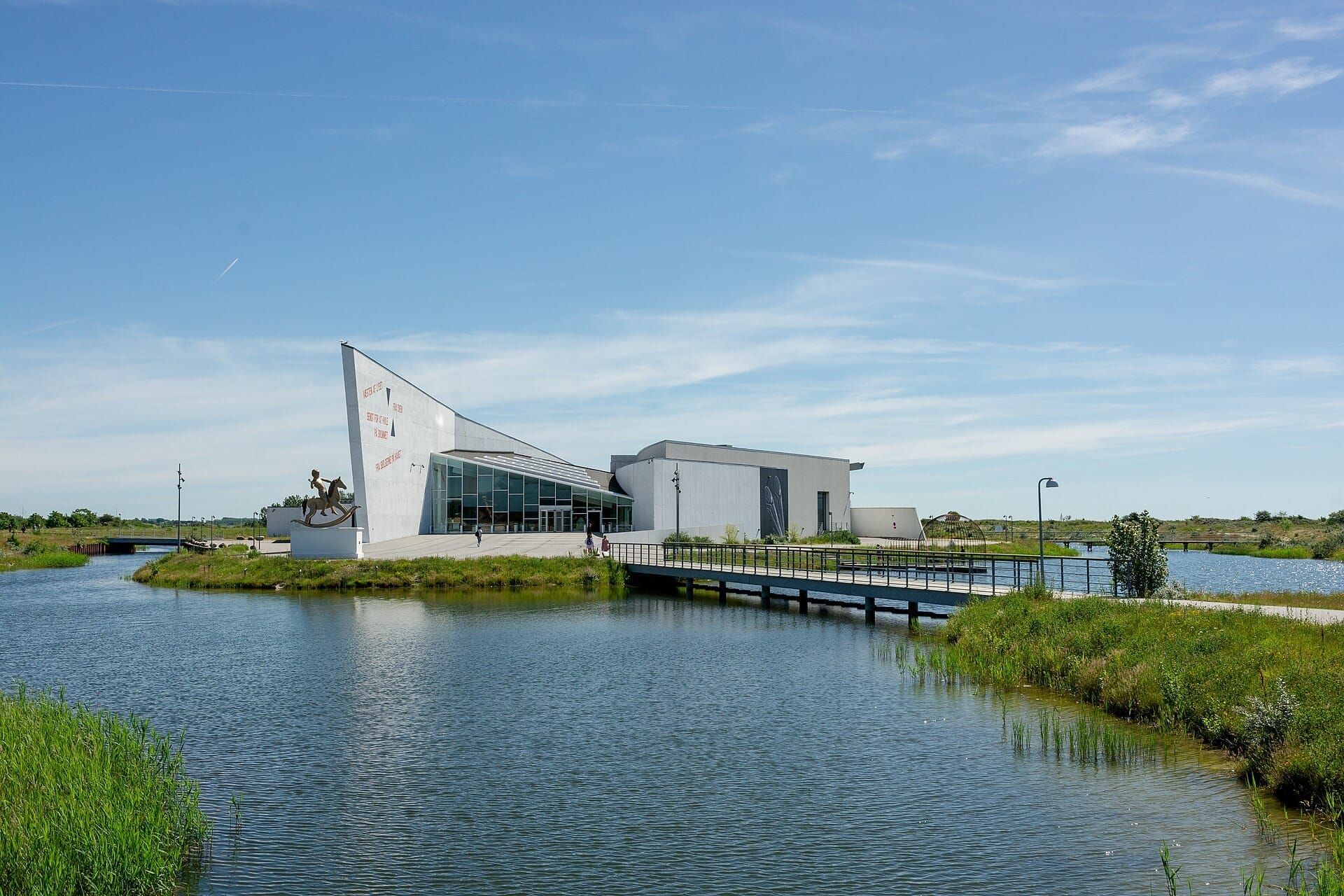
6. Find Contemporary Art in a Ship-Shaped Building by the Sea
South of Copenhagen, Arken sits on the coast in a dramatic building designed to resemble a stranded vessel. The galleries overlook the sea, and the coastal setting is as compelling as the contemporary art inside. Reachable by S-train in under 40 minutes from Central Station.
Explore6. Find Contemporary Art in a Ship-Shaped Building by the Sea
South of Copenhagen, Arken sits on the coast in a dramatic building designed to resemble a stranded vessel. The galleries overlook the sea, and the coastal setting is as compelling as the contemporary art inside. Reachable by S-train in under 40 minutes from Central Station.
ExploreOverlooked Neighbourhoods and Public Spaces
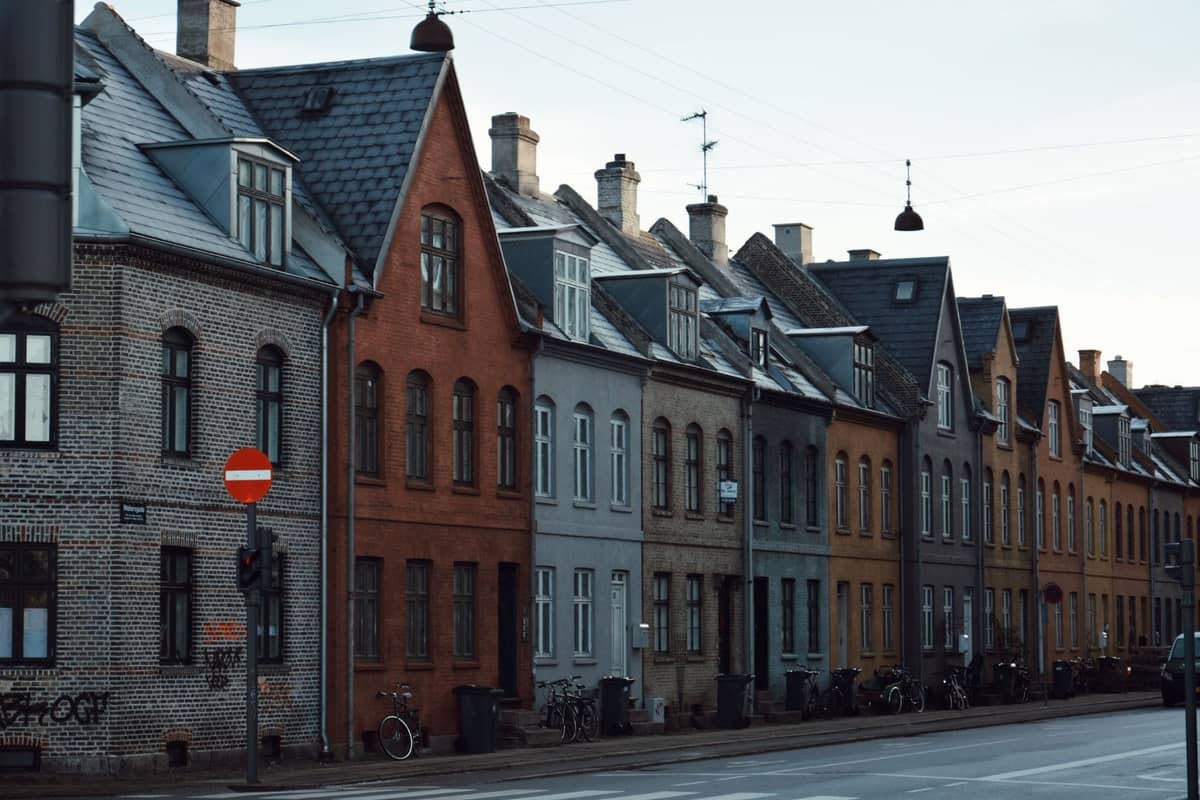
The most rewarding way to see Copenhagen is on foot or by bike, moving between neighbourhoods at street level. If you want a structured route through the city's lesser-known corners, our Copenhagen walking tour guide maps out several good options. The areas below reward slower exploration.
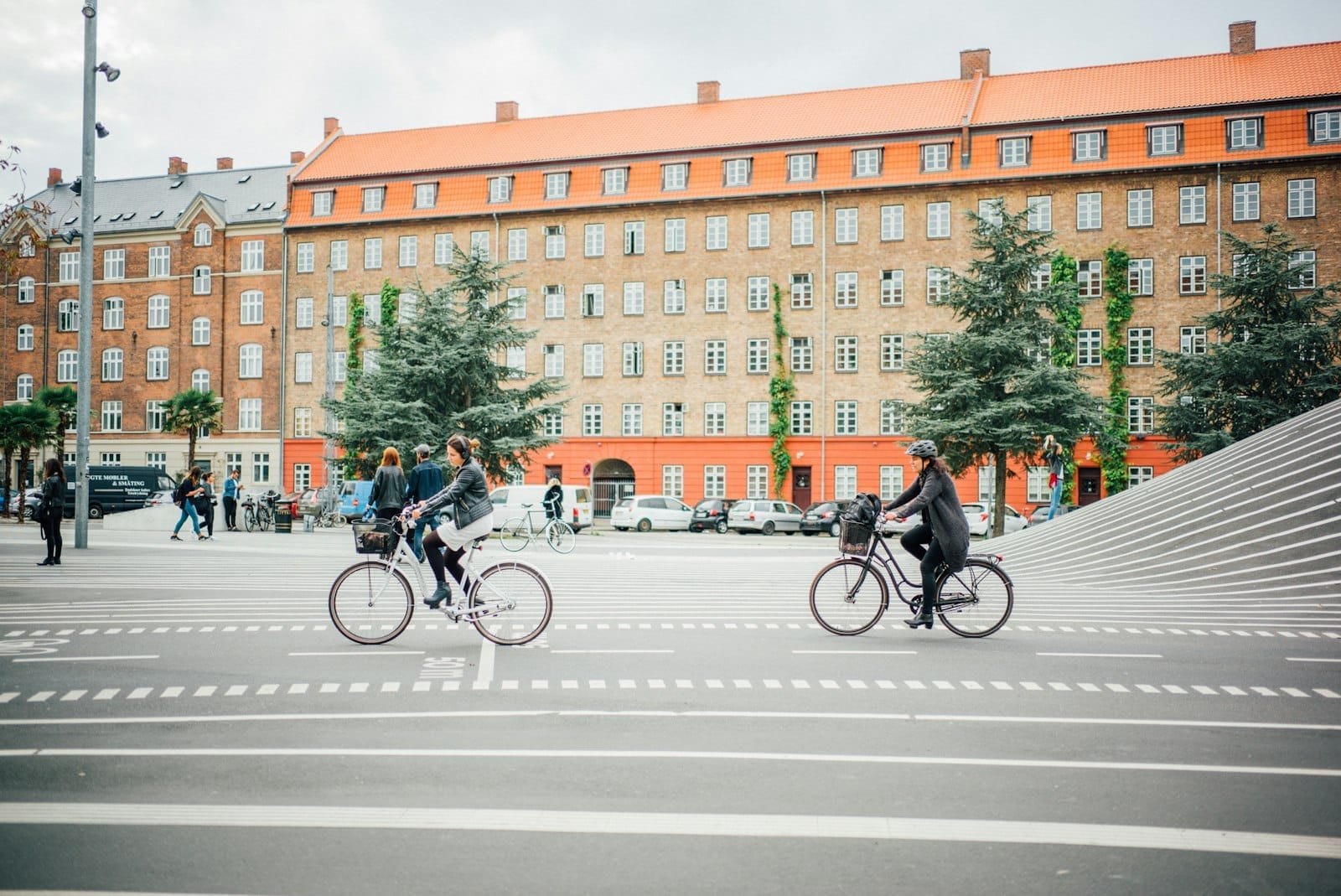
7. Walk Through the Most Ambitious Urban Park in Europe at Superkilen
Bjarke Ingels Group designed this Nørrebro park using 108 objects sourced from 60 countries, a Moroccan fountain, a Thai boxing ring, a Russian slide. Three colour-coded zones stretch across the neighbourhood. It's a genuine piece of world-class public design that most tourists miss entirely.
Explore7. Walk Through the Most Ambitious Urban Park in Europe at Superkilen
Bjarke Ingels Group designed this Nørrebro park using 108 objects sourced from 60 countries, a Moroccan fountain, a Thai boxing ring, a Russian slide. Three colour-coded zones stretch across the neighbourhood. It's a genuine piece of world-class public design that most tourists miss entirely.
Explore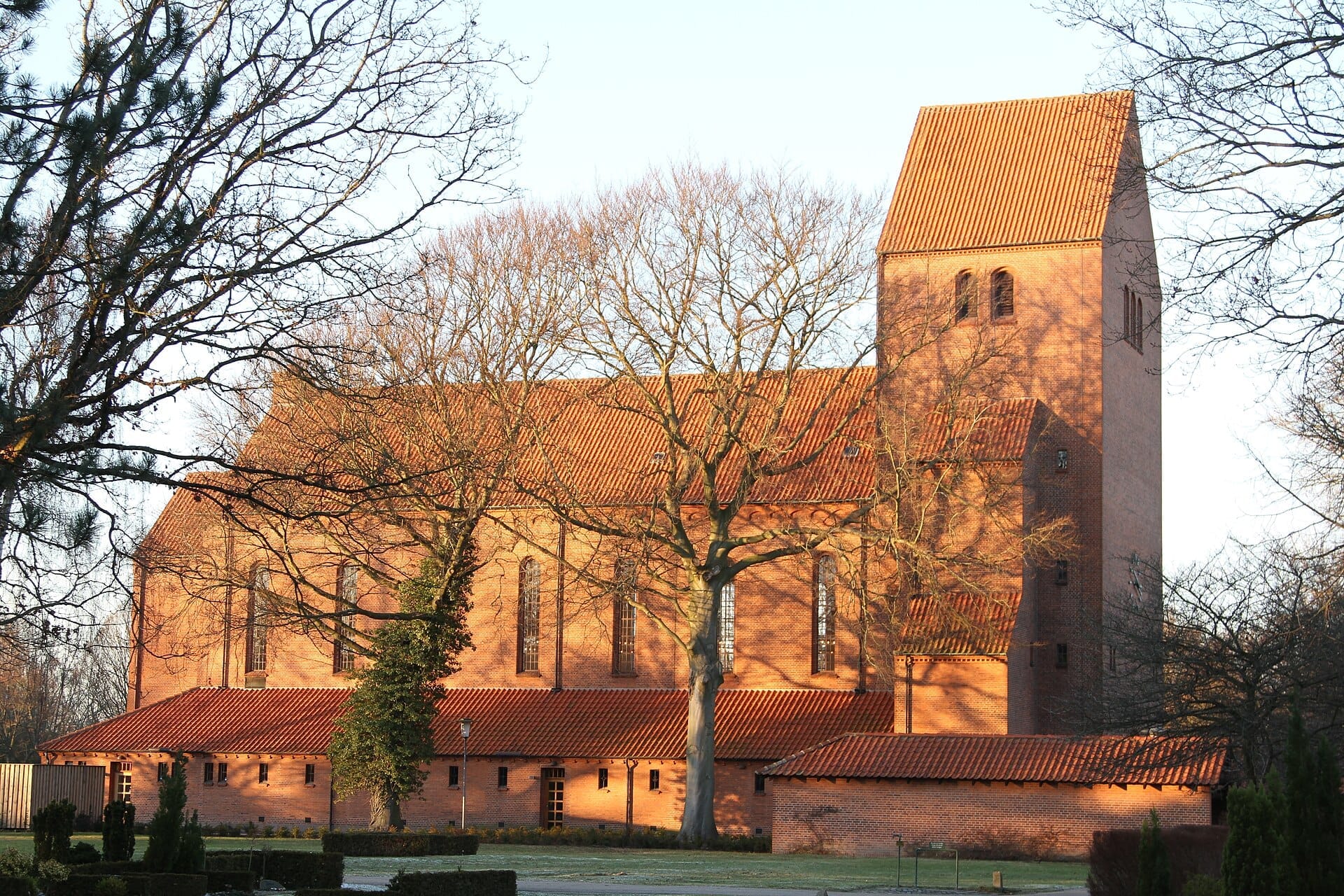
8. Picnic Among the Gravestones of Kierkegaard and Andersen
Nørrebro locals use this 18th-century cemetery as a park: cycling, picnicking, and walking among its tree-lined paths. Hans Christian Andersen and Søren Kierkegaard are buried here. It's atmospheric in all seasons and completely free.
Explore8. Picnic Among the Gravestones of Kierkegaard and Andersen
Nørrebro locals use this 18th-century cemetery as a park: cycling, picnicking, and walking among its tree-lined paths. Hans Christian Andersen and Søren Kierkegaard are buried here. It's atmospheric in all seasons and completely free.
Explore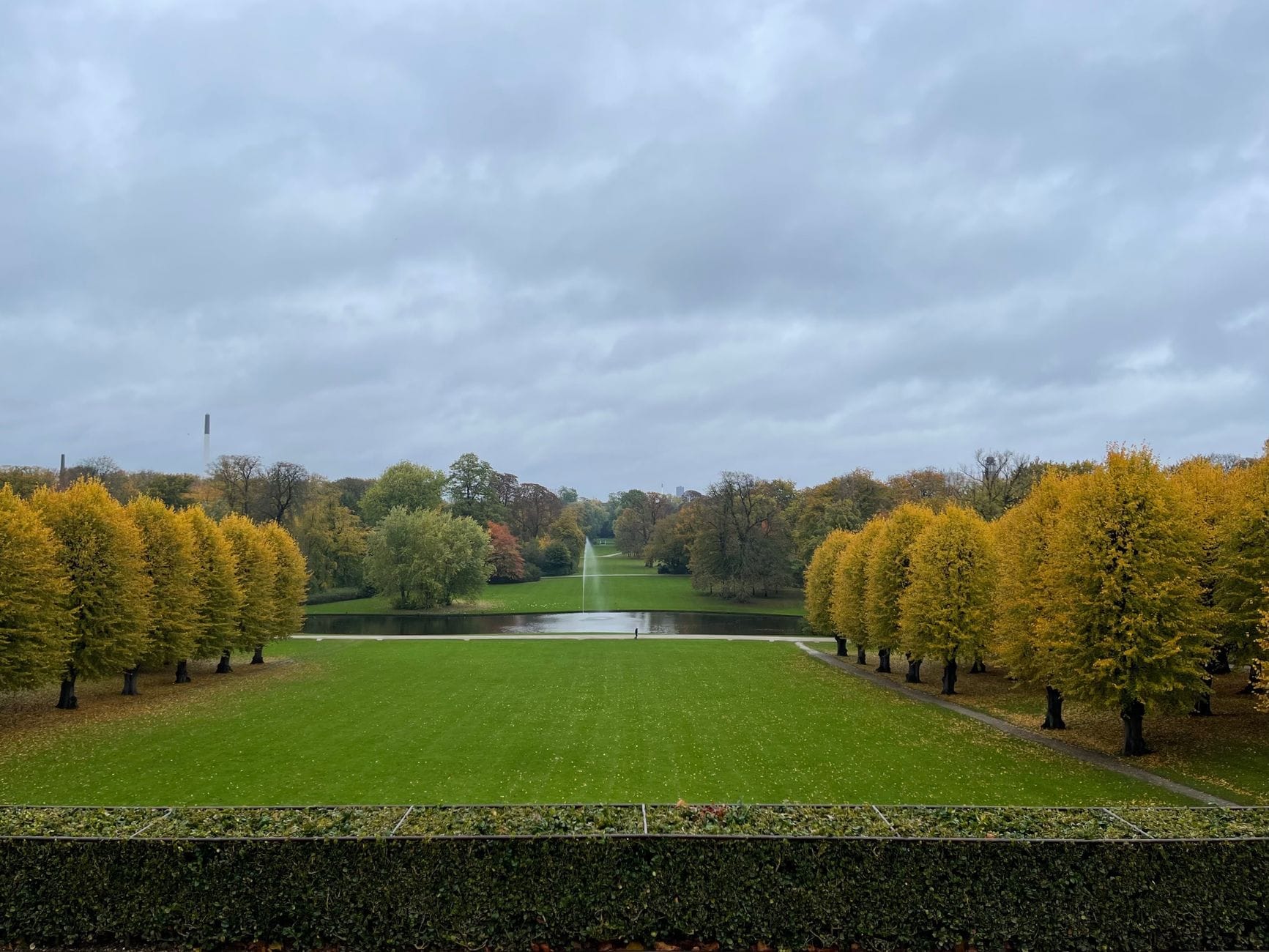
9. Escape the Crowds in the Quieter Half of Frederiksberg's Gardens
While Frederiksberg Gardens draws visitors, adjacent Søndermarken stays quiet. This English-style landscape park has winding paths, a lake, and the entrance to the Frederiksberg Catacombs. It's a local favourite for exactly the reasons tourists overlook it.
Explore9. Escape the Crowds in the Quieter Half of Frederiksberg's Gardens
While Frederiksberg Gardens draws visitors, adjacent Søndermarken stays quiet. This English-style landscape park has winding paths, a lake, and the entrance to the Frederiksberg Catacombs. It's a local favourite for exactly the reasons tourists overlook it.
Explore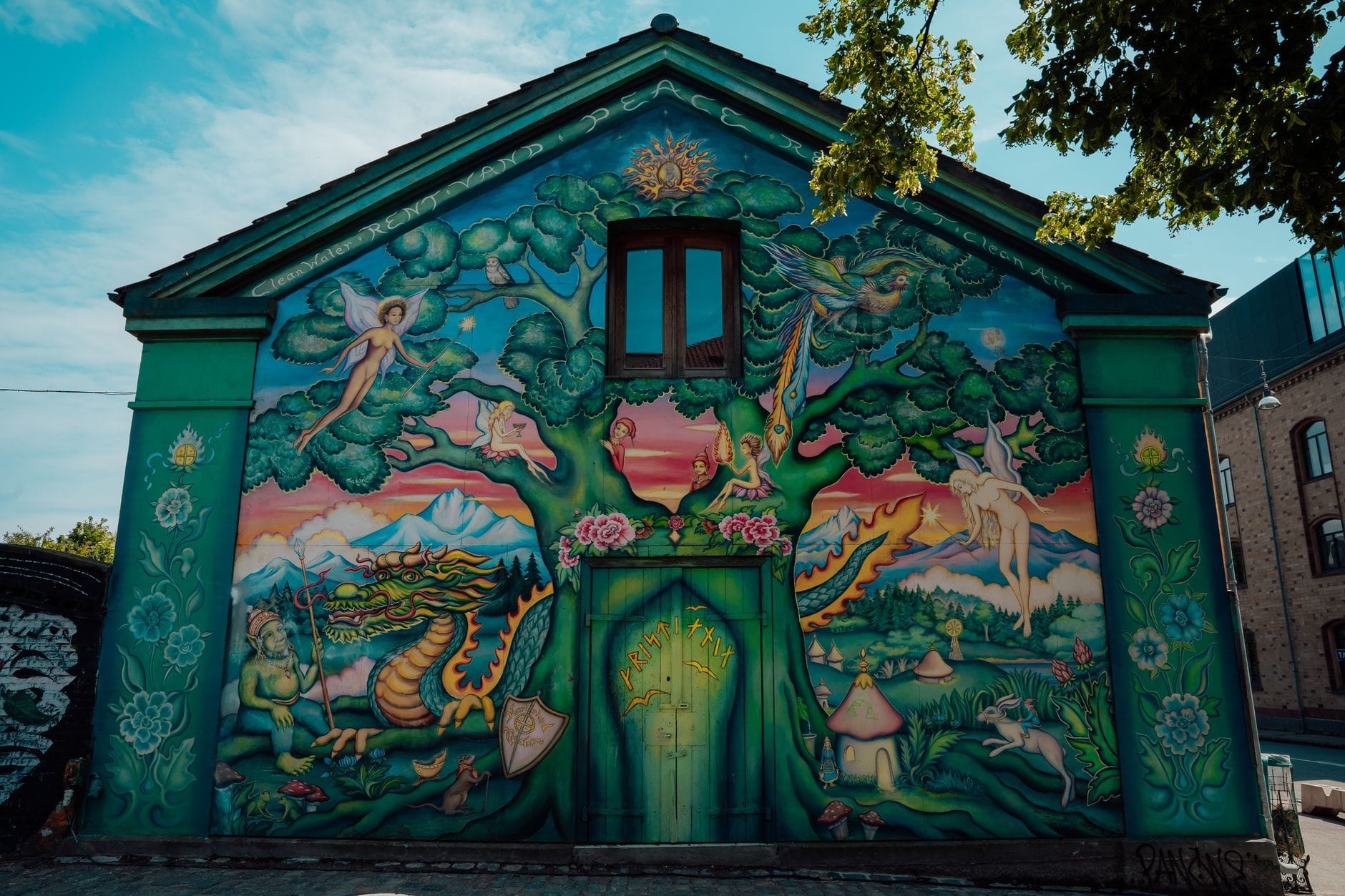
10. Step Into Christiania, Copenhagen's 50-Year Social Experiment
Founded in 1971 in a former military barracks, this car-free, self-governing commune of 900 residents has its own rules, art installations, and music venues. It's genuinely unlike anywhere else in Europe, and walking its paths remains one of Copenhagen's most thought-provoking experiences.
Explore10. Step Into Christiania, Copenhagen's 50-Year Social Experiment
Founded in 1971 in a former military barracks, this car-free, self-governing commune of 900 residents has its own rules, art installations, and music venues. It's genuinely unlike anywhere else in Europe, and walking its paths remains one of Copenhagen's most thought-provoking experiences.
Explore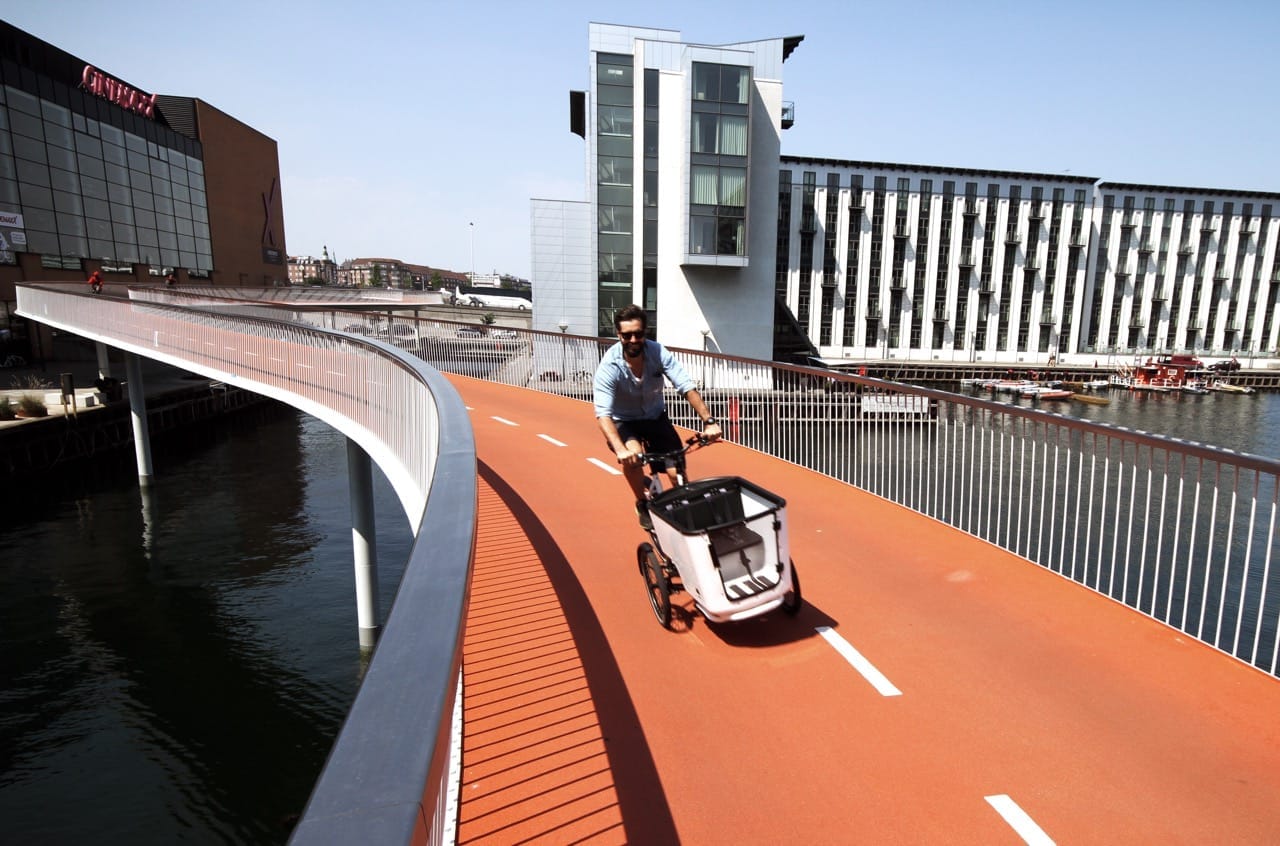
11. Ride the Iconic Bicycle Snake Bridge Over the Harbour
This sinuous elevated cycle bridge in the Vesterbro harbour area is one of Copenhagen's most photographed pieces of infrastructure. Walk or rent a bike and cross it for sweeping harbour views and an appreciation of why Copenhagen takes cycling seriously. It costs nothing.
Explore11. Ride the Iconic Bicycle Snake Bridge Over the Harbour
This sinuous elevated cycle bridge in the Vesterbro harbour area is one of Copenhagen's most photographed pieces of infrastructure. Walk or rent a bike and cross it for sweeping harbour views and an appreciation of why Copenhagen takes cycling seriously. It costs nothing.
Explore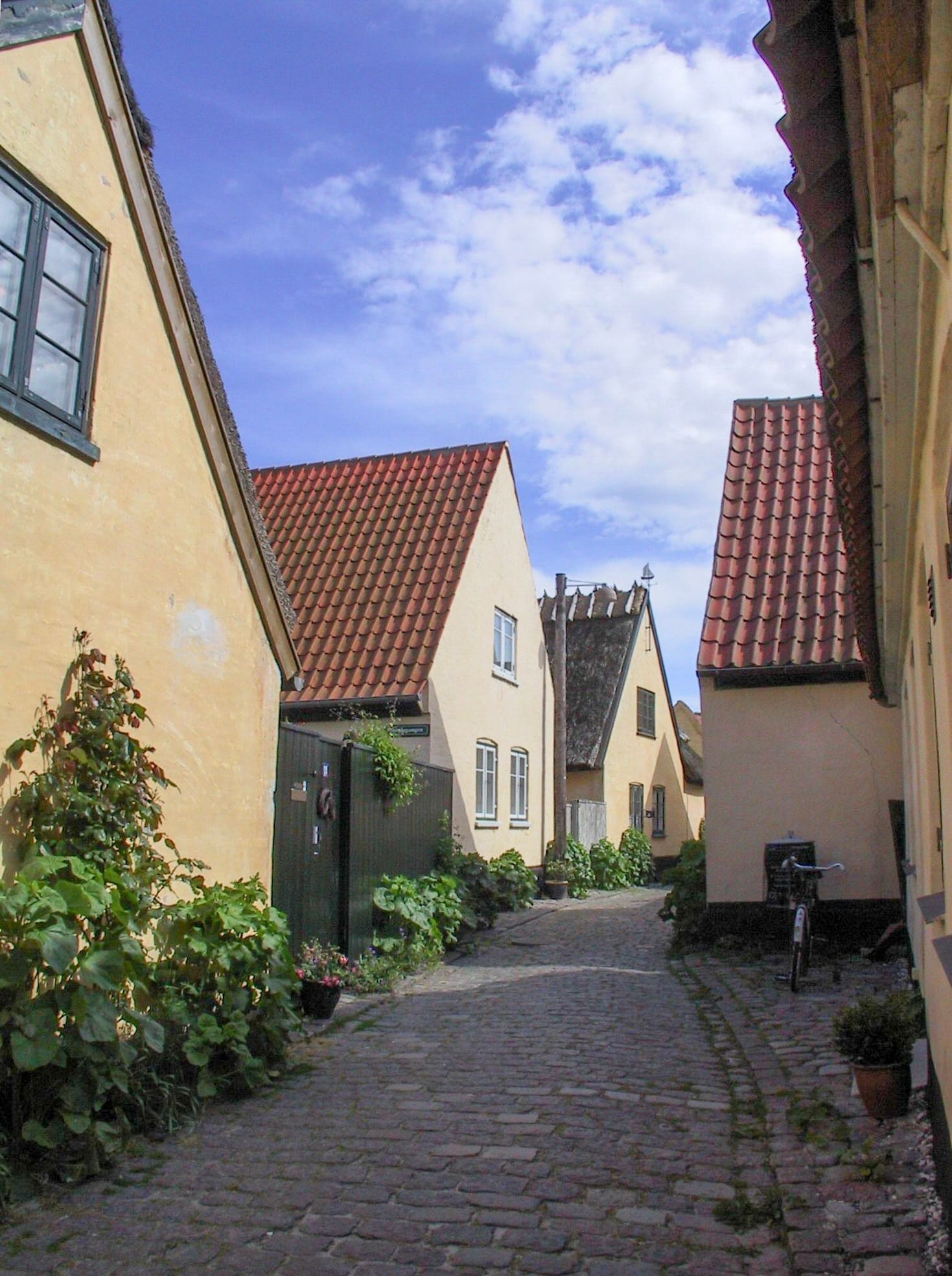
12. Step Back in Time in the Fishing Village of Dragør
Twenty minutes from central Copenhagen, this 18th-century fishing village on Amager's southern tip has cobblestone streets, yellow half-timbered houses, and a working harbour. Almost no tourists make it here. The combination of intact historic streetscape and seaside calm is rare.
Explore12. Step Back in Time in the Fishing Village of Dragør
Twenty minutes from central Copenhagen, this 18th-century fishing village on Amager's southern tip has cobblestone streets, yellow half-timbered houses, and a working harbour. Almost no tourists make it here. The combination of intact historic streetscape and seaside calm is rare.
ExploreGreen Escapes Beyond the City Parks

13. Walk Freely Among 2,000 Deer in the Royal Dyrehave Park
This former royal hunting ground north of Copenhagen has been a protected forest since 1670, with over 2,000 free-roaming deer and ancient oak trees. No entrance fee, always open. Take the S-train to Klampenborg and walk straight into the forest. One of Denmark's great free experiences.
Explore13. Walk Freely Among 2,000 Deer in the Royal Dyrehave Park
This former royal hunting ground north of Copenhagen has been a protected forest since 1670, with over 2,000 free-roaming deer and ancient oak trees. No entrance fee, always open. Take the S-train to Klampenborg and walk straight into the forest. One of Denmark's great free experiences.
Explore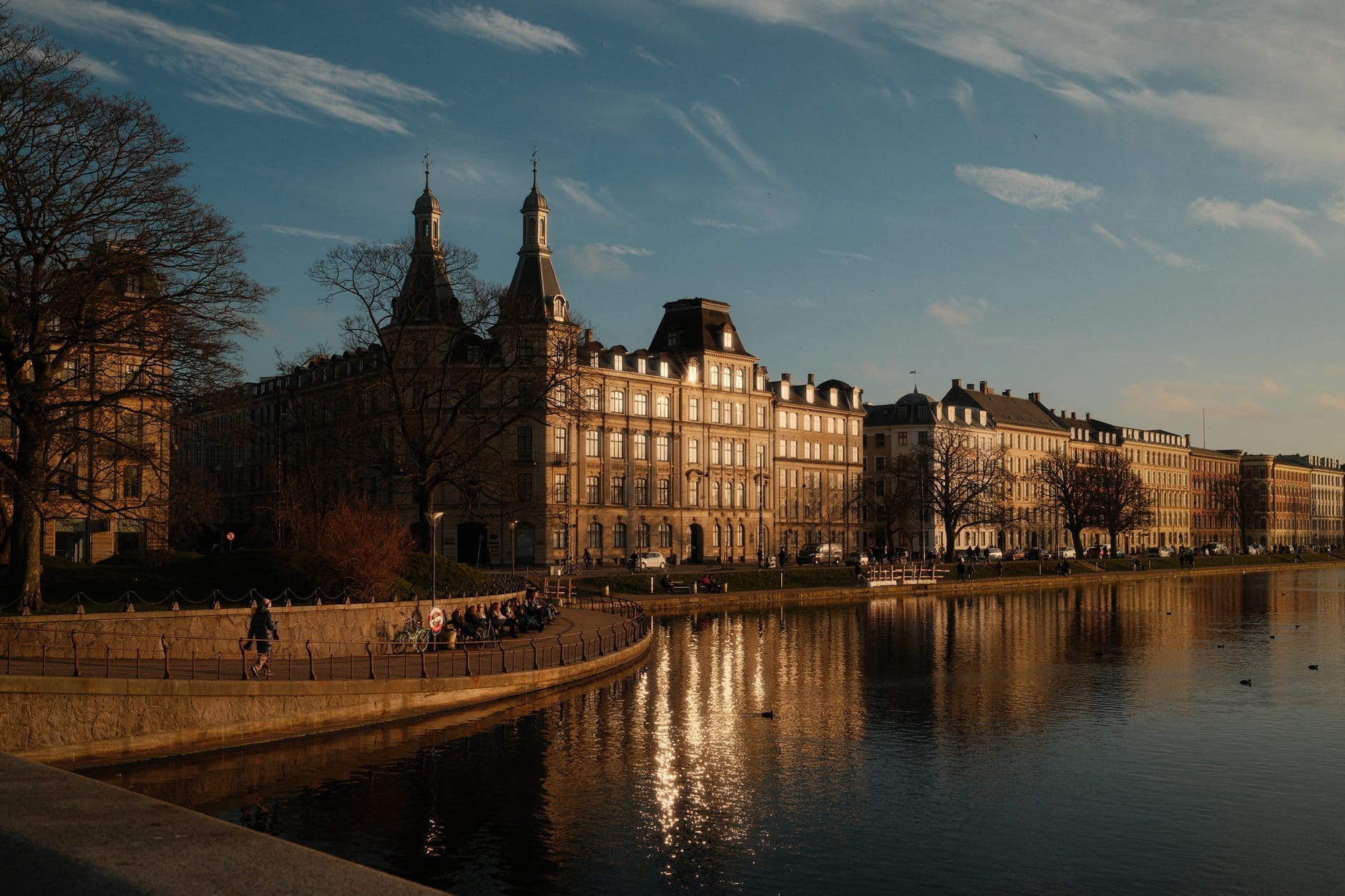
14. Run or Walk the 6km Loop Around Copenhagen's Three Lakes
Three artificial lakes stretch along the western edge of the old city, forming a natural boundary between neighbourhoods. The 6-kilometre perimeter path is a favourite with local runners and walkers. The lakeside cafés and views of the city skyline across the water are quintessentially Copenhagener.
Explore14. Run or Walk the 6km Loop Around Copenhagen's Three Lakes
Three artificial lakes stretch along the western edge of the old city, forming a natural boundary between neighbourhoods. The 6-kilometre perimeter path is a favourite with local runners and walkers. The lakeside cafés and views of the city skyline across the water are quintessentially Copenhagener.
Explore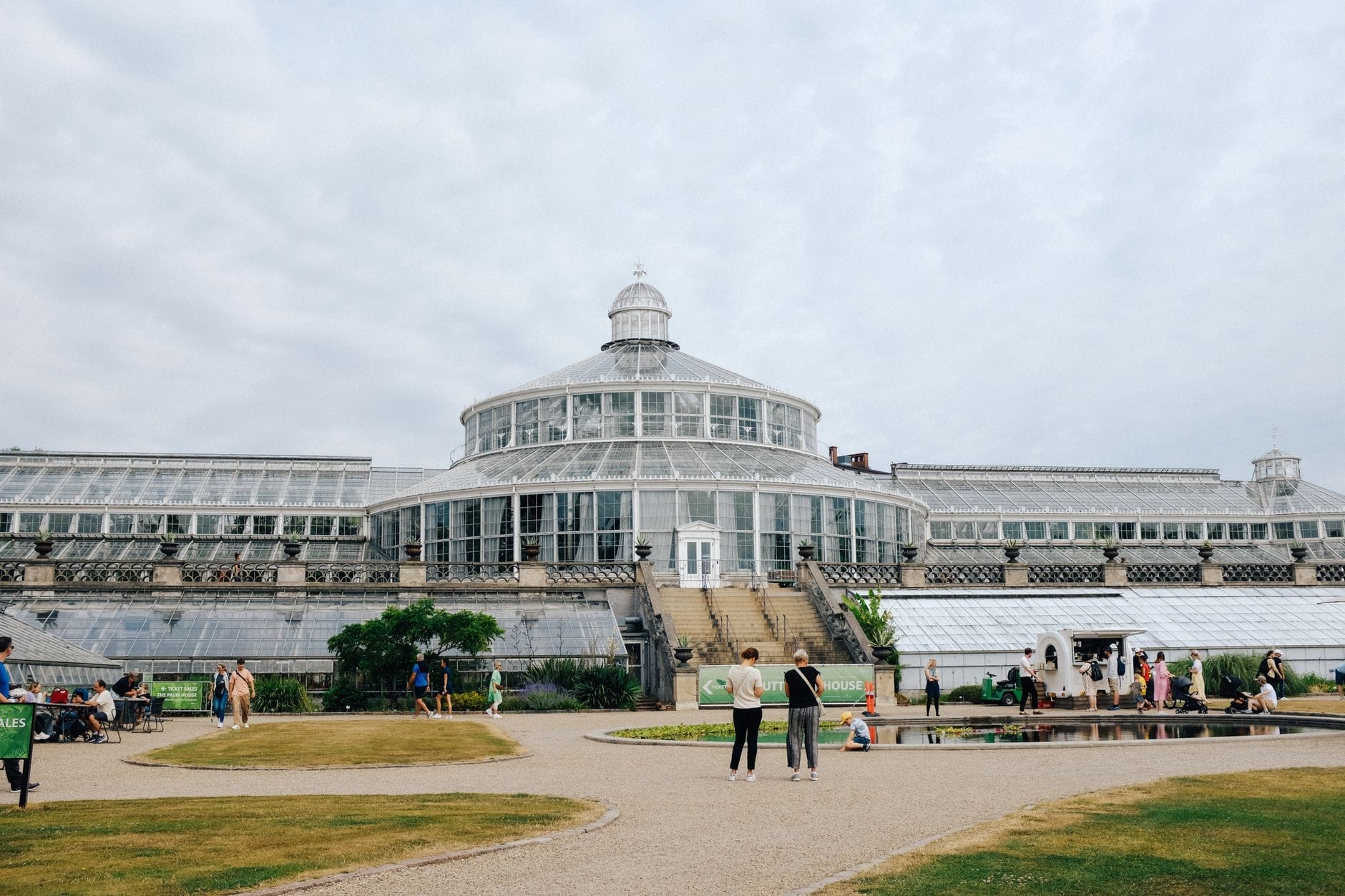
15. Spend an Hour in the University's Victorian Palm House
This free botanical garden near Nørreport station has over 13,000 plant species and a beautifully preserved Victorian-era Palm House. It's genuinely tranquil even in summer. Locals treat it as a shortcut between neighbourhoods; visitors should treat it as a destination.
Explore15. Spend an Hour in the University's Victorian Palm House
This free botanical garden near Nørreport station has over 13,000 plant species and a beautifully preserved Victorian-era Palm House. It's genuinely tranquil even in summer. Locals treat it as a shortcut between neighbourhoods; visitors should treat it as a destination.
Explore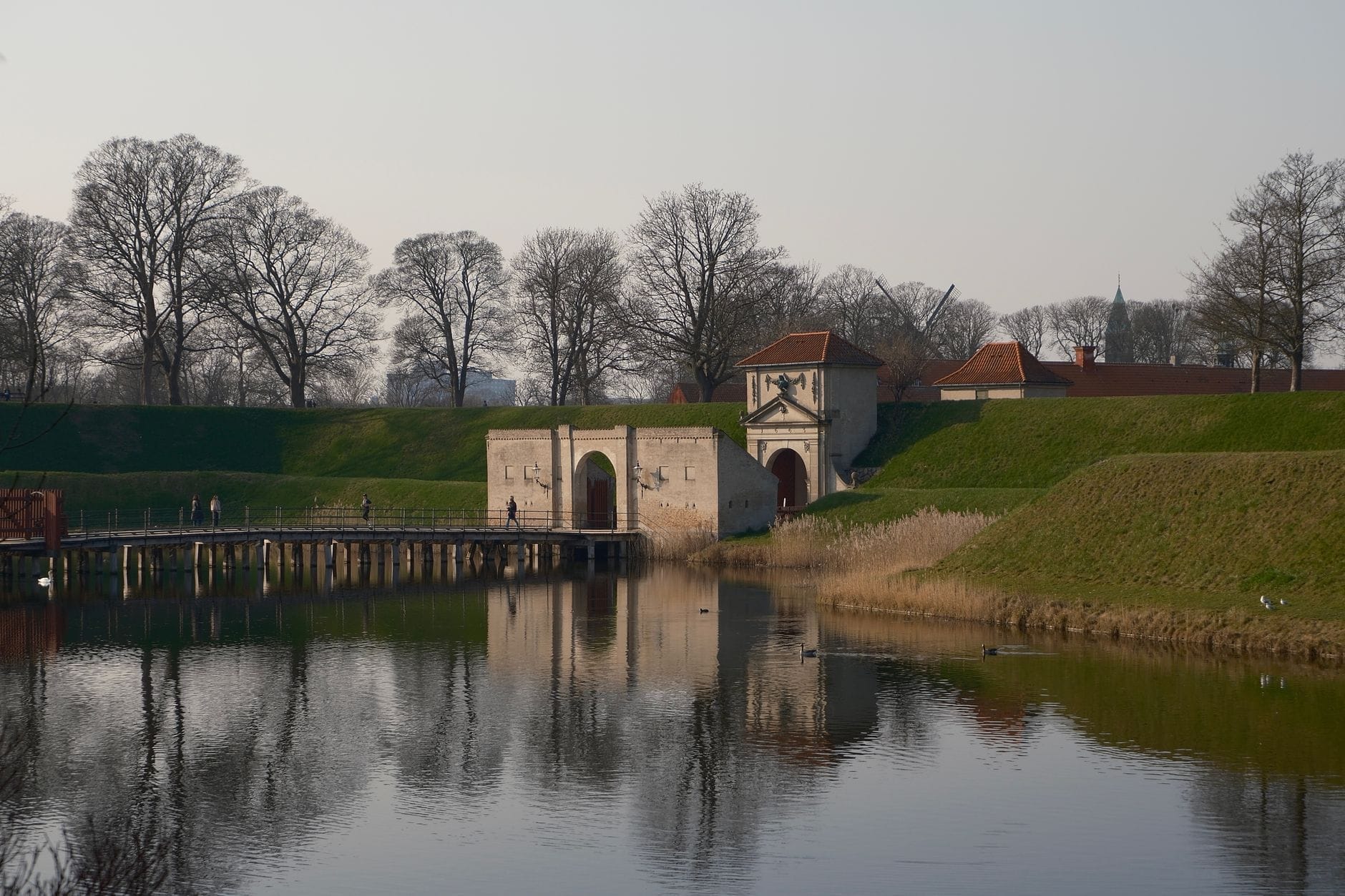
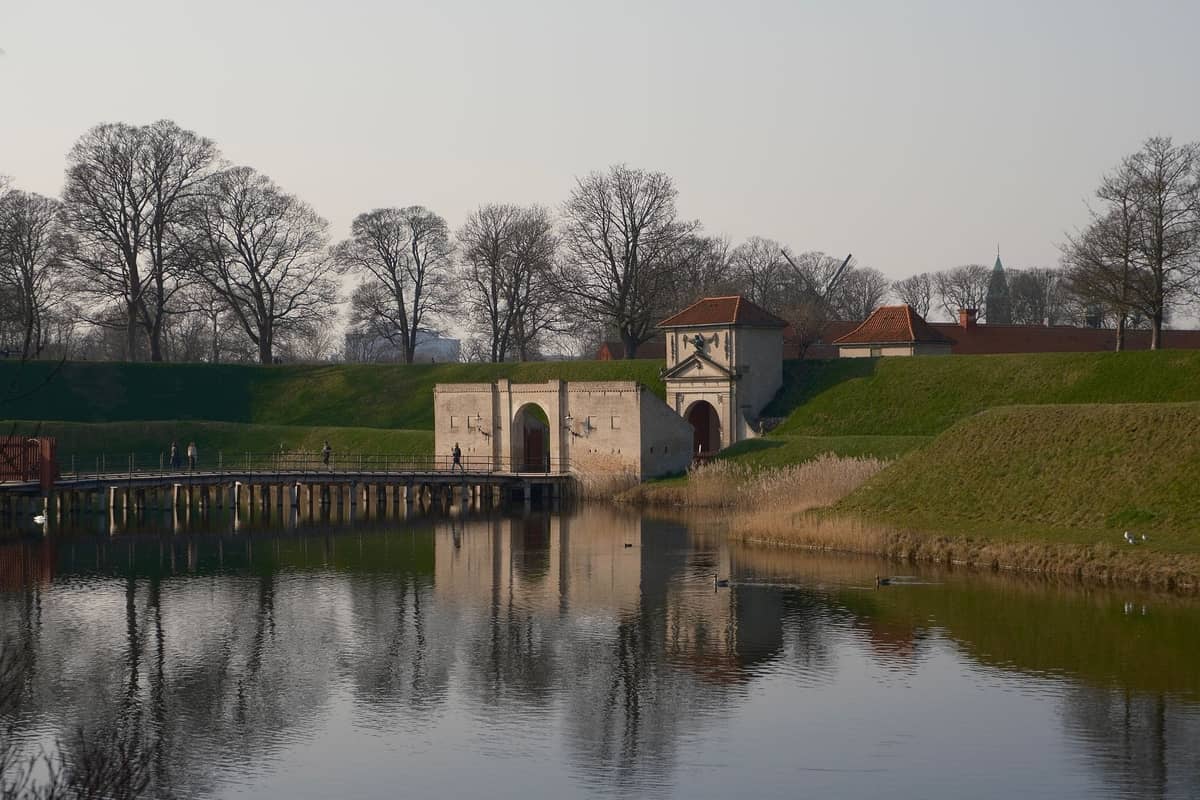
16. Walk the Ramparts of Copenhagen's 17th-Century Star Fortress
One of the best-preserved star fortresses in northern Europe, Kastellet is still used by the Danish military but freely open for walking. The pentagonal earthwork ramparts, windmills, and moat create an atmosphere unlike anything else in the city. Allow 45 minutes.
Explore16. Walk the Ramparts of Copenhagen's 17th-Century Star Fortress
One of the best-preserved star fortresses in northern Europe, Kastellet is still used by the Danish military but freely open for walking. The pentagonal earthwork ramparts, windmills, and moat create an atmosphere unlike anything else in the city. Allow 45 minutes.
Explore💡 Local tip
Dyrehave, Kastellet, the Botanical Garden, and the Lakes are all free to enter and accessible year-round. Combine two or three in a single day for a full off-the-beaten-path itinerary without spending a krone on admission.
Food, Markets, and Neighbourhood Culture
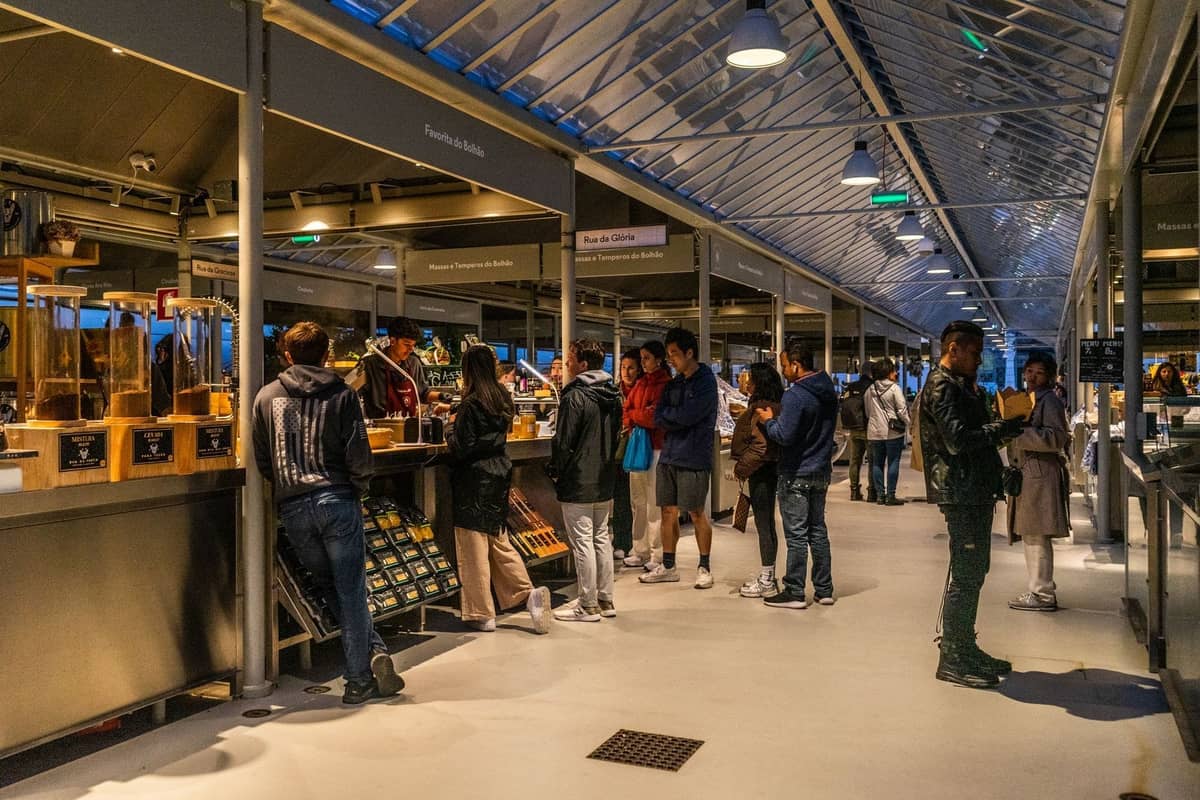
Copenhagen's food scene extends well beyond Noma and the New Nordic fine-dining circuit. For a deep dive into what and where to eat, our Copenhagen food guide covers everything from smørrebrød counters to street food markets. The picks below are the spots where locals actually spend their time.
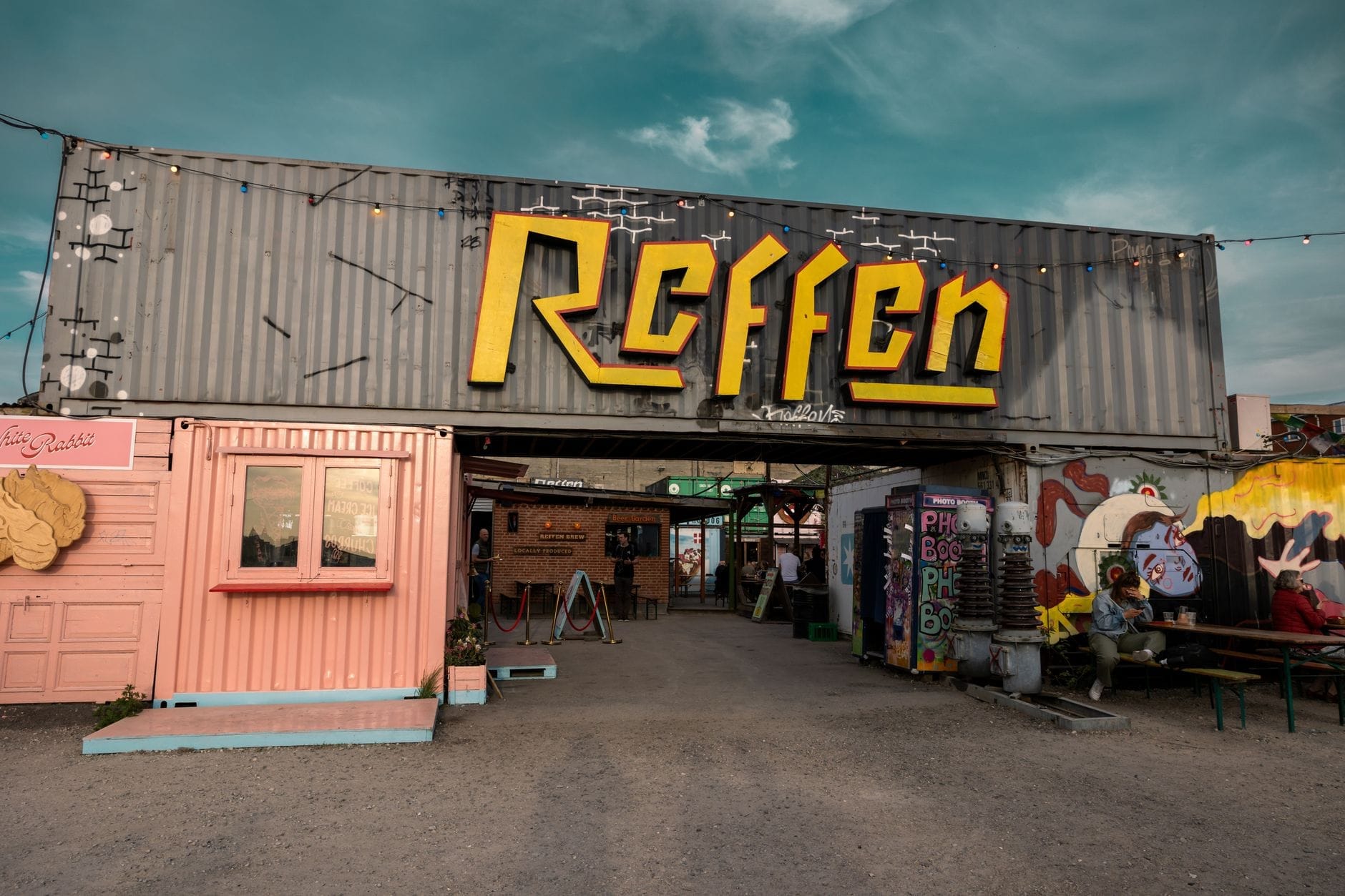
17. Eat Your Way Around the World at Reffen on Refshaleøen
Over 50 food stalls on a former shipyard on Refshaleøen island, open from spring through autumn. The waterfront setting and international range of food, Korean BBQ, Ethiopian injera, Danish smørrebrød, make this one of Copenhagen's most enjoyable outdoor eating experiences.
Explore17. Eat Your Way Around the World at Reffen on Refshaleøen
Over 50 food stalls on a former shipyard on Refshaleøen island, open from spring through autumn. The waterfront setting and international range of food, Korean BBQ, Ethiopian injera, Danish smørrebrød, make this one of Copenhagen's most enjoyable outdoor eating experiences.
Explore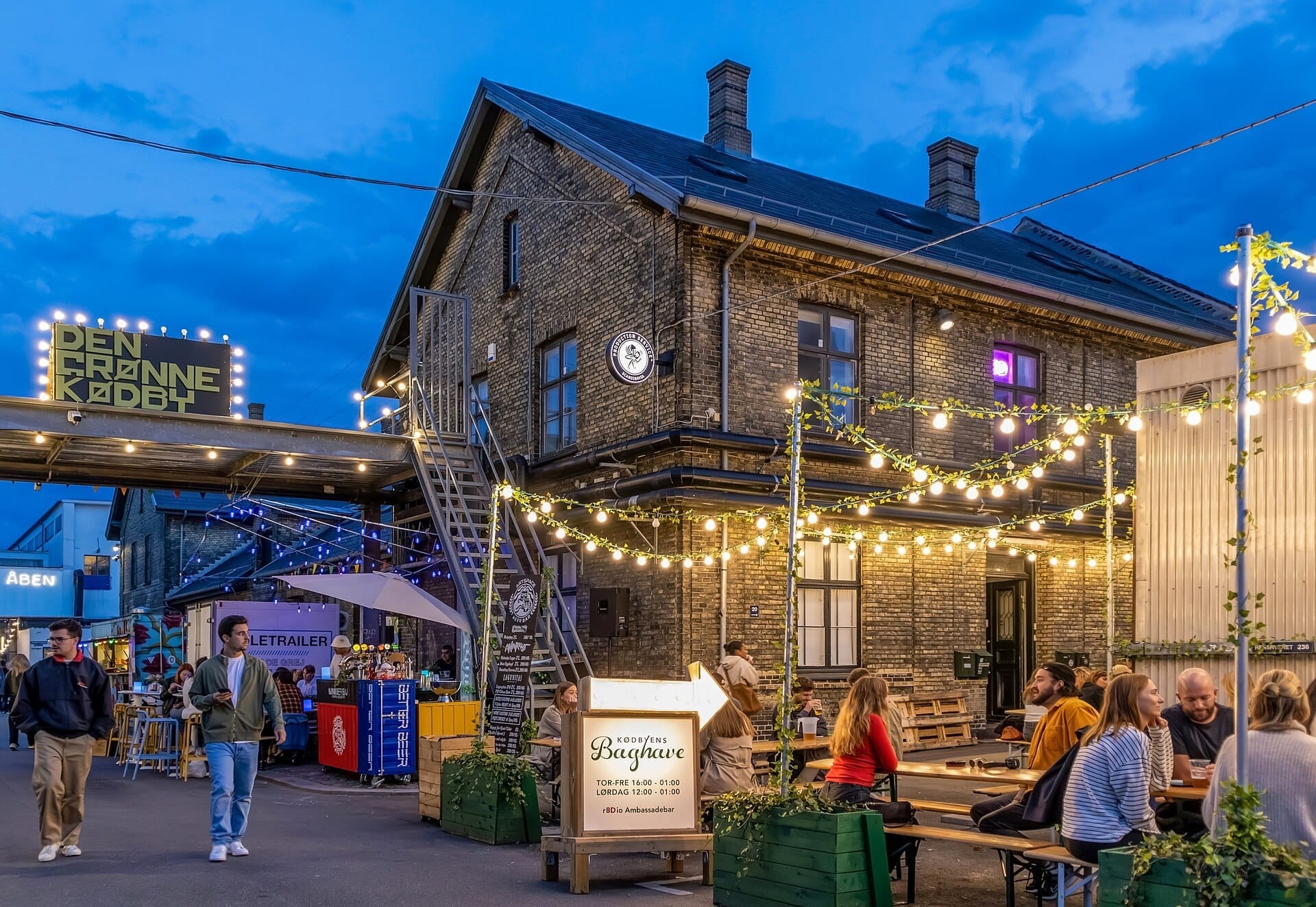
18. Eat and Drink in the Converted Abattoirs of Kødbyen
Vesterbro's former meat-processing quarter is now Copenhagen's most concentrated restaurant and bar district. The white-tiled industrial buildings house everything from natural wine bars to ramen shops. Go on a weeknight for a more local crowd and easier table availability.
Explore18. Eat and Drink in the Converted Abattoirs of Kødbyen
Vesterbro's former meat-processing quarter is now Copenhagen's most concentrated restaurant and bar district. The white-tiled industrial buildings house everything from natural wine bars to ramen shops. Go on a weeknight for a more local crowd and easier table availability.
Explore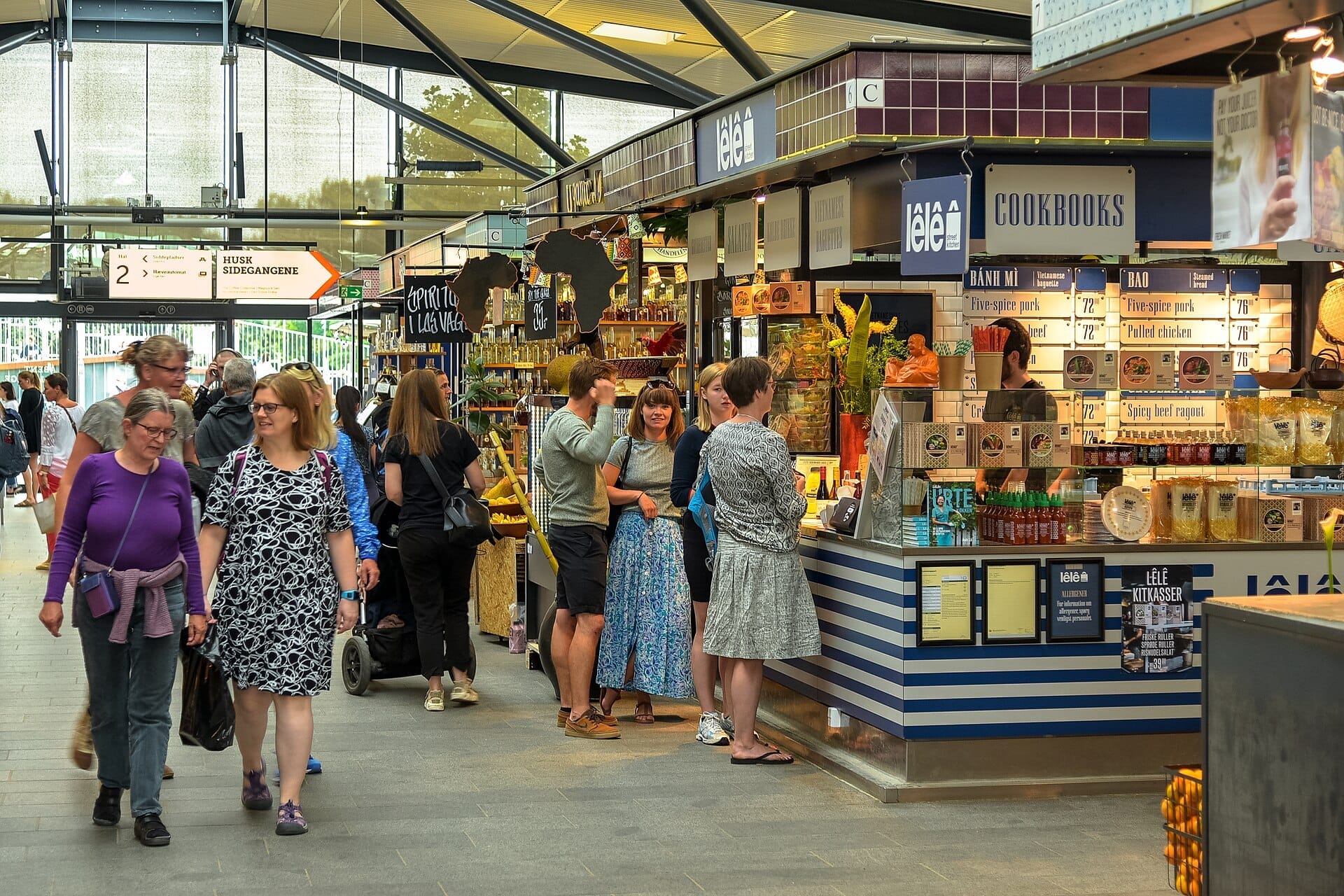
19. Taste Copenhagen's Best Produce at Torvehallerne Food Market
Two glass halls near Nørreport station house 60+ stalls selling fresh produce, smørrebrød, artisan cheese, specialty coffee, and pastries. Most visitors head to Nyhavn for lunch. Locals come here. It's the single best place to experience Copenhagen's food culture in one stop.
Explore19. Taste Copenhagen's Best Produce at Torvehallerne Food Market
Two glass halls near Nørreport station house 60+ stalls selling fresh produce, smørrebrød, artisan cheese, specialty coffee, and pastries. Most visitors head to Nyhavn for lunch. Locals come here. It's the single best place to experience Copenhagen's food culture in one stop.
ExploreArchitecture and Design Worth Seeking Out
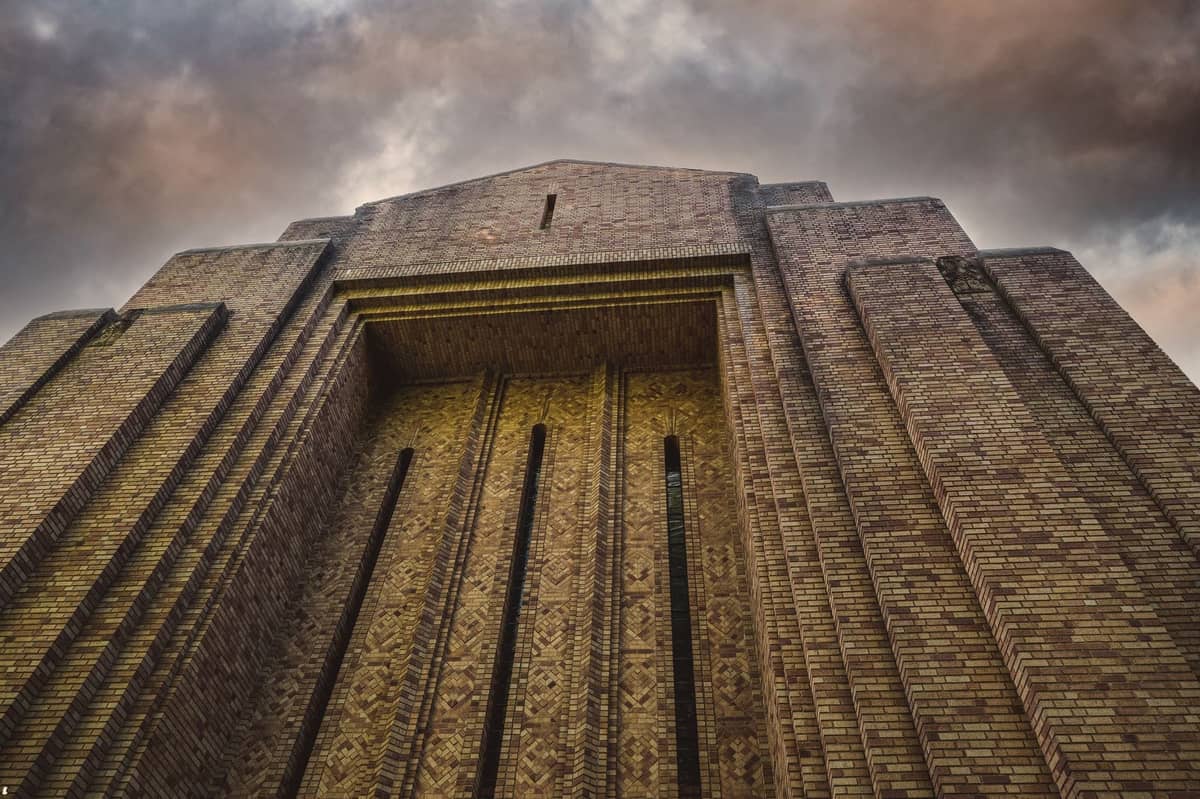
Copenhagen is one of Europe's great cities for architecture, with a legacy running from 17th-century Baroque to cutting-edge contemporary. Most visitors see Christiansborg and the Church of Our Saviour; fewer seek out the pieces below. Our Copenhagen design and architecture guide goes into more depth on the full landscape.
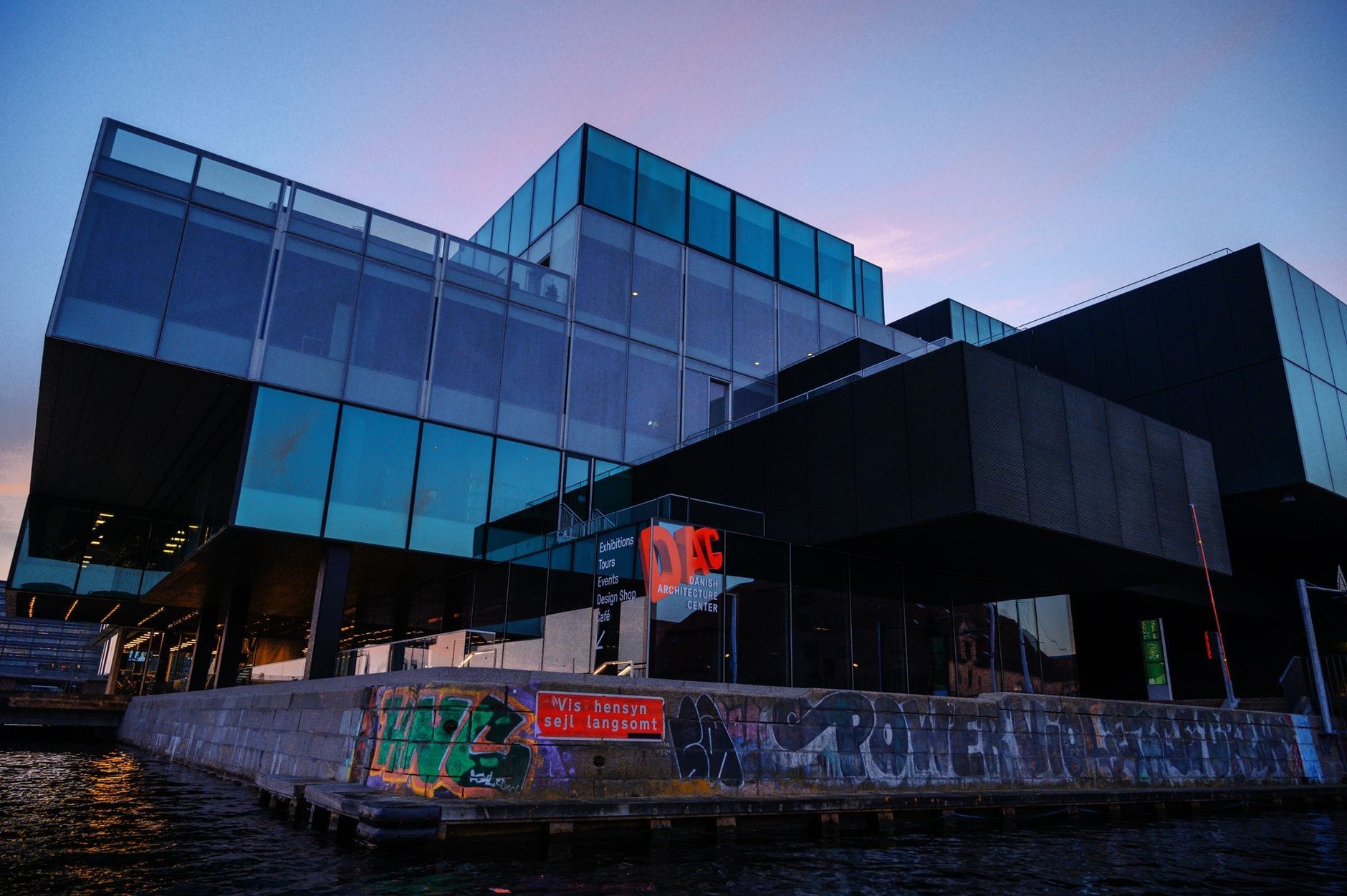
20. Get Inside the OMA-Designed BLOX Building at the Architecture Center
The Danish Architecture Center occupies BLOX, a striking Rem Koolhaas building cantilevered over the harbour. The exhibitions focus on Danish and Scandinavian architecture and urbanism. The building itself, with its complex interlocking volumes, is worth visiting even without an exhibition.
Explore20. Get Inside the OMA-Designed BLOX Building at the Architecture Center
The Danish Architecture Center occupies BLOX, a striking Rem Koolhaas building cantilevered over the harbour. The exhibitions focus on Danish and Scandinavian architecture and urbanism. The building itself, with its complex interlocking volumes, is worth visiting even without an exhibition.
Explore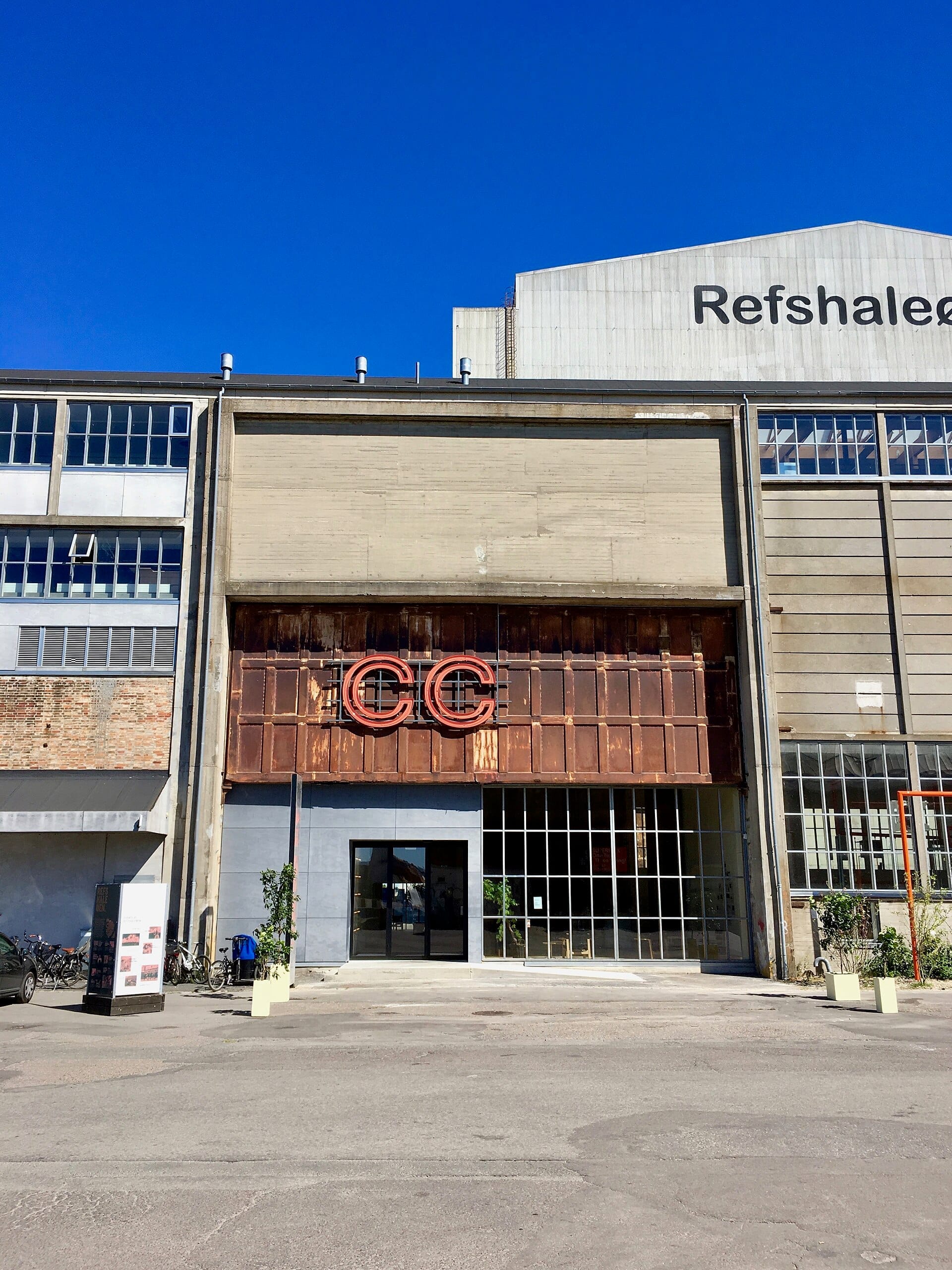
21. Experience Large-Scale Art Installations at Copenhagen Contemporary
A vast former industrial hall on Refshaleøen hosts Copenhagen's largest contemporary art venue. The raw-industrial space suits monumental installations that wouldn't fit anywhere else in the city. Combine with Reffen next door for a full afternoon on the island.
Explore21. Experience Large-Scale Art Installations at Copenhagen Contemporary
A vast former industrial hall on Refshaleøen hosts Copenhagen's largest contemporary art venue. The raw-industrial space suits monumental installations that wouldn't fit anywhere else in the city. Combine with Reffen next door for a full afternoon on the island.
Explore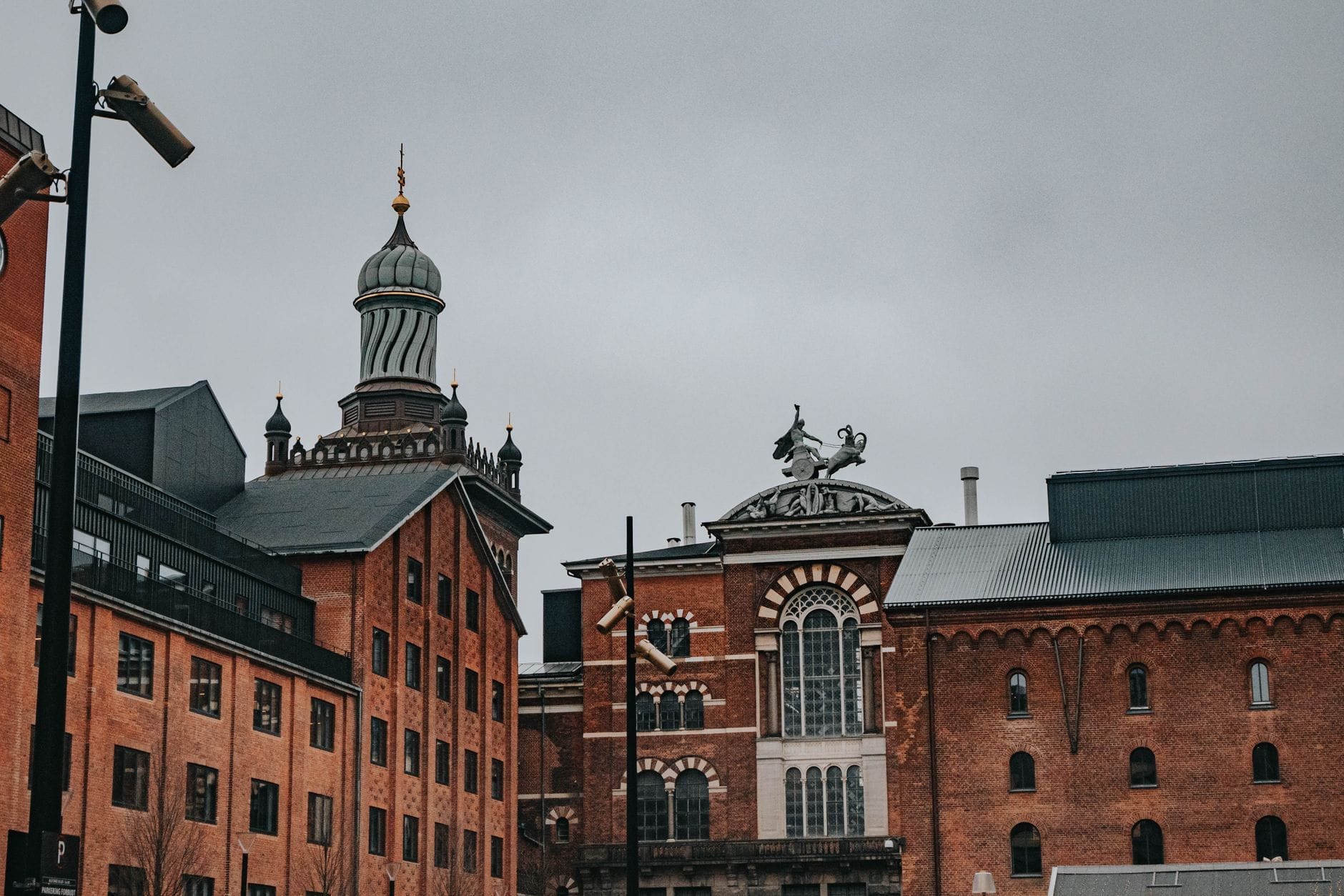
22. Wander the Converted Brewery Complex at Carlsberg Byen
The former Carlsberg brewery in Vesterbro is being transformed into a new neighbourhood, with the historic buildings, including the iconic Elephant Gate, now open for exploration. Restaurants, cultural spaces, and the Visitor Centre make this a full afternoon stop.
Explore22. Wander the Converted Brewery Complex at Carlsberg Byen
The former Carlsberg brewery in Vesterbro is being transformed into a new neighbourhood, with the historic buildings, including the iconic Elephant Gate, now open for exploration. Restaurants, cultural spaces, and the Visitor Centre make this a full afternoon stop.
Explore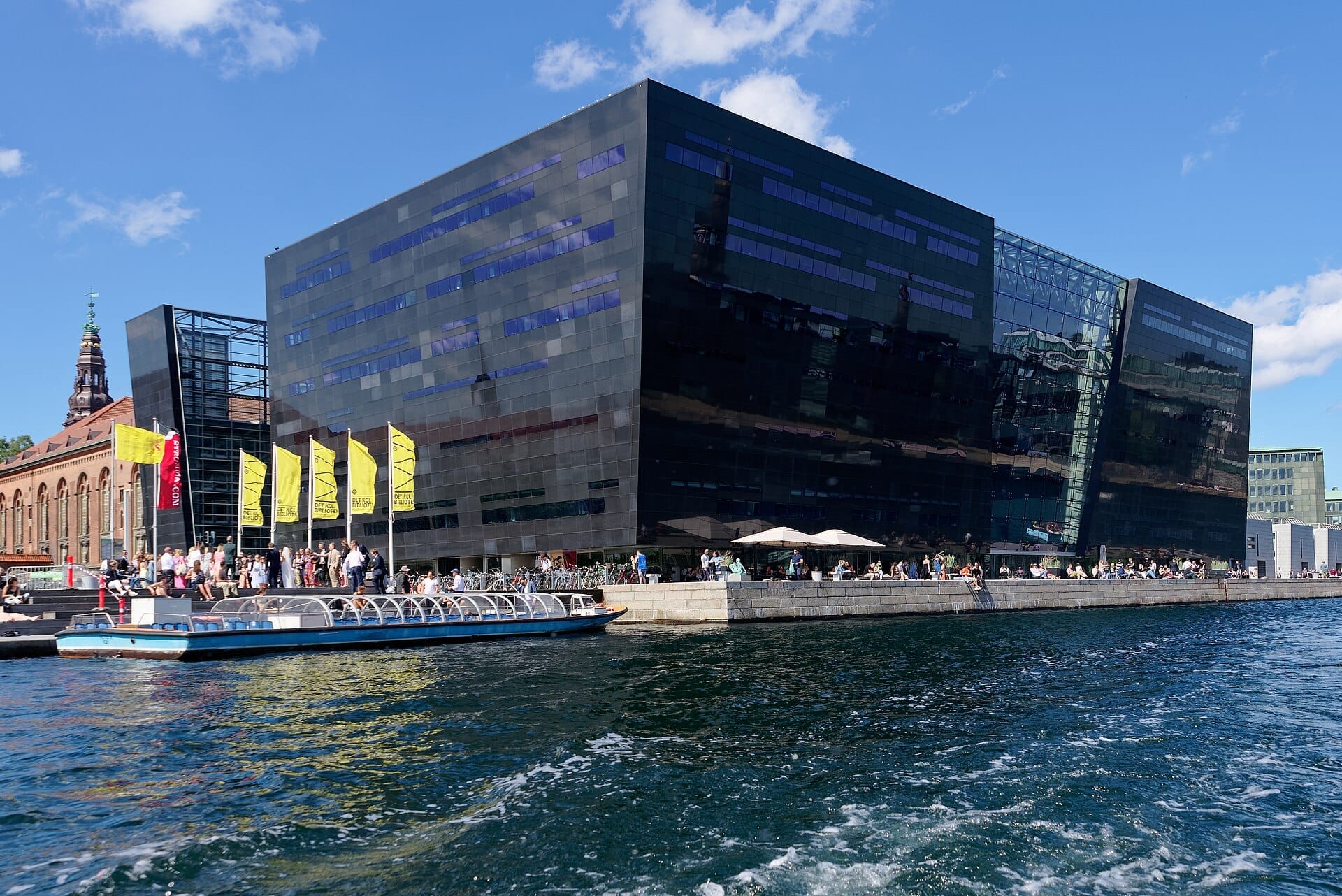
23. Climb to the Rooftop Terrace of the Royal Library's Black Diamond
This black granite cube cantilevered over the harbour is one of Copenhagen's most celebrated contemporary buildings. The rooftop terrace offers harbour views most visitors never find. Inside: reading rooms, a concert hall, and rotating exhibitions. Entry to the building is free.
Explore23. Climb to the Rooftop Terrace of the Royal Library's Black Diamond
This black granite cube cantilevered over the harbour is one of Copenhagen's most celebrated contemporary buildings. The rooftop terrace offers harbour views most visitors never find. Inside: reading rooms, a concert hall, and rotating exhibitions. Entry to the building is free.
ExploreFAQ
What are the best free hidden gems in Copenhagen?
The David Collection (Islamic art museum with free admission), Kastellet fortress, Assistens Cemetery, Superkilen park, the Botanical Garden, and Jægersborg Dyrehave are all free to enter and genuinely off the tourist circuit. The Black Diamond library is also free to enter.
Which Copenhagen hidden gems are easy to reach without a car?
Most are reachable by metro, S-train, or bus. Dragør is around 35–45 minutes from the city by bus. Dyrehave is 25 minutes by S-train to Klampenborg. Arken Museum is under 40 minutes by S-train. Reffen and Copenhagen Contemporary on Refshaleøen are reachable by harbour bus or a short bike ride from Christianshavn.
Is Freetown Christiania safe to visit?
Christiania is generally safe for visitors during daylight hours. Photography is not permitted in certain areas, particularly around the open-air market on Pusher Street, and these rules are clearly marked. Walk respectfully, follow the posted guidelines, and you'll have a fascinating visit.
Are there hidden gems in Copenhagen suitable for rainy days?
Yes. The David Collection, Ny Carlsberg Glyptotek (with its glass-roofed winter garden), Thorvaldsens Museum, Copenhagen Contemporary, and the Danish Architecture Center at BLOX are all fully indoors and excellent in any weather.
When is the best time to visit Copenhagen's lesser-known outdoor spots?
May to September gives the best conditions for Dragør, Reffen, Dyrehave, and the Lakes. Assistens Cemetery and Kastellet are atmospheric year-round. The Botanical Garden's Palm House is particularly rewarding in winter when the contrast with outside is greatest.