Smørrebrød in Copenhagen: Where to Eat Denmark's Iconic Open Sandwich
Smørrebrød is Denmark's defining lunch tradition, and Copenhagen is the best place in the world to eat it. This guide covers the top restaurants, what to order, how much to pay, and the customs first-timers always get wrong.
Plan and book this trip
Tools from our partner Travelpayouts help you compare flights and hotels. If you book through them, we may earn a commission at no extra cost to you.
Flights
Hotels map
TL;DR
- Smørrebrød is an open-faced rye-bread sandwich eaten at lunch, not dinner. Most dedicated restaurants close by mid-afternoon.
- The best spots range from the 1877-founded Restaurant Schønnemann to modern Michelin Bib Gourmand restaurants like Selma. See the full Copenhagen food guide for broader dining context.
- Budget for around 89–200 DKK per plate depending on venue. High-end spots cost more but are not necessarily better value.
- Reservations are essential at Schønnemann, Palægade, Aamanns 1921, and Selma, especially on weekends.
- Smørrebrød is eaten with a knife and fork, follows strict composition rules, and almost always uses dense sourdough rye bread (rugbrød), not white bread.
What Smørrebrød Actually Is (And What It Isn't)
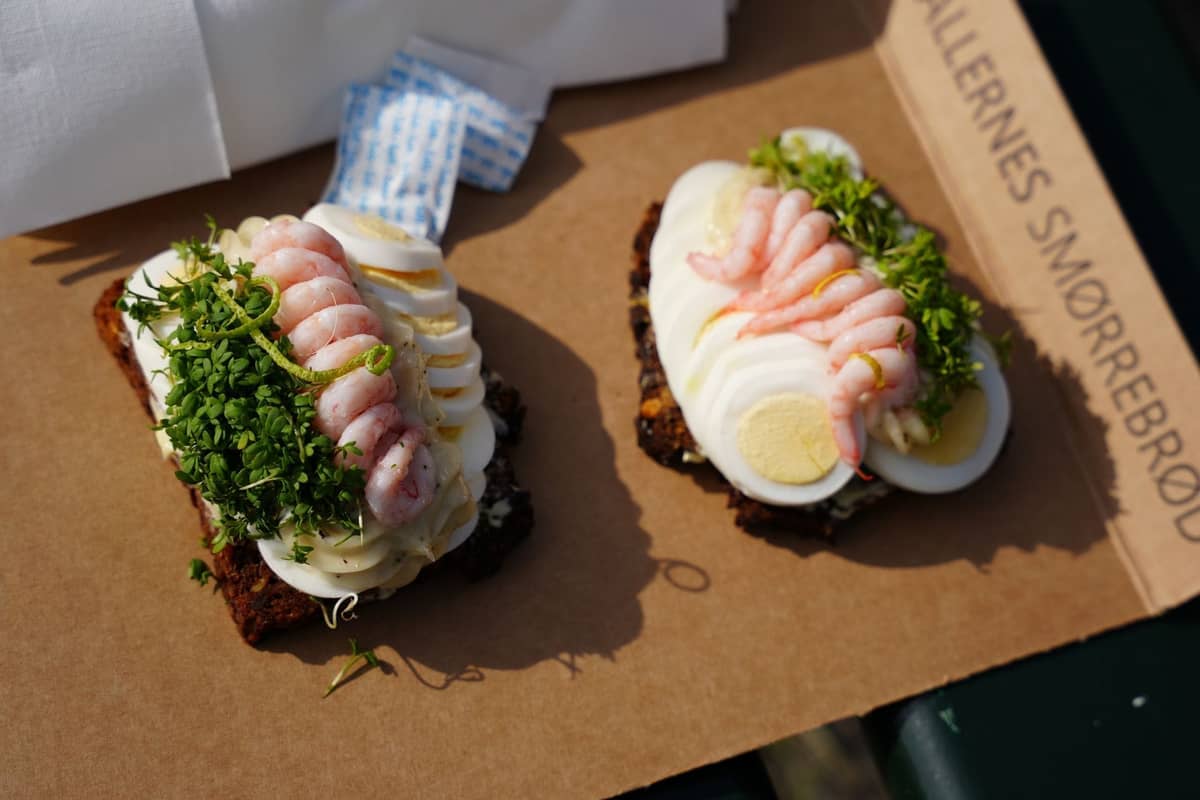
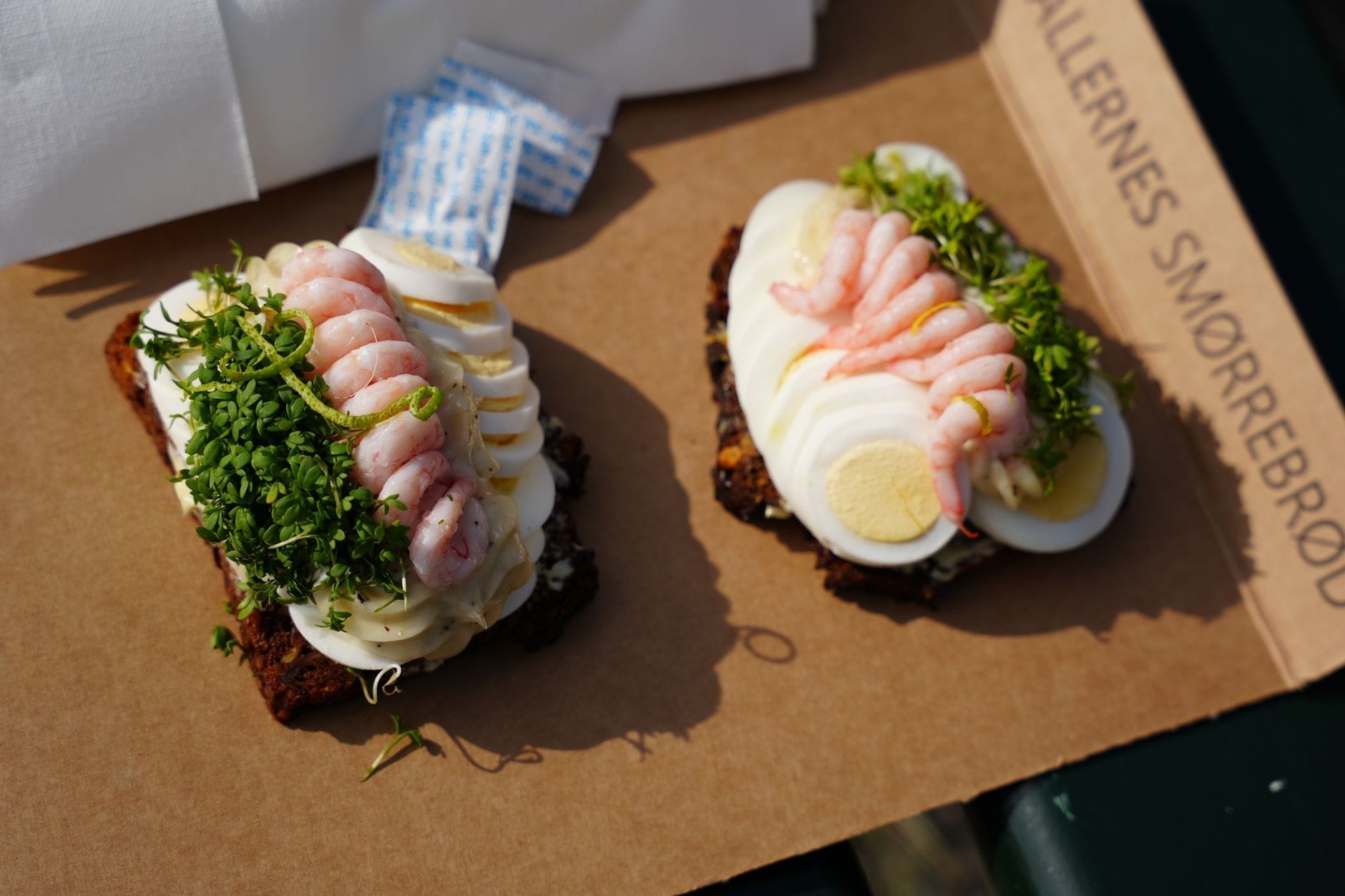
Smørrebrød translates literally as 'butter bread', but that undersells it significantly. The foundation is rugbrød, a dense, slightly sour sourdough rye loaf that is nothing like the rye bread sold in most countries. It is dark, moist, and sturdy enough to carry substantial toppings without turning soggy. The base is always buttered, then layered with a combination of proteins, pickled or fermented elements, fresh garnishes, and sauces. The best versions are composed as carefully as a starter course in a fine-dining restaurant.
Classic toppings include pickled herring (sild) in various preparations, cold roast beef with remoulade and crispy onions, plaice with shrimp and dill, leverpostej (liver pâté) with pickled beetroot, and in spring and summer, new potatoes with herbs. Each piece follows internal logic: contrast of textures, balance of acidity and richness, and a defined garnish that finishes the composition. This is not a build-your-own affair.
ℹ️ Good to know
Smørrebrød is eaten with a knife and fork, even though it technically fits the definition of a sandwich. Picking it up by hand in a traditional restaurant will mark you as someone who has never eaten it before. The toppings are stacked too generously to hold anyway.
The meal is strictly a lunchtime tradition. Most dedicated smørrebrød restaurants in Copenhagen open around 11:30 and stop serving by 15:00 or 16:00 at the latest. If you show up expecting dinner, you will be disappointed. A handful of more modern restaurants extend service or offer smørrebrød as part of evening menus, but this is the exception. Plan your day around a midday sitting.
Traditional Smørrebrød Restaurants Worth Booking
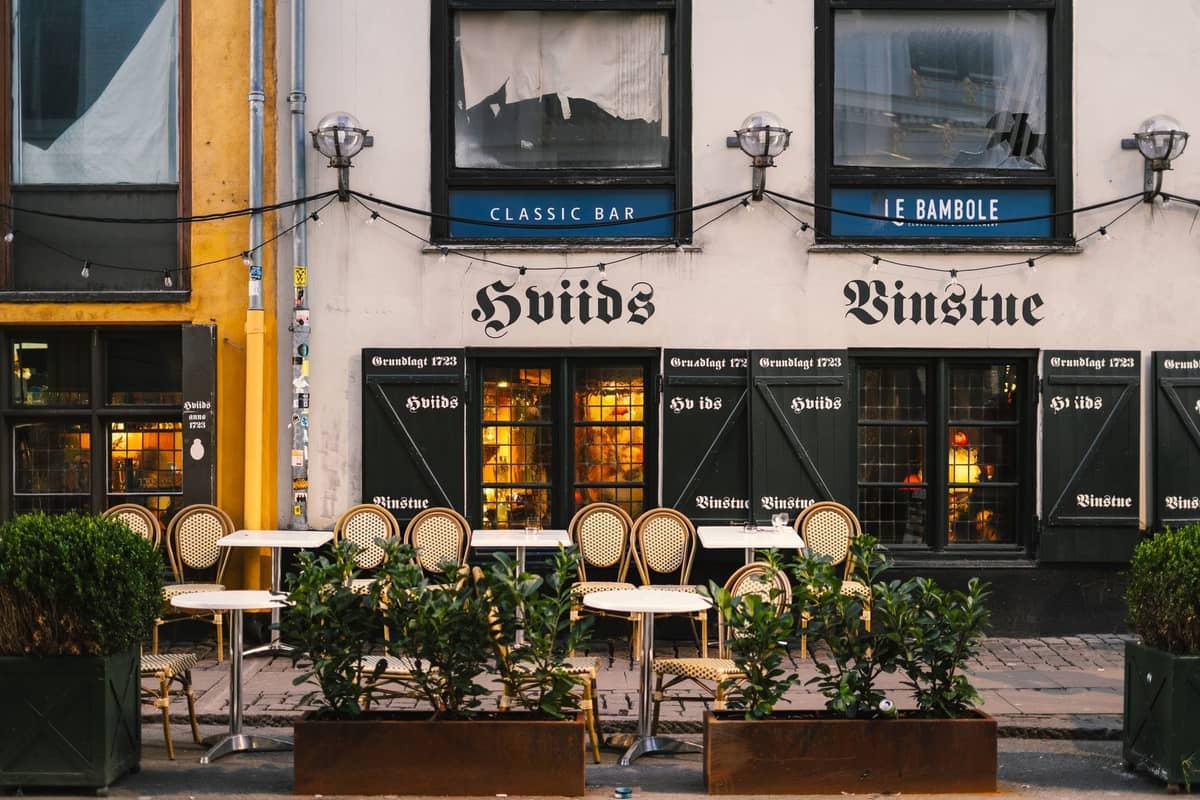
Restaurant Schønnemann, founded in 1877 in Indre By, is the closest thing Copenhagen has to a smørrebrød institution. The menu runs to dozens of pieces, the interior has barely changed in decades, and the aquavit list is serious. It is not cheap, but it is the benchmark against which every other traditional smørrebrød restaurant in the city is measured. Reservations are required and often need to be made days or weeks ahead.
Restaurant Palægade, located near Kongens Nytorv, sits at the top of most serious smørrebrød lists. It is part of the Formel B group, which signals a professional kitchen behind what looks like a straightforward lunch offer. The service is formal without being stiff, and the classic preparations, especially the herring plates, are exceptionally well-executed. Like Schønnemann, it books out quickly on weekends.
- Restaurant Schønnemann Founded 1877, Hauser Plads, Indre By. The definitive traditional experience. Extensive aquavit list. Reservations essential.
- Restaurant Palægade Near Kongens Nytorv. Part of the Formel B group. Precise, classical smørrebrød with excellent herring preparations. Book ahead.
- Told & Snaps Toldbodgade, close to the waterfront. Reliable traditional smørrebrød, more relaxed atmosphere than Schønnemann. A good fallback if the bigger names are full.
- Lumskebugten One of the older dining rooms in the city. Traditional Danish lunch institution with an old-fashioned dining room that suits the food.
- Café & Øl-halle at Arbejdermuseet Museum café at the Workers' Museum in Nørrebro. Affordable, authentic, and low on tourist theatre. One of the better cheap options in the city.
⚠️ What to skip
Nyhavn is lined with restaurants advertising smørrebrød to tourists. The canal views are photogenic but the food at most of these places is overpriced and prepared without care. If you want a proper smørrebrød experience, stay away from the waterfront tourist strip and book one of the restaurants listed here.
Modern and Chef-Driven Smørrebrød
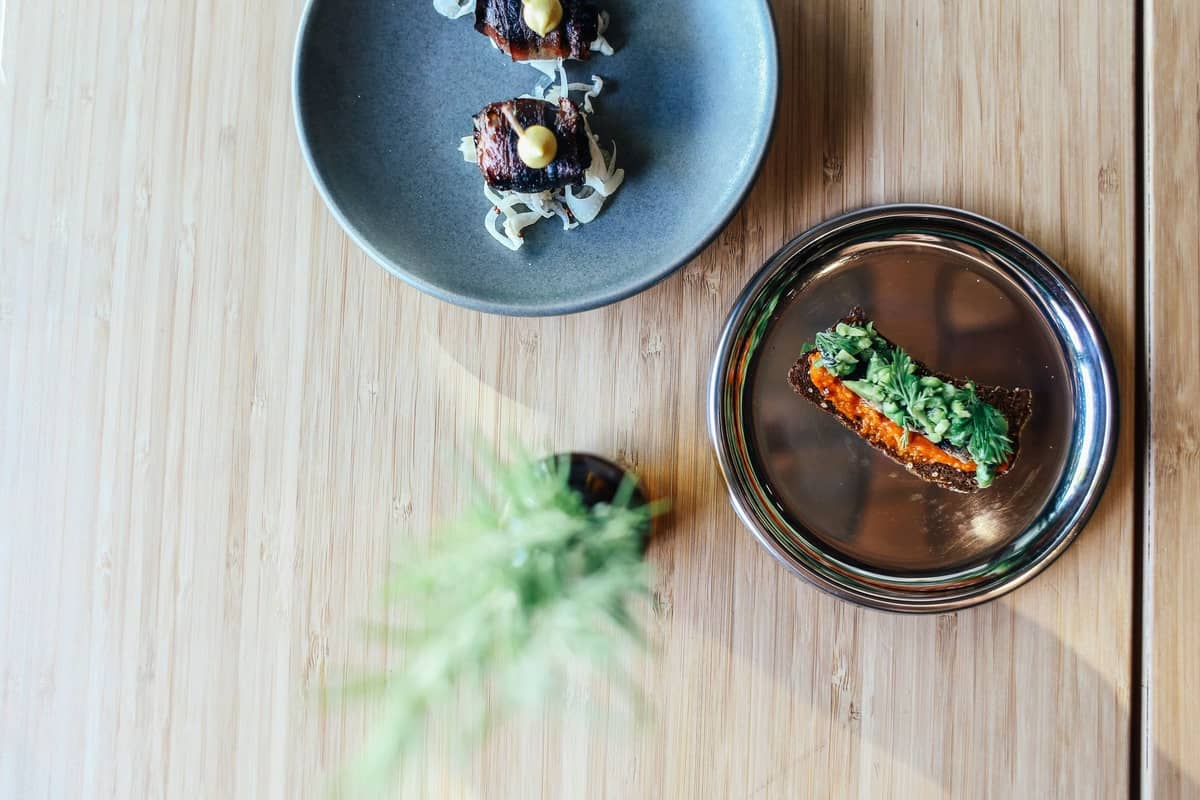
Copenhagen's New Nordic wave reshaped how younger chefs approach smørrebrød. The tradition stayed intact but the plating became more deliberate, the ingredient sourcing more seasonal, and the overall experience closer to a tasting lunch than a quick meal. These restaurants cost more and expect a little more of the diner, but the gap in quality between the best modern spots and the old institutions is smaller than you might expect.
Selma, in Indre By, holds a Michelin Bib Gourmand, which in practical terms means it offers exceptional value for the quality. The menu runs as a multi-course smørrebrød progression rather than a pick-your-own list, and the plating is notably more refined than at traditional spots. It is not for everyone: if you want to order three pieces and eat at your own pace, a classic restaurant suits you better. But if you want to understand what New Nordic cuisine looks like applied to everyday Danish food, Selma is a strong answer.
Aamanns 1921 is the flagship of the Aamanns group, which has done more than almost any other operation to modernise smørrebrød's image. The restaurant focuses on seasonal Danish produce, meaning the menu shifts meaningfully between winter and summer. New potatoes with herbs in June look nothing like the root vegetable and game preparations of November. The group also runs locations at Copenhagen Airport, which is genuinely useful if you want a proper Danish lunch before or after a flight.
Møntergade is frequently mentioned alongside Selma and Aamanns 1921 as one of the more exciting modern options. It has a tighter menu than some competitors and an emphasis on clean, direct flavours. The room is small, which means it books out fast. Check availability well before your travel dates if this is a priority.
Prices and What to Expect to Pay
Smørrebrød pricing in Copenhagen varies widely and it helps to calibrate expectations before you sit down. At the affordable end, places like Café Halvvejen in the city centre offer three pieces for around 89 DKK. Museum cafés and workers' canteen-style spots fall into a similar bracket. These are honest, filling meals without ceremony.
At traditional institutions like Schønnemann and Palægade, individual pieces typically run from around 100 to 175 DKK each, and a proper lunch of three to four pieces with a beer or aquavit can reach 500 to 700 DKK per person without difficulty. Modern chef-driven restaurants like Selma and Aamanns 1921 sit in a similar price range per piece, but a multi-course menu at Selma will push the total higher. None of these are budget options, but in the context of Copenhagen dining overall, a smørrebrød lunch at a quality restaurant is often better value than dinner at an equivalent level.
💡 Local tip
Tipping is not mandatory in Denmark and service charges are generally included. Rounding up or leaving a small amount is common at sit-down restaurants but not expected. Do not feel obliged to tip beyond what feels natural to you.
- Budget (under 150 DKK for a plate): museum cafés, Café Halvvejen, Café & Øl-halle at Arbejdermuseet
- Mid-range (150–400 DKK for a 2-3 piece lunch): Told & Snaps, Gitte Kik, Rørt at food markets
- High-end (400–700+ DKK for a full lunch): Schønnemann, Palægade, Aamanns 1921, Selma, Møntergade
Market Stalls and Casual Options
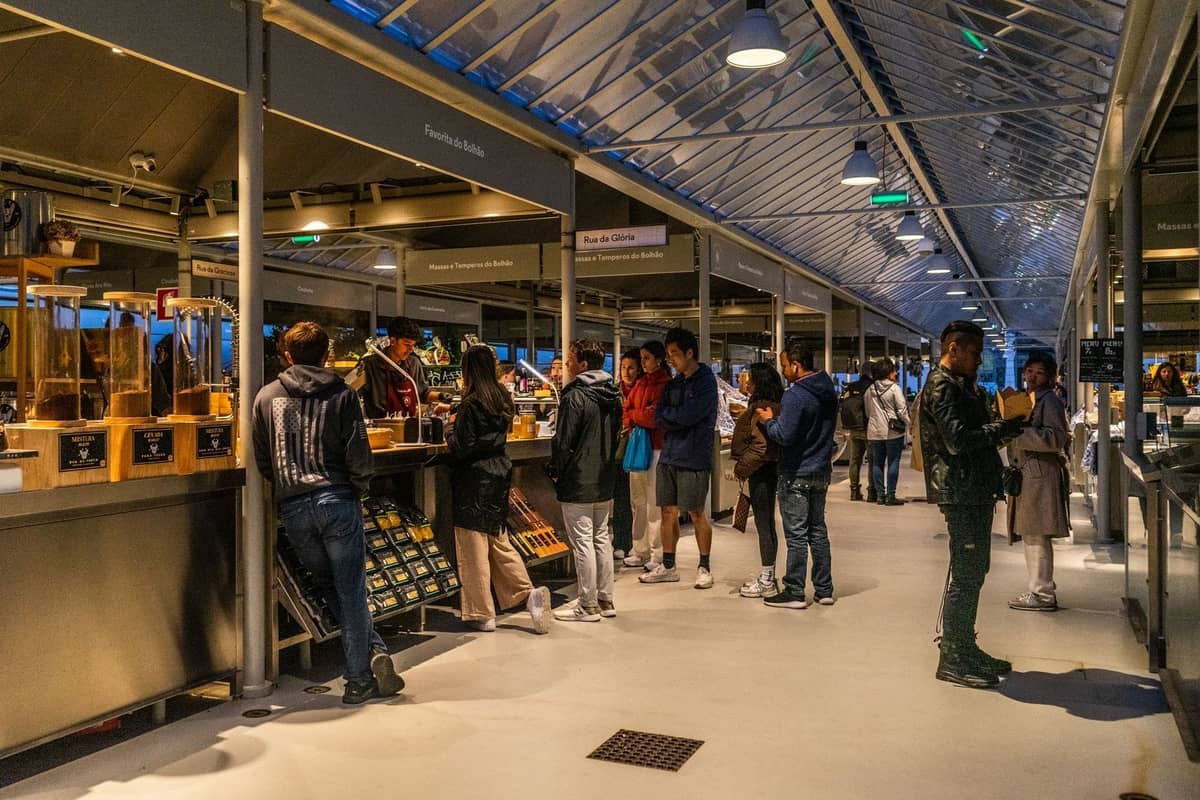
Not every smørrebrød experience requires a formal reservation and a two-hour lunch. Torvehallerne, the covered food market near Nørreport station, has vendors selling smørrebrød to go. The quality is generally solid, the prices are lower than at sit-down restaurants, and you can eat by the canal or in the nearby botanical garden. It suits travellers who want the food without the formality.
Rørt is a name that appears in market contexts and is worth looking out for at pop-ups and food events. The product is more casual but the sourcing is taken seriously. For visitors on a tighter schedule or budget, this kind of market-style smørrebrød is a reasonable introduction before committing to a full sit-down lunch at one of the major restaurants.
Practical Tips: Booking, Timing, and Customs
Reservations at the top traditional and modern restaurants should be made as far in advance as possible, particularly for weekends between May and September. Schønnemann and Palægade can fill weeks ahead during peak season. Selma and Møntergade are smaller rooms and behave similarly. Aamanns 1921 has slightly more capacity but still warrants booking ahead. Most accept reservations directly through their own websites.
Timing your visit matters. Smørrebrød is a lunch meal, full stop. Arrive between noon and 13:30 to get the full menu and unhurried service. Arriving after 14:00 at some restaurants means a reduced selection as dishes run out. If your Copenhagen itinerary is primarily afternoon and evening, you will need to restructure one day to fit a proper smørrebrød lunch in. It is worth doing. Pair it with a morning at Rosenborg Castle or a walk through the city centre, and you have a natural rhythm to the day.
Aquavit is the traditional accompaniment to smørrebrød, particularly herring. It is a caraway or dill-flavoured spirit served cold in small glasses, and the ritual of drinking it alongside pickled fish is genuinely part of the experience at old-school restaurants. You are not required to drink it, and a cold Danish beer (often a Carlsberg or a craft pilsner) is an equally appropriate pairing. If you want more context on how this fits into broader Danish food culture, the Copenhagen food guide covers the wider dining scene in detail.
FAQ
What is smørrebrød and why is it eaten at lunch?
Smørrebrød is a Danish open-faced sandwich built on dense sourdough rye bread (rugbrød) with layered toppings including pickled herring, cold cuts, egg, shrimp, or potatoes. It became established as a lunchtime meal historically because it was practical, filling, and could be assembled from preserved or leftover foods. The tradition has stuck: virtually all dedicated smørrebrød restaurants in Copenhagen operate only at lunch, typically from around 11:30 to 15:00 or 16:00.
Do I need to book a smørrebrød restaurant in advance?
Yes, for the well-known spots. Restaurant Schønnemann, Palægade, Aamanns 1921, Selma, and Møntergade all fill up quickly, especially on weekends and during the May to September peak season. Book directly through the restaurant's website as early as possible. For casual options like market stalls at Torvehallerne or museum cafés, no reservation is needed.
How much does smørrebrød cost in Copenhagen?
It depends significantly on the venue. Budget options like Café Halvvejen offer three pieces for around 89 DKK. At traditional institutions and modern chef-driven restaurants, individual pieces range from roughly 100 to 175 DKK, and a full lunch of three to four pieces with a drink can easily reach 500 to 700 DKK per person. Market stalls fall between these extremes.
What is the best smørrebrød restaurant in Copenhagen?
There is no single answer, because the best option depends on what you are looking for. For tradition and history, Restaurant Schønnemann (founded 1877) is the benchmark. For a more precise, modern interpretation, Selma (Michelin Bib Gourmand) and Aamanns 1921 are consistently rated among the best. Palægade is widely regarded as one of the top classical options. All require advance reservations.
Is smørrebrød available at dinner in Copenhagen?
Rarely. Smørrebrød is fundamentally a lunch tradition, and most dedicated restaurants do not serve dinner. A small number of modern restaurants include smørrebrød as part of broader evening menus, but you cannot rely on finding it after 17:00. If you miss the lunch window, your best option is a market stall earlier in the day or planning a dedicated smørrebrød lunch on another day of your trip.