Shopping in Copenhagen: Best Streets, Markets & Danish Design
Copenhagen rewards shoppers at every level, from international flagships on Strøget to vintage finds on Jægersborggade. This guide breaks down where to shop by neighborhood, what to buy, how much to spend, and which spots to skip.
Plan and book this trip
Tools from our partner Travelpayouts help you compare flights and hotels. If you book through them, we may earn a commission at no extra cost to you.
Flights
Hotels map
TL;DR
- Strøget (1.1 km from City Hall Square to Kongens Nytorv) is the main shopping artery, but the side streets are where Copenhagen's design identity actually lives. See our Strøget guide for a full walkthrough.
- Torvehallerne market hall is the best single-stop for Danish food souvenirs: smørrebrød, cheese, pastries, and specialty coffee.
- Nørrebro and Vesterbro offer the best independent and vintage shopping, well away from tourist pricing.
- Danish design isn't cheap, but it's specific: look for ceramics, textiles, and furniture pieces that justify the price tag and travel well.
- Budget-conscious shoppers should check our Copenhagen on a budget guide — there are free markets and discount design outlets worth knowing.
Strøget and the Central Shopping Streets
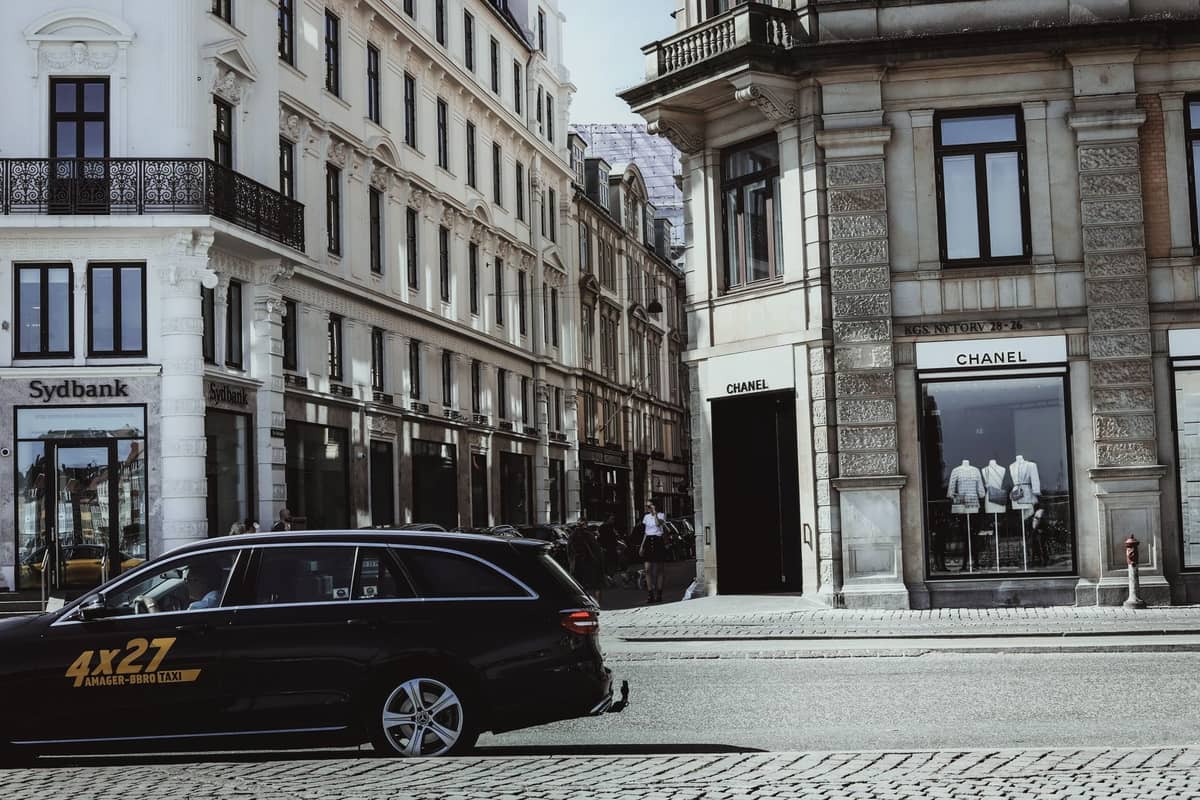
Strøget is the spine of Copenhagen shopping: a pedestrianized route roughly 1.1 km long connecting City Hall Square at the west end to Kongens Nytorv at the east. It's one of Europe's longest pedestrian shopping streets, which sounds impressive until you realize it functions mostly like a high street anywhere: Zara, H&M, Mango, and international flagships dominate the main strip.
The more interesting retail is along the parallel side streets. Strædet, just south of Strøget, has independent lifestyle boutiques, concept stores, and Danish jewellery designers. Kompagnistræde and Læderstræde extend the same energy. These streets don't have the foot traffic of Strøget but that's exactly why local boutiques can survive there.
Illums Bolighus, near Kongens Nytorv, is worth your time if Danish design interests you. It stocks furniture, ceramics, textiles, and homeware from Scandinavian designers, with a well-edited mix of established names and emerging studios. Prices are honest rather than inflated. Georg Jensen (silverware and jewellery) and Royal Copenhagen (porcelain) both have flagship stores on Strøget itself, with price tags to match their 100-plus year histories.
💡 Local tip
Visit Strøget before 10:00 on a weekday if you want to browse without crowds. Summer afternoons, especially July and August, push tourist density to a level where shopping becomes frustrating. Saturday mornings are also significantly busier than weekdays.
Købmagergade runs north from Strøget and handles a mid-market mix of pharmacy chains, premium cosmetics, and a few Danish clothing brands. It connects to the Round Tower area, so it's natural to fold into a walking day rather than treating it as a destination on its own.
Neighborhood Shopping: Nørrebro, Vesterbro, and Beyond
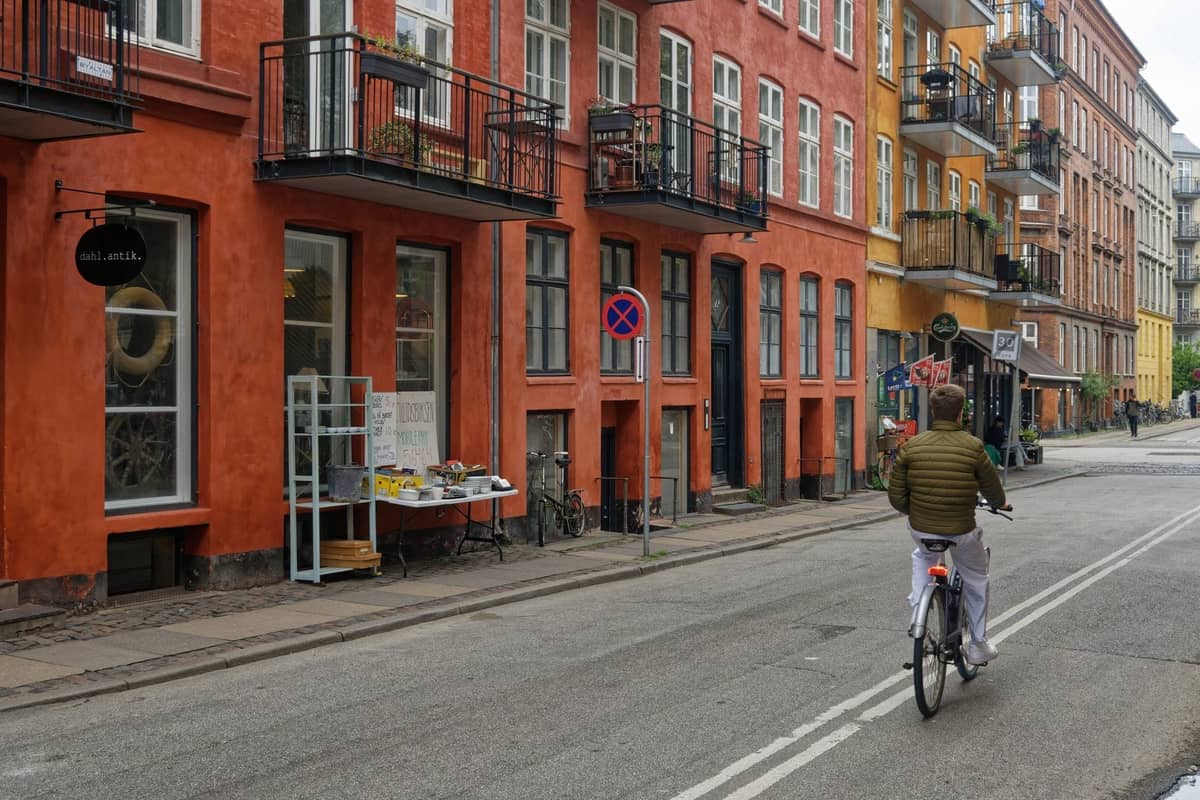
The most genuinely local shopping experience in Copenhagen sits outside the city center entirely. Nørrebro is the district to prioritize for independent retail. Jægersborggade is a short street packed with ceramicists, bookshops, concept stores, and small-batch food producers. It has developed a reputation for craft-focused retail without becoming a tourist circuit in the way some 'hip' streets eventually do.
Elmegade and the streets around Assistens Cemetery are also worth exploring in Nørrebro: vintage clothing, record shops, and local design studios are common. Prices here are noticeably lower than the city center equivalents, partly because rents are lower and partly because the customer base is local. Nørrebro's shopping pairs naturally with Assistens Cemetery, which is actually a pleasant public park where Danes picnic and cycle.
In Vesterbro, Istedgade and Værnedamsvej are the key streets. Værnedamsvej in particular has a concentrated run of independent food shops, wine merchants, and lifestyle boutiques that feel genuinely Parisian in their density and quality. It's sometimes called Copenhagen's answer to a French market street, though that comparison oversells it slightly. The Meatpacking District nearby is more restaurant-focused, but a few design and clothing shops have set up in the old industrial spaces.
- Jægersborggade (Nørrebro) Best for ceramics, craft food, independent bookshops. Compact and walkable in under 20 minutes.
- Værnedamsvej (Vesterbro) Best for specialty food, wine, and lifestyle boutiques. Strong overlap with the local food scene.
- Strædet (Indre By) Best for Danish jewellery, concept stores, and design objects. Easy access from Strøget without the crowds.
- Bredgade (Indre By) Best for antiques, art galleries, and upscale boutiques. A different pace from the main shopping streets.
- Elmegade (Nørrebro) Best for vintage clothing and records. Prices are fair and the curation is good.
Markets: Torvehallerne and Seasonal Options
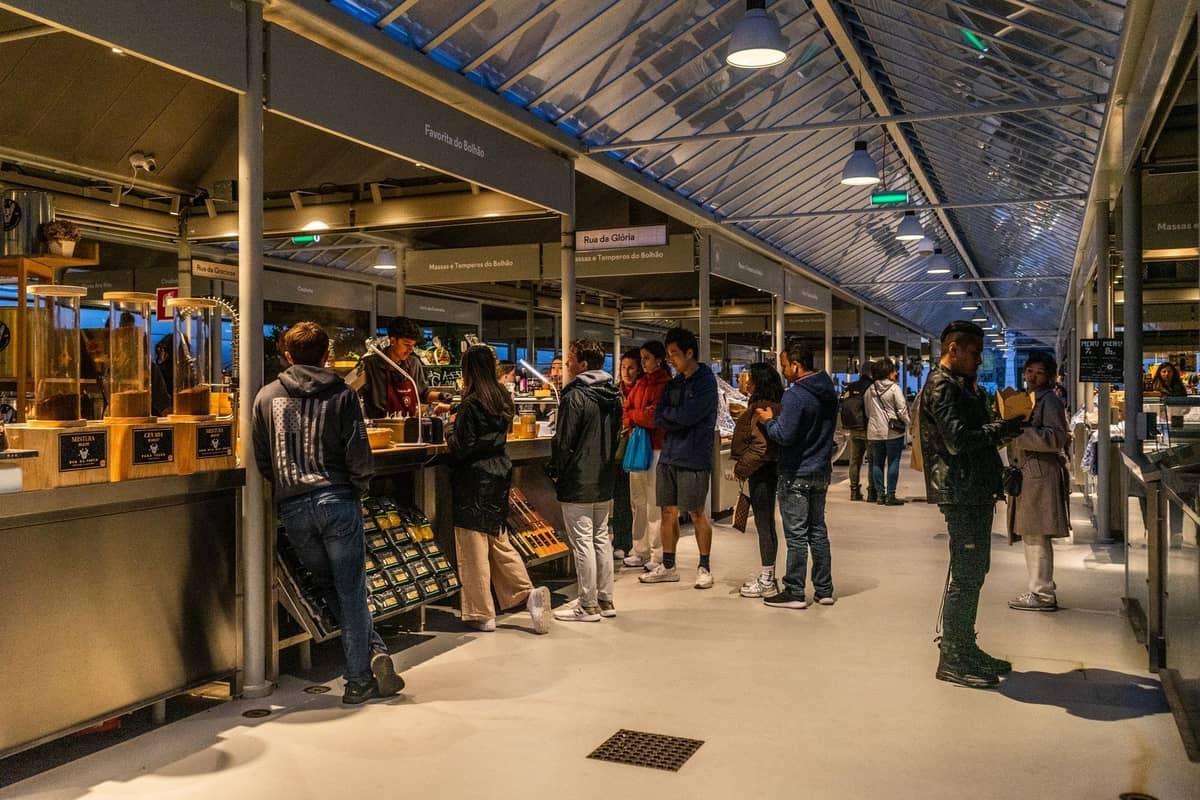
Copenhagen's best permanent market is Torvehallerne, two covered glass halls near Nørreport station. It operates daily and houses more than 60 stalls and shops covering fresh produce, smørrebrød, cheese, pastries, coffee, and international street food. It's the most practical single stop for food souvenirs: pickled herring, Danish rye bread crackers, local honey, and specialty preserves are all available.
Torvehallerne is not cheap. A coffee and a smørrebrød at lunch will cost around 100-150 DKK (roughly 14-21 USD). This is acceptable for the quality, but it's not a budget market. It also gets very crowded on weekend mornings, when it functions as much as a social space for locals as a shopping destination.
⚠️ What to skip
Torvehallerne's outdoor stalls (between the two halls) are seasonal and less reliable in winter. If you're visiting October through March, the inner stalls are the main draw. Check individual vendor hours rather than assuming everything is open.
Seasonal flea markets appear across the city from spring through autumn. Frederiksberg has regular weekend markets around Frederiksberg Palace and in Søndermarken. The Israel Plads market near Torvehallerne runs on weekends and has a decent mix of secondhand goods and antiques. These are worth factoring in if you're visiting between May and September and happen to be in the area.
What to Actually Buy: Danish Design Worth the Price
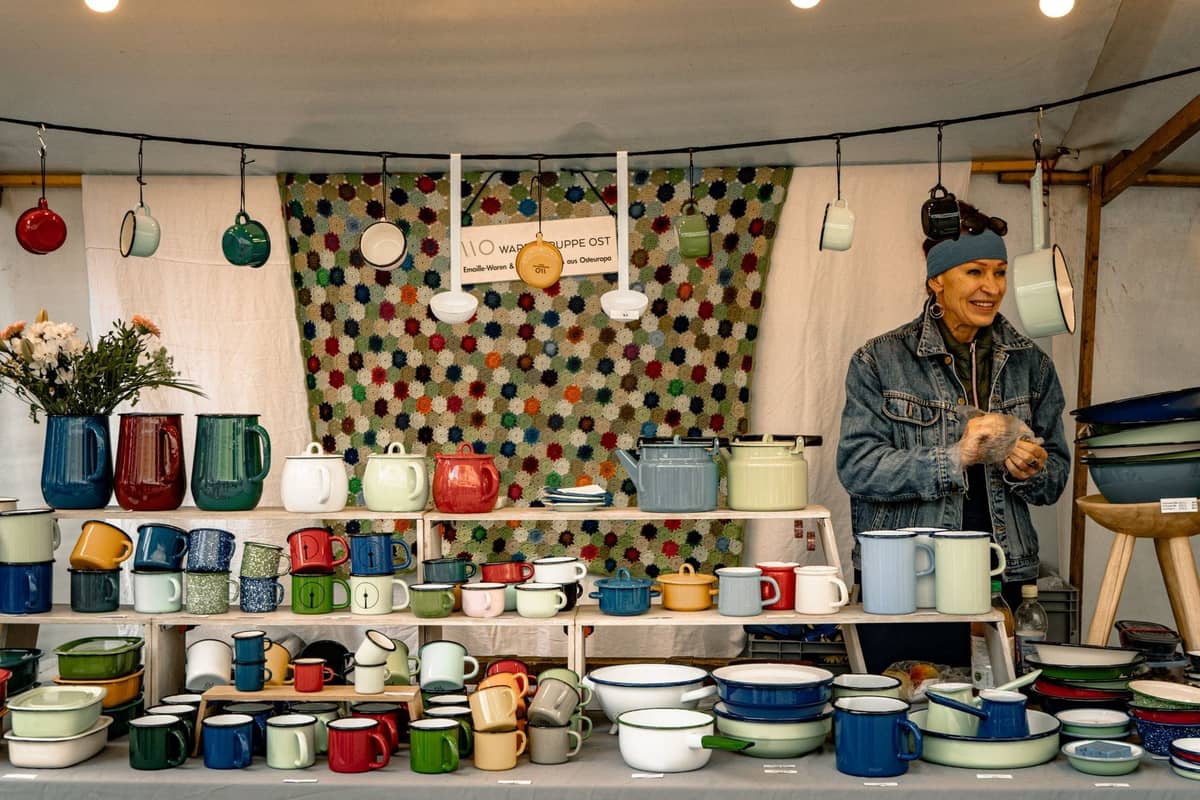
Copenhagen's design exports are specific enough that shopping here has a point beyond generic souvenirs. The categories worth focusing on are ceramics, textiles, furniture objects (smaller pieces that travel), and food products.
- Ceramics: Hand-thrown stoneware from Danish studios — particularly the kind influenced by Japanese craft traditions — is produced locally and sold at Illums Bolighus, Stilleben, and various Nørrebro boutiques. Expect 300-800 DKK per piece for quality work.
- Royal Copenhagen porcelain: The Blue Fluted pattern is the classic Danish porcelain design, in production since 1775. A single dinner plate runs 500-1,000 DKK depending on the pattern complexity. Heavier to carry, but giftable and legitimately historic.
- Georg Jensen silverware and jewellery: Danish silver design with a century of history. The Daisy collection is an entry point around 700-1,000 DKK. Full sets and statement pieces reach into thousands.
- Textiles: Hay and Ferm Living are Danish brands producing cushions, throws, and table linens at prices that are high by fast-fashion standards but fair for quality. Both have standalone stores.
- Food: Licorice (lakrids) in all its salt-heavy Scandinavian variations, chocolate from local makers, and pickled or smoked seafood in sealed packaging all travel well and make practical gifts.
- Vintage Danish furniture: For serious buyers, Copenhagen has good auction houses and dealers in Bredgade. Shipping a vintage chair home is feasible but adds cost.
✨ Pro tip
Non-EU visitors can claim VAT refunds (Danish Moms, currently 25%) on single purchases of at least 300 DKK at participating stores. Look for the 'Tax Free' sign and ask for the paperwork at the till. The refund process happens at the airport before departure and can meaningfully reduce the cost of larger design purchases.
Practical Tips: Prices, Hours, and What to Avoid
Copenhagen shopping is priced in Danish krone (DKK). As of recent years, 1 EUR buys roughly 7.4 DKK and 1 USD buys roughly 6.8-7.0 DKK, though exchange rates shift. Card payments are accepted almost everywhere including small market stalls, and many places have moved away from cash entirely. You will rarely need DKK notes for shopping.
Opening hours follow a fairly standard pattern: most shops open around 10:00 and close between 18:00 and 19:00 on weekdays, with slightly shorter hours on Sundays. Strøget stores often stay open until 20:00 in summer. Torvehallerne runs roughly 10:00-19:00 on weekdays and 10:00-17:00 on Sundays, but individual stalls vary. The Copenhagen food guide has more detail on market timing if food shopping is a priority.
The main tourist trap to avoid is the souvenir strip near Nyhavn. The Viking helmets, mermaid figurines, and generic Scandinavian prints sold in those shops are imported goods at inflated prices. Nothing there represents Danish design or craftsmanship. Torvehallerne, Illums Bolighus, or even a supermarket will give you better and more honest Danish products at lower prices.
Shopping and sightseeing pair well in Copenhagen because the key retail streets are close to major attractions. A walk from Tivoli Gardens east along Strøget to Kongens Nytorv, with detours into Strædet and Kompagnistræde, covers most of the central shopping in a half-day without feeling rushed. Factor in the Copenhagen walking tour route if you want to combine shopping with architecture and history.
ℹ️ Good to know
Copenhagen's design scene extends beyond retail into museums. Designmuseum Danmark on Bredgade has a permanent collection covering Danish industrial and applied design from the 20th century to the present. The museum shop is genuinely good and sells design objects that are harder to find in standard boutiques.
Shopping by Neighborhood: Quick Reference
If you only have one or two days and want to cover the most ground efficiently, a two-day Copenhagen itinerary can anchor shopping into a logical sequence. The standard approach: day one covers the central streets (Strøget, Strædet, Torvehallerne); day two ventures into Nørrebro and possibly Vesterbro for a more local feel.
For those spending more time in the city, the Copenhagen design and architecture guide adds depth to understanding what you're buying and why certain names carry weight. Danish design is less about brand status and more about the relationship between function and aesthetics, which explains why a 600 DKK ceramic mug can feel justified in a way that a similarly priced item elsewhere might not.
FAQ
Is shopping in Copenhagen expensive compared to other European cities?
Yes, Copenhagen is on the more expensive end. Denmark's 25% VAT (Moms) is included in all displayed prices, which inflates sticker prices relative to countries with lower consumption taxes. Non-EU visitors can reclaim VAT on single purchases over 300 DKK at participating stores. Design and quality food products are priced to reflect genuine craft; fast fashion and chains are roughly comparable to the UK or Germany.
What are the best areas for vintage and secondhand shopping in Copenhagen?
Nørrebro is the strongest neighborhood for vintage: Elmegade, Ravnsborggade, and the streets around Nørrebrogade have multiple secondhand clothing shops and record stores. The Israel Plads flea market (open weekends, spring through autumn) is good for furniture and objects. Vesterbro also has a cluster of vintage shops along Istedgade.
When do Copenhagen shops open and close?
Most central shops open around 10:00 and close between 18:00 and 19:00 on weekdays. Saturday hours are similar, sometimes slightly shorter. Sundays many shops open later (11:00 or 12:00) and close by 17:00. Torvehallerne and food markets often open earlier. Always verify specific stores before making a special trip.
What specifically Danish products are worth buying in Copenhagen?
Hand-thrown ceramics, Royal Copenhagen porcelain, Georg Jensen silverware, Danish-designed textiles (Hay, Ferm Living), salt licorice, pickled or smoked seafood in sealed packaging, and vintage mid-century furniture are all categories where Copenhagen offers something you cannot easily replicate elsewhere. Avoid generic souvenir shops near Nyhavn, which stock imported items at inflated prices.
Is Strøget worth visiting, or is it just for tourists?
Strøget itself is heavily tourist-oriented and dominated by international chains, but it's a useful spine connecting key parts of the city. The value is in the side streets: Strædet, Kompagnistræde, and the blocks immediately north and south of the main pedestrian strip have independent boutiques and Danish design stores that justify the visit. Don't write off the area entirely, but don't treat Strøget itself as the destination.