Frederiksberg Palace: A Royal Retreat Hidden in Plain Sight
Frederiksberg Palace is a stately Baroque royal residence completed for King Frederik IV in the early 18th century, now home to the Royal Danish Military Academy. The palace grounds overlook the sweeping Frederiksberg Gardens, and public access is limited to guided tours on selected dates — which makes a visit feel genuinely exclusive.
Quick Facts
- Location
- Roskildevej 28A, 2000 Frederiksberg, Denmark
- Getting There
- Metro M1/M2 to Forum or Frederiksberg, then a walk through Frederiksberg Gardens
- Time Needed
- 1.5–2.5 hours including the palace exterior and surrounding gardens
- Cost
- Guided interior tours are paid; check current prices and availability online before visiting. Gardens are free to enter.
- Best for
- History lovers, Baroque architecture enthusiasts, and those who want a quieter royal experience away from the city centre
What Frederiksberg Palace Actually Is (And What It Isn't)
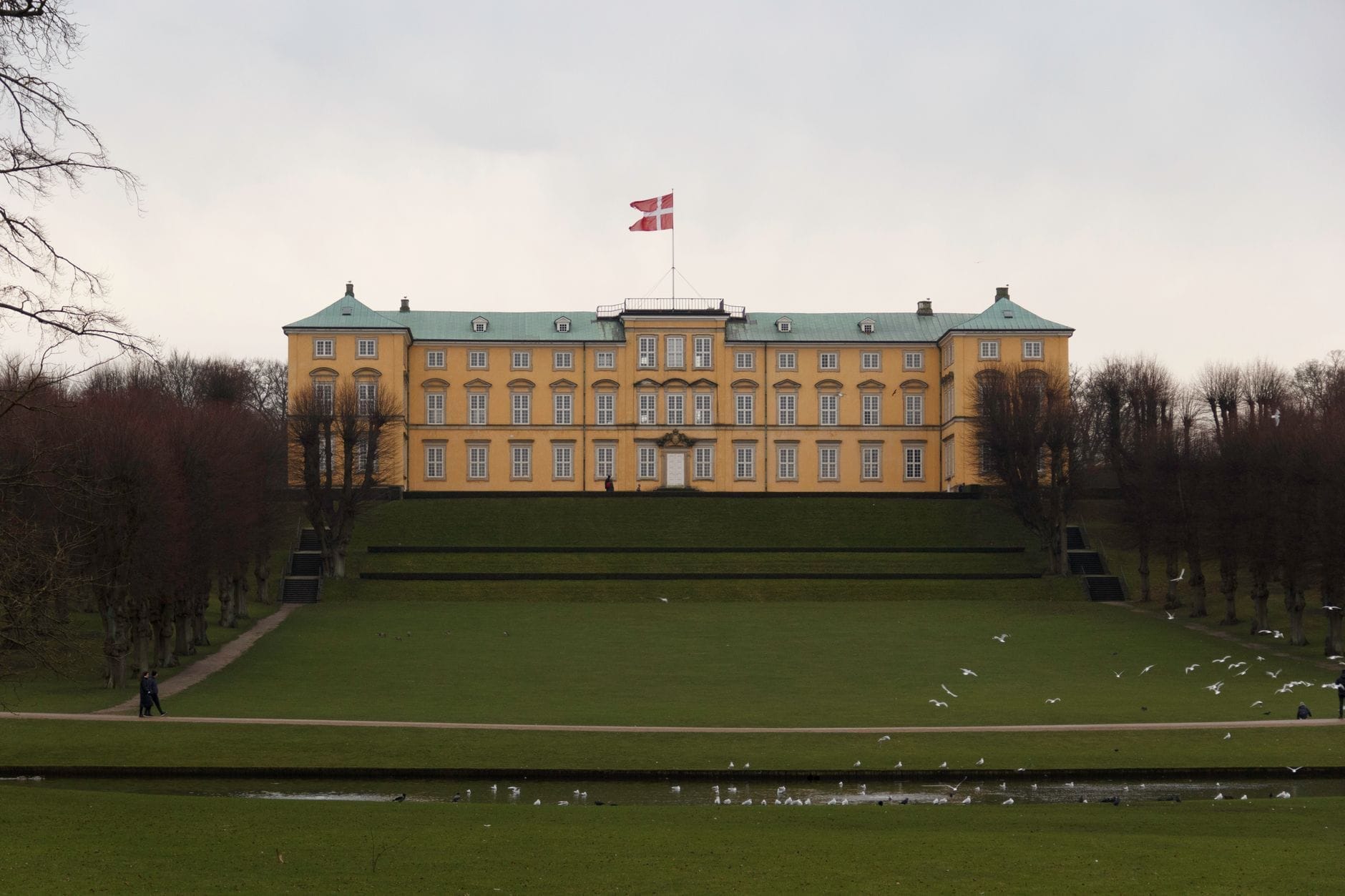
Frederiksberg Palace is one of Copenhagen's most architecturally significant royal buildings, yet it operates nothing like the other palaces in the city. Frederiksberg Palace is one of Copenhagen's most architecturally significant royal buildings, yet it operates nothing like the other palaces in the city. Frederiksberg Slot has been home to the Royal Danish Military Academy since 1869, and visits are by guided tour only.
Public access is limited to guided tours on selected dates, Public access is limited to guided tours on selected dates, with tours requiring advance booking through the official Forsvaret website. Availability changes seasonally and slots fill up. If you arrive on a non-tour day expecting to explore the interior, you will find military grounds and a respectful boundary fence. Understand this before you go, and plan accordingly. with tours requiring advance booking through the official Forsvaret website. Availability changes seasonally and slots fill up. If you arrive on a non-tour day expecting to explore the interior, you will find military grounds and a respectful boundary fence. Understand this before you go, and plan accordingly.
⚠️ What to skip
The palace interior is only accessible on pre-booked guided tours on selected dates. Check tour availability and book tickets at forsvaret.dk before your visit. Showing up without a reservation will get you no interior access.
The exterior and the surrounding Frederiksberg Gardens, on the other hand, are freely accessible year-round. Even without a tour booking, the hill approach, the palace facade, and the descending formal parkland below make the journey worthwhile on their own terms.
The History Behind the Baroque Facade
Construction of Frederiksberg Palace in its current Baroque form began around 1700 Construction of Frederiksberg Palace in its current Baroque form began around 1700 and was largely completed by 1708 for King Frederik IV, who used it as a summer residence away from the formal court life of central Copenhagen. for King Frederik IV, who used it as a summer residence away from the formal court life of central Copenhagen. The location was deliberate: positioned on a gentle hill in what was then open countryside west of the city, the palace commanded views across cultivated gardens and, on clear days, toward the city itself.
The building was expanded and refined during the 18th century. Architect Nicolai Eigtved, The building was expanded and refined during the 18th century. Architect Nicolai Eigtved contributed to later alterations that gave the complex a more coherent formal character. The result is a three-wing Baroque structure in pale render with a pronounced central corps de logis, framed by two lower flanking wings.
For context on how the Baroque and Rococo periods shaped Copenhagen's built environment, the Copenhagen design and architecture guide offers a useful overview of the city's key architectural movements and the buildings that define them.
By the mid-19th century, the Danish royal family had ceased using Frederiksberg as a primary retreat. In 1869 the palace was handed over to the military and has served the Royal Danish Military Academy ever since. That institutional continuity is part of what makes the building feel different from other royal sites: By the mid-19th century, the Danish royal family had ceased using Frederiksberg as a primary retreat. In 1869 the palace was handed over to the military and has served the Royal Danish Military Academy ever since. That institutional continuity is part of what makes the building feel different from other royal sites: the rooms are used for military purposes, not preserved museum interiors. On public tours, guides navigate this duality with care, explaining both the historical furnishings that remain and the building's current operational purpose. On public tours, guides navigate this duality with care, explaining both the historical furnishings that remain and the building's current operational purpose.
Tickets & tours
Hand-picked options from our booking partner. Prices are indicative; availability and final rates are confirmed when you complete your booking.
1-hour boat harbour tour in Copenhagen
From 26 €Instant confirmationFree cancellationSmall group 3-hour walking tour in Copenhagen
From 45 €Instant confirmationFree cancellationCopenhagen to Malmo one-day tour
From 56 €Instant confirmationFree cancellationFull-day tour to Forest Tower and Forgotten Giants from Copenhagen
From 110 €Instant confirmationFree cancellation
Arriving: The Approach Through Frederiksberg Gardens
The most rewarding way to reach Frederiksberg Palace is through Frederiksberg Have, the formal gardens that sweep up the hillside beneath the palace. The most rewarding way to reach Frederiksberg Palace is through Frederiksberg Have, the formal gardens that sweep up the hillside beneath the palace. From the Metro at Forum or Frederiksberg, the walk takes you through a residential neighbourhood before the garden gates open onto a different kind of space entirely: wide gravel paths, canal arms, weeping willows trailing into still water, and a landscape that shifts from open lawn to shaded woodland as you climb. wide gravel paths, canal arms, weeping willows trailing into still water, and a landscape that shifts from open lawn to shaded woodland as you climb.
The gardens are in the English landscape style, designed to feel natural while being carefully composed. In spring, cherry blossoms and narcissi line the lower paths. By midsummer, the canals are thick with reeds and the shade under the old trees is genuinely cool. In autumn, the colour of the beeches against the pale palace facade is one of the better visual combinations in Copenhagen. Even in winter, the bare branches and frost-stiffened grass give the gardens a stripped, austere quality that suits their 18th-century origins.
The approach to the palace itself involves a noticeable uphill gradient, and the final section to the main entrance includes stairs. There are no lifts on this approach path. Visitors with limited mobility should be aware of this before making the trip, and should contact the tour organiser in advance if they need to enquire about alternative access for guided tours.
💡 Local tip
Give yourself at least 30-40 minutes to walk through the gardens before or after a palace tour. The canal-side paths in the lower section of Frederiksberg Have are particularly quiet on weekday mornings, when you may have the water and the birds almost to yourself.
The Guided Tour: What to Expect Inside
Tours typically run on selected dates and last roughly 60 to 90 minutes, though you should confirm duration and language options when booking. Guides from the palace or the Danish defence heritage programme lead groups through the state rooms, explaining the original royal function of each space and how the building was adapted after 1869 for military use. Several rooms retain 18th-century panelling, stucco ceilings, and period furniture, giving a genuine sense of how the space looked during its peak royal use under Frederik IV and his successors. though you should confirm duration and language options when booking. Guides from the palace or the Danish defence heritage programme lead groups through the state rooms, explaining the original royal function of each space and how the building was adapted after 1869 for military use. Several rooms retain 18th-century panelling, stucco ceilings, and period furniture, giving a genuine sense of how the space looked during its peak royal use under Frederik IV and his successors.
The palace chapel is often included in tour routes and is one of the most intact interiors: small, formal, with original painted decoration and the compressed grandeur of royal Baroque religious spaces. It is comparable in atmosphere, if not in scale, to the chapel interiors at Rosenborg.
If you have a strong interest in Danish royal interiors, it is worth comparing Frederiksberg with Rosenborg Castle in the Kings Garden, which is open daily and holds the Danish crown jewels. Rosenborg offers more consistent access and a richer museum experience, while Frederiksberg offers something rarer: the feeling of a building still in use, not entirely preserved under glass.
Photography inside the palace during tours depends on current house rules. Ask your guide before raising your camera. The exterior and the gardens have no such restrictions and are excellent subjects in low morning light or the long evening light of a Scandinavian summer.
Time of Day and Seasonal Considerations
Since interior access is tour-dependent, the time-of-day consideration applies mainly to the gardens and exterior. Morning visits, particularly on weekdays, are significantly quieter. The lower garden paths see joggers and dog-walkers before 9am, but the middle and upper sections near the palace are often almost empty until late morning. Weekend afternoons bring families and more foot traffic, especially in summer.
The palace facade faces roughly east-southeast, which means it catches good morning light and sits in shadow by late afternoon. For photographs of the building, aim for a morning visit or an overcast day when the pale render photographs evenly without harsh shadow contrast.
Copenhagen's summers bring long daylight hours that reward exploration well into the evening. For context on what the city offers across different seasons, the best time to visit Copenhagen guide breaks down weather patterns, crowds, and seasonal highlights month by month.
The Surrounding Frederiksberg Neighbourhood
Frederiksberg is technically an independent municipality enclosed within Copenhagen, with its own city hall and administration, though most visitors experience it as a seamless part of the city. The neighbourhood around the palace and gardens is characterised by wide, tree-lined streets, late 19th and early 20th century apartment buildings with ornate facades, and a noticeably quieter pace than the areas around Nyhavn or Strøget.
Adjacent to Frederiksberg Have on the south side, the Søndermarken park offers additional green space and connects the garden area to a larger network of walking routes. The two parks together create one of the longest uninterrupted green corridors in the city.
Copenhagen Zoo borders the western edge of the gardens, making this a logical combination for families. The Copenhagen Zoo is one of Europe's oldest and requires a separate ticket. If you are combining the two in a single day, visit the palace gardens in the morning before the zoo opens fully and crowds build.
Cafes and bakeries along Frederiksberg Allé and in the streets near the Frederiksberg Metro station are the practical choice for a pre- or post-visit coffee. The neighbourhood skews local rather than tourist-facing, which keeps both quality and prices at a reasonable level.
Is Frederiksberg Palace Worth the Effort?
For a visitor with two or three days in Copenhagen and a list of standard sights to cover, Frederiksberg Palace is probably not the first priority. The restricted access, the advance booking requirement, and the relatively modest number of open tour dates mean it asks more of you logistically than most attractions in the city.
But for visitors who plan ahead, have a genuine interest in Baroque royal architecture, or who simply want to escape the more heavily touristed parts of the centre, the combination of the palace tour and a long walk through Frederiksberg Gardens is one of the more satisfying half-days Copenhagen offers. The gardens alone justify the Metro ride.
If you are building a wider itinerary around Copenhagen's royal and historical sites, the two-day Copenhagen itinerary provides a structured framework for fitting the major attractions into a short stay without feeling rushed.
ℹ️ Good to know
The Copenhagen Card covers transit and entry to many city attractions, but does not automatically cover Frederiksberg Palace guided tours. Verify current inclusions at the official Copenhagen Card website before purchasing.
Insider Tips
- Book tour tickets as soon as dates are published on the Forsvaret website. The Sunday tours have a limited number of places and sell out weeks in advance, especially in May, June, and September.
- The garden canal system in Frederiksberg Have once had royal rowing boats and small pleasure craft. The canal arms in the lower section are still intact and give a clear sense of how the landscape was designed for leisurely royal use, not just visual effect.
- If you are primarily visiting the gardens rather than the palace interior, enter from the Pile Allé gate on the southern side rather than the main northern entrance. The southern approach is quieter and passes the most photogenic canal sections before you climb to the palace.
- Wear comfortable shoes with grip. The hill path to the palace can be slippery after rain, particularly in autumn when fallen leaves cover the gravel sections.
- The view from the terrace directly in front of the palace looks back down through the gardens toward the city. On clear days you can see across the rooftops toward Frederiksberg city centre. This is worth a few minutes even if you are not on a tour.
Who Is Frederiksberg Palace For?
- Travellers with a specific interest in Baroque and Rococo royal architecture who want to see something beyond the standard Copenhagen palace circuit
- Visitors who plan ahead and are comfortable booking tickets weeks in advance for a genuinely less crowded royal experience
- Those combining the visit with a long walk through Frederiksberg Gardens and a neighbourhood exploration of Frederiksberg
- History enthusiasts interested in how Danish military heritage intersects with royal architectural legacy
- Families already visiting Copenhagen Zoo who want to extend their day into the adjacent gardens
Nearby Attractions
Other things to see while in Frederiksberg:
- Copenhagen Zoo
Founded in 1859 and spread across roughly 11 hectares in Frederiksberg, Copenhagen Zoo is one of Europe's oldest zoological gardens. It combines a serious conservation mission with a striking architectural landmark: Norman Foster's geodesic elephant house. Here is what to expect before you go.
- Søndermarken
Søndermarken is a 32-hectare forested park in Frederiksberg that began as a royal hunting ground in the 18th century and opened to the public in 1852. Free to enter at any hour, it offers a noticeably quieter alternative to the more famous Frederiksberg Gardens directly across the road, with hilly woodland paths, open meadows, and a pace that belongs to the locals who use it daily.