Museum of Copenhagen: The City's Story, From Viking Foundations to Now
The Museum of Copenhagen (Københavns Museum) traces the city's history from its medieval origins to its present-day identity through archaeological finds, everyday objects, and urban design. Located steps from City Hall Square, it combines serious scholarship with an accessible, well-paced experience. One ticket also covers Thorvaldsens Museum and Nikolaj Kunsthal for 48 hours.
Quick Facts
- Location
- Stormgade 18, 1553 Copenhagen V, Indre By
- Getting There
- Rådhuspladsen (M3/M4 Metro); Copenhagen Central Station is within walking distance
- Time Needed
- 1.5 to 2.5 hours
- Cost
- Adults DKK 110; under 18 free; free last Wednesday of each month for all; free Tuesdays for seniors 65+; Copenhagen Card holders free
- Best for
- History enthusiasts, Copenhagen first-timers, rainy-day culture seekers
- Official website
- cphmuseum.kk.dk/en
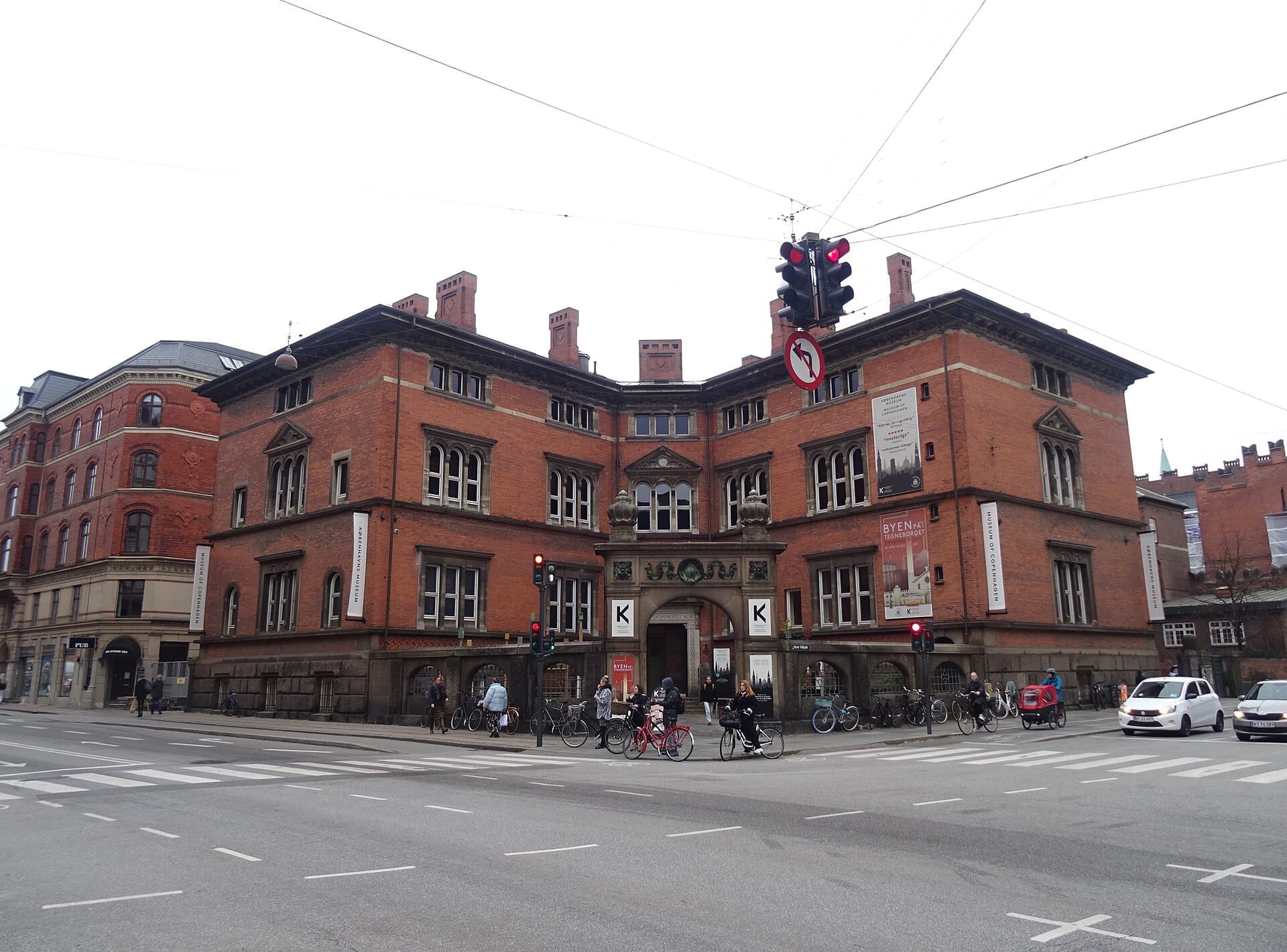
What the Museum of Copenhagen Actually Is
The Museum of Copenhagen, known in Danish as Københavns Museum, is the city's primary institution dedicated to the history and development of Copenhagen itself. This is not a national history museum and not a gallery of Danish kings. It is, more specifically, a municipal history museum: the history of streets, neighborhoods, plagues, harbor trade, urban planning decisions, and the daily routines of the people who made the city what it is. That focus makes it more intimate than the large national institutions, and considerably more useful if you want to understand why Copenhagen looks, feels, and functions the way it does.
The museum is housed at Stormgade 18, a short walk from Rådhuspladsen (City Hall Square), which means it sits at the geographic and symbolic heart of the old city. Visitors coming from Copenhagen Central Station will reach it in roughly five minutes on foot. The building itself is not a landmark in the way that, say, the Black Diamond is, but the interior spaces are well maintained and the exhibition flow is logical without feeling forced.
ℹ️ Good to know
One ticket (DKK 110 for adults) grants 48-hour access to three institutions: Museum of Copenhagen, Thorvaldsens Museum, and Nikolaj Kunsthal. If you plan to visit more than one, buy your ticket at the first stop and hold onto it. Copenhagen Card holders enter free at all three.
The Exhibitions: What You Will Actually See
The permanent collection moves through Copenhagen's history in roughly chronological layers, beginning with archaeological evidence of the city's early settlement in the medieval period and extending to the twentieth-century urban transformations that produced the Copenhagen visitors recognize today. The objects on display include ceramics, maps, clothing, tools, architectural models, and fragments recovered during city excavations. The presentation is designed to be read by non-specialists: interpretive text is available in both Danish and English, and the explanations are concise rather than exhaustive.
Particular strengths of the collection include the sections on Copenhagen's historic fires (the city suffered catastrophic blazes in 1728 and 1795), the cholera epidemics of the nineteenth century, and the modernization of the harbor and working-class districts. These aren't typically the stories told by the grander national institutions, and the museum does them justice with original documents and material evidence rather than dramatic reconstruction. If you've already visited the National Museum of Denmark for the broad sweep of Danish civilization, this museum fills in the local, street-level detail that the National Museum necessarily skips.
Temporary exhibitions rotate and often focus on specific periods or themes in Copenhagen's urban history, so the experience differs depending on when you visit. Check the museum's website before arrival to see what is currently showing. Those interested in the broader design and architecture of the city may want to pair this visit with the Danish Architecture Center, which picks up the story from a built-environment angle.
Tickets & tours
Hand-picked options from our booking partner. Prices are indicative; availability and final rates are confirmed when you complete your booking.
1-hour boat harbour tour in Copenhagen
From 26 €Instant confirmationFree cancellationSmall group 3-hour walking tour in Copenhagen
From 45 €Instant confirmationFree cancellationCopenhagen to Malmo one-day tour
From 56 €Instant confirmationFree cancellationFull-day tour to Forest Tower and Forgotten Giants from Copenhagen
From 110 €Instant confirmationFree cancellation
How It Feels at Different Times of Day
The museum’s morning opening hours mean it rarely draws a crowd in the first hour after opening, even in peak summer months. The galleries in the first half of the day are quiet enough that you can stand in front of individual cases without navigating around groups. Ambient sound is low: the click of footsteps on the floor, the occasional murmur of a guide speaking softly to a small group. The light inside is controlled and artificial in the exhibition areas, which makes it a genuinely good choice on grey or rainy Copenhagen days when outdoor options lose their appeal.
Midday on Wednesdays, when admission is free for everyone, is noticeably busier. School groups and local residents both tend to use this slot. If you are visiting on a Wednesday and prefer a calmer atmosphere, arriving close to opening time or in the final hour before closing gives a noticeably less crowded experience. On other weekdays, particularly Tuesday through Thursday, the museum maintains a pace that feels comfortable and unhurried throughout most of the day.
💡 Local tip
If you are visiting in late afternoon on a weekday, be aware of the museum’s closing time and allow at least 45–60 minutes to move through the galleries meaningfully.
Location and Getting There
Stormgade 18 is within the Indre By district, Copenhagen's historic core. The nearest metro stations are on the M3 and M4 Cityringen line at Rådhuspladsen, a walk of roughly five to eight minutes. Copenhagen Central Station (København H) is also walkable, making the museum easy to combine with arrivals or departures by train. Multiple city bus routes serve the area around City Hall Square.
The museum is also a natural addition to a walking route through central Copenhagen. City Hall Square itself is steps away, and the canal district of Christianshavn is reachable on foot or by short metro ride. If you are navigating the city's central area for the first time, the Copenhagen walking tour guide is a practical companion for structuring a day that takes in several landmarks without backtracking.
The museum has step-free access and lifts to the exhibition floors, making it accessible to visitors with reduced mobility. Specific details on wheelchair access, companion tickets, and other practical arrangements are available on the museum's official accessibility page and should be confirmed before visiting, particularly for any temporary exhibition spaces.
Tickets, Pricing, and the Copenhagen Card
Adult admission is DKK 110 at the time of writing, and this single ticket covers 48-hour access to the Museum of Copenhagen, Thorvaldsens Museum, and Nikolaj Kunsthal. Visitors under 18 enter free. Seniors aged 65 and over enter free on Tuesdays. All visitors enter free on the last Wednesday of each month. An annual pass (DKK 320) covers the ticket holder plus one companion and is worth considering for Copenhagen residents or anyone planning multiple visits across a year.
Copenhagen Card holders enter without paying an additional admission fee. If you are visiting multiple museums and attractions across two or more days, the card can significantly reduce total costs. The Copenhagen Card guide breaks down exactly when the card pays for itself versus when individual tickets are more economical. Prices and hours should always be verified on the museum's official website before visiting, as they are subject to change.
💡 Local tip
The combined 48-hour ticket including Thorvaldsens Museum is good value if you have an interest in neoclassical sculpture. Thorvaldsens Museum is itself an architectural landmark and the collection of Bertel Thorvaldsen's work is genuinely significant. Both museums can be covered in a single afternoon.
Where This Museum Fits in the Bigger Picture
The Museum of Copenhagen occupies a specific niche that does not overlap heavily with the city's other major cultural institutions. The National Museum of Denmark covers Danish history from the Stone Age to the present at a national scale. The SMK focuses on art. Designmuseum Danmark addresses applied arts and design history. This museum focuses specifically on the city of Copenhagen as a place: how it was settled, how it grew, how it was damaged and rebuilt, and how its population lived. That makes it particularly useful for visitors who want context for what they are walking through rather than a survey of Danish civilization broadly.
For those planning a fuller tour of Copenhagen's museums, it is worth knowing that the city has a strong concentration of institutions within walking distance of each other in Indre By. The best museums in Copenhagen guide provides a practical comparison of what each institution covers and how to sequence visits without exhausting yourself. If you are traveling with children, note that the museum's hands-on elements are limited compared to the National Museum of Denmark, which has a dedicated children's gallery.
Visitors primarily interested in visual spectacle or the grand decorative arts may find the Museum of Copenhagen more restrained than they expected. It is a scholarly institution that values historical evidence over dramatic presentation. That is a feature for some visitors and a limitation for others. If you are drawn to artifact-based storytelling and want to understand Copenhagen at the neighborhood and street level, it rewards careful attention. If you are looking for sweeping panoramas, bold architectural drama, or hands-on interactive exhibitions, other institutions in the city serve those interests better.
Insider Tips
- Last-Wednesday free admission draws locals and school groups around midday. If you visit on one of these Wednesdays, plan to arrive either at opening or in the last 90 minutes of the day for a calmer experience.
- The 48-hour ticket covering Thorvaldsens Museum and Nikolaj Kunsthal starts from the moment of first use, not from the calendar day. If you visit the Museum of Copenhagen in the afternoon, you have until the same time two days later to use the other two venues.
- The museum's location on Stormgade makes it an easy first stop before walking to the canal at Christianshavn or cutting through to Tivoli Gardens. Building the visit into a route rather than a destination-only trip helps make the most of the central location.
- English-language labels are thorough throughout the permanent collection, so no audio guide is strictly necessary for English-speaking visitors. However, if temporary exhibition materials are only partially translated, asking at the front desk for an English summary sheet is worth trying.
- The museum is a genuinely good rainy-day option and does not require the advance booking or timed entry that some of Copenhagen's more heavily visited attractions use. You can simply walk in, which is increasingly rare among Copenhagen's top-tier institutions.
Who Is Museum of Copenhagen For?
- First-time Copenhagen visitors who want context for what they are walking through in the city
- History and archaeology enthusiasts interested in urban development and everyday life
- Travelers looking for a meaningful indoor option on wet or cold days
- Copenhagen Card holders looking to maximize value on a museum-focused day
- Anyone who has visited the grand national institutions and wants the local, street-level story those institutions leave out
Nearby Attractions
Other things to see while in Indre By (Old Town):
- Amalienborg Palace
Amalienborg is the official home of the Danish royal family and one of Copenhagen's most architecturally coherent ensembles. Four near-identical Rococo palaces frame a grand octagonal square, with the Amalienborg Museum open to visitors inside Christian VIII's Palace. The daily changing of the guard at noon is a punctual, unhurried ceremony worth timing your visit around.
- The Black Diamond
The Black Diamond is the modern extension of the Royal Danish Library, clad in polished black granite and angled toward the harbour on Slotsholmen. Entry is free, the atrium is genuinely impressive, and the building rewards visitors who take time to understand what they are looking at.
- Botanical Garden of the University of Copenhagen
Tucked behind Nørreport Station in the heart of the city, the Copenhagen University Botanical Garden is a 10-hectare green sanctuary with a Victorian glasshouse complex, a tranquil lake, and around 8,000 plant species. Entry to the grounds is free, making it one of the most rewarding stops in central Copenhagen for any pace of traveler.
- Christiansborg Palace
Christiansborg Palace sits on the Slotsholmen islet in central Copenhagen, serving simultaneously as the home of the Danish Parliament, the Supreme Court, the Prime Minister's Office, and the Royal Reception Rooms. It is widely described as uniquely housing all three branches of Denmark’s national government under one roof, and its 106-metre tower offers one of the best free panoramic views in the city.