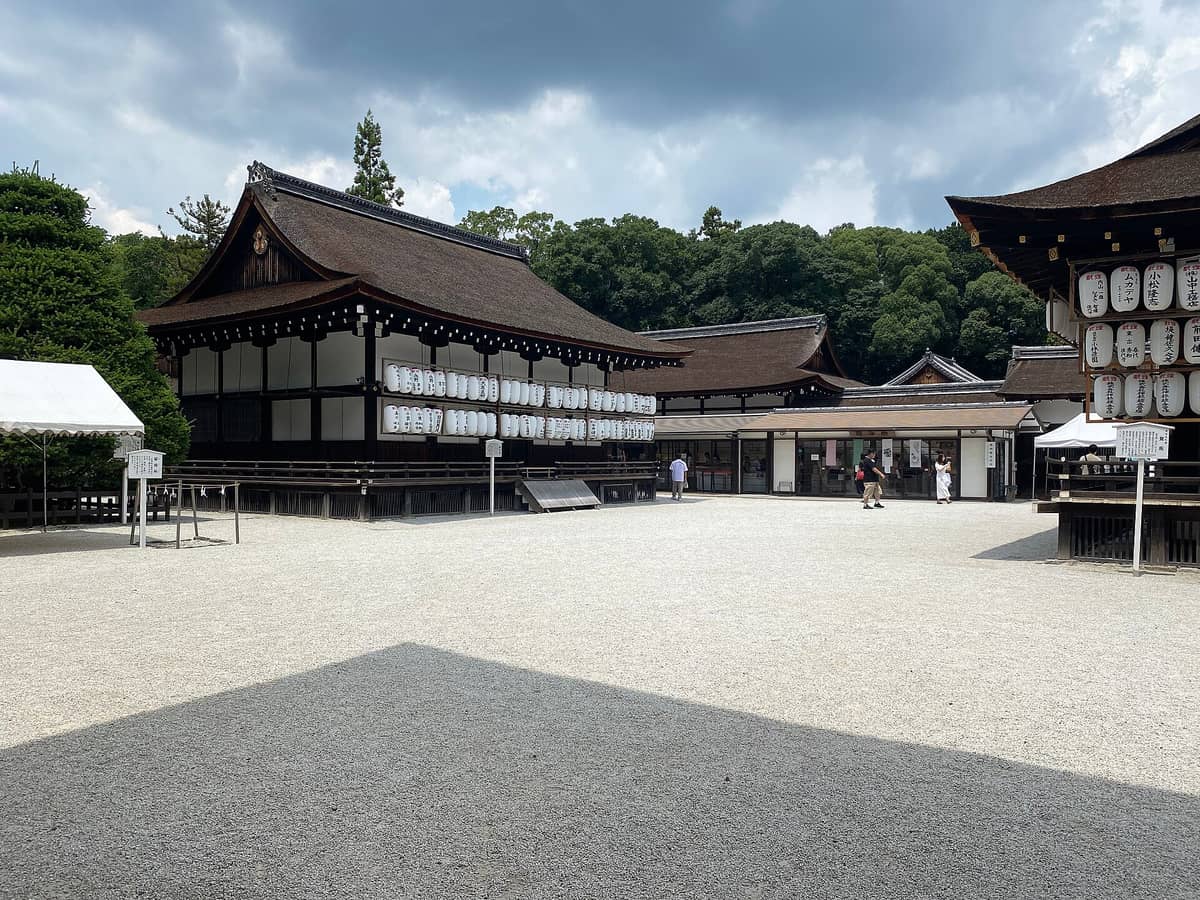
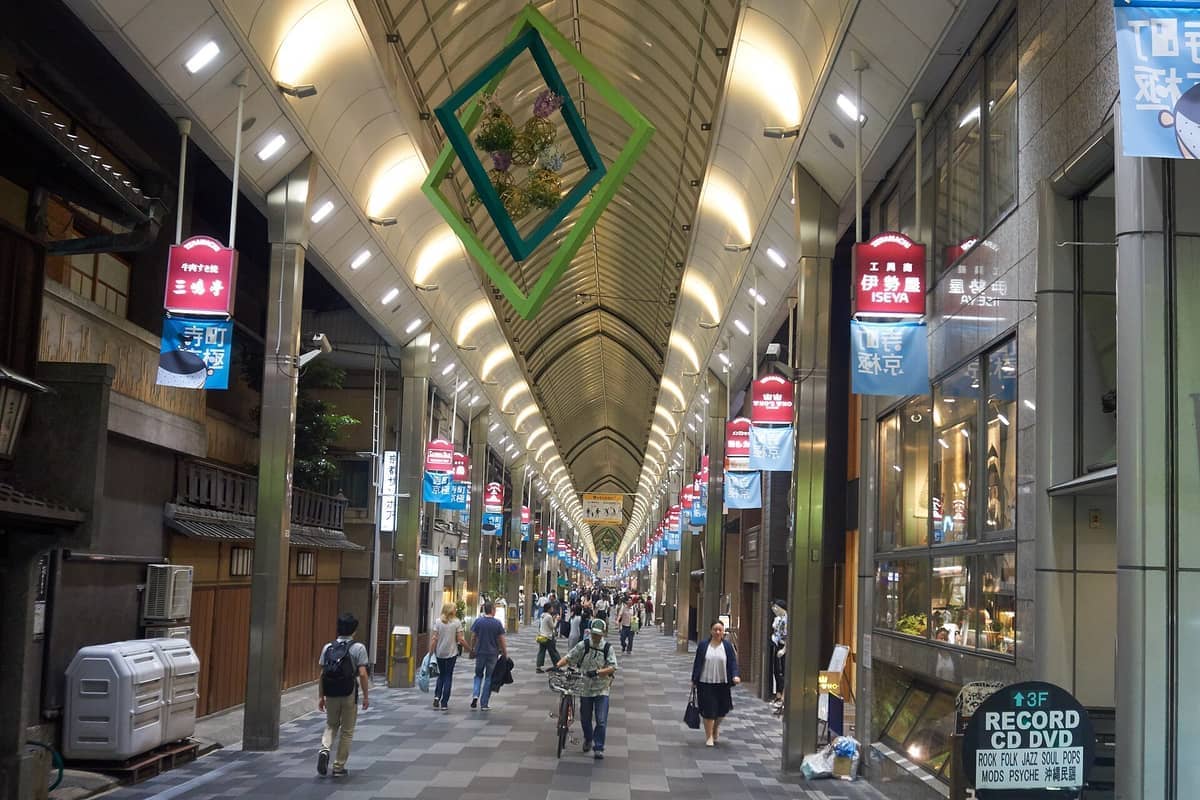
Kawaramachi and Shijo form the commercial and social core of Kyoto, where department stores and covered arcades give way to izakayas, ramen counters, and the famous Nishiki Market. Located in Nakagyo-ku, this is the neighborhood that keeps Kyoto feeling like a living city rather than an open-air museum.
At the crossing of Shijo-dori and Kawaramachi-dori sits the neighborhood that most Kyoto visitors pass through but few truly explore: a dense, layered downtown where department stores back onto centuries-old covered markets, and where the last trains home fill the streets with locals rather than tourists. Kawaramachi and Shijo is Kyoto's commercial spine, and understanding it changes how you navigate the whole city.
Orientation
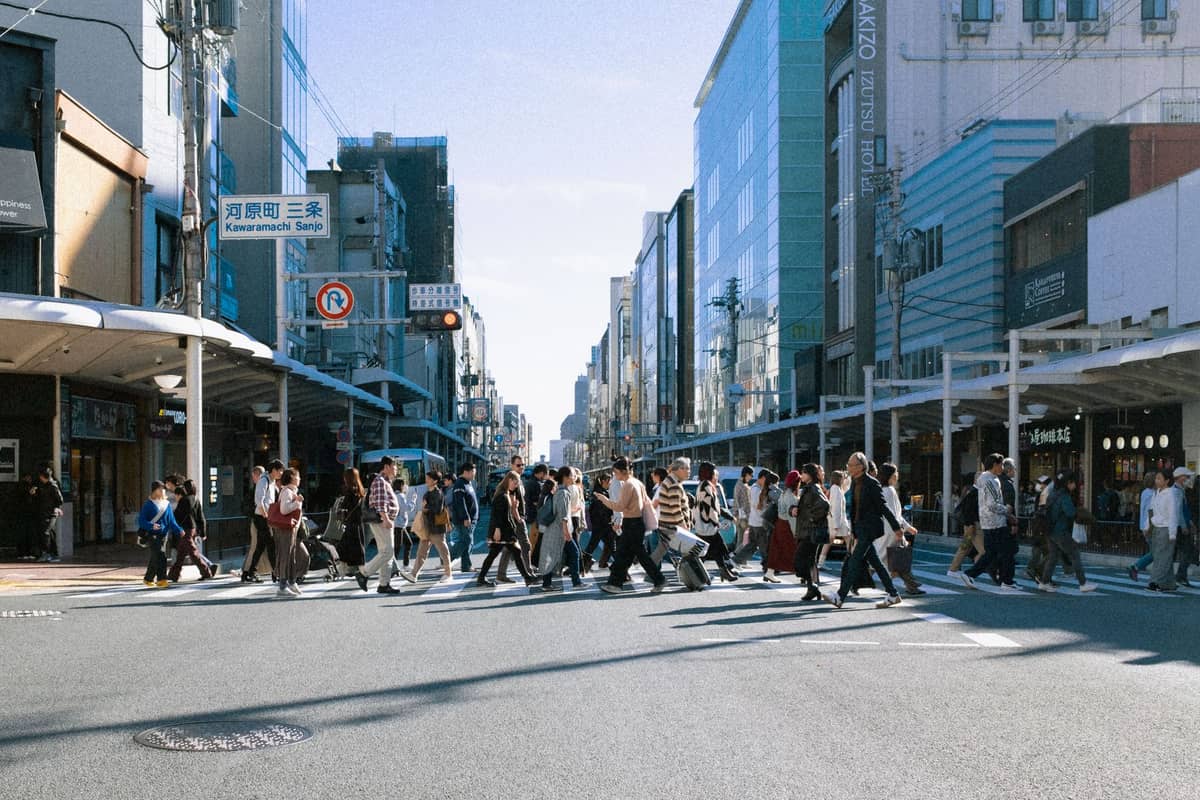
Downtown Kyoto is anchored by the Shijo-Kawaramachi intersection, the point where Shijo-dori (running east-west) meets Kawaramachi-dori (running north-south) in the wards of Nakagyo-ku and Shimogyo-ku. This crossing is the functional center of Kyoto's retail and nightlife activity, and most visitors end up here whether they plan to or not.
The district's practical boundaries stretch from the Kamo River on the east, where Shijo-Ohashi bridge connects to Gion, to Karasuma-dori on the west, roughly eight blocks away. To the north, the character of Kawaramachi-dori shifts around Sanjo-dori, becoming quieter and more residential as it approaches Oike-dori. To the south, Shijo-dori crosses the river and enters the fringes of Gion-Shijo station territory.
Directly east across the Kamo River is the Gion district, reachable on foot in under five minutes. North of Oike-dori, the streetscape opens into the government and cultural zone around Kyoto Imperial Palace. South of Shijo, the city transitions toward the Kyoto Station area within about fifteen minutes by bus or subway. This central position makes Kawaramachi and Shijo the logical base for travelers wanting quick access to multiple parts of the city.
ℹ️ Good to know
Kawaramachi-dori between Shijo and Oike is closed to general road traffic during certain hours, and sidewalk use is restricted all day in sections. Follow posted signage when walking or cycling through the area.
Character & Atmosphere
Early mornings in this neighborhood belong to delivery trucks and shopkeepers. By 8am, the shutters of Nishiki Market begin rolling up, releasing the smell of dashi broth and pickled vegetables into the narrow lane. The overhead arcade keeps the light dim and diffuse even when the sun is strong, giving the market its characteristic yellow-grey glow at any hour. Street stalls serving skewered tofu and grilled mochi operate on their own clocks, some opening before 9am, others not until the lunch crowd arrives.
By midday, Shijo-dori fills with office workers, shoppers from outside Kyoto, and tourists navigating between Nishiki and the river. The department stores, including Kyoto Takashimaya at the Kawaramachi corner and Daimaru a few blocks west on Shijo, pull foot traffic in competing directions. The covered shopping arcades of Teramachi and Shinkyogoku, running parallel north of Shijo, are busier than their somewhat worn facades suggest, packed with souvenir shops, drugstores, and fast food chains.
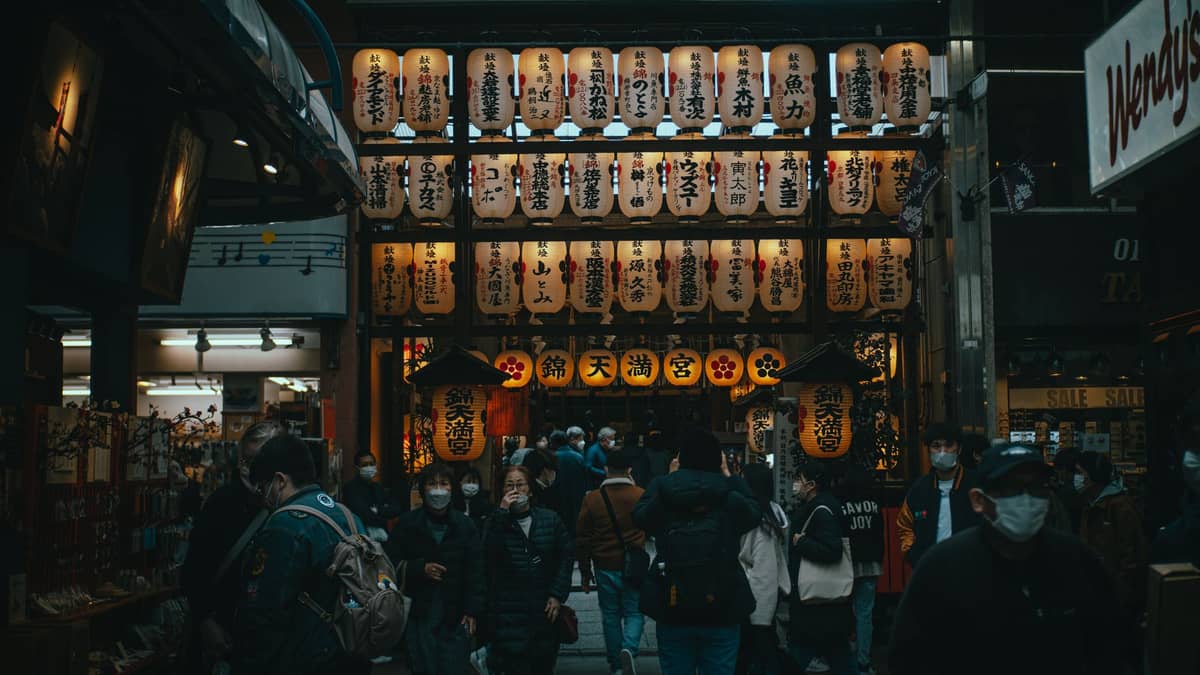
The atmosphere shifts again around 6pm. Office workers from the surrounding blocks join the shopping crowds, izakayas unlock their lanterns, and the alleys behind Kawaramachi-dori fill with the clatter of standing bars and small restaurants. This is when the neighborhood feels most authentically Kyoto: not the preserved-in-amber Kyoto of temple districts, but a city where people eat, drink, and go home. Late at night, after the last trains from Hankyu Kyoto-Kawaramachi station shortly after midnight, the streets quiet down quickly. The neighborhood is safe and well-lit but largely inactive after 1am.
The one honest caveat: on weekends and during peak travel seasons in spring and autumn, the Shijo-Kawaramachi intersection and Nishiki Market become extremely congested. The narrow width of Nishiki in particular can make it feel less like a market and more like a slow-moving queue. Visiting Nishiki before 10am or after 4pm on weekdays gives a very different, more manageable experience.
What to See & Do
The most important single attraction in the immediate downtown area isNishiki Market, a covered market lane running west from Teramachi-dori that has operated in some form for centuries. Its current incarnation is roughly 400 meters long and lined with more than 100 stalls and small shops selling Kyoto pickles (tsukemono), fresh tofu, dried seafood, street snacks, and kitchen goods. It functions as both a working food market for local chefs and a food tourism destination. The two roles coexist without much friction outside of peak hours.
The Teramachi and Shinkyogoku shopping arcadesrun north from Shijo-dori and are worth at least a short walk even if shopping isn't your priority. Teramachi, the eastern of the two parallel streets, has a more interesting mix: antique dealers, specialist tea shops, stationery stores, and a few small shrines tucked between storefronts. Shinkyogoku is more commercial and youth-oriented, with clothing chains and souvenir sellers dominating.
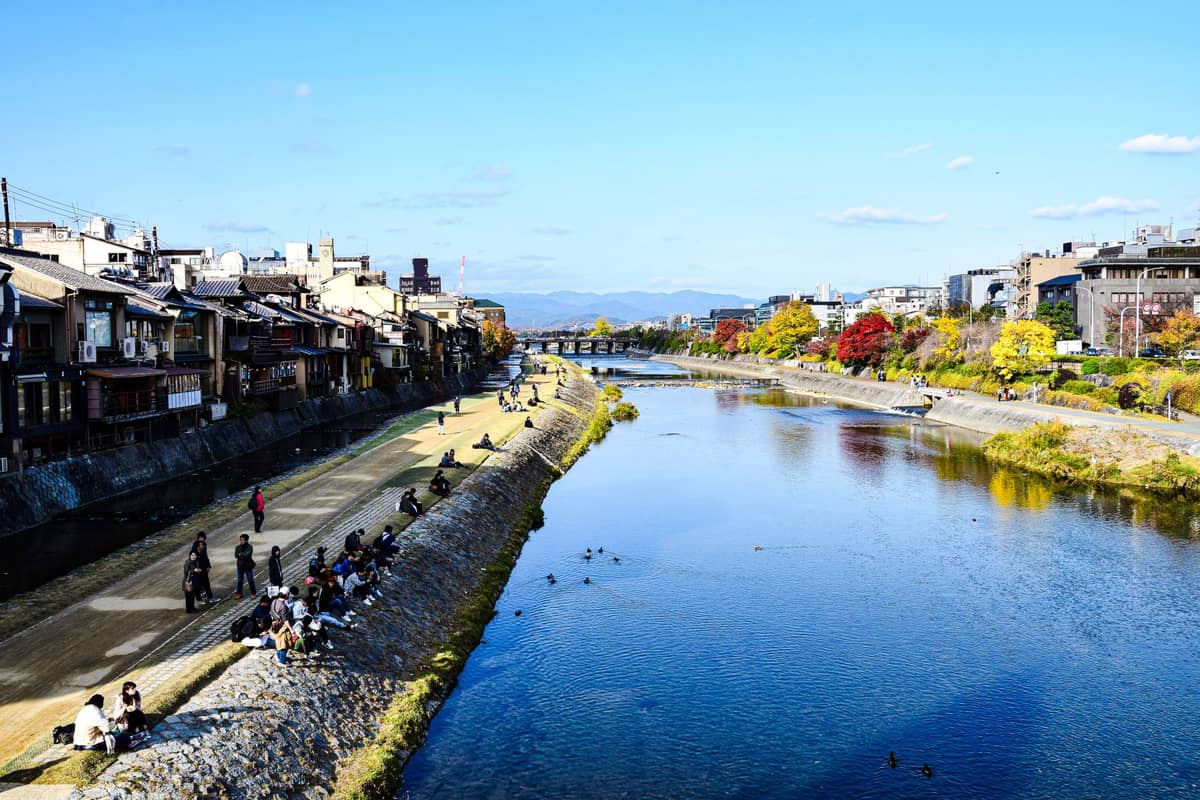
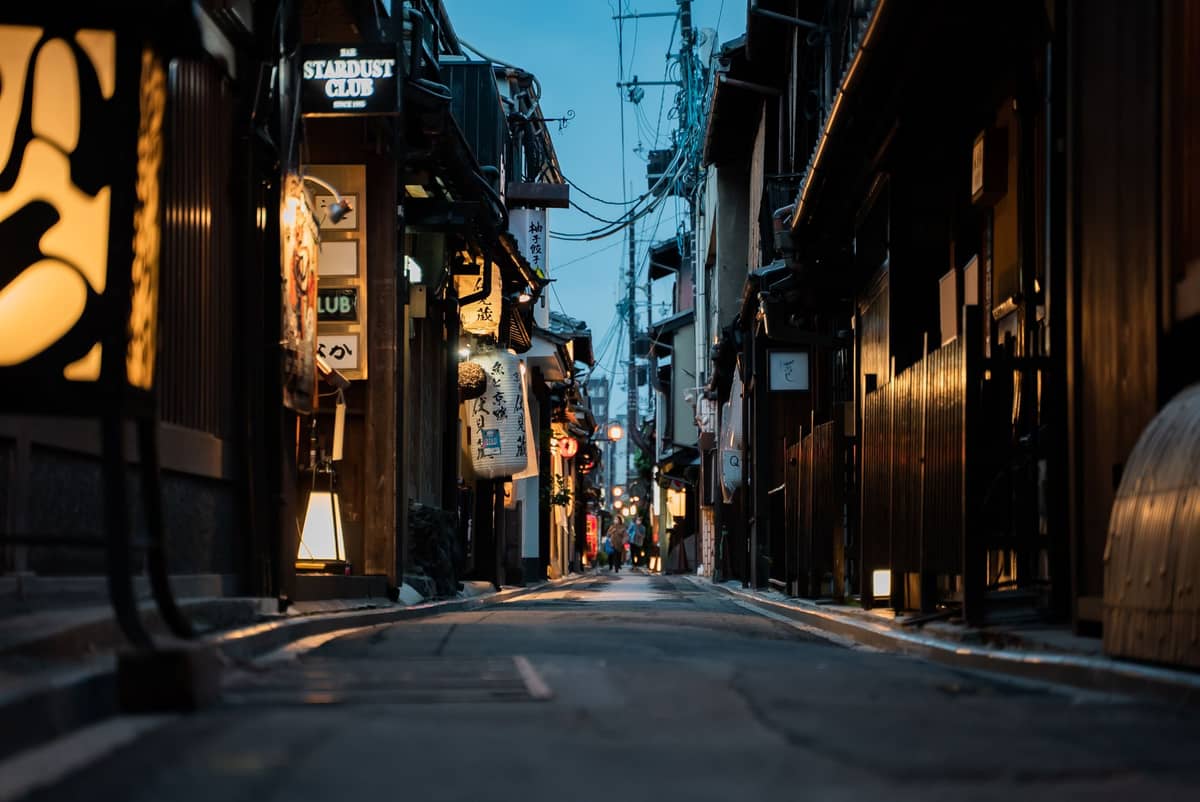
The Kamo River embankment along the eastern edge of the neighborhood is one of Kyoto's great public spaces. In the warmer months, typically from May through September, restaurants along the western bank open raised wooden terraces called kawayuka over or beside the water, creating one of the most pleasant dining environments in the city.Pontocho Alley, a narrow pedestrian lane running parallel to the river between Shijo-dori and Sanjo-dori, is lined almost entirely with restaurants and bars. The combination of compressed scale and ambient lantern light makes it one of the most atmospheric dining streets in Kyoto, though prices reflect that atmosphere.
From the Shijo-Ohashi bridge, it is a ten-minute walk south along the river embankment to reach the edge of theKamo Riverparkway, popular with joggers, students, and picnickers. In the opposite direction, a ten-minute walk east from the bridge enters Gion. The crossing itself offers a clear view of Yasaka Pagoda rising above the rooflines to the southeast on clear days.
Nishiki Market: best visited on weekday mornings for the freshest produce and fewest crowds
Pontocho Alley: dinner reservations recommended at popular restaurants, especially on weekends
Teramachi-dori antique section (north of Nishiki): browse old ceramics, lacquerware, and tea utensils
Kamo River embankment: free, accessible at any hour, excellent for an evening walk
Kyoto Takashimaya food halls (depachika): basement floors carry an exceptional range of prepared foods, sweets, and regional products
Eating & Drinking
The food options in Kawaramachi and Shijo cover a wider range of budgets and styles than almost anywhere else in Kyoto. At the affordable end, the side streets off Kawaramachi-dori between Shijo and Sanjo are lined with ramen shops, soba counters, gyoza specialists, and standing sushi bars. For an overview of what to eat and where to find it across the city, theKyoto food guide covers the full range of local specialties.
Nishiki Market itself offers some of the best street eating in the city, though the format is grab-and-go rather than sit-down. Look for stalls selling yudofu (simmered tofu), tako tamago (octopus stuffed with a quail egg), rolled omelette, fresh mochi, and an overwhelming variety of pickles. Many stalls offer small samples. Prices are generally in the 200–600 yen range per item.
Pontocho runs a price tier above the rest of the neighborhood. Kaiseki restaurants here can charge 10,000 yen or more per person for multi-course dinners; even the mid-range places typically start around 4,000-5,000 yen for dinner. The trade-off is setting: kawayuka terrace dining in summer is genuinely special. For travelers on tighter budgets, the same riverside atmosphere can be experienced for free from the embankment itself. If matcha is a priority, the downtown area has multiple specialist cafes and tea shops, and theKyoto matcha guide has recommendations across different price points.
The bar scene around Kawaramachi is Kyoto's most varied. Small standing bars (tachinomi) operate in the alleys east of Kawaramachi-dori, alongside craft beer bars, whisky specialists, and wine bars. The area attracts a mix of locals, university students, and international visitors. Most bars open around 6pm and serve until midnight or later; some smaller spots close earlier on weekdays.
💡 Local tip
The basement food halls of Kyoto Takashimaya are worth visiting even without any intention to buy. The prepared food section on the B1 floor carries bento boxes, sweets, and Kyoto-style side dishes at prices comparable to convenience stores, and the quality is significantly higher.
Getting There & Around
The primary rail access point is Hankyu Kyoto-Kawaramachi Station, the eastern terminus of the Hankyu Kyoto Line, located directly below the Shijo-Kawaramachi intersection. This is the most convenient station for the downtown core and connects directly to Osaka (Umeda) in about 45–50 minutes. The station's main exits place you immediately at the heart of the shopping district.
Keihan Gion-Shijo Station is located just across the Kamo River, a three-minute walk east of the intersection along Shijo-dori. This station connects south to Fushimi and Osaka, and north along the Keihan line to Demachiyanagi. For travelers using the Keihan line from Osaka or heading to Fushimi Inari, Gion-Shijo is the practical downtown stop.
Kyoto Municipal Subway's Karasuma Line stops at Shijo Station, about four blocks west of Kawaramachi along Shijo-dori. This subway line connects the downtown area directly to Kyoto Station (two stops south) and to Kyoto Imperial Palace and Kitaoji (north). For transit advice covering the whole city, thegetting around Kyoto guideexplains all the main options including bus passes and IC cards.
Multiple city bus lines stop at Shijo Kawaramachi, Kawaramachi Sanjo, and Shijo Keihan-mae. City buses connect the downtown area to Arashiyama, Kinkaku-ji, Ginkaku-ji, and most major temple districts, typically in 20-40 minutes depending on direction and traffic. Buses run less reliably during peak tourist seasons when Shijo-dori can become heavily congested.
The neighborhood itself is best navigated on foot. The distance from Shijo-Kawaramachi to the Kamo River is about 200 meters; to Nishiki Market's western end, about 400 meters; and to Karasuma-dori, about 800 meters. Bicycle rental shops operate in the area, and cycling is practical for reaching destinations not well-served by direct transit, though bike parking requires attention to posted rules.
⚠️ What to skip
Bus congestion along Shijo-dori is a real problem during spring cherry blossom and autumn foliage seasons. If you are heading east toward Higashiyama or Gion, walking from Kawaramachi is almost always faster than waiting for a bus during those periods.
Where to Stay
Kawaramachi and Shijo has the densest concentration of mid-range hotels in Kyoto, largely because of its central location and excellent rail access. The area suits travelers who want to cover a lot of ground across the city without relying on a single train line. For a broader comparison of where to stay across all of Kyoto's neighborhoods, thewhere to stay in Kyoto guide breaks down each district by traveler type and budget.
The blocks immediately north and south of Shijo-dori between Kawaramachi and Karasuma have the highest density of business hotels: reliable, compact, and efficient, with rates typically ranging from 8,000 to 22,000 yen per night for a standard room. These suit solo travelers and couples who plan to spend most of their time outside the room. The area is well-lit and safe at night, though weekend noise from bar streets can carry until midnight or later.
For travelers seeking a more atmospheric stay, a handful of renovated machiya townhouse guesthouses operate in the alleys off Kawaramachi-dori, offering a more intimate alternative to chain hotels. Travelers wanting a traditional inn experience should look at theKyoto ryokan guidefor options: the downtown area is not the primary location for ryokan, which tend to cluster in quieter neighborhoods, but a few do exist within walking distance.
One practical note for families or travelers with early starts: the immediate blocks around the Shijo-Kawaramachi intersection are noisier than quieter residential areas of Kyoto. If light sleep is a concern, look for hotels set back from Shijo-dori itself on the smaller cross streets, where foot traffic drops off significantly by 11pm.
Day Trips and Onward Exploration
The downtown location makes this neighborhood an efficient starting point for day trips across the city and beyond. The Hankyu line from Kawaramachi Station reaches Osaka in under an hour; the Keihan line from Gion-Shijo connects to Kyoto’s southern suburbs and Osaka as well. For suggestions on what to do beyond Kyoto itself, theday trips from Kyoto guidecovers destinations including Nara, Osaka, and the Uji area.
Within Kyoto, the most logical extensions from this downtown base are eastward intoHigashiyama(Kiyomizu-dera, Ninenzaka, Yasaka Shrine), which are walkable in 20-30 minutes from the Kamo River bridge, and south toFushimivia the Keihan or subway lines. The western temple districts around Kinkaku-ji and Ryoan-ji are a 30-40 minute bus ride from Shijo-Kawaramachi bus stops.
TL;DR
Kawaramachi and Shijo is Kyoto's most accessible and commercially complete downtown neighborhood, ideal for first-timers who want central transit access and a full range of food and shopping options.
Nishiki Market, Pontocho Alley, and the Kamo River embankment are the three experiences that define the neighborhood at its best — visit Nishiki early on weekdays to avoid the worst congestion.
The area is well-suited to mid-range hotel stays and suits travelers who plan to spend their days exploring the wider city rather than staying in the immediate area.
Peak season crowds on Shijo-dori and in Nishiki Market are a genuine drawback; travelers who prefer quiet streets and minimal tourist activity will find the neighborhood overwhelming on weekends in spring and autumn.
Transit connections are excellent: Hankyu, Keihan, and the Karasuma subway line all serve the area, placing most of Kyoto's major districts within 30-40 minutes.
Top Attractions in Downtown Kyoto (Kawaramachi & Shijo)
Kyoto holds more extraordinary Japanese gardens per square kilometer than anywhere else on earth. This guide covers the finest examples across every style, from dry rock gardens to imperial stroll gardens, with practical advice on access, timing, and what makes each one worth the visit.
Kyoto holds more Shinto shrines than almost any city on earth, ranging from grand imperial complexes to quiet forest sanctuaries. This guide covers the best, with practical advice on when to go, what to expect, and what most visitors get wrong.
Kyoto has over 1,600 Buddhist temples and around 400 Shinto shrines, ranging from gold-leafed pavilions to remote mountain retreats. This guide cuts through the noise to highlight the temples that genuinely reward a visit, with context on what makes each one worth your time.
Kyoto rewards visitors year-round, but the experience varies dramatically by season. This guide breaks down every month by weather, crowds, costs, and what's actually worth seeing — so you can choose the right time for your trip, not just the most popular one.
Kyoto's best views range from the famous wooden stage at Kiyomizu-dera to a forested mountain summit reached by a 45-minute hike. This guide covers the city's top viewpoints across temples, hilltops, iconic streets, and observation decks, with tips on timing and what to expect.
Kyoto sits at the center of one of Japan's richest regions for day-tripping. Within an hour by train, you can reach ancient deer parks, mountain temples, sake-brewing canals, and remote moss gardens. This guide covers the best excursions organized by direction and theme.
Kyoto is one of the world's great cultural cities, and a surprising number of its best experiences are completely free. From the torii-gate tunnels of Fushimi Inari to the stone lanes of Higashiyama and the canal-side Philosopher's Path, here is a practical guide to the finest free attractions in Kyoto.
The Fushimi Inari hike is one of the most iconic walks in Japan, threading thousands of vermilion torii gates up Mt. Inari in southern Kyoto. This guide covers every trail option, the best times to go, how to get there cheaply, and the the reality about what the experience is actually like.
Kyoto's transport network is more layered than it first appears. This guide breaks down every practical option, from city buses and subway lines to IC cards, day passes, and airport transfers, so you can move around the city without wasting time or money.
Gion Matsuri fills the entire month of July with shrine rituals, towering floats, and lantern-lit street festivals. This guide breaks down exactly what happens, when, where to stand, and how to survive the July heat without missing the highlights.
Kyoto has no international airport of its own. This guide covers every practical way to reach the city from Kansai International Airport (KIX) and Osaka Itami (ITM), with current fares, journey times, and clear advice on which option suits your trip.
Kyoto's cherry blossom season is one of Japan's great spectacles, but peak bloom lasts barely a week and the crowds are intense. This guide covers exactly when to go, where to stand, what to skip, and how to make the most of sakura season in Kyoto.
Kyoto is Japan's historic capital, with over 1,600 temples, a preserved geisha district, and some of the country’s finest food. This guide covers everything a first-time visitor needs: the best time to visit, how to get from the airport, which neighborhoods to base yourself in, and how to avoid the most common mistakes.
Kyoto's food culture runs deeper than temple towns and tea ceremonies. From formal kaiseki multi-course meals to humble obanzai home cooking and steaming bowls of yudofu beside ancient temples, this guide covers what to eat, where to eat it, and exactly what to budget — season by season.
Kyoto is one of the most atmospheric cities in Asia for couples, with preserved historic streets, seasonal illuminations, ryokan stays, and cultural rituals designed for two. This guide covers the best romantic experiences, realistic pricing, and the timing details that make the difference between a good trip and a memorable one.
Kyoto is the only city in Japan where the geisha tradition survives at scale. This guide covers the five geisha districts, every major dance performance, licensed cultural experiences, and the etiquette rules that matter — so you can engage with this world respectfully and on your own terms.
Kyoto rewards those who look beyond the headline sights. This guide covers the city's most rewarding lesser-known temples, atmospheric alleyways, mountain retreats, and local institutions, from a moss-carpeted UNESCO garden requiring advance booking to a century-old public bathhouse in a residential neighborhood.
Autumn transforms Kyoto into one of the most photographed places on earth, with maples and ginkgos turning gold and crimson across temples, gardens, and hillsides. This guide covers when foliage peaks, where to go, which illumination events are worth your evening, and how to avoid the worst of the crowds.
Kyoto in winter (December to February) offers crisp, mostly dry weather, thinner crowds, and a quieter side of the city's temples and shrines. This guide covers what the season actually looks like, what to do, how to get around, and where the crowds still gather.
Three days is enough to experience the best of Kyoto without feeling rushed, but only if you plan smart. This guide breaks down exactly where to go, when to go, and how to get around, including updated transport advice that most other guides get wrong.
Renting a kimono in Kyoto is one of the most memorable ways to experience the city, but the advertised prices rarely tell the full story. This guide breaks down real costs, the best neighborhoods to explore in traditional dress, seasonal advice, and practical tips that most shops won't tell you upfront.
Kyoto is the spiritual home of Japanese matcha culture, from centuries-old tea houses in Gion to stone-mill workshops in Uji. This guide covers where to drink, eat, and learn about matcha — with real prices, practical logistics, and practical advice on what's worth your time.
Kyoto's nightlife is quieter than Tokyo's but far richer than most visitors expect. This guide covers the best izakayas, sake bars, evening tours, and riverside dining across Pontocho, Gion, and Kiyamachi, with practical advice on costs, timing, and what to skip.
Kyoto is one of Japan's most rewarding cities to visit, but costs can add up fast. This guide breaks down exactly how to stretch your yen further — covering transport passes, free attractions, affordable food, and the best times to visit when prices drop.
Seven days is the ideal length to experience Kyoto without rushing. This guide breaks down each day by district, with practical logistics, timing advice, and clear assessments of what's worth your time. Whether you're planning your first visit or returning with more days to spare, this itinerary covers the full range of Kyoto's historic city.
Kyoto offers a surprisingly diverse range of hot-spring bathing options, from rural mountain onsen to sleek hotel spas. This guide breaks down the best facilities, real pricing, seasonal timing, and the rules you need to know before you strip off your yukata.
Kyoto's ramen scene runs deeper than most visitors expect. This guide covers the top-rated shops, the best neighborhoods to explore, what styles define Kyoto ramen, and practical advice for navigating queues, hours, and seasonal menus.
A Kyoto ryokan stay is one of the most distinctive lodging experiences in Japan, but the rules, pricing structures, and expectations are unlike any Western hotel. This guide breaks down what actually happens from check-in to breakfast, what things cost across budget tiers, and which neighborhoods make the most sense depending on your itinerary.
Kyoto is Japan's craft capital, where century-old textile workshops sit alongside covered shopping arcades and a legendary food market. This guide breaks down where to shop, what to buy, and how to avoid tourist traps — by neighborhood, price point, and category.
Kyoto's sushi scene runs deeper than most visitors expect. This guide breaks down the best sushi restaurants in Kyoto by price tier, neighborhood, and style, with practical advice on reservations, seasonal fish, and common mistakes to avoid.
From quick group introductions to private lessons in historic teahouses, Kyoto offers more ways to experience chado than almost anywhere in Japan. This guide covers the best venues, realistic prices, booking advice, and the cultural context that makes each sip mean something.
Visiting Kyoto's temples and shrines without understanding the etiquette means missing half the experience. This guide covers everything from torii gate protocol and hand-purification steps to photography restrictions, admission costs, and the key differences between Shinto shrines and Buddhist temples.
Nara is one of the easiest and most rewarding day trips from Kyoto, just 40 km away with frequent train connections. This guide breaks down every transport option, cost comparisons, and how to make the most of your time there.
The Kyoto to Tokyo corridor is one of Japan's most-traveled routes. This guide covers every realistic option, from the Tokaido Shinkansen to overnight highway buses, with clear breakdowns of cost, speed, and when each option makes sense.
Kyoto rewards walkers more than almost any city in Japan. This guide breaks down the best self-guided walking routes by district, with timing, admission costs, crowd advice, and clear assessments of what's worth your time and what isn't.
Kyoto's weather swings from bitter January mornings to oppressive August humidity, with two peak tourist seasons sandwiched in between. This guide breaks down what to expect every month, what to pack, and when the crowds and weather actually align in your favor.
Kyoto is not just temples and shrines. The city has a surprisingly strong lineup of kid-friendly attractions, from the Kyoto Railway Museum and Aquarium in Umekoji Park to samurai theme parks and wide outdoor spaces. This guide covers what's genuinely worth your family's time, realistic pricing, the best seasons to visit with children, and how to structure your days without burning everyone out.
Kyoto rewards those who spend well and plan ahead. This guide covers the city's finest ryokan, reservation-only kaiseki restaurants, and culturally rich experiences, along with practical advice on booking windows, seasonal pricing, and what actually justifies the premium.
Kyoto packs more than 1,600 years of Japanese history into a single city. This guide covers the best things to do in Kyoto across every district, from iconic temples and sake breweries to traditional tea ceremonies and bamboo forest walks, with practical advice on crowds, costs, and timing.
Choosing where to stay in Kyoto shapes your entire trip. This guide covers the five best areas for visitors, price breakdowns by neighbourhood, accommodation type comparisons, and the booking timing you need to avoid paying double during peak season.