Getting from Kyoto to Tokyo: Trains, Buses & Practical Tips
The Kyoto to Tokyo corridor is one of Japan's most-traveled routes. This guide covers every realistic option, from the Tokaido Shinkansen to overnight highway buses, with clear breakdowns of cost, speed, and when each option makes sense.
Plan and book this trip
Tools from our partner Travelpayouts help you compare flights and hotels. If you book through them, we may earn a commission at no extra cost to you.
Flights
Hotels map
TL;DR
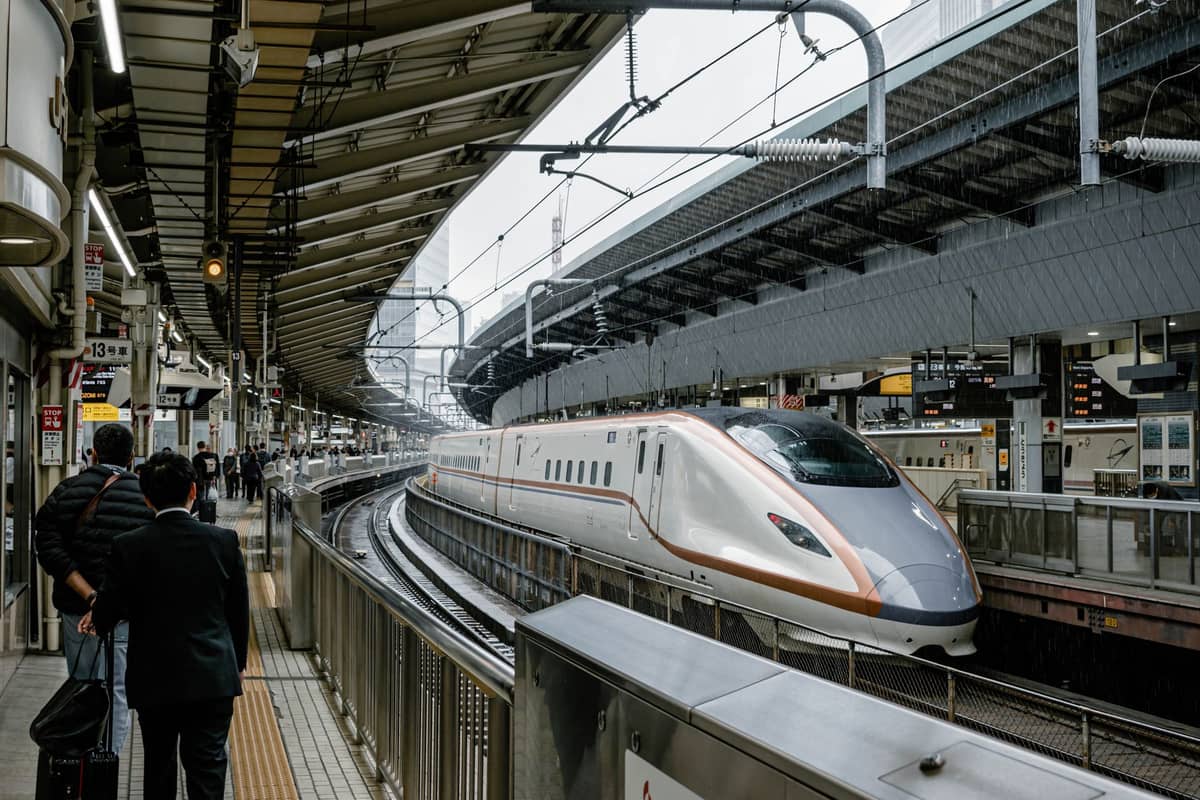
- The fastest and most popular way to travel from Kyoto to Tokyo is the Tokaido Shinkansen from Kyoto Station, taking about 130 minutes on the Nozomi service.
- Standard one-way fares run approximately ¥13,320 (unreserved) to ¥13,970 (reserved) in ordinary class; Green Car costs more.
- The JR Pass does NOT cover the Nozomi — use Hikari or Kodama if travelling on a pass; see ourgetting around Kyoto guide for broader transport context.
- Overnight highway buses are the budget alternative, with fares from around ¥5,980, but comfort and journey time (~8 hours) are significant trade-offs.
- Book shinkansen seats in advance during Golden Week, mid-August, and the New Year period — trains sell out, and bus fares spike too.
Why the Kyoto to Tokyo Route Is Simpler Than It Looks
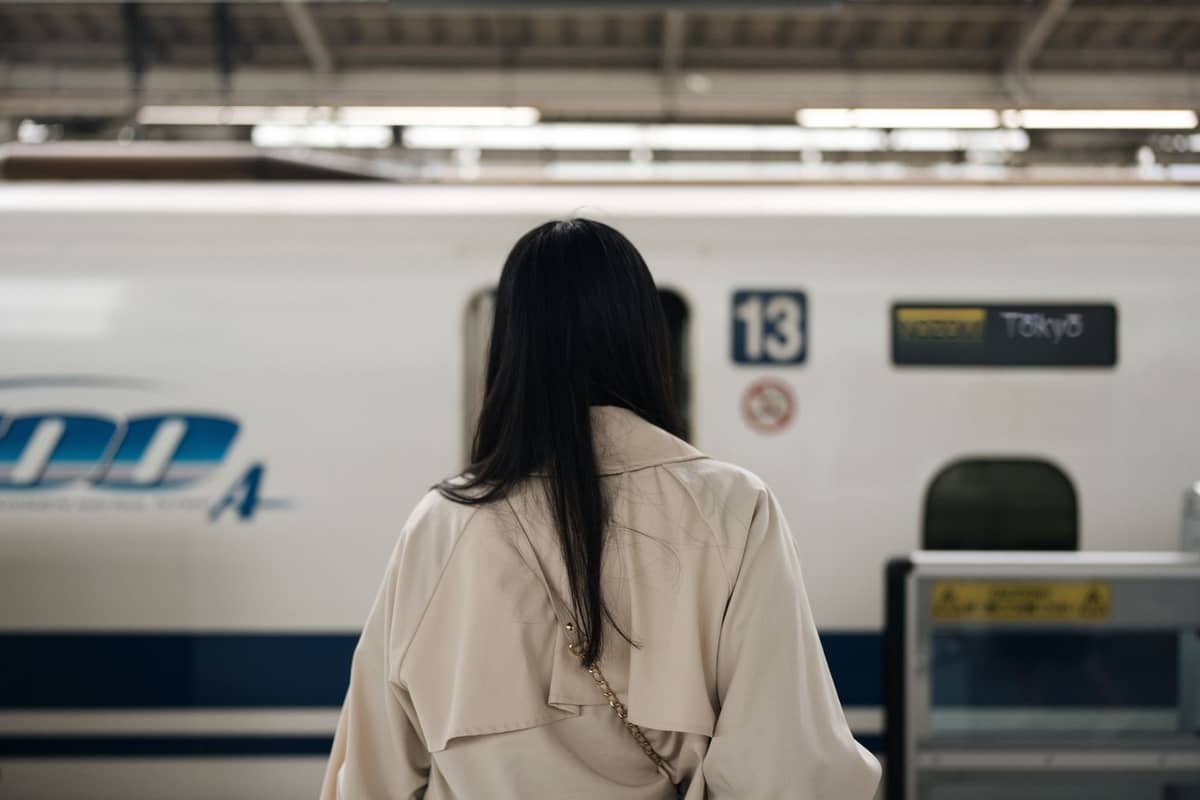
Japan's intercity travel infrastructure is arguably the most efficient in the world, and theKyoto to Tokyocorridor benefits from that. Kyoto Station sits directly on the Tokaido Shinkansen line, meaning there are no transfers or taxi rides to a separate bullet train hub. You walk into one of Japan's most functional station buildings, find your platform, and board. The logistics are genuinely low-stress compared to flying, once you understand the fare structure and ticketing rules.
The distance between the two cities is roughly 450–460 km by rail or road.For most travelers, the Shinkansen makes flying irrelevant: by the time you factor in airport transfers on both ends, check-in, and baggage claim, a domestic flight rarely saves time. The highway bus does have a niche role for serious budget travelers, covered below. If you're planning a broader Japan trip, it's worth reading up onhow to arrive in Kyoto and day trips from Kyoto to structure your itinerary around these corridors.
The Tokaido Shinkansen: Nozomi, Hikari, and Kodama Explained
Three shinkansen service types run between Kyoto and Tokyo on the Tokaido line, and choosing the right one matters depending on whether you hold a JR Pass.
- Nozomi (fastest) Journey time: approximately 130 minutes from Kyoto Station to Tokyo Station. The Nozomi skips most intermediate stops and runs frequently throughout the day. This is the service most travelers use — but it is NOT covered by the standard JR Pass. You must pay the full fare separately.
- Hikari (moderate) Journey time: roughly 160–170 minutes, depending on stops. Hikari is fully covered by the JR Pass and stops at a handful more stations than the Nozomi. For JR Pass holders, this is the go-to choice on the Kyoto-Tokyo corridor.
- Kodama (slow) Journey time: over 3.5 hours, stopping at every station. Also JR Pass eligible. Only makes sense if you want to explore cities along the Tokai corridor — Nagoya, Shizuoka, Hamamatsu — or if every other service is full.
⚠️ What to skip
The JR Pass does not cover Nozomi or Mizuho services on the Tokaido Shinkansen. This is one of the most common and costly mistakes foreign visitors make. If you're using a JR Pass, always book Hikari for the Kyoto-Tokyo leg. The time difference is around 30-40 minutes — usually worth it to avoid paying ¥13,000+ out of pocket.
Departures between Kyoto and Tokyo are frequent throughout the day, with multiple trains per hour during peak hours. Last Nozomi services run into the late evening. The Tokaido Shinkansen almost never experiences significant delays — it's weather-resilient and operationally precise, which is another reason it beats flying in overall reliability.
Fares, Seat Classes, and Where to Book
Standard one-way fares from Kyoto Station to Tokyo Station in ordinary class run approximately ¥13,500–¥14,000 depending on seat type and season. Green Car (first class equivalent) costs more. These figures are based on current JR Central published pricing and should be verified before travel, as fares are occasionally adjusted.
- Unreserved (Jiyuseki): around ¥13,500 — no seat guarantee, first come first served in designated cars.
- Reserved (Shiteiseki): around ¥14,000 — worth the small premium during busy travel periods.
- Green Car: significantly higher; expect to pay several thousand yen more for wider seats and dedicated service.
- JR Central travel package fares can sometimes come in around ¥11,000–¥13,000 when booked as part of a bundled accommodation deal — check the JR Central Shinkansen Travel Site for current packages.
- Children aged 6–11 travel at roughly half the adult fare; under 6s travel free if they don't occupy a seat.
The primary official booking channel is JR Central's online booking portal and Shinkansen Travel Site, which allows seat selection and advance purchase. For foreign visitors, the SmartEX app (JR Central's booking platform) accepts international credit cards and gives access to the same fares. You can also buy tickets at any Kyoto Station Midori no Madoguchi (JR ticket window) or the green ticket machines with English interfaces.
✨ Pro tip
If you're not using a JR Pass, book at least a few days before travel during busy seasons — not because trains are scarce, but because unreserved cars can be standing-room-only on Friday evenings and holiday weekends. A reserved ticket costs about ¥650 more and guarantees your seat for the entire 130-minute journey.
Highway Bus: The Budget Alternative
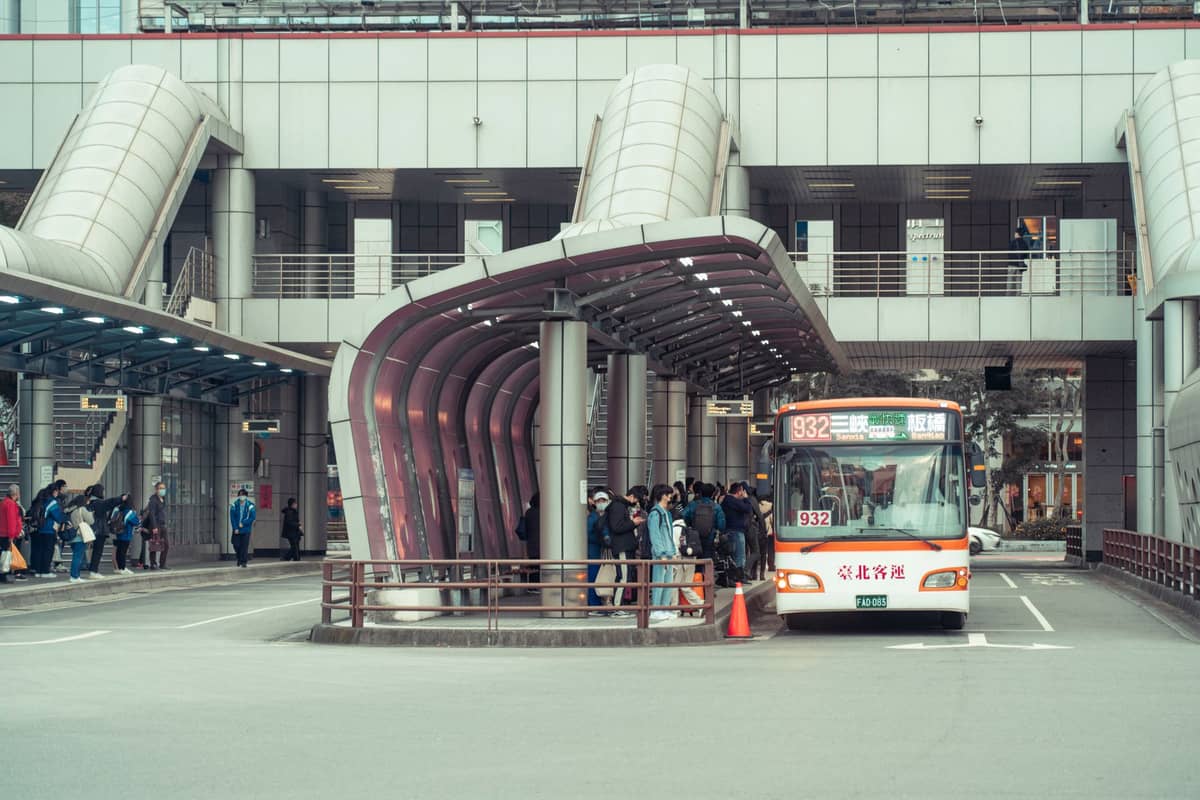
If the shinkansen fare is out of budget, overnight highway buses are the main alternative. Several operators run Kyoto to Tokyo services, with fares starting around ¥5,980 in low season and rising to ¥10,500 or more during peak periods. Journey time is typically around 7.5 to 9 hours, depending on the operator and traffic. Most services depart in the late evening and arrive in Tokyo in the early morning, effectively saving a night's accommodation. This makes the trade-off more rational than it looks on paper, especially for younger travelers or those doing Japan on a tight budget. Check theKyoto on a budget guide for more cost-saving strategies.
- Seat types range from basic 4-row economy to 3-row semi-private and fully reclinable pods on premium services — the latter cost more but approach train-level comfort.
- Booking platforms include Willer Express, Kanto Bus, and Kosokubus (kosokubus.com has an English interface with comparison across operators).
- Fares spike during Golden Week (late April to early May), Obon (mid-August), and the New Year period — sometimes matching or exceeding shinkansen prices, at which point the bus makes no sense.
- Night buses generally pick up near Kyoto Station and drop off at multiple points in Tokyo including Shinjuku and Tokyo Station.
- Bus cancellations do happen during typhoons and heavy snow — keep this in mind if traveling in late summer or winter.
💡 Local tip
If you're taking a night bus back to Kyoto after a long day in Tokyo, arriving at Kyoto Station around 6–7am is actually useful — you can drop bags at coin lockers and get an early start on temples like Fushimi Inari before the crowds arrive.
Practical Logistics: Kyoto Station to Your Tokyo Destination
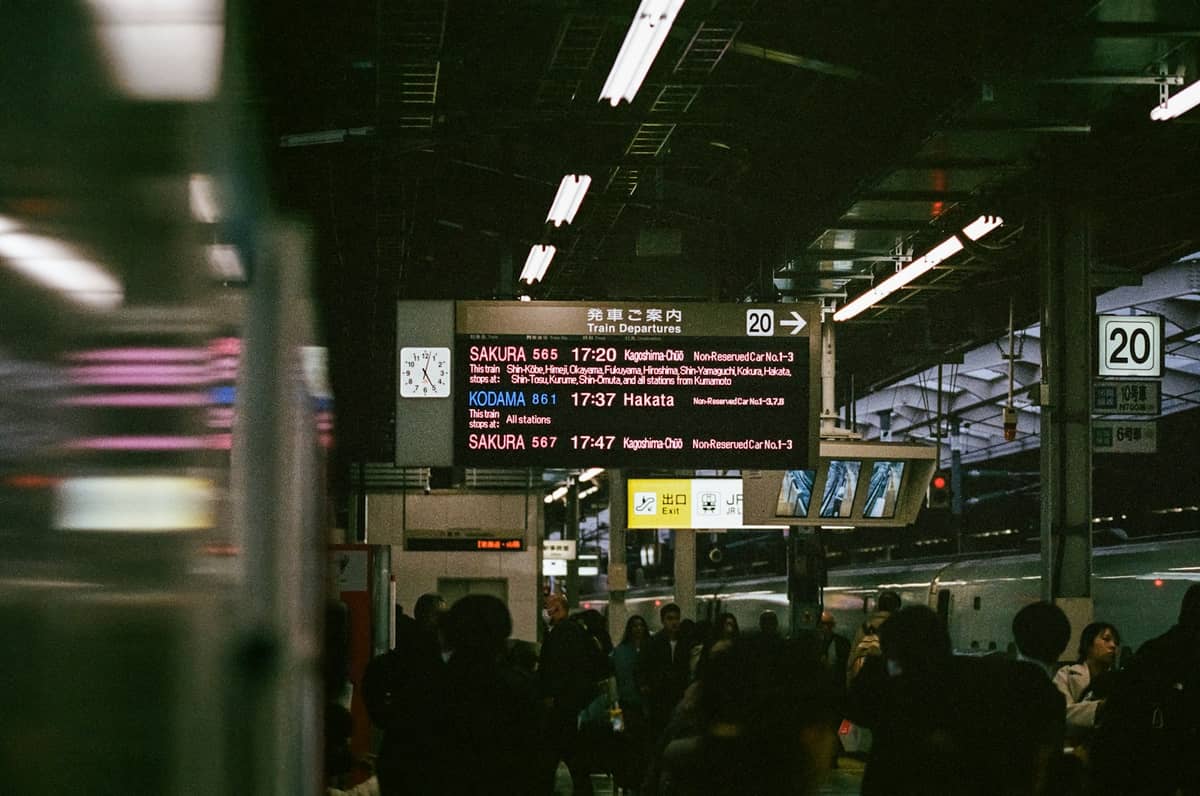
Kyoto Station is the departure point for all shinkansen services. The station is massive and well-signposted in English, but allow at least 15–20 minutes to navigate to the shinkansen gates if you're arriving by city bus or subway for the first time. The Karasuma subway line connects directly to the station, as do several JR local lines. For guidance on getting around the city before your departure, thegetting around Kyoto guide covers all transport options in detail.
On the Tokyo end, the Tokaido Shinkansen terminates at Tokyo Station, which connects to the JR Yamanote Line, Keihin-Tohoku Line, Tokyo Metro, and several other lines. If yourTokyo accommodationis in Shinjuku, Shibuya, or Ikebukuro, factor in an additional 20–40 minutes of city transit after arriving at Tokyo Station. Marunouchi (central Tokyo, near Tokyo Station) is the most convenient arrival point for hotel districts around Ginza, the Imperial Palace area, and east Tokyo neighborhoods.
Luggage is worth thinking about. Shinkansen overhead racks handle standard carry-on sizes, and there are larger luggage spaces at the ends of some cars. JR Central requires advance reservation for oversized bags (those with a total dimension exceeding 160 cm and up to 250 cm) on the Tokaido Shinkansen — check current rules before travel. Luggage forwarding services (takuhaibin/kuroneko) are a practical option: you can send bags from your Kyoto hotel to your Tokyo accommodation for around ¥1,500–¥2,500 per bag, usually arriving the next day.
When to Book and Peak Travel Seasons
The Kyoto to Tokyo route gets congested during Japan's three major holiday clusters. Timing your travel around these periods, or booking well in advance if you can't avoid them, makes a meaningful difference. Thebest time to visit Kyotoguide goes into seasonal detail for the city itself, but the transport pressure applies to this route specifically.
- Golden Week (late April to early May) Japan's busiest domestic travel period. Shinkansen reserved seats sell out weeks in advance. Unreserved cars can be standing-room-only. Book the moment your dates are confirmed.
- Obon (mid-August, typically 13–16 August) Second-busiest period. Trains and buses are packed with Japanese travelers returning to family homes. Prices and demand spike across all modes.
- New Year (late December to early January) The period around December 28 through January 4 sees heavy outbound and return travel. Shinkansen seats fill up; night bus fares often match shinkansen prices, negating the budget advantage.
- Cherry blossom season (late March to mid-April) Kyoto draws enormous crowds for sakura, creating unusually high demand on the Tokyo-Kyoto corridor. If you're combining both cities during this window, book transport as early as possible.
FAQ
How long does the Kyoto to Tokyo bullet train take?
The Nozomi shinkansen takes approximately 130 minutes (about 2 hours 10 minutes) from Kyoto Station to Tokyo Station. The Hikari, which is the service covered by the JR Pass, takes roughly 160–170 minutes depending on stops. The slower Kodama service takes over 3.5 hours.
Does the JR Pass cover the Kyoto to Tokyo shinkansen?
The JR Pass covers Hikari and Kodama services on the Tokaido Shinkansen and allows travel on Nozomi (and Mizuho) only when you purchase an additional NOZOMI MIZUHO Ticket. If you use a JR Pass and want to avoid this surcharge, book a Hikari — it adds around 30–40 minutes to your journey but avoids an extra fare of approximately ¥4,960 on top of your pass for the Kyoto–Tokyo section.
What is the cheapest way to get from Kyoto to Tokyo?
Overnight highway buses are the cheapest option, with fares starting around ¥5,980 in low season. Journey time is 7.5 to 9 hours. Fares rise significantly during Golden Week, Obon, and New Year, sometimes reaching ¥10,500 or more. Outside peak periods, the bus is roughly half the cost of a shinkansen ticket.
Is it worth flying from Kyoto to Tokyo?
There is no airport in Kyoto — the nearest major airport is Osaka International Airport (Itami, ITM), about 39 km away. Kansai International (KIX) is farther, at around 80 km. Factoring in transit to one of these airports, airport check-in, the flight itself, and transit from Haneda or Narita to central Tokyo, flying typically takes longer than the shinkansen and often costs more when you include airport transfers. Flying is rarely the right choice on this route.
How far in advance should I book the Kyoto to Tokyo shinkansen?
For travel outside peak periods, booking a day or two ahead is usually fine — reserved seats are readily available. During Golden Week, Obon, cherry blossom season, and New Year, book as early as possible, ideally weeks in advance. Unreserved cars always have some capacity but can be uncomfortably full on busy days.