Best Time to Visit Kyoto: A Practical Season-by-Season Breakdown
Kyoto rewards visitors year-round, but the experience varies dramatically by season. This guide breaks down every month by weather, crowds, costs, and what's actually worth seeing — so you can choose the right time for your trip, not just the most popular one.
Plan and book this trip
Tools from our partner Travelpayouts help you compare flights and hotels. If you book through them, we may earn a commission at no extra cost to you.
Flights
Hotels map
TL;DR
- Spring (late March to early May) and autumn (mid-October to late November) are peak season for good reason: mild temperatures, stunning scenery, and major festivals.
- Cherry blossom peak in Kyoto typically falls between late March and early April, though exact timing shifts by several days each year depending on winter temperatures.
- Summer (June to August) is hot, humid, and crowded — but it also includes the spectacularGion Matsuri festivalin July, which is reason enough for some travelers to endure the heat.
- Winter (December to February) offers the fewest crowds, the lowest prices, and a genuine sense of calm at major temples — at the cost of cold, occasionally snowy conditions.
- There is no single 'best' month for everyone. The right time depends on your priorities: scenery, budget, crowd tolerance, or specific events. See ourKyoto first-timer guide if you're planning your first trip.
Understanding Kyoto's Climate
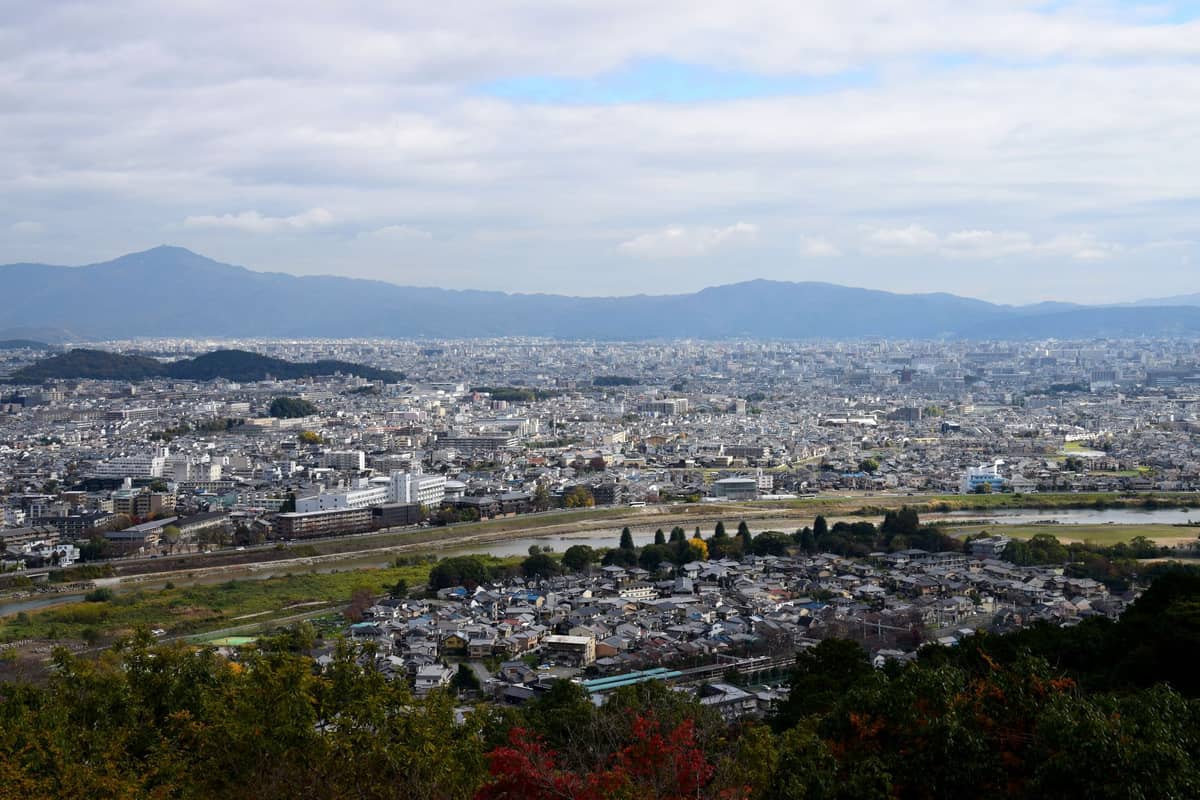
Kyoto sits in a basin surrounded by mountains on three sides at roughly 50 to 60 meters above sea level. That geography traps heat in summer and cold in winter, making temperature extremes more intense than coastal Japanese cities of similar latitude. The climate is classified as humid subtropical (Köppen Cfa): four genuinely distinct seasons, high humidity from June through August, and winters cold enough for frost and occasional snow.
Average highs in August reach around 34 to 35°C (93 to 95°F), while January averages closer to 9°C (48°F) during the day and drops near 1 to 2°C (34 to 36°F) at night. The main rainy season, known as Baiu, runs through June and into early July, with persistent drizzle rather than dramatic downpours. Late summer brings thunderstorm activity. The most stable, comfortable windows from a purely weather-based perspective are April to May and October to November.
ℹ️ Good to know
Japan does not observe daylight saving time. Kyoto runs on Japan Standard Time (JST), UTC+9, year-round. Sunrise in winter can be as late as 7:10am, which matters if you're planning early-morning visits to temples or Fushimi Inari.
Spring (March to May): Peak Season, Peak Crowds
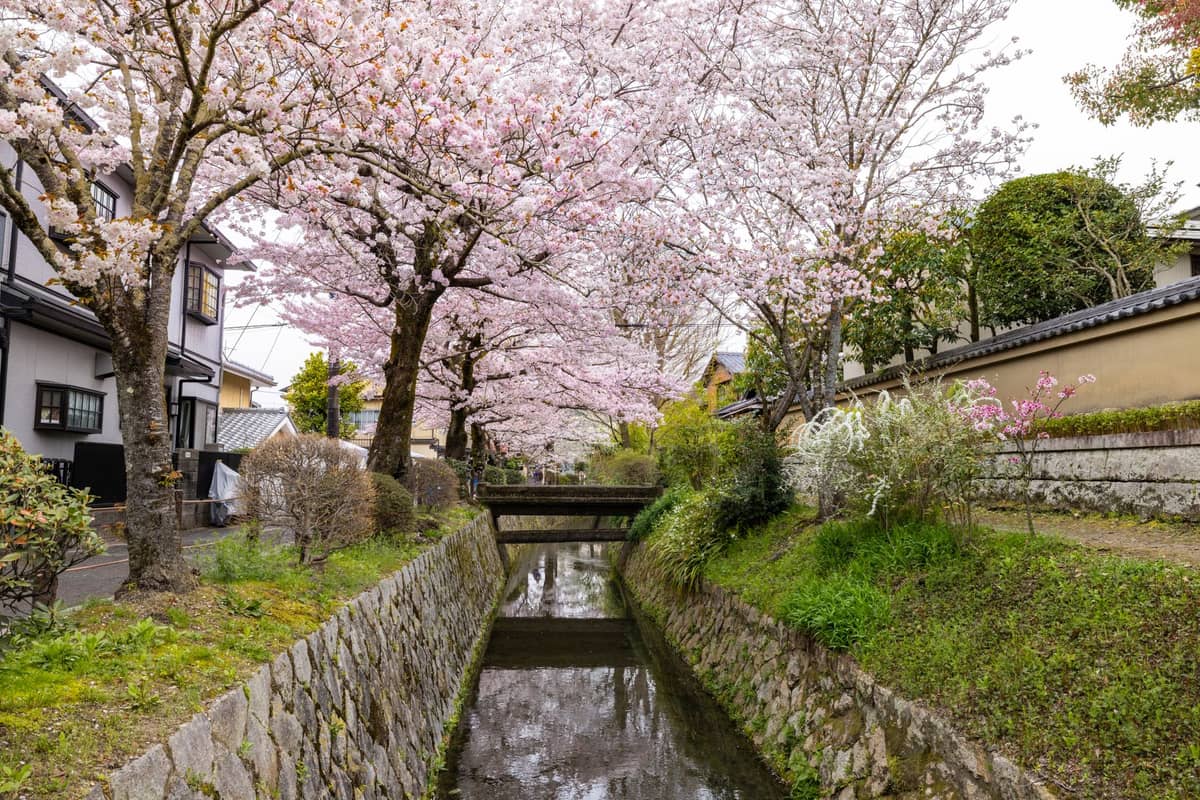
Spring is the most popular time to visit Kyoto, and the cherry blossom season is the primary reason. Kyoto's blossom peak typically falls between late March and early April — historical data shows prior-year peak dates ranging from March 19 to April 14 depending on the specific location and variety. The officialKyoto cherry blossom seasonis one of the most photographed events in Japanese travel, and the crowds reflect that. Hotels book out months in advance, and prices spike significantly during the two-week blossom window.
Temperatures in spring range from around 13°C to 24°C (55 to 75°F), with average maxima near 19°C in the shoulder weeks around April. It is genuinely pleasant walking weather. Rainfall is moderate and lower than summer. By mid-May, temperatures are warming quickly and the crowds thin considerably after Golden Week (the national holiday cluster at the end of April and start of May), which is itself another very busy period.
The trade-off in spring is straightforward: you get Kyoto at its most photogenic, but also at its most crowded and expensive. Popular spots likethe Philosopher's Path and Maruyama Parkare packed from early morning. If you visit in spring, arrive at major sites before 8am and plan your itinerary around the crowds, not just the scenery.
⚠️ What to skip
Cherry blossom timing cannot be predicted precisely more than a few weeks out. If you book a trip in October for late March expecting peak blossoms, you may arrive a week early or a week late. Build flexibility into your travel dates if blossoms are your primary goal.
Summer (June to August): Heat, Humidity, and Festivals
Summer in Kyoto is genuinely challenging. June brings the Baiu rainy season — not constant rain, but grey skies, high humidity, and regular showers. By July and August, the rain eases but the heat intensifies. Average highs reach 32 to 33°C with humidity levels that make the perceived temperature significantly higher. Kyoto's basin geography concentrates the heat. Walking between temples in August is uncomfortable work.
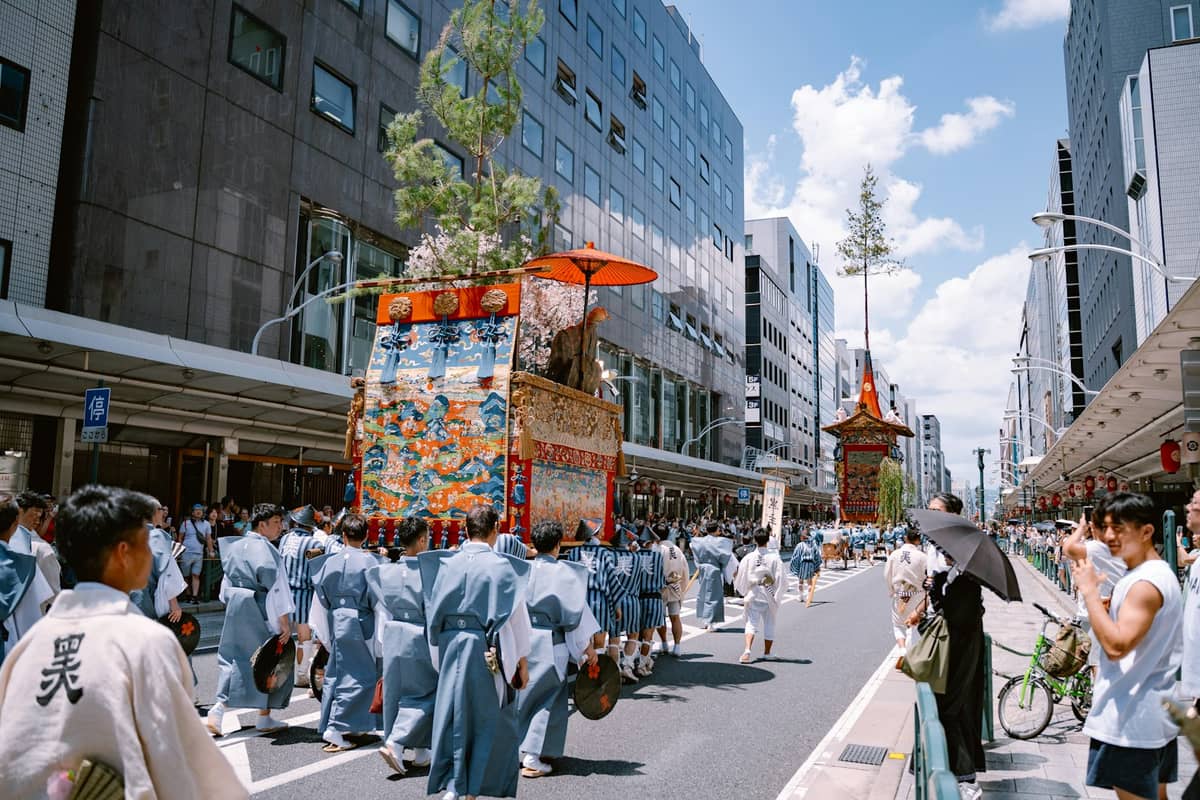
That said, summer is not without merit. July is dominated by theGion Matsuri, one of Japan's most significant festivals, which fills central Kyoto with elaborate floats, traditional music, and yukata-clad crowds over the entire month. The main processions on July 17 and July 24 draw enormous numbers, but the evening street markets during the preceding weeks are a more relaxed experience. If the festival is on your list, summer becomes a more compelling choice despite the heat.
Summer is also when accommodation prices dip slightly outside the festival weeks, and some of the city's most popular attractions are less crowded on ordinary weekdays than they are during spring or autumn peak. Early morning visits become even more important in summer: start by 7am at outdoor sites before the heat builds.
✨ Pro tip
The moss garden at Kokedera (Saihoji Temple) and the bamboo groves at Arashiyama are best in summer when the greenery is at its most intense. The trade-off is the heat, but these sites look genuinely different from their autumn and winter versions.
Autumn (September to November): The Other Peak Season
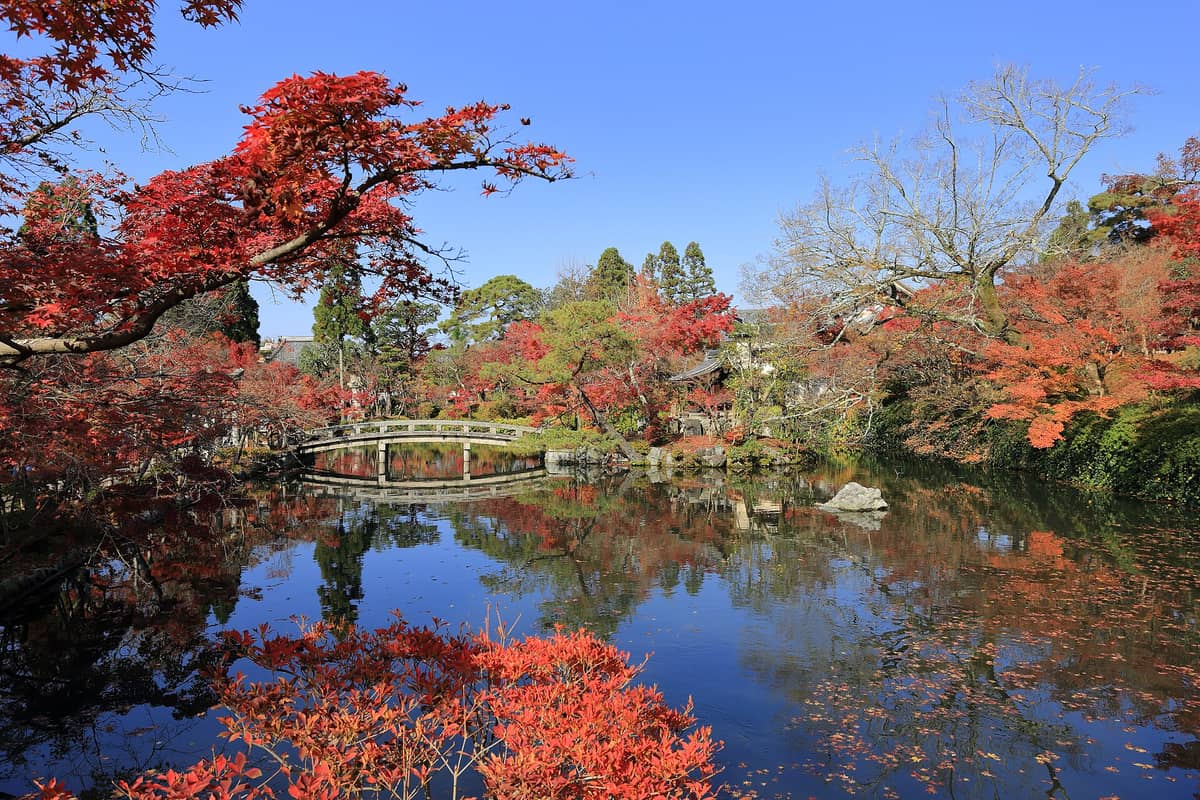
Autumn rivals spring as Kyoto's most visited season, and for good reason. Temperatures drop from around 24°C in September to a comfortable 17°C by November, humidity falls, and the city's maples and gingkos turn vivid shades of red, orange, and gold.Kyoto in autumnis particularly spectacular at temple gardens designed specifically around foliage viewing, including Eikan-do, Tofuku-ji, and the hillside districts of Higashiyama.
Foliage peak generally falls in mid to late November, though timing varies by year and site. Early November offers comfortable weather with the crowds not yet at maximum intensity. By the third week of November, popular spots likeEikan-do and the gardens around Nanzen-jican be as busy as the April cherry blossom period. Evening illuminations at select temples extend visiting hours and draw significant crowds after dark.
September is technically autumn but feels like late summer: still warm, sometimes humid, and with typhoon risk. Typhoon season in the Kansai region peaks from late August through October, though direct hits on Kyoto are relatively rare. Check forecasts if traveling in September or early October, and have contingency plans for outdoor itineraries.
- Early November Comfortable temperatures around 17 to 20°C, foliage beginning to color, moderate crowds compared to late month. Best balance of conditions and accessibility.
- Mid to Late November Peak foliage at most sites. Spectacular color but maximum crowds and higher accommodation prices. Book well in advance.
- Early December Foliage fading but still present at some sites. Crowds drop sharply after late November. Temperatures cool to around 10°C during the day.
Winter (December to February): Kyoto Without the Crowds
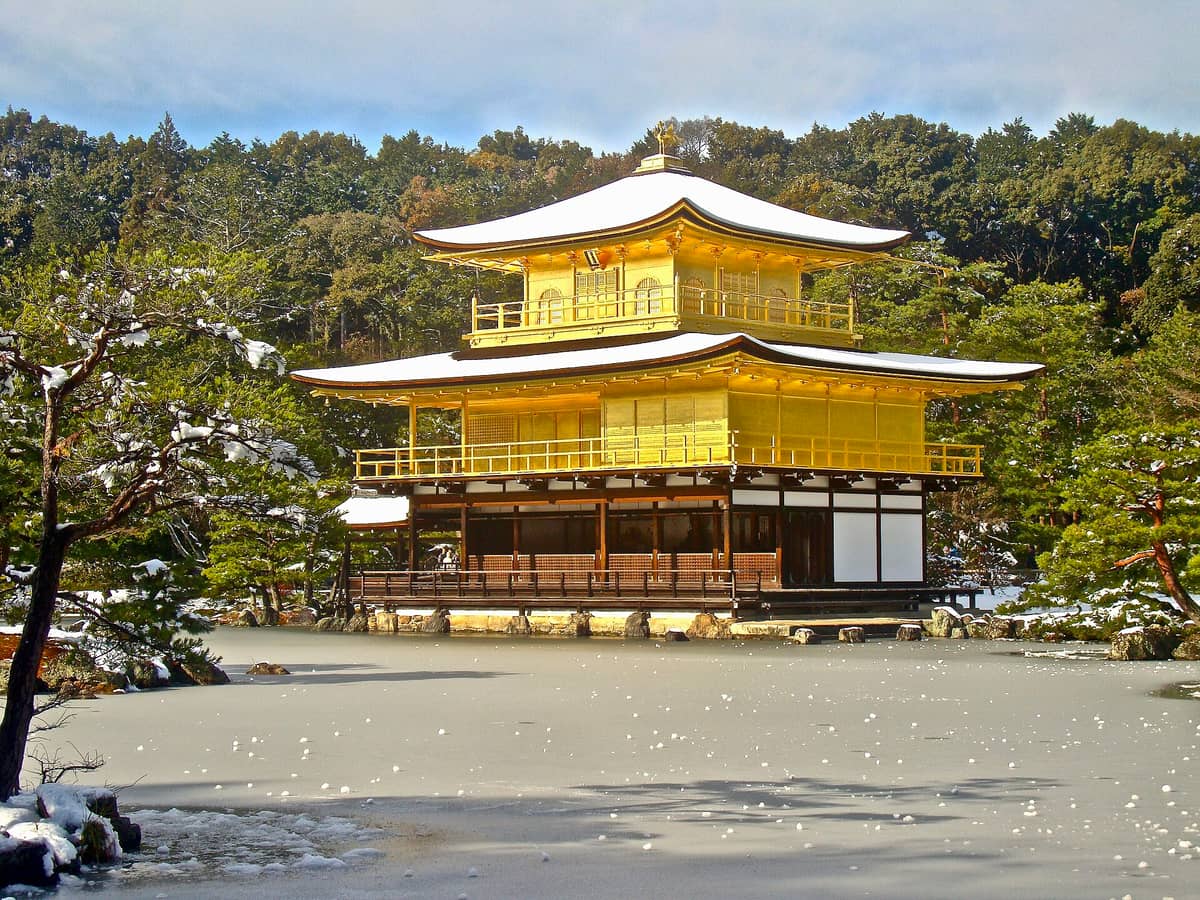
Winter is Kyoto's low season, and it offers a version of the city that most visitors never experience. Average daytime temperatures range from around 8°C in December to 5°C in January, with nights dropping near 0°C. Snow falls a handful of times each winter, and when it does, the effect on the city's temples and gardens is extraordinary. Kinkaku-ji under snow, Ryoan-ji's rock garden dusted white, the stone lanterns of Fushimi Inari capped with frost: these images exist precisely because relatively few people are there to see them.
The practical benefits of winter travel are real. Hotels are significantly cheaper than in spring or autumn, popular attractions have shorter queues, and the overall pace is calmer.Kyoto in wintersuits travelers who prioritize depth of experience over ideal weather. You can spend genuine time at a temple without being swept along by tour groups. The main drawback, beyond the cold, is that some outdoor sites are less compelling without foliage or blossoms, and a handful of attractions reduce their hours or close temporarily during the slowest weeks.
Winter is also an excellent time for Kyoto's indoor cultural experiences:tea ceremony workshops, onsenvisits, textile workshops in Nishijin, and the city's excellent museum collections. The Kyoto National Museum and the Kyoto City Kyocera Museum of Art run major exhibitions throughout winter that attract local visitors but few international tourists.
Month-by-Month Quick Reference
- January Coldest month, averaging around 5°C. Very quiet. New Year temple visits in early January bring brief local crowds. Good for budget travelers and those who prefer uncrowded sites.
- February Still cold but starting to warm. Plum blossoms appear at Kitano Tenmangu shrine, a quieter alternative to cherry blossom season. Occasional snow remains possible.
- March Warming rapidly. Early cherry blossoms can appear by mid to late March at some sites. Crowds begin building as the month progresses. Shoulder season pricing holds until blossom confirmation.
- April Peak cherry blossom season, typically late March to early April. Busiest and most expensive period of the year. Unambiguously worth it if you can book ahead and manage crowds.
- May Post-blossom, pre-summer. Pleasant temperatures and thinning crowds except during Golden Week (late April to early May). One of the most underrated windows to visit.
- June Rainy season begins. Grey, humid, and relatively quiet. Hydrangeas bloom at several temples. Not a bad time if you're flexible and comfortable with damp weather.
- July Hot and humid. Gion Matsuri dominates the entire month. Crowded and expensive around festival events but worth experiencing once.
- August Peak summer heat. The Daimonji Gozan Okuribi bonfire event on August 16 is a major draw. Uncomfortable for heavy sightseeing but manageable with early starts.
- September Still warm and humid, with typhoon risk. Crowds thin from summer highs. Transitional month with few distinct highlights.
- October Temperatures drop pleasantly to around 20 to 22°C. Foliage begins at higher elevations. Moderate crowds. An underappreciated month for visiting.
- November Autumn foliage peaks mid to late month. Second busiest season after April. Spectacular color at dozens of sites. Book accommodation months in advance.
- December Crowds drop sharply after mid-November foliage ends. Cool, quiet, and affordable. Some evening illuminations extend into early December.
Crowds, Costs, and Practical Logistics
Kyoto is one of Japan's most visited cities, and the gap between peak and off-peak experience is significant. During cherry blossom and autumn foliage peaks, popular sites likeFushimi Inari and the Arashiyama bamboo grovecan feel genuinely overwhelming by mid-morning. If your trip falls during peak season, arriving at major outdoor attractions before 8am is not optional advice — it is the difference between a meaningful experience and a crowded walkthrough.
Accommodation prices in Kyoto reflect demand sharply. Expect to pay a premium of 30 to 60 percent above base rates during cherry blossom and autumn foliage peak periods, particularly for well-located ryokan and hotels inHigashiyama and Gion. Booking four to six months ahead is advisable for these windows; some popularKyoto ryokan fill up even earlier.
Getting to Kyoto is straightforward. The city has no major airport of its own; the primary international gateway is Kansai International Airport (KIX), approximately 95 to 100 km from central Kyoto. The JR Haruka limited express train connects KIX to Kyoto Station in around 75 to 80 minutes. The airport limousine bus covers the same route in about 85 to 95 minutes depending on traffic. Both cost roughly ¥2,800 to ¥3,100 one-way, though fares should be verified before travel as they are periodically adjusted. Taxis from KIX to central Kyoto can exceed ¥23,800 and are not a practical choice for most travelers.
💡 Local tip
If you have a Japan Rail Pass, the JR Haruka to Kyoto Station is fully covered (you only need a seat reservation if you prefer a reserved seat). Confirm current pass coverage with JR before booking, as terms have changed in recent years.
FAQ
What is the best time of year to visit Kyoto?
For scenery and weather, late March to early May (cherry blossoms) and mid-October to late November (autumn foliage) are the most rewarding times. Both are also the most crowded and expensive. If you prefer fewer crowds and lower prices, January to February or late May offer good alternatives with acceptable conditions.
When do cherry blossoms bloom in Kyoto?
Kyoto's cherry blossom peak typically falls between late March and early April, with historical dates ranging from around March 19 to April 10 depending on the specific year and location. Exact timing cannot be predicted far in advance — it depends on winter temperatures. Check official Kyoto tourism sources for updated forecasts as your travel dates approach.
What is the weather like in Kyoto in summer?
Summer in Kyoto is hot and humid. July and August see average highs of 32 to 33°C (around 90°F) with high humidity amplified by the city's basin geography. June brings the rainy season (Baiu) with persistent drizzle. Summer is manageable with early starts and strategic air-conditioned breaks, but it is the most physically demanding season for sightseeing.
Is Kyoto worth visiting in winter?
Yes, particularly for travelers who value calm over scenery. Crowds are minimal, prices drop noticeably, and on days when snow falls, the temples and gardens are extraordinarily beautiful. The main drawback is cold temperatures (near 0°C at night in January) and the fact that some outdoor sites are less visually compelling without foliage. It is an excellent season for cultural experiences like tea ceremonies, onsen, and museum visits.
How far in advance should I book for peak season in Kyoto?
For cherry blossom season (late March to early April) and peak autumn foliage (mid to late November), book accommodation four to six months in advance at minimum — earlier for ryokan, sought-after neighborhoods like Gion or Higashiyama, or travel over Japanese national holidays. Waiting until a month out during these windows typically means limited choices at inflated prices.