Kyoto Onsen Guide: Where to Go & What to Know
Kyoto offers a surprisingly diverse range of hot-spring bathing options, from rural mountain onsen to sleek hotel spas. This guide breaks down the best facilities, real pricing, seasonal timing, and the rules you need to know before you strip off your yukata.
Plan and book this trip
Tools from our partner Travelpayouts help you compare flights and hotels. If you book through them, we may earn a commission at no extra cost to you.
Flights
Hotels map
TL;DR
- Kyoto has genuine natural onsen, but not as many as other Japanese destinations — choose your facility carefully and confirm it uses real hot-spring water.
- Kurama Onsen, about 30 minutes north of the city, is the most atmospheric option;Kurama Onsen charges ¥1,400–¥2,700 depending on access level and day.
- Day-use admission at city-area facilities like Tenzan-no-yu starts around ¥1,200 on weekdays and ¥1,300 on weekends and holidays — far more affordable than hotel spa options.
- Private onsen suites at luxury hotels (like Hotel The Mitsui Kyoto) start at ¥24,500 for 60 minutes — a very different experience aimed at a specific market.
- Onsen and sento are not the same thing: only natural hot-spring water qualifies as onsen. Kyoto'sfirst-time visitors often confuse the two.
Onsen vs. Sento: The Distinction That Actually Matters
Japan draws a legal distinction between onsen and sento that most visitors miss. An onsen must use naturally occurring hot-spring water containing specific minerals as defined under Japan's Hot Spring Law. A sento is a public bathhouse heated with tap water. Both involve communal bathing and follow similar etiquette, but only onsen water carries the mineral content traditionally associated with therapeutic benefits. Kyoto's official tourism materials explicitly separate the two categories, and some facilities marketed as 'hot baths' in the city center are technically sento. If the source of the water matters to you, check before booking.
Kyoto city itself sits in a basin without abundant geothermal activity, which is why genuinely certified onsen facilities are fewer here than in regions like Hakone, Beppu, or Kinosaki. The best natural onsen options often require a short trip out of central Kyoto, particularly into the surrounding mountains. That said, the variety is broader than most guides suggest — you can choose between mountain-valley settings, suburban spa complexes, and ultra-luxury hotel private baths, all within about an hour of Kyoto Station.
ℹ️ Good to know
The Kyoto City Council for the Vitalization of ONSEN Tourism maintains an official directory of certified onsen facilities in the prefecture. Cross-referencing a facility against that list is the most reliable way to confirm it uses genuine hot-spring water.
Kurama Onsen: The Best Natural Onsen Near Kyoto
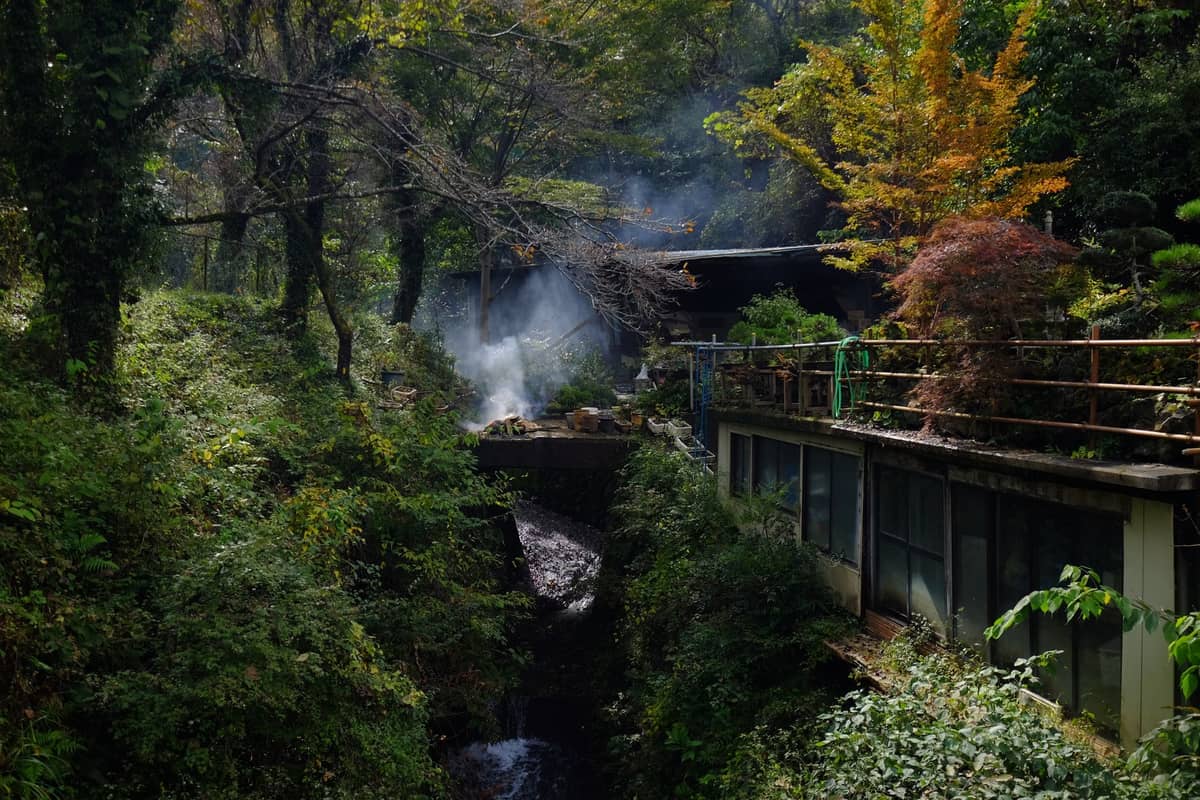
For most travelers, Kurama Onsenis the clear first choice. It sits in the forested Kurama Valley about 30 minutes north of central Kyoto by the Eizan Electric Railway, and the setting alone justifies the trip. The outdoor bath (roten-buro) overlooks a narrow river gorge, and in autumn the foliage turns the whole valley a deep rust-orange. In winter, soaking outdoors while steam rises around cold mountain air is a genuinely memorable experience.
- Outdoor bath only ¥1,400 on weekdays, ¥1,600 on weekends and holidays. Towel not included at this tier — bring your own or rent separately.
- Outdoor + indoor bath ¥2,500 on weekdays, ¥2,700 on weekends and holidays. This tier includes a towel and yukata rental, making it the better value for most visitors.
- Opening hours 10:00–21:00. Confirm current hours directly before visiting, as seasonal adjustments and periodic closures occur.
- Access Take the Eizan Electric Railway from Demachiyanagi Station to Kurama Station (about 30 minutes, ¥430). From Kurama Station, the onsen is a 10-minute walk uphill.
Kurama Onsen pairs naturally with a visit to Kurama-dera templeon the same day. The mountain trail from the temple back down to the valley is around 90 minutes of moderate hiking — an onsen soak afterward is perfectly timed. If you plan to combine the two, start with the temple in the morning and arrive at the baths by early afternoon to avoid the busiest period, which tends to be late afternoon on weekends.
⚠️ What to skip
Road and access conditions in the Kurama Valley can be affected by typhoons, heavy rain, or snowfall in winter. The access road and trail are occasionally closed after major weather events. Check the facility's official site or call ahead if visiting in July–August typhoon season or during heavy winter snowfall.
City-Area Options: Tenzan-no-yu and Suburban Bathhouses
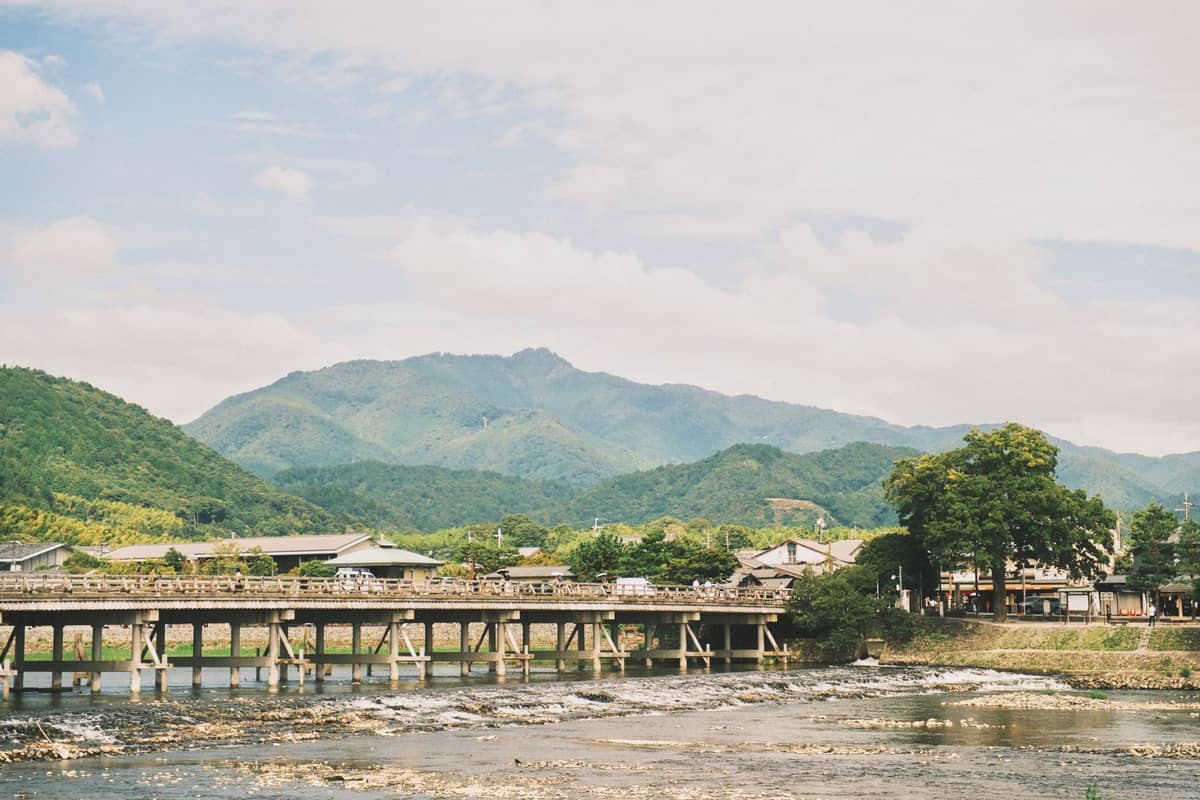
Not every onsen visit needs to be a half-day excursion. Tenzan-no-yu in Arashiyama is the most practical onsen option within easy reach of central Kyoto's tourist circuit. It operates as a spa-style facility with multiple baths, including outdoor rotenburo, and is a genuine onsen drawing from a certified spring. The atmosphere is more suburban than mountain-rustic, but the water quality and facilities are solid.
- Admission ¥1,200 on weekdays, ¥1,300 on weekends and holidays for adults. Budget-friendly compared to most alternatives.
- Opening hours 10:00–24:00, with last entry at 23:00. Late-night bathing is possible, making it a good option after evening sightseeing.
- Closures Closed on the third Monday of every month. Verify before visiting.
- Location A short walk from Arashiyama's main sightseeing area, making it convenient to combine with the bamboo grove, Tenryu-ji, or the Hozu River.
Combining Tenzan-no-yu with a full day in Arashiyama is a practical itinerary. Visit the bamboo grove and Tenryu-jiin the morning when crowds are lighter, then wind down the afternoon with a bath before heading back to the city. The late closing time means you can also return to the onsen after dinner if you prefer a quieter soak.
Luxury Private Onsen: Hotel The Mitsui Kyoto and High-End Options
At the opposite end of the pricing spectrum, Hotel The Mitsui Kyoto offers private onsen suites available for use by registered hotel guests from 7:00 to 23:00 (last entry 22:00). These are entirely private baths for one party, designed as a premium spa experience rather than a communal bathing tradition. Pricing is steep: ¥24,500 for 60 minutes, ¥32,000 for 90 minutes, and ¥39,500 for 120 minutes. At those rates, this is firmly a special-occasion or honeymoon option. Advance reservation is required.
The hotel sits near Nijo Castle in central Kyoto, so it can be built into a broader itinerary without a long detour. For couples or anyone who finds communal bathing uncomfortable, a private onsen suite resolves the modesty concern entirely while still delivering genuine hot-spring water. That said, at nearly ¥25,000 per hour, you're paying heavily for privacy. This fits well within aluxury Kyoto itinerary but would strain most normal travel budgets.
✨ Pro tip
Several ryokan in and around Kyoto include private or semi-private onsen baths as part of overnight stays. If you're considering a ryokan stay anyway, factor in whether an in-room or private bath is included — the combined cost often works out far more economical than a day-use hotel spa booking. See our ryokan guide for facilities that offer this.
Onsen Etiquette: Rules Every Visitor Needs to Know
Japanese onsen etiquette is not arbitrary — it exists to maintain hygiene and a shared bathing environment. The core rules are consistent across facilities: wash thoroughly at the shower stations before entering any bath, never bring a towel into the main bath water, tie back long hair so it doesn't touch the water, and keep your voice low. At most facilities, swimwear is not permitted in the onsen — bathing is done without clothing.
- Shower and rinse completely before entering the bath — this is the most important rule and the one most frequently skipped by first-timers.
- Tattoos remain a significant issue: many onsen facilities in Japan prohibit entry to guests with visible tattoos, but policies vary and Kurama Onsen is comparatively flexible, especially at the outdoor bath. This policy is not universal, so you should check the specific facility's stance before arriving.
- Small modesty towels (tenugui) can be carried to and from the bath area but must not be submerged in the water. Place it folded on your head or to the side.
- Do not drain the bath water or turn off communal heating — these controls are managed by staff.
- Men's and women's baths are almost always separated. Mixed-gender (konyoku) bathing areas are rare in mainstream Kyoto facilities.
- If you have a medical condition affected by heat or high mineral content, consult a doctor before using onsen. Children under a certain age may be restricted at some facilities.
If this is your first time bathing in a Japanese onsen or public bath, reading a broader guide toKyoto temple etiquettegives useful background on the respect-based norms that run through most traditional Japanese experiences. The same quiet, unhurried approach applies in the bath.
When to Go: Seasonal Timing for Onsen in Kyoto
Onsen bathing is a year-round activity, but the experience shifts significantly with the seasons. Winter is the classic onsen season in Japan for good reason: stepping into a 40°C outdoor bath when the air temperature is near freezing is one of the more physically satisfying experiences in travel. At Kurama, winter also brings the possibility of snow-dusted cedar trees framing the outdoor bath, which is as close to a postcard as you'll get.
Autumn (October and November) is the second-best season, particularly for mountain facilities like Kurama, where theautumn foliagemakes the forest setting extraordinary. Water temperatures stay consistent regardless of season, but the visual backdrop of the outdoor bath is at its most dramatic in late autumn. Spring works well for city-area facilities. Summer is the least popular season for traditional onsen — Kyoto summers reach 32–33°C with high humidity, and soaking in hot water feels less appealing. That said, some people swear by it for the detox effect, and late-night summer visits when the air has cooled make the experience more comfortable.
💡 Local tip
Weekday mornings between 10:00 and noon are consistently the quietest time at most Kyoto onsen. Weekend afternoons, particularly from 14:00 onward, are the busiest. If you're visiting Kurama Onsen on a weekend, arrive at opening time to get the outdoor bath to yourself.
FAQ
Do Kyoto onsen allow tattoos?
Many traditional onsen facilities in Kyoto prohibit entry to guests with visible tattoos, though policies vary. Kurama Onsen's official FAQ allows tattooed guests. Hotel onsen and private baths tend to be more flexible — always check the specific facility before visiting.
What is the difference between onsen and sento in Kyoto?
An onsen uses naturally occurring hot-spring water containing specific dissolved minerals, regulated under Japan's Hot Spring Law. A sento is a public bathhouse heated with ordinary tap water. Kyoto's official tourism guide separates the two categories. Some facilities market themselves ambiguously — if genuine hot-spring water matters to you, look for facilities listed on the official Kyoto City Council for the Vitalization of ONSEN Tourism directory.
Can you visit Kyoto onsen as a day trip from the city center?
Yes. Kurama Onsen is around 30 minutes from central Kyoto via the Eizan Electric Railway from Demachiyanagi. Tenzan-no-yu in Arashiyama is accessible from Kyoto Station by JR train in well under an hour. Neither requires an overnight stay. Day-use admission is available at both facilities without advance reservation, though booking ahead is advisable for private or hotel-based onsen options.
How much does a Kyoto onsen typically cost?
Day-use admission at public onsen facilities ranges from around ¥1,200 to ¥2,700 depending on the facility and day of the week. Luxury private onsen at high-end hotels like Hotel The Mitsui Kyoto start at ¥24,500 for 60 minutes. Ryokan stays often include onsen access within the room rate, which can be more economical if you plan to stay overnight anyway.
Is it okay to use onsen if you've never done it before?
Absolutely. Most facilities have illustrated etiquette guides posted in the changing rooms, often in English. The key steps are: undress completely in the changing room, shower thoroughly before entering any bath, and keep your towel out of the water. First-timers sometimes feel anxious about communal nudity, but the atmosphere at most facilities is relaxed and matter-of-fact. If you're uncomfortable with communal bathing, private onsen suites at hotel facilities are a genuine alternative.