First Time in Kyoto: Everything You Need to Know
Kyoto is Japan's historic capital, with over 1,600 temples, a preserved geisha district, and some of the country’s finest food. This guide covers everything a first-time visitor needs: the best time to visit, how to get from the airport, which neighborhoods to base yourself in, and how to avoid the most common mistakes.
Plan and book this trip
Tools from our partner Travelpayouts help you compare flights and hotels. If you book through them, we may earn a commission at no extra cost to you.
Flights
Hotels map
TL;DR
- Kyoto sits in a mountain basin in western Japan, Kyoto sits in a mountain basin in western Japan, about 75 to 80 km from Kansai International Airport (KIX). The fastest connection is the JR Haruka limited express, around 75 minutes to Kyoto Station.
- The best months to visit are April to May and October to November. Both offer mild temperatures and lower humidity. See thebest time to visit Kyoto for a full seasonal breakdown.
- The Subway & Bus 1-Day Pass (¥1,100 for adults) covers most city routes but is valid by calendar day, not 24 hours. Combine bus with subway rather than relying on buses alone.
- Tipping is not done in Japan. Tap water is safe to drink. English signage is reliable on public transport.
- Kyoto rewards slow travel. Trying to see everything in one or two days guarantees you see nothing properly. A3-day Kyoto itinerary is the practical minimum for first-timers.
Understanding Kyoto: The Basics
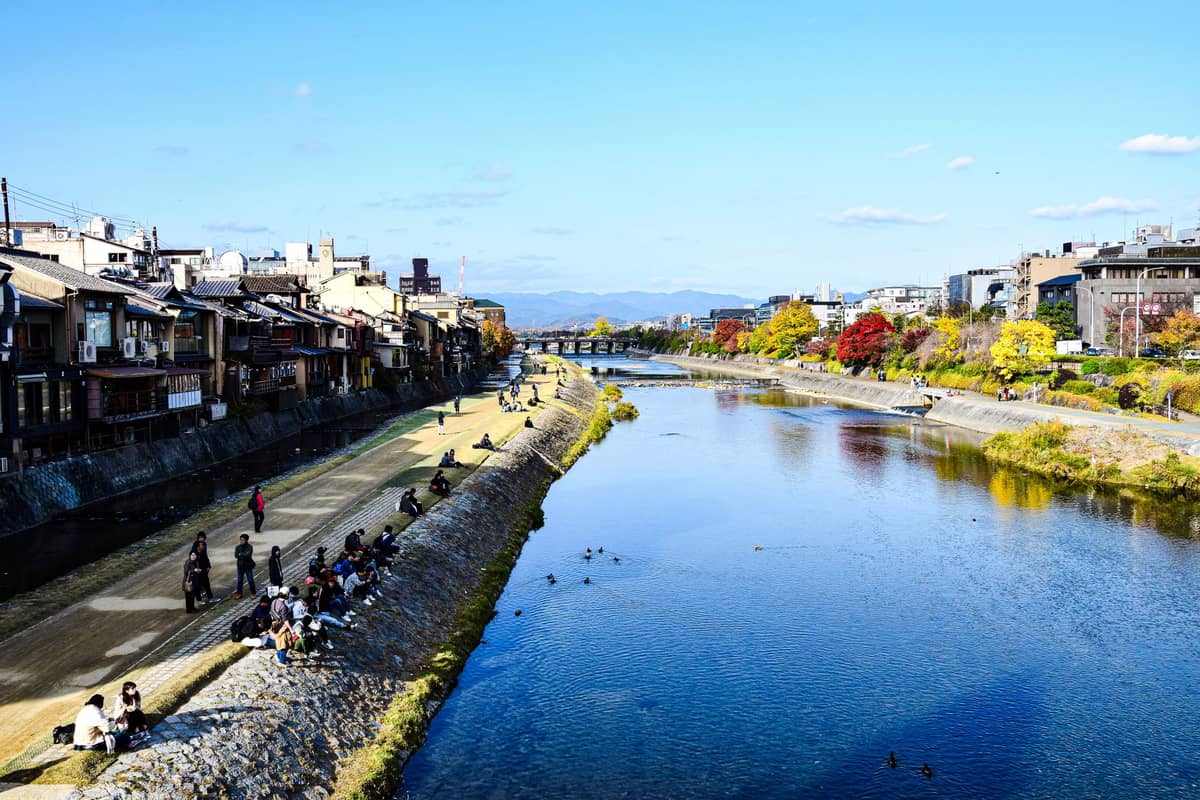
Kyoto City is the capital of Kyoto Prefecture, located in Japan's Kansai region about 450 km west of Tokyo by rail. With a population of approximately 1.43 million, it is a functioning modern city that also happens to contain around 1,600 Buddhist temples, 400 Shinto shrines, and the 17 component parts of the UNESCO World Heritage property Historic Monuments of Ancient Kyoto. That number sounds overwhelming because it is. The key to a successful first visit is not attempting to cover everything, but choosing two or three distinct areas and going deep. That number sounds overwhelming because it is. The key to a successful first visit is not attempting to cover everything, but choosing two or three distinct areas and going deep.
The city operates on Japan Standard Time (JST, UTC+9) with no daylight saving adjustments. Currency is the Japanese yen (JPY). English is widely used on transport signage, at hotel reception desks, and in most major tourist facilities, though menus and smaller local shops often operate in Japanese only. Cash remains important in Kyoto more so than in Tokyo; many smaller restaurants, temple cafes, and local shops do not accept cards.
ℹ️ Good to know
Japan uses 100V electricity at 60Hz in western Japan (including Kyoto), with Type A plugs (two flat parallel pins). Most modern electronics handle 100-240V automatically, but check your adapters before travel. Tap water is treated and safe to drink throughout the city.
When to Visit Kyoto
Kyoto sits in a basin ringed by mountains on three sides, and that geography intensifies both summer heat and winter cold. Summer (June to August) averages highs of around 30 to 31°C with high humidity. The main rainy season, known as Baiu, runs through June into early July, bringing persistent drizzle rather than dramatic storms. This combination of heat and humidity makes summer the most physically demanding season to visit, though the Gion Matsuri festival in July compensates for many.
Spring (March to May) and autumn (October to November) are consistently the most comfortable periods. April brings cherry blossoms and daytime temperatures around 13 to 24°C; Spring (March to May) and autumn (October to November) are consistently the most comfortable periods. Both seasons also bring the city's largest crowds, particularly the two weeks around peak cherry blossom (late March to early April) and peak foliage (mid-November). Winter is quiet and often underrated: January averages around 5°C with occasional snow, and the reduced crowds at major temples are worth the cold. For a deeper look at seasonal trade-offs, the and the cover each season in detail. Both seasons also bring the city's largest crowds, particularly the two weeks around peak cherry blossom (late March to early April) and peak foliage (mid-November). Winter is quiet and often underrated: January averages around 5°C with occasional snow, and the reduced crowds at major temples are worth the cold. For a deeper look at seasonal trade-offs, theguide to Kyoto in autumn and the guide to Kyoto in winter cover each season in detail.
- April to May Mild temperatures (13–24°C), cherry blossoms in early April, manageable rainfall. Peak crowds at sakura spots but generally the most photogenic season.
- October to November Cooler and stable (daytime 17–28°C), autumn foliage peaks mid-November. The most visually dramatic season, but expect maximum crowds and higher hotel rates.
- December to February Cold (0–10°C), occasional snow at higher temples. Far fewer visitors at most sites. Best season for photography without crowds at places like Kinkaku-ji or Fushimi Inari.
- June to August Hot and humid (27–33°C), rainy season in June. Gion Matsuri runs through July. Not recommended for those sensitive to heat, but festival atmosphere is unique.
Getting to Kyoto from the Airport
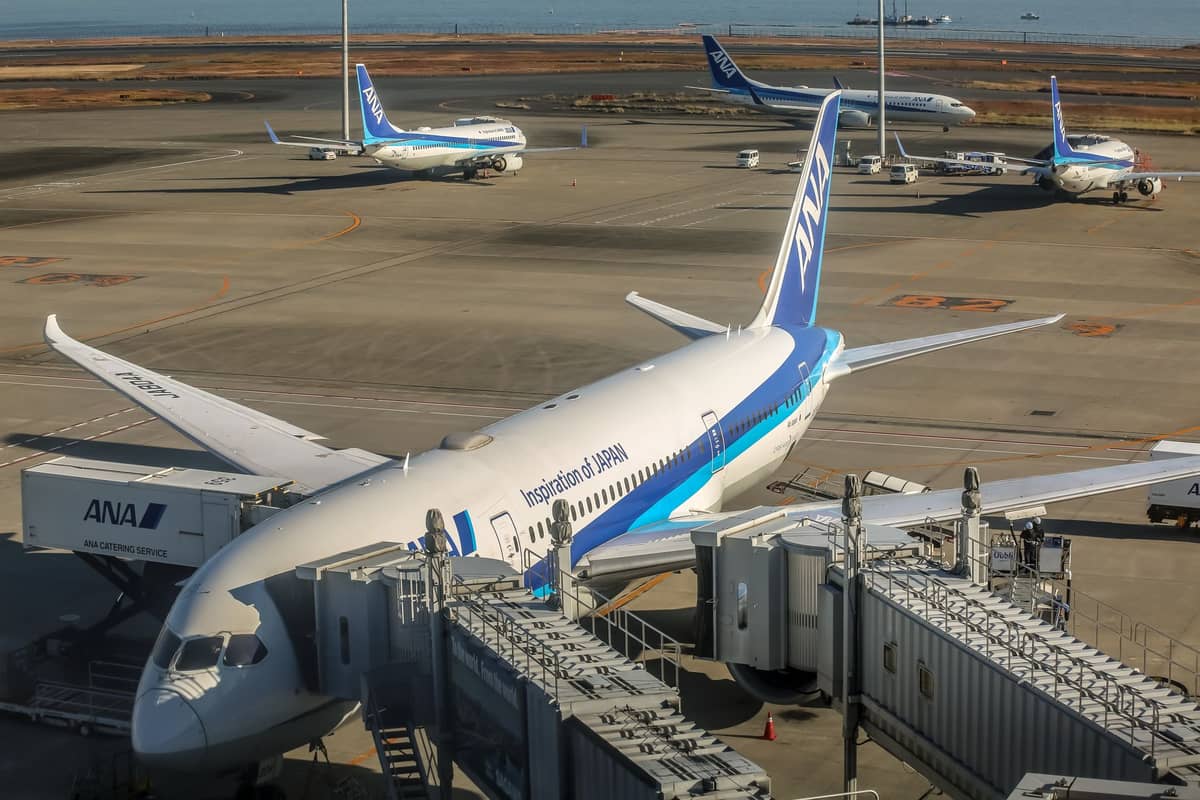
Kyoto has no airport of its own. The primary international gateway for the region is Kansai International Airport (KIX), located on an artificial island in Osaka Bay, roughly 75 to 80 km from central Kyoto. A secondary option, Osaka Itami Airport (ITM), handles domestic flights and sits about 50 km from the city.
From KIX, the fastest and most reliable option is the JR Haruka limited express, which runs directly to Kyoto Station in approximately 75 minutes. Fares are around ¥3,050 to ¥3,110 depending on seat class; verify current pricing at JR-West before travel as fares are updated periodically. The Airport Limousine Bus is a valid alternative, departing from outside the arrivals hall and stopping at Kyoto Station and select hotels, but budget 90 to 120 minutes depending on traffic. Fares are comparable to the train. Taxis from KIX to central Kyoto are expensive, often exceeding ¥20,000, and should only be considered when traveling in a large group with significant luggage. verify current pricing at JR-West before travel as fares are updated periodically. The Airport Limousine Bus is a valid alternative, departing from outside the arrivals hall and stopping at Kyoto Station and select hotels, but budget 90 to 120 minutes depending on traffic. Fares are comparable to the train. Taxis from KIX to central Kyoto are expensive, often exceeding ¥20,000, and should only be considered when traveling in a large group with significant luggage.
⚠️ What to skip
The JR-West Kansai Area Pass is being discontinued, with the final date of use on 1 November 2026. Travelers arriving after that date should consider the Kansai WIDE Area Pass (5-day adult price: ¥12,000), which covers JR lines including some Shinkansen segments. Always verify pass availability and coverage through JR-West's official site before purchasing. Travelers arriving after that date should consider the Kansai WIDE Area Pass (5-day adult price: ¥12,000), which covers JR lines including some Shinkansen segments. Always verify pass availability and coverage through JR-West's official site before purchasing.
Arriving from Tokyo by Shinkansen is the other common route. Kyoto Station sits on the Tokaido Shinkansen line; the Nozomi reaches Kyoto from Tokyo in around 2 hours 15 minutes. The JR Rail Pass covers the Hikari and Kodama services but not the Nozomi. For full logistics on arriving in Kyoto, the covers every option with current fare comparisons.Kyoto airport and arrival guide covers every option with current fare comparisons.
Getting Around the City
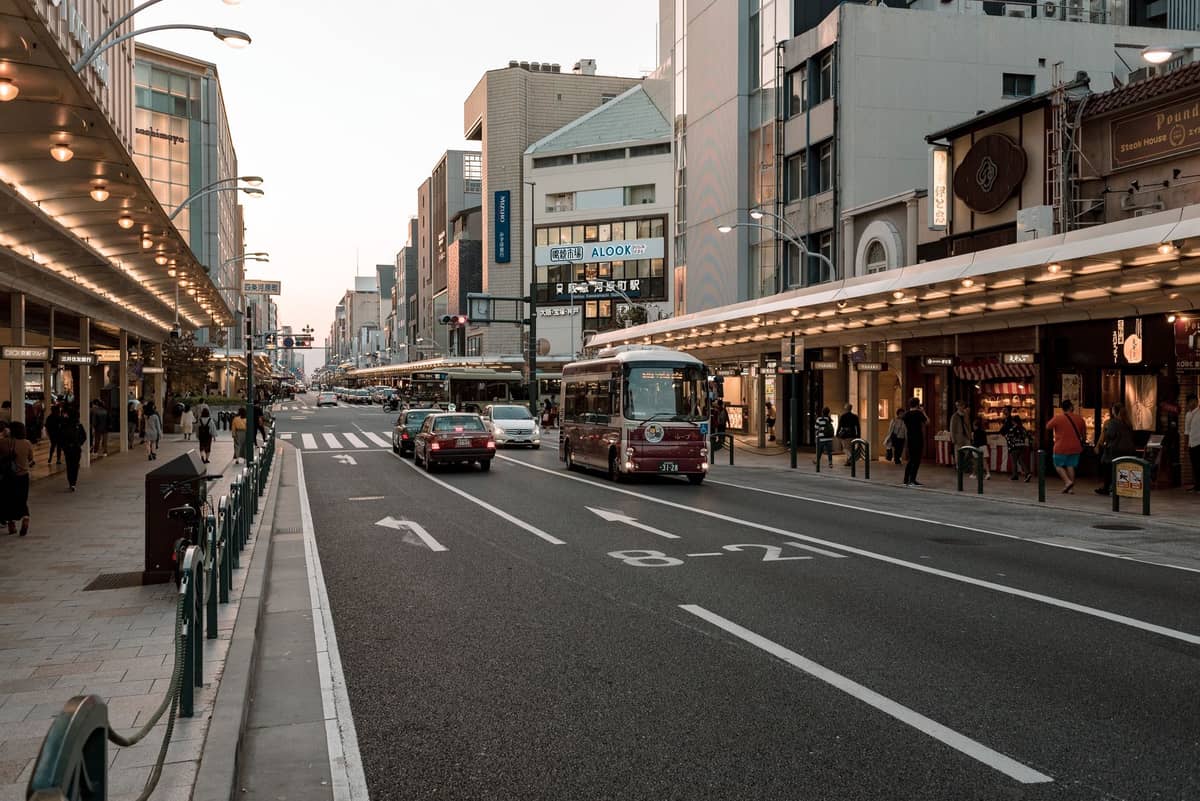
Most first-time visitors assume Kyoto is a bus city. The reality is more nuanced. The Kyoto City Bus network is extensive and reaches neighborhoods the subway does not, but central routes can get very congested during peak seasons and rush hour. The city's own official guidance recommends combining bus travel with the subway and private rail lines rather than relying on buses exclusively.
The Kyoto Municipal Subway runs two lines: the Karasuma Line (north-south) and the Tozai Line (east-west). These are fast, air-conditioned, and reliable. Private railways including Hankyu, Keihan, and Kintetsu connect Kyoto to neighboring cities and cover areas the municipal subway misses. For western Kyoto destinations like Arashiyama, the JR Sagano Line or the Hankyu-connected Randen tram are practical.
The Subway & Bus 1-Day Pass costs ¥1,100 for adults (¥550 for children aged 6-11) and gives unlimited rides on Kyoto City Bus routes, the Municipal Subway, and most Kyoto Bus, Keihan Bus, and West Japan JR Bus services within city limits. Two important caveats: the pass is valid by calendar day, not for 24 hours from first use, and some specific routes are excluded. Buy passes at subway stations, major bus information centers, tourist information offices, or selected convenience stores and hotels. On numbered-ticket buses, insert the pass in the card slot when boarding. Two important caveats: the pass is valid by calendar day, not for 24 hours from first use, and some specific routes are excluded. Buy passes at subway stations, major bus information centers, tourist information offices, or selected convenience stores and hotels. On numbered-ticket buses, insert the pass in the card slot when boarding.
✨ Pro tip
IC cards (Suica or ICOCA) loaded with yen work on all local transport and are accepted at convenience stores, vending machines, and many shops. They are far more flexible than day passes if you are combining city buses with private rail lines not covered by the 1-Day Pass. Pick one up at any major train station on arrival.
Cycling is a genuine option for flat central Kyoto, and rental bikes are available near Kyoto Station and in most tourist neighborhoods. However, cycling uphill to eastern Higashiyama or deep into Arashiyama's narrower lanes is less practical. For a full breakdown of options including cycling, apps, and taxi-hailing services, see the guide togetting around Kyoto.
Kyoto's Key Neighborhoods
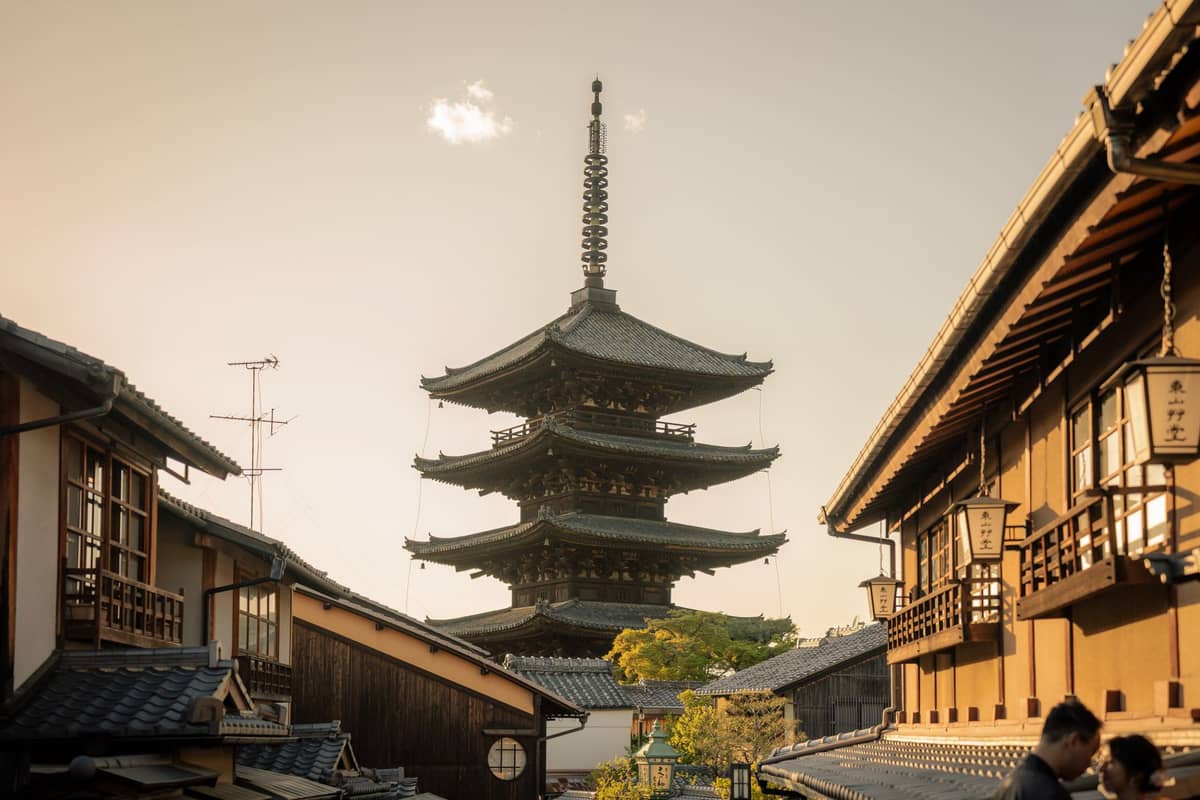
Kyoto is not a city you navigate by a single downtown core. Different neighborhoods have very different characters, and where you base yourself shapes what you can realistically visit on foot versus by transport.
- Kyoto Station Area (Shimogyo-ku) The main transport hub. Practical for arrivals and day trips to Nara or Osaka, but not the most atmospheric base. Budget hotels and capsule hotels cluster here.
- Downtown (Nakagyo-ku) The Shijo-Kawaramachi area is Kyoto's commercial heart, with the best restaurant and bar density, closest subway access, and convenient access to Gion. The best all-round base for most first-timers.
- Higashiyama The preserved eastern hills district, home to Kiyomizu-dera, Ninenzaka, and Yasaka Shrine. Beautiful to walk but limited transport options after dark. Staying here suits those prioritizing atmosphere over convenience.
- Gion Kyoto's historic entertainment district, centered on Hanamikoji Street. High concentration of ryokan and traditional restaurants. Expensive but genuinely atmospheric.
- Arashiyama Western Kyoto, about 30 minutes from downtown by bus or tram. Staying here is quiet and scenic but requires planning transport to reach the rest of the city.
- Fushimi (south) Home to Fushimi Inari Taisha and the sake breweries. Less convenient as a base but excellent for a half-day visit from anywhere in the city.
For first-timers, downtown Kyoto (Nakagyo-ku) offers the best balance: fast subway access north and south, walkable to Gion and the Kamo River, and a wide range of accommodation at every price point. The fullguide to where to stay in Kyotobreaks down each area with specific hotel recommendations and honest trade-offs.
What to Prioritize (and What to Skip)
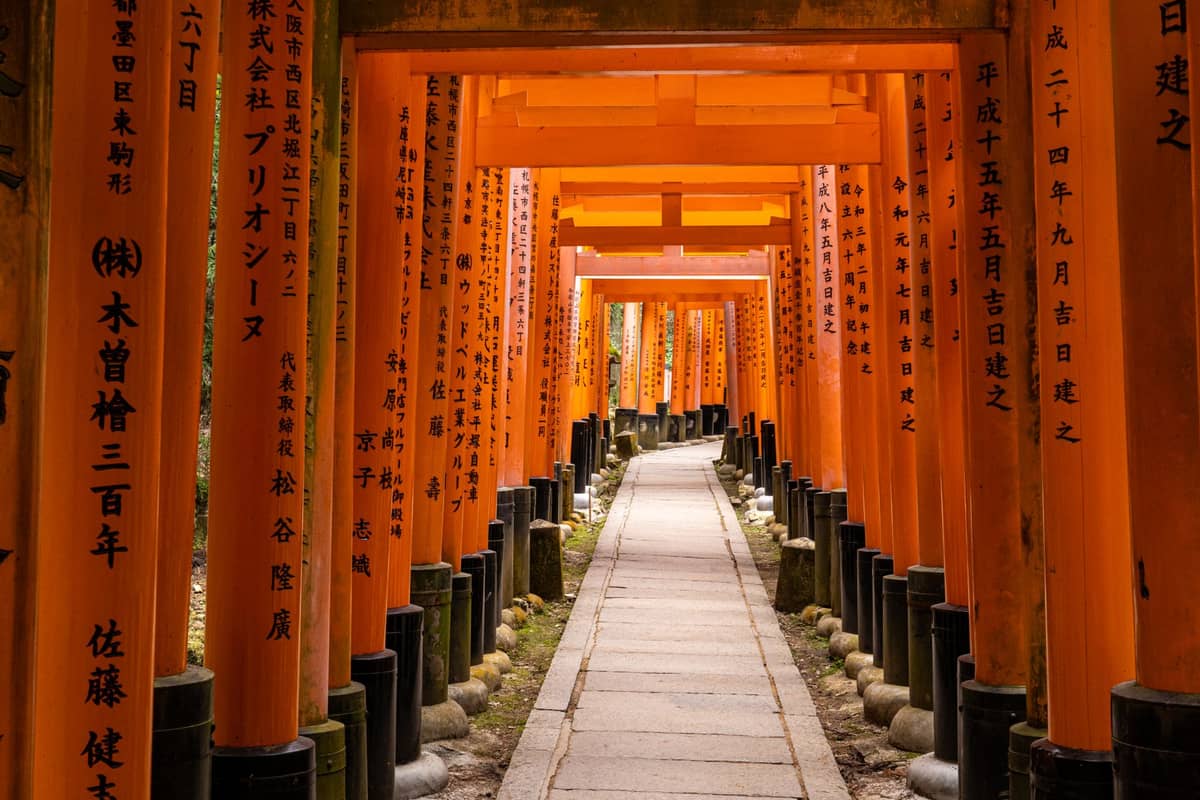
Every list of Kyoto sights includes the same ten entries. Some deserve their reputation; others have become more about checking a box than experiencing something meaningful.Fushimi Inari TaishaFushimi Inari Taisha is the most-photographed site in Kyoto for good reason. The thousands of vermillion torii gates extending up the mountain create an atmosphere unlike anywhere else in Japan. Go at dawn or hike past the first 30 minutes of the trail to escape the crowds. The thousands of vermillion torii gates extending up the mountain create an atmosphere unlike anywhere else in Japan. Go at dawn or hike past the first 30 minutes of the trail to escape the crowds.
Kinkaku-ji (the Golden Pavilion) and Kiyomizu-deraare both genuinely impressive but also among the most congested sites in the country during peak season. If you visit, go on weekday mornings and budget more time than you think you need for the surrounding approach streets.Ryoan-jiand its famous rock garden reward contemplation rather than a quick photo stop, and most visitors spend too little time there.
The Arashiyama bamboo groveis genuinely beautiful but also genuinely brief: the main path is under 500 meters. The surrounding area aroundTenryu-jiand the river is more rewarding than the bamboo alone. The Philosopher's Path in eastern Kyoto deserves a slow afternoon, especially if you continue north toGinkaku-ji or south to Nanzen-ji.
💡 Local tip
Kyoto rewards early starts more than almost any other city in Japan. Most temples open at 8:00 or 9:00 AM, and the window between opening time and 10:30 AM is dramatically quieter than the rest of the day. Build your schedule around this: priority sites first thing in the morning, food and shopping in the middle of the day, and quieter neighborhoods in the late afternoon.
Practical Information for First-Timers
Tipping is not practiced in Japan and should not be attempted. Service is considered part of the job, and offering a tip can cause confusion or embarrassment. This applies equally to restaurants, taxis, ryokan, and tour guides. For budget planning, Kyoto is more expensive than most Southeast Asian destinations but cheaper than central Tokyo for accommodation. Expect to spend ¥1,000 to ¥2,000 per person for a solid lunch and ¥3,000 to ¥8,000 for dinner at mid-range restaurants. Most temple admission fees range from ¥500 to ¥1,000 per adult.
Dress modestly when visiting temples and shrines: shoulders covered and knees reasonably covered is the practical standard, though many sites also provide wraps at the entrance. Remove shoes when entering any building where slippers are provided. At Shinto shrines, observe the correct procedure at the water basin (temizuya) before approaching the main hall: ladle water over each hand in order. These are small gestures, but they are noticed and appreciated.
In terms of connectivity, free Wi-Fi is available at Kyoto Station, many cafes, and tourist information centers, but coverage is inconsistent. A pocket Wi-Fi device or local SIM card is strongly recommended for navigating the city. Emergency numbers: 110 for police, 119 for fire and ambulance. Japan's country code is +81. For first-time travelers who want to understand the full scope of what Kyoto has to offer before booking anything, start with the mainthings to do in Kyotoguide, which covers the full range of experiences from major temples to food markets to day trips.
- Visa: Japan maintains visa-free entry for short stays (typically up to 90 days) for nationals of many countries in Europe, North America, and parts of Asia. Verify your specific eligibility through the Japanese Ministry of Foreign Affairs before booking.
- Cash: carry more than you think you need. ATMs at 7-Eleven and Japan Post branches reliably accept foreign cards.
- Luggage: coin lockers at Kyoto Station are available in multiple sizes (around ¥300 to ¥800 per day). For large bags, luggage forwarding services (takuhaibin) to hotels or the next destination are inexpensive and reliable.
- Temple etiquette: stay on marked paths, do not enter restricted areas, photograph mindfully, and follow all posted rules. Some districts including parts of Gion have introduced restrictions on photography in private alleys.
- Language: learning five to ten phrases in Japanese (thank you, excuse me, do you have English menus) goes a long way. Google Translate's camera function handles most written Japanese well.
FAQ
How many days do I need in Kyoto for a first visit?
Three full days is the practical minimum for a first-time visit that covers the major areas without feeling rushed. Five to seven days allows you to explore beyond the main circuit, visit neighborhoods like Fushimi, Ohara, or Arashiyama properly, and take at least one day trip. Kyoto has enough depth to fill two weeks for the genuinely curious.
Is a JR Pass worth it for visiting Kyoto?
The answer depends on your broader Japan itinerary. If you are traveling the Tokyo-Kyoto-Osaka-Hiroshima corridor by Shinkansen, a national JR Pass usually pays for itself. If you are spending most of your time in the Kansai region only, a regional pass is more cost-effective. Note that the JR-West Kansai Area Pass is being discontinued; travelers after November 2026 should consider the Kansai WIDE Area Pass (¥12,000 for adults, 5-day). Always calculate based on your specific routes.
What is the best area to stay in Kyoto for first-timers?
Downtown Kyoto around Shijo and Kawaramachi (Nakagyo-ku) offers the best combination of transport access, restaurant options, and proximity to Gion and the Kamo River. Staying near Kyoto Station is convenient for arrivals but less atmospheric. Higashiyama and Gion are beautiful bases but more expensive and less connected to the subway network.
Do I need to book temples in advance?
Most major temples in Kyoto do not require advance booking; you pay admission at the gate. A small number of special venues, including Katsura Imperial Villa, Shugakuin Imperial Villa, and Kokedera (the Moss Temple), require reservations in advance through official channels. During peak cherry blossom and autumn foliage seasons, some temporary special access events do sell out; check specific sites before your visit.
Is Kyoto safe for first-time solo travelers?
Kyoto is consistently among the safest cities in Japan for solo travelers of all backgrounds. Petty crime is rare, public transport is reliable, and the city is well-signed in English. The main practical risks for first-timers are over-scheduling (leading to exhaustion), underestimating summer heat, and not carrying enough cash for temples and smaller restaurants.