Best Things to Do in Kyoto: The Definitive Guide
Kyoto packs more than 1,600 years of Japanese history into a single city. This guide covers the best things to do in Kyoto across every district, from iconic temples and sake breweries to traditional tea ceremonies and bamboo forest walks, with practical advice on crowds, costs, and timing.
Plan and book this trip
Tools from our partner Travelpayouts help you compare flights and hotels. If you book through them, we may earn a commission at no extra cost to you.
Flights
Hotels map
TL;DR
- Fushimi Inari Taisha is free and open 24 hours. Visit before 7am or after 6pm to walk the torii gate trail without tour groups. See the fullFushimi Inari hiking guide for trail details.
- The old ¥700 bus-only day pass was discontinued in 2023–2024 and no longer exists. Use the Subway & Bus 1-Day Pass (¥1,100 adult) for unlimited city transport.
- Spring (late March to mid-April) and autumn (mid-November) are peak seasons. Beautiful, but expect serious crowds at top sites. For crowd timing and weather context, read ourbest time to visit Kyoto guide.
- Kyoto is split into distinct neighborhoods: Gion and Higashiyama for temples and history, Arashiyama for nature, Fushimi for the shrine and sake, downtown for food and shopping.
- Tipping is not practiced in Japan. Tap water is safe to drink. English signage is reliable on the subway and at major attractions.
The Iconic Sites Worth the Hype
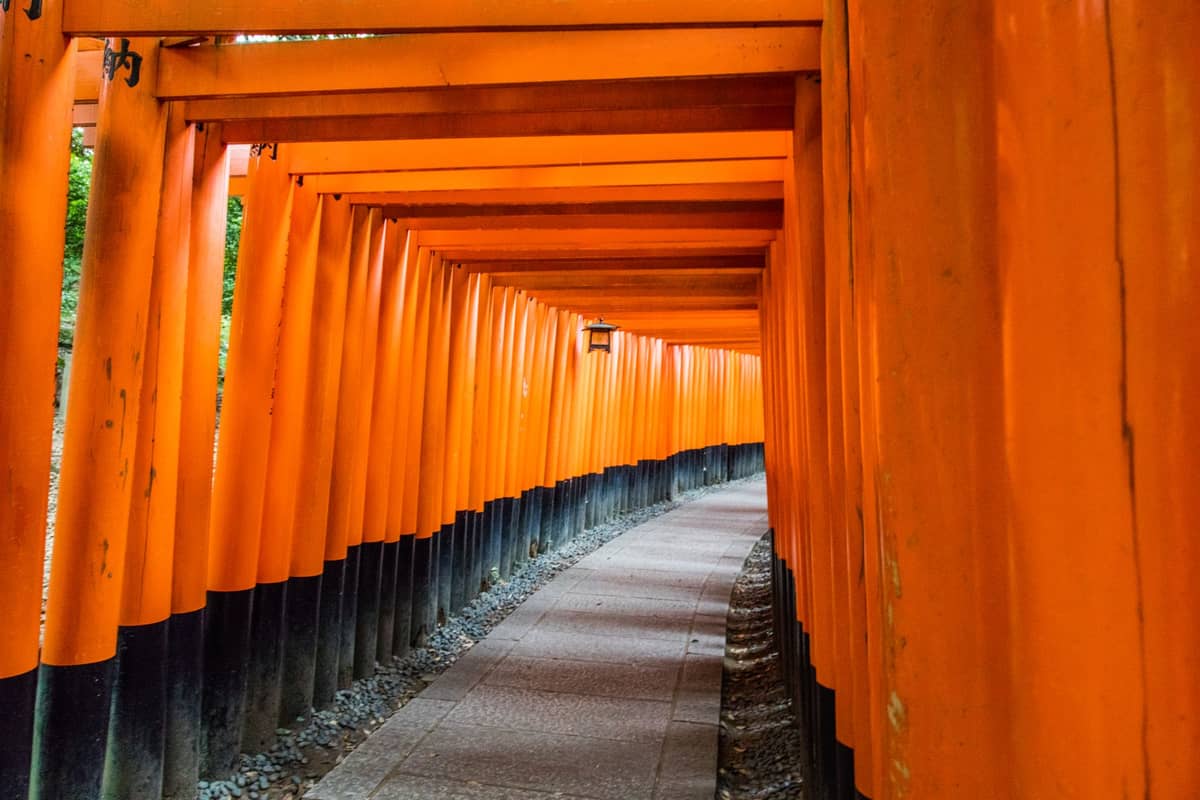
Some attractions earn their reputation. Fushimi Inari Taishais the most-photographed site in Kyoto for good reason: around 10,000 vermillion torii gates wind up Mount Inari through cedar forest, with the trail continuing around 4km round-trip to the summit. Admission is free, the shrine never closes, and the upper sections past Yotsutsuji junction see a fraction of the crowd that floods the lower gates. Going at dawn or in the evening after 7pm transforms the experience entirely.
Kinkaku-ji, the Golden Pavilion, draws enormous numbers, and the entry queue on busy days can stretch well outside the ticket gate. The admission fee (¥500 adult) buys you a view of the gilded pavilion reflecting on Kyokochi Pond, plus a one-way loop through the garden. It is genuinely worth visiting, but keep your expectations calibrated: you follow a fixed path, linger for 20-30 minutes, and exit through the souvenir shops. Go early morning, or fold it into a western Kyoto day that also includesRyoan-ji(15 minutes on foot), whose famous rock garden rewards unhurried attention.
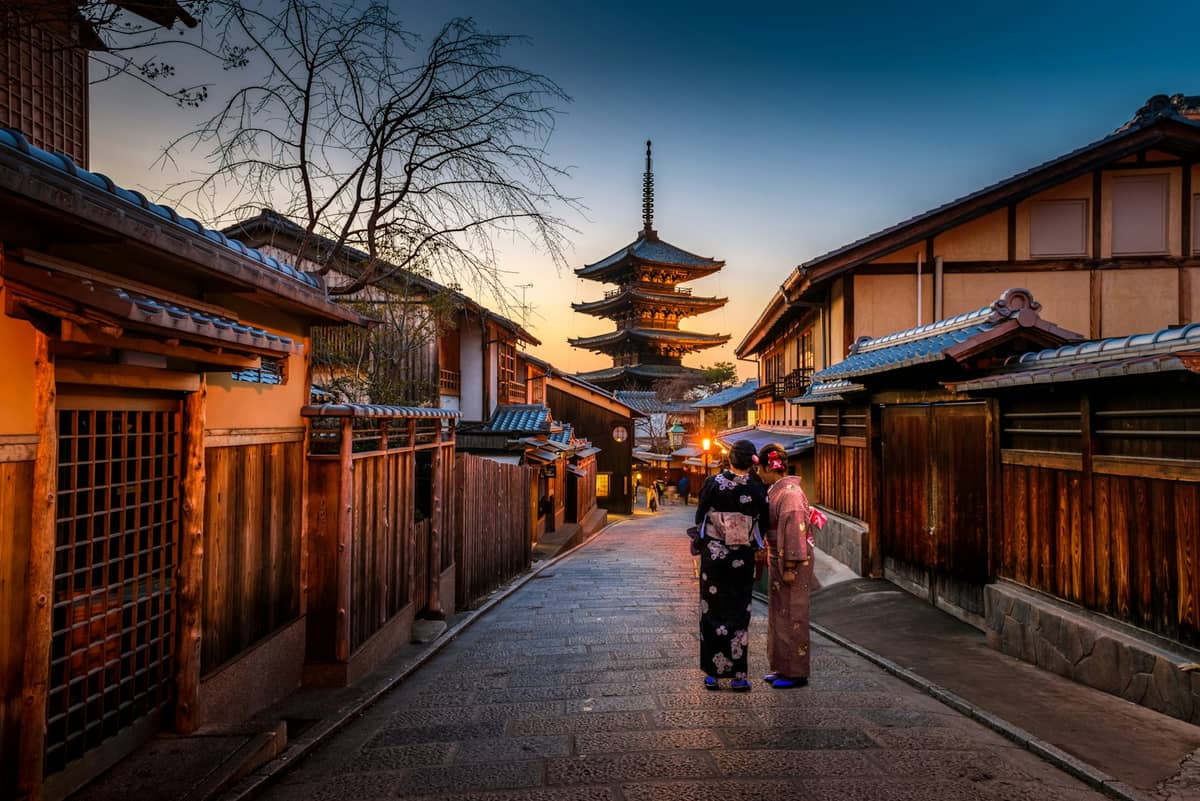
Kiyomizu-derasits on the forested slopes of Higashiyama and is probably the most photographically dramatic temple in Kyoto: the wooden stage jutting out over the hillside, the city spread below. Entry costs ¥500. The approach streets,Ninenzaka and Sannenzaka, are lined with machiya townhouses converted into shops and cafes. They're crowded with visitors on weekends, but arrive by 8am and they feel like a different place entirely.
✨ Pro tip
At Kiyomizu-dera, the paid inner sanctum (Okunoin area) is skipped by most visitors but offers the best elevated angle for photographing the main hall's famous wooden stage. Well worth the few extra minutes.
Neighborhoods Worth Exploring on Foot
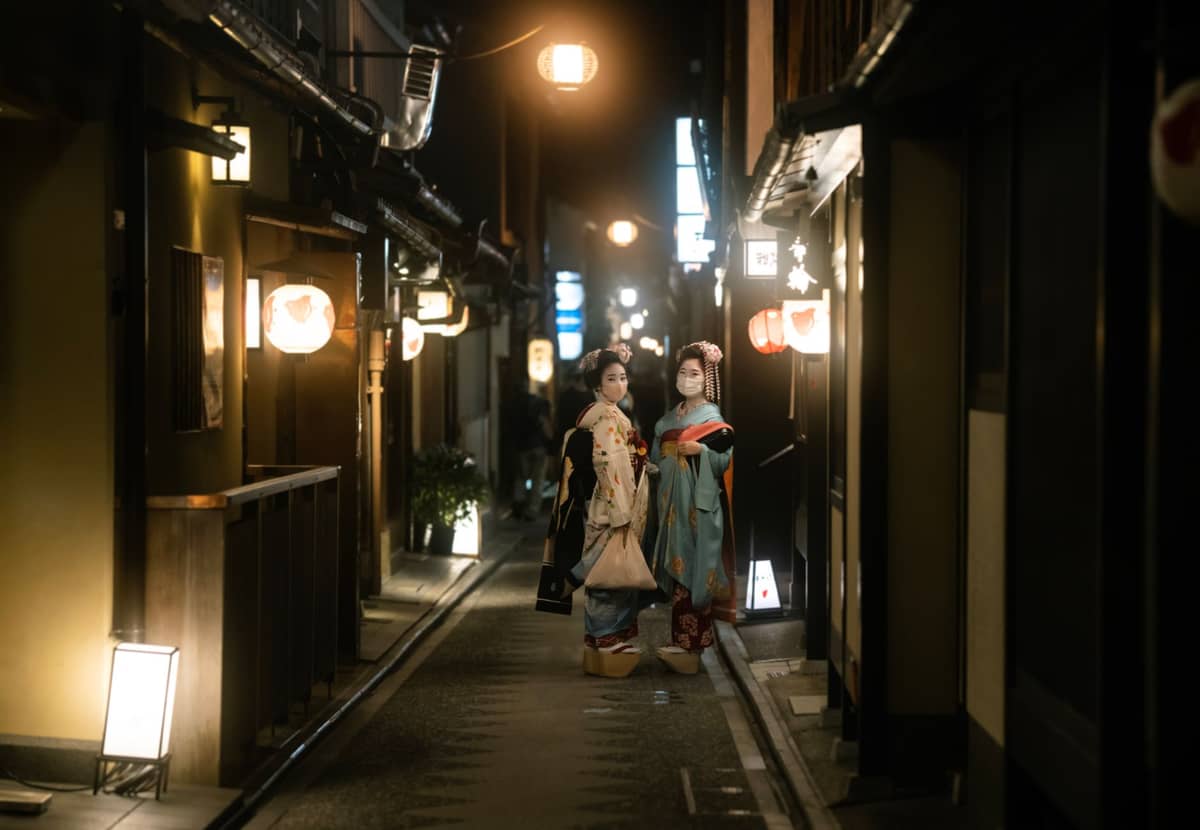
Kyoto's best things to do often happen between the major attractions rather than at them.Gionis the city's most famous historic district: narrow lanes lined with wooden ochaya teahouses, stone-paved alleys, and the occasional sight of a maiko in full kimono heading to an evening appointment. Hanamikoji Street is the most photographed lane; it's crowded in the afternoon but quieter before 9am. If you want to understand what you're seeing, read a properguide to Kyoto's geisha culturebefore your visit. Do not photograph geiko or maiko without permission, and note that some private alleys in Gion have banned photography entirely in recent years.
Higashiyamaextends north from Gion along the base of the eastern mountains and is one of the most walkable areas in the city. The lane known asIshibe-kojiruns parallel to Hanamikoji and sees a quarter of the foot traffic, with better preserved architecture. From here you can walk north past Chion-in, through Shoren-in, and up to Nanzen-ji without needing any transport.
In western Kyoto, Arashiyama is more than the bamboo grove. The bamboo groveis compact and extremely crowded mid-morning to late afternoon. But the surrounding area, including Tenryu-ji's garden, the riverside Togetsukyo Bridge, and the quiet hillside path to Jojakko-ji, offers hours of low-key walking. Combine it with a ride on theSagano Scenic Railwaythrough the Hozu River gorge if you have a full day in the area.
⚠️ What to skip
The bamboo grove at Arashiyama typically becomes uncomfortably crowded between 10am and 4pm, especially on weekends and during cherry blossom and autumn foliage seasons. Arriving before 8am or after 5pm makes the difference between a genuine experience and shuffling through a wall of smartphones.
Culture, Food, and Experiences Beyond Temple-Hopping
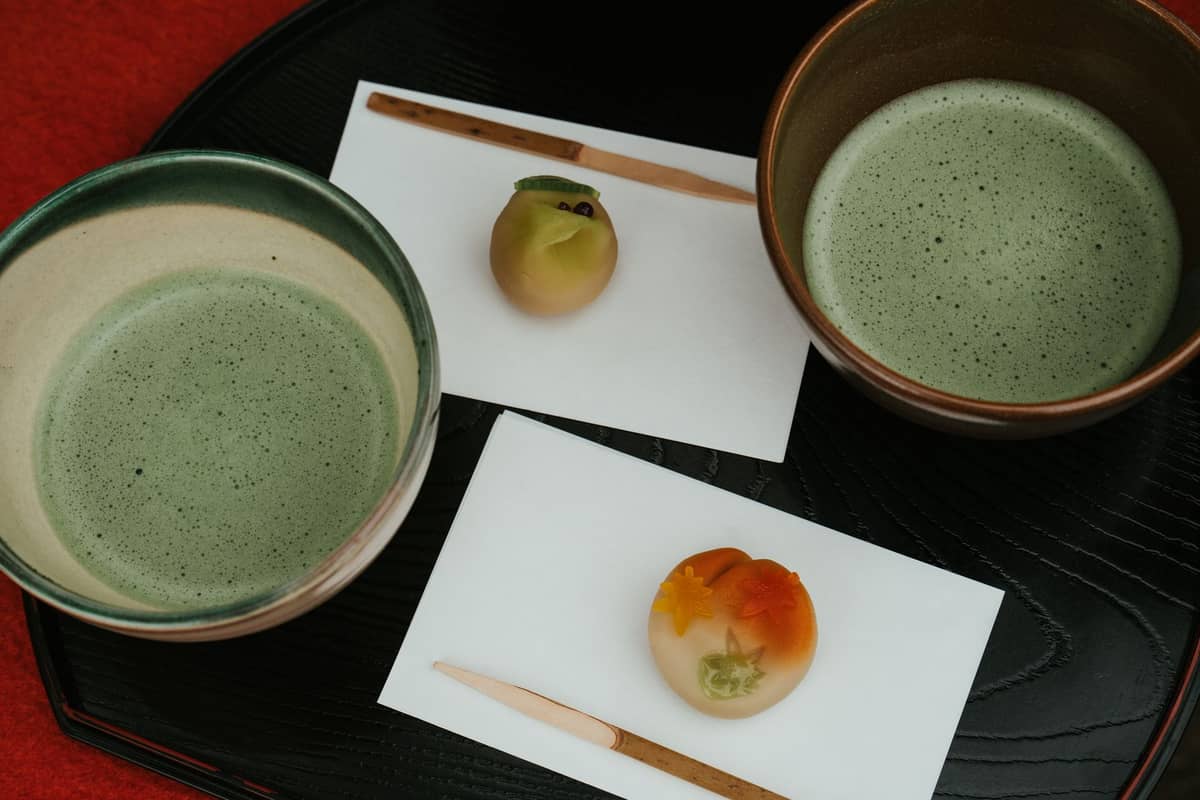
Things to do in Kyoto Japan extend well beyond shrine visits. Atraditional tea ceremonyis one of the most accessible cultural experiences in the city: several venues in Higashiyama and Gion offer 45-minute sessions for around ¥2,000-¥4,000, with English explanation included. Some are more theatrical than authentic, but the better ones, including sessions held in historic machiya, offer genuine insight into the practice of chado.
For food, Nishiki Marketis a five-block covered arcade in central Kyoto packed with stalls selling pickled vegetables, tofu, fresh seafood, grilled skewers, and local sweets. It's called 'Kyoto's Kitchen' with reason. The market is busiest around lunchtime; come hungry and graze your way through. For a deeper dive into what to eat and where, theKyoto food guidecovers kaiseki, street food, ramen, and the city's distinctive matcha culture in detail.
Wearing a kimono for a day is more popular than ever and genuinely enhances the experience of walking through Gion or Higashiyama. Rental shops are concentrated near the major sightseeing areas and charge roughly ¥3,000-¥6,000 for a standard rental including dressing assistance. Thekimono rental guide breaks down the best shops and what to expect.
- Tea Ceremony 45-90 minute sessions in historic venues across Higashiyama and Gion. Budget ¥2,000-¥4,500 per person for a quality experience with English guidance.
- Philosopher's Path A 2km canal-side walking path from Ginkaku-ji south to Nanzen-ji, lined with cherry trees in spring and maples in autumn. Free to walk, takes about 45 minutes at a relaxed pace.
- Fushimi Sake District Kyoto's Fushimi ward is one of Japan's most important sake-producing areas, built on exceptionally soft groundwater. Several breweries offer tastings and tours year-round.
- Nijo Castle A UNESCO World Heritage Site with famous nightingale floors designed to squeak as an anti-infiltration measure. The inner palace and garden are worth at least 90 minutes.
- Arashiyama Monkey Park A steep 20-minute climb above Arashiyama rewards visitors with free-roaming Japanese macaques and arguably the best elevated view of the Kyoto basin. Budget about an hour.
Getting Around: Transport Practical Advice
Most visitors arrive via Kansai International Airport (KIX), about 75-80km from central Kyoto. The fastest option is the JR Haruka Limited Express, which runs directly to Kyoto Station in around 75–80 minutes for roughly ¥3,000 one-way depending on seat class. Airport limousine buses are slightly cheaper and run direct to Kyoto Station and some hotels, but take 90-120 minutes and are subject to traffic. Taxis from KIX to central Kyoto can exceed ¥20,000, so rail or bus is strongly recommended for most travelers.
Within the city, the Kyoto Municipal Subway runs two lines: the Karasuma Line (north-south) and the Tozai Line (east-west). It's reliable, fast, and air-conditioned. The bus network is extensive but can be slow in traffic, particularly during peak tourist seasons when major routes get congested. As of 2026, the most practical transit pass for visitors is the Subway & Bus 1-Day Pass at ¥1,100 adult (¥550 child), covering unlimited rides on city buses and both subway lines. The old ¥700 bus-only day pass and the former 2-day subway-and-bus pass have been discontinued. Passes are sold at subway station ticket counters, machines, and the Kyoto Tourist Information Center inside Kyoto Station. For a full breakdown of getting around, see theKyoto transport guide.
💡 Local tip
During cherry blossom season (late March to mid-April) and autumn foliage peak (mid-November), city buses on popular routes like the 100 and 101 can have 30-45 minute waits due to congestion. Use the subway to Shijo or Sanjo stations and walk into Gion and Higashiyama instead. Your feet are faster than the bus on these days.
When to Go and What to Expect by Season
Kyoto sits in a basin surrounded by mountains on three sides, which intensifies both summer heat and winter cold. The climate is humid subtropical: summers are genuinely hot and muggy (average highs around 32-33°C in August), winters are cool with occasional snow (average highs around 8-10°C in December-January). Spring and autumn are the most comfortable seasons for sightseeing.
- Spring (March-May) Cherry blossom season peaks in late March to early April. Maruyama Park and the Philosopher's Path are the classic viewing spots. Temperatures range from roughly 13-24°C. Extremely crowded and hotels book out months in advance; Hanami (blossom viewing) crowds at popular parks can be shoulder-to-shoulder.
- Summer (June-August) The rainy season (Baiu) runs through June and early July; heat and humidity peak in August. Not the most comfortable time to walk between temples, but it's low season for foreign tourists. Gion Matsuri, one of Japan's great festivals, takes place throughout July with the main parade on July 17.
- Autumn (September-November) Arguably the most rewarding season. Temperatures cool from around 24°C in September to 17°C in November. Autumn foliage (koyo) peaks in mid-to-late November at major sites like Eikan-do, Tofuku-ji, and Rurikoin. As crowded as cherry blossom season, but the color payoff is exceptional.
- Winter (December-February) Daytime temperatures average around 5-10°C with cold nights near 0°C. Crowds thin significantly, accommodation prices drop, and the temples look striking dusted with snow. Not all gardens are at their best, but Kyoto in winter has a quiet quality that summer and autumn cannot offer.
For a detailed seasonal breakdown including exact blossom timing forecasts and autumn foliage reports, see the guides toKyoto cherry blossoms and Kyoto in autumn.
Planning Your Visit: Practical Logistics
First-time visitors often underestimate how large Kyoto is at 827km² and how spread out the major sites are. Trying to see Arashiyama, Fushimi Inari, and Kinkaku-ji in a single day is technically possible but exhausting and unsatisfying. Group sights by neighborhood: spend a morning inFushimiand an afternoon in Higashiyama rather than zigzagging across the city. The3-day Kyoto itineraryoffers a structured approach that balances the major landmarks with neighborhood walking time.
Admission fees at Kyoto's major temples and gardens typically range from ¥500 to ¥1,000 per adult. Some special exhibitions cost more. Budget roughly ¥2,000-¥3,000 per day for attraction entry if you plan to visit three or four paid sites. Most shrines, including Fushimi Inari and the major jinja (Shinto shrines), are free to enter; it's the Buddhist temple gardens that charge admission. Tap water is safe to drink throughout the city, and convenience stores (7-Eleven, FamilyMart, Lawson) are everywhere and reliable for snacks, cash from ATMs, and transit IC card top-ups. Tipping is not practiced in Japan under any circumstances.
FAQ
How many days do you need in Kyoto?
Three full days is the practical minimum to cover the main districts without rushing: one day for Higashiyama and Gion, one for Arashiyama, and one for the northwest (Kinkaku-ji, Ryoan-ji) or Fushimi Inari. Five to seven days allows you to explore the Philosopher's Path area, day trip to Nara, and slow down at individual temples rather than collecting them.
Is Kyoto expensive to visit?
Mid-range travel in Kyoto costs roughly ¥10,000-¥18,000 per day per person including accommodation, transit, meals, and entrance fees. Temple admission is usually ¥500-¥1,000 per site. Budget travelers can keep costs lower by eating at convenience stores and ramen shops, walking between nearby sights, and prioritizing free shrines. For specific cost-saving strategies, see the Kyoto on a budget guide.
What is the best area to stay in Kyoto?
Downtown Kyoto (Nakagyo-ku, around Shijo-Kawaramachi) puts you walking distance from Nishiki Market, Gion, and the Kamo River, with good subway and bus access to the rest of the city. Staying near Kyoto Station is convenient for arrivals and day trips but feels less atmospheric. Higashiyama is quietest and closest to the eastern temples but has fewer dining options at night.
Do I need to book Kyoto attractions in advance?
Most temples and shrines do not require advance booking and work on walk-up entry. However, some specialty experiences do: the Kokedera (Moss Temple) requires a reservation by mail or online, Katsura and Shugakuin Imperial Villas require advance booking through the Imperial Household Agency, and popular tea ceremony or cultural experience providers can sell out weeks ahead during peak season.
Is Kyoto safe for solo travelers?
Kyoto is among the safest cities in the world for solo travel, including solo women travelers. Violent crime is extremely rare. The main practical concerns are traffic (Japanese cities have narrow streets and cyclists mix with pedestrians on many paths), petty theft in crowded tourist areas (uncommon but possible), and navigating without Japanese language skills, which is manageable given the English signage on public transport and at major attractions.