Kyoto Kimono Rental: Where to Go, What It Costs, and How to Do It Right
Renting a kimono in Kyoto is one of the most memorable ways to experience the city, but the advertised prices rarely tell the full story. This guide breaks down real costs, the best neighborhoods to explore in traditional dress, seasonal advice, and practical tips that most shops won't tell you upfront.
Plan and book this trip
Tools from our partner Travelpayouts help you compare flights and hotels. If you book through them, we may earn a commission at no extra cost to you.
Flights
Hotels map
TL;DR
- Basic kyoto kimono rental plans start around ¥3,000–¥3,500, but once you add hair styling and accessories, expect to pay ¥5,000–¥7,500 per person for a realistic experience.
- The best areas to wear your kimono are Higashiyama, Gion, and Arashiyama — all within easy reach of major rental shops.
- Summer calls for a lighter yukata, not a full kimono — most shops switch to seasonal options from June onward. See ourKyoto weather guide to plan around the seasons.
- Book in advance during cherry blossom season (late March to mid-April) and autumn foliage season (November) — shops fill up weeks out.
- The advertised base price almost never includes hair styling. Confirm exactly what's included before you reserve.
Why Renting a Kimono in Kyoto Makes Sense
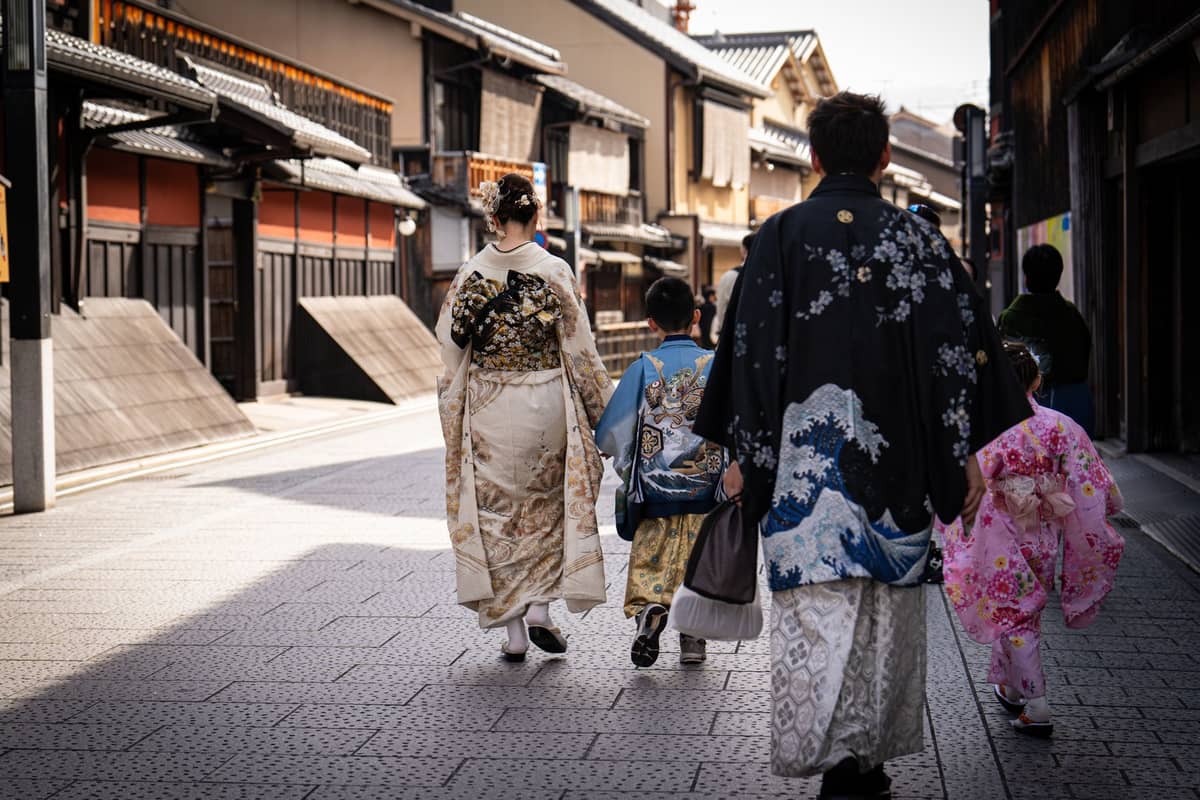
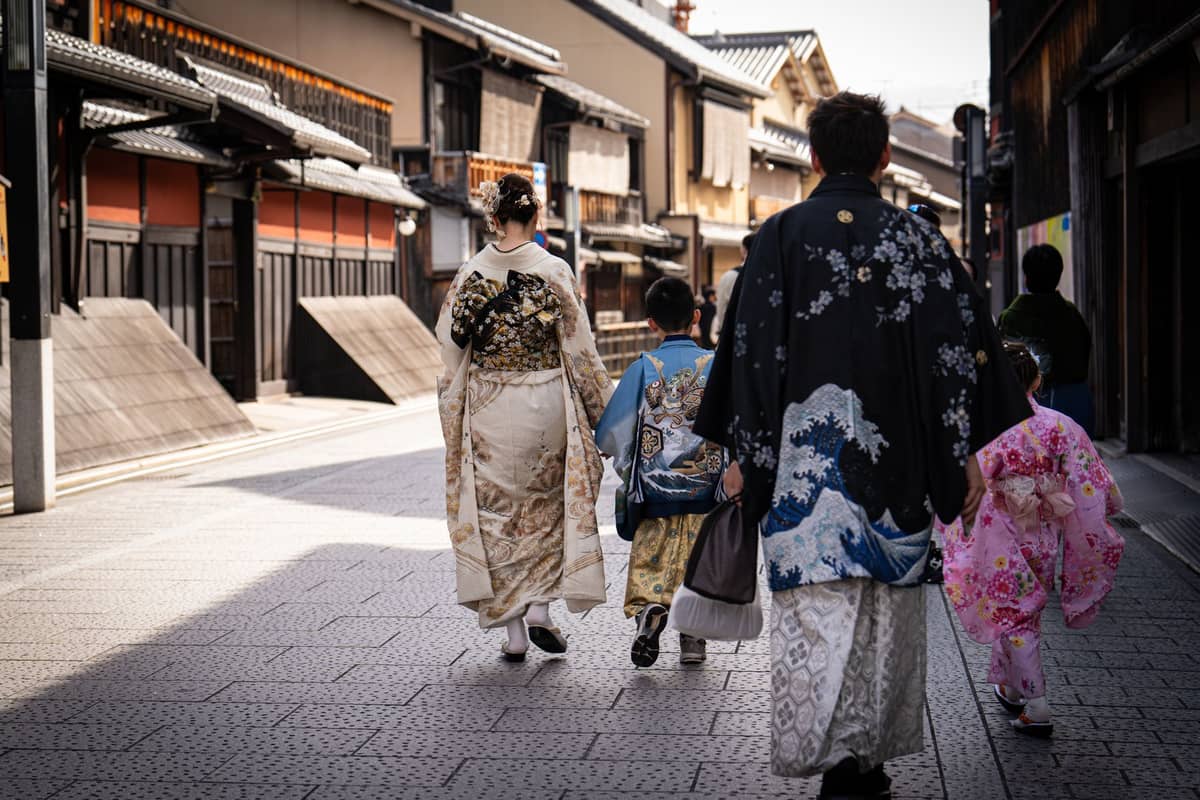
Kyoto is one of the few cities in Japan where wearing a kimono in public feels completely natural rather than performative. The preserved streetscapes ofHigashiyama and Gionwere essentially designed for this kind of experience — stone-paved lanes, wooden machiya townhouses, and temple gates that have changed little over centuries. Walking them in traditional dress connects the setting to something more than sightseeing.
Kimono rental in Kyoto is also genuinely accessible. You don't need any prior experience or knowledge of how to dress yourself — every shop handles the full dressing process, usually in 20 to 40 minutes. Staff are accustomed to visitors of all backgrounds, and most shops near the main tourist corridors have at minimum basic English-language service. The barrier to entry is low, and the payoff in terms of photos and atmosphere is high.
ℹ️ Good to know
Kimono rental is distinct from yukata rental. A kimono is a full formal or semi-formal garment worn year-round, requiring multiple layers and an obi sash. A yukata is a lighter, informal summer cotton garment typically worn at festivals or hot springs. Most Kyoto rental shops offer both depending on season, and the distinction matters when dressing appropriately for the weather.
What Does Kimono Rental Actually Cost in Kyoto?
This is where many first-timers get caught out. Rental shops prominently advertise entry-level plans starting from ¥2,980 to ¥3,300, and those prices are real — but they are rarely the final price you pay. The advertised base rate typically covers the kimono or yukata itself, an obi sash, zori sandals, a small bag, and the dressing assistance. Hair styling, which most visitors want, is almost always an add-on.
- Basic plan (kimono, obi, sandals, bag, dressing) ¥3,000–¥3,500 at most mid-range shops. This is the advertised 'from' price. Hair styling is usually not included.
- Standard plan with hair styling included ¥5,000–¥6,600 is the more realistic baseline once hair is added. This is what most visitors end up paying.
- Mid-range realistic total (basic plan + hair + optional accessories) ¥4,800–¥7,400 per person covers a solid experience with quality fabric and a finished look.
- Premium and antique kimono, furisode, hakama ¥6,800–¥15,000 and upward for formal styles, antique silk pieces, or specialist coordinations. Shops like andot Kyoto offer high-end plans reaching well beyond this range.
- Men's plans Generally ¥3,300–¥6,000 for a haori-and-hakama combination or casual kimono. Fewer shops actively cater to men, so check availability when booking.
A few specific shops give a useful benchmark. Kyoto Kimono Rental wargo advertises plans from 3,300 JPY (tax included) with online booking available through their official site, and they offer photo-shoot add-ons and plus-size options. Yumeyakata lists plans from 4,180 yen at its Kyoto location. Kanwa Kimono, positioned near Kiyomizu-dera, starts standard komon plans at ¥3,300 with lace kimono, furisode, and men's options at higher price points. Rikawafuku lists multiple tiers from roughly ¥4,500 to ¥11,000-plus. For a high-end or artistic experience, andot Kyoto's web-reservation plans run ¥5,800–¥7,800 for casual styles, with formal or collector-grade pieces much higher.
⚠️ What to skip
Never assume the advertised price is all-in. Before confirming your booking, check the plan description for what's included and what costs extra. Hair styling, accessories, locker use, and late returns all vary by shop and plan tier. A ¥3,000 base plan with ¥1,500 for hair, ¥500 for accessories, and ¥500 for a locker quickly becomes ¥5,500.
Best Areas to Wear Your Kimono in Kyoto
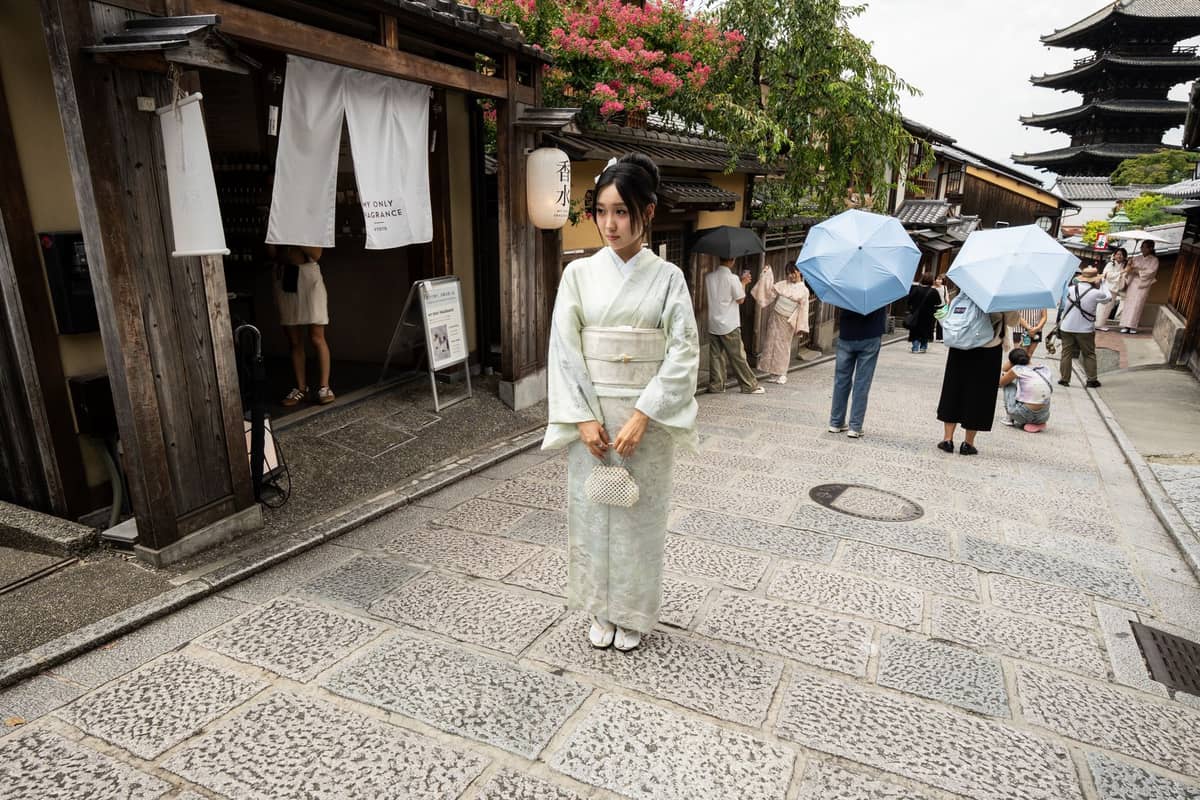
Rental shops are strategically clustered near the city's most photogenic neighborhoods, which makes the logistics straightforward. The three standout zones for kimono walks are Higashiyama, Gion, and Arashiyama. Each offers a distinct character and a different density of temples, lanes, and viewpoints.
- Higashiyama The most concentrated area for kimono walks. The Ninenzaka and Sannenzaka stone-paved lanes leading up toward Kiyomizu-dera are photogenic at almost any time of day, though early morning (before 8:30am) is dramatically less crowded. Many rental shops sit at the base of these slopes.
- Gion More atmospheric than Higashiyama, but less forgiving of crowds. Hanamikoji Street and Shirakawa canal are the iconic backdrops. Avoid peak afternoon hours when tour groups clog the narrowest lanes. Gion is also where you are most likely to spot real maiko and geiko, so behavior and photography etiquette matter here.
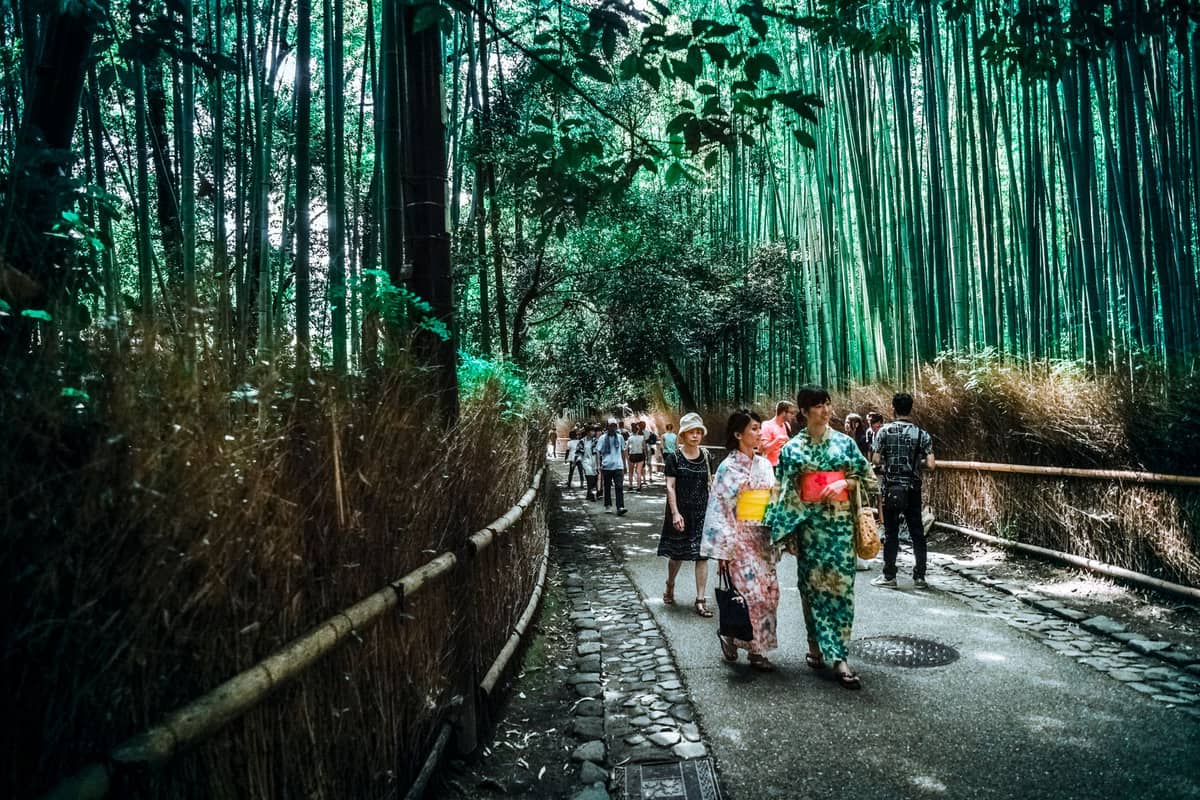
- Arashiyama Further west, but worth the trip for the bamboo grove and Togetsukyo Bridge backdrop. Several rental shops operate directly in Arashiyama, so there's no need to travel across the city in your kimono. The area is less densely packed with shops than Higashiyama, giving photos more breathing room.
- Fushimi Inari Technically possible and very popular for photos at the torii gate tunnels, but it requires walking uphill on uneven paths in wooden sandals. Many visitors find this uncomfortable beyond the first few gates. Consider this only if you're comfortable walking in zori sandals.
If you want a longer route combining multiple neighborhoods, the walk from Gion throughNinenzaka and Sannenzaka up to Kiyomizu-derais the classic Kyoto kimono circuit and takes around two to three hours at a comfortable pace. Most shops in the area operate on a same-day return basis with closing times between 5pm and 6pm, so start no later than midday.
Seasonal Advice: What to Wear and When
Kyoto's climate has a direct impact on how enjoyable your kimono experience will be. The city sits in a basin surrounded by mountains, which amplifies summer heat and humidity considerably. Getting this wrong means spending your afternoon miserable in multiple layers when you should be enjoying the experience.
- Spring (March–May) The most popular season for good reason. Temperatures of 13–24°C make full kimono comfortable. Cherry blossom backdrop in late March to mid-April is spectacular. Book at least two weeks ahead during peak blossom weeks — shops are fully committed.
- Summer (June–September) Full kimono in 32°C+ humidity is genuinely uncomfortable. Most reputable shops switch their inventory to yukata (lightweight cotton) and unlined hitoe kimono from June onward. Opt for yukata and plan to move slowly. Morning slots before 10am are strongly preferable.
- Autumn (October–November) The second peak season, with cooler stable temperatures of 15–24°C and brilliant foliage as a backdrop. November is arguably the single best month for the kimono experience in Kyoto — the light, the colors, and the temperature align perfectly. Demand rivals spring; book early.
- Winter (December–February) Cold but rewarding for atmosphere. Daytime temperatures hover around 5–10°C, so ask about haori (short jacket) add-ons and thermal underlayers when booking. Some shops offer these as part of winter plans, others charge extra. Snow days in Kyoto's temple gardens in kimono make for exceptional photos, but these are rare.
✨ Pro tip
If visiting during the Gion Matsuri festival in July, a yukata is the culturally appropriate choice anyway — the festival is traditionally a yukata occasion for locals too. Wearing a full formal kimono to summer festivals reads as incongruous to Japanese observers. Shops know this and will guide you appropriately if you mention the context.
Practical Tips Before You Book
Most shops operate on a morning check-in, same-day return model with return deadlines of 5pm or 6pm. Some offer overnight plans for an additional fee, which is useful if you want to wear your kimono to a traditional inn dinner. A small number of shops allow returns at a different location from pickup, which matters if you're moving between neighborhoods — confirm this when booking.
For logistics on moving between rental areas and major sites,getting around Kyotocovers the bus and subway options in detail. Walking in wooden zori sandals is fine for short distances on even ground, but buses and taxis are far more practical if you're crossing the city.
- Reserve online at least 3–5 days ahead during off-peak periods and 2–4 weeks ahead during cherry blossom and autumn foliage seasons.
- Check the plan details for: hair styling inclusion, accessories, locker/storage fees, late return policy, and whether the shop has your size — sizing notes are important for taller or larger visitors.
- Most shops ask you to arrive 20–40 minutes before you want to start your walk, to allow for dressing time.
- Bring or wear a strapless bra or avoid underwire — the obi wrapping requires a flat torso profile for a clean result.
- Leave large bags at your accommodation or use coin lockers at Kyoto Station. Shops typically provide only a small traditional bag with your rental.
- Wear or bring slip-on shoes to your appointment — the dressing process requires removing footwear, and lace-up or complicated shoes slow things down.
- Tipping is not customary in Japan. Excellent service in the dressing room is standard and does not require a tip.
If you're planning a full day around the kimono experience, pairing it with atea ceremony in Kyotomakes for a natural combination — many tea ceremony venues in Higashiyama specifically welcome guests in traditional dress, and the experience feels more coherent when you're dressed for it.
What Nobody Tells You: Honest Realities of the Experience
Kimono rental is genuinely enjoyable for most visitors, but there are aspects worth knowing before you commit. Wooden sandals (zori or geta) are traditionally beautiful and terrible for long walks. After two to three hours of cobblestone paths, most people are ready to return. If you plan a full day of temple-hopping across the city, build in rest stops or manage expectations about how far you'll comfortably walk.
The obi sash is wrapped tightly around your midsection, which some people find uncomfortable, particularly after eating. Plan for a lighter lunch if you're wearing a kimono through the afternoon. Full bladder urgency while in kimono also requires advance planning — the layers take time to rearrange, and not all traditional sites have Western-style toilet facilities. Most urban restrooms near major tourist areas are well-equipped, but it's worth checking.
Overtourism in Gion is a real issue, and photography rules in the district have tightened in recent years. Even wearing a kimono does not grant license to photograph locals, enter private alleys, or crowd narrow lanes for the perfect shot. For a fuller picture of navigating Kyoto's historic neighborhoods respectfully,Kyoto temple and site etiquette is worth reading before your visit.
💡 Local tip
If you want photographs without the hassle of coordinating a separate photographer, several rental shops offer in-studio photo sessions as add-ons before you head out. These are efficient and well-lit, but no substitute for outdoor shots in Kyoto's actual settings. A middle ground: book a morning rental, do in-shop photos during dressing, then spend the rest of the day walking Higashiyama for natural-light outdoor shots.
FAQ
How much does kimono rental in Kyoto actually cost?
Base plans start at ¥3,000–¥3,500 and include the kimono, obi, sandals, a bag, and dressing assistance. Once you add hair styling (usually ¥1,000–¥2,000 extra unless included), the realistic total for most visitors is ¥5,000–¥7,500. Premium silk kimono, furisode, and hakama plans run ¥6,800–¥15,000 and up.
Do I need to book kimono rental in advance in Kyoto?
During spring cherry blossom season (late March to mid-April) and autumn foliage season (November), booking two to four weeks in advance is strongly advisable. Popular shops in Higashiyama and Gion fill up quickly. During off-peak months, a few days' notice is usually sufficient, and some shops accept walk-ins.
Can I wear a kimono in summer in Kyoto?
Yes, but you should opt for a yukata (lightweight cotton garment) rather than a full multilayer kimono. Kyoto's summer temperatures regularly reach 32–33°C with high humidity, making full kimono genuinely uncomfortable. Most shops automatically switch their inventory to yukata and unlined kimono from June through September.
How long can I keep the kimono rental?
Most shops operate on a same-day rental model, with returns required by 5pm or 6pm. You typically check in for dressing in the morning and return before closing. Overnight rentals are available at some shops for an additional fee, which is useful if you're staying at a ryokan and want to wear it to dinner.
What's the best area to go for kimono rental and a kimono walk in Kyoto?
Higashiyama is the most convenient combination of rental shops and photogenic scenery. The Ninenzaka and Sannenzaka lanes, Yasaka Shrine, and the approach to Kiyomizu-dera are all within easy walking distance of most shops in the area. Gion offers a more atmospheric option, particularly around Shirakawa canal, but is best in the early morning before crowds build. Arashiyama is ideal if you're already heading west for the bamboo grove and want an all-in-one neighborhood experience.