Kyoto Weather: A Practical Month-by-Month Climate Guide
Kyoto's weather swings from bitter January mornings to oppressive August humidity, with two peak tourist seasons sandwiched in between. This guide breaks down what to expect every month, what to pack, and when the crowds and weather actually align in your favor.
Plan and book this trip
Tools from our partner Travelpayouts help you compare flights and hotels. If you book through them, we may earn a commission at no extra cost to you.
Flights
Hotels map
TL;DR
- Kyoto has a humid subtropical climate (Köppen Cfa) with four distinct seasons: cold winters, a June rainy season, brutally hot summers, and pleasant autumn.
- The best weather for sightseeing falls in April–May and October–November, though these periods also attract the largest crowds and highest prices.
- Summer (July–August) regularly exceeds 31°C with high humidity — heat-stroke risk is real and midday outdoor activity should be minimized. See our guide tothe best time to visit Kyoto for a full breakdown by travel style.
- The June rainy season (Baiu) brings 200mm+ of rainfall and 80% humidity — not ideal, but also the lowest tourist numbers of any peak-adjacent month.
- Kyoto's basin geography intensifies both summer heat and winter cold compared to coastal Japanese cities at similar latitudes.
Understanding Kyoto's Climate
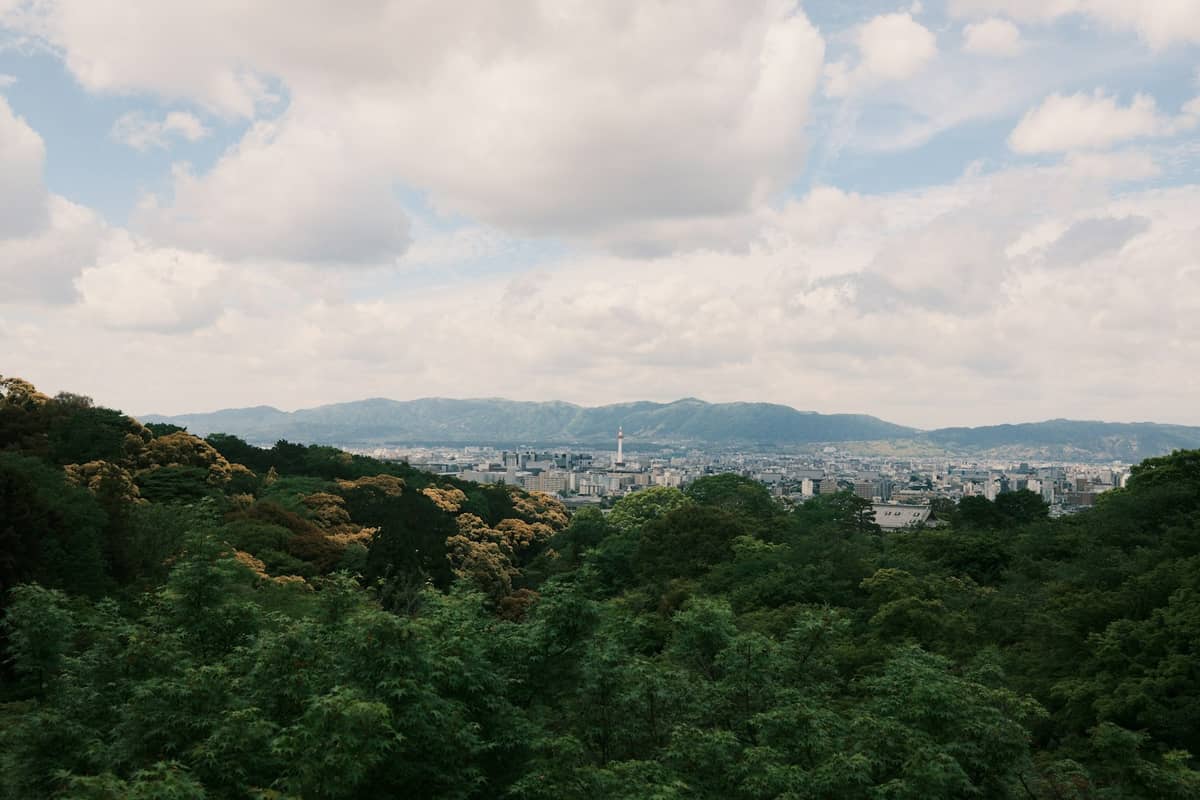
Kyoto sits in an inland basin at roughly 50–60 meters above sea level, surrounded by mountains on three sides. That geography is the key to understanding Kyoto weather: the basin traps summer heat and humidity, pushing temperatures and heat-index values noticeably higher than coastal cities like Osaka or Kobe. In winter, the same mountains block moderating sea winds, allowing cold air to pool in the city center. The result is a climate that feels more extreme in both directions than the latitude alone would suggest.
Officially classified as a humid subtropical climate (Köppen Cfa), Kyoto averages around 5.3°C in January (its coldest month) and approximately 29.2°C in August (its hottest). Annual rainfall is substantial, with no truly dry month, though June through September sees the heaviest precipitation by far. Visitors who plan around this data, rather than idealized travel-brochure images, are rarely caught off guard.
⚠️ What to skip
A common misconception: Kyoto does not stay cool in summer because of its historic character or forested temples. Heat-stroke advisories are issued regularly by Kyoto City in July and August. Outdoor temple-hopping between 11am and 3pm in peak summer is genuinely dangerous for vulnerable travelers.
Kyoto Weather by Month: The Full Breakdown
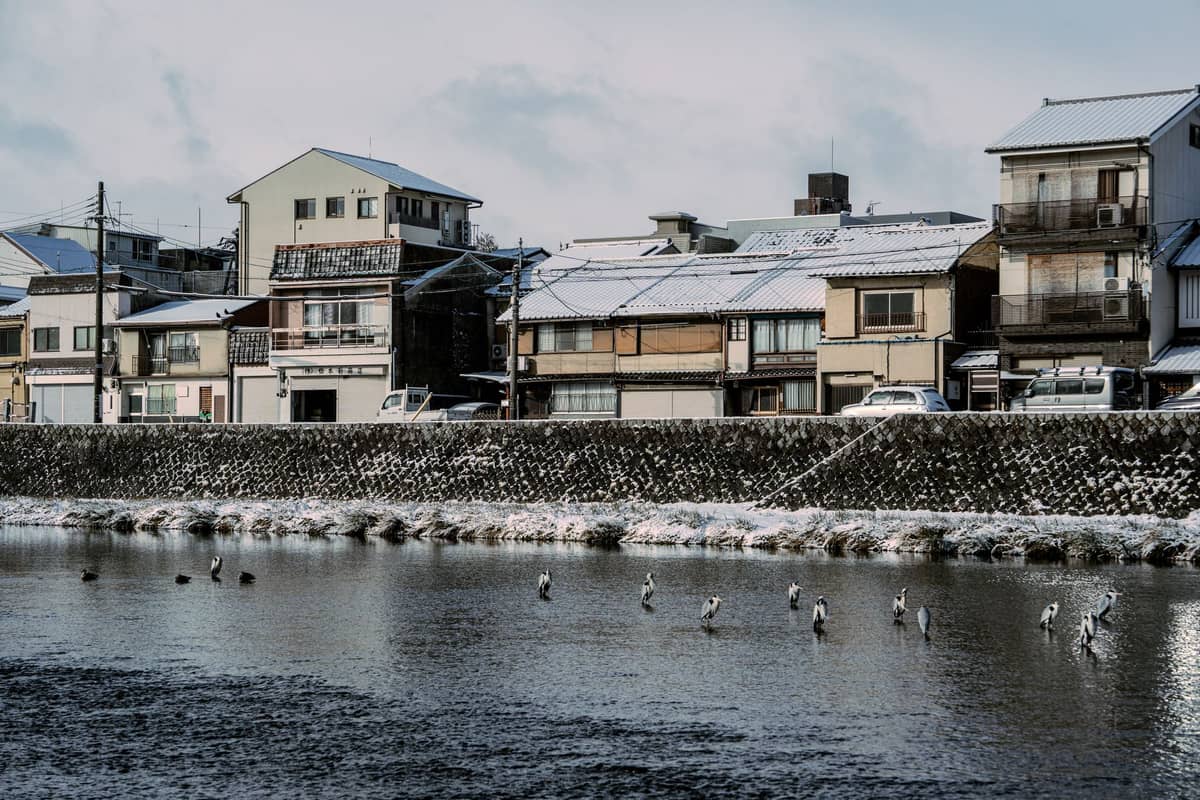
December through February is cold but manageable. January is the coldest month, with average daytime temperatures around 8–10°C and nighttime lows near 0°C. Snowfall does occur — typically a few days per year in the city center — but sustained snow cover is uncommon. The mountains surrounding Kyoto (including Kurama and Ohara to the north) receive more snow and can look spectacular after overnight falls. Winter is one of Kyoto's quietest tourist periods, which makes it surprisingly good for crowd-averse travelers who pack properly.
March brings the first real warmth, with average temperatures climbing from around 10–12°C early in the month toward the mid-teens by late March. Cherry blossom season typically arrives in late March to early April in central Kyoto, though the exact dates shift by one to two weeks depending on the year's winter temperatures. April is broadly considered the single best weather month: mild at 13–19°C, relatively low rainfall compared to summer, and the city at its most visually dramatic. May extends this comfort, with temperatures pushing above 20°C and the countryside fully green.
June marks the start of the Baiu (plum rain) season. Average temperatures hover around 26°C, but it's the humidity — regularly above 80% — and persistent rainfall topping 200mm for the month that defines the experience. July is hotter still (averaging 29–30°C) and remains very wet. This combination makesFushimi Inari Taisha or the Arashiyama Bamboo Grovegenuinely exhausting before 9am. Plan indoor attractions and early morning starts.
Late July through August is Kyoto's most challenging period for visitors. Average highs regularly exceed 31°C, and nights can remain above 25°C — what meteorologists call tropical nights. Kyoto City issues heat-stroke advisories during hot spells, and city buses and the subway become important tools not just for transport but for accessing air conditioning. The basin geography means there is often little breeze. If you must visit in August, prioritize early morning temple visits, long afternoon breaks indoors, and evening strolls along the Kamo River when temperatures drop slightly.
September is warmer than most visitors expect: average temperatures around 27°C with significant rainfall and ongoing typhoon risk. The Kansai region's typhoon season runs from late summer through mid-autumn, with the highest probability of direct hits or heavy rain bands in September and early October. Check Japan Meteorological Agency (JMA) advisories if traveling this period.
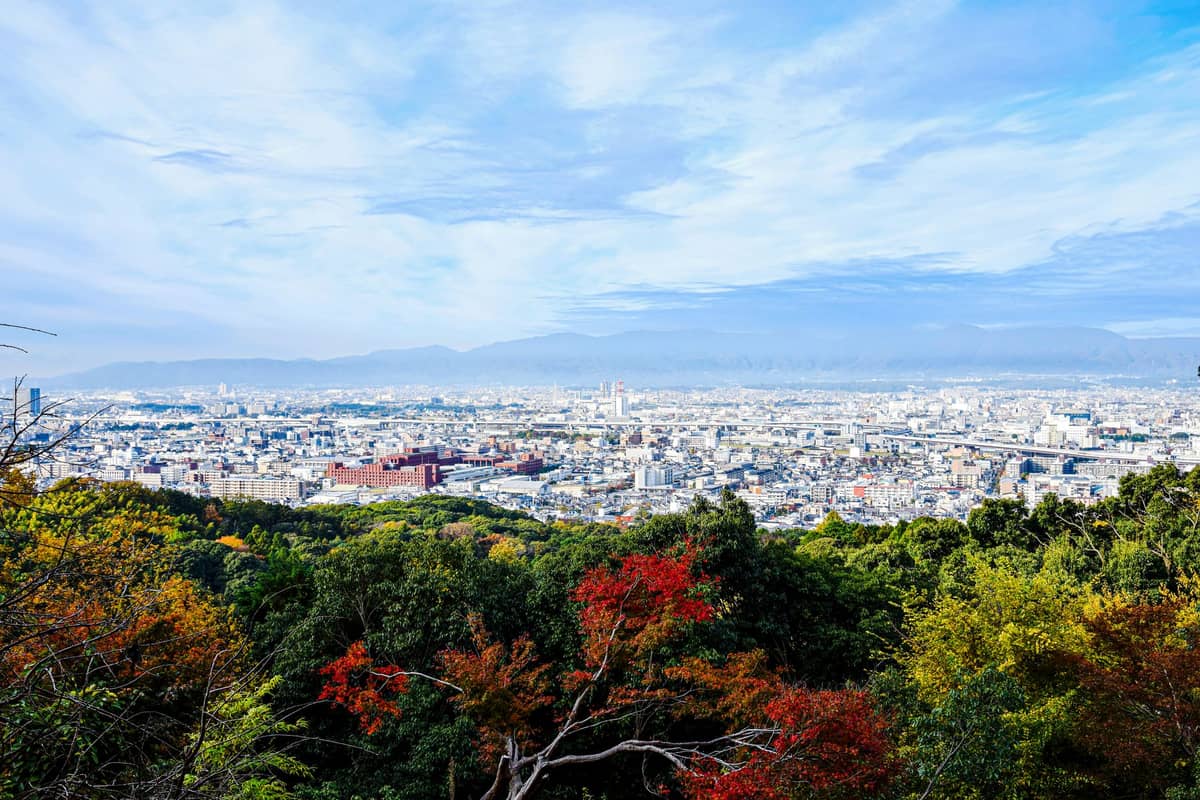
October is a transition month: temperatures fall to a comfortable 17–22°C range, rainfall decreases, and the air begins to dry out. It's an underrated time to visit, particularly mid-to-late October before autumn foliage peaks and crowds return in force. November brings Kyoto's second great annual spectacle: autumn koyo (leaf color).Kyoto in autumnis genuinely stunning, with foliage typically peaking from mid- to late November in most sightseeing districts. Temperatures by then average 13–17°C during the day and drop into single digits at night. Pack a proper jacket.
- January (avg ~8°C high / 0°C low) Coldest month. Occasional snow, especially in northern districts. Very low crowds. Temples look striking in frost or light snow.
- February (avg ~9°C high / 1°C low) Still cold but slowly warming. Early plum blossoms at Kitano Tenmangu. Quieter crowds continue.
- March (avg ~13°C high / 4°C low) Cherry blossoms begin late March (date varies by year). Crowds start building from mid-March onward.
- April (avg ~19°C high / 8°C low) Peak cherry blossom and peak crowds. Ideal daytime temperatures. Book accommodation 3–6 months ahead.
- May (avg ~24°C high / 14°C low) Warm, lush, and manageable. Humidity starting to rise but still comfortable. Golden Week (late April to early May) brings domestic tourist surges.
- June (avg ~26°C / 80%+ humidity) Rainy season begins. 200mm+ rainfall. Low tourist volumes relative to spring. Hydrangeas bloom beautifully.
- July (avg ~30°C high / 24°C low) Hot and wet. Gion Matsuri festival runs all month — a reason to visit despite the heat. Early morning starts essential.
- August (avg ~33°C high / 25°C low) Peak heat. Heat-stroke risk is genuine. Daimonji bonfire festival on August 16. Best visited with low physical itineraries.
- September (avg ~27°C high / 20°C low) Still hot and humid. Typhoon risk highest this month. Rainfall significant. Crowds lighter than spring or November.
- October (avg ~21°C high / 13°C low) Excellent weather with fewer crowds than November. Foliage begins in higher elevations. Underrated month.
- November (avg ~15°C high / 8°C low) Autumn foliage peaks mid-to-late month. Second peak tourist season. Book early and plan around crowds.
- December (avg ~10°C high / 3°C low) Cool and quiet. Some illumination events at temples. Comfortable for walking if dressed warmly.
Rainy Season and Typhoons: What Travelers Actually Need to Know
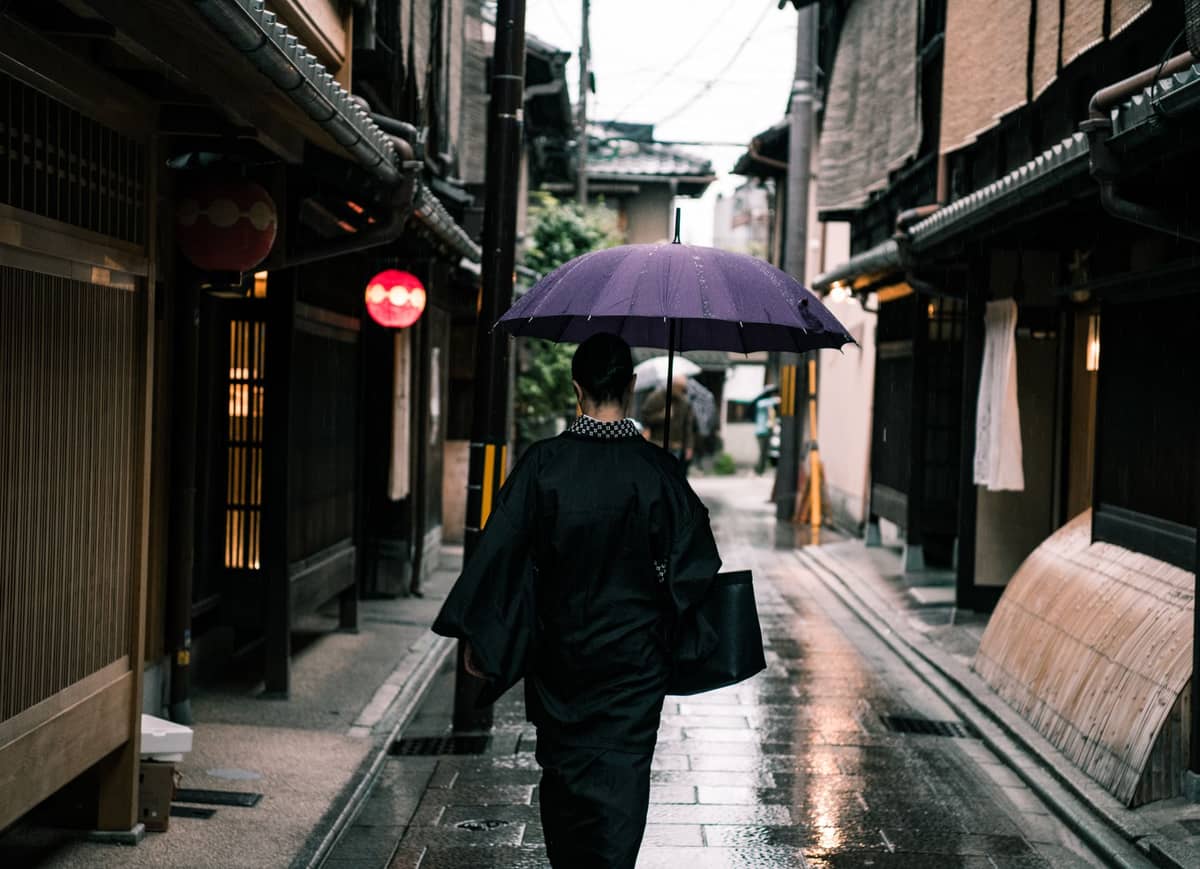
Two separate weather systems bring heavy rain to Kyoto. The first is the Baiu (plum rain) front, a semi-stationary weather system that parks over central Japan from roughly early June to mid-July. During this period, expect persistent drizzle, occasional heavy downpours, and oppressive humidity rather than dramatic tropical storms. The second system is typhoons, which affect Kansai from July through October, with September being the highest-risk month. Typhoons can bring intense, sudden rainfall and occasionally cause transportation disruptions and temple closures.
A frequently repeated misconception is that rain only matters in June. In reality, September is nearly as wet as June by total rainfall, and even October and May see meaningful precipitation. A compact umbrella is worth carrying nine months of the year in Kyoto. Convenience stores (konbini) sell inexpensive umbrellas everywhere, so forgetting one is not a crisis.
💡 Local tip
The Japan Meteorological Agency (jma.go.jp) provides free, accurate, real-time forecasts and typhoon tracking in English. Check it daily during typhoon season (August–October). Local convenience store staff and hotel concierges are also reliable for weather updates.
Best and Worst Times to Visit Based on Weather
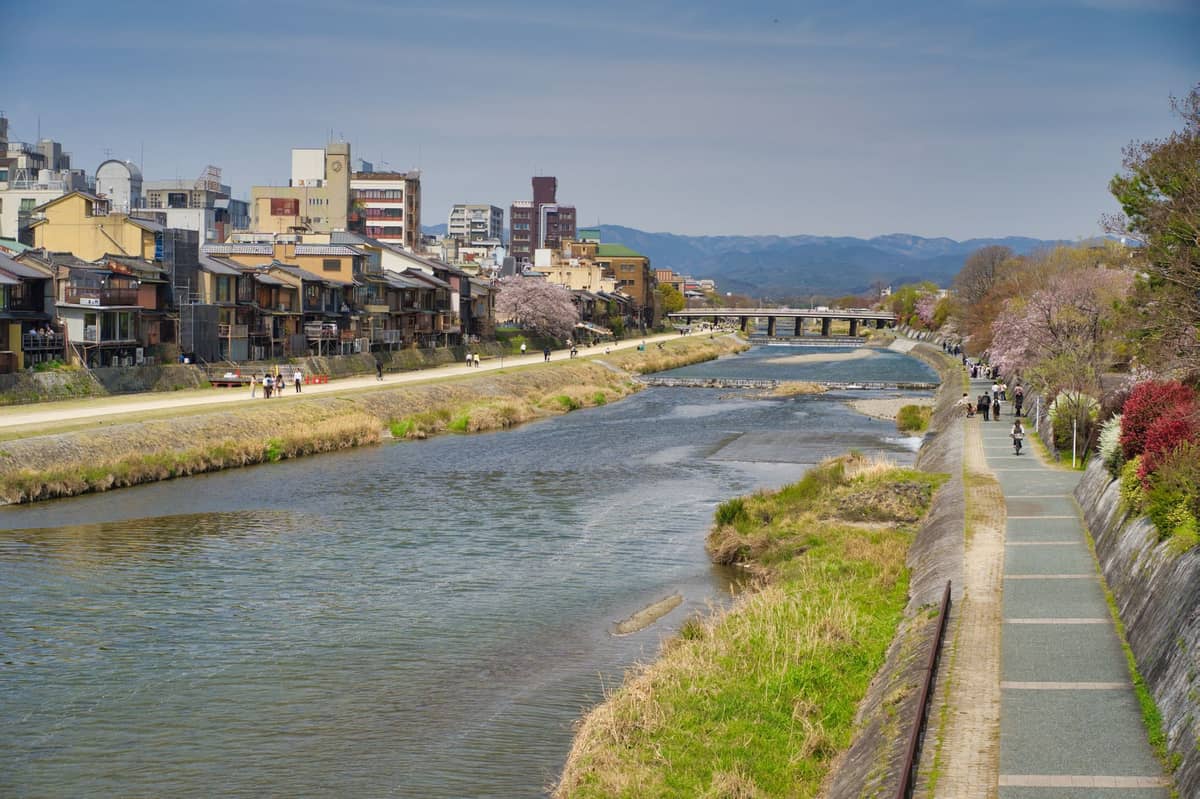
For purely weather-based planning, April–May and October–November are the most comfortable periods. Both offer mild daytime temperatures, lower humidity than summer, and reasonable (though not minimal) rainfall. The tradeoff is that these windows overlap with cherry blossom season and autumn foliage season respectively, meaning accommodation prices spike and popular sites likeKinkaku-ji, Kiyomizu-dera, and the Philosopher's Path can become genuinely unpleasant to navigate by midday.
October is worth calling out specifically as an underrated month. The weather is reliably good, foliage is beginning at higher elevations like Kurama, crowds are lighter than November, and accommodation is more available. Travelers who care more about comfort and access than Instagram-perfect foliage or cherry blossoms will often prefer October or early May over the peak windows.
January and February are the quietest months and genuinely cold but workable. Winter visits reward travelers with uncrowded temples, the possibility of snow-dusted gardens (particularly photogenic at Ryoan-ji or Kinkaku-ji), and lower accommodation rates. December has holiday illumination events at several temple gardens, which bring moderate crowds but not spring or autumn levels.
- Best overall weather: April and early May
- Best weather-to-crowd ratio: October and early November
- Best for budget travelers: January–February and June (lower prices, thinner crowds)
- Most challenging weather: July–August (heat) and June (rain and humidity)
- Highest typhoon risk: September (also still warm and moderately wet)
- Best for winter scenery: January–February, especially after snowfall in northern districts
✨ Pro tip
If you're visiting during a crowd-peak period (late March to early April, mid-November), target early morning temple visits — many sites open at 8am or 9am. The light is better, temperatures are cooler, and you'll encounter far fewer visitors in the first hour. By 11am, the most popular sites are often at capacity.
What to Pack for Each Season
Kyoto's four-season climate requires genuinely different packing for each visit window. Spring calls for layers: mornings in early April can be around 8°C while afternoons reach 18°C. A light jacket and one warmer layer cover most situations. Comfortable walking shoes matter more here than any season because spring sightseeing involves significant distances — a full day in Higashiyama can easily cover 8–10 kilometers.
Summer packing should prioritize moisture-wicking fabrics, a compact umbrella, sunscreen, and an electrolyte strategy (Japan's convenience stores sell sports drinks with good electrolyte profiles). A portable fan is worth the small investment. Note thattemple etiquettein Kyoto generally doesn't require covering legs or shoulders at most sites, but some shrines do — check before you go. Lightweight, breathable clothing is the priority.
Autumn packing mirrors spring: layers work well, with a warm jacket becoming necessary for November evenings. Winter requires a proper coat, gloves, and layering — Kyoto's cold is damp rather than dry, which makes it feel more penetrating. Heated indoor spaces (temples with attached teahouses, depachika department store basements, and covered shopping arcades) are natural refuge points.
How Weather Affects Getting Around Kyoto
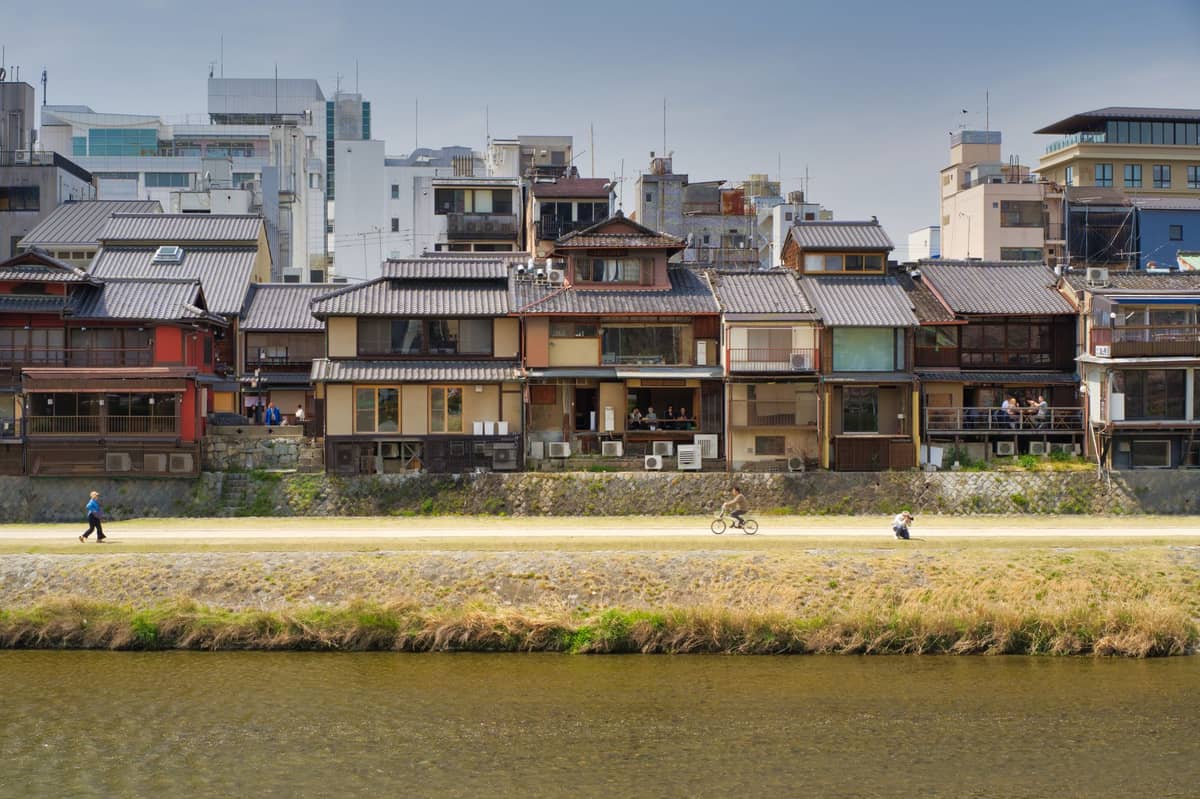
Kyoto's transport network is extensive but the city rewards walking and cycling in good conditions. The Kyoto Municipal Subway (Karasuma and Tozai lines) and Kyoto City Bus network cover most major sightseeing areas. The Kyoto Subway and Bus 1-Day Pass costs ¥1,100 for adults and ¥550 for children (as of mid-2026) and provides unlimited rides on municipal subway lines, city buses, and most Kyoto Bus and Keihan Bus routes. In summer heat or heavy rain, this pass becomes genuinely valuable as a tool for limiting outdoor exposure between sites. See the fullguide to getting around Kyoto for route logistics and pass options.
Cycling is practical and enjoyable from October through early June. Rental shops are plentiful and bikes handle most of central and eastern Kyoto well. In July and August, cycling in midday heat is inadvisable for most people. During the rainy season, cycling with an umbrella is illegal in Japan, so waterproof jackets become more practical than rental bikes. Typhoon days may see bus and train disruptions — always check JMA and local transport apps before departing your accommodation.
FAQ
What is Kyoto weather like in November?
November is one of Kyoto's most popular months because autumn foliage (koyo) typically peaks mid-to-late November. Daytime temperatures average 13–17°C with cool evenings dropping to around 8°C. Rainfall is relatively low compared to summer. It's comfortable for walking, but accommodation books out weeks or months in advance and popular sites like Eikan-do and Tofuku-ji see very large crowds during peak foliage. Mid-October to early November offers similar conditions with significantly thinner crowds.
How hot does Kyoto get in summer?
Very hot. Average highs in August reach 32–33°C, with humidity that pushes the heat index considerably higher. Nights regularly stay above 25°C (tropical nights). Kyoto's basin geography traps heat and limits airflow, making the city feel hotter than coastal areas at the same temperature. Kyoto City issues formal heat-stroke advisories during hot spells. Visitors should limit outdoor exertion between 11am and 3pm, stay hydrated, and use air-conditioned transport and indoor spaces strategically.
Does it snow in Kyoto?
Occasionally, yes, but sustained snow cover in the city center is uncommon. Snowfall typically occurs a handful of times each winter, usually in January or February, and rarely accumulates for more than a day or two at lower elevations. Northern districts like Kurama and Ohara receive more snow and can be dramatically beautiful after overnight falls. The hills surrounding Kyoto are more reliably snowy than the city basin itself.
When is the rainy season in Kyoto?
The main rainy season (Baiu) runs from early June to mid-July, bringing persistent rain and very high humidity (often above 80%). June is typically the wettest month, with rainfall often exceeding 200mm. However, September is nearly as wet, and typhoons can bring intense rainfall from July through October. Carrying an umbrella is advisable for most of the year except in the drier winter months of December through February.
What is the best month to visit Kyoto for good weather without huge crowds?
October is the strongest answer. Weather is reliably pleasant (17–22°C daytime), humidity has dropped significantly from summer, rainfall is low, and foliage is beginning at higher elevations. Crowds are noticeably lighter than November, and accommodation is easier to book at reasonable prices. Early May is the runner-up: temperatures are mild, cherry blossom season has ended (reducing crowds), and the city is at its greenest. Avoid Golden Week (late April to early May) when domestic tourism surges.