Getting Around Kyoto: The Complete Transport Guide
Kyoto's transport network is more layered than it first appears. This guide breaks down every practical option, from city buses and subway lines to IC cards, day passes, and airport transfers, so you can move around the city without wasting time or money.
Plan and book this trip
Tools from our partner Travelpayouts help you compare flights and hotels. If you book through them, we may earn a commission at no extra cost to you.
Flights
Hotels map
TL;DR
- Kyoto's two subway lines (Karasuma and Tozai) are fast and reliable but cover only a fraction of sightseeing areas, so buses are essential.
- The Subway & Bus 1-Day Pass (¥1,100 adult) is the best-value option for most visitors doing a full day of sightseeing. See theKyoto on a budget guide for more money-saving strategies.
- IC cards (ICOCA, Suica, PASMO) work on all buses and subways and are the most flexible way to pay if you are not doing many rides in a single day.
- The old bus-only day pass is no longer sold (as of 2026). Do not rely on outdated information about this pass.
- From Kansai International Airport, the JR Haruka limited express to Kyoto Station takes around 75 minutes and is by far the most convenient option. Check theKyoto airport and arrival guide for full details.
How Kyoto's Transport System Actually Works
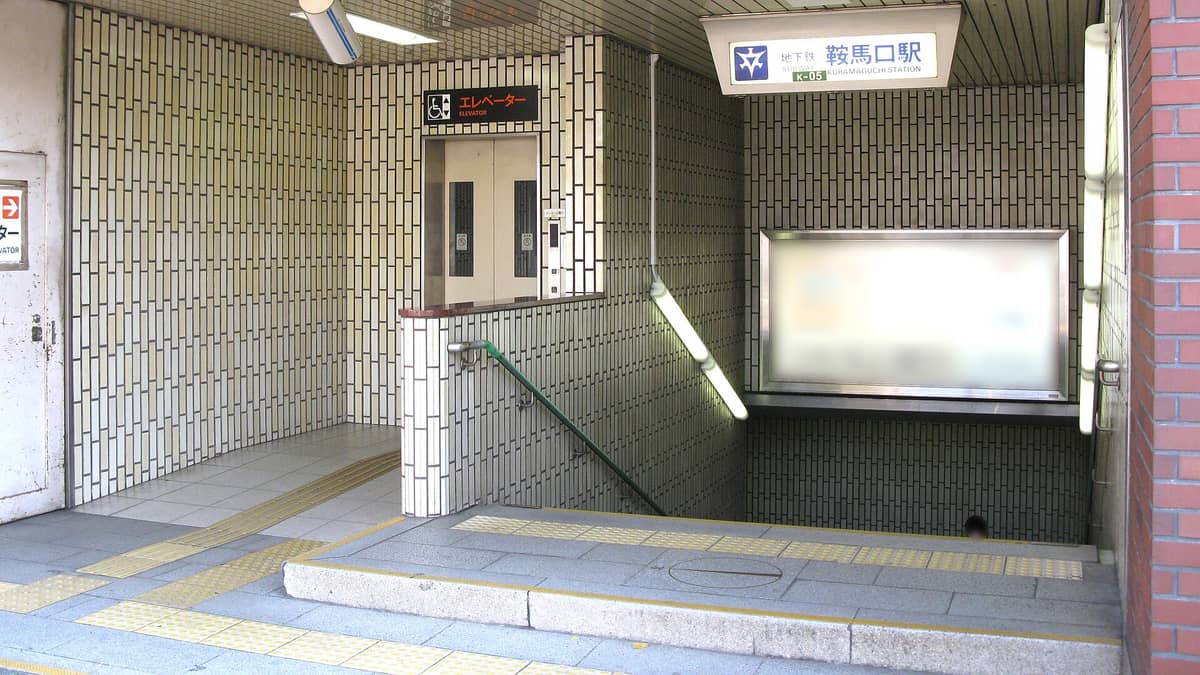
Kyoto is a large city covering about 828 km², and its transport network reflects that scale. The Kyoto Municipal Subway operates just two lines: the north-south Karasuma Line (15 stations) and the east-west Tozai Line (17 stations). Both run from roughly 05:00 to 23:00. Together they form a useful backbone through the city center, but they leave out large swaths of the most popular tourist areas, including Arashiyama, the northern temple districts around Kinkaku-ji, and much of the Higashiyama walking corridor.
To fill those gaps, Kyoto operates one of Japan's most extensive city bus networks. Kyoto City Bus covers the central flat-fare zone for ¥230 per adult ride (¥120 for children), making it affordable for occasional trips. Beyond that flat zone, graduated fares apply. There is also a separate Kyoto Bus operator serving suburban areas, and some routes run by Keihan Bus and West Japan JR Bus. The key practical point: not all of these operators are covered by every pass, so confirming coverage before you tap on matters.
⚠️ What to skip
The standalone bus-only one-day pass is no longer sold or accepted as of 2026. Any travel blog or forum post recommending the old bus pass is out of date. The current integrated Subway & Bus 1-Day Pass replaced it.
Day Passes: Which One Is Worth Buying
There are two main passes to consider, and the right choice depends entirely on where you are going that day.
- Subway & Bus 1-Day Pass (¥1,100 adult / ¥550 child) Covers all Kyoto City Bus routes in the flat-fare zone, both subway lines, some Kyoto Bus routes, some Keihan Bus routes, and some West Japan JR Bus lines. This is the default choice for most sightseeing days. Five standard bus rides already justify the cost. Valid for one calendar day, not 24 hours, so buy it when you start your day.
- Kyoto City Subway 1-Day Pass (¥800 adult / ¥400 child) Unlimited rides on both subway lines only. Worth it if your itinerary keeps you close to subway stations, for example a day focused on Nijo Castle, Kyoto Station, and Fushimi Inari. Not useful for Arashiyama or north Kyoto temple areas.
Both passes are sold at subway station ticket offices, bus and subway information centers, and some tourist information counters. You can also find them at Kyoto Station. Neither is currently available for mobile purchase in a fully integrated digital format, though this is worth checking closer to your travel date as operators update their systems.
✨ Pro tip
Holders of the Subway & Bus 1-Day Pass receive small discounts at dozens of temples, museums, and tourist facilities across Kyoto. The savings rarely justify buying the pass alone, but they are a nice bonus if you were already planning to buy it.
IC Cards: The Flexible Alternative
If you are spending a day with only two or three bus or subway rides, a day pass probably will not save you money. In those cases, an IC card is the smarter tool. IC cards including ICOCA, Suica, PASMO, and PiTaPa work seamlessly on Kyoto City Bus, both subway lines, and most other rail lines in the Kansai region. Mobile versions like Mobile Suica and Mobile ICOCA work the same way via smartphone. Simply tap in and tap out, and the correct fare is deducted automatically.
ICOCA is the home IC card for the Kansai region and is the most logical choice if you are starting your Japan trip in Osaka or Kyoto. Suica from Tokyo works everywhere ICOCA does. All of these cards can be loaded with yen at station machines or convenience stores. They also work at most konbini, vending machines, and many restaurants, which makes them a broadly useful payment tool beyond just transport.
💡 Local tip
If you have a Japan Rail Pass, it covers JR trains within and around Kyoto (including the JR Sagano Line to Arashiyama) but does not cover the Municipal Subway or city buses. Combining a JR Pass with an IC card for buses gives you good overall coverage without needing a separate day pass.
Getting to and from the Airport
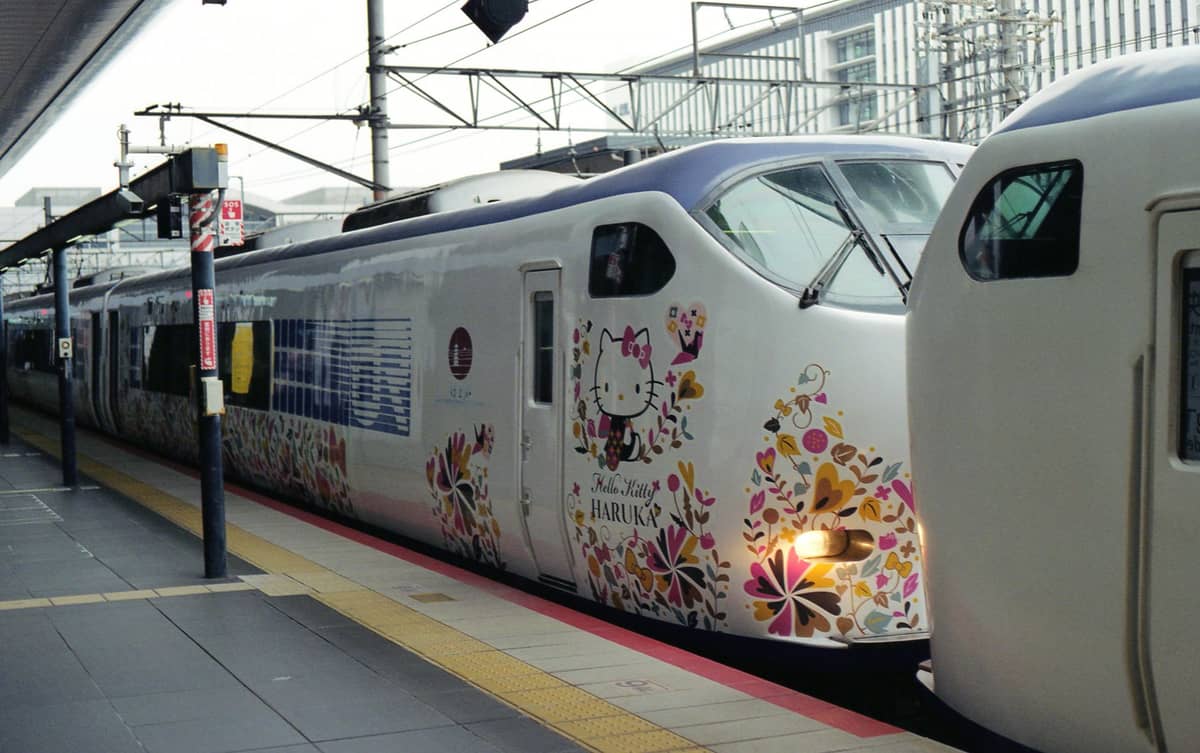
Kyoto has no major international airport within its city limits. The primary gateway isKansai International Airport (KIX), located on an artificial island in Osaka Bay, approximately 75 to 80 km from central Kyoto. A secondary domestic airport, Osaka Itami (ITM), sits around 50 km away and handles flights within Japan.
- JR Haruka Limited Express (recommended) Runs directly from Kansai Airport Station to Kyoto Station in around 75 minutes. Fares are approximately ¥2,500 to ¥3,000 for a reserved seat in standard class, though discounted Haruka tickets for foreign visitors are sometimes available through JR West. This is consistently the fastest and most reliable option.
- Airport Limousine Bus Direct services run from KIX to Kyoto Station and a handful of major hotels. Travel time is roughly 90 to 120 minutes depending on traffic, and fares are in the same ¥2,500 to ¥3,000 range. The advantage is door-to-door convenience if your hotel is on the route. The disadvantage is that Osaka highway traffic can add unpredictable time.
- Taxi or private transfer Technically possible but rarely practical. Door-to-door taxis from KIX to central Kyoto can exceed ¥20,000 easily. The only scenario where this makes financial sense is a large group splitting the cost, or if you have significant luggage and a tight schedule.
All fares above are approximate as of mid-2026 and are subject to change. Check the official JR West website and Kyoto City Transportation Bureau for current figures before you travel. Fares are periodically revised and the Haruka discount ticket terms in particular have changed multiple times in recent years.
Navigating Kyoto by Bus: What You Need to Know
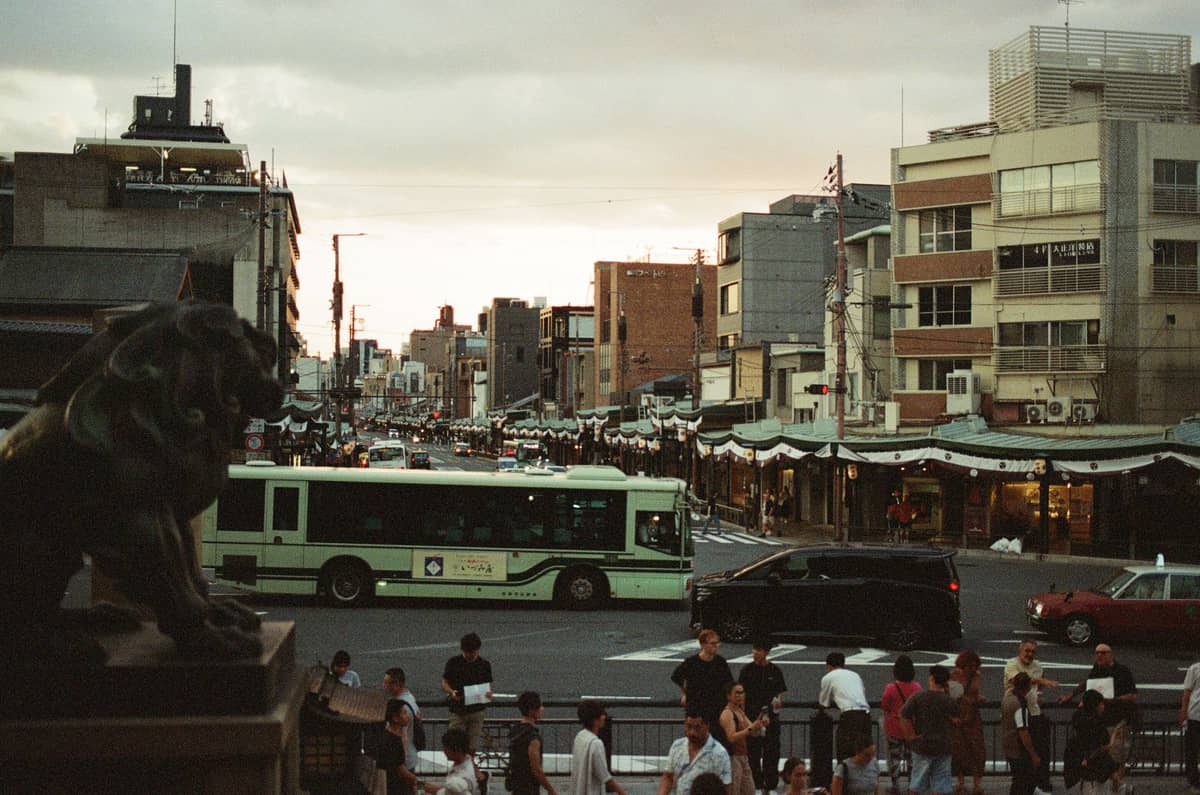
The bus network is how most visitors reach key sightseeing areas that the subway does not serve. Routes 101, 102, and others run a loop connecting Kyoto Station with major northwestern sites likeKinkaku-ji and Ryoan-ji. The 100-series sightseeing routes are popular but attract the most crowds.
For eastern Kyoto, buses serve the Higashiyama district and stops near Kiyomizu-dera. The Tozai subway line reaches Higashiyama Station, which puts you close to the southern end of the Higashiyama walking route. ForArashiyama, the JR Sagano Line from Kyoto Station to Saga-Arashiyama is generally faster and more reliable than taking buses all the way across the city.
Buses board at the rear door and exit at the front door in the flat-fare zone. Pay when you exit, either with cash, IC card, or by showing your day pass to the driver. During peak seasons, cherry blossom in late March to early April and autumn foliage in November, expect bus wait times to double or triple, and on-board standing room to fill completely. On bad days, popular stops like the one near Kinkaku-ji or Ginkaku-ji see buses pass without stopping because they are already at capacity.
⚠️ What to skip
During peak foliage season in November, the city sometimes implements temporary bus priority measures and reroutes. Check Kyoto City Transportation Bureau notices before your visit. On the worst weekends, the subway is noticeably faster and less stressful than buses for any journey that subway lines can cover.
Taxis, Ride-Hailing, and Getting Around at Night
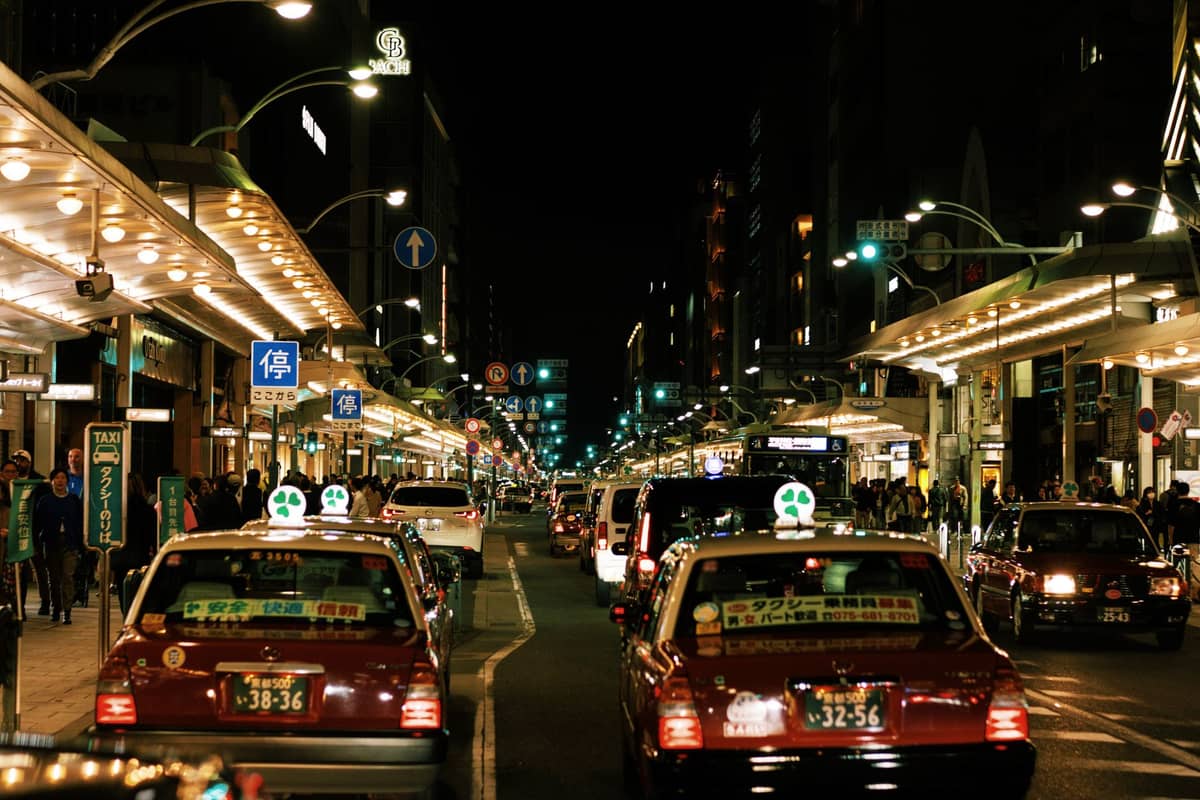
Taxis in Kyoto are metered, clean, and reliable, but they are not cheap. Flag-fall starts at around ¥600 to ¥700 for the first few hundred meters, and a typical cross-city ride can cost ¥1,500 to ¥2,500 or more. That said, for short hops late at night when the buses have stopped, or for groups of three or four splitting a fare, taxis become reasonably competitive. Taxi stands are plentiful at Kyoto Station, major hotels, and popular tourist areas.
App-based ride-hailing in Japan operates differently from elsewhere. International platforms like Uber function primarily as taxi-dispatch services here rather than using private drivers. The GO app (formerly JapanTaxi) is widely used by locals for booking licensed taxis via smartphone. DiDi is also available. For visitors, the simplest approach is flagging a taxi from a stand or calling ahead through your hotel. English-speaking drivers are not guaranteed but major companies often have them available on request. Note that regulations and app availability in this space have changed frequently, so check current operating status before you travel.
Practical Tips for Moving Around Kyoto Efficiently
- Buy your IC card at Kyoto Station immediately on arrival. It will save you fumbling with change on buses and works across all of Kansai.
- Structure your itinerary geographically. Kyoto is wide enough that zigzagging between districts eats serious time. Group northwest temples (Kinkaku-ji, Ryoan-ji, Ninna-ji) on one day, eastern Higashiyama sites on another.
- The JR Sagano Line is underused by tourists for getting to Arashiyama from Kyoto Station. The platform is at the same station and the journey takes about 15 to 20 minutes. This is faster than any bus route.
- For Fushimi Inari, take the JR Nara Line from Kyoto Station to Inari Station. It drops you at the shrine entrance in about 5 to 6 minutes and costs ¥150 with an IC card.
- Subway trains during rush hours (07:30 to 09:00, 17:30 to 19:30 on weekdays) are crowded with commuters. Not dangerous, just uncomfortable with luggage.
- Google Maps is accurate and up to date for Kyoto public transport. Use it for real-time departure boards. The official NAVITIME app also works very well for Japan-specific routing.
- Overnight accommodation location matters more than visitors often realize. Staying near the Karasuma or Tozai subway lines saves money on taxis and day passes and reduces dependence on crowded buses.
If you are planning a packed multi-day itinerary, the 3-day Kyoto itinerary and the one-week itineraryboth group sights by area to minimize transport time. If you are trying to decide where to base yourself, thewhere to stay in Kyoto guidecovers neighborhoods and their proximity to transport hubs.
FAQ
Is the Kyoto bus day pass still available in 2024 and 2025?
The old standalone bus-only one-day pass is no longer sold—sales ended in September 2023 and it stopped being accepted after March 31, 2024. It has been replaced by the integrated Subway & Bus 1-Day Pass at ¥1,100 for adults. If you see older guides or forum posts recommending the bus pass, the information is outdated.
Do I need a separate pass for buses and the subway in Kyoto?
No. The Subway & Bus 1-Day Pass covers both Kyoto City Bus (most routes) and both subway lines for ¥1,100 per adult per day. If you only need the subway, the Subway 1-Day Pass at ¥800 is cheaper. An IC card like Suica or ICOCA also works on both without any pass.
What is the fastest way to get from Kansai Airport to Kyoto?
The JR Haruka limited express train is the standard choice, running from Kansai Airport Station directly to Kyoto Station in approximately 75 minutes. Fares are around ¥2,500 to ¥3,000 for a standard reserved seat, though discounted options for foreign visitors are sometimes available through JR West. The limousine bus is a reasonable alternative but takes 90 to 120 minutes and is subject to traffic.
Can I use Suica or PASMO cards in Kyoto?
Yes. Both Suica and PASMO work on Kyoto City Bus, both Municipal Subway lines, and JR trains in and around Kyoto. They also work at most convenience stores and vending machines, making them broadly useful throughout the trip.
Does the JR Pass cover transport within Kyoto city?
The JR Pass covers JR-operated trains within and around Kyoto, including the JR Sagano Line to Arashiyama and the JR Nara Line to Fushimi Inari. It does not cover the Kyoto Municipal Subway or Kyoto City Bus. For those, you will need an IC card or a separate day pass.