Where to Stay in Kyoto: Best Areas & Hotels (2026 Guide)
Choosing where to stay in Kyoto shapes your entire trip. This guide covers the five best areas for visitors, price breakdowns by neighbourhood, accommodation type comparisons, and the booking timing you need to avoid paying double during peak season.
Plan and book this trip
Tools from our partner Travelpayouts help you compare flights and hotels. If you book through them, we may earn a commission at no extra cost to you.
Flights
Hotels map
TL;DR
- Kyoto hotels range from around ¥5,000 per night for budget options near Kyoto Station to over ¥50,000 for a top-tier ryokan inGion.
- Book 3–6 months ahead for cherry blossom season (late March to mid-April) and autumn foliage (late October to November). For premium ryokan, 4–8 months is safer.
- Downtown Kyoto (Kawaramachi/Shijo) is the best all-round base for first-timers: central location, great transport, and the widest spread of price points. See ourKyoto first-timer guide for the full picture.
- Kyoto Station area is underrated as a base: it has excellent transport links to the whole city and some of the most affordable mid-range hotels in town.
- Kyoto charges an accommodation tax of roughly ¥200–¥1,000 per person per night depending on room rate. It is usually added at checkout and not always shown in OTA listings.
How to Choose Where to Stay in Kyoto
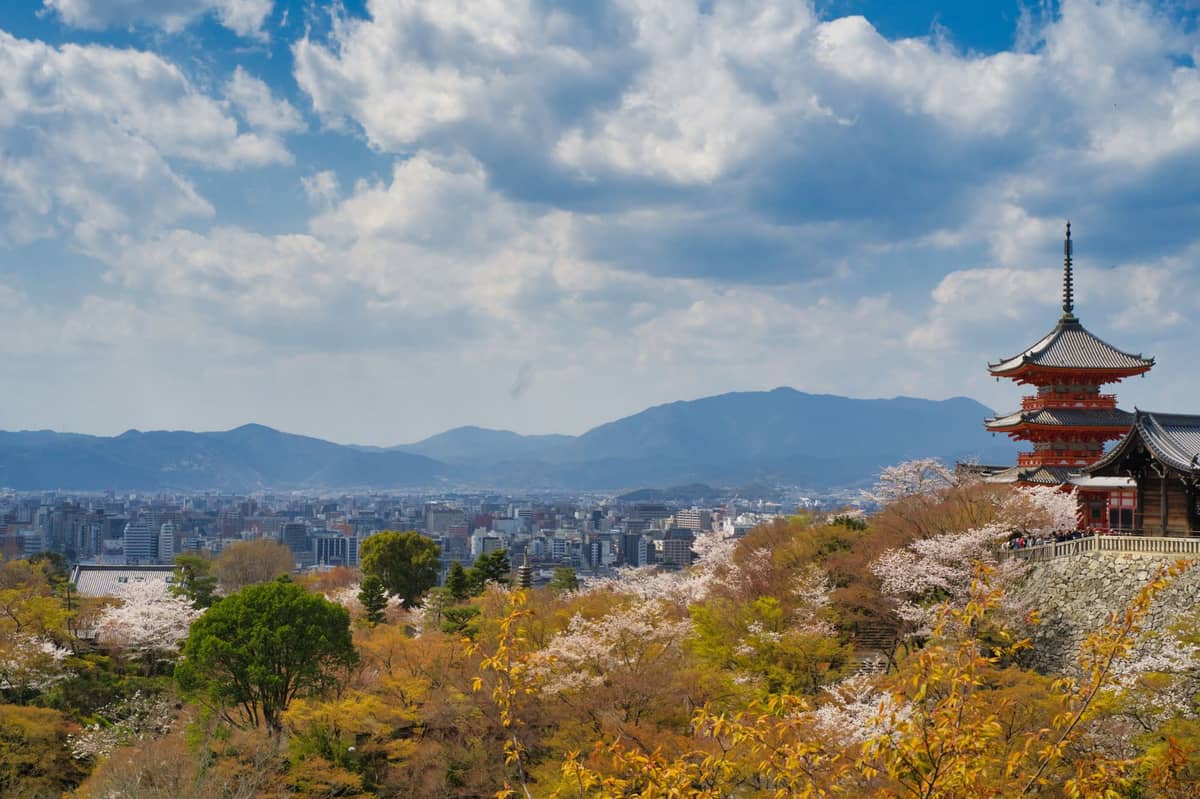
Kyoto is not a city you can cover on foot from a single hotel. It spreads across 828 km² of basin and mountain terrain, with major attractions scattered from Fushimi in the south to Ohara in the north. Your choice of neighbourhood determines how much time you spend on buses and trains every day. Get this wrong and you will spend a significant chunk of your trip commuting between a scenic but poorly connected ryokan and the places you actually want to see.
The two factors that matter most are transport access and what kind of trip you are planning. If you are here for temples, traditional streets, and the atmosphere of old Kyoto,Higashiyamaand Gion will put you in the middle of it. If you want maximum flexibility to explore the whole city including day trips to Nara or Osaka, Kyoto Station or downtown Kawaramachi is the smarter base. Budget is the third variable: the same area can offer wildly different price points depending on accommodation type.
ℹ️ Good to know
Kyoto levies a city accommodation tax of approximately ¥200–¥10,000 per person per night, scaled by room rate. This is often not included in OTA search results. Budget for it separately, especially if you are travelling as a family or booking a high-end property.
The Five Best Areas to Stay in Kyoto
Each area below serves a different type of traveller. Prices are approximate per room per night and reflect mid-2026 market rates. Always verify current rates on booking platforms before committing, as Kyoto hotel prices shift considerably between low and peak season. For a broader overview of the city's geography, thegetting around Kyoto guide covers transport in detail.
- Downtown Kyoto (Kawaramachi / Shijo) The most practical base for most visitors. Budget hotels from around ¥5,500, mid-range from ¥8,000–¥13,000, upscale from ¥15,000–¥30,000. Walking distance to Nishiki Market, Gion, and the Kamo River. Well-served by subway and multiple bus routes. Best for: first-timers, city explorers, anyone who wants flexibility without sacrificing atmosphere.
- Kyoto Station Area (Shimogyō-ku) Often dismissed as purely functional, but it is actually one of the best-value areas in the city. Budget from ¥5,000, mid-range from ¥7,500–¥12,000, upscale from ¥20,000. Direct Shinkansen access to Tokyo and Osaka. Immediate access to JR lines for Fushimi Inari and Nara. Best for: travellers on tight itineraries, day-trip bases, budget travellers who want convenience over charm.
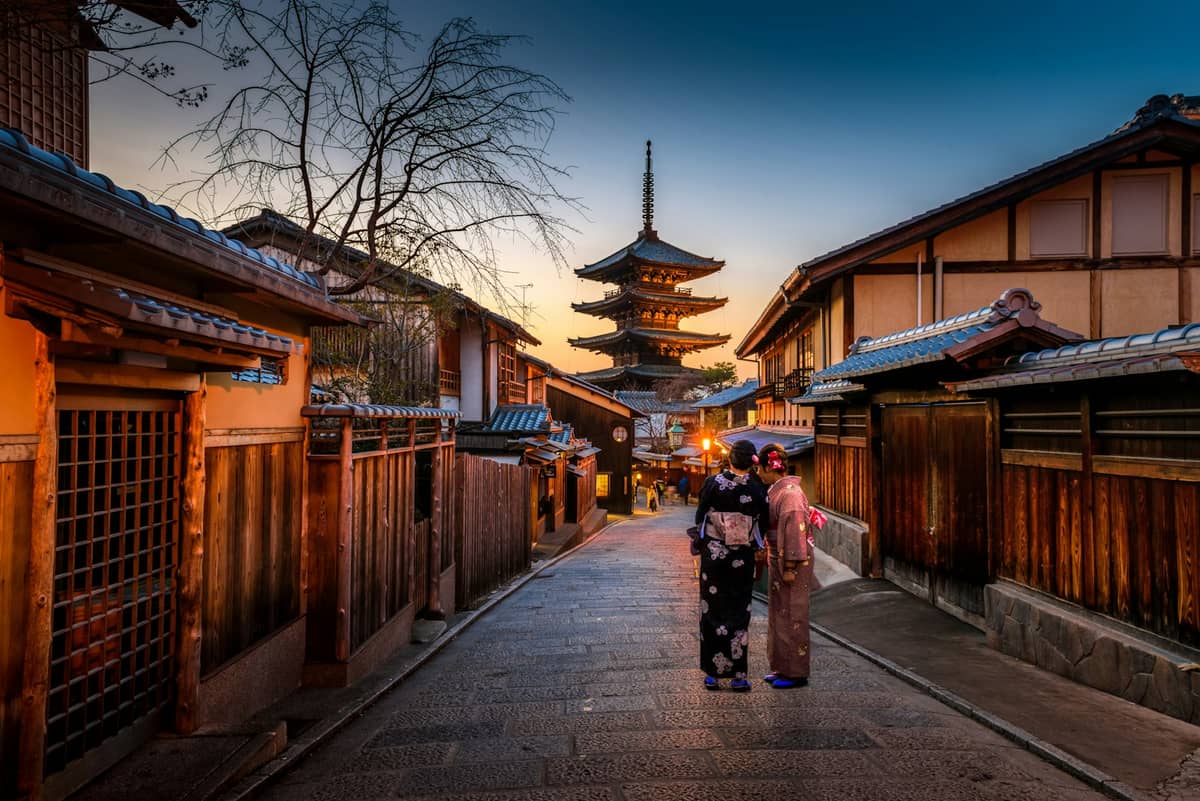
- Gion / Higashiyama The most atmospheric area in Kyoto, with preserved machiya streetscapes, nearby temples, and traditional teahouses. Budget guesthouses from ¥6,000–¥8,000, mid-range ¥9,000–¥15,000, top-tier ryokan ¥25,000–¥50,000+. Walkable to Kiyomizu-dera, Ninenzaka, and Yasaka Shrine. Not ideal if you need fast transit access to western Kyoto. Best for: couples, cultural immersion, special occasions.
- Arashiyama A scenic western district along the Katsura River. Limited accommodation options compared to central areas, and most are mid-range to luxury. Excellent for slow mornings before the day-trippers arrive from central Kyoto. Connectivity to the rest of the city requires the JR Sagano or Keifuku Arashiyama line. Best for: nature lovers, repeat visitors, those whose itinerary focuses on western Kyoto.
- Fushimi (Southern Kyoto) Quiet residential ward around Fushimi Inari and the sake district. Very limited hotel stock, mostly budget guesthouses. Suited to travellers who want to visit Fushimi Inari at dawn before crowds arrive. Not a practical base for exploring northern or eastern Kyoto. Best for: Fushimi-focused itineraries or those also visiting Nara.
⚠️ What to skip
Staying in Arashiyama or Fushimi sounds romantic but it comes with real logistical costs. Bus routes from these areas to central Kyoto can take 30–50 minutes each way. If your itinerary covers multiple districts, you will spend more time commuting than you expect.
Accommodation Types in Kyoto: Ryokan vs Hotel vs Guesthouse
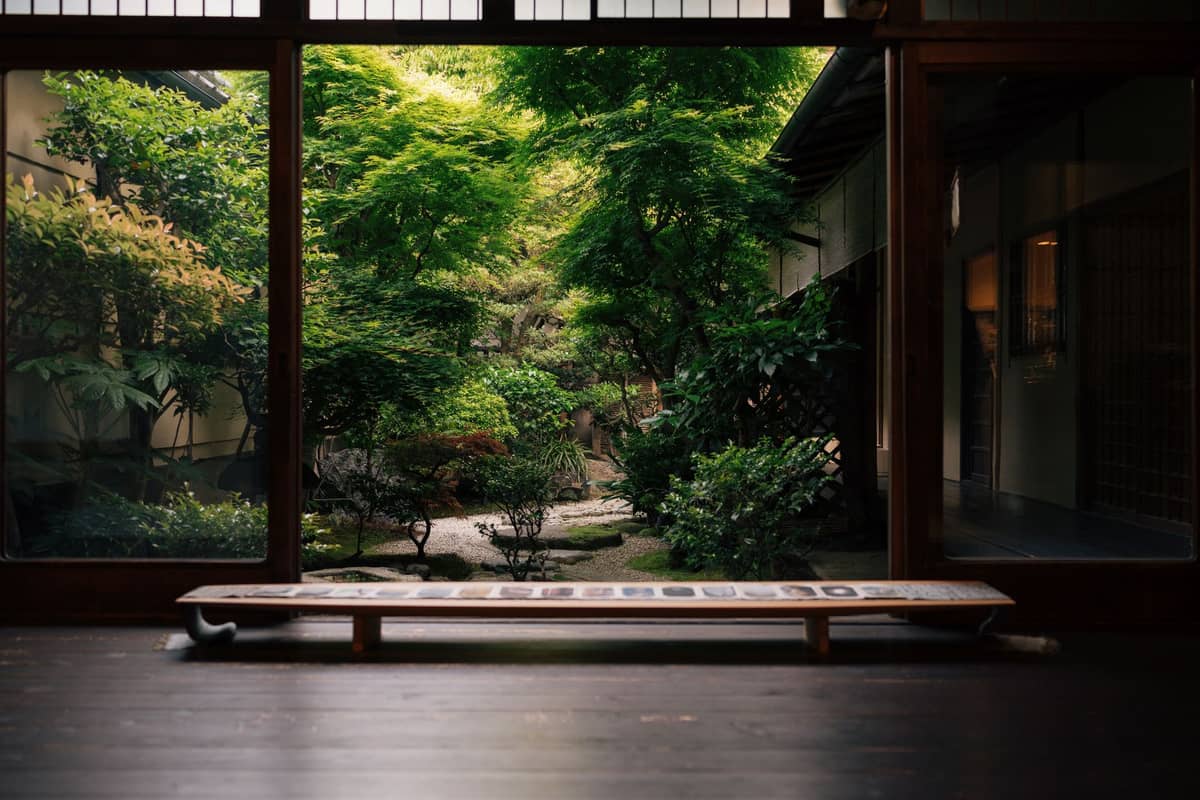
Kyoto offers a wider range of accommodation types than almost any other Japanese city. The choice between a ryokan, a business hotel, and a guesthouse is not just about price: it reflects the kind of experience you want and how much time you will actually spend in your room.
A ryokan is a traditional Japanese inn with tatami-mat rooms, futon bedding, and often an onsen (hot spring bath). Many include kaiseki dinner and breakfast, which raises the nightly cost significantly but also removes the need to find dinner reservations. In Gion, mid-tier ryokan start around ¥25,000 per person including meals. Top properties reach well beyond ¥50,000. If a ryokan experience is on your list, theKyoto ryokan guidecovers what to expect, how to behave, and which areas have the best options.
Business hotels and mid-range chains (such as Travelodge, Dormy Inn, and APA Hotel) are the workhorses of Kyoto accommodation. Rooms are compact by Western standards but clean, efficient, and usually well-located. They do not include the cultural experience of a ryokan, but they work well as a base. The Travelodge Kyoto Shijo Kawaramachi, for example, starts from around ¥7,000 per night and puts you within walking distance of most central Kyoto attractions.
Machiya guesthouses, which are converted traditional townhouses, occupy a middle ground. They offer atmosphere close to a ryokan at prices closer to a business hotel: often ¥6,000–¥12,000 per room. They tend to have fewer rooms and shared facilities but can feel more personal than a chain hotel. Several exist within Gion and Higashiyama, so the idea that you need to spend ¥30,000 a night to experience traditional Kyoto is simply not true.
- Ryokan: most authentic Japanese experience, often includes meals, higher cost (¥25,000–¥80,000+ per night)
- Business hotels: compact, practical, best value for money (¥5,000–¥15,000 per night)
- Machiya guesthouses: traditional feel, mid-range prices (¥6,000–¥12,000 per night), limited availability
- Capsule hotels: ultra-budget option (from around ¥3,000–¥5,000), good near Kyoto Station, not suitable for couples or families
- Luxury international hotels: properties like The Ritz-Carlton and HOTEL THE MITSUI KYOTO start from around US$400–700+ per night
Kyoto Hotel Prices: What to Budget
Kyoto is not a cheap city to sleep in, especially compared toOsaka, which is only 15 minutes away by Shinkansen. City-wide averages across booking platforms put 3-star hotels at around US$228 per night, 4-star at US$371, and 5-star properties at around US$959. Those figures are averages across all seasons and can swing dramatically during peak periods.
During cherry blossom season (typically late March to mid-April) and autumn foliage (late October to November), Kyoto hotels frequently double their base rates and sell out weeks or months in advance. Thecherry blossom guidehas full timing details, but the short version for accommodation is: book 3–6 months ahead for standard hotels and up to 4–8 months ahead for top ryokan in those windows.
The best value periods are June (rainy season keeps tourists away but the city is green and atmospheric), late August outside Obon week, and January through mid-February. Rates in these windows are noticeably lower and last-minute bookings become feasible. The tradeoff is weather: June is humid and rainy, and January is genuinely cold, with average daytime temperatures around 8°C.
✨ Pro tip
If your dates overlap with Golden Week (late April to early May), Obon (mid-August), or New Year (late December to early January), treat them the same as cherry blossom season: book early and expect premium prices. These are domestic travel peaks as much as international ones, and Japanese travellers fill Kyoto hotels fast.
Getting to Your Hotel: Arriving in Kyoto
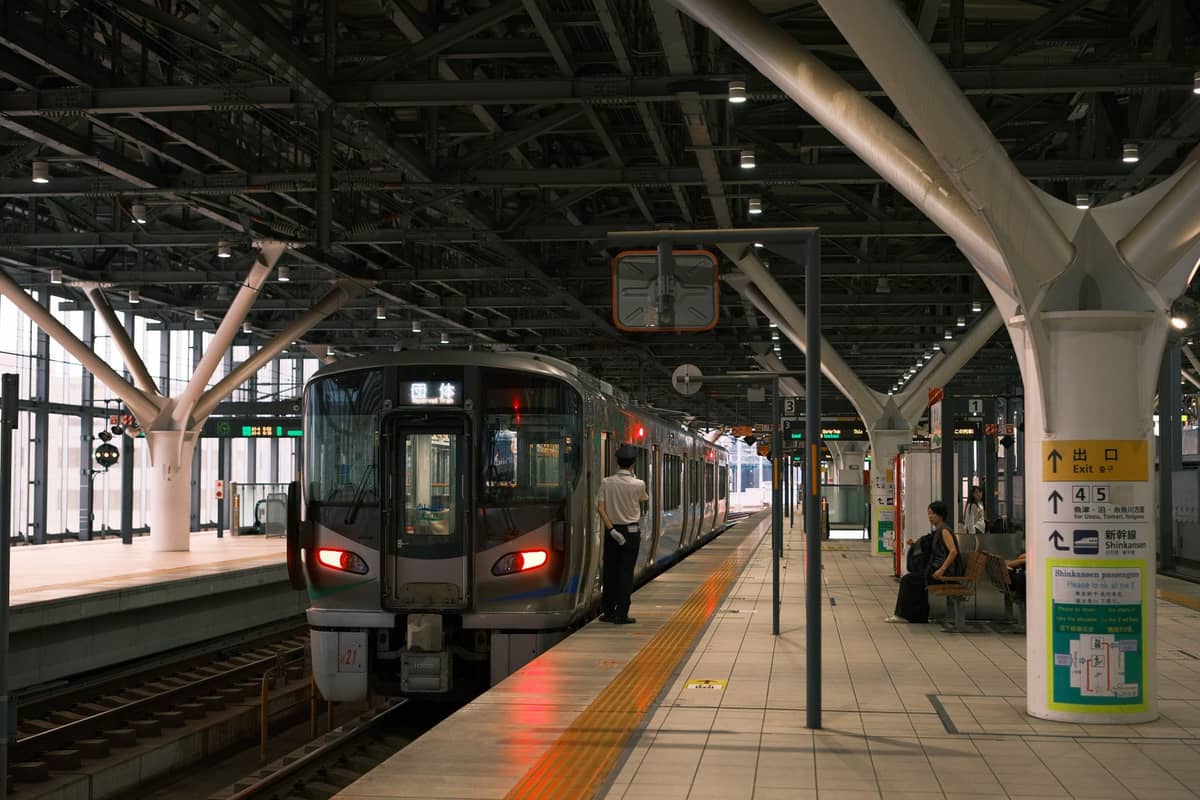
Kyoto does not have its own international airport. Most international visitors arrive via Kansai International Airport (KIX), which is roughly 75–80 km from central Kyoto. The fastest option is the JR Haruka Limited Express, which runs directly to Kyoto Station in about 75–80 minutes. Fares are approximately ¥3,000 for a reserved seat, though verify current pricing with JR West before travel. The Airport Limousine Bus is a useful alternative, running directly to Kyoto Station and some hotels for a similar fare of about ¥2,600–¥2,800 one way, though journey times stretch to around 80–105 minutes depending on traffic. The full breakdown is in theKyoto airport and arrival guide.
Taxis from KIX to central Kyoto are available but cost well over ¥20,000 and are rarely worth it unless you are travelling with heavy luggage in a group. A better option for luggage-heavy travellers is to use a takuhaibin (luggage forwarding) service from the airport and take the train unencumbered. Several companies offer same-day or next-day delivery to Kyoto hotels for around ¥1,000–¥2,000 per bag.
Once at Kyoto Station, the Kyoto Municipal Subway (Karasuma and Tozai lines), city buses, and private railways (Keihan, Hankyu, Kintetsu) connect most accommodation areas within 20–40 minutes. If you are staying in Gion, the Keihan line to Gion-Shijo Station is the quickest route. For Arashiyama, the JR Sagano Line from Kyoto Station takes about 16 minutes to Saga-Arashiyama. TheKyoto Station areaitself has several hotels within a few minutes walk of the platforms, which is worth considering if you have early morning connections.
Practical Tips Before You Book
A few things that seasoned visitors to Kyoto know that first-timers often learn the hard way. Japan uses 100V electricity at 60Hz (in western Japan including Kyoto), with Type A plugs. Most modern electronics handle the voltage automatically but check your devices. Tipping is not customary in Japan and can cause genuine awkwardness at ryokan. Service is always included. Tap water is safe to drink throughout the city.
If you are planning to stay in a traditional area like Gion or Higashiyama, be aware that some streets have photography guidelines in place, particularly aroundHanamikoji Street. Rules and enforcement change, so check current guidance from Kyoto Tourism before your visit rather than assuming what you read two years ago still applies. Similarly, some Higashiyama lanes are marked as no-eating zones: follow posted signs and save street food for the designated areas.
If your trip includes a stay at a luxury property or a ryokan with an onsen, theKyoto onsen guideexplains bathing etiquette in detail, including tattoo policies which vary by property. For couples planning a special stay, theromantic Kyoto guidehas specific ryokan recommendations and area suggestions organised by atmosphere.
- Always check whether breakfast is included: at ryokan it usually is (and the kaiseki breakfast alone can justify the price), at business hotels it is typically optional
- Room sizes in Japanese hotels are small by international standards: if you are travelling with large suitcases, check room dimensions or ask the hotel before booking
- Many ryokan require check-in by a specific time (often 6pm or 8pm) and have no 24-hour reception: communicate your arrival time in advance
- IC cards (Suica or ICOCA) are essential for navigating city transport and can be loaded and used from Kyoto Station on arrival
- Booking directly with the hotel sometimes yields perks (early check-in, room upgrades) that OTA platforms do not offer, particularly at smaller ryokan
💡 Local tip
If you are visiting during cherry blossom or autumn foliage and struggling to find accommodation in Kyoto, consider basing yourself in Osaka (30 minutes by Shinkansen) or Nara (45 minutes by express train) and day-tripping. It is a significantly cheaper approach and often the only realistic option for late bookers during peak season.
FAQ
Where should I stay in Kyoto for the first time?
Downtown Kyoto around Kawaramachi and Shijo is the best base for first-timers. It gives you central access to both eastern and western Kyoto, excellent bus and subway connections, and a wide range of accommodation from budget to upscale. Gion is more atmospheric but less practical for covering the whole city.
How far in advance should I book a hotel in Kyoto?
For standard travel periods, 4–8 weeks ahead is usually sufficient. For cherry blossom season (late March to mid-April) and autumn foliage (late October to November), book 3–6 months ahead. For top-tier ryokan during those windows, 4–8 months is the recommended minimum according to multiple Kyoto travel specialists.
Is it worth staying in a ryokan in Kyoto?
Yes, if you can afford it and your itinerary allows an evening in. The kaiseki dinner and traditional atmosphere are genuinely unlike anything a hotel can offer. It works best if you stay at least two nights in the same place rather than checking in late and leaving early the next morning. Budget at least ¥25,000 per person per night for a quality experience.
Is Kyoto Station a good area to stay?
It is more practical than its reputation suggests. You lose some atmosphere compared to Gion or Higashiyama, but you gain unbeatable transport connections: direct JR lines to Fushimi Inari, Nara, Osaka, and the Shinkansen to Tokyo. Hotels here are also among the most competitively priced in the city, from around ¥5,000 for budget options to ¥12,000 for solid mid-range properties.
What is the cheapest area to stay in Kyoto?
Kyoto Station and downtown Kawaramachi have the highest concentration of budget accommodation, with rooms from around ¥5,000–¥7,000 per night. Capsule hotels near the station start from around ¥3,000–¥5,000. Note that even 'budget' Kyoto is more expensive than comparable options in Osaka, which is 15 minutes away and a viable alternative base for cost-conscious travellers.