Romantic Kyoto: The Best Things to Do for Couples
Kyoto is one of the most atmospheric cities in Asia for couples, with preserved historic streets, seasonal illuminations, ryokan stays, and cultural rituals designed for two. This guide covers the best romantic experiences, realistic pricing, and the timing details that make the difference between a good trip and a memorable one.
Plan and book this trip
Tools from our partner Travelpayouts help you compare flights and hotels. If you book through them, we may earn a commission at no extra cost to you.
Flights
Hotels map
TL;DR
- Autumn (October–November) and spring (late March–April) are the best seasons for romantic Kyoto — mild weather, fewer extreme crowds than peak summer, and the most atmospheric visuals.
- Kimono rental for couples starts around ¥8,980–¥9,400 for a couple plan; budget more if you want premium silk or a styled furisode. See ourkimono rental guide for full details.
- Night illuminations at Tō-ji and other temples are seasonal — most run October to December. Check each venue's official schedule; timed entry often sells out.
- A stay at a traditional ryokan is the single highest-impact romantic upgrade you can make. OurKyoto ryokan guide covers the best options across price ranges.
- Gion and Higashiyama are the most photogenic neighbourhoods for couples, but go before 8 am or after 7 pm to avoid tour groups.
Why Kyoto Works So Well for Couples
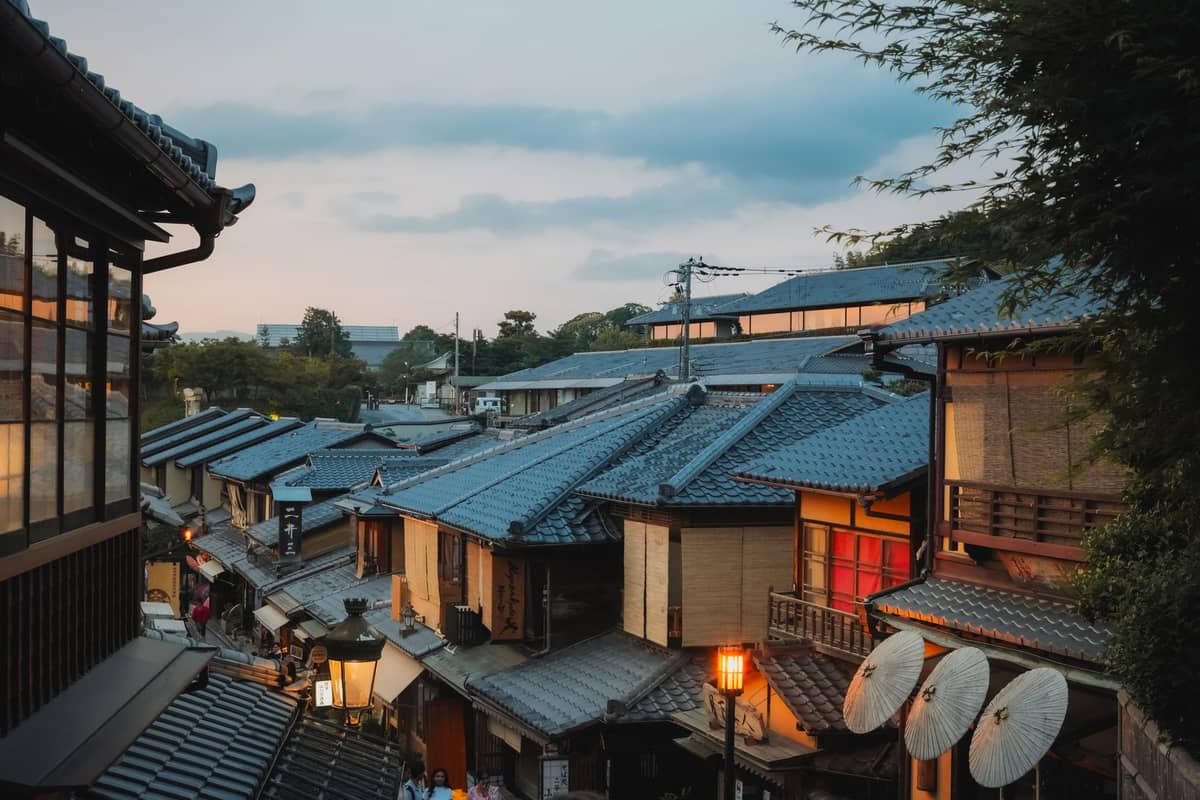
Kyoto is not romantic by accident. The city's urban planning has kept its historic core largely intact — preserved machiya townhouses, stone-paved lanes, and temple gardens that have barely changed in two centuries. It also has a culture of aesthetics (mono no aware, wabi-sabi, the appreciation of impermanence) that maps naturally onto what couples want: beauty, stillness, shared experience. When the best things to do in Kyoto for couples overlap with that sensibility — a moss garden, a lantern-lit temple, a kaiseki dinner — the effect is hard to replicate anywhere else in Japan.
The city sits in a basin surrounded by mountains, which concentrates seasonal colour: cherry blossoms in spring, intense maple foliage in autumn. Both seasons amplify the already-high romantic charge of places likeArashiyama's bamboo grove and the stone steps of Ninenzaka and Sannenzaka. But Kyoto also works in winter, when low-season crowds drop and the city takes on a quieter, more intimate quality — especially if snow dusts temple rooftops.
💡 Local tip
Kyoto's most romantic neighbourhoods — Gion, Higashiyama, and Arashiyama — are also the most visited. Timing is everything. Early mornings (before 8 am) and weekday evenings transform them. Plan romantic walks for these windows rather than mid-afternoon.
Dress the Part: Kimono Rental for Two
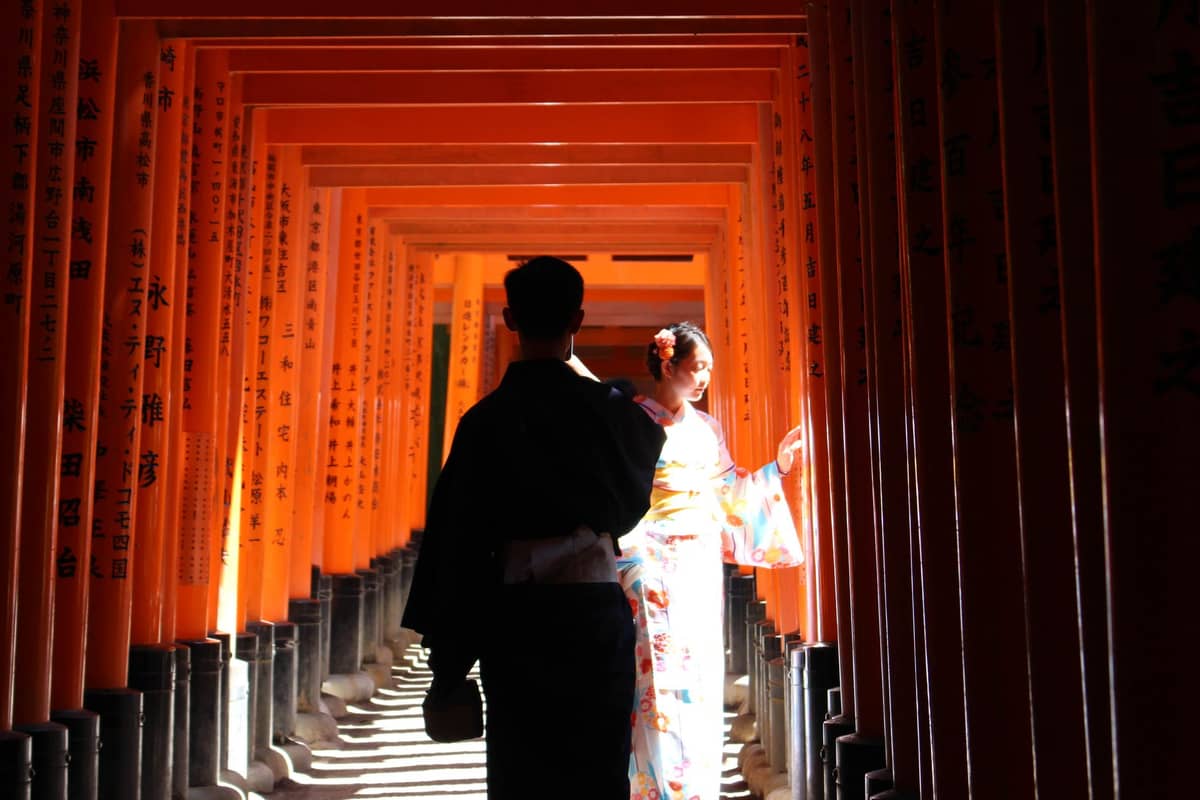
Renting kimono as a couple is one of those experiences that sounds touristy until you actually do it. Walking the lanes of Higashiyama or the approach to Fushimi Inari in traditional dress changes how you engage with the city — and how locals and other visitors respond to you. It is also genuinely good for photographs. Most rental shops are concentrated near Gion and Higashiyama, which makes it easy to walk directly into the best streets after dressing.
On pricing: couple plans exist specifically for this and offer modest savings over two individual bookings. Kyoto Kimono Rental Kyoetsu lists a couple plan (trendy yukata or kimono) from ¥8,980 (tax included). Tekuteku Kimono Rental starts couple plans from ¥9,400 (tax included), with standard single plans from ¥4,400. Kyoto Kimono Rental Wargo (with shops at Kyoto Tower and Gion) starts individual plans from ¥3,300, open roughly 10:00–17:30 with last dressing around 15:30. For most couples, budget ¥9,000–¥12,000 total for a mid-range couple plan. Premium silk kimono or styled furisode can push significantly higher at specialist shops — verify current prices directly with providers before booking.
- Best season for full kimono March–May and October–November. The fabric is heavy; summer heat (July–August, 30°C+) makes full kimono uncomfortable. Most shops offer yukata (lighter cotton) from June to September as a summer alternative.
- Where to walk after dressing Gion's Hanamikoji and Shirakawa Canal area, the Ninenzaka and Sannenzaka stone steps, and the approach to Kiyomizu-dera are the top three routes. All are walkable from Higashiyama rental shops.
- Booking ahead Reserve online at least a few days in advance, especially during cherry blossom season (late March to mid-April) and autumn foliage (late October to late November). Walk-ins are possible in quieter months.
- What's typically included Most plans include the kimono or yukata, obi belt, accessories, and hair styling for women. Verify what men's styling includes, as it varies by shop.
Night Illuminations: The Most Atmospheric Evenings in Kyoto
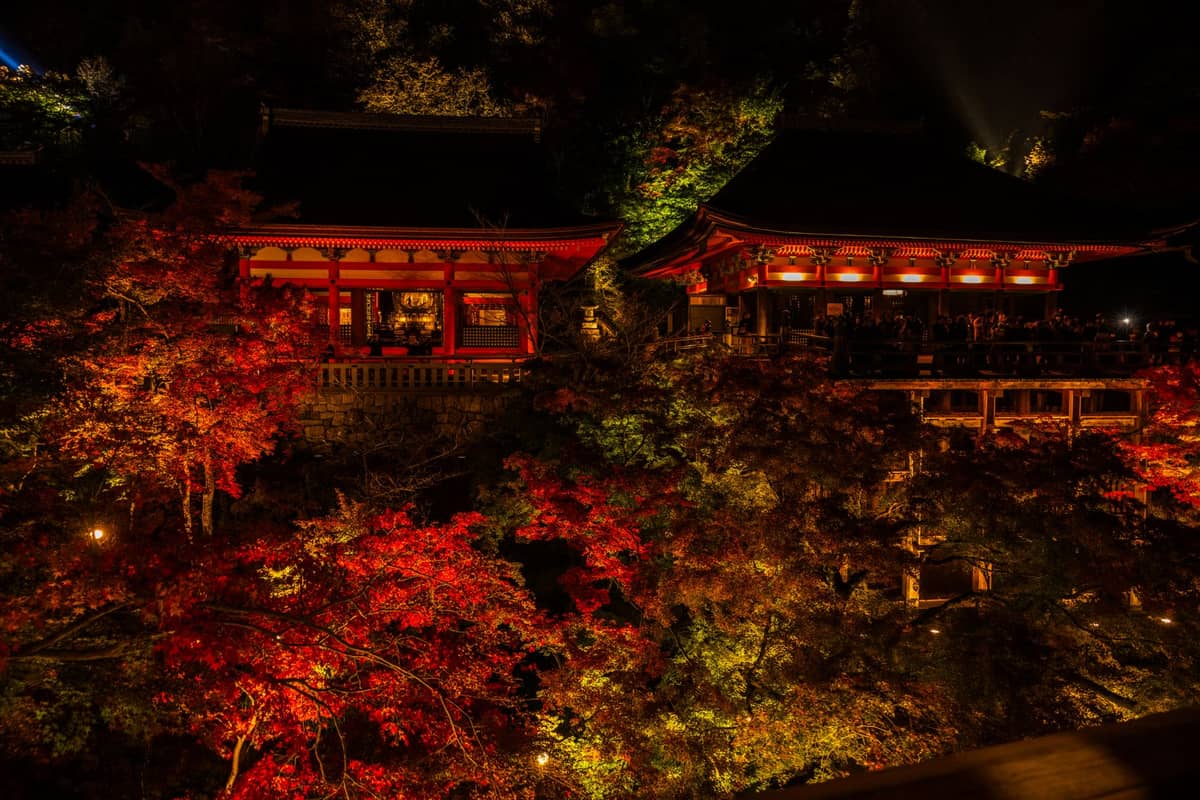
Kyoto's seasonal illuminations are a genuine draw for couples and are more impressive than most visitors expect. The concept is simple: temples and gardens open after dark with carefully designed lighting that transforms familiar spaces into something completely different. The moss, the raked gravel, the maple canopies — all of it reads differently under warm artificial light against a dark sky.
Autumn is the primary season for illuminations. Tō-ji Templeholds an autumn foliage illumination with a special night opening of its Kondo and Kodo halls from 1 November to 14 December — the five-storey pagoda reflected in the surrounding pond is one of the most iconic images in Kyoto. The Sagano Romantic Train (Sagano Scenic Railway) runs a Light Fantasy illumination between Torokko Arashiyama and Torokko Kameoka stations during the winter holiday period. Agnes Illumination 2025 at Heian Jogakuin University runs 21 November through 25 December (16:30–21:00), accessible from Marutamachi Station on the Karasuma Subway Line.
One thing to understand clearly: illumination events are limited-period and demand is high. Timed entry tickets for popular temple night visits sell out weeks in advance during peak autumn foliage weeks (typically late November). Check the official Kyoto tourism calendar (kyoto.travel) and each temple's own site for the current year's dates and ticketing method. Do not assume last year's dates repeat exactly.
⚠️ What to skip
Not all major temples offer year-round night illuminations. Kinkaku-ji, Ryoan-ji, and several other famous sites do not have regular evening openings. Night visits in Kyoto are event-based, not a permanent feature. Always verify the current year's schedule before planning an evening around a specific temple.
Neighbourhoods Worth Slowing Down In
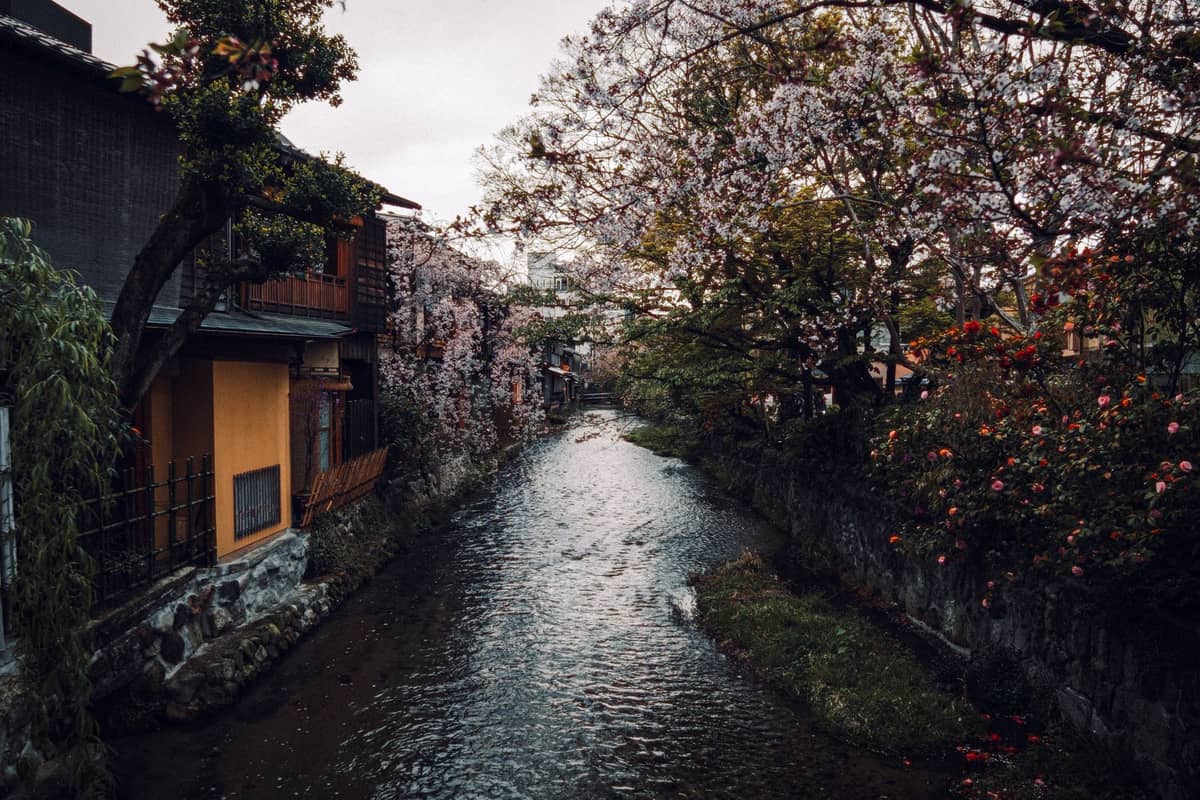
For couples, the quality of a neighbourhood matters as much as any single attraction.Gionis the obvious choice: the Shirakawa Canal area with its weeping willows and stone lanterns is beautiful at almost any hour, and the narrow lanes aroundIshibe-koji Lanefeel genuinely removed from the main tourist flow. Higashiyama's preserved Sannenzaka and Ninenzaka streets, while busy during the day, reward an early morning walk. The stone-paved slope at dawn, with mist off the hills, is a different city.
For something calmer and less structured, Arashiyamaoffers a half-day that builds naturally from one experience to the next: the bamboo grove, theTogetsukyo Bridge, riverside cafes, and the Tenryu-ji garden(one of Kyoto's finest). The Hozu River boat ride down from Kameoka is a slow, scenic roughly 16km descent through forested gorges — a couple of hours that feel like a complete break from the city. Book seats in advance for peak season.
If you have more time, the Ohara valley and Kurama are both worth a day.Oharais 25–30 minutes by bus north of central Kyoto and feels genuinely rural, withSanzen-in'smoss garden among the most quietly beautiful spaces in the region. Fewer couples go there, which is part of the appeal.
Cultural Rituals That Work as Shared Experiences
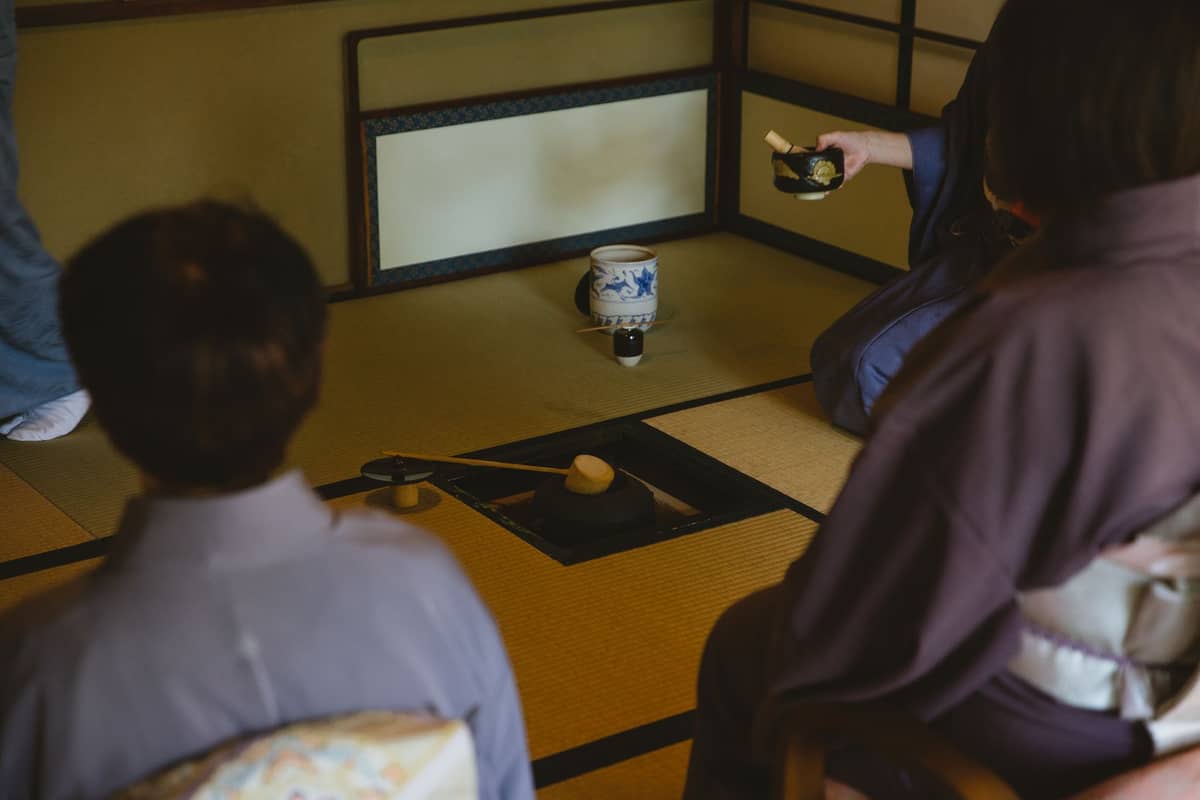
Kyoto is unusually well-suited to structured cultural experiences that feel meaningful rather than touristy, particularly for couples who want more than sightseeing. A traditionalmatcha tea ceremony— especially one held in an actual machiya or garden setting rather than a hotel lobby — is slow, ritualistic, and focused on the present moment. Prices range widely (¥2,000–¥10,000 per person), with private sessions in historic venues at the higher end. Private sessions are worth the premium for couples.
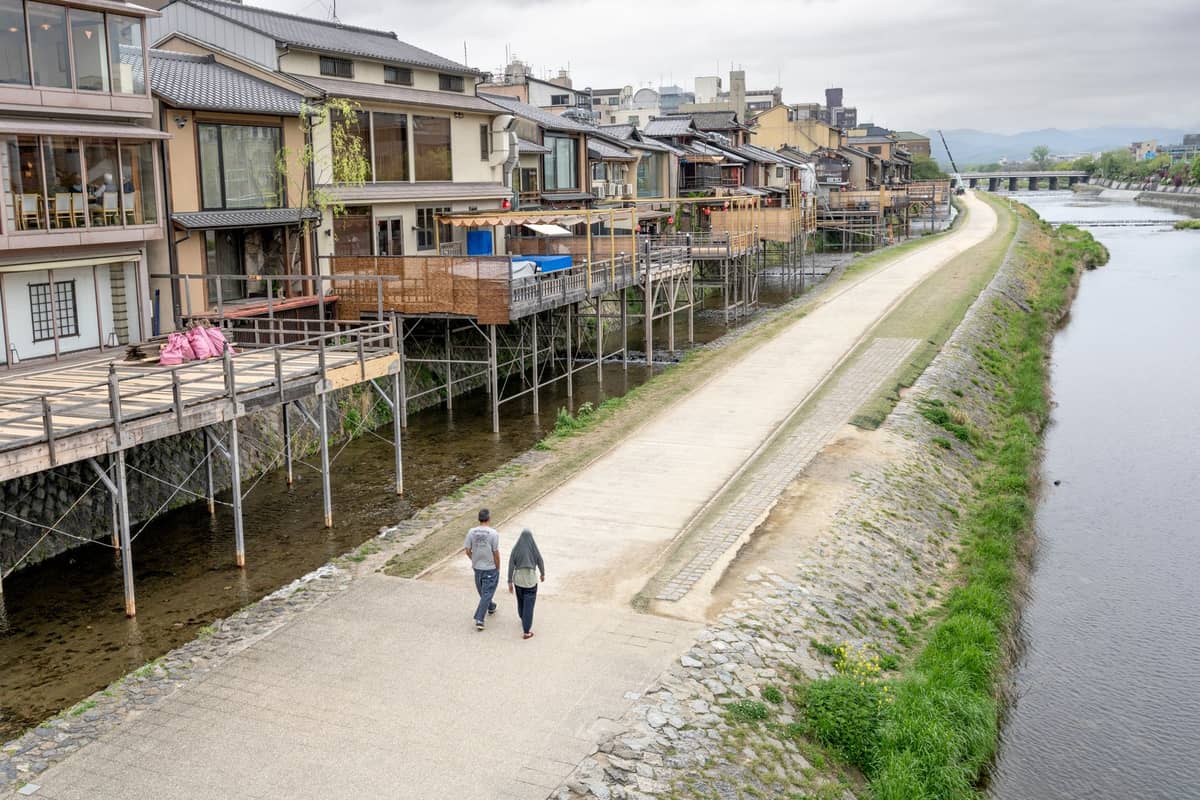
Dinner in Kyoto is its own experience. Kyoto cuisine (Kyoto-ryori) and kaiseki (multi-course traditional cuisine) are centred on seasonal ingredients, restraint, and presentation. A formal kaiseki dinner for two at a reputable restaurant typically starts around ¥15,000–¥25,000 per person — significant, but comparable to a special-occasion meal in any world-class city. Pontocho Alley, a narrow lane running parallel to the Kamo River, concentrates restaurants and bars within a single atmospheric street.Pontochoin summer offers outdoor dining platforms (kawayuka) over the river — reservations essential.
- Tea ceremony Look for providers in Higashiyama or Gion that use actual historic machiya. Avoid hotel lobby tea ceremonies if atmosphere matters to you — the setting changes the experience completely.
- Hozu River boat ride A 16km, roughly 2-hour scenic boat descent through Arashiyama gorge. Seasonal (generally March–November); advance booking strongly recommended. Arrive at Kameoka Station via Sagano Line.
- Sagano Romantic Train The officially named Sagano Scenic Railway connects Torokko Saga and Torokko Kameoka (7.3km) through bamboo forest and the Hozu River gorge. Its nickname ('Romantic Train') is on all official signage. The winter Light Fantasy illumination adds a night-time option.
- Onsen evening Kurama Onsen (45 min north of Kyoto by Eizan Railway) sits in forested mountains and is open to day visitors. Outdoor baths with mountain views are available. Less crowded than Osaka-area onsen options.
✨ Pro tip
The Philosopher's Path (Tetsugaku-no-Michi) in northeast Kyoto is a 2km canal-side walkway lined with cherry trees — one of Japan's most celebrated sakura spots in late March to early April. Outside cherry blossom season it is pleasant and uncrowded, with independent cafes and small galleries along the route. A weekday afternoon walk here, with coffee stops, is a low-cost and genuinely enjoyable couple's itinerary that most group tours skip.
Practical Considerations: Timing, Crowds, and Budget
The best time to visit Kyotofor couples depends on what you prioritise. Cherry blossom season (typically late March to mid-April) is Kyoto at its most visually spectacular — and also at its most crowded, with accommodation prices at their annual peak. Autumn foliage (mid-November to early December) is similar: stunning but busy. Spring and autumn are the right calls for most couples, but book accommodation 3–6 months in advance for the peak weeks.
Winter (December–February) is underrated for couples. Crowds drop significantly, ryokan rates fall, and the occasional snowfall transforms temple gardens. Daytime temperatures average 5–10°C, so pack accordingly.Kyoto in winterrewards couples willing to dress warmly and accept shorter daylight hours. Summer (July–August) is the honest low point for romance: temperatures regularly hit 32–33°C with high humidity, crowds peak for Gion Matsuri in July, and walking in kimono becomes genuinely unpleasant. If you visit in summer, yukata is the right choice for evening festivals.
On budget: Kyoto has a wider range of romantic options at different price points than most guides acknowledge. Watching the dawn break over Fushimi Inari's lower torii gates costs nothing. The Philosopher's Path costs nothing. Kyoto Gyoen National Garden (the former imperial garden, free to enter) is beautiful and calm. The costs come from accommodation, formal dining, and activities like kimono rental or special night illuminations. A couple on a mid-range budget (¥15,000–¥25,000 per day combined) can have a genuinely romantic trip if they pick their paid experiences carefully.
FAQ
What is the most romantic area in Kyoto?
Gion's Shirakawa Canal area and the adjacent Ishibe-koji Lane are consistently the most atmospheric for couples — stone lanterns, wooden machiya facades, and willow trees, best seen in the evening after tour groups leave. Higashiyama's Ninenzaka and Sannenzaka stone-paved streets are equally strong, especially at dawn. For natural scenery, Arashiyama at dusk, after the day crowds thin, is hard to beat.
How much does kimono rental cost for a couple in Kyoto?
Dedicated couple plans start around ¥8,980–¥9,400 (tax included) for two, based on current pricing from providers like Kyoetsu and Tekuteku. Individual plans from providers like Wargo start from ¥3,300 per person. Premium options (furisode, high-grade silk) can cost significantly more.
When are the night illuminations at Kyoto temples?
Most temple illuminations are seasonal events concentrated in autumn (October–December) and occasionally spring. Tō-ji holds its foliage illumination 1 November to 14 December. The Sagano Romantic Train runs its Light Fantasy or similar illumination during winter. Dates, admission fees, and ticket availability change each year — check the official Kyoto tourism calendar (kyoto.travel) for current schedules and book early as popular events sell out.
Is Kyoto good for couples on a budget?
Yes, with some planning. Free experiences with high romantic impact include Fushimi Inari at dawn, the Philosopher's Path, Kyoto Gyoen National Garden, and the Shirakawa Canal walk in Gion. Paid experiences like kimono rental (from around ¥4,400 per person) and a tea ceremony (from around ¥2,000) are affordable. The main costs are accommodation and formal dining; choosing a well-located guesthouse or mid-range hotel over a central ryokan frees budget for experiences.
Do you need to book romantic experiences in Kyoto in advance?
For cherry blossom season (late March to mid-April) and peak autumn foliage (mid to late November): yes, absolutely. Ryokan rooms, popular restaurant reservations, timed-entry temple illuminations, and kimono rental slots all sell out weeks in advance during these periods. Outside peak season, you can be more spontaneous, but booking kimono rental, tea ceremonies, and the Hozu River boat ride a few days ahead is still advisable.