Kyoto in Winter: What to Expect & Best Things to Do
Kyoto in winter (December to February) offers crisp, mostly dry weather, thinner crowds, and a quieter side of the city's temples and shrines. This guide covers what the season actually looks like, what to do, how to get around, and where the crowds still gather.
Plan and book this trip
Tools from our partner Travelpayouts help you compare flights and hotels. If you book through them, we may earn a commission at no extra cost to you.
Flights
Hotels map
TL;DR
- Winter temperatures average 3–10°C (37–50°F), with January being the coldest month. Daytime highs hover around 8–10°C — cold but walkable with proper layers.
- Snow is rare in central Kyoto. Expect a few light dustings per season, not consistent snowfall. Surrounding hills get more.
- Crowds are significantly thinner than autumn or spring, except around New Year (January 1–3) when major shrines see high footfall for hatsumode. See our guide tothe best time to visit Kyoto for a full seasonal comparison.
- Most temples and shrines stay open year-round. Winter affects hours more than access — plan for sunsets around 16:45–17:00.
- Late February marks the start of plum blossom season, an underrated and uncrowded alternative to cherry blossoms.
Kyoto Winter Weather: What You're Actually Getting Into
Kyoto sits in a basin surrounded by mountains on three sides, which amplifies both summer heat and winter cold. Average daytime temperatures in December are around 7–8°C, dropping to roughly 5°C in January and February. Overnight lows can dip near 0°C, and occasionally below. The coldest stretch is typically mid-January through early February.
Despite the cold, winter in Kyoto is largely dry and often sunny. January in particular tends to have long stretches of clear days, which makes outdoor sightseeing pleasant if you dress appropriately. Precipitation is low compared to the June rainy season or typhoon-prone September. You will not be battling rain on most days.
⚠️ What to skip
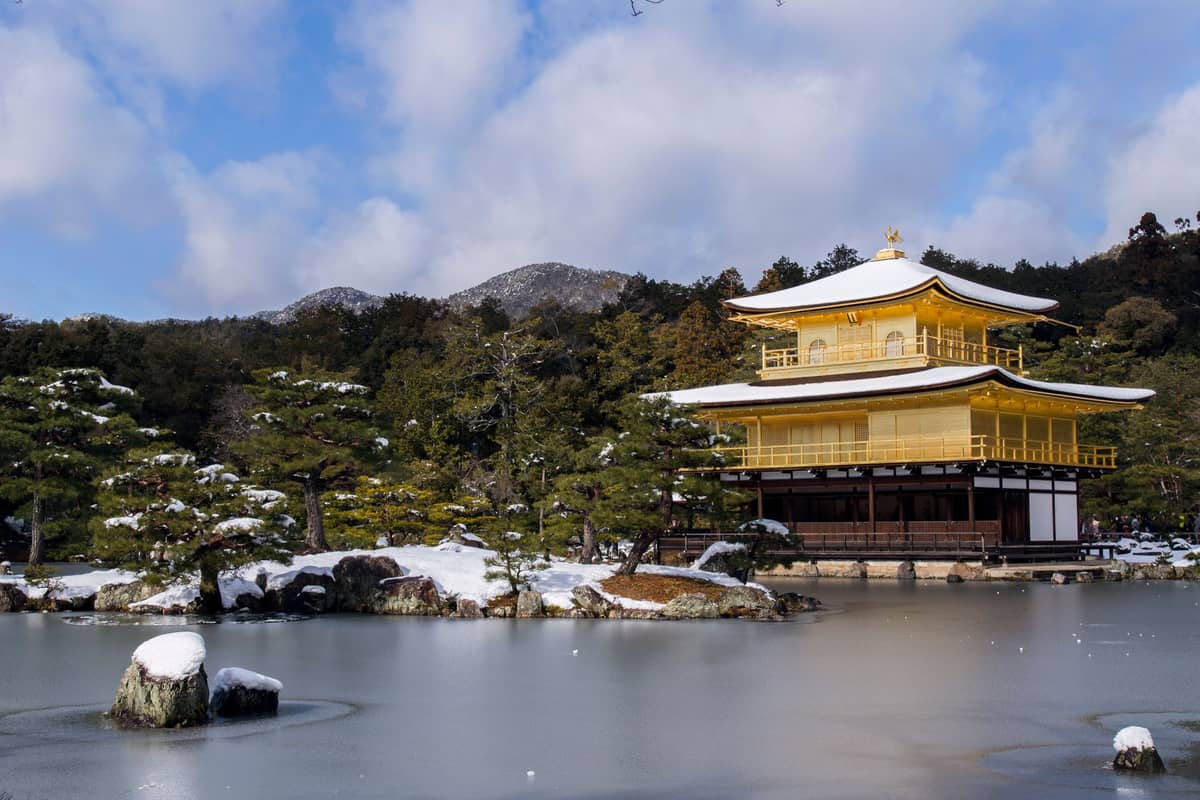
Snow in central Kyoto is rarer than many visitors expect. Downtown areas typically see only a few light dustings per winter, and they often don't stick. The northern hills around Kurama and Ohara receive more snow and can look genuinely wintry. If a snow-covered temple is what you're after, those outer areas are your best bet.
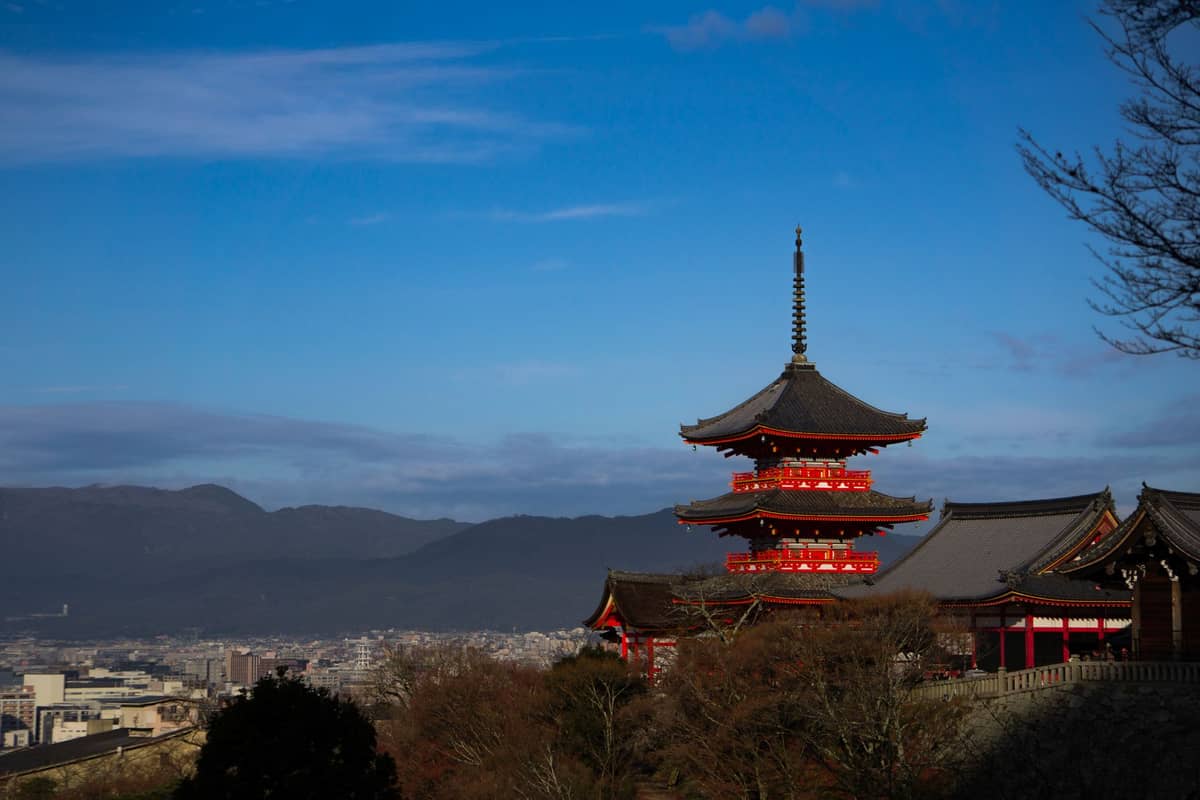
One thing to adjust for: sunset comes early, around 16:45 in December and January. Plan temple visits accordingly. The upside is that winter illuminations at sites likeEikan-do Zenrin-ji and Kiyomizu-deraare genuinely atmospheric in the long early evening. Check individual temple websites for winter illumination schedules, as these events are not always held every year.
Crowds and Timing: When Winter Gets Busy
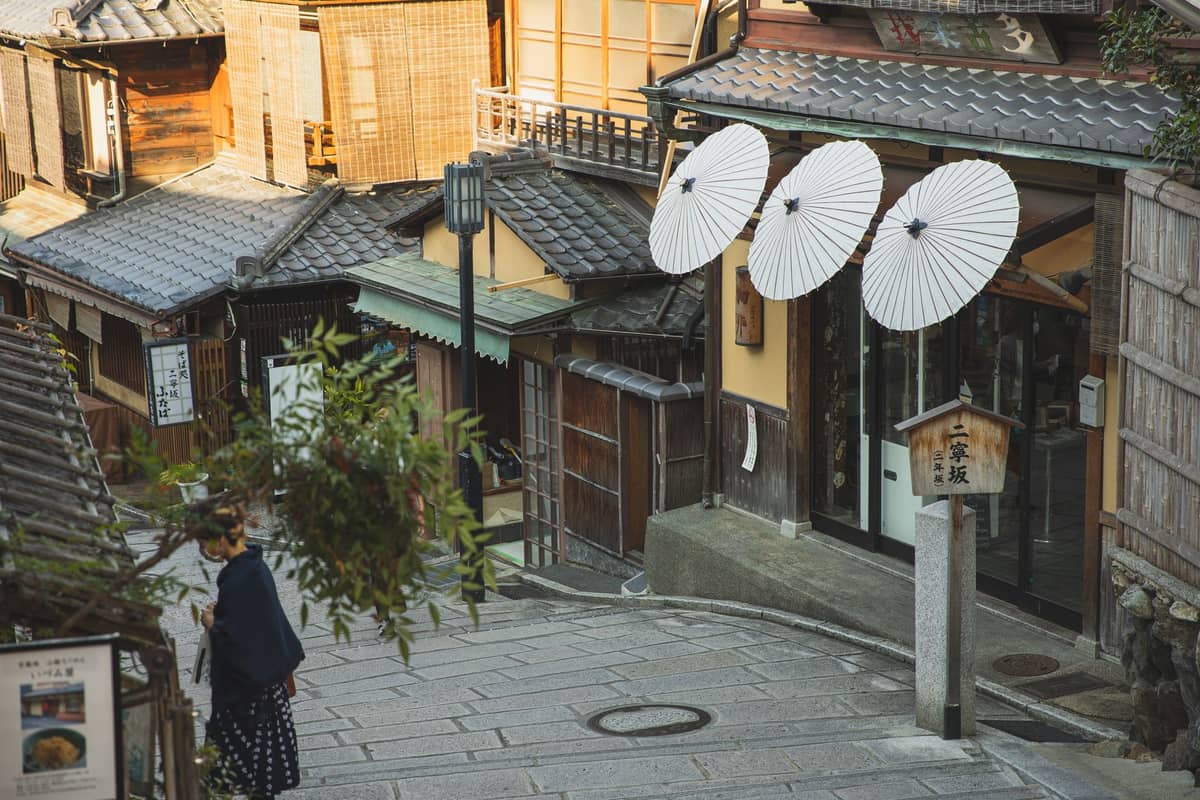
December through February is Kyoto's least crowded season overall. Autumn foliage (mid-November) and cherry blossom season (late March to mid-April) draw the largest crowds; winter is a genuine reprieve. You can walk through Higashiyama's temple district on a Tuesday in January and feel like you have the lanes almost to yourself.
The major exception is New Year. From December 31 through January 3, major shrines and temples experience significant crowds as Japanese families and tourists observe hatsumode, the first shrine visit of the new year. Fushimi Inari Taisha and Yasaka Shrine are among the most visited. If you're in Kyoto during this window, visit smaller neighborhood shrines for a less hectic experience, or go to the big sites very early in the morning.
- Quietest weeks Mid-January to mid-February. After the New Year rush ends and before any spring preview events begin. This is the most uncrowded period in Kyoto's entire calendar.
- Moderate crowds Early December (before Christmas) and late February, as some visitors start arriving ahead of plum blossom season.
- Peak within winter December 29 to January 3. New Year period sees significant visitor numbers at major shrines. Book accommodation well in advance if visiting then.
Best Things to Do in Kyoto in Winter
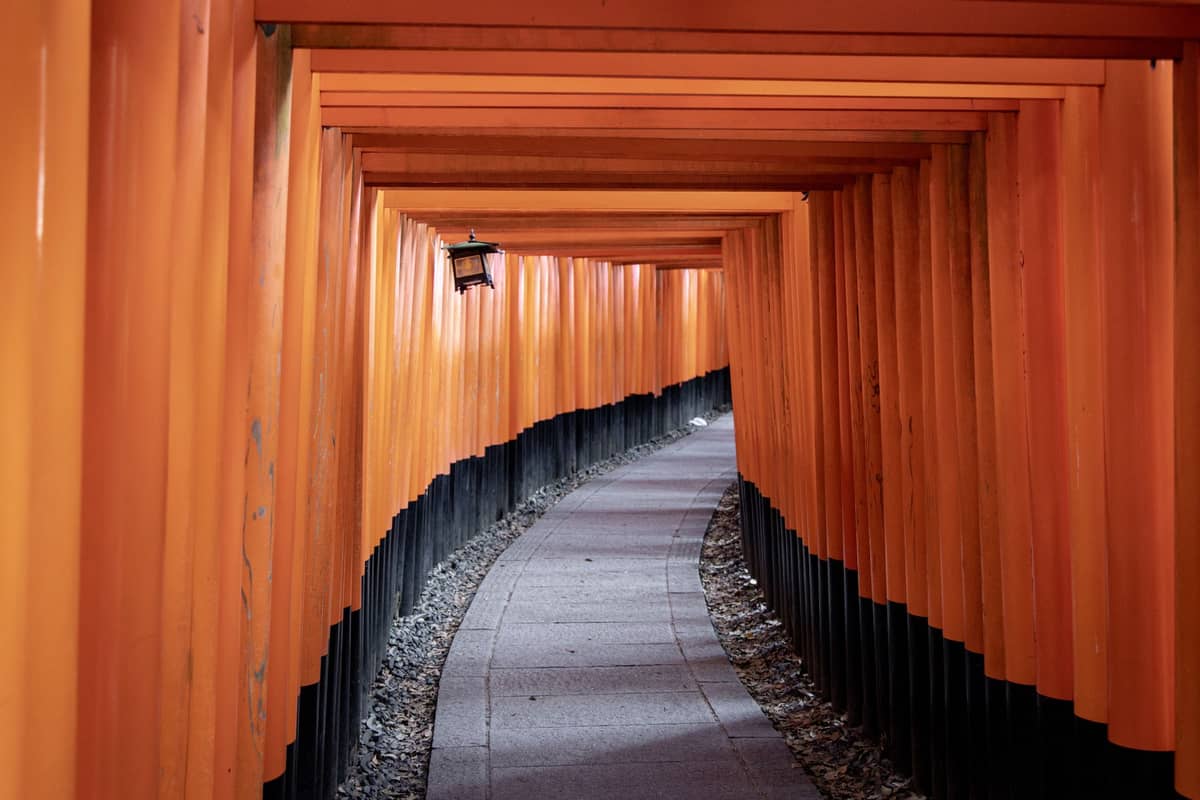
Winter is arguably the best season to visit iconic sites that are genuinely unpleasant in peak season.Fushimi Inari Taishais a prime example: the thousands of torii gates are striking year-round, but crowds in spring and autumn can make the upper trails feel congested. In January, you can hike via the Yotsutsuji viewpoint and on to the summit of Mount Inari (233m) with almost no company. Bring warm layers — the elevation makes it noticeably colder than the city below.
The Arashiyama Bamboo Groveis another example. It's at peak charm in winter, especially on the rare morning after light snowfall when the stalks carry thin white caps. Visit before 8:00 to avoid even the modest winter crowds. Combine it with a walk throughArashiyamavillage and the quieter temples nearby, including Jojakko-ji, which charges no admission and is largely unknown outside Japanese visitors.
- Fushimi Inari Taisha: hike the full summit trail without the usual queue of photo-takers
- Arashiyama Bamboo Grove: visit before 8:00 for a genuinely uncrowded experience
- Kinkaku-ji (Golden Pavilion): the gold leaf against a grey winter sky, or dusted with snow, is one of Kyoto's most memorable visuals
- Philosopher's Path in late February: early plum blossoms appear before cherry season begins
- Nishiki Market: browse Kyoto's narrow covered food market without the August crush
- Ryoan-ji: the famous rock garden in winter silence is far removed from the summer tour bus experience
- Kurama village: a short train ride north brings genuine snow-covered mountain scenery most winters
✨ Pro tip
Late February is the start of plum blossom (ume) season in Kyoto. Kitano Tenmangu Shrine has one of the city's finest plum orchards, with roughly 1,500 plum trees. Entry to the plum garden costs a small fee during bloom season. It's far less photographed than cherry blossom spots and genuinely beautiful.
Winter is also a good season for indoor cultural experiences that feel rushed or overcrowded in peak months.Tea ceremony sessionsin Higashiyama and Gion take on a different quality when there's no line out the door. Similarly,onsen bathingis particularly rewarding in the cold — the contrast between the freezing air and a hot outdoor bath is one of those experiences that's difficult to replicate in any other season.
Getting Around Kyoto in Winter
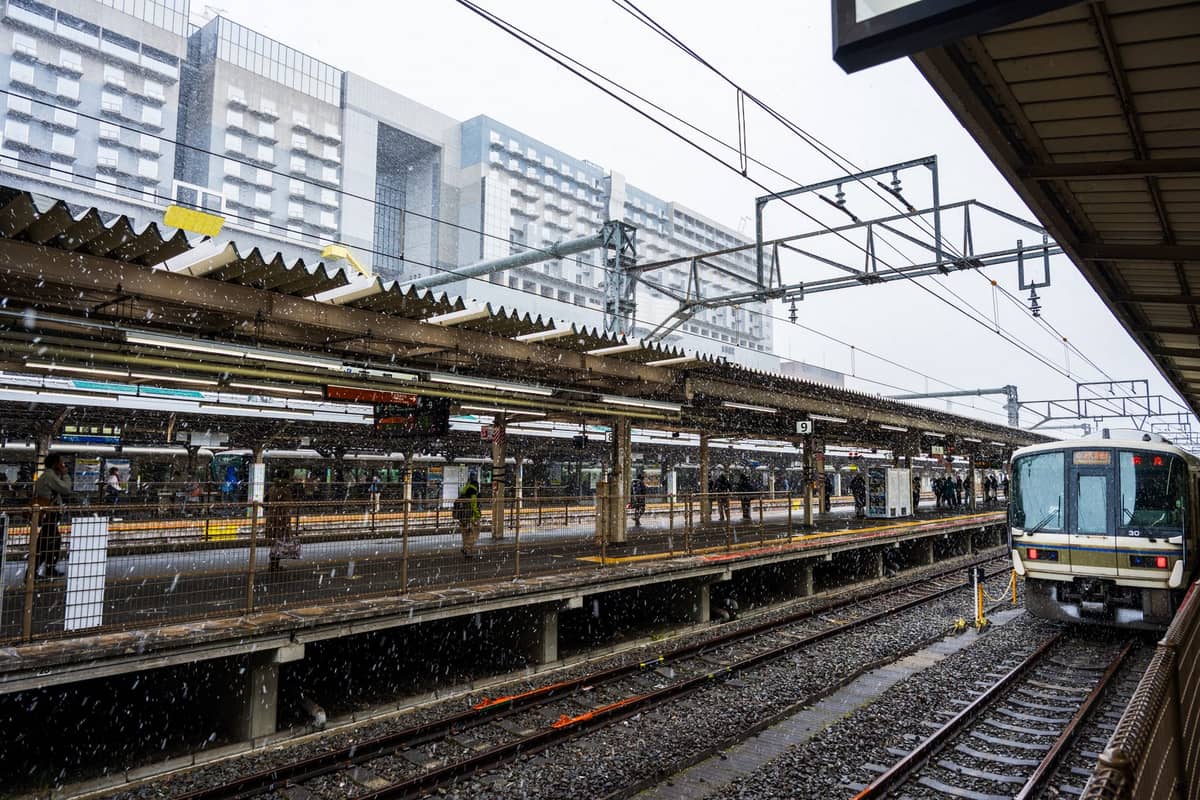
Kyoto's public transport system is reliable year-round. In winter, the main practical change is that you'll want to plan around early sunset. The city is served by the Kyoto Municipal Subway (Karasuma and Tozai lines), Kyoto City Bus, and several private rail lines. For most visitors, a combination of subway and bus covers the major sightseeing areas. For full route and transport details, see our guide togetting around Kyoto.
For day-trippers who plan to use multiple buses and the subway, the combined Kyoto City Bus and Subway One-Day Pass costs 1,100 yen per adult (550 yen for children) and covers unlimited rides on both systems for a full day. A subway-only one-day pass is available for 800 yen per adult (400 yen for children). These passes are sold at subway station ticket machines and tourist information counters. Verify current prices at the Kyoto City Transportation Bureau before your trip, as fares are periodically updated.
💡 Local tip
IC cards (Suica, ICOCA) work across buses, subway, and most private rail lines in Kyoto and are more flexible than fixed day passes if your plans are spread across multiple neighborhoods. Load one at any major rail station. They also work at convenience stores, which matters when you need a hot drink between temple visits in January.
What to Wear and Pack for Kyoto in Winter
Winters in Kyoto are colder than many Western visitors anticipate, especially given that most people associate Japan with warmer imagery. The damp cold typical of the basin location can feel more piercing than dry cold at the same temperature. Layering is the practical solution.
- A waterproof outer layer: rain is infrequent but not absent, and it can turn to sleet
- Thermal base layers: essential for early morning temple visits when temperatures are near 0°C
- Comfortable walking shoes with some grip: temple stone paths and garden stepping stones can be slippery after overnight frost
- Gloves and a hat: hands and ears get cold quickly when walking between outdoor sites
- Portable hand warmers (kairo): widely sold at Japanese convenience stores for around 100 yen per pack, and genuinely useful
One thing that surprises visitors: many traditional buildings in Kyoto, including some ryokan and older temple reception halls, have minimal heating. If you're staying in a traditional inn, check whether rooms have adequate heating before booking. Modern hotels are reliably warm.
Practical Information for a Winter Visit
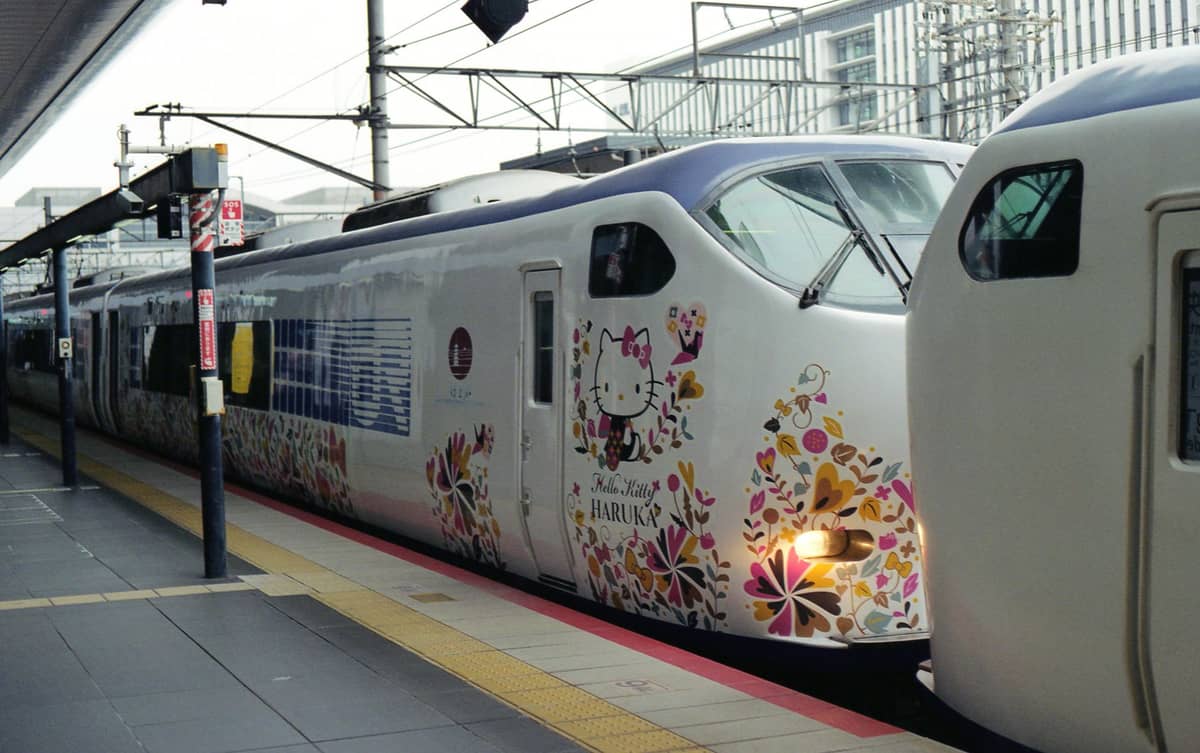
Kyoto does not have its own major international airport. Most visitors fly into Kansai International Airport (KIX), approximately 95–100 km from central Kyoto. The JR Haruka limited express train connects KIX directly to Kyoto Station in around 75 minutes; fares are approximately 2,500–3,100 yen one-way depending on seat class (verify current fares before travel). Airport limousine buses are an alternative at a similar price point but take 90–120 minutes depending on traffic. Full arrival logistics are covered in ourKyoto airport and arrival guide.
Accommodation in winter costs less than in peak seasons. If staying multiple nights, atraditional ryokanis worth considering: the combination of tatami rooms, in-house onsen, and kaiseki dinner is particularly suited to cold evenings. Budget travelers will find hostels and guesthouses with better availability and lower rates than in April or November. For neighborhood recommendations, see ourguide to where to stay in Kyoto.
Tipping is not practiced in Japan and can cause confusion or mild offense if offered. Service is included at all restaurants, hotels, and transport. Tap water is safe to drink throughout Kyoto. Emergency services are reached via 110 (police) or 119 (ambulance and fire). Japan's country dialing code is +81. Electrical outlets are Type A (two flat parallel pins) at 100V — most modern electronics from North America will work directly; European devices will need a converter.
ℹ️ Good to know
Visa requirements for Japan vary by nationality. Many nationalities from Europe, North America, Australia, and parts of Asia can enter visa-free for stays up to 90 days. Requirements have changed in recent years; verify your specific country's status through the Japanese Ministry of Foreign Affairs or your nearest Japanese embassy before booking.
FAQ
Does it snow in Kyoto in winter?
Light snowfall occurs a few times per winter in central Kyoto, but it rarely accumulates for long in downtown areas. The surrounding hills, particularly Kurama to the north and Ohara to the northeast, receive noticeably more snow and hold it longer. If a snow-covered landscape is your goal, those areas are more reliable than the city center.
Is Kyoto worth visiting in winter?
Yes, and for many travelers it's actually one of the better times to go. Crowds are significantly thinner than in cherry blossom or autumn foliage season. Major temples and shrines remain open. Accommodation is cheaper and more available. The trade-off is cold temperatures (averaging 5–10°C by day) and short daylight hours, with sunset around 16:45–17:00. If you dress appropriately, winter is genuinely comfortable for walking.
What should I wear in Kyoto in winter?
Thermal base layers, a warm mid-layer, and a waterproof outer jacket are the core. Add gloves, a hat, and sturdy walking shoes with some grip for stone temple paths that can frost over at night. Japanese convenience stores sell hand warmers (kairo) for around 100–200 yen per pack, which are extremely useful for long outdoor sightseeing days.
Are there any winter festivals or events in Kyoto?
The main winter event is hatsumode, the first shrine visit of the New Year (December 31 to January 3), which draws large crowds to major shrines including Fushimi Inari and Yasaka. Some temples hold special winter illuminations in December and early January — check individual temple websites as these events vary year to year. Late February brings the plum blossom season, with Kitano Tenmangu Shrine being the prime viewing spot.
How do I get from Kansai Airport to Kyoto in winter?
The JR Haruka limited express is the most direct option, taking around 75 minutes from KIX to Kyoto Station. Fares are approximately 2,500–3,000 yen one-way; verify current pricing before travel as fares are updated periodically. Airport limousine buses are an alternative at a similar price but take longer (90–120 minutes) due to traffic. Winter weather rarely disrupts transport in Kyoto, though heavy snowfall in mountain areas can occasionally cause minor train delays.