Getting to Kyoto: Airports, Arrival & Transport from Kansai
Kyoto has no international airport of its own. This guide covers every practical way to reach the city from Kansai International Airport (KIX) and Osaka Itami (ITM), with current fares, journey times, and clear advice on which option suits your trip.
Plan and book this trip
Tools from our partner Travelpayouts help you compare flights and hotels. If you book through them, we may earn a commission at no extra cost to you.
Flights
Hotels map
TL;DR
- Kyoto has no international airport — the main gateway is Kansai International Airport (KIX), roughly 75–80 km away.
- The JR Haruka express is the fastest direct link: about 75 minutes, ¥3,060 standard fare (or ¥2,200 with the foreign visitor discount). See our full guide togetting around Kyoto once you arrive.
- The cheapest option is the local JR route via Osaka at ¥1,860 — takes around 100 minutes with one transfer.
- The airport limousine bus is comfortable and luggage-friendly at ¥2,800, but can take 85–90 minutes depending on traffic.
- During Golden Week, Obon, and New Year, book Haruka reserved seats in advance — they sell out.
Which Airport Serves Kyoto?
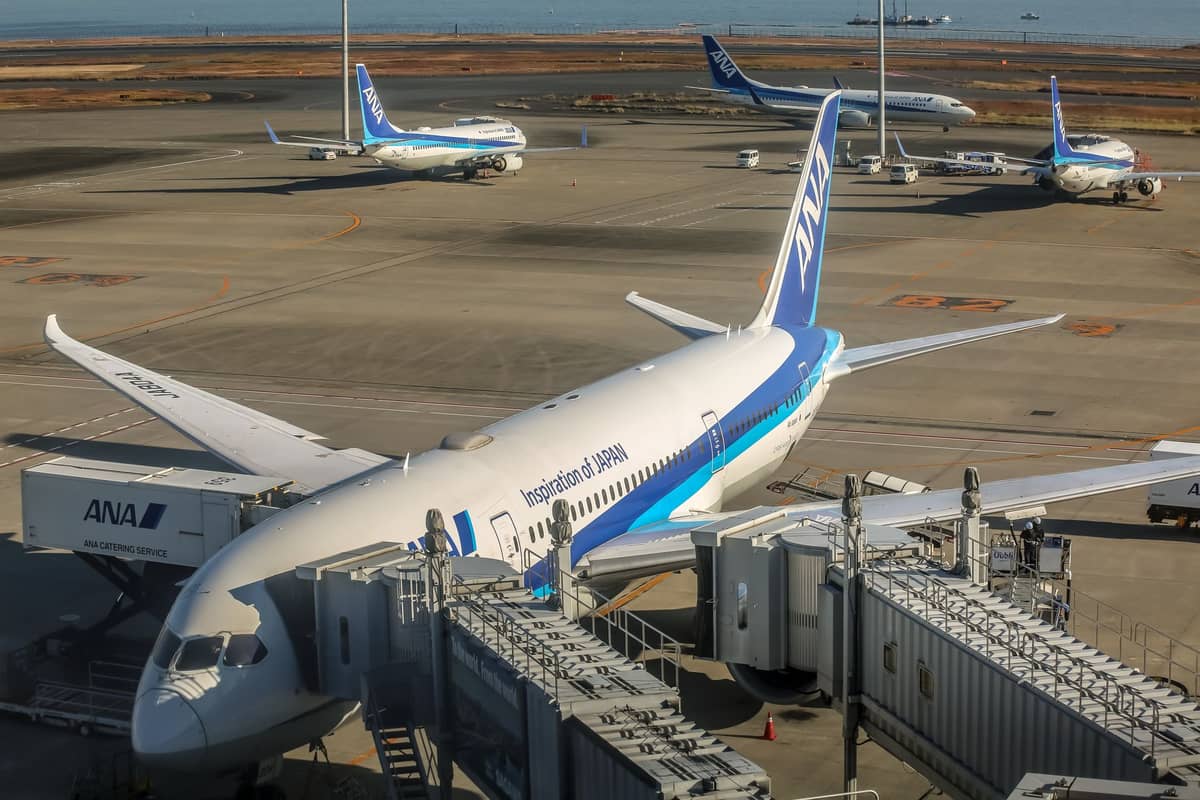
Kyoto City sits in Japan's Kansai region and has no airport of its own. International visitors arrive primarily atKansai International Airport (KIX), located on an artificial island in Osaka Bay, approximately 75–80 km from central Kyoto by rail. KIX handles the vast majority of international flights into the region, including connections from North America, Europe, and across Asia.
A second airport, Osaka International Airport (commonly called Itami, IATA: ITM), sits around 50 km from Kyoto. Itami is domestic-only — no international flights operate from here. If you are connecting from Tokyo (Haneda or Narita) on a domestic leg, or flying in from another Japanese city, you may arrive at Itami instead. From Itami, the Osaka Airport Transport limousine bus runs direct to Kyoto Station in roughly 50–55 minutes for around ¥1,500. Verify current fares with the operator before travel.
ℹ️ Good to know
A third regional option exists: Kobe Airport (UKB), around 80 km from Kyoto, serves domestic routes. The connection to Kyoto involves a Port Liner train and then JR or Hankyu from Shin-Kobe — practical only in specific circumstances. Most international travelers will not use it.
JR Haruka: The Fastest Train to Kyoto Station
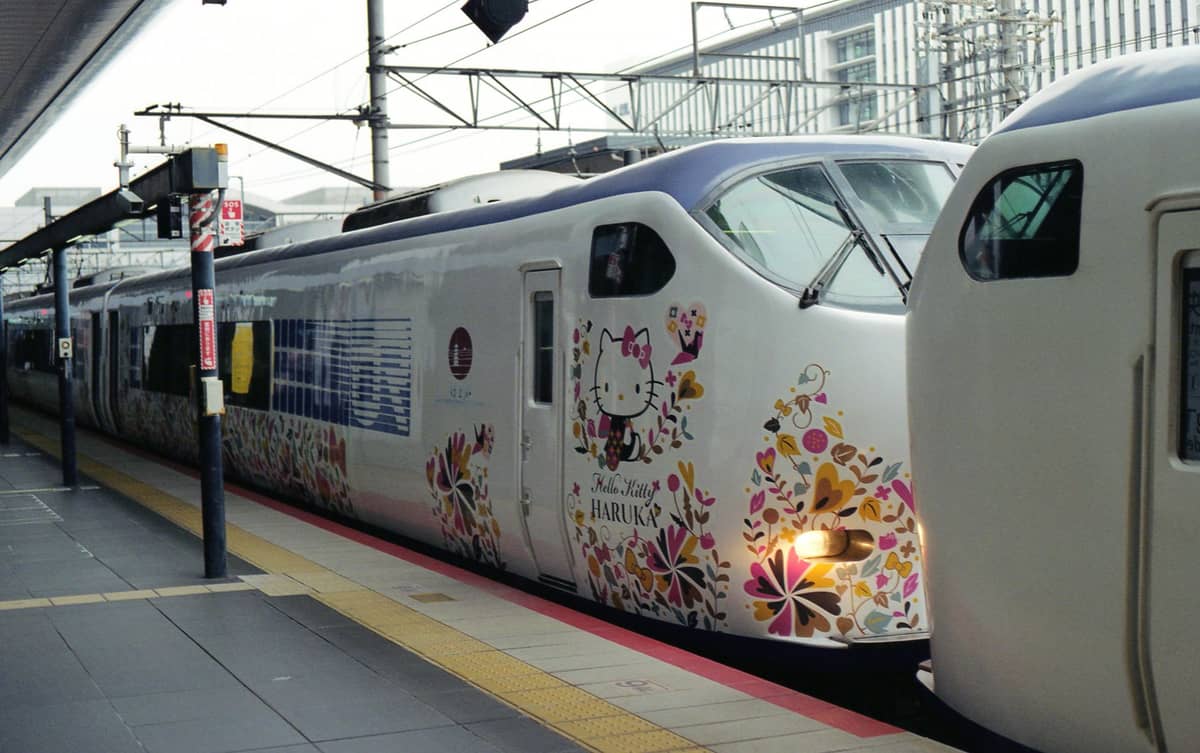
The JR Haruka Limited Express is the most straightforward way to get from KIX to Kyoto Station. It runs direct with no transfers, departing from the basement of the airport terminal building. The journey takes approximately 75–85 minutes depending on the service, with frequent departures throughout the day.
- Standard unreserved seat ¥3,060 (¥1,860 base fare + ¥1,200 limited express surcharge)
- Reserved seat (regular season) ¥3,590
- Green Car (first class) ¥4,360
- Foreign visitor discount e-ticket ¥2,200 for a reserved seat — available to holders of Temporary Visitor status. Book via JR West or Klook before arrival.
- JR Pass holders The nationwide JR Pass and most Kansai-area JR passes cover Haruka with no extra charge, except for Green Car upgrades.
The ¥2,200 foreign visitor fare is genuinely good value and worth booking before your flight lands. Note that it requires a reserved seat, so your departure time is fixed — factor that in if your flight is arriving during a busy period or you have customs delays.
✨ Pro tip
Haruka is not always faster than the limousine bus in real-world terms. Some Haruka services and the bus can be very close in journey time on a clear day. The train's key advantage is predictability: it is immune to road traffic, which matters most during rush hour (7–9 am and 5–8 pm) or on national holiday weekends.
Budget Rail Routes: Cheaper With One Transfer
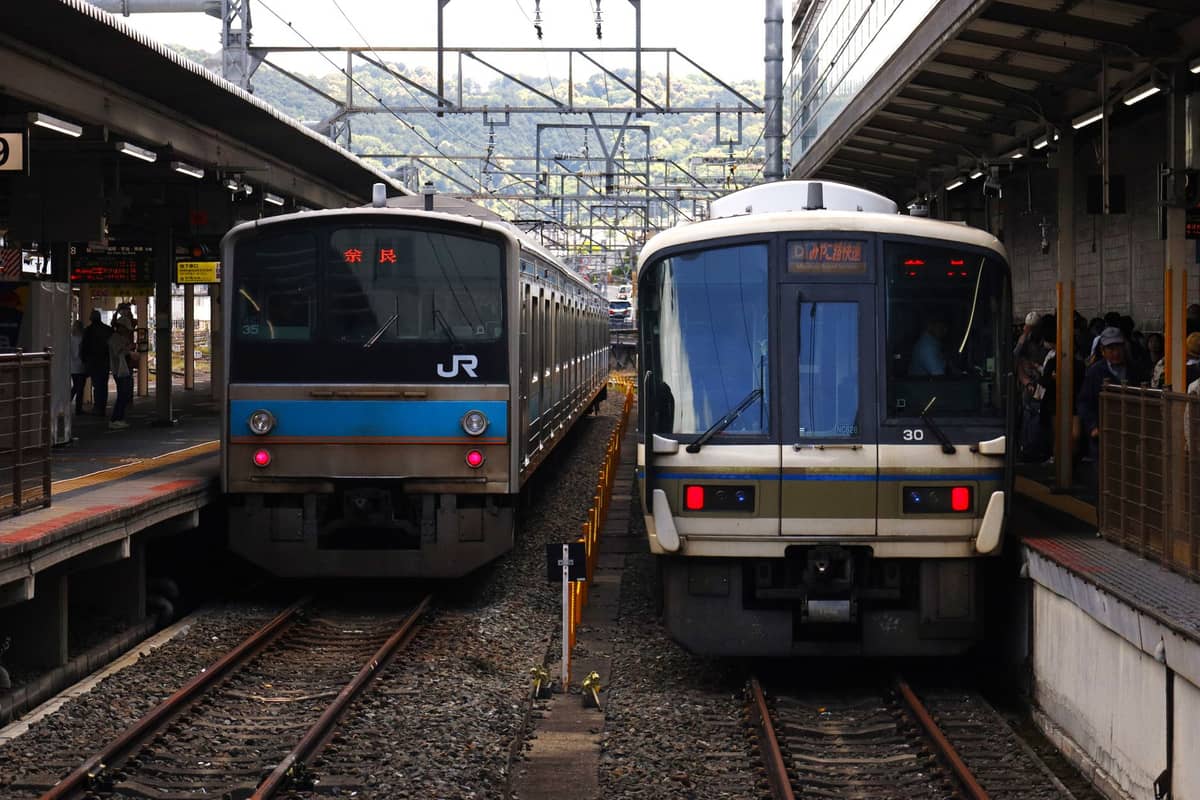
If saving money matters more than convenience, there are two budget-friendly rail alternatives. Both involve one transfer and a bit more luggage-hauling, but the savings are real.
- JR local route via Osaka (¥1,860, ~100 min) Take the JR Airport Rapid from KIX to Osaka Station (about 50 min), then transfer to the JR Special Rapid Service to Kyoto Station (29 min). Straightforward transfer, no subway needed, all on the same JR network. Good option for JR Pass holders who want to save time on a long trip.
- Nankai + Hankyu (approximately ¥1,670, ~100 min) Nankai Rapi:t or express from KIX to Tengachaya (~40 min, ¥970), then Sakaisuji Subway + Hankyu Kyoto Line to Kawaramachi (~60 min, ~¥700). Arrives in central Kyoto near Shijo rather than Kyoto Station — useful if your hotel is in Gion or downtown.
- Nankai + Keihan (approximately ¥1,700, ~100 min) Nankai express to Tengachaya (¥970), subway to Kitahama (~¥240), then Keihan Main Line to Gion-Shijo or Sanjo in Kyoto (~¥490). Best option if staying near the Higashiyama or Philosopher's Path area.
The Nankai combinations drop you closer to Kyoto's eastern districts than Kyoto Station does — a practical advantage if you are heading straight toGion or Higashiyama. The trade-off is more luggage-dragging across platforms and through subway fare gates, which is less pleasant after a long-haul flight.
Airport Limousine Bus: The Comfortable Middle Ground
The Airport Limousine Bus (operated by KATE, Kansai Airport Transportation Enterprise) runs direct from KIX to Kyoto Station and a handful of major hotel stops. The adult fare is ¥2,800 one way (children ¥1,400), with tickets sold at counters and vending machines near the bus stop on the arrivals level. Seats are comfortable with generous luggage space underneath — useful with large suitcases.
Journey time is 85–90 minutes under normal conditions, but can stretch significantly during peak-hour traffic or on national holidays when the urban expressway backs up. The bus does not run as frequently as the Haruka — check the KATE timetable before planning tight connections. For most leisure travelers with no urgent transfer, the bus is a relaxed, no-transfer option that lands you directly at Kyoto Station's Hachijo exit (south side), which is well-positioned for taxis, buses, and the subway into the city.
⚠️ What to skip
Do not count on the limousine bus if you have a train or onward connection with less than 2.5 hours to spare. Traffic on the Hanshin Expressway can add 30–40 minutes to the journey without warning, particularly on the Friday before Golden Week or the Sunday of a three-day weekend.
Taxis and Private Transfers: Expensive but Occasionally Worth It
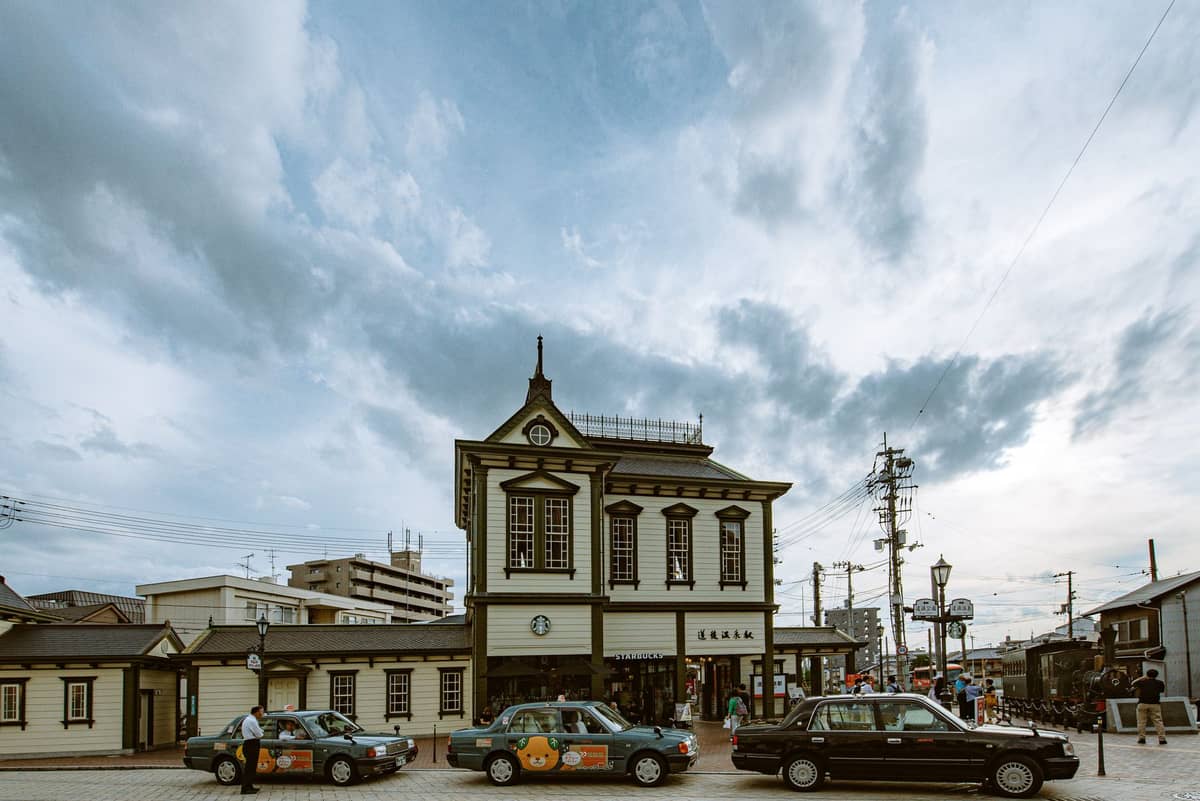
A metered taxi from KIX to central Kyoto typically costs well over ¥20,000 and can reach ¥25,000–¥30,000 depending on destination and expressway tolls. This is rarely the right choice for a solo traveler or couple. The one situation where it makes sense: a group of four sharing the cost with heavy luggage and a very early or late arrival when public transport is limited. Pre-booked private transfers (available through hotel concierges or operators like WILLER Express) offer a fixed price and a pickup sign at arrivals, which removes the taxi-hailing stress.
Ride-hailing apps work differently in Japan than in most countries. Uber operates in Kyoto primarily as a licensed taxi dispatch service, not a private driver platform. The domestic app GO (formerly JapanTaxi) is widely used for taxi hailing and works in English. Availability from KIX is limited compared to city use — the airport taxi rank is more reliable on arrival. Once you are in Kyoto itself, taxis and apps are a practical supplement to the excellent public transport network covered in theKyoto transport guide.
Practical Arrival Tips for Kyoto
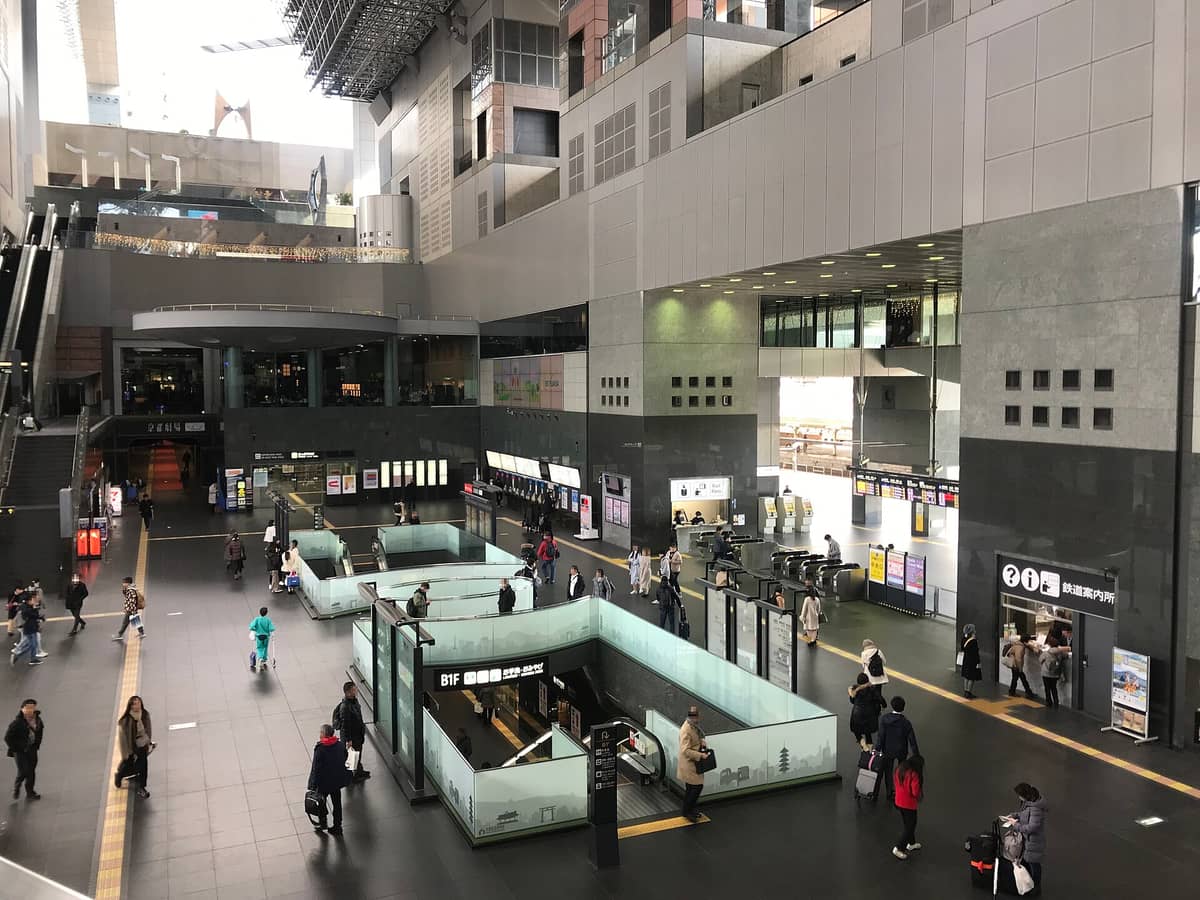
Kyoto Station (京都駅) is your arrival hub regardless of which transport option you choose. It is enormous — one of Japan's largest station buildings — and can be disorienting at first. The Haruka and JR local trains arrive on the main JR platforms (central concourse). The limousine bus drops off at the Hachijo exit on the south side, convenient for onward taxis and hotel shuttles.
- IC cards (Suica, ICOCA) are the fastest way to pay for local transport once in Kyoto — load one at the airport before leaving KIX.
- Luggage forwarding (takuhaibin) services are available at KIX. Send bags ahead to your Kyoto hotel for around ¥1,000–¥2,000 per piece. They typically arrive the next morning, which frees you from dragging suitcases through transfers.
- Coin lockers at Kyoto Station fill up fast during peak season. If you plan to store bags before check-in, arrive early or use the hotel's left-luggage service.
- Most ATMs at Japanese convenience stores (7-Eleven, Lawson, FamilyMart) accept international cards. The airport has branches of these chains — withdraw yen before heading into the city.
- Tipping is not practiced in Japan. Service charges are included in hotel and restaurant bills. Attempting to tip can cause confusion or mild embarrassment for the recipient.
Kyoto sits in a mountain basin, which means summer heat (July–August, averaging 30–33°C) is amplified compared with coastal cities. If you are arriving in summer, the Haruka's air conditioning is a genuine relief after a long flight. For the best overall travel conditions,spring and autumn are the most comfortable seasons— though they also bring the largest crowds. Arriving at Kyoto Station during the peak cherry blossom or autumn foliage weekends without a reserved seat is an avoidable mistake.
Once you have settled in, your first decisions are which neighborhoods to explore and where your hotel sits relative to the main sights. Thewhere to stay in Kyoto guidebreaks down the trade-offs between staying near Kyoto Station (convenient transport, limited atmosphere), indowntown Kyotoaround Shijo-Kawaramachi (central, lively), or in quieter districts likeHigashiyama near the temples.
💡 Local tip
If your flight arrives late at night and you have a JR Pass, Haruka runs until late evening from KIX. After that, the limousine bus is the last practical public option. Check the exact last departure time on the KATE and JR West websites before you travel, since schedules shift seasonally.
Kyoto rewards planning. The city holds over 1,600 Buddhist temples, 400 Shinto shrines, 17 UNESCO World Heritage Sites, and a population of 1.45 million — spread across 828 km² including forested mountain areas to the north and west. Athree-day Kyoto itineraryis a solid starting point for first-timers, while those with more time should considerlesser-known corners of the city beyond the main tourist circuit.
FAQ
Is there an airport in Kyoto?
No. Kyoto City has no commercial airport. The nearest international airport is Kansai International Airport (KIX) in Osaka Bay, approximately 75–80 km away. Osaka Itami Airport (ITM) handles domestic flights only and is around 50 km from Kyoto.
How long does it take to get from Kansai Airport to Kyoto?
The JR Haruka express takes 75–85 minutes direct to Kyoto Station. The airport limousine bus takes 85–90 minutes under normal traffic conditions. Budget rail routes via Osaka take around 100 minutes with one transfer.
What is the cheapest way to get from KIX to Kyoto?
The cheapest published option is the JR local route via Osaka Station for ¥1,860 — around 100 minutes with one transfer. Nankai combined with Hankyu or Keihan is similarly priced and can drop you closer to central or eastern Kyoto depending on your destination.
Can I use a JR Pass on the Haruka train?
Yes. The nationwide JR Pass and most Kansai-area JR passes cover the Haruka with no surcharge beyond a seat reservation (recommended). Green Car upgrades require an additional payment. If you have a JR Pass, the Haruka is a strong choice.
Should I book Haruka tickets in advance?
For unreserved seats, you can buy at the airport on the day. However, during peak periods — Golden Week (late April to early May), Obon (mid-August), New Year (late December to early January), and autumn foliage weekends — reserved seats can be harder to secure. Book in advance via JR West, the Klook foreign visitor discount, or major travel platforms.