Hidden Gems in Kyoto: Off the Beaten Path Experiences Worth Seeking Out
Kyoto rewards those who look beyond the headline sights. This guide covers the city's most rewarding lesser-known temples, atmospheric alleyways, mountain retreats, and local institutions, from a moss-carpeted UNESCO garden requiring advance booking to a century-old public bathhouse in a residential neighborhood.
Plan and book this trip
Tools from our partner Travelpayouts help you compare flights and hotels. If you book through them, we may earn a commission at no extra cost to you.
Flights
Hotels map
Kyoto has a handful of sites that appear on every itinerary, and for good reason. But the city's real depth reveals itself in places that most visitors miss entirely: a remote mountain temple where you throw clay discs off a cliff, an imperial villa so refined it influenced 20th-century architecture worldwide, a public bathhouse that's been serving the same neighborhood for over a century. If you're planning your first trip, theKyoto first-timer guidecovers the essentials. Once you're ready to go further, this is where to start.
💡 Local tip
Many of Kyoto's hidden gems have fixed hours, seasonal closures, or require advance reservations. Always check the official site before visiting, especially for Kokedera, Katsura Imperial Villa, and Shugakuin Imperial Villa.
Quiet Temples & Sacred Sites
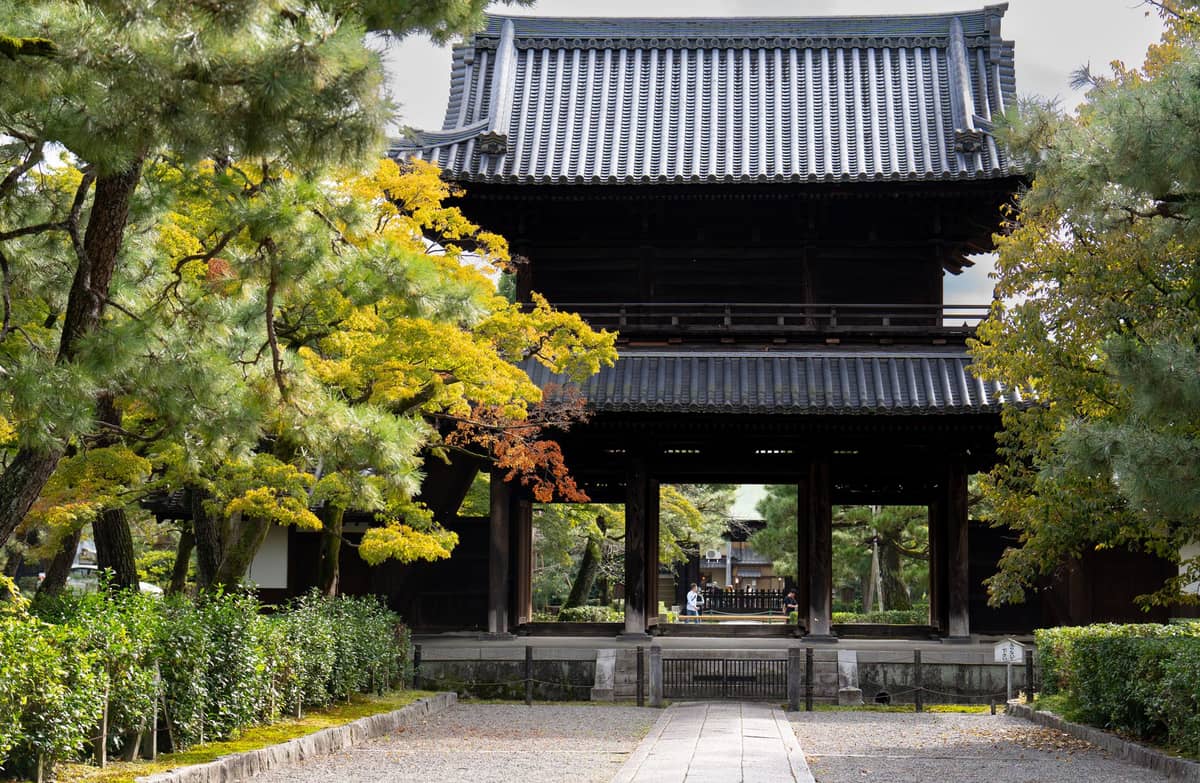
Kyoto has over 1,600 temples, which means even well-known ones can feel overlooked. The sites below consistently receive far fewer visitors than Kiyomizu-dera or Kinkaku-ji, yet offer experiences that are just as rich, and in some cases more so. For a broader look at the city's temple landscape, thebest temples in Kyoto guide is a useful companion.
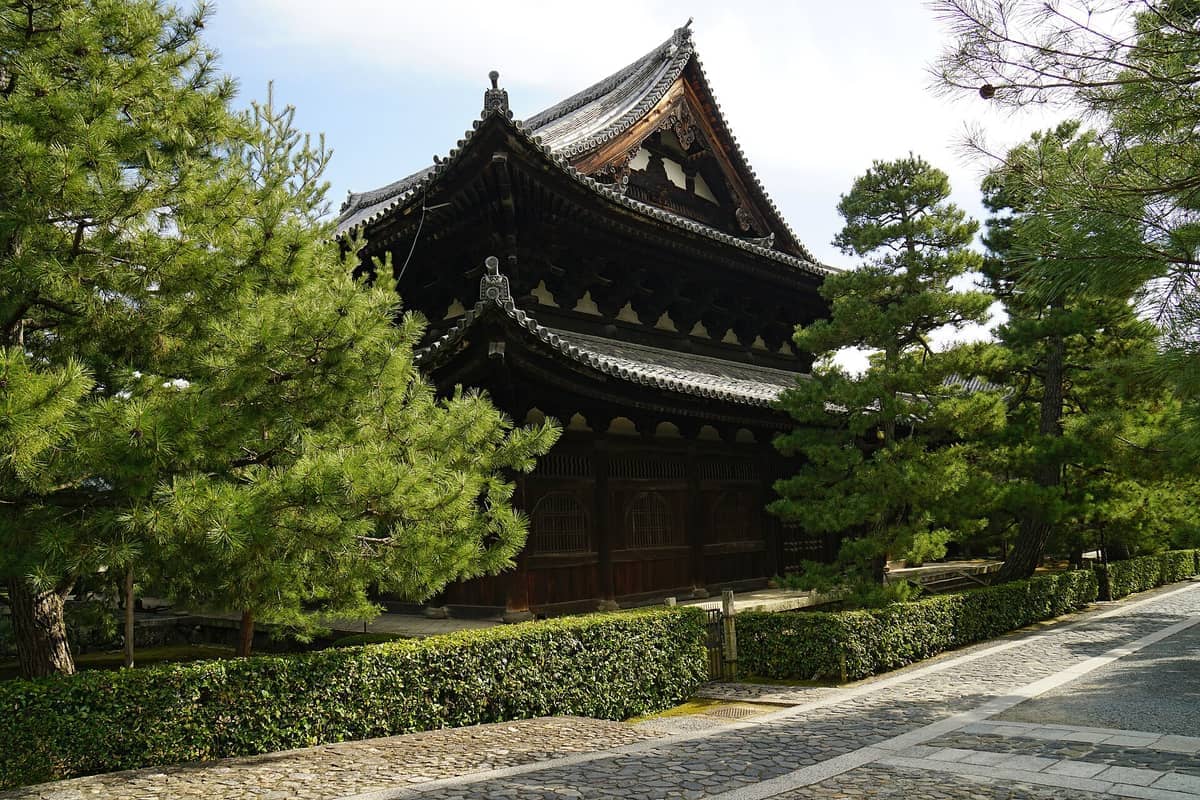
1. Wander the Sub-Temples of Daitoku-ji
A vast Zen complex with 22 sub-temples and some of Kyoto's finest dry landscape gardens, yet rarely crowded. Several sub-temples open seasonally, so each visit can differ. Allow at least two hours to explore the grounds properly.
Explore1. Wander the Sub-Temples of Daitoku-ji
A vast Zen complex with 22 sub-temples and some of Kyoto's finest dry landscape gardens, yet rarely crowded. Several sub-temples open seasonally, so each visit can differ. Allow at least two hours to explore the grounds properly.
Explore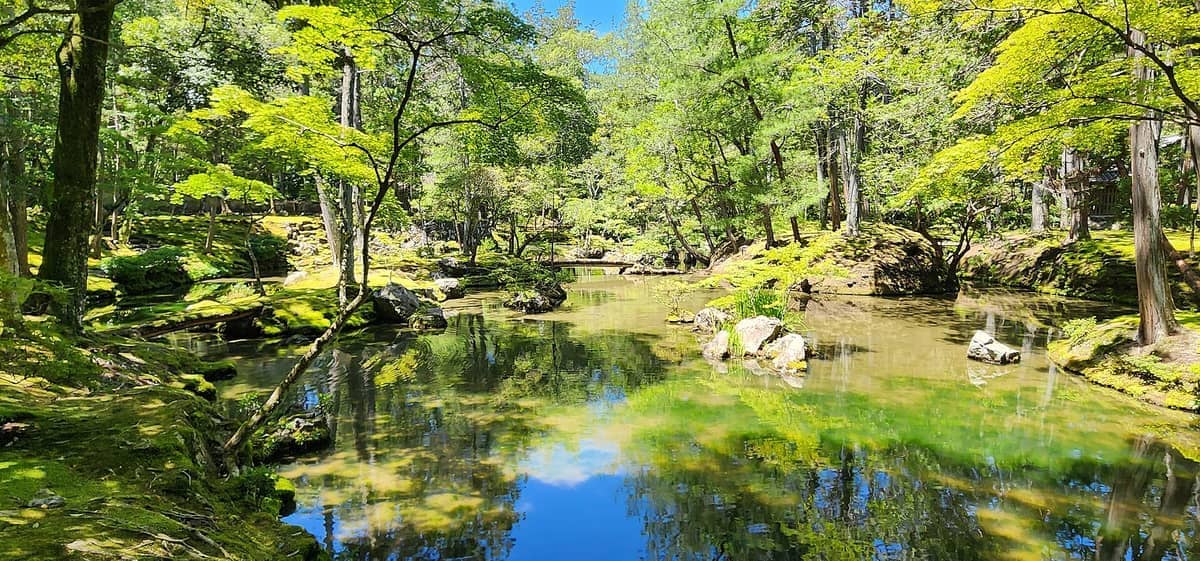
2. Reserve a Spot at the Legendary Moss Temple
Kokedera's garden is carpeted with 120+ moss varieties in an ethereal green landscape that feels unlike anywhere else in Kyoto. Advance reservation is mandatory, which keeps crowds low and makes it one of the city's most exclusive and rewarding experiences.
Explore2. Reserve a Spot at the Legendary Moss Temple
Kokedera's garden is carpeted with 120+ moss varieties in an ethereal green landscape that feels unlike anywhere else in Kyoto. Advance reservation is mandatory, which keeps crowds low and makes it one of the city's most exclusive and rewarding experiences.
Explore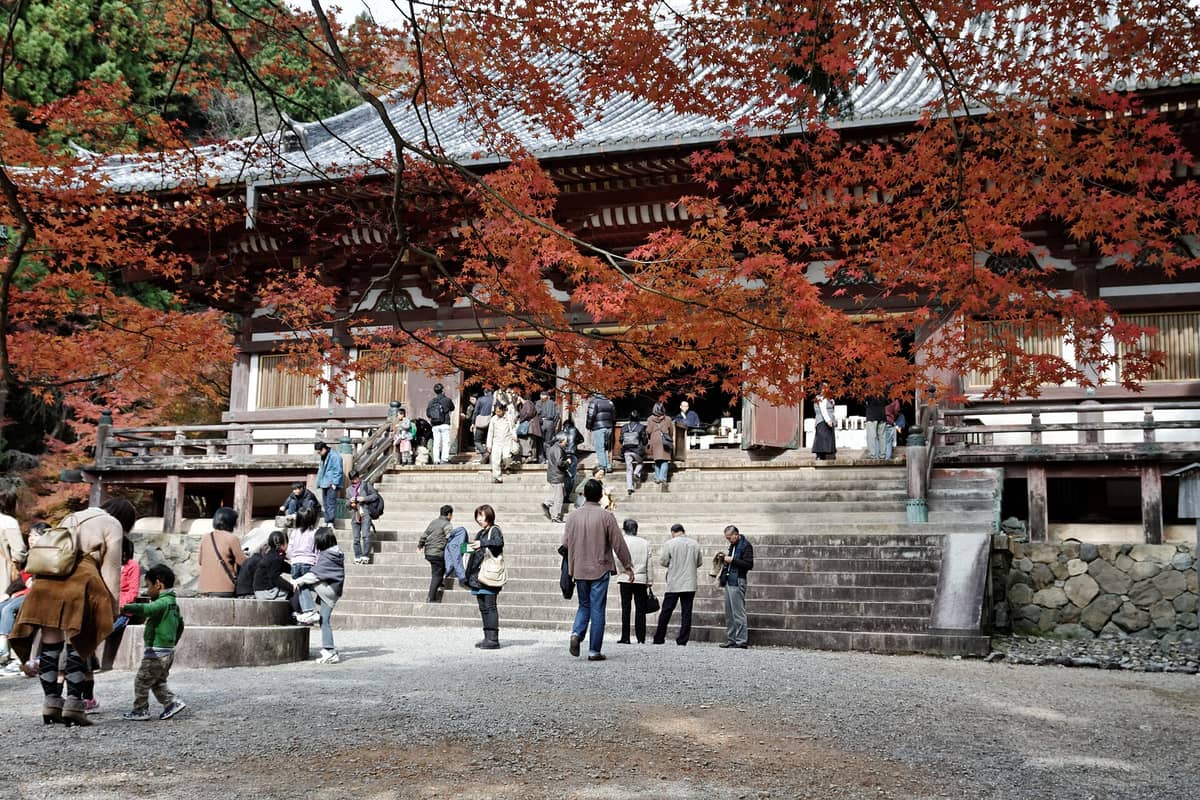
3. Throw Away Bad Luck at Jingo-ji in Takao
Reached by a steep forested path from the Kiyotaki River, this remote mountain temple is famous for the kawarake tradition: hurling small clay discs from a cliff to release bad fortune. One of Kyoto's most dramatic settings, especially in autumn.
Explore3. Throw Away Bad Luck at Jingo-ji in Takao
Reached by a steep forested path from the Kiyotaki River, this remote mountain temple is famous for the kawarake tradition: hurling small clay discs from a cliff to release bad fortune. One of Kyoto's most dramatic settings, especially in autumn.
Explore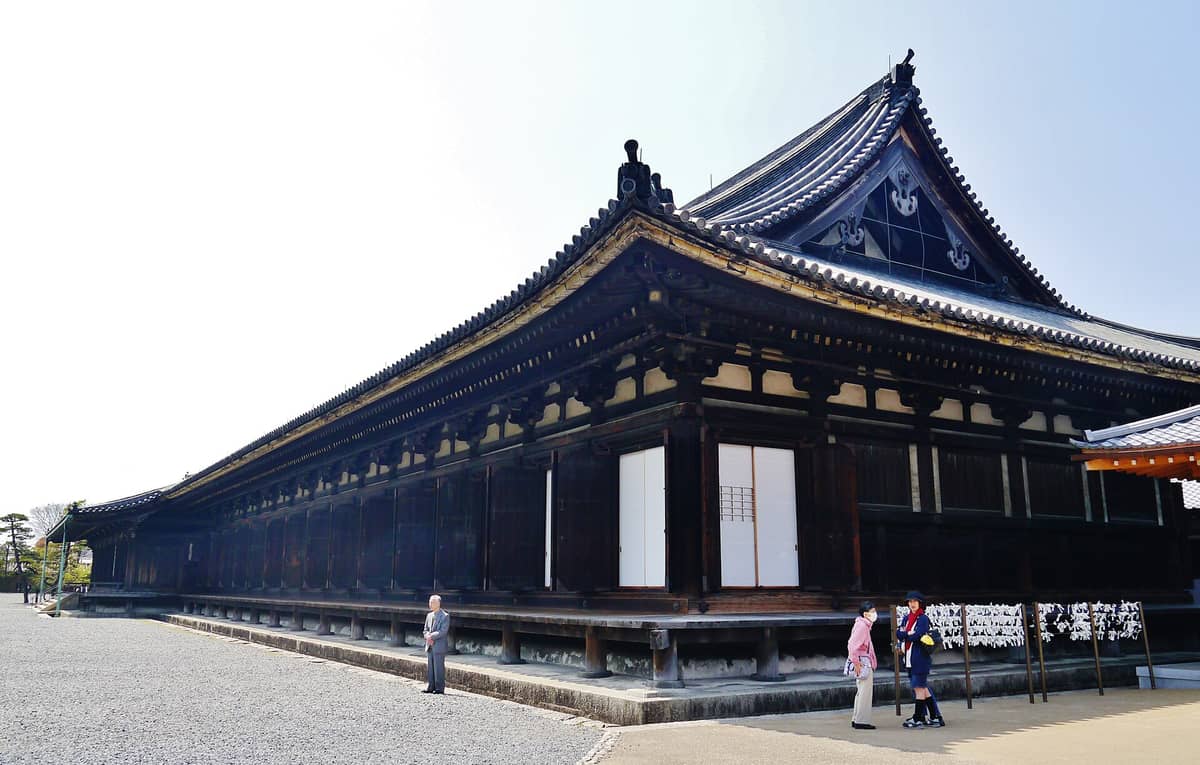
4. Stand Before 1,001 Golden Kannon at Sanjusangen-do
A 120-meter hall containing 1,001 life-size golden statues of Kannon, arranged in rows that create one of the most visually overwhelming experiences in Japan. Dating to 1164 AD, it remains strangely underrated given its scale and impact.
Explore4. Stand Before 1,001 Golden Kannon at Sanjusangen-do
A 120-meter hall containing 1,001 life-size golden statues of Kannon, arranged in rows that create one of the most visually overwhelming experiences in Japan. Dating to 1164 AD, it remains strangely underrated given its scale and impact.
Explore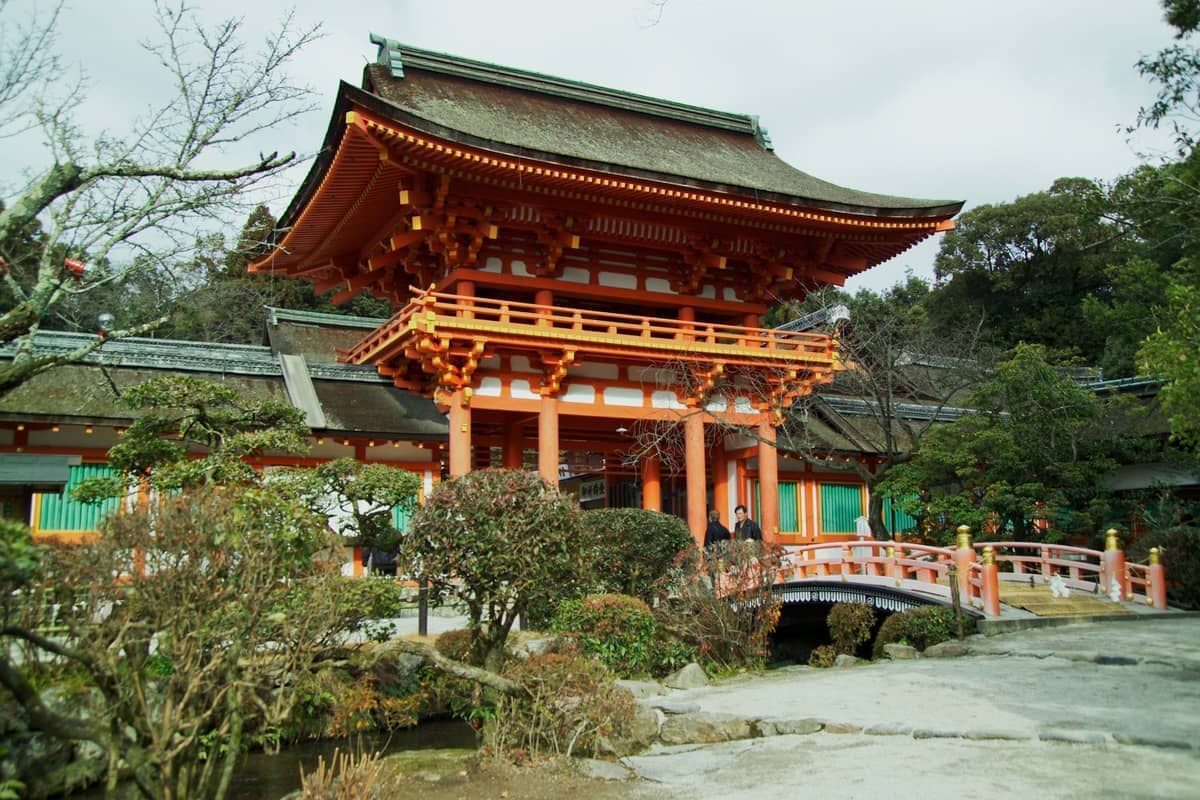
5. Find Serenity at Kamigamo Shrine
One of Kyoto's oldest UNESCO World Heritage shrines, set along the Kamo River with a forested atmosphere and distinctive white sand cones in its courtyard. Far fewer visitors than central Kyoto's major shrines, with a calm that's genuinely rare in this city.
Explore5. Find Serenity at Kamigamo Shrine
One of Kyoto's oldest UNESCO World Heritage shrines, set along the Kamo River with a forested atmosphere and distinctive white sand cones in its courtyard. Far fewer visitors than central Kyoto's major shrines, with a calm that's genuinely rare in this city.
Explore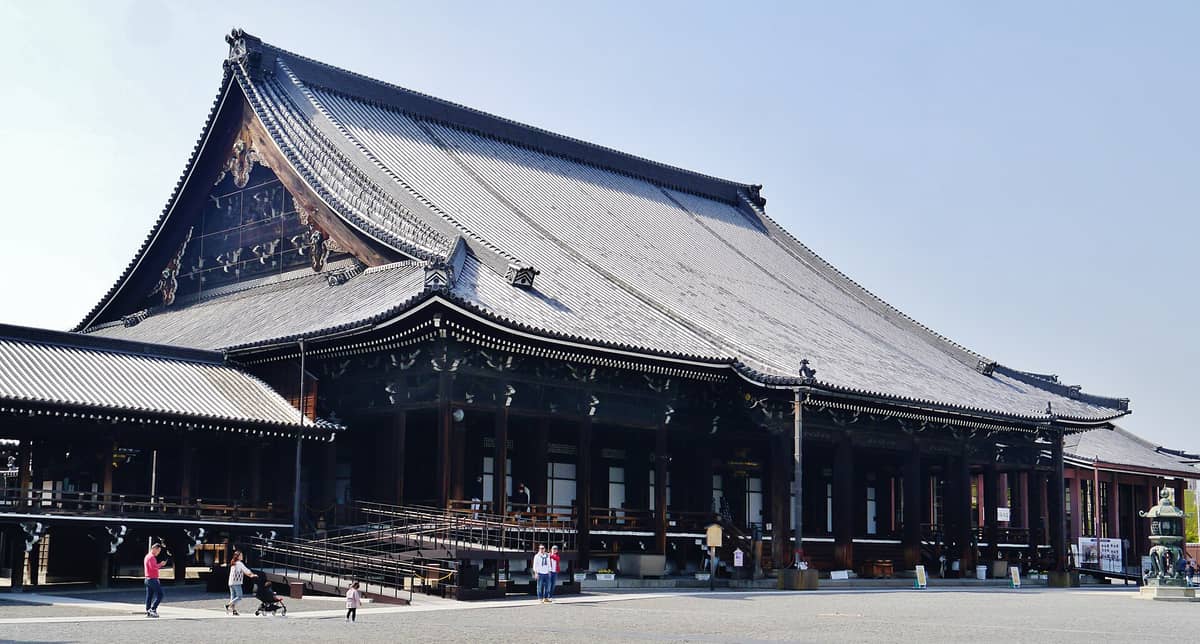
6. See Momoyama Architecture at Its Finest in Nishi Hongan-ji
The Jodo Shinshu headquarters holds some of Japan's most ornate Momoyama-period buildings, including gilded halls and a remarkable noh theater stage. It's a UNESCO World Heritage Site just minutes from Kyoto Station that most visitors walk past entirely.
Explore6. See Momoyama Architecture at Its Finest in Nishi Hongan-ji
The Jodo Shinshu headquarters holds some of Japan's most ornate Momoyama-period buildings, including gilded halls and a remarkable noh theater stage. It's a UNESCO World Heritage Site just minutes from Kyoto Station that most visitors walk past entirely.
Explore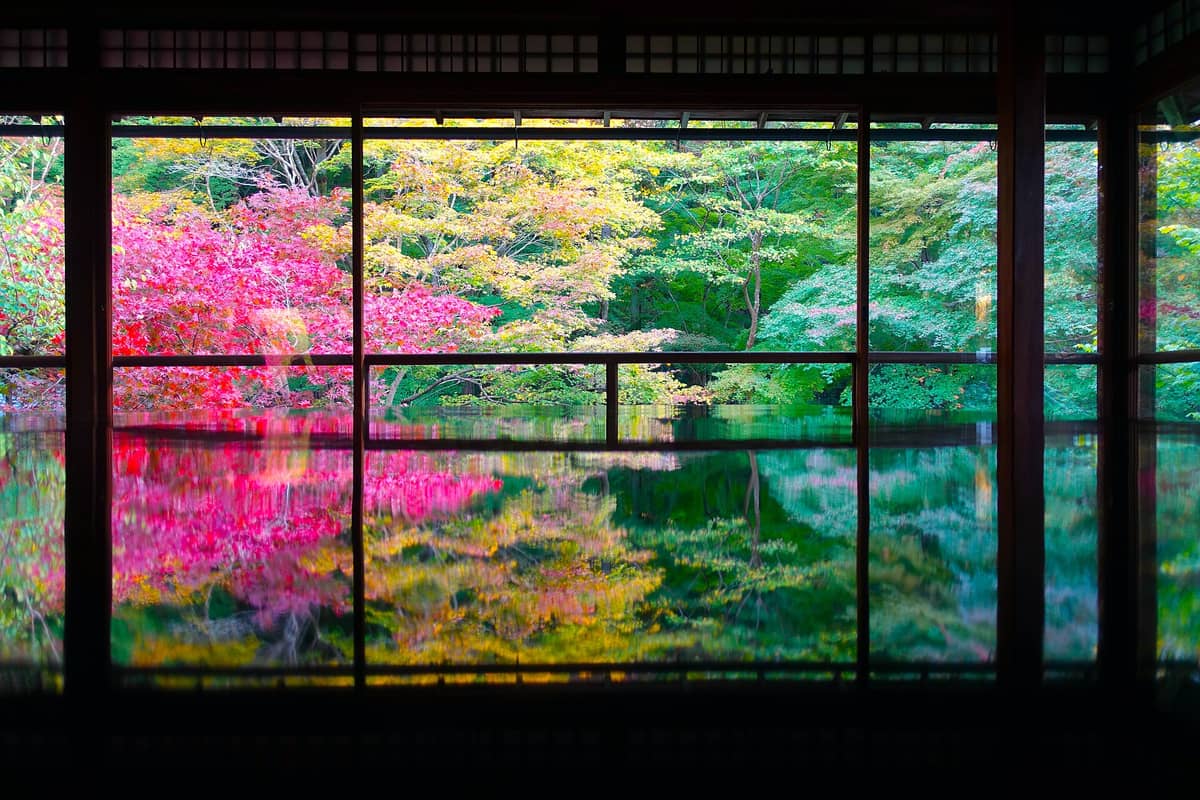
7. Chase the Perfect Reflection at Rurikoin Temple
Open only in cherry blossom and autumn seasons, this private temple is famous for one image: maple leaf reflections in a polished wooden desk surface. The combination of limited access and seasonal beauty makes it one of Kyoto's most sought-after photography experiences.
Explore7. Chase the Perfect Reflection at Rurikoin Temple
Open only in cherry blossom and autumn seasons, this private temple is famous for one image: maple leaf reflections in a polished wooden desk surface. The combination of limited access and seasonal beauty makes it one of Kyoto's most sought-after photography experiences.
ExploreHidden Walks & Atmospheric Streets
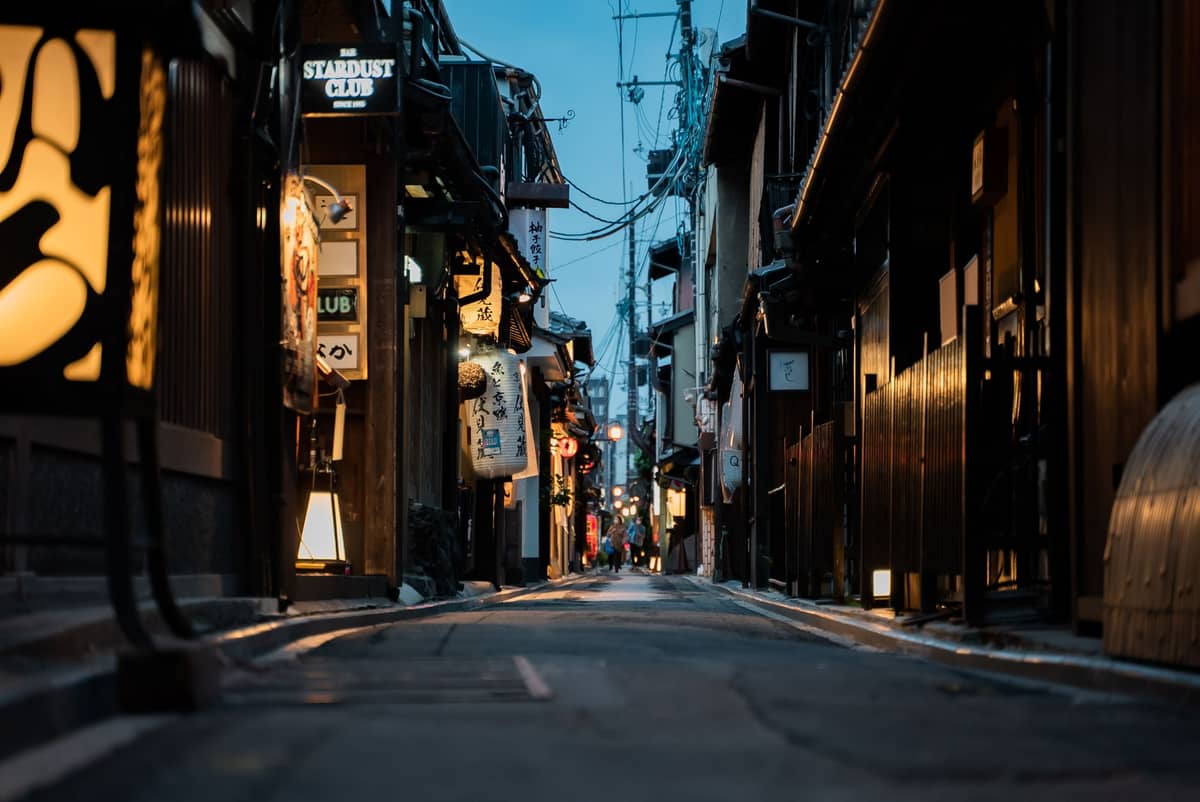
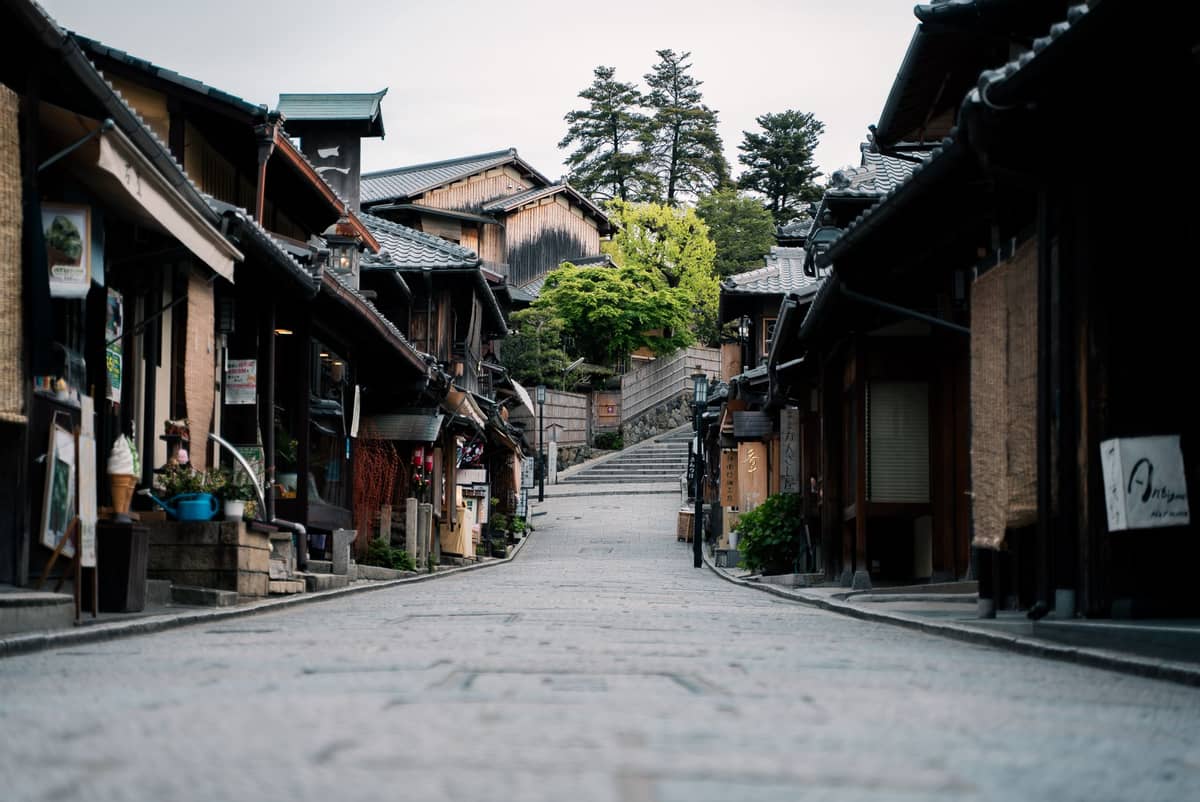
Some of Kyoto's most memorable experiences happen not inside a temple gate but along its lesser-walked streets and canal paths. The areas below reward slow exploration on foot. For a full look at the city's best walking routes, seeKyoto walking tours.
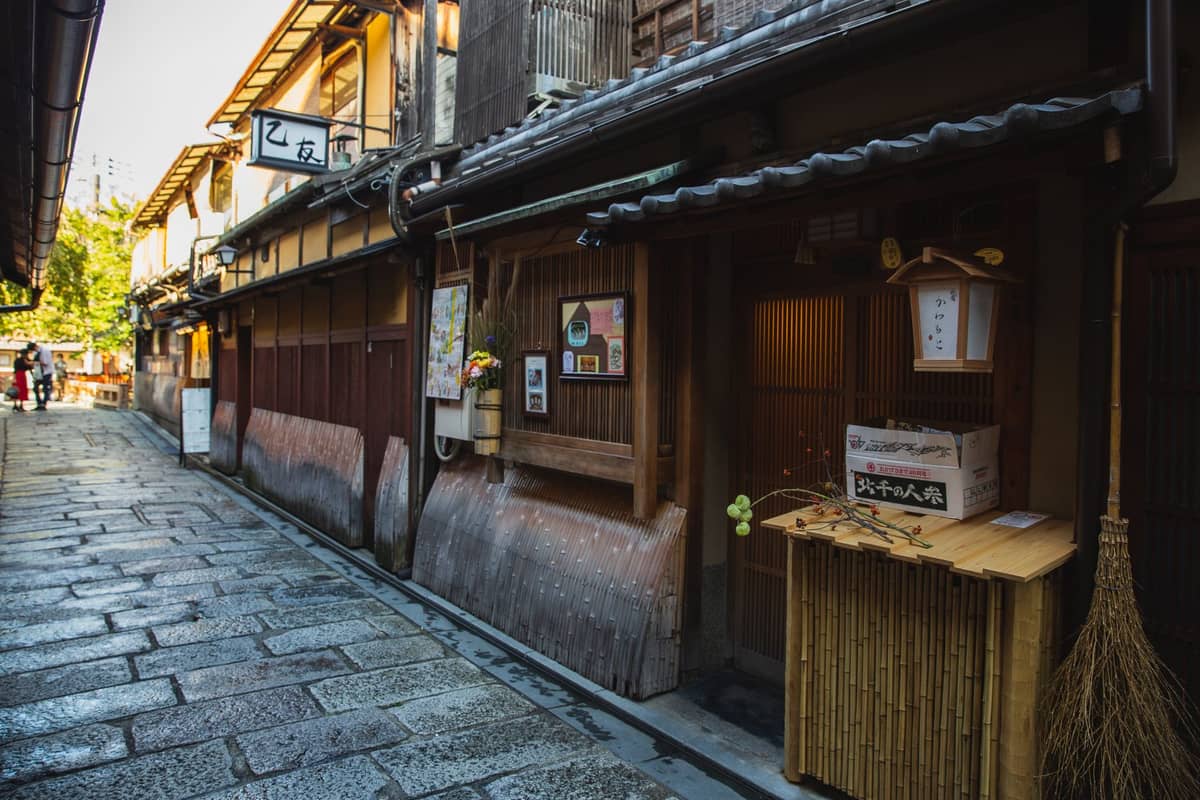
8. Discover Ishibe-koji, Higashiyama's Secret Alley
A short cobblestone lane in Higashiyama lined with preserved machiya townhouses converted into exclusive ryokan and restaurants. Less known than Ninenzaka but arguably more atmospheric, and noticeably quieter even during busy tourist seasons.
Explore8. Discover Ishibe-koji, Higashiyama's Secret Alley
A short cobblestone lane in Higashiyama lined with preserved machiya townhouses converted into exclusive ryokan and restaurants. Less known than Ninenzaka but arguably more atmospheric, and noticeably quieter even during busy tourist seasons.
Explore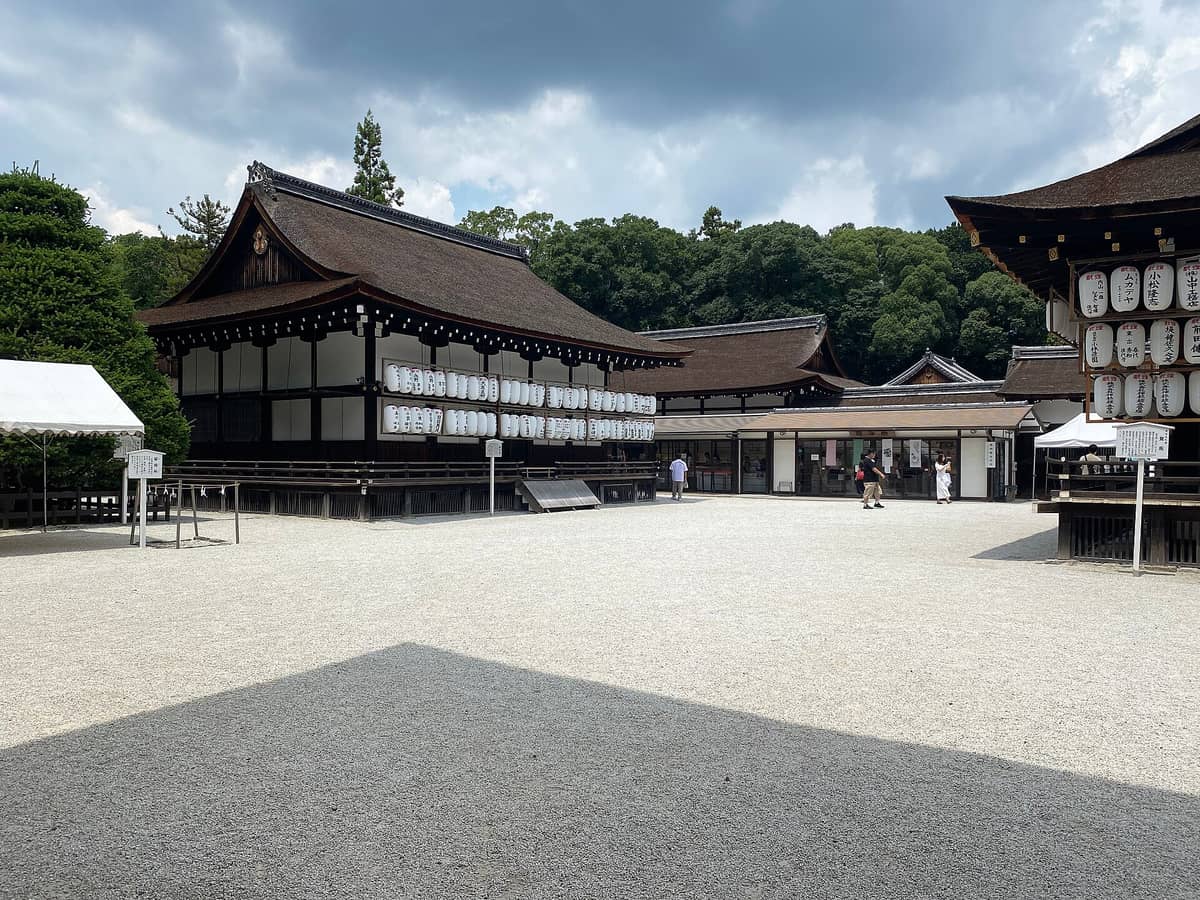
9. Walk Through the Primeval Forest at Shimogamo Shrine
The approach to this 2,500-year-old UNESCO shrine passes through Tadasu no Mori, a rare patch of primeval urban forest. The forested path and river confluence setting make it one of the most spiritually resonant sites in the city, and far calmer than Fushimi Inari.
Explore9. Walk Through the Primeval Forest at Shimogamo Shrine
The approach to this 2,500-year-old UNESCO shrine passes through Tadasu no Mori, a rare patch of primeval urban forest. The forested path and river confluence setting make it one of the most spiritually resonant sites in the city, and far calmer than Fushimi Inari.
Explore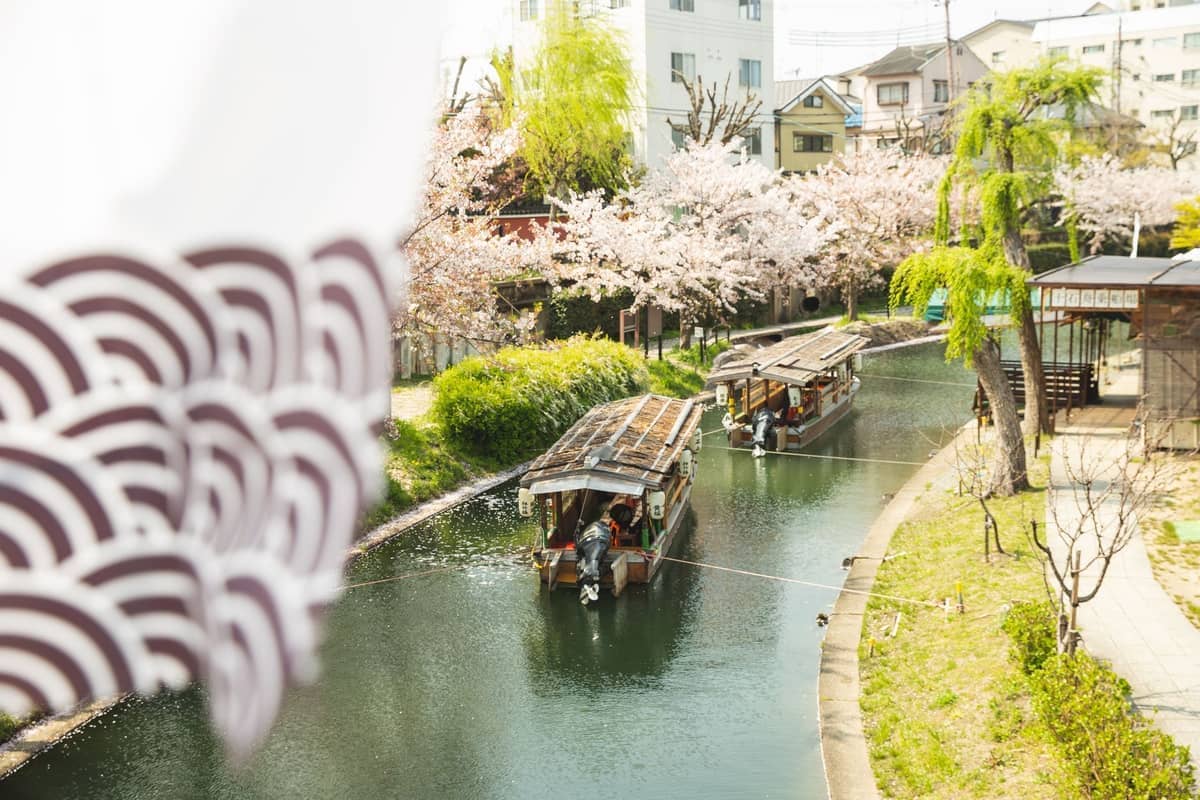
10. Explore Historic Brewery Lanes in Fushimi
One of Japan's most important sake-producing regions, with historic kura brewery buildings lining the canal streets and tastings of Kyoto's famous soft-water sake. Combine it with a Fushimi Inari visit for a rewarding half-day in the city's quieter southern district.
Explore10. Explore Historic Brewery Lanes in Fushimi
One of Japan's most important sake-producing regions, with historic kura brewery buildings lining the canal streets and tastings of Kyoto's famous soft-water sake. Combine it with a Fushimi Inari visit for a rewarding half-day in the city's quieter southern district.
Explore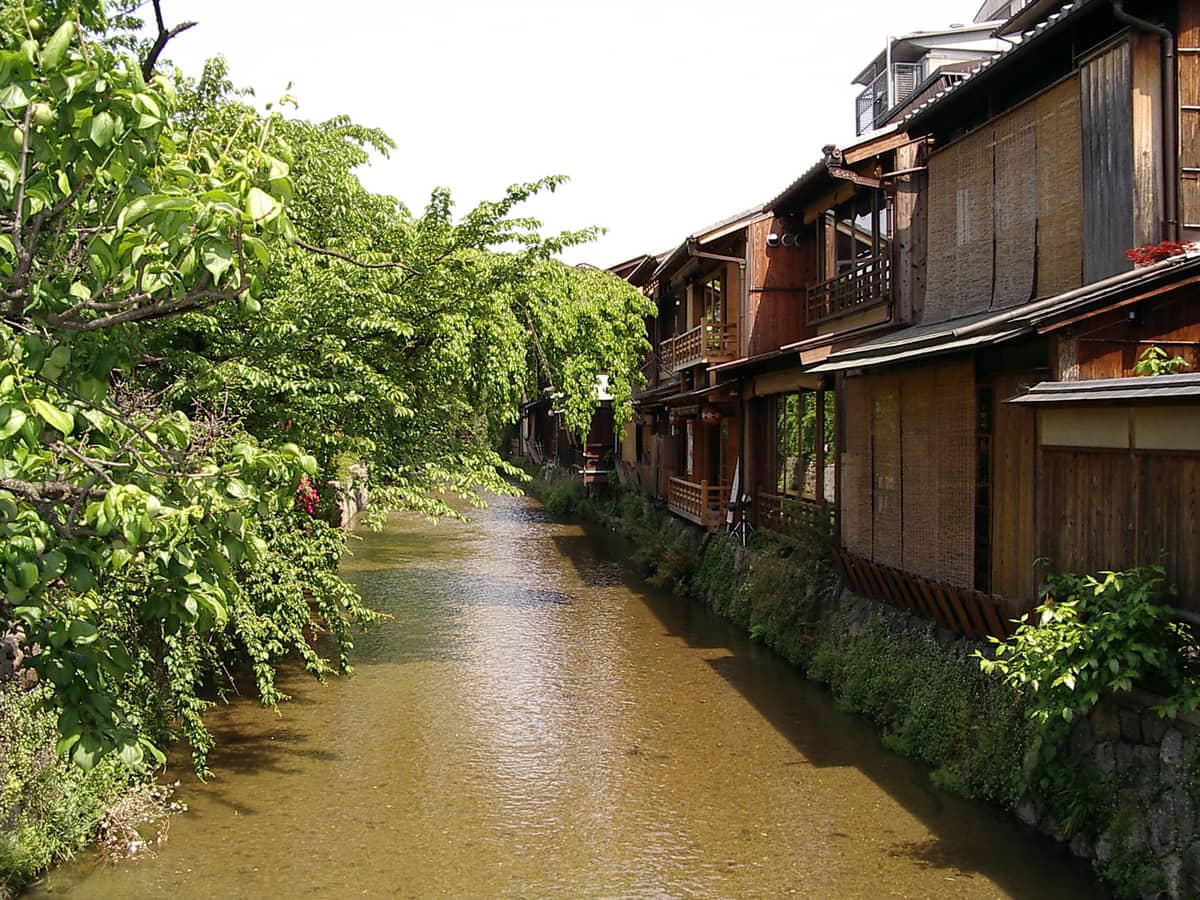
11. Follow the Canal at Gion Shirakawa After Dark
A narrow waterway within Gion lined with weeping cherry trees, willow branches, and traditional ochaya. Most tourists concentrate on Hanamikoji a few streets away, leaving this canal district noticeably quieter, especially during evening illumination periods.
Explore11. Follow the Canal at Gion Shirakawa After Dark
A narrow waterway within Gion lined with weeping cherry trees, willow branches, and traditional ochaya. Most tourists concentrate on Hanamikoji a few streets away, leaving this canal district noticeably quieter, especially during evening illumination periods.
ExploreMountain Retreats & Nature Escapes
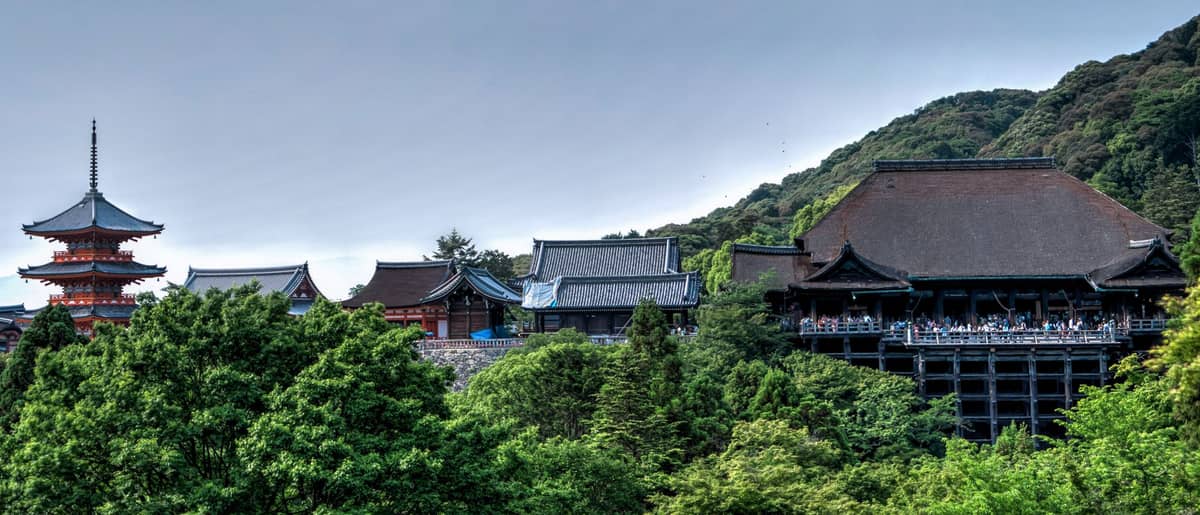
Kyoto's mountains are full of trails, temples, and hot springs that the average visitor never reaches. The areas around Kurama and Takao in particular offer genuine wilderness within an hour of the city center. For those planning a hike up to Fushimi Inari's summit, theFushimi Inari hiking guide has everything you need.
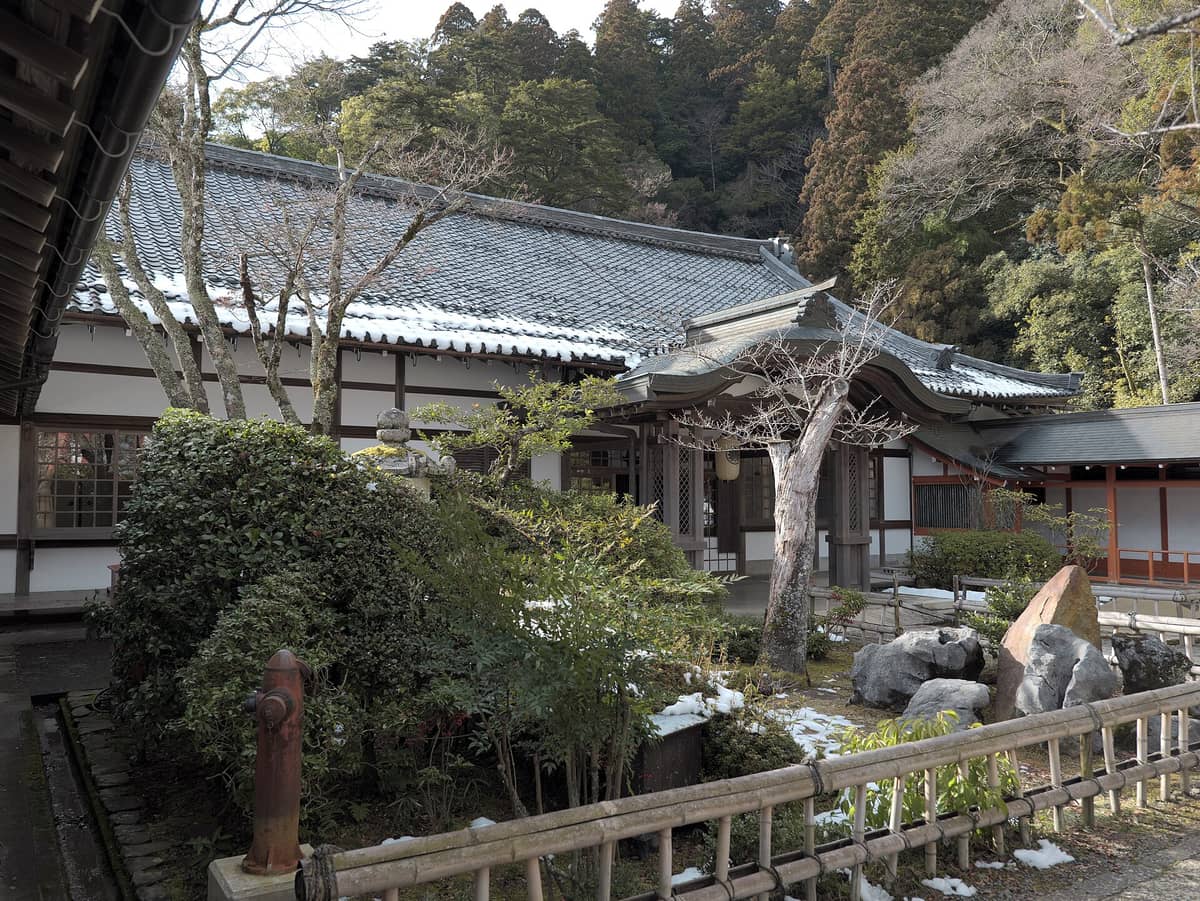
12. Climb to the Mystical Summit of Kurama-dera
A mountain temple above Kurama village, believed to be the home of a powerful cosmic energy and the birthplace of Reiki. Reach it by cable car or forest trail, then continue through the cedar trees toward Kibune for a full day of remote mountain atmosphere.
Explore12. Climb to the Mystical Summit of Kurama-dera
A mountain temple above Kurama village, believed to be the home of a powerful cosmic energy and the birthplace of Reiki. Reach it by cable car or forest trail, then continue through the cedar trees toward Kibune for a full day of remote mountain atmosphere.
Explore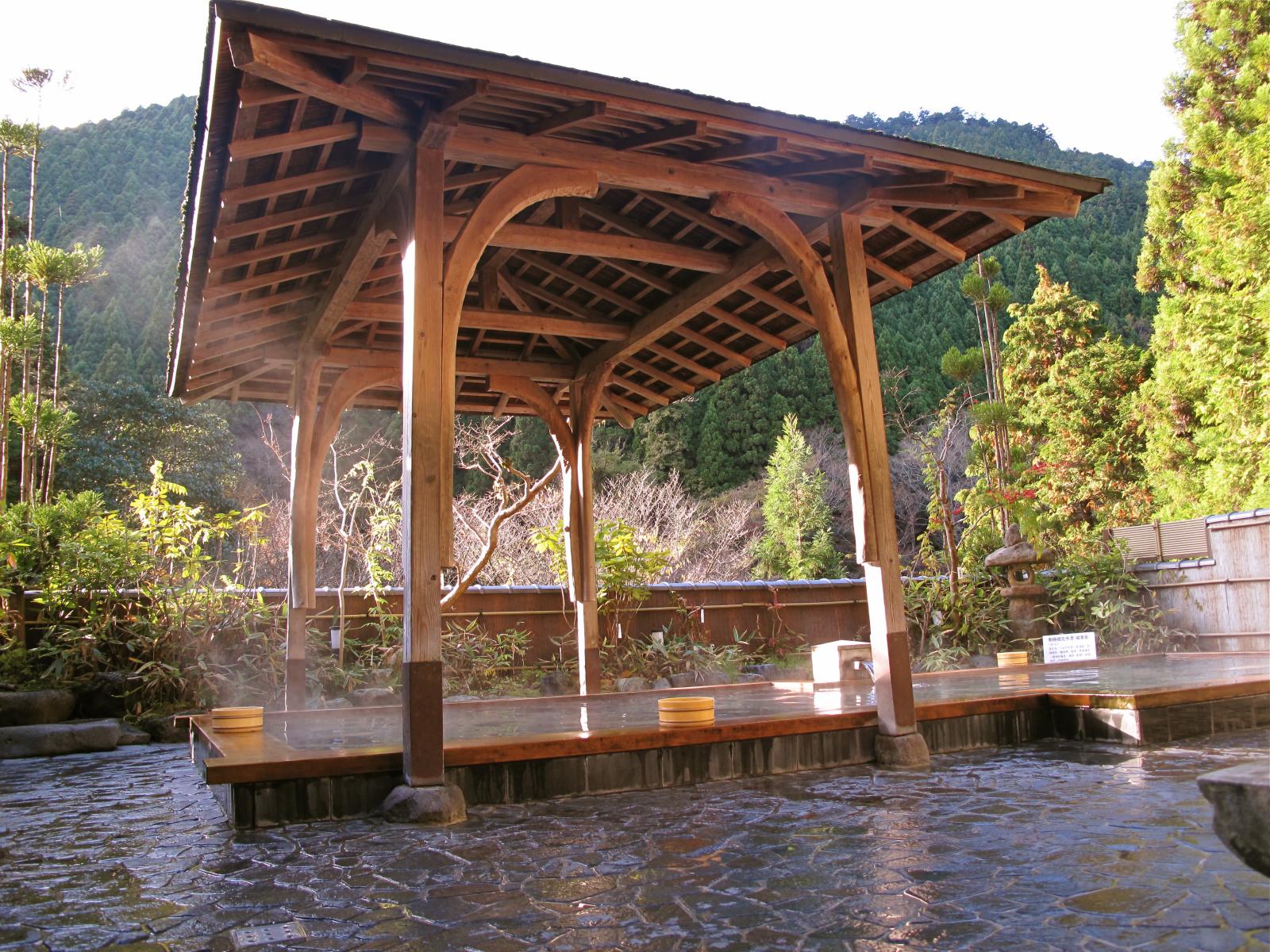
13. Soak in a Mountain Hot Spring at Kurama Onsen
A traditional bathhouse in Kurama village with indoor and outdoor baths overlooking cedar forest. Combine it with a hike down from Kurama-dera for one of Kyoto's most satisfying day trip combinations. The outdoor bath is best in cooler months.
Explore13. Soak in a Mountain Hot Spring at Kurama Onsen
A traditional bathhouse in Kurama village with indoor and outdoor baths overlooking cedar forest. Combine it with a hike down from Kurama-dera for one of Kyoto's most satisfying day trip combinations. The outdoor bath is best in cooler months.
Explore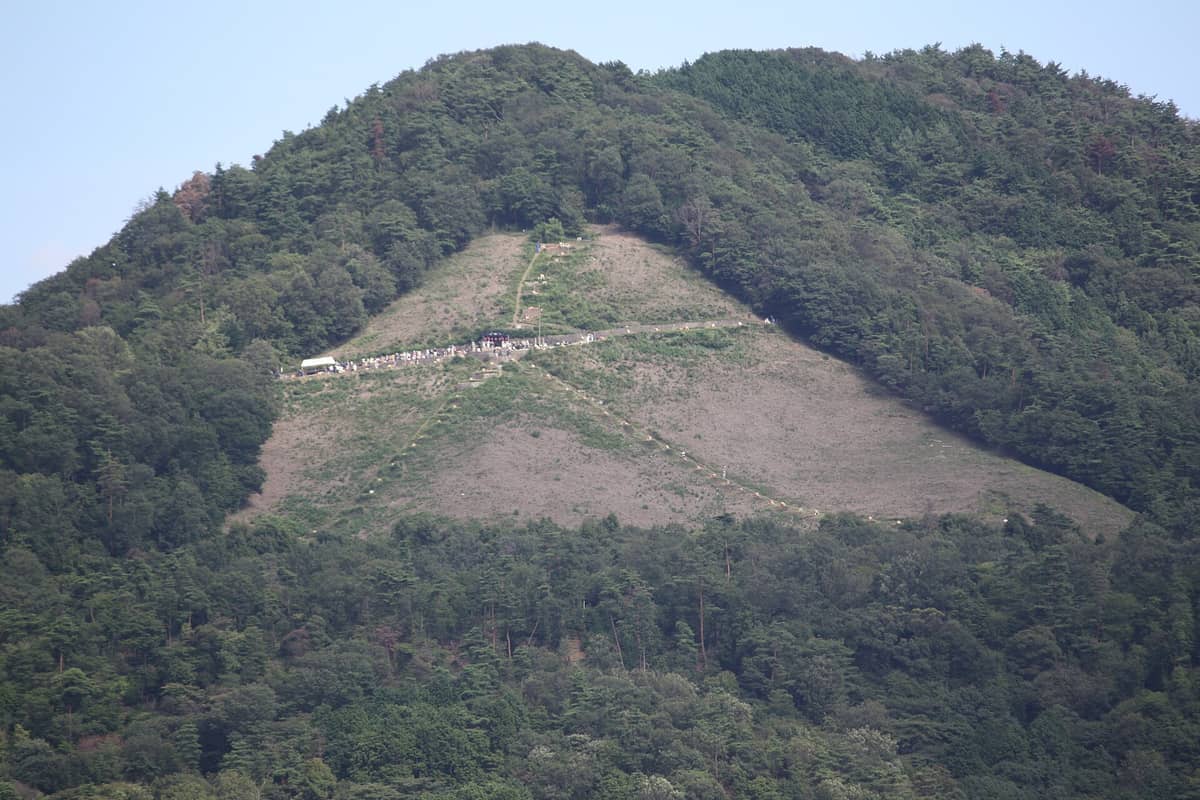
14. Hike Daimonji-yama for Kyoto's Best Panoramic View
A forested mountain behind Ginkaku-ji with a 45-minute trail to the summit and one of Kyoto's finest city-wide views. Famous as the site of the giant fire character burned during the August Daimonji festival, but rewarding year-round as a free, crowd-free hike.
Explore14. Hike Daimonji-yama for Kyoto's Best Panoramic View
A forested mountain behind Ginkaku-ji with a 45-minute trail to the summit and one of Kyoto's finest city-wide views. Famous as the site of the giant fire character burned during the August Daimonji festival, but rewarding year-round as a free, crowd-free hike.
Explore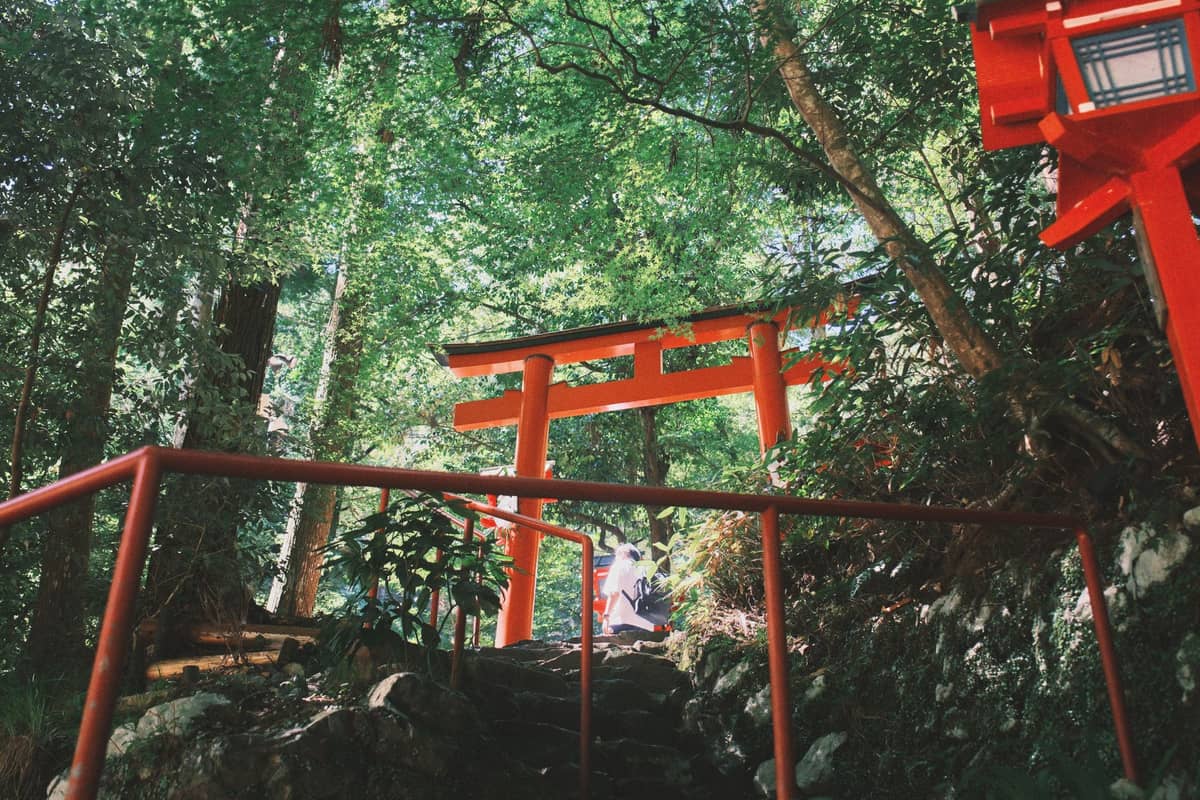
15. Follow the Lantern-Lit Path to Kibune Shrine
A serene water deity shrine reached via stone steps through cedar forest above Kibune village. The red lanterns lining the approach create one of Kyoto's most atmospheric walks, and the village itself is the base for famous summer kawadoko riverside dining.
Explore15. Follow the Lantern-Lit Path to Kibune Shrine
A serene water deity shrine reached via stone steps through cedar forest above Kibune village. The red lanterns lining the approach create one of Kyoto's most atmospheric walks, and the village itself is the base for famous summer kawadoko riverside dining.
Explore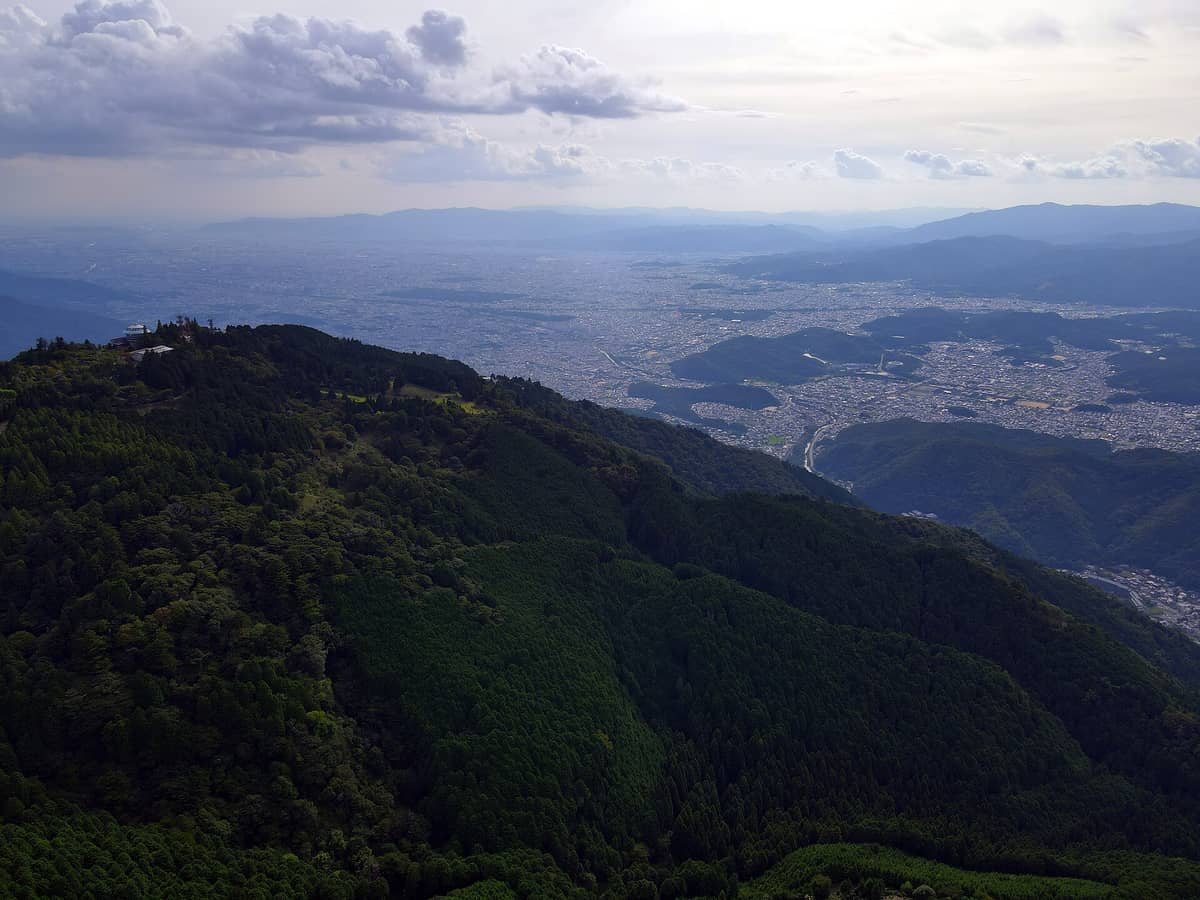
16. Visit the Sacred Summit of Mount Hiei
A UNESCO World Heritage mountain on the Kyoto-Shiga border, home to Enryaku-ji, one of Japanese Buddhism's most important temple complexes since 788 AD. Reachable by cable car and ropeway with panoramic views over Kyoto and Lake Biwa as a bonus.
Explore16. Visit the Sacred Summit of Mount Hiei
A UNESCO World Heritage mountain on the Kyoto-Shiga border, home to Enryaku-ji, one of Japanese Buddhism's most important temple complexes since 788 AD. Reachable by cable car and ropeway with panoramic views over Kyoto and Lake Biwa as a bonus.
ExploreImperial Villas & Refined Gardens
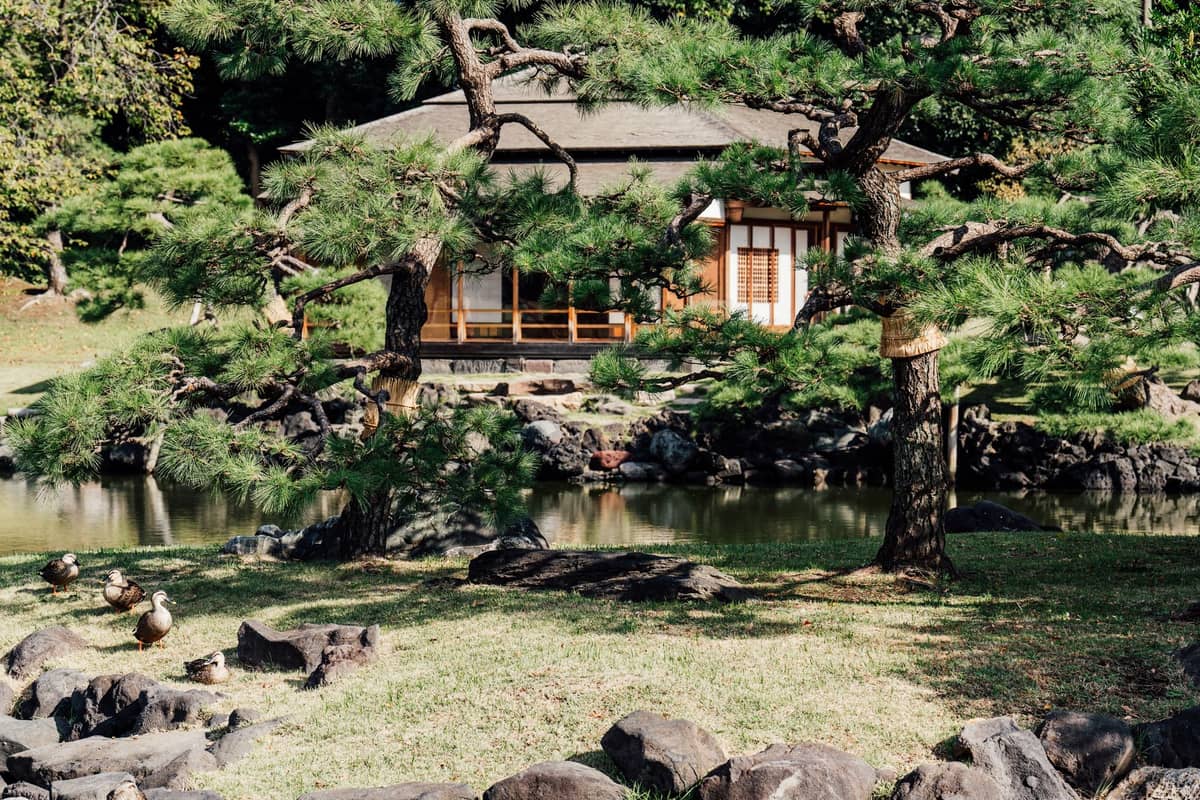
Kyoto's imperial retreats are among Japan's most extraordinary spaces, yet they attract a fraction of the visitors that crowd the Golden Pavilion. Both require advance reservations through the Imperial Household Agency. For more on Kyoto's exceptional garden culture, thebest gardens in Kyoto guide is worth reading before you go.
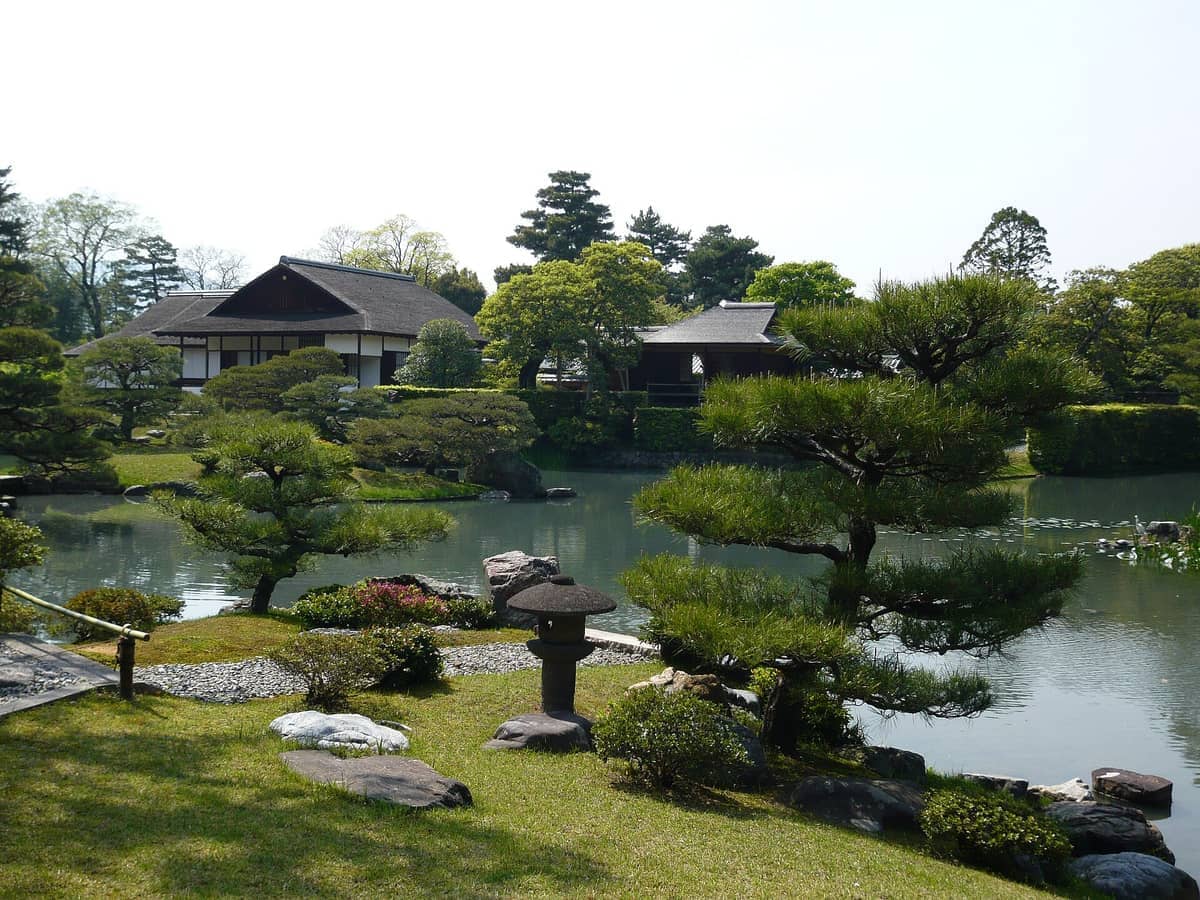
17. Tour Katsura Imperial Villa, Japan's Most Influential Garden
A 17th-century imperial retreat widely considered a pinnacle of Japanese garden design, influencing architects globally. Access requires advance reservation through the Imperial Household Agency, which keeps visitor numbers low and the experience genuinely special.
Explore17. Tour Katsura Imperial Villa, Japan's Most Influential Garden
A 17th-century imperial retreat widely considered a pinnacle of Japanese garden design, influencing architects globally. Access requires advance reservation through the Imperial Household Agency, which keeps visitor numbers low and the experience genuinely special.
Explore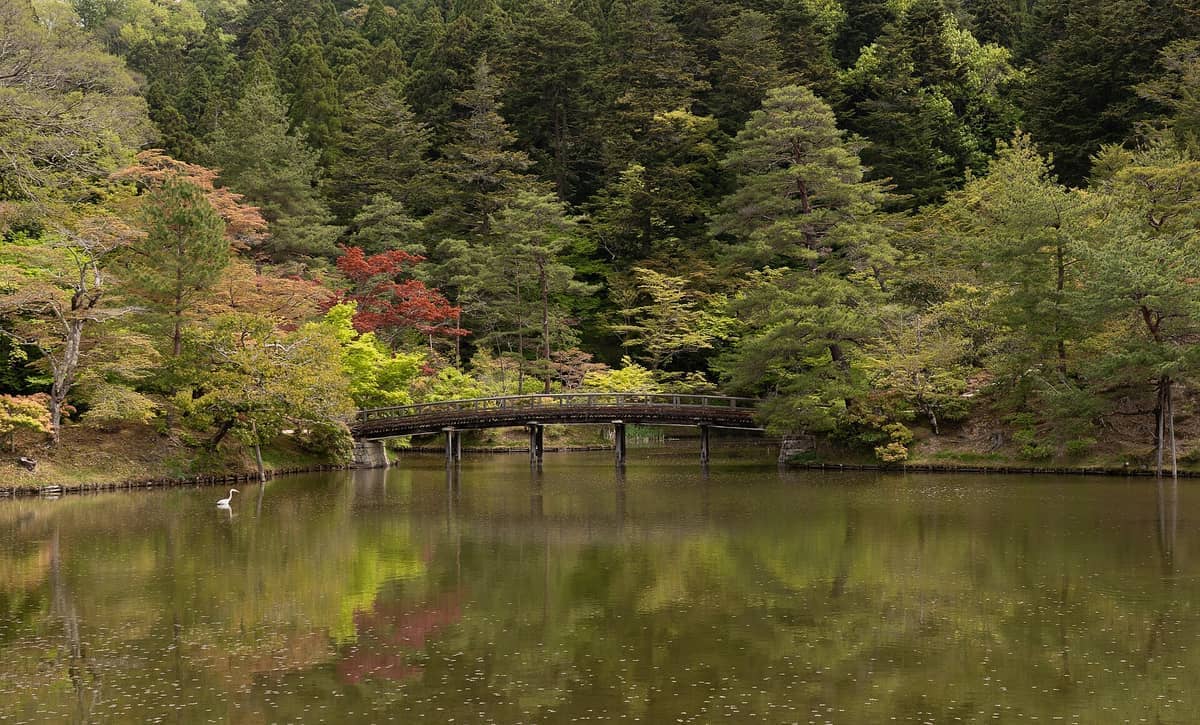
18. Explore the Terraced Garden Levels of Shugakuin
Three terraced garden levels on the slopes of Mount Hiei, featuring borrowed scenery views over Kyoto and a large pond garden among Japan's finest. Like Katsura, advance reservation is required, ensuring you experience it without the usual tourist crowds.
Explore18. Explore the Terraced Garden Levels of Shugakuin
Three terraced garden levels on the slopes of Mount Hiei, featuring borrowed scenery views over Kyoto and a large pond garden among Japan's finest. Like Katsura, advance reservation is required, ensuring you experience it without the usual tourist crowds.
ExploreLocal Institutions Worth Seeking Out
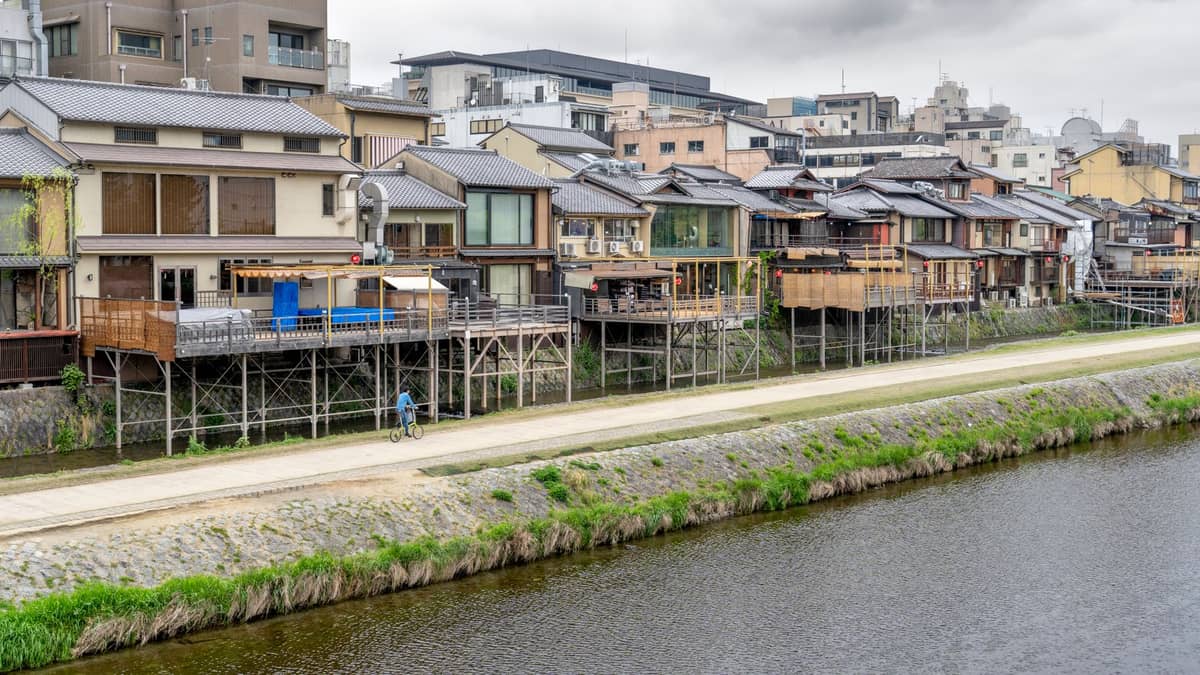
Some of Kyoto's most memorable off-the-beaten-path experiences are not temples or gardens at all, but places where the city's residents actually live, eat, and unwind. These are the spots that rarely appear on tourist maps but tell you more about Kyoto's daily life than a hundred shrine visits.
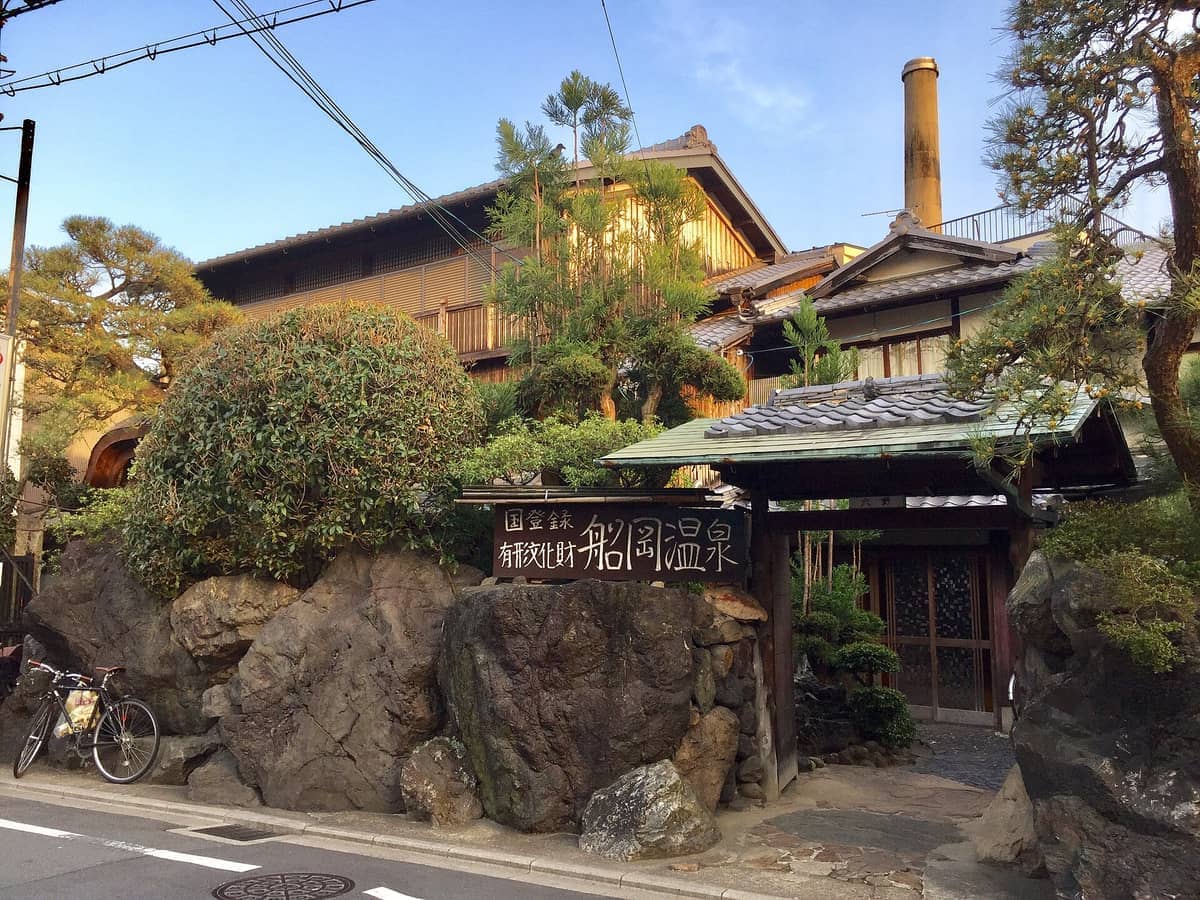
19. Bathe Like a Local at Funaoka Onsen
One of Kyoto's oldest public bathhouses, with carved wooden panels depicting the Russo-Japanese War and a range of indoor and outdoor baths. This is a genuine neighborhood sento serving locals, not a tourist facility. Admission is around ¥430 for adults; verify current fees before visiting.
Explore19. Bathe Like a Local at Funaoka Onsen
One of Kyoto's oldest public bathhouses, with carved wooden panels depicting the Russo-Japanese War and a range of indoor and outdoor baths. This is a genuine neighborhood sento serving locals, not a tourist facility. Admission is around ¥430 for adults; verify current fees before visiting.
Explore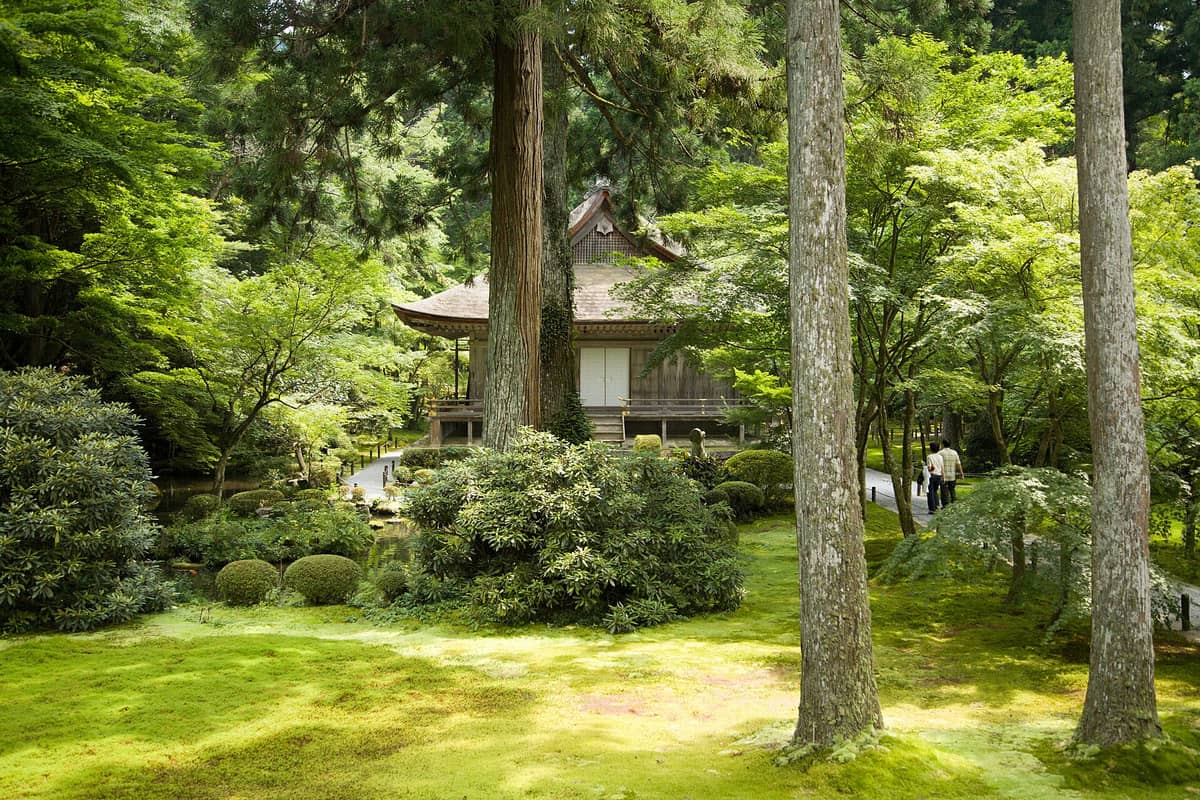
20. Find Stillness at Sanzen-in in the Ohara Valley
Ohara's most celebrated temple features a moss garden dotted with small stone jizo statues and a 9th-century Amida Buddha of quiet majesty. The rural Ohara valley location keeps visitor numbers low, and the 40-minute bus ride from central Kyoto adds to the sense of escape.
Explore20. Find Stillness at Sanzen-in in the Ohara Valley
Ohara's most celebrated temple features a moss garden dotted with small stone jizo statues and a 9th-century Amida Buddha of quiet majesty. The rural Ohara valley location keeps visitor numbers low, and the 40-minute bus ride from central Kyoto adds to the sense of escape.
Explore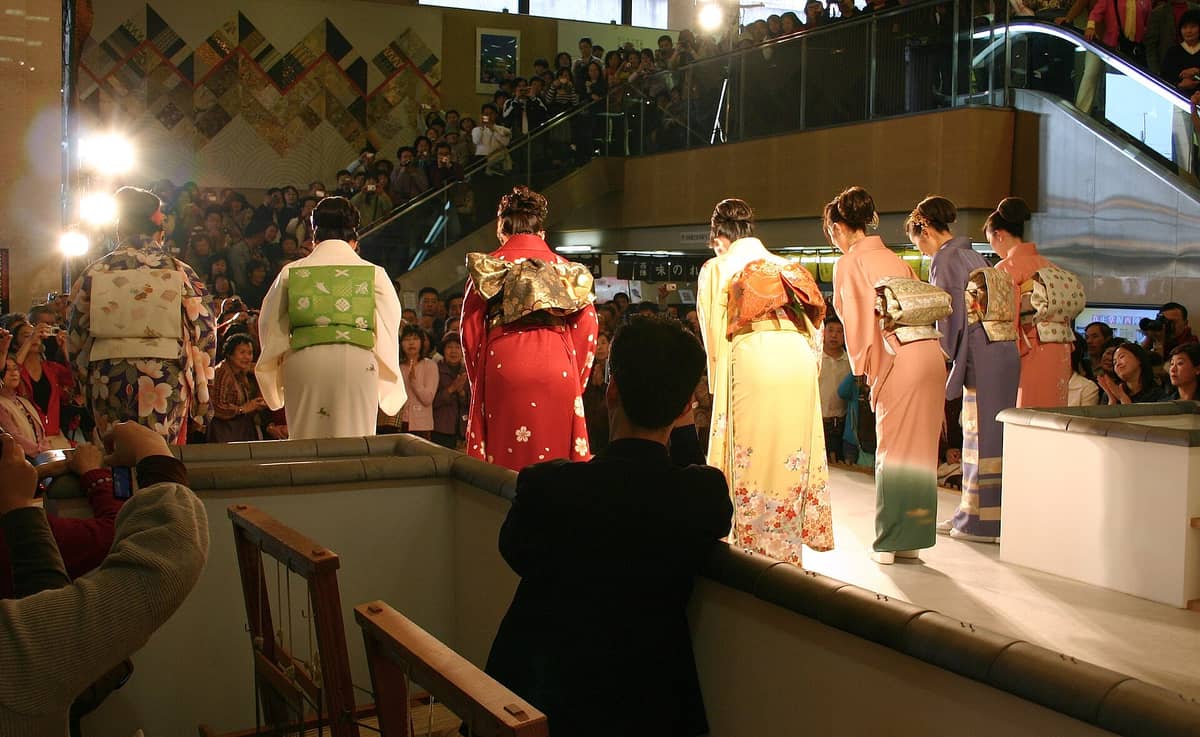
21. See Nishijin Silk Weaving in Action
A free-entry cultural center in Kyoto's traditional weaving district with daily kimono fashion shows and live weaving demonstrations. An accessible and genuinely informative window into one of Kyoto's most important craft traditions, in a neighborhood most tourists never visit.
Explore21. See Nishijin Silk Weaving in Action
A free-entry cultural center in Kyoto's traditional weaving district with daily kimono fashion shows and live weaving demonstrations. An accessible and genuinely informative window into one of Kyoto's most important craft traditions, in a neighborhood most tourists never visit.
Explore✨ Pro tip
Pair Sanzen-in with nearby Jakkoin and a walk through the Ohara valley for a full rural day trip. The area is quietest on weekday mornings outside of autumn foliage season.
FAQ
What are the least crowded temples in Kyoto?
Daitoku-ji, Sanjusangen-do, Nishi Hongan-ji, and Kamigamo Shrine are among the sites that many visitors find less crowded than the major tourist attractions, yet they offer equally impressive architecture and gardens. Early weekday mornings give you the best chance of having them nearly to yourself.
Do any of these hidden gems require advance booking?
Yes. Kokedera (Saihoji Moss Temple) requires advance reservation and has a fee for participation in a copying sutra ritual. Katsura Imperial Villa and Shugakuin Imperial Villa both require reservations through the Imperial Household Agency. Book these before you arrive in Kyoto.
How do I get to the quieter sites like Kurama, Ohara, and Takao?
Kurama is reached by the Eizan Railway from Demachiyanagi Station (about 30 minutes). Ohara is served by Kyoto City Bus from central Kyoto (about 56 minutes from Kyoto Station, or about 33 minutes from Demachiyanagi). Takao, for Jingo-ji, is also a bus ride of roughly 50 minutes from Kyoto Station. None require a car, but check schedules in advance.
Are Kyoto's hidden gems cheaper to visit than the main attractions?
Many are. Shimogamo Shrine, Kamigamo Shrine, and Funaoka Onsen are either free or very low cost. The imperial villas charge a modest fee. Kokedera is higher due to the ritual component. Most hidden gems are no more expensive than the standard 500-600 yen temple entry fee, and some are free entirely.
What time of year is best for visiting off-the-beaten-path sites in Kyoto?
October to November offers cooler, stable weather and autumn foliage that transforms mountain temples and moss gardens. March to May is pleasant for walking. Some sites like Rurikoin only open seasonally. Winter is the quietest overall, though a few smaller venues shorten their hours after December.