Kokedera (Saihoji Moss Temple): Kyoto's Most Exclusive Garden Experience
Saihoji Temple, known as Kokedera or the Moss Temple, is one of Kyoto's most quietly extraordinary places. Entry requires advance reservation and participation in a brief sutra-copying ceremony, which means the garden is never overwhelmed with visitors. What you find inside is a carpet of over 120 moss species covering the ground beneath ancient maples and cedars, all part of a UNESCO World Heritage Zen garden dating to the 14th century.
Quick Facts
- Location
- 56 Matsuo-Jingatani-cho, Nishikyo-ku, Kyoto (Arashiyama area)
- Getting There
- Kokedera/Suzumushidera bus stop (Kyoto Bus 73 or 83 from Kyoto Station), 3 min walk; or Matsuo-Taisha Station (Hankyu Arashiyama Line), ~20 min walk
- Time Needed
- 1.5 to 2.5 hours including the mandatory ceremony
- Cost
- 3,000 yen (postcard reservation) or 4,000 yen + 110 yen system fee (online booking); treated as a temple donation — verify current amounts at time of booking
- Best for
- Garden photography, Zen culture, serious temple-goers, slow travelers who book well ahead
- Official website
- saihoji-kokedera.com/en
What Kokedera Actually Is (And Why It's Unlike Any Other Temple in Kyoto)
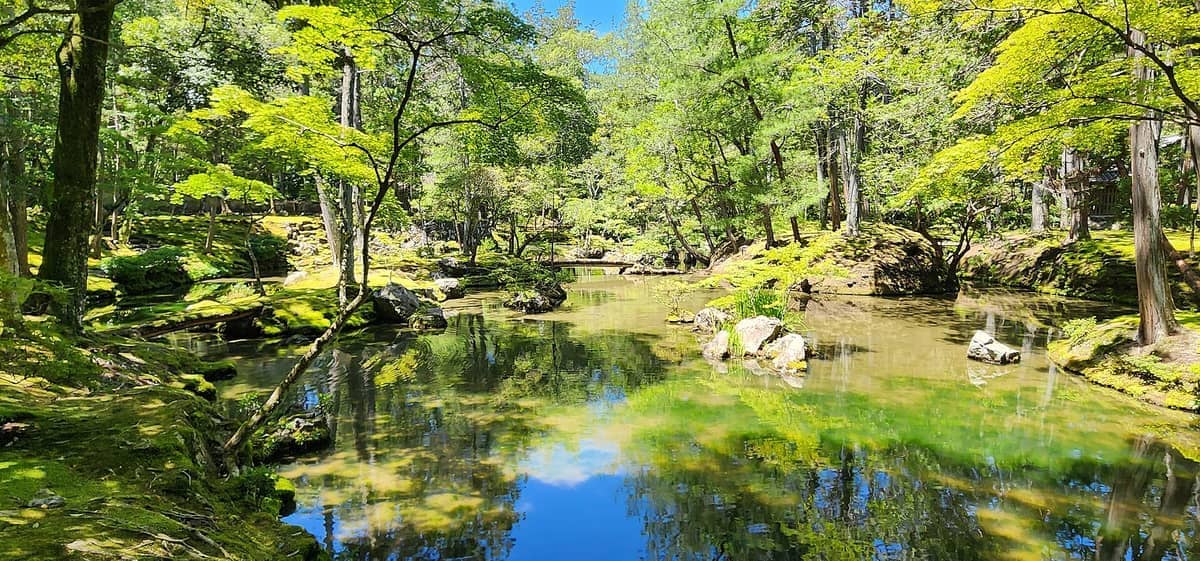
Kokedera, the common name for Saihoji Temple, translates simply as 'Moss Temple,' and for once a nickname tells you exactly what to expect. The temple garden is blanketed in about 120 species of moss, forming a dense, undulating green layer across the ground, over stones, up tree roots, and along the edges of a central pond. On overcast days the color deepens to something almost unreal. On sunny mornings after rain, the whole garden seems to glow from the ground up.
The temple is a Rinzai Zen Buddhist site with roots traditionally attributed to the monk Gyoki in the 8th century, though the garden as it exists today was designed by the influential Zen master Muso Soseki in the 14th century during the Muromachi period. Soseki was the most celebrated garden designer of his era, and Saihoji is considered one of his masterworks. The garden is now registered as a UNESCO World Heritage Site as part of the Historic Monuments of Ancient Kyoto designation.
What separates Kokedera from every other major garden in Kyoto is not just the moss itself but the way access is controlled. You cannot walk in off the street. Every visitor must book in advance and participate in a short sutra-copying ritual (shakyo) before entering the garden, which keeps the atmosphere genuinely contemplative rather than crowded. If you are planning a broader itinerary around the area, theArashiyama neighborhood guide covers the full range of what is nearby.
⚠️ What to skip
Reservations are mandatory and must be made in advance through the official Saihoji booking system. Same-day walk-ins are not accepted. Book as early as possible, especially for visits during spring (April-May) and autumn (October-November).
The Reservation System: How It Works Before You Arrive
There are two ways to reserve. The traditional method is to send a self-addressed, stamped reply postcard to the temple, which returns your confirmed entry time. The current fee for this method is 3,000 yen per person. The more practical option for international visitors is the online booking system through the Nichi-nichi Sanpai portal at into Saihoji, which carries an admission fee of 4,000 yen per person plus a 110 yen system fee. Both amounts are treated as a temple offering (osaisen) rather than a standard admission charge, and exact figures should be confirmed when you book, as they can change.
Entry times have followed a pattern of 10:00 for July through September visits and 13:00 for October through June, though the temple adjusts its calendar regularly. Always confirm your specific entry slot on the official reservation page. Visitors must be at least 13 years old. Visitors using wheelchairs are also not admitted, as the paths through the garden are narrow, uneven, and can be extremely slippery when wet.
The garden is generally open outside its winter closure period, which typically runs from mid-January to February. If you are planning a Kyoto winter trip, factor this into your calendar.
Tickets & tours
Hand-picked options from our booking partner. Prices are indicative; availability and final rates are confirmed when you complete your booking.
Kyoto Coast, Amanohashidate and Ine Bay 1-Day Trip from Osaka or Kyoto
From 46 €Instant confirmationFree cancellationKyoto Sanzen-in, Arashiyama and Bamboo Grove Full Day Tour
From 47 €Instant confirmationFree cancellationKyoto Arashiyama insider walking tour
From 66 €Instant confirmationFree cancellationMatcha green tea tour in Kyoto's Uji Market
From 130 €Instant confirmationFree cancellation
The Shakyo Ceremony: What Happens When You Arrive
When you present at the temple gate at your reserved time, you are directed first to the main hall rather than straight into the garden. Here, alongside the other visitors in your session, you sit at a low desk and receive a sheet of thin paper printed with sutra text. The ritual of shakyo, or sutra copying, involves tracing the characters with a brush and ink. You do not need to know Japanese or have any calligraphic skill. The act itself is the point.
The session typically lasts around 30 to 40 minutes. It is conducted in relative silence, with only the sound of brushes and occasional birdsong from outside. For many visitors, particularly those who arrive at Kokedera expecting a standard sightseeing experience, this transition into stillness before the garden is unexpected and genuinely affecting. Your completed sheet is left at the temple as an offering, and then you are free to move through the garden at your own pace.
💡 Local tip
Do not rush the sutra-copying session to get to the garden faster. The ritual genuinely shifts your pace and attention, which makes the garden feel more impactful when you enter it. Treat it as part of the experience, not a formality to get through.
Inside the Moss Garden: What You See and Feel
The garden is laid out in two tiers. The lower portion centers on a large, winding pond, its surface reflecting the canopy above and the mossy banks around it. Stone islands, lanterns, and the outlines of structures that no longer stand are all embedded in the green. The upper portion climbs a hillside through a dry stone garden, a style attributed to Muso Soseki.
The moss itself is the detail that holds your attention longest. Up close it is not a single surface but dozens of micro-textures layered on each other, from flat cushion moss to feathery clumps growing over exposed roots. After rain or in humid conditions, the entire garden produces a faint, earthy smell, cool and damp without being unpleasant. In summer, the shade under the tree canopy keeps the garden several degrees cooler than the streets outside.
Morning light filters differently here than at most Kyoto gardens. Because the trees are dense and the canopy high, direct sunlight rarely reaches the ground. The garden looks best on overcast or lightly cloudy days, when the lack of harsh shadows allows the full range of greens to read clearly. Bright midday sun actually flattens the effect. If you have a choice of days, prioritize a day with soft light.
Because visitor numbers are capped by the reservation system, you will rarely feel crowded inside the garden. Groups naturally spread out along the pond path, and there are stretches where you can stand in near-silence. This is rare in Kyoto. For context on how other major gardens in the city compare in terms of experience and access, see thebest gardens in Kyoto guide.
How Kokedera Changes by Season
The moss garden has no bad season, but it is not identical throughout the year. In spring, fresh growth on the surrounding maples creates a layered effect of new green on old green, and the garden feels particularly alive. Autumn is visually dramatic when maple leaves turn red and orange above the permanent green carpet below, a combination that is both striking and genuinely strange. Winter visits (when the garden is open) are quieter and the colors more muted, but the moss remains lush and the garden has a stillness that is harder to find in other months.
Summer visits between July and September are the most physically demanding. Kyoto's basin geography traps heat and humidity, and temperatures can exceed 32 degrees Celsius with high moisture. The garden's shade provides some relief, but you should carry water and wear light, breathable clothing. The temple's summer entry time of 10:00 means you arrive before the worst of the afternoon heat.
For visitors planning their timing around broader Kyoto seasonal events, thebest time to visit Kyotoguide breaks down the tradeoffs between crowds, weather, and seasonal highlights across the year.
Getting There: Directions and Practical Transport
Kokedera sits in Nishikyo-ku, in the western part of Kyoto, at the edge of the hills that rise beyond the main Arashiyama tourist area. Allow at least 20 to 25 minutes of travel from Togetsukyo Bridge.
The most direct public transport option is Kyoto Bus route 73 or 83 from Kyoto Station, alighting at the Kokedera Suzumushidera stop, which is a 3 minute walk from the temple gate. Journey time from Kyoto Station is approximately 50 to 60 minutes depending on traffic. Alternatively, from Matsuo-Taisha Station on the Hankyu Arashiyama Line, the walk to the temple is roughly 20 minutes, passing through quiet residential streets.
A taxi from Kyoto Station takes approximately 30 minutes and costs around 4,000 yen. If you plan to combine Kokedera with other Arashiyama sights in a single day, a taxi or hired car for the western stretch saves significant time.
ℹ️ Good to know
Kokedera is most logically combined with nearby sites like Tenryu-ji, the bamboo grove, or the Hozu River area on the same day. However, given the mandatory morning or early-afternoon ceremony time, structure your day so Kokedera comes first and other sites follow, rather than rushing back from elsewhere.
Photography, Practicalities, and Who Might Want to Skip This
Photography is permitted throughout the garden, and the main visual challenge is exposure rather than access. The contrast between bright sky glimpsed through the canopy and the dark, shaded ground can fool automatic metering. Use exposure compensation to protect the greens in the foreground. A wide or standard lens works better here than a telephoto; the garden's appeal is in the overall texture and layering rather than in isolated details.
Wear shoes with grip. The stone paths around the pond can be extremely slippery even in dry weather, because moss grows onto the path surfaces themselves. Flat-soled shoes or sandals are a genuine risk. This is also why wheelchair access is not possible, and why visitors with significant mobility limitations should consider whether the terrain suits them before booking.
Kokedera is not the right choice for travelers who are short on time, allergic to mandatory rituals, or primarily interested in comparing many temple gardens in a single day. It demands a block of time, a reservation made days or weeks in advance, and a willingness to engage with the ceremony component. Travelers who want to move quickly through multiple sites would findTenryu-ji or Ryoan-jimore practical options. Kokedera rewards patience and deliberate planning, and it delivers a quality of experience that is genuinely difficult to find anywhere else in Kyoto.
Insider Tips
- Book as far in advance as possible, ideally two to four weeks ahead. The reservation calendar fills quickly for weekend dates in April, May, October, and November. Weekday slots in shoulder months are easier to secure.
- The garden looks best in the hour after light rain. If your visit falls on a dry day, the moss is still impressive but the colors are slightly less saturated. Bring a light rain jacket regardless, since the tree canopy does not fully shelter the paths.
- Arrive five to ten minutes before your reserved entry time. Latecomers may be turned away or miss the beginning of the shakyo ceremony, which affects the overall flow of your visit.
- Combine Kokedera with a visit to Suzumushidera, the small temple immediately adjacent, which shares the same bus stop. The two sites make a coherent pairing without requiring a long transit.
- The postcard reservation method (traditional letter application) takes longer to organize for international visitors but may be a useful alternative to online booking. The online system at into Saihoji is easier for most travelers and confirms immediately.
Who Is Kokedera (Saihoji Moss Temple) For?
- Travelers who plan carefully and want a garden experience that is genuinely uncrowded and contemplative
- Photography enthusiasts focused on macro texture, green tones, and reflective water surfaces
- Anyone with an interest in Zen Buddhist aesthetics or Muromachi-period garden design
- Couples seeking a slow, atmospheric morning that feels completely separate from the main Kyoto tourist circuit
- Return visitors to Kyoto who feel they have already covered the main temples and want something more considered
Nearby Attractions
Other things to see while in Arashiyama:
- Arashiyama Bamboo Grove
The Arashiyama Bamboo Grove is one of Kyoto's most photographed spots, a 400-meter corridor of towering Moso bamboo in the Sagano district. Free to enter at any hour, it rewards early risers with near-solitude and punishes late arrivals with wall-to-wall crowds. Here is what to know before you go.
- Arashiyama Monkey Park Iwatayama
Arashiyama Monkey Park Iwatayama puts you face-to-face with free-roaming Japanese macaques on a forested hillside above the Katsura River. Reach the summit after a 20-minute uphill hike and you get two things at once: snow monkeys living on their own terms, and one of the broadest open views over Kyoto's western basin.
- Hozu River Boat Ride
The Hozu River Boat Ride carries passengers 16 kilometres downstream from Kameoka through a narrow forested gorge, ending in Arashiyama. It's one of the few ways to see this stretch of Kyoto's western mountains from water level, on traditional wooden craft steered by experienced boatmen.
- Sagano Scenic Railway (Romantic Train)
The Sagano Scenic Railway, known informally as the Sagano Romantic Train, carries passengers through 7.3 km of forested gorge along the Hozu River between Arashiyama and Kameoka. It is one of the few ways to see this stretch of river valley at a slow enough pace to actually take it in.