Best Japanese Gardens in Kyoto: Moss, Stone, and Borrowed Scenery
Kyoto holds more extraordinary Japanese gardens per square kilometer than anywhere else on earth. This guide covers the finest examples across every style, from dry rock gardens to imperial stroll gardens, with practical advice on access, timing, and what makes each one worth the visit.
Plan and book this trip
Tools from our partner Travelpayouts help you compare flights and hotels. If you book through them, we may earn a commission at no extra cost to you.
Flights
Hotels map
Japanese garden design reached its highest expression in Kyoto, shaped by over a millennium of Buddhist temples, imperial taste, and Zen philosophy. Whether you have one afternoon or a full week, the city rewards those who slow down and look closely. For first-timers planning their route, theKyoto first-timer guidehelps you fit gardens into a broader itinerary. Gardens here range from free public parks to exclusive imperial villas requiring advance booking months ahead. The gardens below represent the full spectrum, organized by style and character so you can choose the experiences that suit you best.
💡 Local tip
Gardens like Katsura Imperial Villa and Shugakuin Imperial Villa require advance reservation through the Imperial Household Agency. Book online at least a few weeks ahead, especially for spring and autumn visits.
Zen Rock & Dry Landscape Gardens
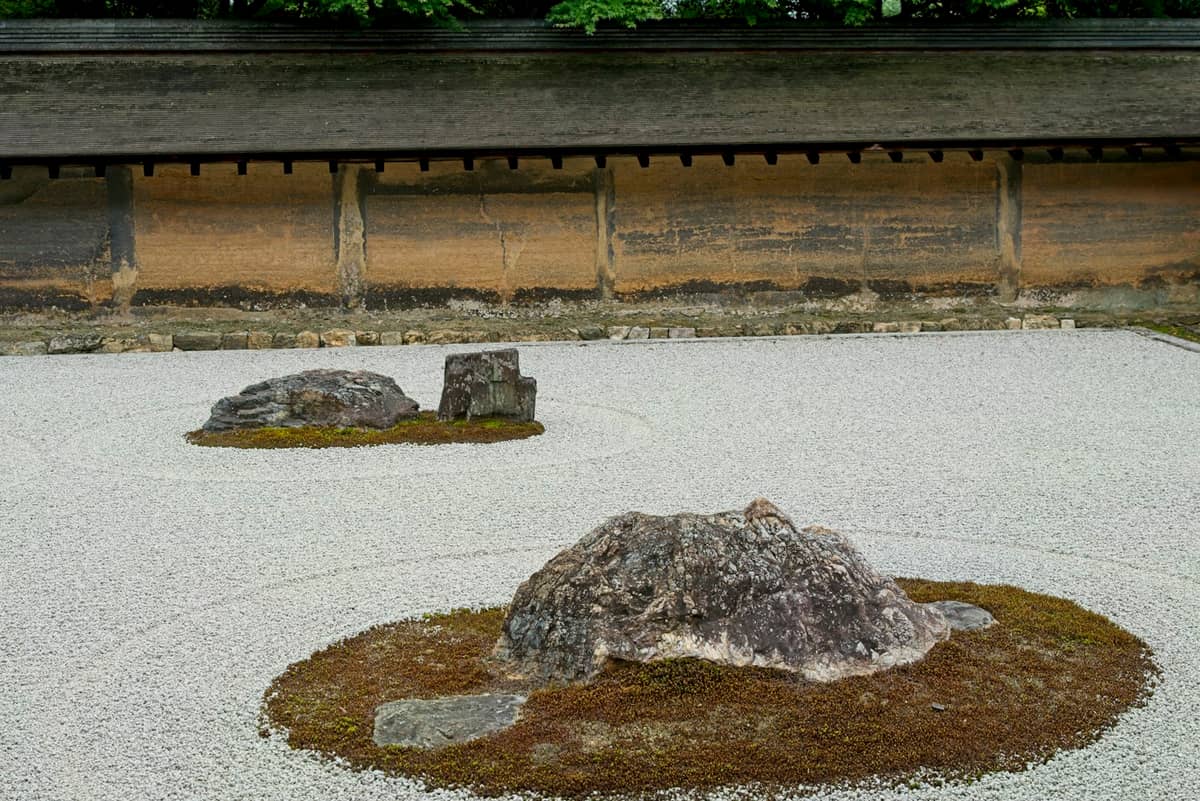
Karesansui, or dry landscape gardens, are Kyoto's most intellectually distinctive contribution to garden design. Using only stone, raked gravel, and occasionally moss, these gardens distill entire landscapes into small, contemplative compositions. The greatest examples are concentrated in theNishijin and northwest Kyotoarea, within easy reach of each other for a focused half-day.
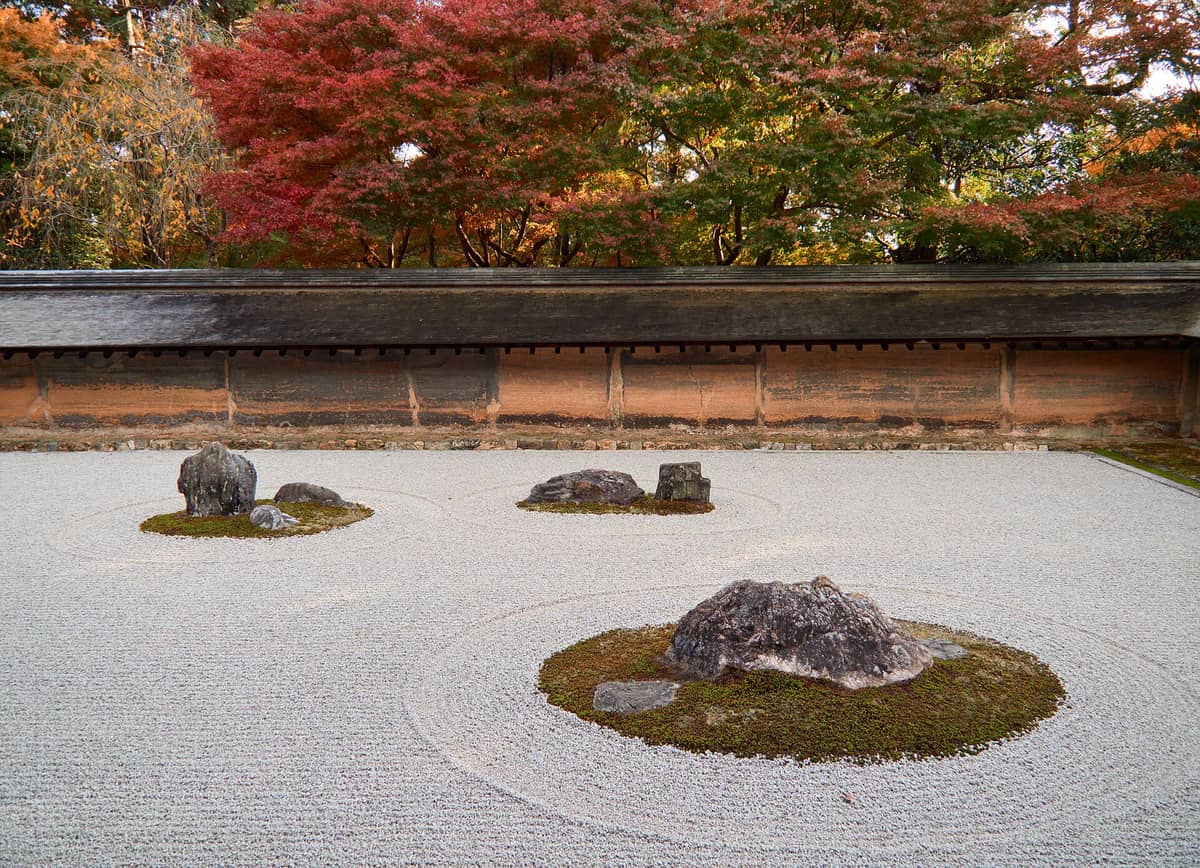
1. Contemplate Japan's Most Famous Rock Garden at Ryoan-ji
Fifteen stones in raked white gravel whose arrangement defies easy interpretation — you can never see all 15 from any single viewpoint. Arrive when the temple opens at 8am to sit in near-silence on the wooden viewing platform and actually think.
Explore1. Contemplate Japan's Most Famous Rock Garden at Ryoan-ji
Fifteen stones in raked white gravel whose arrangement defies easy interpretation — you can never see all 15 from any single viewpoint. Arrive when the temple opens at 8am to sit in near-silence on the wooden viewing platform and actually think.
Explore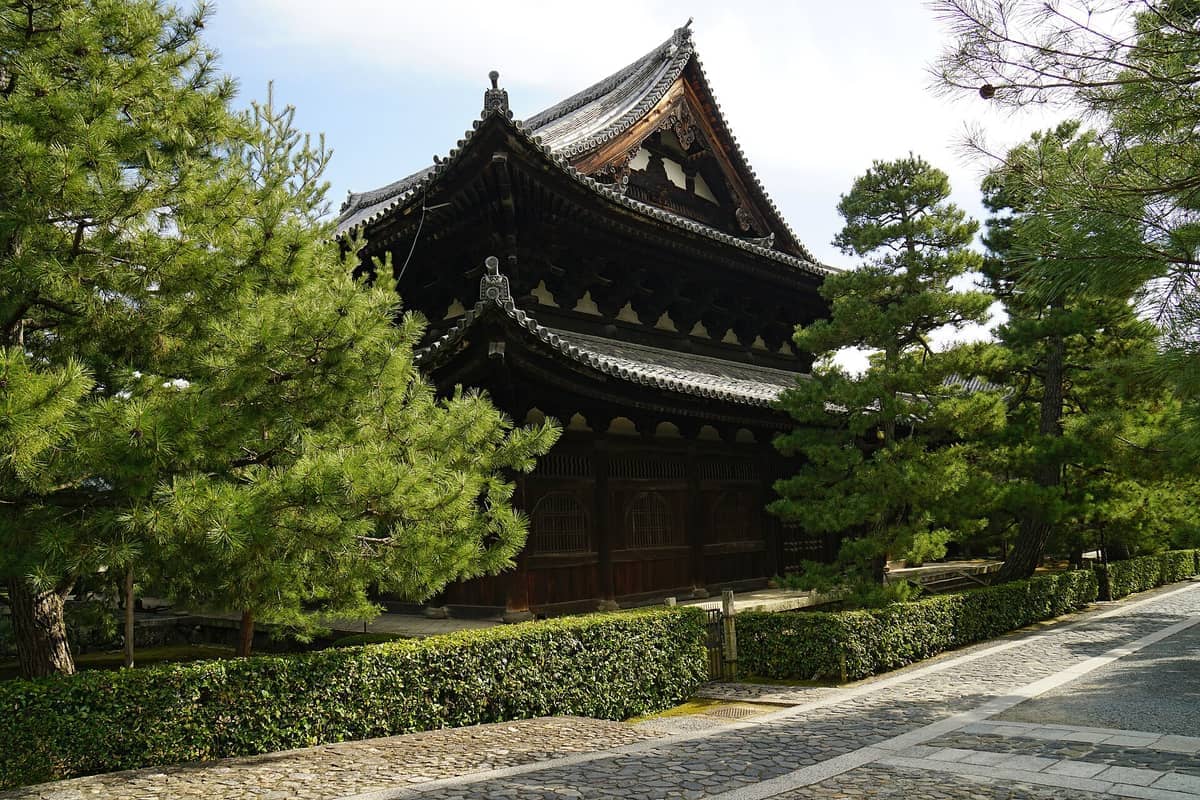
2. Explore Multiple Dry Gardens in One Complex at Daitoku-ji
Twenty-two sub-temples, several with rock gardens rivaling Ryoan-ji in artistry but shared with far fewer visitors. Daisen-in and Zuiho-in sub-temples are reliably open; each garden has a distinct personality worth comparing side by side.
Explore2. Explore Multiple Dry Gardens in One Complex at Daitoku-ji
Twenty-two sub-temples, several with rock gardens rivaling Ryoan-ji in artistry but shared with far fewer visitors. Daisen-in and Zuiho-in sub-temples are reliably open; each garden has a distinct personality worth comparing side by side.
Explore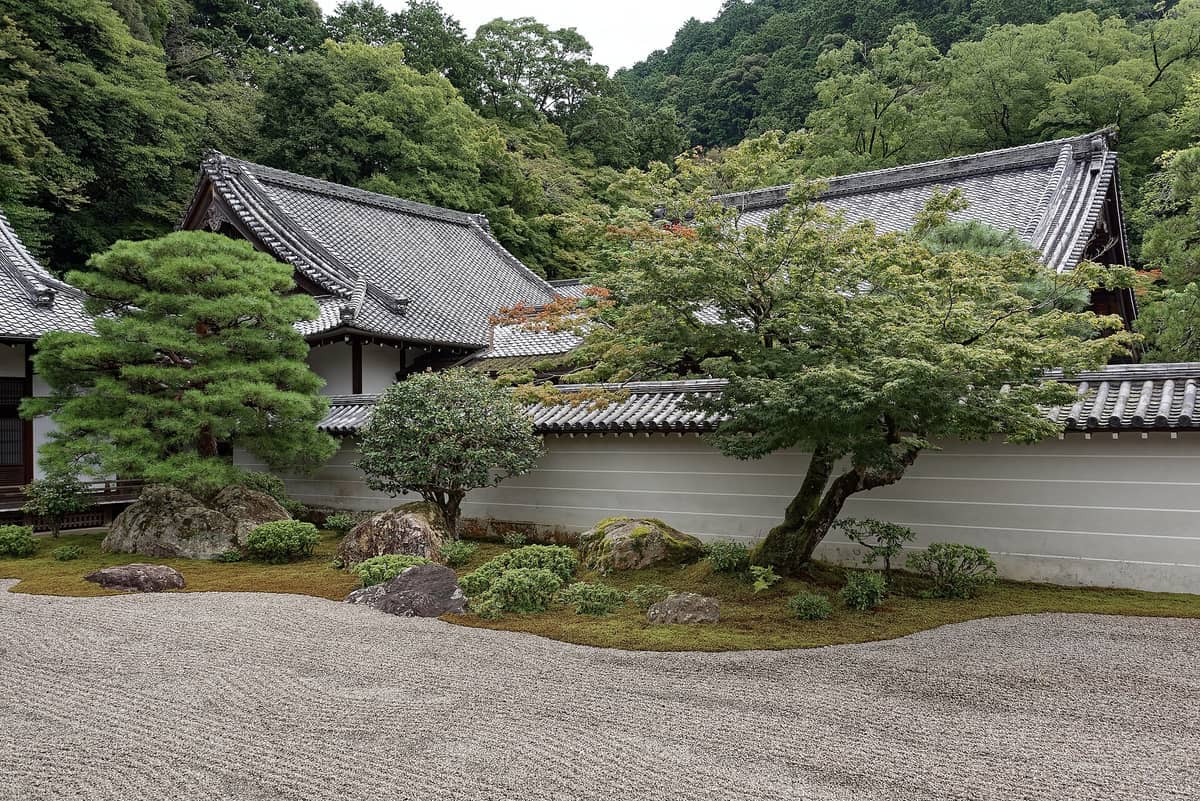
3. Find Exquisite Sub-Temple Gardens at Nanzen-ji
Nanzen-ji's grounds are free, but the real garden treasures are in paid sub-temples like Nanzen-in and Tenjuan, each with refined moss and stone compositions. The unexpected brick aqueduct cutting through the complex adds a fascinating contrast to the classical setting.
Explore3. Find Exquisite Sub-Temple Gardens at Nanzen-ji
Nanzen-ji's grounds are free, but the real garden treasures are in paid sub-temples like Nanzen-in and Tenjuan, each with refined moss and stone compositions. The unexpected brick aqueduct cutting through the complex adds a fascinating contrast to the classical setting.
ExploreMoss & Stroll Gardens
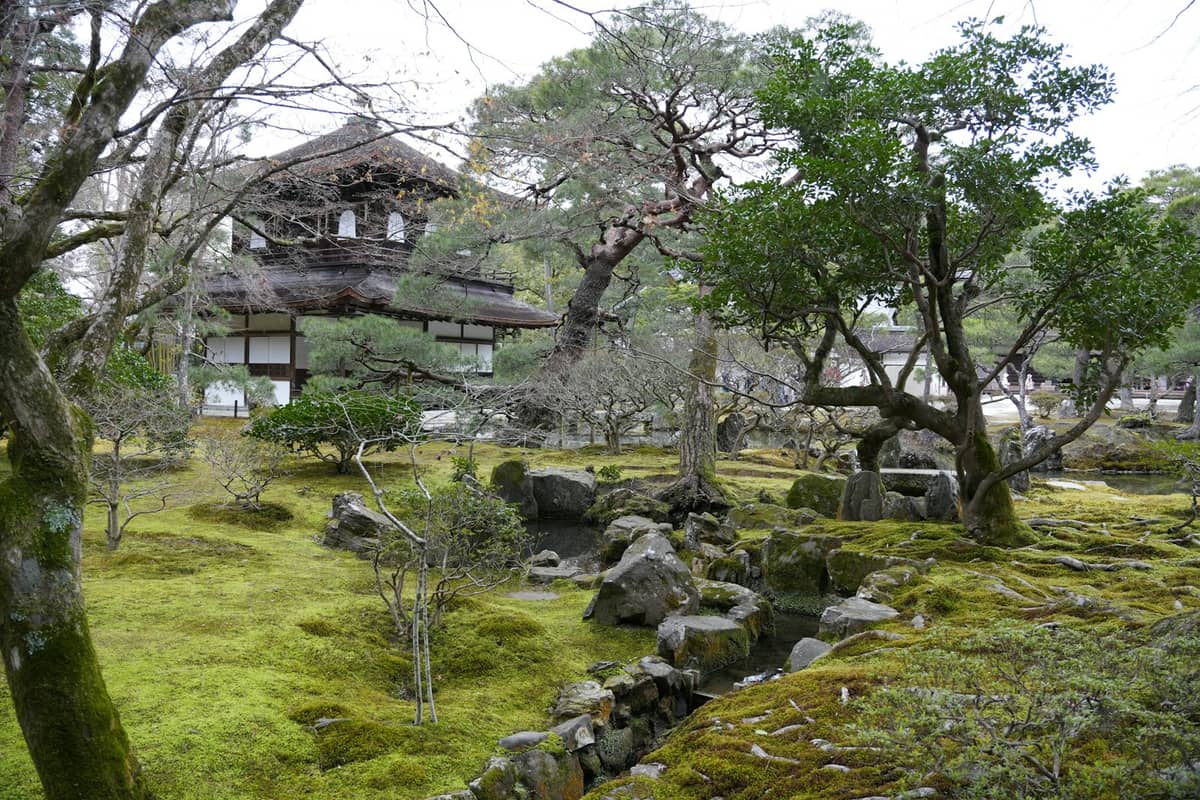
Stroll gardens are designed to reveal different compositions as you walk a prescribed path around a central pond. Moss gardens take this sensory immersion further, carpeting the ground in dozens of varieties that shift color with rain and season. Many of these are inArashiyama and the western hills, areas well covered in the Kyoto autumn foliage guide for visitors timing their trip around peak color.
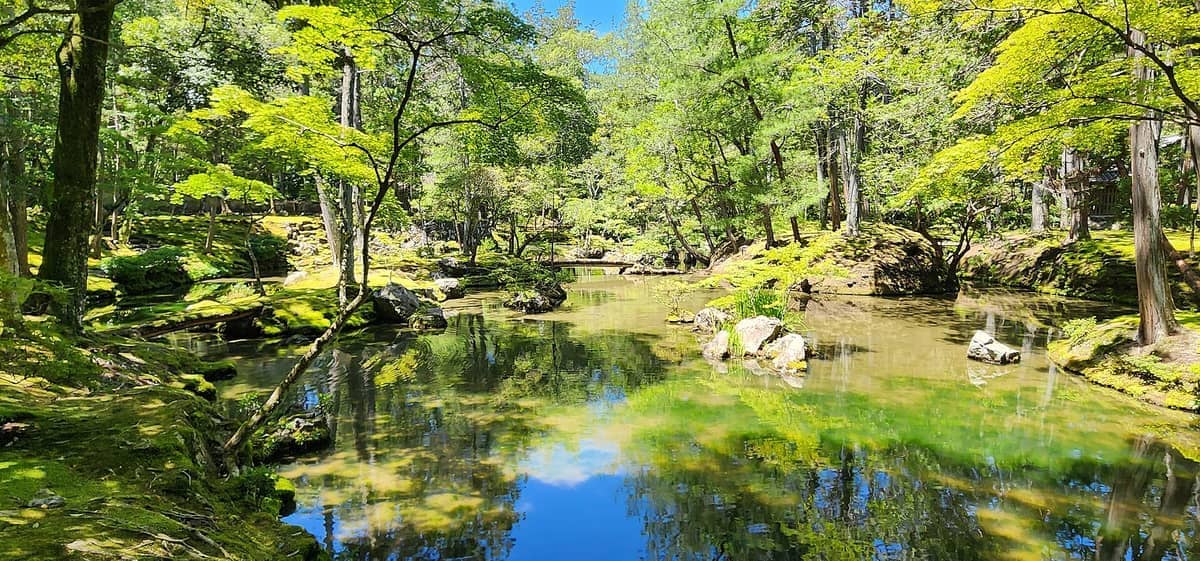
4. Walk Through 120 Varieties of Moss at Kokedera (Saihoji)
The garden that defines the moss aesthetic in Japan. Advance reservation is mandatory and involves a sutra-copying ritual before entry, which keeps crowds tiny. The ethereal green carpet is most vivid after rain, and autumn morning visits are especially atmospheric.
Explore4. Walk Through 120 Varieties of Moss at Kokedera (Saihoji)
The garden that defines the moss aesthetic in Japan. Advance reservation is mandatory and involves a sutra-copying ritual before entry, which keeps crowds tiny. The ethereal green carpet is most vivid after rain, and autumn morning visits are especially atmospheric.
Explore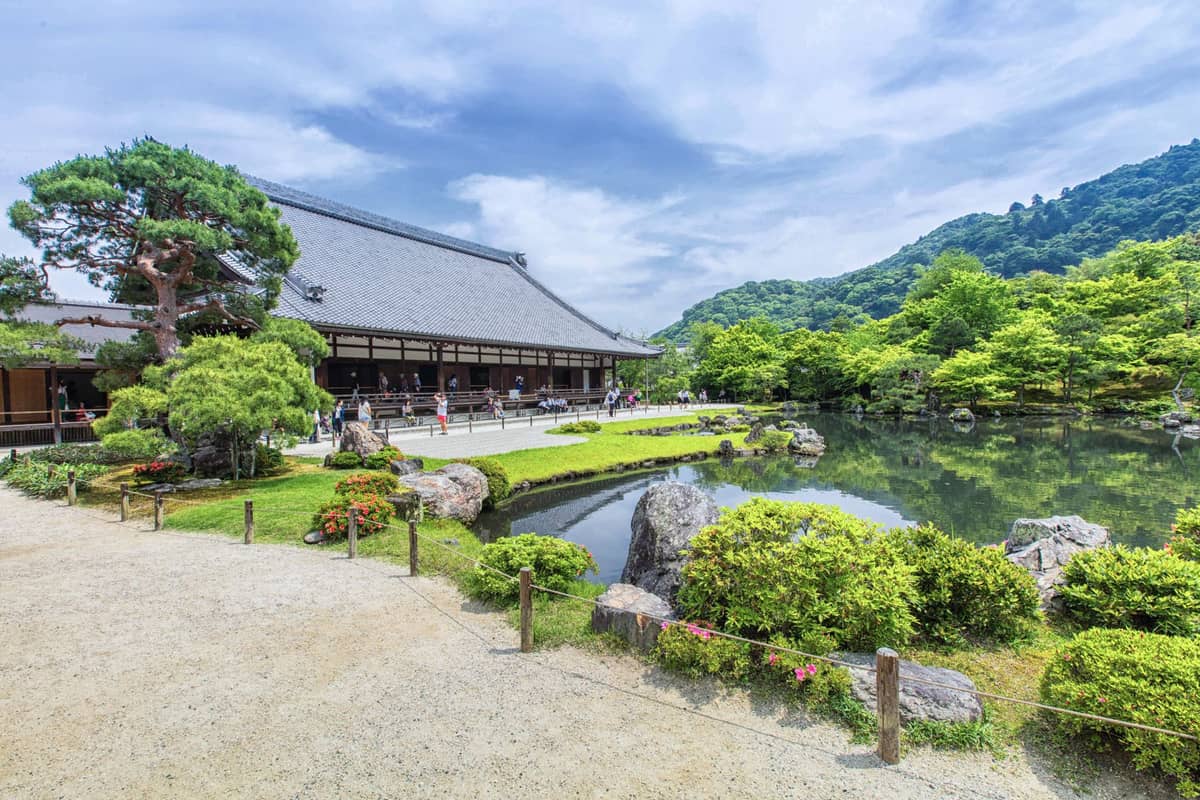
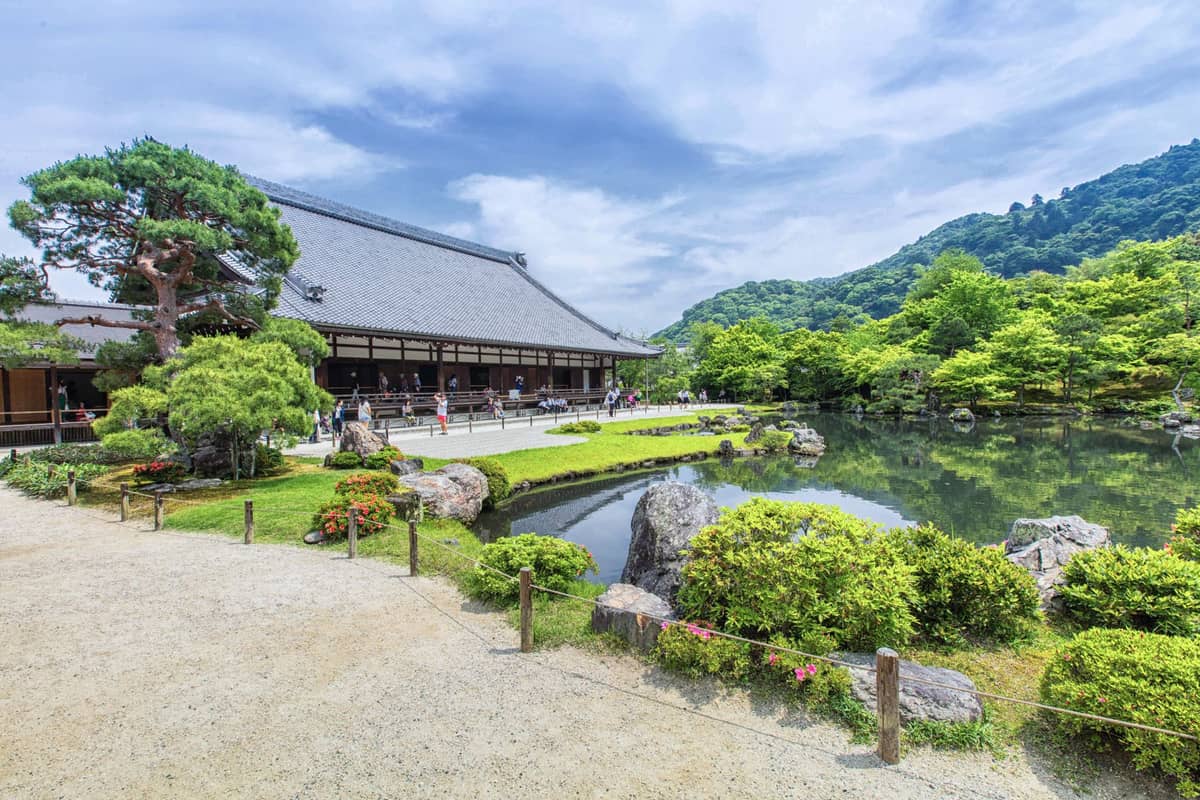
5. See Borrowed Scenery Perfected at Tenryu-ji's 14th-Century Garden
Musō Soseki's pond garden frames the Arashiyama hills as its backdrop, a technique called shakkei that makes the mountains feel like part of the composition. The garden survived centuries of fires that destroyed the main hall repeatedly. Budget 45 minutes minimum.
Explore5. See Borrowed Scenery Perfected at Tenryu-ji's 14th-Century Garden
Musō Soseki's pond garden frames the Arashiyama hills as its backdrop, a technique called shakkei that makes the mountains feel like part of the composition. The garden survived centuries of fires that destroyed the main hall repeatedly. Budget 45 minutes minimum.
Explore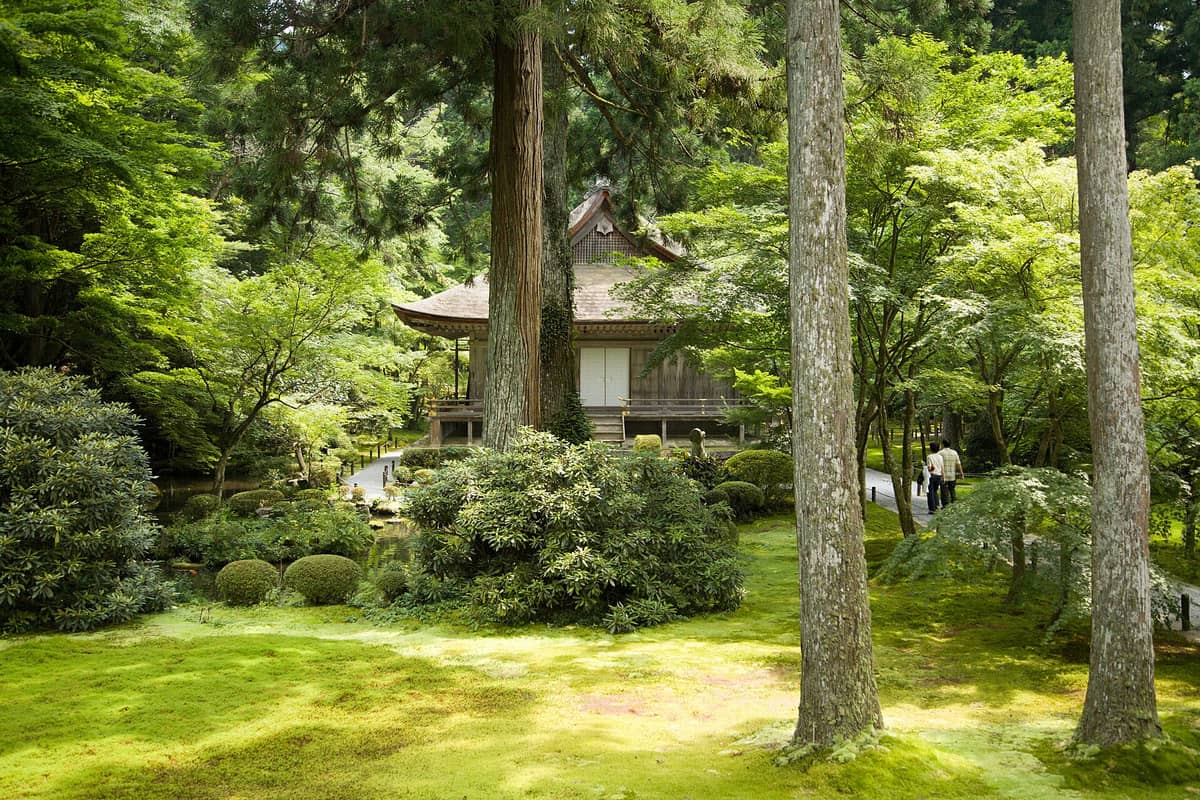
6. Discover Stone Jizo Among Ancient Moss at Sanzen-in in Ohara
Ohara's most beloved temple garden rewards the 40-minute bus ride north with a moss floor studded with small stone jizo figures, their faces softened by centuries of weather. Combine with a walk through Ohara's quiet lanes for a full half-day away from central Kyoto.
Explore6. Discover Stone Jizo Among Ancient Moss at Sanzen-in in Ohara
Ohara's most beloved temple garden rewards the 40-minute bus ride north with a moss floor studded with small stone jizo figures, their faces softened by centuries of weather. Combine with a walk through Ohara's quiet lanes for a full half-day away from central Kyoto.
ExploreImperial & Historic Stroll Gardens
Kyoto's imperial gardens represent a different tradition from Zen austerity: refinement, abundance, and seasonal spectacle, built for contemplative strolls by aristocrats and shoguns. The two great villas require reservations, but theKyoto Gyoenin central Kyoto offers a free alternative that most visitors overlook entirely.
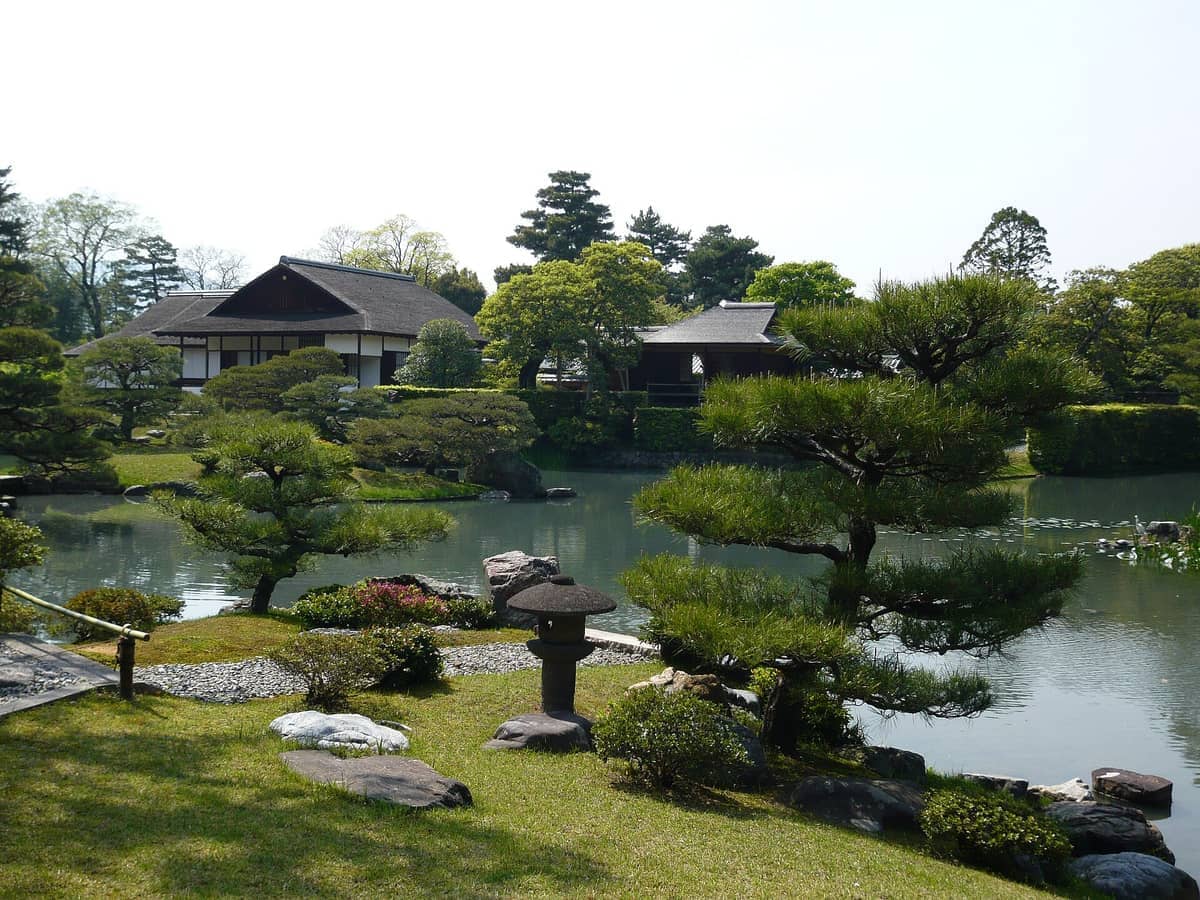
7. Experience the Pinnacle of Japanese Garden Design at Katsura Villa
Reserved for centuries, Katsura's stroll garden is the benchmark against which all Japanese gardens are measured. Book through the Imperial Household Agency website well in advance. Guided tours in English are available and make the subtle details comprehensible.
Explore7. Experience the Pinnacle of Japanese Garden Design at Katsura Villa
Reserved for centuries, Katsura's stroll garden is the benchmark against which all Japanese gardens are measured. Book through the Imperial Household Agency website well in advance. Guided tours in English are available and make the subtle details comprehensible.
Explore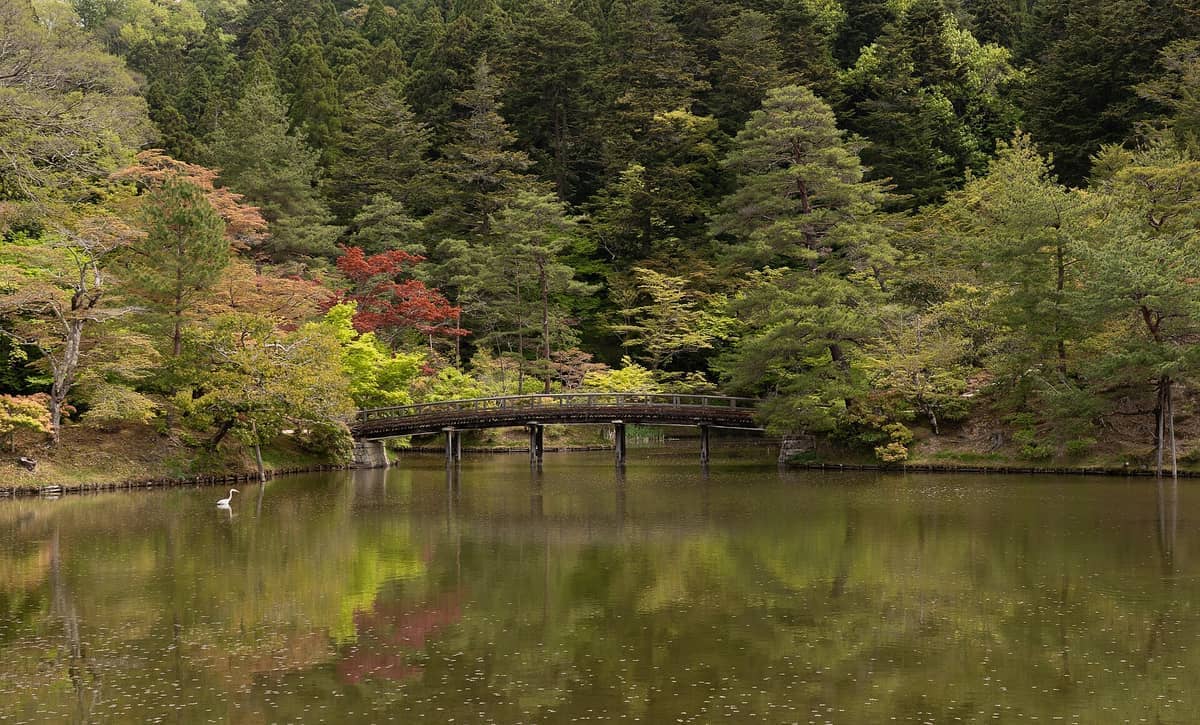
8. Take in Panoramic Borrowed Scenery at Shugakuin Imperial Villa
Three terraced garden levels climb the slopes of Mount Hiei, culminating in a high viewpoint over a large pond and Kyoto beyond. The scale is unlike any other garden in the city. Reservation required; English-language tours are available on select dates.
Explore8. Take in Panoramic Borrowed Scenery at Shugakuin Imperial Villa
Three terraced garden levels climb the slopes of Mount Hiei, culminating in a high viewpoint over a large pond and Kyoto beyond. The scale is unlike any other garden in the city. Reservation required; English-language tours are available on select dates.
Explore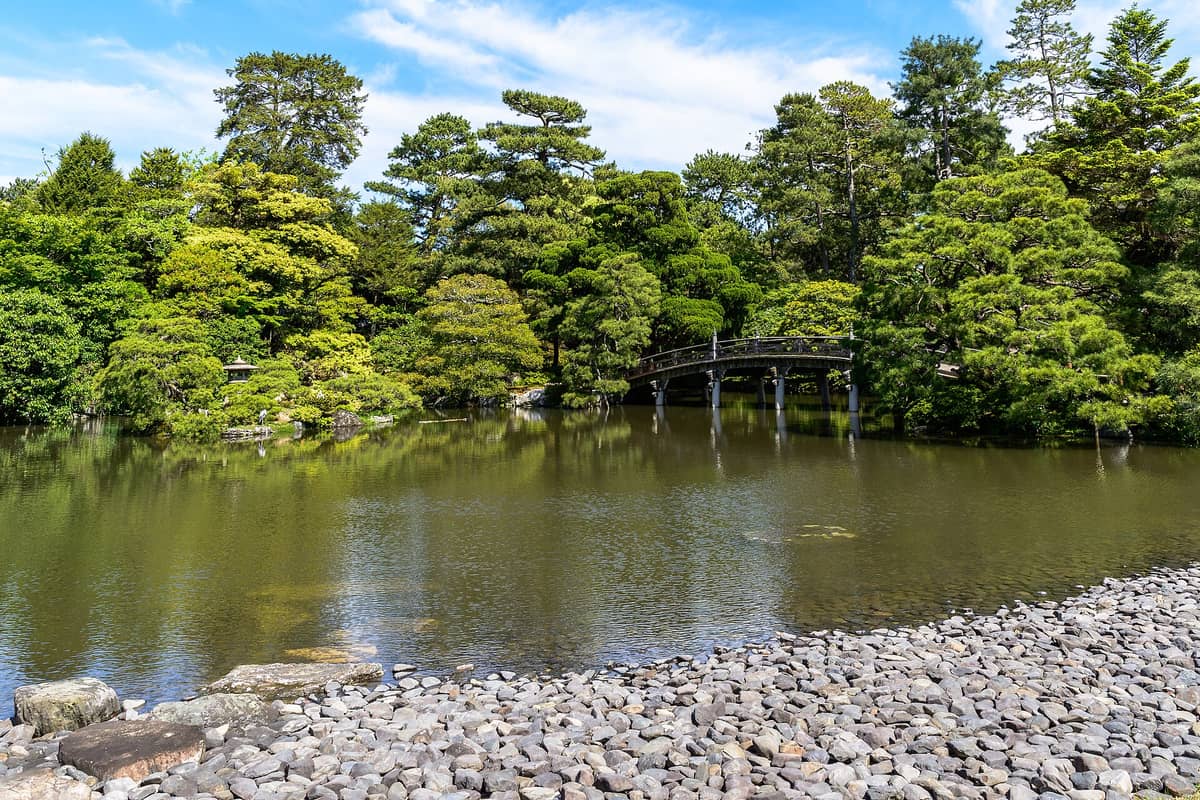
9. Stroll Freely Through the Imperial Palace Grounds at Kyoto Gyoen
Free, open all year, and covering 65 hectares in central Kyoto, the Gyoen is the city's most underused garden. Ancient camphor and plum trees, cherry-lined paths, and a genuine feeling of being inside old Kyoto without any admission queue or time pressure.
Explore9. Stroll Freely Through the Imperial Palace Grounds at Kyoto Gyoen
Free, open all year, and covering 65 hectares in central Kyoto, the Gyoen is the city's most underused garden. Ancient camphor and plum trees, cherry-lined paths, and a genuine feeling of being inside old Kyoto without any admission queue or time pressure.
Explore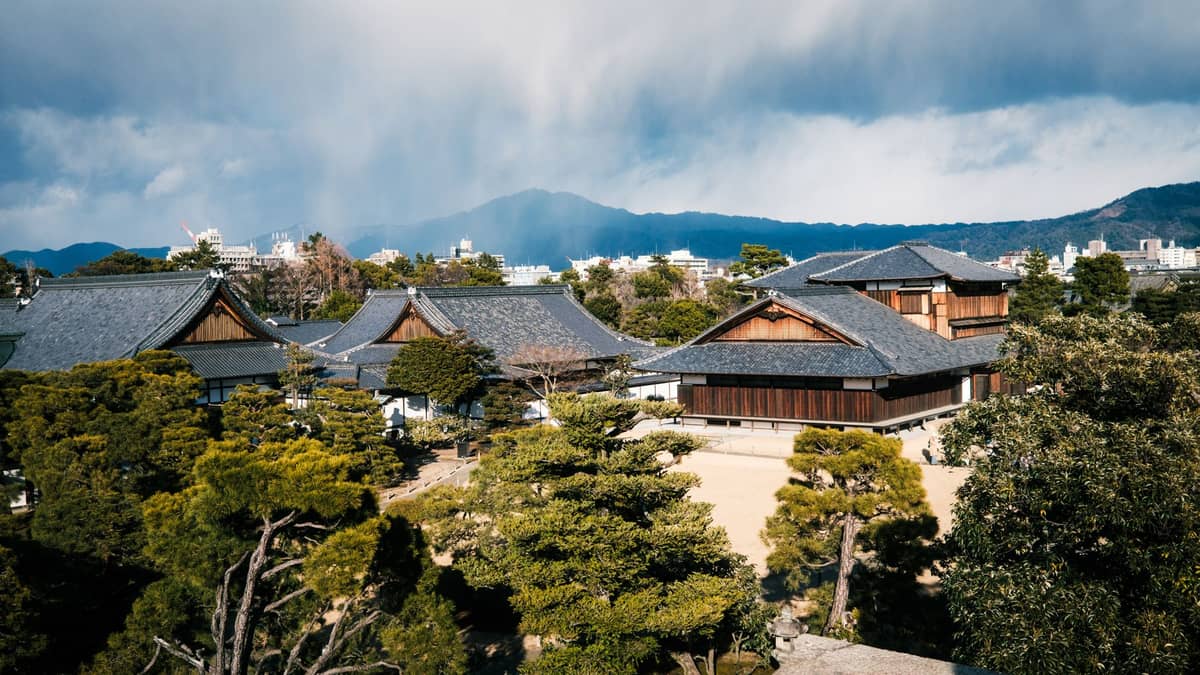
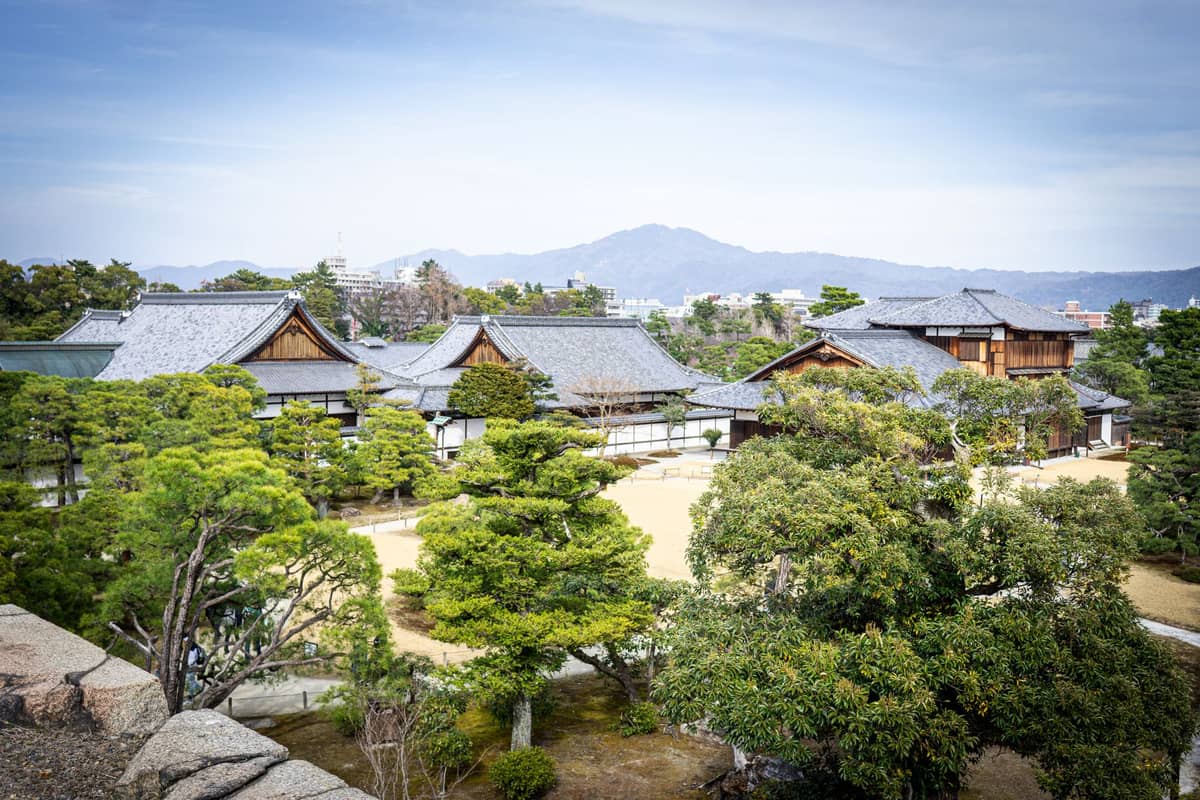
10. Walk the Ornamental Gardens of a Shogun's Fortress at Nijo Castle
Nijo Castle's inner garden, built for Tokugawa Iemitsu's 1626 imperial visit, uses pine trees, rocks, and a central pond to project power through refinement. The garden is included in castle admission and pairs naturally with the famous nightingale-floor interiors.
Explore10. Walk the Ornamental Gardens of a Shogun's Fortress at Nijo Castle
Nijo Castle's inner garden, built for Tokugawa Iemitsu's 1626 imperial visit, uses pine trees, rocks, and a central pond to project power through refinement. The garden is included in castle admission and pairs naturally with the famous nightingale-floor interiors.
ExploreTemple Gardens Worth Seeking Out
Beyond the headline sites, several temple gardens in Kyoto deliver outstanding experiences with notably smaller crowds. These reward visitors who are willing to look beyond the standard itinerary. For a deeper dive into temple culture before visiting, thebest temples in Kyoto guide provides useful context on architecture and etiquette.
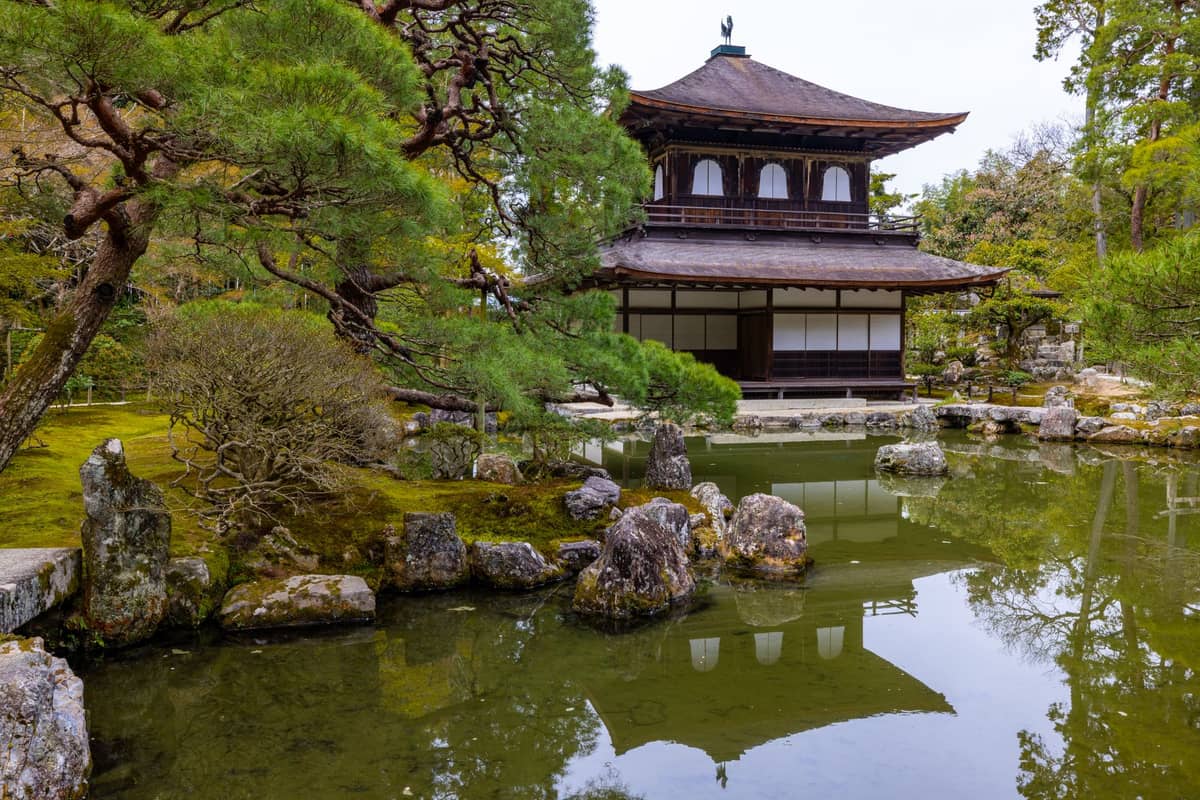
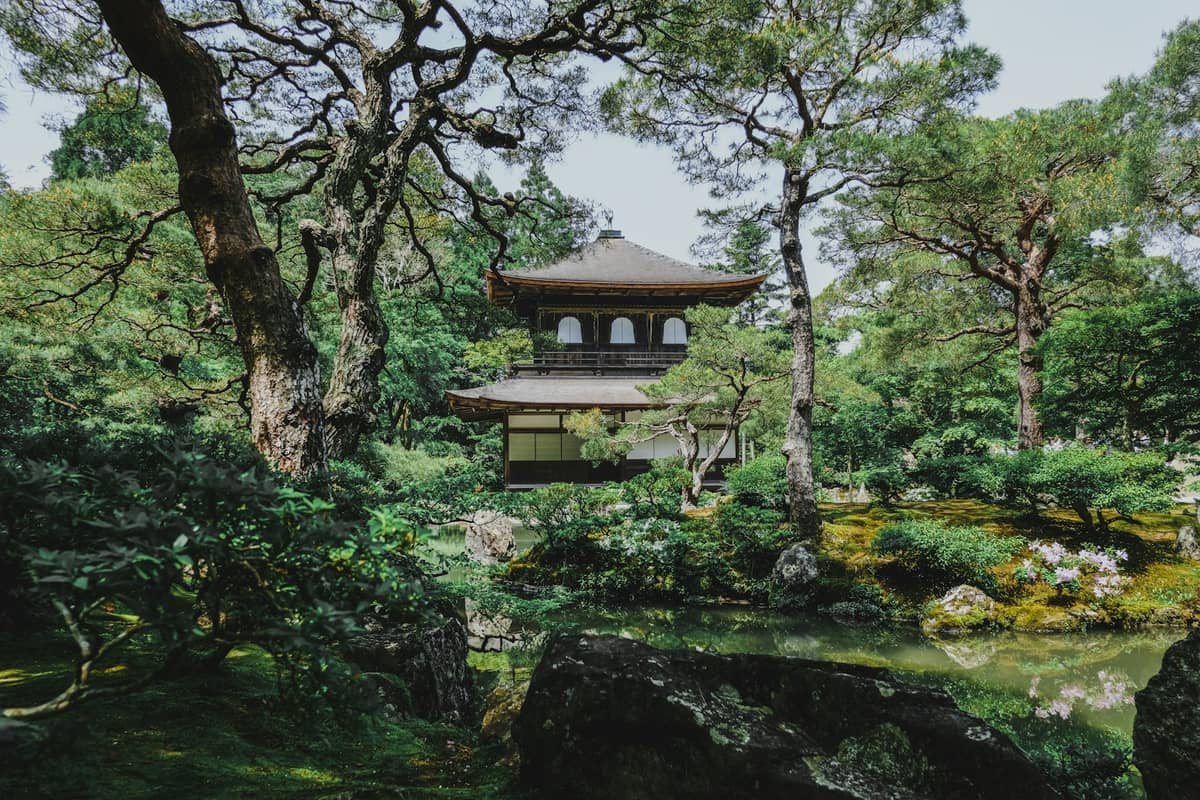
11. Study the Sea of Silver Sand and Moss Garden at Ginkaku-ji
Despite never receiving its intended silver coating, the Silver Pavilion's garden is among Kyoto's most refined. The Kogetsudai sand cone and raked Sea of Silver Sand are best observed in early morning light before tour groups arrive. Allow 45 minutes to circle the full hillside path.
Explore11. Study the Sea of Silver Sand and Moss Garden at Ginkaku-ji
Despite never receiving its intended silver coating, the Silver Pavilion's garden is among Kyoto's most refined. The Kogetsudai sand cone and raked Sea of Silver Sand are best observed in early morning light before tour groups arrive. Allow 45 minutes to circle the full hillside path.
Explore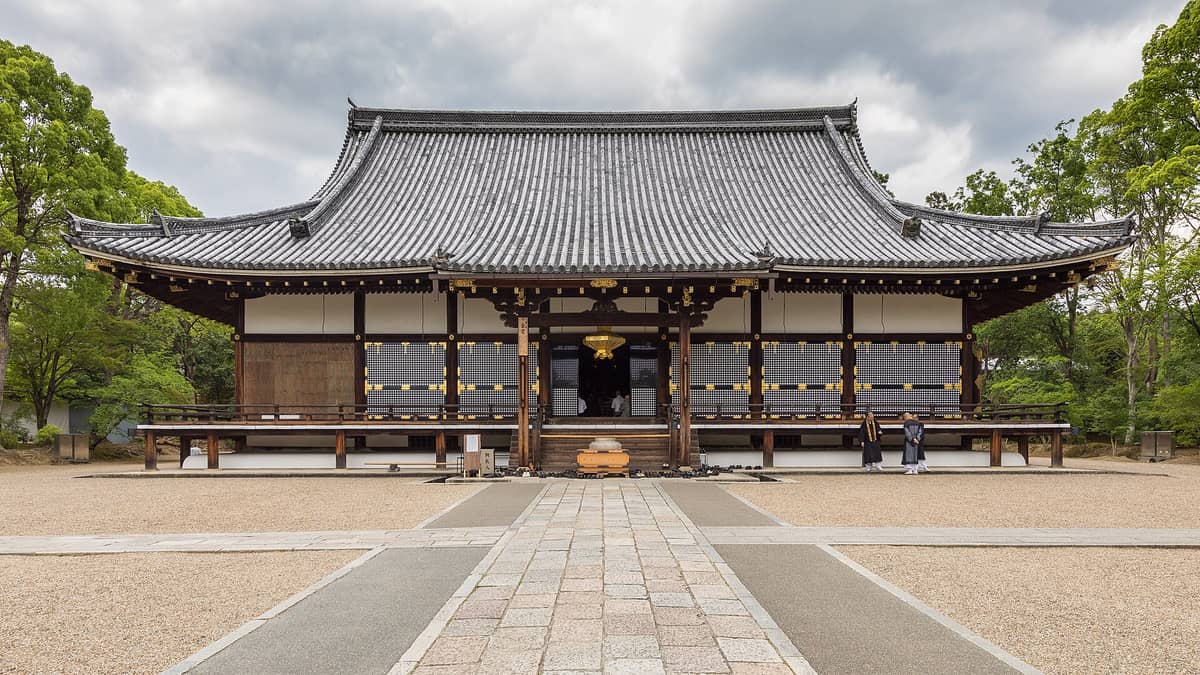
12. Admire Late-Blooming Cherry Trees in Ninna-ji's Garden
Ninna-ji's short Omuro cherry trees bloom one to two weeks after the city's main sakura peak, offering a second chance at blossom viewing. The imperial temple garden and five-story pagoda backdrop make this one of Kyoto's most photographed spring scenes.
Explore12. Admire Late-Blooming Cherry Trees in Ninna-ji's Garden
Ninna-ji's short Omuro cherry trees bloom one to two weeks after the city's main sakura peak, offering a second chance at blossom viewing. The imperial temple garden and five-story pagoda backdrop make this one of Kyoto's most photographed spring scenes.
Explore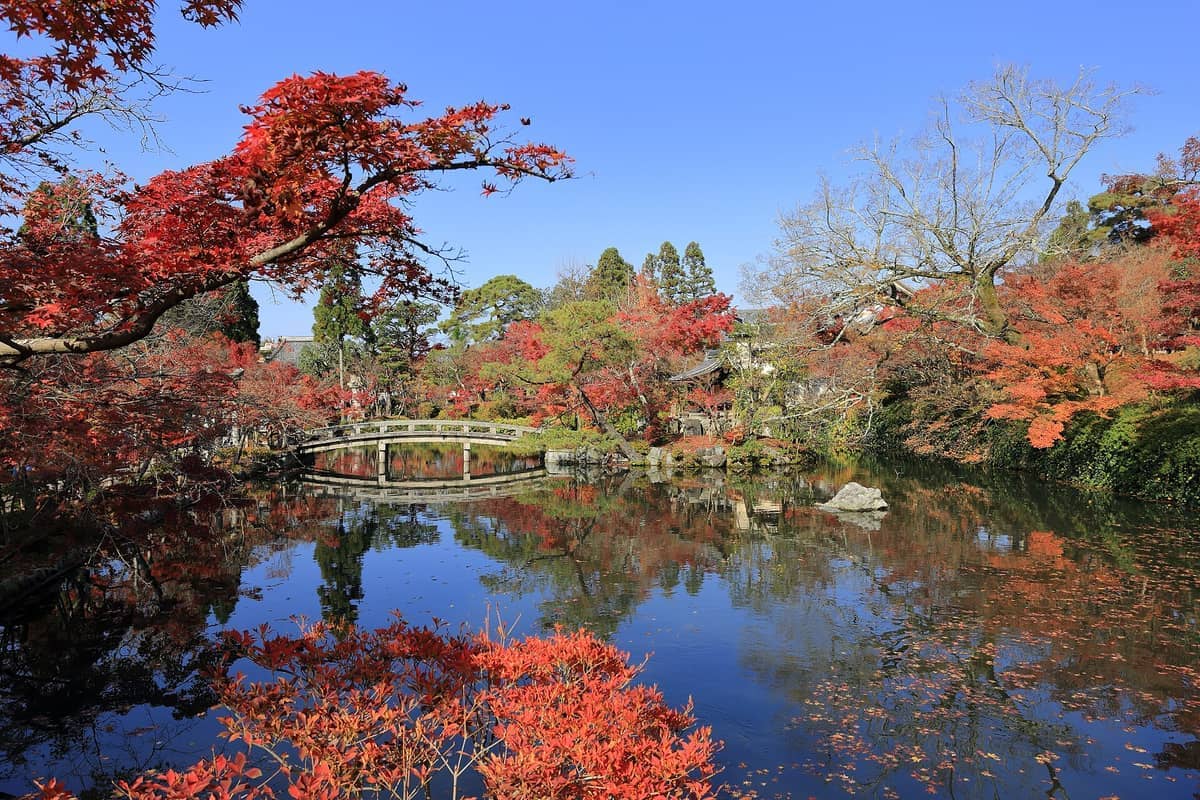
13. See Maple Trees Reflected in Eikan-do's Autumn Pond
Eikan-do's central pond garden, surrounded by maples that turn deep crimson in November, is among Kyoto's finest autumn foliage settings. The multi-level corridors connecting different garden levels offer shifting perspectives across the hillside. Evening illumination tickets sell out fast.
Explore13. See Maple Trees Reflected in Eikan-do's Autumn Pond
Eikan-do's central pond garden, surrounded by maples that turn deep crimson in November, is among Kyoto's finest autumn foliage settings. The multi-level corridors connecting different garden levels offer shifting perspectives across the hillside. Evening illumination tickets sell out fast.
Explore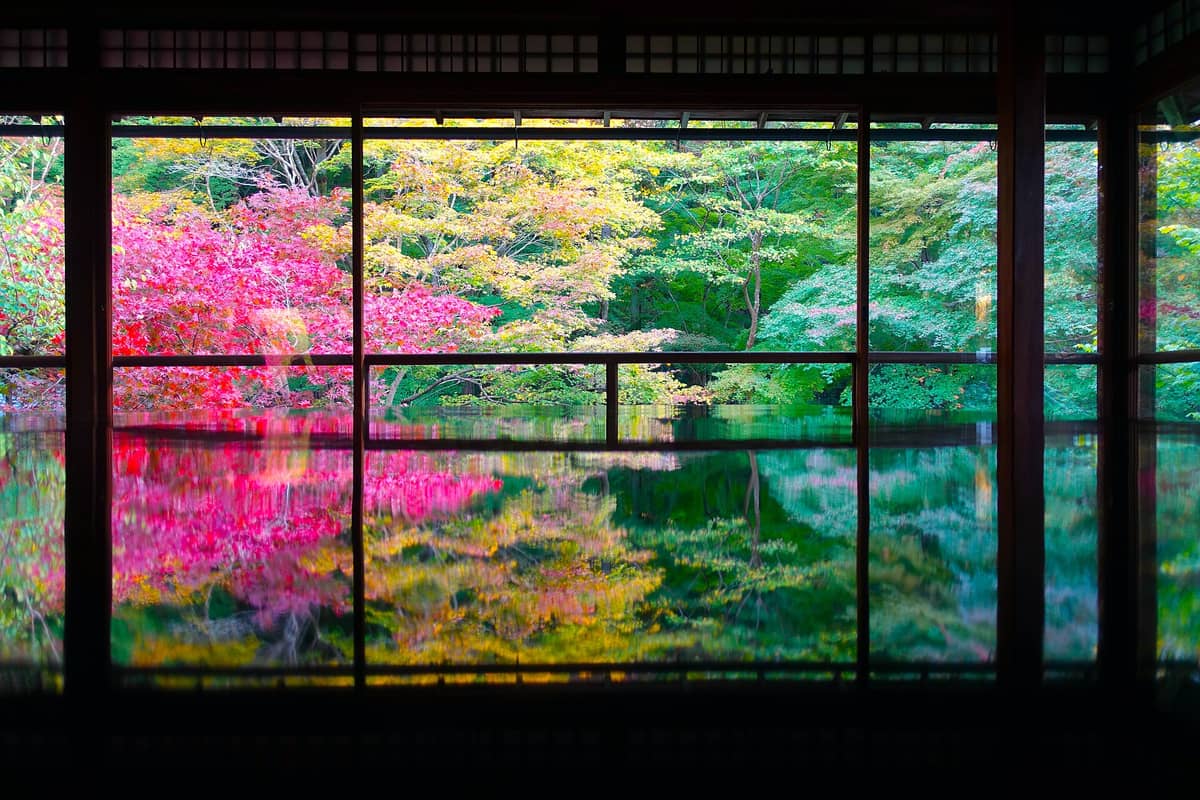
14. Photograph Maple Reflections in a Polished Desk at Rurikoin
This private temple opens only during cherry blossom and autumn seasons. Its famous image, crimson maple leaves mirrored in a lacquered writing desk beside a low window, is one of Kyoto's most iconic seasonal photographs. Queues form early; arrive at opening time.
Explore14. Photograph Maple Reflections in a Polished Desk at Rurikoin
This private temple opens only during cherry blossom and autumn seasons. Its famous image, crimson maple leaves mirrored in a lacquered writing desk beside a low window, is one of Kyoto's most iconic seasonal photographs. Queues form early; arrive at opening time.
ExplorePublic Gardens & Natural Green Spaces
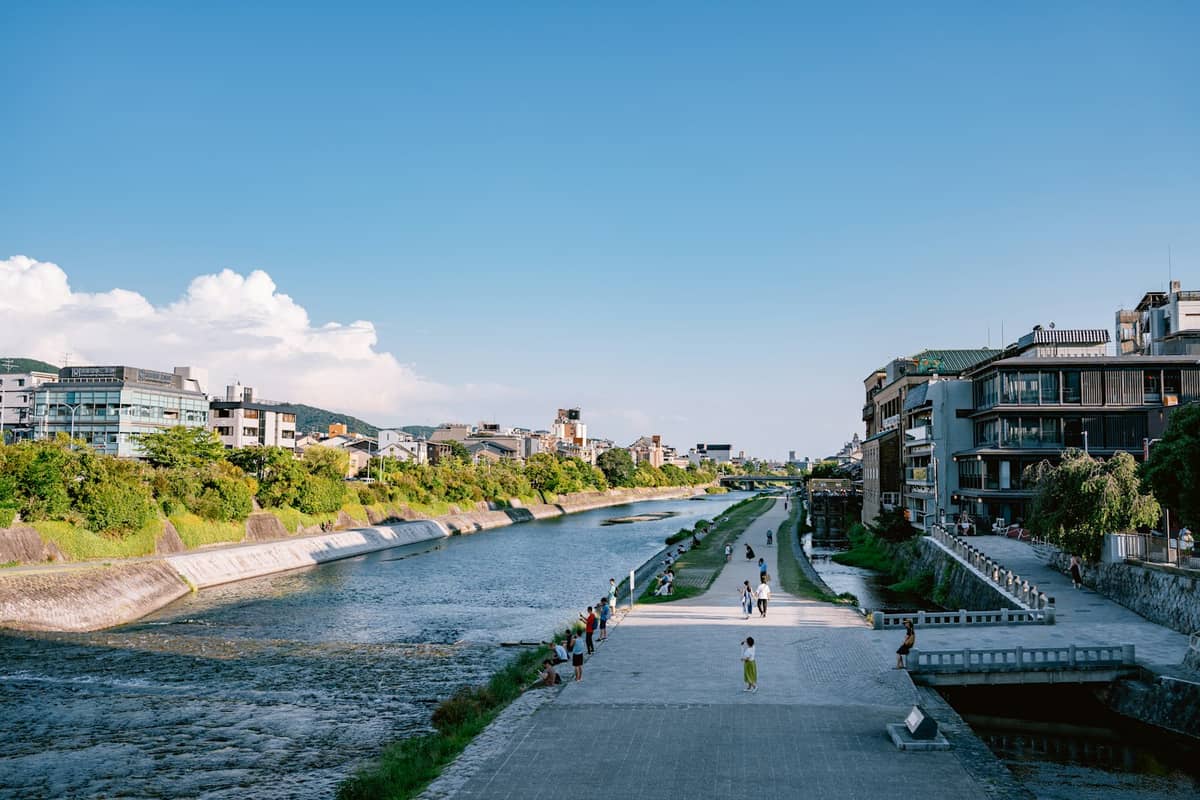
Not every great garden in Kyoto sits behind a temple gate. The city's public gardens and riverside greenery offer seasonal beauty that locals genuinely use and love. These are also among the best options covered in thefree things to do in Kyoto guide for travelers watching their budget.
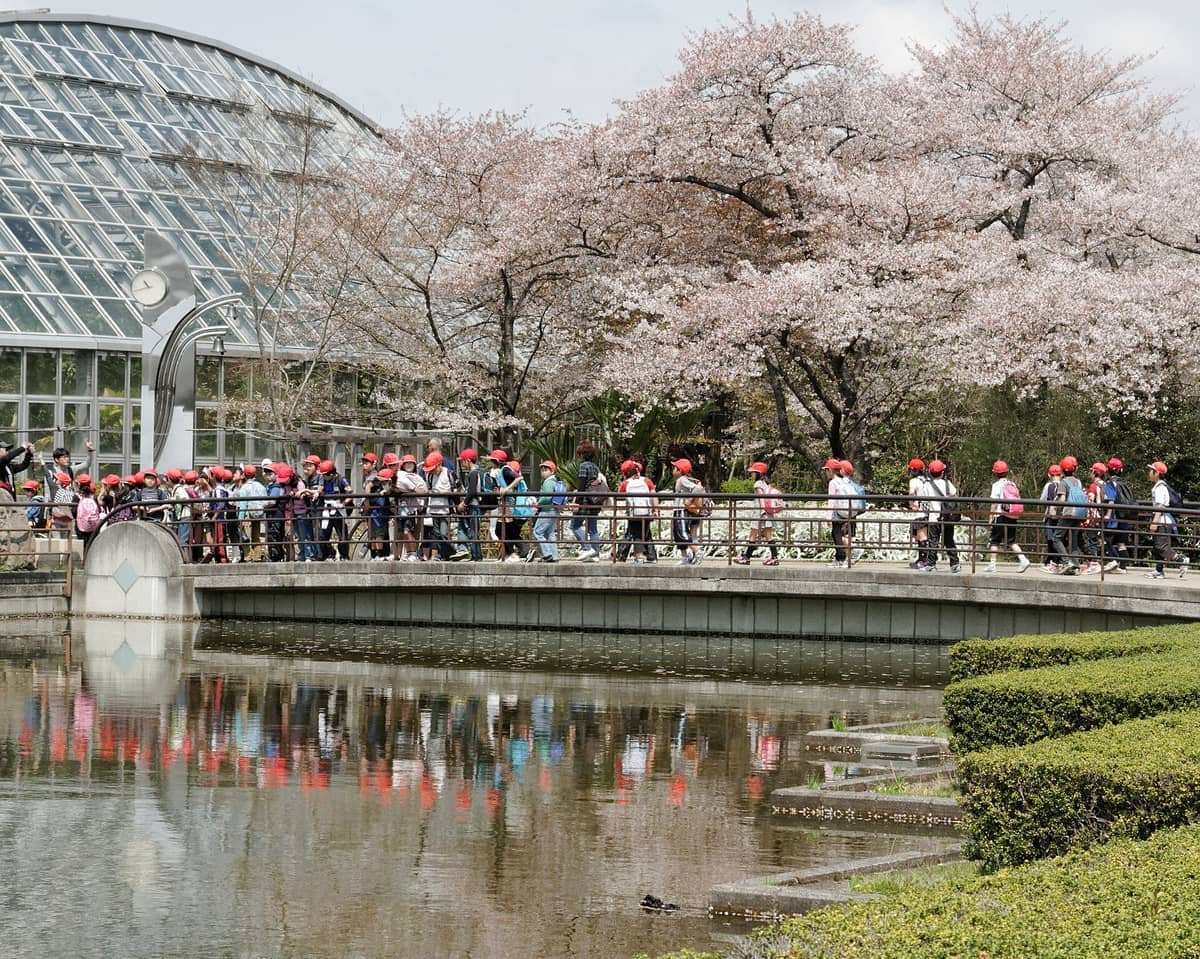
15. Explore 12,000 Plant Species at Kyoto Botanical Gardens
Japan's oldest public botanical garden covers 24 hectares with a cherry promenade, conservatory, and seasonal flower beds. Entry is ¥500 for adults; open 9am to 5pm with last admission at 4pm. Closed December 28 to January 4. Verify hours before visiting as they vary seasonally.
Explore15. Explore 12,000 Plant Species at Kyoto Botanical Gardens
Japan's oldest public botanical garden covers 24 hectares with a cherry promenade, conservatory, and seasonal flower beds. Entry is ¥500 for adults; open 9am to 5pm with last admission at 4pm. Closed December 28 to January 4. Verify hours before visiting as they vary seasonally.
Explore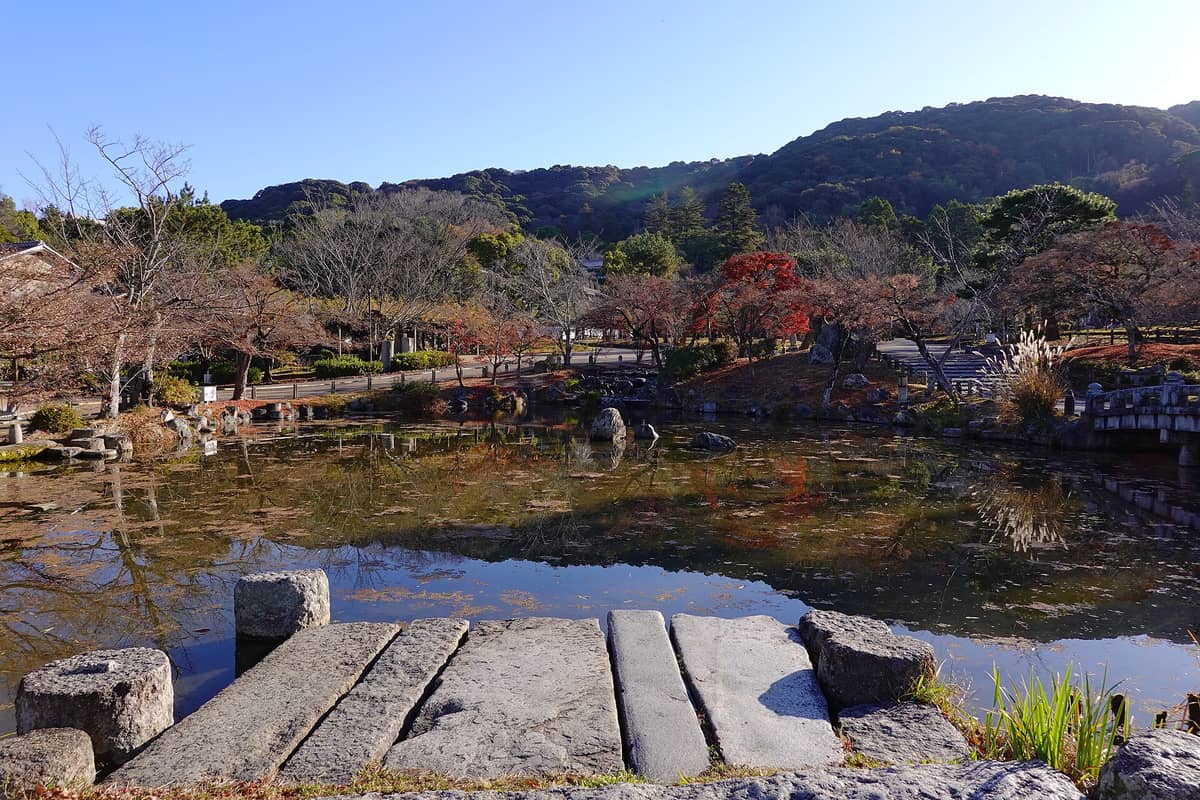
16. Gather Under the Great Weeping Cherry at Maruyama Park
Kyoto's most famous cherry tree — a massive weeping variety illuminated at night during hanami season — anchors this public park between Yasaka Shrine and the Higashiyama hills. Free to enter year-round; the park is lively in every season with local families and festival stalls.
Explore16. Gather Under the Great Weeping Cherry at Maruyama Park
Kyoto's most famous cherry tree — a massive weeping variety illuminated at night during hanami season — anchors this public park between Yasaka Shrine and the Higashiyama hills. Free to enter year-round; the park is lively in every season with local families and festival stalls.
Explore✨ Pro tip
Combine Nanzen-ji, the Philosopher's Path, Ginkaku-ji, and Eikan-do in a single half-day walk. This 3km route through the northeastern hills is Kyoto's finest garden-hopping itinerary and is especially rewarding in spring and autumn.
FAQ
Which Japanese garden in Kyoto requires advance booking?
Katsura Imperial Villa and Shugakuin Imperial Villa both require advance reservation through the Imperial Household Agency website. Kokedera (Saihoji Moss Temple) also requires a reservation, made directly through the temple. Book at least several weeks ahead for spring and autumn dates.
What is the best time of year to visit Kyoto's gardens?
Spring (late March to early May) and autumn (mid-October to late November) offer the most dramatic seasonal displays. Cherry blossoms peak in late March to early April, while autumn foliage peaks in mid-to-late November. Both periods are busy; arrive early at popular gardens to avoid crowds.
Are any of Kyoto's best gardens free to enter?
Yes. Kyoto Gyoen National Garden is free and open at all times. The grounds of Nanzen-ji and Shimogamo Shrine are free to enter, though some sub-temples and inner halls charge admission. Maruyama Park is also free year-round.
How long should I budget for visiting Kyoto's gardens?
Smaller rock gardens like Ryoan-ji take about 30 to 45 minutes. Larger stroll gardens such as Tenryu-ji, Ginkaku-ji, and the Botanical Gardens need 1 to 1.5 hours each. Imperial villas like Katsura and Shugakuin are guided tours of around 60 to 70 minutes. Don't rush; these spaces are designed for contemplation.
Can I see Japanese gardens in Kyoto in winter?
Yes, and winter is underrated. Snow-dusted moss and rock gardens create compositions the original designers would have valued. Crowds are significantly thinner, and the mood at gardens like Ryoan-ji and Daitoku-ji is genuinely meditative. Check individual opening hours as a few gardens reduce winter hours.