Rurikō-in Temple: Kyoto's Most Photographed Reflection (And Why Timing Everything)
Rurikō-in Temple in Yase opens its gates only twice a year, during spring and autumn, to reveal floors so polished they mirror the surrounding maple trees. The result is one of the most quietly dramatic rooms in all of Kyoto, though the crowds that gather to photograph it are anything but quiet.
Quick Facts
- Location
- 55 Kamitakano Higashiyama, Sakyo-ku, Kyoto
- Getting There
- Yase-Hieizanguchi Station (Eizan Electric Railway), 5-minute walk
- Time Needed
- 45–90 minutes
- Cost
- ¥2,000 adults; ¥1,000 students and disability certificate holders; children (elementary and under) free
- Best for
- Autumn foliage photography, quiet temple gardens, solo contemplative visits
- Official website
- rurikoin.komyoji.com
What Rurikō-in Actually Is
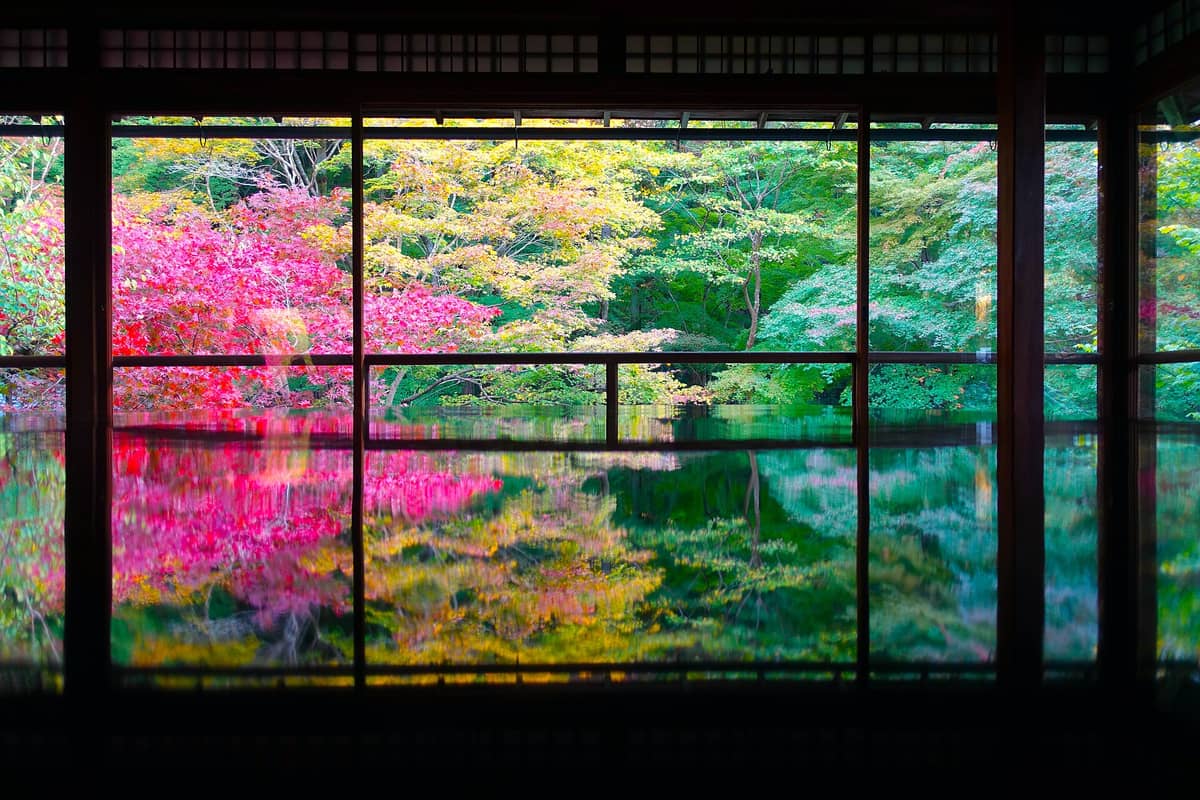
Rurikō-in Temple is a sub-temple of Komyō-ji, sitting at the northern edge of Kyoto's Sakyo ward, close to the Eizan Electric Railway terminus at Yase-Hieizanguchi. The full official Japanese name is 瑠璃光院, and while it belongs to the Jōdo school of Buddhism, most visitors arrive with one image in mind: a lacquered wooden floor on the second level of the main hall, polished so thoroughly that the maple garden outside reflects in it like a still pond.
The temple is not open year-round. It admits visitors only during two special viewing windows each year: a spring period typically running from around mid-April to mid-June, and an autumn period from approximately October to early December. Outside those windows the temple is normally closed to the public, with access limited to announced special viewing periods. This controlled access is deliberate, protecting the interiors and maintaining the quality of the experience. It also means that planning your visit around exact dates is non-negotiable. The official site at rurikoin.komyoji.com announces each season's opening dates, and exact windows shift slightly year to year.
⚠️ What to skip
Do not travel to Rurikō-in without confirming the current seasonal opening dates on the official website first. The temple is closed for most of the year and gives no access outside its announced periods, regardless of weather conditions.
The Reflection Room: What You're Actually Coming For
The moment most associated with Rurikō-in is the second-floor reading room of the main hall, known as the Shoin. The floor here is a dark, mirror-grade lacquered wood, and when the maple trees in the Ruri Garden outside reach full color in autumn, they appear to float upside-down in the floor beneath your feet. In spring, the effect reverses: fresh green foliage casts a cooler, softer reflection that reads as almost aquatic.
The room is not large. Visitors sit or kneel along the edges, and a low table with calligraphy and a single ink brush occupies the center, reinforcing the meditative atmosphere the temple aims for. You are expected to stay quiet and unhurried. What sounds like a simple tableau turns into something genuinely affecting when the light is right: late morning on an overcast autumn day turns the reflection into a muted amber glow, while direct afternoon sun makes the colors almost uncomfortably vivid. Both are worth experiencing if you have flexibility, but overcast light is generally more photogenic because it eliminates the harsh glare that can flatten the reflection on a bright afternoon.
Photography from a low angle at floor level, without a tripod, captures both the actual trees visible through the window and their reflection simultaneously. A wide-angle setting on a phone does this reasonably well from seated height. Tripods are not permitted in the Shoin. If you want to understand the broader context of Kyoto's autumn foliage scene before visiting, theKyoto in Autumn guide gives useful color-peak timing for the entire city.
Tickets & tours
Hand-picked options from our booking partner. Prices are indicative; availability and final rates are confirmed when you complete your booking.
Kyoto Coast, Amanohashidate and Ine Bay 1-Day Trip from Osaka or Kyoto
From 46 €Instant confirmationFree cancellationKyoto Sanzen-in, Arashiyama and Bamboo Grove Full Day Tour
From 47 €Instant confirmationFree cancellationKyoto Arashiyama insider walking tour
From 66 €Instant confirmationFree cancellationMatcha green tea tour in Kyoto's Uji Market
From 130 €Instant confirmationFree cancellation
The Garden and the Rest of the Grounds
The Ruri Garden wrapping around the main hall is a strolling moss garden with maple and cedar trees, stone water basins, and a small pond. In autumn, leaves accumulate on the moss in a way that the groundskeepers appear to allow deliberately: the resulting carpet of red and gold over green moss is one of the garden's quieter pleasures, away from the crowds that pack the second floor.
A lower hall contains a second display worth pausing at: a wide, flat writing desk whose lacquered surface also reflects the garden through an open window. This one is less photographed than the Shoin upstairs, partly because it sits at an awkward angle for cameras, but the quality of light in the early afternoon through the south-facing opening can be extraordinary. The smell of aged cedar and tatami is present throughout the lower hall, and the sounds outside, birdsong and the occasional distant train from the Eizan line, carry into the otherwise quiet interior.
The garden's moss and stone aesthetic places Rurikō-in in a tradition similar to, though much smaller than,Kokedera (the Moss Temple)in western Kyoto. Both reward slow walking and attention to detail rather than a quick pass-through.
Getting There: Transit Is Straightforward, But Budget Time
Rurikō-in sits in the northern Sakyo district, which puts it considerably farther from the central city than most of Kyoto's famous temples. The most practical route is to take the Keihan Railway to Demachiyanagi Station, then transfer to the Eizan Electric Railway heading toward Yase-Hieizanguchi. The Eizan line is a single-car train that runs through a residential stretch before climbing into the wooded northern hills; the ride itself takes about 15 minutes from Demachiyanagi. From Yase-Hieizanguchi Station it is a flat, signposted five-minute walk to the temple entrance.
Coming from Kyoto Station, the most direct approach is the Karasuma Line subway north to Imadegawa or Kitaoji, then a bus or taxi connection to Demachiyanagi. Total travel time from Kyoto Station is roughly 45 to 55 minutes depending on connections. Taxis from Demachiyanagi are available but add cost without saving significant time given Kyoto's northern traffic patterns during peak foliage season.
💡 Local tip
The Eizan Electric Railway also serves Kurama and Kibune further north. If you're visiting during autumn, combining Rurikō-in with a morning walk at one of those destinations makes for a full-day northern Kyoto itinerary without backtracking to the city center.
Crowds, Timing, and Honest Expectations
Rurikō-in has become significantly more popular over the past decade, driven almost entirely by social media photographs of the reflection floor. During peak autumn foliage weekends in mid-to-late November, queues form before the 10:00 opening and can stretch well beyond the entrance gate. Wait times of 30 to 60 minutes before entry are realistic on high-traffic days. Once inside, the Shoin itself accommodates perhaps 10 to 15 seated visitors at a time before it begins to feel cramped, and turnover can be slow as people photograph extensively.
Weekday mornings, particularly early in the autumn or spring windows rather than at color peak, offer noticeably smaller crowds. The temple opens at 10:00 and last admission is typically at 16:30, with visiting hours until 17:00. Arriving at opening time on a Tuesday or Wednesday in early November, when leaves are still partly green and partly turning, gives you a quieter visit and a reflection that is arguably more nuanced than the full-saturation peak. Some visitors find the half-turned maple colors more interesting photographically.
One honest note on value: the ¥2,000 admission is among the higher entry fees for a single Kyoto temple, and the grounds, while beautiful, are compact. Visitors expecting a sprawling estate comparable to Tenryu-ji or the Imperial Villa gardens will be disappointed. The experience is focused and intimate by design. If you are coming primarily to photograph the reflection, an hour is likely sufficient. If you intend to sit, sketch, or simply absorb the atmosphere across both floors and the garden, 90 minutes is more appropriate.
Those planning a broader northern Kyoto day should note that theOhara area and its own cluster of temples, including Sanzen-in, lies further north and is worth pairing on a separate trip rather than the same day, as both areas deserve unhurried attention.
Practical Logistics: What to Bring and Wear
Visitors remove shoes at the entrance to the main hall, as at most Japanese temples. Socks are strongly recommended: the lacquered floors are beautiful but cold, particularly in late November when outdoor temperatures can drop below 10°C. The Shoin is not heated, and sitting or kneeling on tatami in a cold room for 20 minutes is part of the experience but does require appropriate layering.
The walk from Yase-Hieizanguchi Station is flat and paved, but the garden paths themselves include stone steps and some uneven surfaces. The temple does not appear to have detailed information about barrier-free access to the main hall's upper floor; visitors with significant mobility concerns should contact the temple directly before visiting. A disability certificate qualifies for the reduced ¥1,000 admission rate under the same ticketing rules that apply to students.
If autumn foliage timing is your main concern, cross-reference Rurikō-in's opening window with thebest time to visit Kyotooverview, which covers how Kyoto's leaf-turning progresses from north to south across the city in October and November.
Who Should Consider Skipping This
Rurikō-in is a single-room experience built around a specific visual effect. Visitors who are not interested in photography and do not find meditative sitting rooms appealing will likely feel that ¥2,000 is steep for what amounts to a compact garden and two interior spaces. Families with young children may find the strict quiet required in the Shoin difficult to maintain, and the combination of removed shoes, cold floors, and limited moving space can make the visit uncomfortable for small children. Anyone with a tight itinerary who cannot time their visit to avoid peak crowds may spend more time queuing than inside.
The temple is also entirely weather-dependent in its appeal. On a rainy day with heavy cloud and no color in the trees, the reflection floor loses much of its drama and the garden becomes simply a wet stone path. A gray sky without texture, particularly early in the spring window before the maples have fully leafed, can produce a visit that feels underwhelming relative to the cost and travel time.
Insider Tips
- Arrive exactly at the 10:00 opening on a weekday to avoid queues. On autumn weekends, even 30 minutes before opening is not early enough to be first in line.
- The lower hall reflection desk is photographed far less than the famous second-floor Shoin. Spend time there first while crowds move straight upstairs, then head up once the initial rush has thinned.
- Overcast light, not direct sun, gives the floor reflection its best depth and saturation. If you have a choice of days, pick one with thin cloud cover rather than full sunshine.
- The Eizan Electric Railway to Yase-Hieizanguchi also passes through Ichijoji, Shugakuin, and Takaragaike, all of which have their own quiet autumn color. Budget extra time if you want to explore these stops on the way back.
- The official site (rurikoin.komyoji.com) announces seasonal opening dates in Japanese and sometimes English. If the page is not updated when you check, the temple's social accounts tend to post opening information earlier than the main site.
Who Is Rurikō-in Temple For?
- Photography enthusiasts pursuing the reflection floor image in autumn or spring
- Solo travelers looking for a short, contemplative break from Kyoto's central temple circuit
- Visitors with a specific interest in Japanese garden moss aesthetics
- Couples wanting a quieter, more intimate temple experience than the central city offers
- Anyone building a dedicated northern Kyoto autumn foliage itinerary
Nearby Attractions
Other things to see while in Ohara:
- Sanzen-in Temple
Sanzen-in Temple sits in the mountain village of Ohara, about an hour north of central Kyoto. A former imperial-lineage temple of the Tendai sect, it draws visitors with layered moss gardens, 1,000-year-old garden pools, and a quietude that most city-centre temples cannot match. The journey itself, through a narrow valley lined with pickled-vegetable shops and cedar slopes, is part of the experience.