Ohara is a quiet valley district on the northern fringe of Kyoto City, about 15 to 20 kilometers from the urban center. Known for its moss-carpeted temple gardens, terraced farmland, and near-total absence of city noise, it offers a completely different experience from central Kyoto's historic corridors.
Ohara sits at the end of a long mountain road in the far north of Kyoto City, where the city quietly gives way to paddy fields, cedar forests, and centuries-old temple compounds. It is the kind of place that makes you forget, at least for a few hours, that a city of 1.45 million people is only a bus ride away.
Orientation
Ohara occupies a shallow mountain valley in the northernmost reaches of Kyoto City, tucked into the hills of Sakyō-ku ward. The surrounding peaks form a natural enclosure on three sides, and the valley floor is threaded by the Takano River as it flows south toward central Kyoto. At roughly 15 to 20 kilometers from Kyoto Station, Ohara is technically still within city limits, but it bears no resemblance to the urban fabric of the districts most visitors know.
The district centers on the Ohara bus terminal, which functions as both the practical and psychological gateway to the area. From the terminal, the main approach road splits: one path leads northeast toward Sanzen-in Temple along a lane lined with pickle vendors and small restaurants, while another route heads northwest, deeper into the valley toward Jakko-in Temple. The distance between the two temples is roughly two kilometers by foot, making it easy to visit both in a single half-day loop.
Ohara's closest urban neighbor is the Philosophers' Path areato the south, though the two feel worlds apart in character. The mountain ranges between them, including the ridgeline separating Sakyō-ku from the Ohara valley, account for that sense of distance. Further south still lies central Kyoto, Gion, and Kyoto Station. Ohara has no rail connection; access is entirely by road, which reinforces its reputation as a place apart.
Character & Atmosphere
Arriving at Ohara by bus, the first thing most visitors notice is the air: cooler, quieter, and carrying a faint smell of cedar and damp earth that simply does not exist in central Kyoto's stone-and-asphalt streets. The valley temperature can run two or three degrees lower than the city basin, which matters considerably during Kyoto's humid summer months. In winter, Ohara receives occasional snowfall that rarely reaches central Kyoto, and the sight of Sanzen-in's moss garden under a light dusting of snow draws visitors willing to brave the cold.
Mornings in Ohara are genuinely calm. The first buses from central Kyoto begin arriving around 8 a.m., and for a brief window before that the village belongs entirely to its residents: farmers loading produce, shopkeepers rolling up shutters along the approach lane, and the occasional crow announcing itself from a temple roof. By mid-morning, the main path to Sanzen-in fills with day-trippers, and the pickle shops and tofu restaurants open their doors fully. Peak foot traffic falls roughly between 10 a.m. and 2 p.m., and the approach lane feels genuinely crowded on autumn weekends.
By mid-afternoon, especially on weekdays, the crowds thin noticeably. The light in late afternoon falls across the valley at a low angle that illuminates the cedar slopes and catches the moss in Sanzen-in's garden in a particularly vivid green. This is also when the gap between tourist Ohara and local Ohara widens: farmers returning from fields, elderly residents on bicycles, and a pace that has nothing to do with sightseeing schedules.
After 4 p.m., most temple gates close and the souvenir shops begin to pack up. Ohara is not a neighborhood with an evening economy. There are no bars worth speaking of, no izakaya strips, and the last buses back to Kyoto run in the early evening. Visitors who linger past closing hours will find a very quiet village road and not much else. That is, frankly, part of the appeal for some travelers — but a genuine drawback for those who prefer flexible schedules.
💡 Local tip
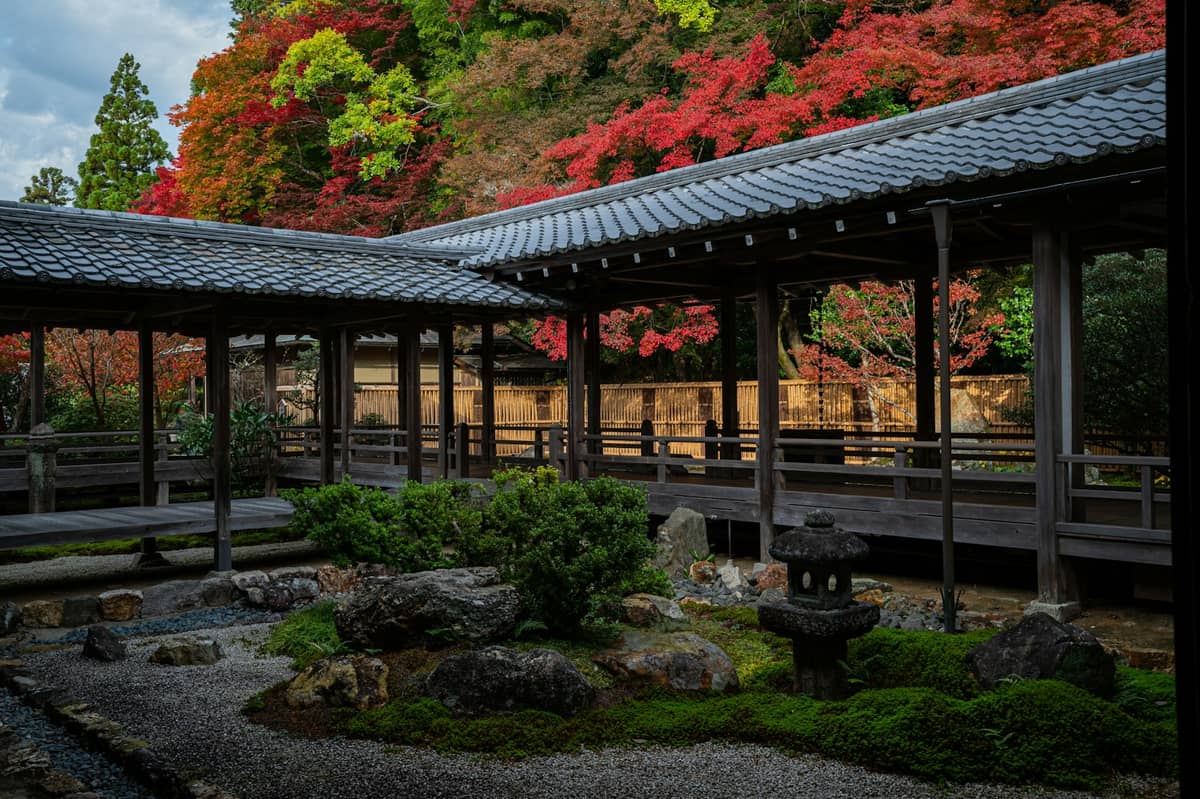
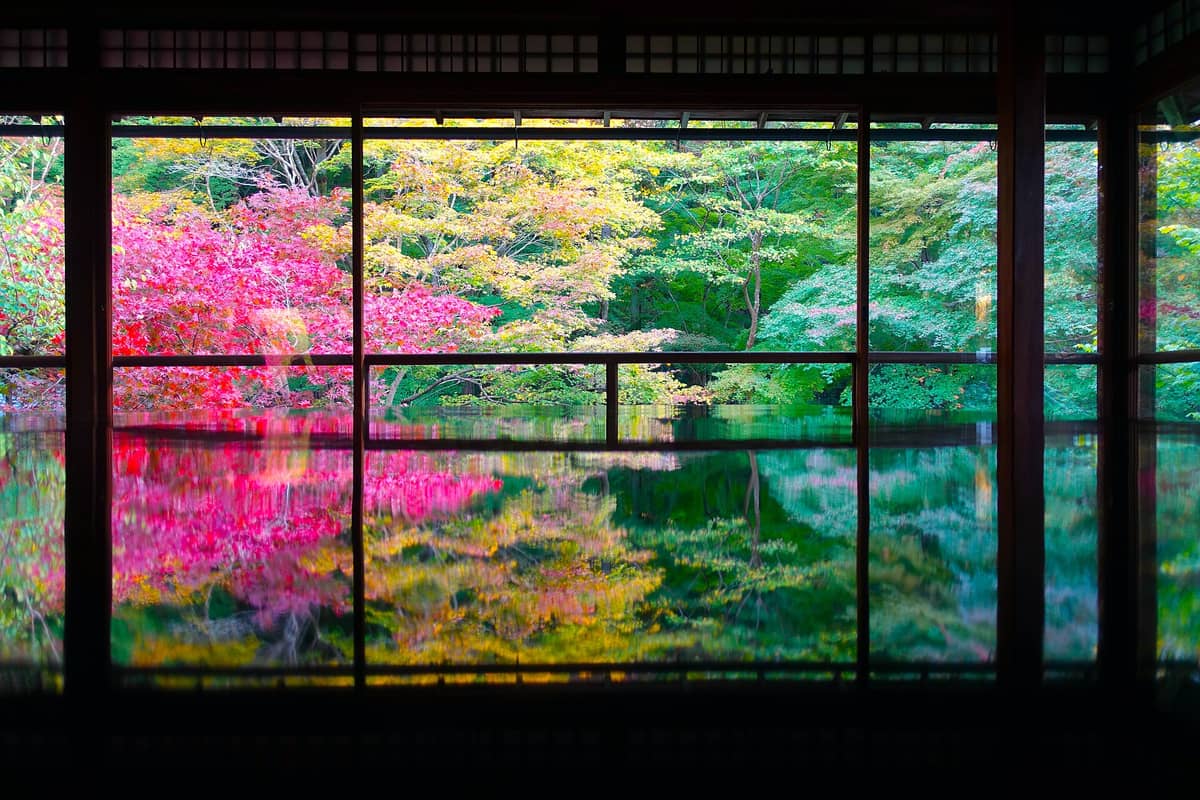
Autumn (mid-November) is Ohara's most spectacular season, when the maples around Sanzen-in and along the approach roads turn deep red and orange. Visit on a weekday if possible — weekend crowds in peak autumn can make the narrow approach lane feel uncomfortably packed.
What to See & Do
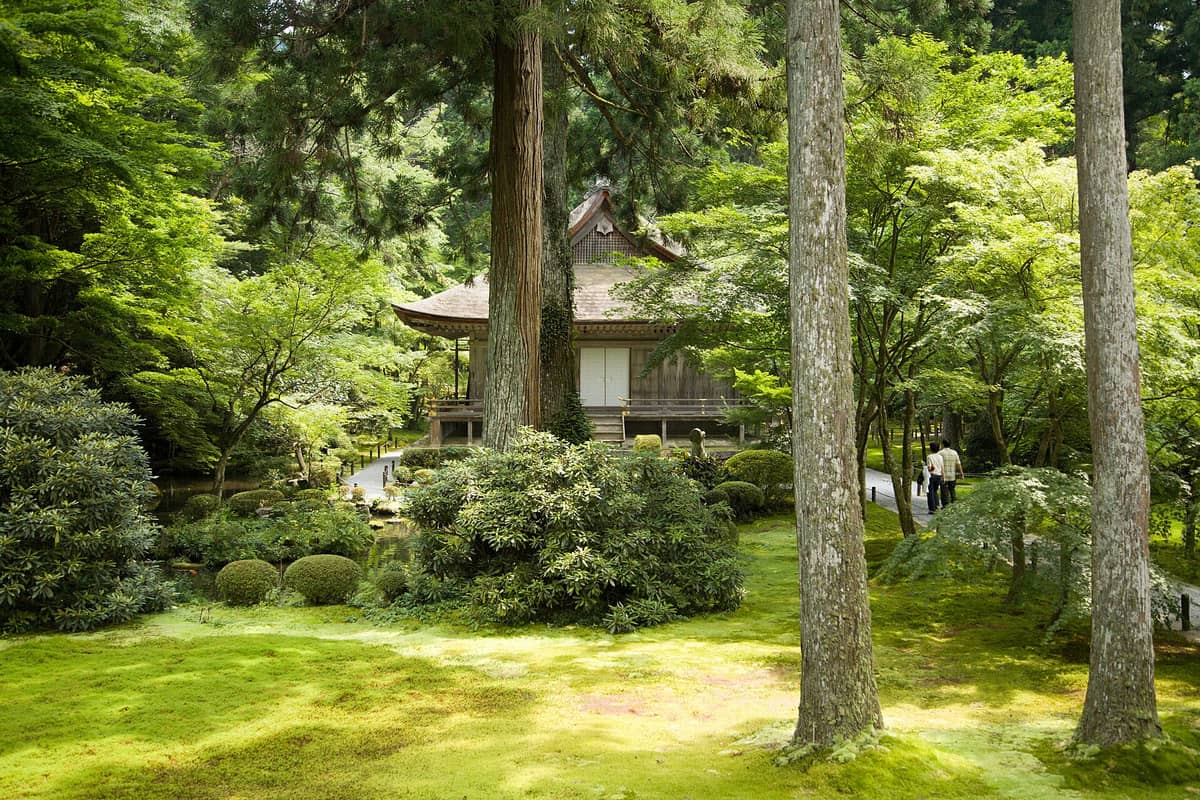
Sanzen-in is the anchor of any visit to Ohara, and with good reason. The temple has its origins in the early Heian period and belongs to the Tendai school of Buddhism. Its garden, Yusei-en, is one of the most photographed in Kyoto: a carpet of deep moss punctuated by stone lanterns, small statues half-submerged in green, and ancient cedar and maple trees overhead. The garden feels different in every season — luminous and slightly surreal in summer, golden in autumn, austere in winter. The temple's main hall, Ojo Gokuraku-in, houses an Amida Buddha sculpture from the Heian period classified as an Important Cultural Property. Allow at least 45 minutes here, more if you intend to walk all the secondary paths within the complex.
Jakko-in Temple, on the western side of the valley, carries a more somber historical weight. It is associated with the Heike clan and, in particular, with Emperor Antoku's mother, Empress Dowager Kenreimon-in, who retreated here following the clan's defeat at the Battle of Dan-no-Ura in 1185. The temple is smaller and receives far fewer visitors than Sanzen-in, which makes the atmosphere noticeably more contemplative. A steep staircase leads up through cedar forest to the main hall. The walk between the bus terminal and Jakko-in passes through narrow residential lanes and small farms — this is the side of Ohara that genuinely feels like a working mountain village rather than a curated tourist route.
Between the two major temples, the Ohara area contains several smaller halls and sub-temples worth visiting if you have time. Shorin-in, close to Sanzen-in, houses a large bell tower and a quiet garden that most visitors walk past. Hosei-in, also in the area, offers garden views from a covered wooden veranda. Neither has the prestige of Sanzen-in, but both provide moments of stillness that can be harder to find at the main temple on busy days.
For those interested in exploring more of Kyoto's northern mountain terrain,Kurama and Kibunelie in a parallel valley to the west of Ohara and are accessible as a combined day trip for experienced hikers. The trail linking the two areas crosses mountain ridgelines and is best attempted in good weather with proper footwear.
Sanzen-in Temple: the primary draw, famous for its moss garden and autumn foliage
Jakko-in Temple: quieter, historically rich, with a cedar-shaded approach staircase
Shorin-in: small sub-temple near Sanzen-in with a notable bell tower
Hosei-in: wooden veranda garden views, far fewer visitors than the main temples
The approach lane from the bus terminal: lined with Ohara pickle vendors — worth stopping even if you do not buy
ℹ️ Good to know
Ohara's temples are typically open from around 8:30 or 9 a.m. to 5 p.m. (with some seasonal variation), and all charge admission. Confirm current hours and fees on each temple's official website before visiting, as these are updated annually.
Eating & Drinking
Ohara has a small but coherent food identity rooted in its agricultural setting. The valley has long been associated with shibazuke, a type of pickled vegetables — primarily cucumber and eggplant fermented with red shiso — that originated here and remains one of Kyoto's most distinctive condiments. The approach lane to Sanzen-in is lined with pickle shops selling shibazuke alongside other Kyoto-style tsukemono. Most offer free tasting samples, which makes the lane itself a kind of edible orientation to the area's food culture.
Restaurants in Ohara cluster along the main approach road and around the bus terminal. The specialty is kaiseki-style set lunches built around local vegetables, tofu, and mountain ingredients — often served in traditional low-table dining rooms with views over small gardens. These meals sit at the higher end of casual dining prices but represent genuinely good value for the setting and quality. Several restaurants also serve simpler soba and tofu set menus at more accessible prices. Because Ohara caters almost entirely to day-trippers, most restaurants open at lunch and close by mid-afternoon; arriving by noon is advisable to secure a table at the better-regarded spots.
There is no meaningful café culture or evening dining scene in Ohara. Coffee is available at a handful of small shops near the terminal, and matcha-flavored sweets appear regularly along the temple approach, but anyone expecting the kind of café density found in central Kyoto will be disappointed. The food offering here is honest and specific to the place rather than varied or cosmopolitan. That specificity is, for most visitors, exactly the point.
For those wanting to understand the broader context of Kyoto's food culture before or after visiting Ohara, theKyoto food guidecovers everything from kaiseki dining to street snacks across the city's neighborhoods.
Getting There & Around
Ohara has no rail connection and is reached entirely by bus. There are two main routes from central Kyoto, and the choice between them depends on where you are starting.
The most efficient option is to take the Kyoto Municipal Subway's Karasuma Line north to Kokusaikaikan Station (the line's northern terminus, approximately 20 minutes from Kyoto Station), then transfer to Kyoto Bus Route 19 for the final stretch to Ohara — about 20 to 25 minutes. This combined journey takes roughly 40 to 45 minutes and avoids the traffic delays that can affect buses traveling through the city center.
The direct option is Kyoto Bus Route 17, which runs from Kyoto Station through Shijō-Kawaramachi before continuing north to Ohara. The journey takes approximately 50 to 55 minutes from Kyoto Station and around 40 to 45 minutes from Shijō-Kawaramachi. This route is convenient if you are starting from the downtown or Gion area, but the buses can run significantly late during peak tourism seasons due to central Kyoto traffic.
From Demachiyanagi Station on the Keihan Railway (the northern end of the Keihan Oto Line), Kyoto Bus Route 17 serves Ohara in approximately 35 to 45 minutes depending on conditions. Demachiyanagi is a useful transfer point for travelers coming from Gion or the eastern Kyoto temple districts.
Once in Ohara, everything is walkable. The distance from the bus terminal to Sanzen-in is about 10 to 12 minutes on foot along the main approach lane. Jakko-in adds another 20 minutes walking from the terminal in the opposite direction. The full loop visiting both main temples, including the walk between them via the central area, covers roughly three to four kilometers and takes two to three hours at a relaxed pace.
⚠️ What to skip
Bus frequency on Route 17 drops in the late afternoon, and the last buses back to central Kyoto depart from Ohara in the early evening. Missing the last reliable service means a long wait or an expensive taxi ride. Check the current Kyoto Bus timetable before visiting and plan to be at the terminal no later than 4:30 p.m. to ensure a comfortable return.
For a complete overview of how to navigate Kyoto by bus, subway, and rail, thegetting around Kyoto guidecovers transit passes, IC cards, and strategies for avoiding the city's worst traffic bottlenecks.
Where to Stay
Ohara is not a neighborhood where most visitors stay overnight. The accommodation options are small in number and niche in character: a handful of traditional ryokan and guesthouse-style properties oriented toward guests who specifically want a mountain-village experience away from the city. Staying in Ohara means surrendering proximity to Kyoto's broader network of temples, restaurants, and transport — which is a significant trade-off unless you are deliberately seeking a slower, more rural experience.
For travelers on a standard Kyoto itinerary, the practical base is in central Kyoto, from which Ohara is an easy half-day trip. The Kyoto Station area, downtown, and Higashiyama all place you within reasonable reach of both Ohara and the rest of the city's attractions without requiring you to factor in the limited evening transport back from the valley.
Travelers considering a ryokan stay in or near Ohara's mountain setting should consult theKyoto ryokan guidefor context on what to expect from traditional inn accommodation, including meal arrangements, check-in customs, and the significant price difference between ryokan and standard hotel rates. For a broader look at which central neighborhood suits your trip, thewhere to stay in Kyoto guide breaks down each district's strengths and drawbacks.
Planning Your Visit: Practical Notes
Ohara rewards early arrivals. The buses from central Kyoto begin running reliably from shortly after 7 a.m., and reaching the temple approach before 10 a.m. means encountering the area at something close to its natural rhythm rather than at peak visitor volume. Combining a morning at Ohara with an afternoon at a closer-in Kyoto attraction is a sensible structure for a full day.
The area is particularly compelling during the autumn foliage season, which typically peaks in mid to late November in the northern Kyoto hills — slightly earlier than the famous displays atEikan-do Zenrin-jiand other central Kyoto temples. For timing guidance across the city, theKyoto in autumn guide covers the foliage calendar in detail.
Spring visitors will find Ohara quieter than central Kyoto during cherry blossom season, since the valley's microclimate means the main ornamental cherries bloom slightly later than in the city basin. TheKyoto cherry blossom guideincludes regional timing variations that are useful for planning a northern Kyoto visit in late March or early April.
Children generally enjoy the Ohara visit: the walk is manageable, there is no urban traffic to navigate, and the garden environments at Sanzen-in are accessible and engaging without requiring extended attention spans. The lack of evening activities means it is not a neighborhood suited to travelers looking for nightlife of any kind, and solo travelers arriving late in the day should note that the bus terminal and approach lane become very quiet after the shops close.
💡 Local tip
If you are combining Ohara with a visit to Kurama or Kibune on the same day, be realistic about timing. Each area warrants at least two to three hours, and the mountain road between them is not served by direct public transport. Most travelers visit one per day unless they are hiking the connecting trail.
TL;DR
Ohara is a rural valley district in the far north of Kyoto City, reached by bus in 40 to 60 minutes from central Kyoto — best treated as a half-day trip rather than an overnight base.
The two main temples, Sanzen-in and Jakko-in, anchor the visit; Sanzen-in's moss garden is among the finest in Kyoto, and both temples are within easy walking distance of the bus terminal.
Best visited in autumn (mid-November for foliage) or spring, and most enjoyable on weekday mornings before the day-trip crowds arrive at 10 a.m.
Food is simple and local — kaiseki-style set lunches, soba, and Ohara's famous shibazuke pickles — but the dining scene shuts down early and there is no evening economy to speak of.
Ideal for travelers who want a genuine contrast to urban Kyoto: quiet, scenic, and distinctly unhurried. Not suitable for those who need flexible transport or evening options — plan your return bus carefully.
Kyoto holds more extraordinary Japanese gardens per square kilometer than anywhere else on earth. This guide covers the finest examples across every style, from dry rock gardens to imperial stroll gardens, with practical advice on access, timing, and what makes each one worth the visit.
Kyoto holds more Shinto shrines than almost any city on earth, ranging from grand imperial complexes to quiet forest sanctuaries. This guide covers the best, with practical advice on when to go, what to expect, and what most visitors get wrong.
Kyoto has over 1,600 Buddhist temples and around 400 Shinto shrines, ranging from gold-leafed pavilions to remote mountain retreats. This guide cuts through the noise to highlight the temples that genuinely reward a visit, with context on what makes each one worth your time.
Kyoto rewards visitors year-round, but the experience varies dramatically by season. This guide breaks down every month by weather, crowds, costs, and what's actually worth seeing — so you can choose the right time for your trip, not just the most popular one.
Kyoto's best views range from the famous wooden stage at Kiyomizu-dera to a forested mountain summit reached by a 45-minute hike. This guide covers the city's top viewpoints across temples, hilltops, iconic streets, and observation decks, with tips on timing and what to expect.
Kyoto sits at the center of one of Japan's richest regions for day-tripping. Within an hour by train, you can reach ancient deer parks, mountain temples, sake-brewing canals, and remote moss gardens. This guide covers the best excursions organized by direction and theme.
Kyoto is one of the world's great cultural cities, and a surprising number of its best experiences are completely free. From the torii-gate tunnels of Fushimi Inari to the stone lanes of Higashiyama and the canal-side Philosopher's Path, here is a practical guide to the finest free attractions in Kyoto.
The Fushimi Inari hike is one of the most iconic walks in Japan, threading thousands of vermilion torii gates up Mt. Inari in southern Kyoto. This guide covers every trail option, the best times to go, how to get there cheaply, and the the reality about what the experience is actually like.
Kyoto's transport network is more layered than it first appears. This guide breaks down every practical option, from city buses and subway lines to IC cards, day passes, and airport transfers, so you can move around the city without wasting time or money.
Gion Matsuri fills the entire month of July with shrine rituals, towering floats, and lantern-lit street festivals. This guide breaks down exactly what happens, when, where to stand, and how to survive the July heat without missing the highlights.
Kyoto has no international airport of its own. This guide covers every practical way to reach the city from Kansai International Airport (KIX) and Osaka Itami (ITM), with current fares, journey times, and clear advice on which option suits your trip.
Kyoto's cherry blossom season is one of Japan's great spectacles, but peak bloom lasts barely a week and the crowds are intense. This guide covers exactly when to go, where to stand, what to skip, and how to make the most of sakura season in Kyoto.
Kyoto is Japan's historic capital, with over 1,600 temples, a preserved geisha district, and some of the country’s finest food. This guide covers everything a first-time visitor needs: the best time to visit, how to get from the airport, which neighborhoods to base yourself in, and how to avoid the most common mistakes.
Kyoto's food culture runs deeper than temple towns and tea ceremonies. From formal kaiseki multi-course meals to humble obanzai home cooking and steaming bowls of yudofu beside ancient temples, this guide covers what to eat, where to eat it, and exactly what to budget — season by season.
Kyoto is one of the most atmospheric cities in Asia for couples, with preserved historic streets, seasonal illuminations, ryokan stays, and cultural rituals designed for two. This guide covers the best romantic experiences, realistic pricing, and the timing details that make the difference between a good trip and a memorable one.
Kyoto is the only city in Japan where the geisha tradition survives at scale. This guide covers the five geisha districts, every major dance performance, licensed cultural experiences, and the etiquette rules that matter — so you can engage with this world respectfully and on your own terms.
Kyoto rewards those who look beyond the headline sights. This guide covers the city's most rewarding lesser-known temples, atmospheric alleyways, mountain retreats, and local institutions, from a moss-carpeted UNESCO garden requiring advance booking to a century-old public bathhouse in a residential neighborhood.
Autumn transforms Kyoto into one of the most photographed places on earth, with maples and ginkgos turning gold and crimson across temples, gardens, and hillsides. This guide covers when foliage peaks, where to go, which illumination events are worth your evening, and how to avoid the worst of the crowds.
Kyoto in winter (December to February) offers crisp, mostly dry weather, thinner crowds, and a quieter side of the city's temples and shrines. This guide covers what the season actually looks like, what to do, how to get around, and where the crowds still gather.
Three days is enough to experience the best of Kyoto without feeling rushed, but only if you plan smart. This guide breaks down exactly where to go, when to go, and how to get around, including updated transport advice that most other guides get wrong.
Renting a kimono in Kyoto is one of the most memorable ways to experience the city, but the advertised prices rarely tell the full story. This guide breaks down real costs, the best neighborhoods to explore in traditional dress, seasonal advice, and practical tips that most shops won't tell you upfront.
Kyoto is the spiritual home of Japanese matcha culture, from centuries-old tea houses in Gion to stone-mill workshops in Uji. This guide covers where to drink, eat, and learn about matcha — with real prices, practical logistics, and practical advice on what's worth your time.
Kyoto's nightlife is quieter than Tokyo's but far richer than most visitors expect. This guide covers the best izakayas, sake bars, evening tours, and riverside dining across Pontocho, Gion, and Kiyamachi, with practical advice on costs, timing, and what to skip.
Kyoto is one of Japan's most rewarding cities to visit, but costs can add up fast. This guide breaks down exactly how to stretch your yen further — covering transport passes, free attractions, affordable food, and the best times to visit when prices drop.
Seven days is the ideal length to experience Kyoto without rushing. This guide breaks down each day by district, with practical logistics, timing advice, and clear assessments of what's worth your time. Whether you're planning your first visit or returning with more days to spare, this itinerary covers the full range of Kyoto's historic city.
Kyoto offers a surprisingly diverse range of hot-spring bathing options, from rural mountain onsen to sleek hotel spas. This guide breaks down the best facilities, real pricing, seasonal timing, and the rules you need to know before you strip off your yukata.
Kyoto's ramen scene runs deeper than most visitors expect. This guide covers the top-rated shops, the best neighborhoods to explore, what styles define Kyoto ramen, and practical advice for navigating queues, hours, and seasonal menus.
A Kyoto ryokan stay is one of the most distinctive lodging experiences in Japan, but the rules, pricing structures, and expectations are unlike any Western hotel. This guide breaks down what actually happens from check-in to breakfast, what things cost across budget tiers, and which neighborhoods make the most sense depending on your itinerary.
Kyoto is Japan's craft capital, where century-old textile workshops sit alongside covered shopping arcades and a legendary food market. This guide breaks down where to shop, what to buy, and how to avoid tourist traps — by neighborhood, price point, and category.
Kyoto's sushi scene runs deeper than most visitors expect. This guide breaks down the best sushi restaurants in Kyoto by price tier, neighborhood, and style, with practical advice on reservations, seasonal fish, and common mistakes to avoid.
From quick group introductions to private lessons in historic teahouses, Kyoto offers more ways to experience chado than almost anywhere in Japan. This guide covers the best venues, realistic prices, booking advice, and the cultural context that makes each sip mean something.
Visiting Kyoto's temples and shrines without understanding the etiquette means missing half the experience. This guide covers everything from torii gate protocol and hand-purification steps to photography restrictions, admission costs, and the key differences between Shinto shrines and Buddhist temples.
Nara is one of the easiest and most rewarding day trips from Kyoto, just 40 km away with frequent train connections. This guide breaks down every transport option, cost comparisons, and how to make the most of your time there.
The Kyoto to Tokyo corridor is one of Japan's most-traveled routes. This guide covers every realistic option, from the Tokaido Shinkansen to overnight highway buses, with clear breakdowns of cost, speed, and when each option makes sense.
Kyoto rewards walkers more than almost any city in Japan. This guide breaks down the best self-guided walking routes by district, with timing, admission costs, crowd advice, and clear assessments of what's worth your time and what isn't.
Kyoto's weather swings from bitter January mornings to oppressive August humidity, with two peak tourist seasons sandwiched in between. This guide breaks down what to expect every month, what to pack, and when the crowds and weather actually align in your favor.
Kyoto is not just temples and shrines. The city has a surprisingly strong lineup of kid-friendly attractions, from the Kyoto Railway Museum and Aquarium in Umekoji Park to samurai theme parks and wide outdoor spaces. This guide covers what's genuinely worth your family's time, realistic pricing, the best seasons to visit with children, and how to structure your days without burning everyone out.
Kyoto rewards those who spend well and plan ahead. This guide covers the city's finest ryokan, reservation-only kaiseki restaurants, and culturally rich experiences, along with practical advice on booking windows, seasonal pricing, and what actually justifies the premium.
Kyoto packs more than 1,600 years of Japanese history into a single city. This guide covers the best things to do in Kyoto across every district, from iconic temples and sake breweries to traditional tea ceremonies and bamboo forest walks, with practical advice on crowds, costs, and timing.
Choosing where to stay in Kyoto shapes your entire trip. This guide covers the five best areas for visitors, price breakdowns by neighbourhood, accommodation type comparisons, and the booking timing you need to avoid paying double during peak season.