Getting from Kyoto to Nara: Transport, Tips & What to Do
Nara is one of the easiest and most rewarding day trips from Kyoto, just 40 km away with frequent train connections. This guide breaks down every transport option, cost comparisons, and how to make the most of your time there.
Plan and book this trip
Tools from our partner Travelpayouts help you compare flights and hotels. If you book through them, we may earn a commission at no extra cost to you.
Flights
Hotels map
TL;DR
- Kyoto to Nara takes roughly 35–50 minutes by train, depending on which service you choose.
- The JR Miyakoji Rapid is the best value option at around ¥720 one-way and is fully covered by theJapan Rail Pass.
- Kintetsu Limited Express is the fastest option (35 min) but costs roughly ¥1,130-¥1,490 and is not covered by the JR Pass.
- Kintetsu Nara Station is closer to Nara Park than JR Nara Station — worth knowing before you book.
- Trains run from around 05:00 to 23:30, making this a flexible day trip at any time of year.
Why Kyoto to Nara Works So Well as a Day Trip
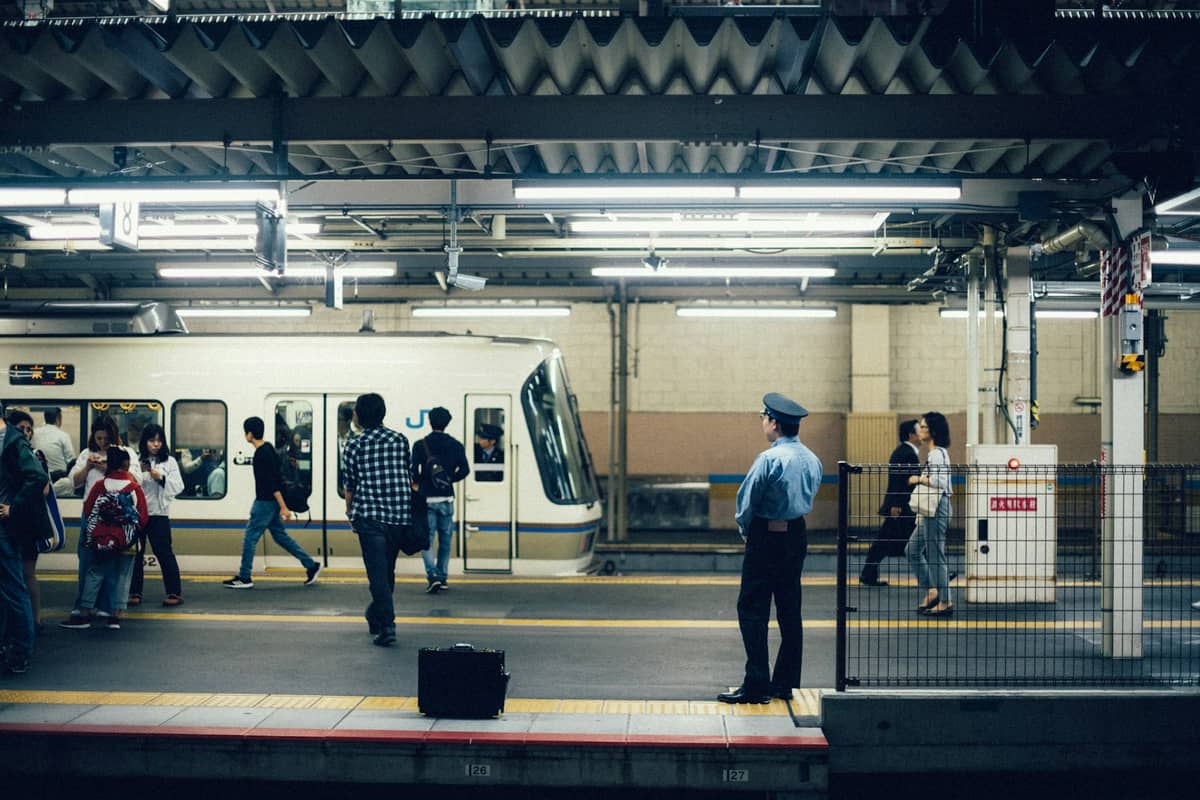
At roughly 40–45 km apart, Kyoto and Nara are close enough that getting between them takes less time than crossing many major cities by metro. The two cities sat at the center of Japanese civilization for centuries, and the route connecting them is served by multiple train lines running throughout the day. For anyone planninga short trip to Kyoto, adding Nara as a day trip requires almost no extra logistical effort.
What makes this day trip particularly practical is the train frequency. You don't need to pre-book or commit to a specific departure time on the JR line — the Miyakoji Rapid runs roughly every 30 minutes, so you can leave when you're ready and return whenever you've had your fill of deer and temples. The last trains back run past 23:00, giving you genuine flexibility.
ℹ️ Good to know
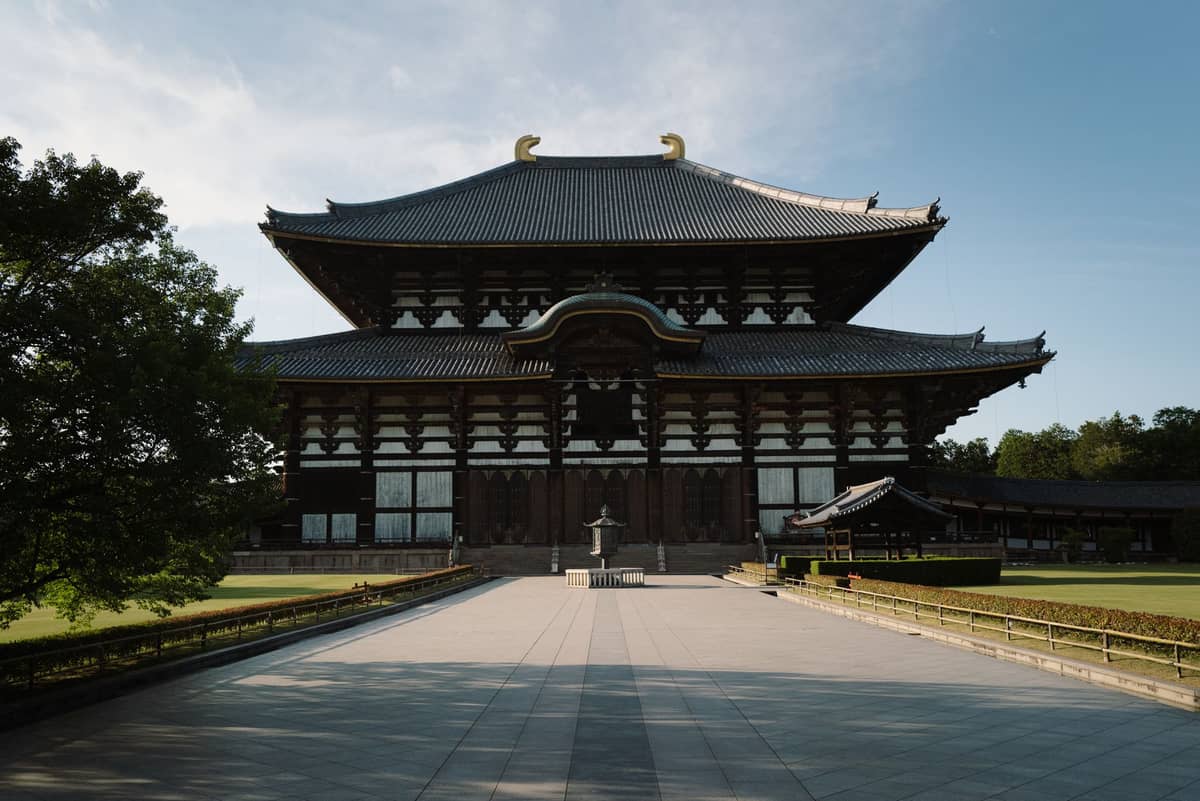
Nara was Japan's capital before Kyoto, from 710 to 784 AD. The city still holds eight UNESCO World Heritage Sites, including Todai-ji temple, which houses the world's largest gilded bronze Buddha statue. Most of the main sights cluster in and around Nara Park, making it walkable once you arrive.
Your Transport Options: JR vs Kintetsu vs Bus
There are two main rail operators covering the Kyoto-Nara corridor: JR West and Kintetsu Railway. Each uses a different station at the Nara end, which matters more than most guides acknowledge. Here is a clear breakdown of what each option actually costs and delivers.
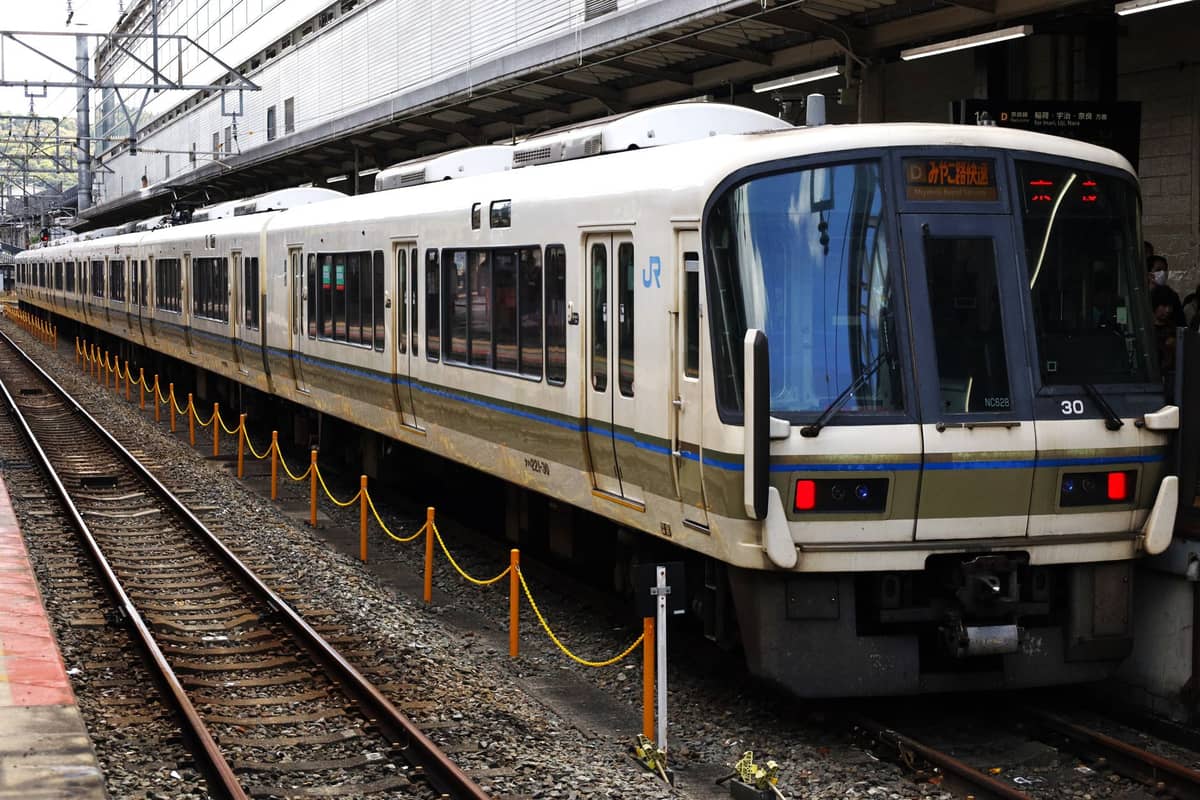
- JR Miyakoji Rapid (recommended for JR Pass holders) Departs from Kyoto Station, arrives at JR Nara Station. Journey time approximately 45 minutes. One-way adult fare around ¥720. Runs every 30 minutes. No reservation needed, no surcharge. Fully covered by the Japan Rail Pass — making it the obvious choice if you already hold one.
- JR Local Train (slower, same price) Same fare as the Miyakoji Rapid (around ¥720) but takes approximately 75 minutes due to extra stops. Only worth taking if you miss a Rapid and can't wait. Also covered by the JR Pass.
- Kintetsu Limited Express (fastest option) Departs from Kyoto Station (Kintetsu Kyoto Station, adjacent to JR), arrives at Kintetsu Nara Station. Journey time approximately 35 minutes. Total cost around ¥1,280-¥1,490 including base fare and express surcharge. Requires a seat reservation. Not covered by the JR Pass.
- Kintetsu Standard (good middle ground) No reservation required. Travel time 35-45 minutes. Fare around ¥760 one-way. Arrives at Kintetsu Nara Station, which is closer to Nara Park than JR Nara Station. A solid option if you don't have a JR Pass and prefer a shorter walk on arrival.
- Direct Bus Direct intercity buses between Kyoto and Nara do exist but are less frequent and generally slower than trains when accounting for traffic. Not the recommended first choice. From either Nara station, local Nara Kotsu buses to Nara Park cost around ¥250 and take just a few minutes.
💡 Local tip
If you have a Japan Rail Pass, take the JR Miyakoji Rapid without hesitation — it costs you nothing extra and the 45-minute journey is comfortable. If you don't have a JR Pass, the Kintetsu standard service is slightly more expensive than JR (¥760 vs ¥720) but drops you closer to Nara Park, saving a short walk or bus connection.
Which Station Is Better: JR Nara or Kintetsu Nara?
This is where a lot of guides fall short. The two stations in Nara are under 1 km apart, but their proximity to the main sights differs in ways that affect your day. Kintetsu Nara Station sits right at the edge of central Nara city and is roughly a 10-minute walk to Nara Park, where most of the deer, Todai-ji, and Kasuga Taisha are located. JR Nara Station is slightly further west and feels more suburban — you'll likely need to take a local bus (around ¥220–¥250, just a few minutes) or walk 20–25 minutes to reach the park.
For a pure sightseeing day focused on Nara Park and the deer, Kintetsu Nara Station gives you a more convenient start. For travelers continuing onward toOsakaor other JR destinations after Nara, JR Nara Station keeps you on the right network without backtracking.
⚠️ What to skip
Don't confuse Kintetsu Kyoto Station with JR Kyoto Station. They share the same building but are separate ticketing systems. Kintetsu platforms are at the opposite end of the station concourse from JR. Budget a few extra minutes if you're navigating Kyoto Station for the first time.
When to Go: Timing Your Trip to Avoid Crowds
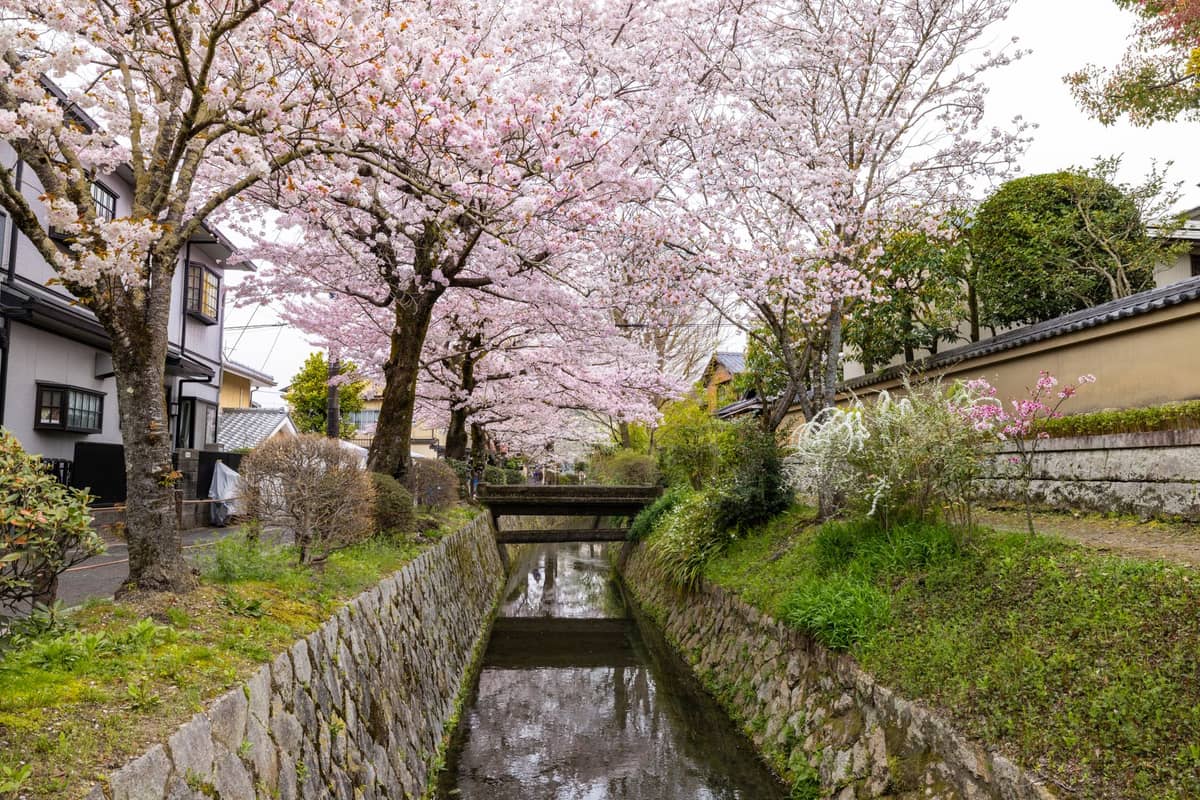
Trains on this corridor run from approximately 05:30 to close to midnight, which means you can structure the day almost any way you like. That said, Nara Park draws serious crowds during cherry blossom season (late March to mid-April) and autumn foliage season (mid-November). These periods align almost exactly with peak season in Kyoto too — see thebest time to visit Kyoto guide for a full seasonal breakdown.
On peak season weekends, trains fill quickly from Kyoto in the mid-morning. Taking an earlier train — departing Kyoto before 08:30 — gets you into Nara Park before tour groups arrive and gives you the best chance of a quieter walk around Todai-ji. Weekday visits are consistently calmer than weekends throughout the year. Winter visits (December through February) are underrated: crowds thin out significantly, and the deer are as active as ever. Temperatures drop to around 5-10°C, but the light is often excellent for photography.
- Spring (late March to mid-April): beautiful but very crowded, especially on weekends — leave Kyoto before 08:30
- Early May (Golden Week): one of the busiest periods in Japan — trains to Nara can be standing-room only mid-morning
- Summer (July to August): hot and humid, but fewer foreign tourists than spring; deer are still present in the park
- Autumn (mid-October to late November): excellent foliage at Nara's temples, but similar crowds to spring on weekends
- Winter (December to February): the most peaceful time to visit, with dramatically fewer crowds and cool, manageable temperatures
What to Do Once You're in Nara
Most of Nara's highlights concentrate in a compact area that is walkable in a half-day, though a full day lets you slow down and explore properly. Nara Park itself is free to enter and home to around 1,200 semi-wild sika deer, which have been considered sacred messengers since the 8th century. You can buy deer crackers (shika senbei, typically around ¥200 per bundle) from vendors throughout the park — be aware the deer are persistent and occasionally aggressive about getting them. This is agenuinely fun experience for families with children, though small children should be supervised closely.
Todai-ji, the great temple at the heart of Nara Park, charges an admission fee (verify current price before visiting, historically around ¥600–¥800 for adults) and houses the Daibutsu — a roughly 15-meter bronze Buddha that genuinely impresses up close. Kasuga Taisha shrine, at the eastern edge of the park, features thousands of stone and bronze lanterns and a forested approach worth taking slowly. If you have more time, Naramachi — the historic merchant district south of the park — offers preserved machiya townhouses, craft shops, and less-photographed streets that reward wandering.
✨ Pro tip
Nara combines well with a stop at Fushimi Inari on the same day, since JR Fushimi Inari station sits on the JR Nara Line between Kyoto and Nara. Head to Nara in the morning, return via Fushimi in the late afternoon when the crowds at the lower torii gates have thinned. No extra fare adjustment needed if you hold a JR Pass.
If you're building out a fuller Kyoto itinerary around this trip, theFushimi Inari hiking guidecovers that detour in detail. For Kyoto's own temples and shrines before or after your Nara day, thebest temples in Kyoto and best shrines in Kyoto guides are worth a read.
Practical Details: Fares, Passes, and Planning
All fares quoted in this guide are approximate and based on data current as of 2024-2026. Japanese rail fares do adjust periodically — always check the operator's official website or a current route planner like Navitime or Hyperdia before your trip. IC card fares (paid via Suica or ICOCA) may differ slightly from paper ticket prices.
If you're deciding whether the Japan Rail Pass makes financial sense for your trip, factor in the Kyoto–Nara round trip (around ¥1,440 on JR at current fares) alongside other JR journeys you'll take. For most visitors spending several days in the Kansai region, the pass pays off quickly. Thegetting around Kyoto guide covers transit passes and IC card options in more depth.
- JR Miyakoji Rapid one-way: approx. ¥720 | 45 min | JR Pass valid | No reservation needed
- Kintetsu Standard one-way: approx. ¥760 | 35-45 min | JR Pass NOT valid | No reservation needed
- Kintetsu Limited Express one-way: approx. ¥1,280–¥1,490 | 35 min | JR Pass NOT valid | Reservation required
- Nara Kotsu local bus (station to Nara Park): approx. ¥250 | 5-10 min
- Round-trip JR budget (no pass): approx. ¥1,440 | Round-trip Kintetsu Limited Express: approx. ¥2,560–¥2,980
For the broader context of day trips out of the city, the Kyoto day trips guidecovers Nara alongside Osaka, Hiroshima, and several lesser-visited options. If you're still deciding how to structure your overall trip, theKyoto first-timer guide is a good starting point.
FAQ
How long does it take to get from Kyoto to Nara by train?
The fastest option is the Kintetsu Limited Express at around 35 minutes. The JR Miyakoji Rapid takes approximately 45 minutes. Standard JR local trains are slower at around 60–75 minutes. All services depart from Kyoto Station.
Is the Japan Rail Pass valid for travel from Kyoto to Nara?
Yes, the JR Miyakoji Rapid and JR local trains on the JR Nara Line are fully covered by the Japan Rail Pass at no extra cost. The Kintetsu Railway services are not covered by the JR Pass and require a separate ticket.
Is Kyoto to Nara worth it as a day trip?
Yes, for most visitors. The short journey time (45 minutes on JR), low fare, and concentration of major sights near Nara Park make it one of the most efficient day trips in Japan. A half-day is enough to see the main highlights; a full day lets you explore at a relaxed pace and visit Naramachi.
Which Nara station should I use — JR Nara or Kintetsu Nara?
If your priority is reaching Nara Park quickly, Kintetsu Nara Station is closer — roughly a 10-minute walk versus a 20-25 minute walk (or short bus ride) from JR Nara Station. If you hold a JR Pass or plan to continue to another JR destination after Nara, JR Nara Station makes more logistical sense.
Can I do Kyoto and Nara on the same day?
Easily. The trains run from around 05:30 to close to midnight on this corridor. A common approach is to spend the morning in Kyoto, take a mid-morning train to Nara, spend the afternoon there, and return by early evening. Alternatively, visit Nara first thing and spend the evening back in Kyoto.