Best Shrines in Kyoto: Sacred Sites Worth Visiting
Kyoto holds more Shinto shrines than almost any city on earth, ranging from grand imperial complexes to quiet forest sanctuaries. This guide covers the best, with practical advice on when to go, what to expect, and what most visitors get wrong.
Plan and book this trip
Tools from our partner Travelpayouts help you compare flights and hotels. If you book through them, we may earn a commission at no extra cost to you.
Flights
Hotels map
Kyoto's shrines are not interchangeable. Each one has a distinct character, deity, and atmosphere, and knowing the differences before you go makes the experience far richer. Fushimi Inari draws millions; Kamigamo draws almost none despite being equally ancient. If you are planning your first visit, theKyoto first-timer guide gives a strong overall framework, and the best temples in Kyotoguide covers the Buddhist side of the city's sacred landscape. For shrines specifically, the key distinction is that Shinto sites are generally free to enter at the precinct level, open long hours, and centered on seasonal rituals that reward repeat visits at different times of year.
💡 Local tip
Most shrine precincts are free and open from early morning. The inner gardens or treasure halls may charge a small fee. Dress modestly, speak quietly near worship areas, and never block the central path (sando) approaching the main hall — it is reserved for the deity.
The Iconic Shrines Every Visitor Comes For
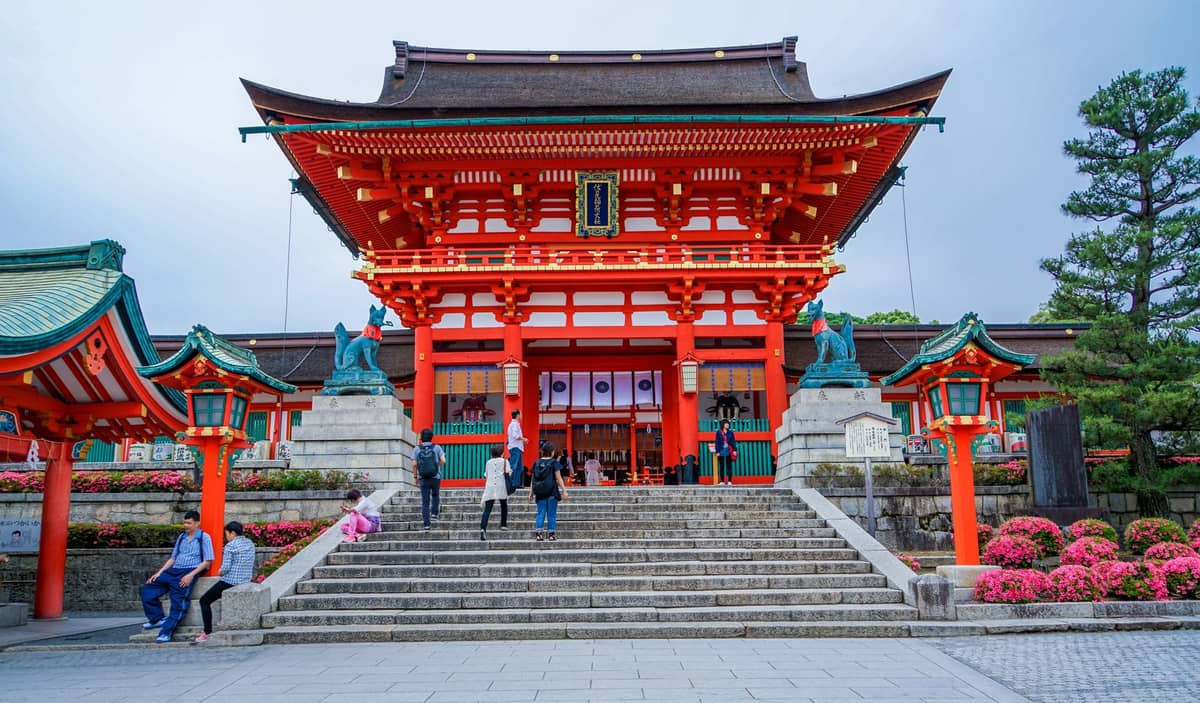
These are Kyoto's most visited and most photographed Shinto sites. They are famous for good reason, but timing matters enormously. At Fushimi Inari, arriving before 7am or after 8pm changes the experience completely. For more on navigating the mountain, theFushimi Inari hiking guide covers every trail option in detail.
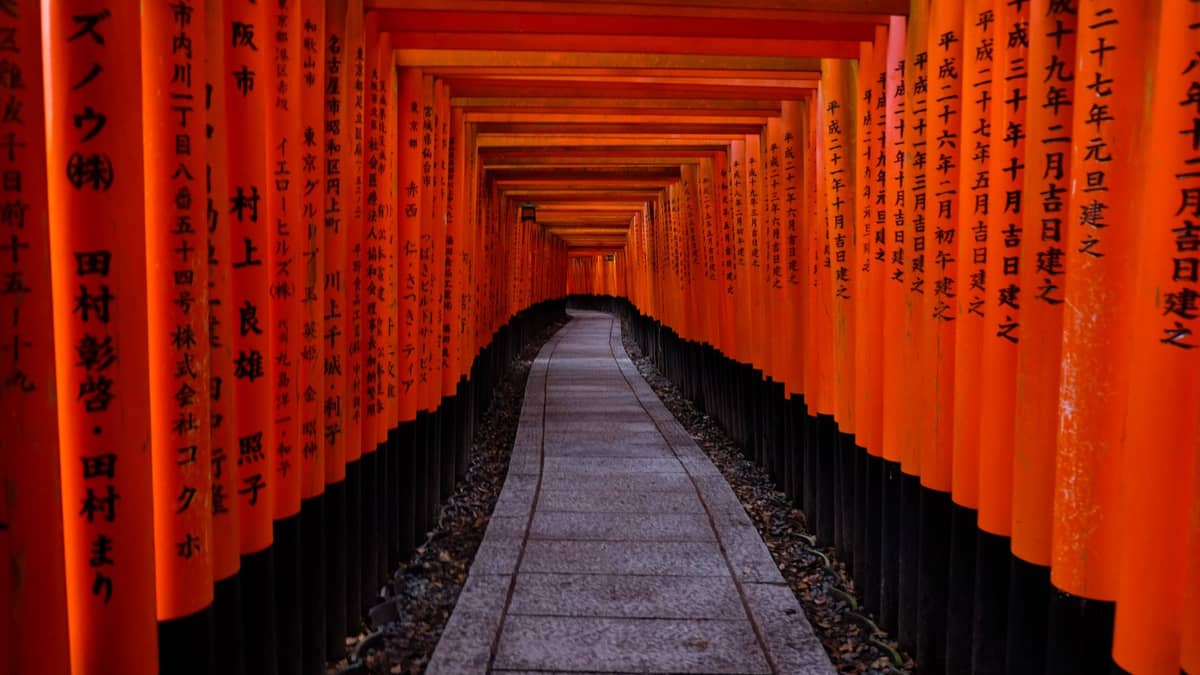
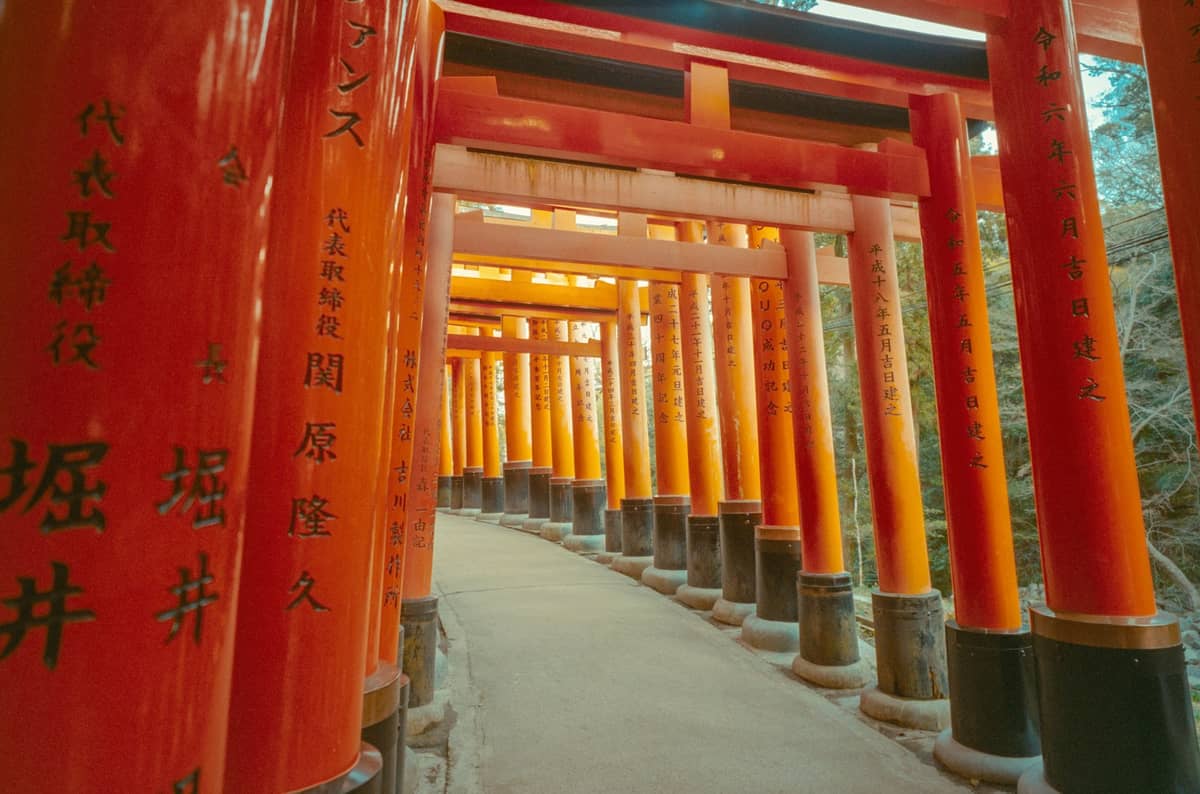
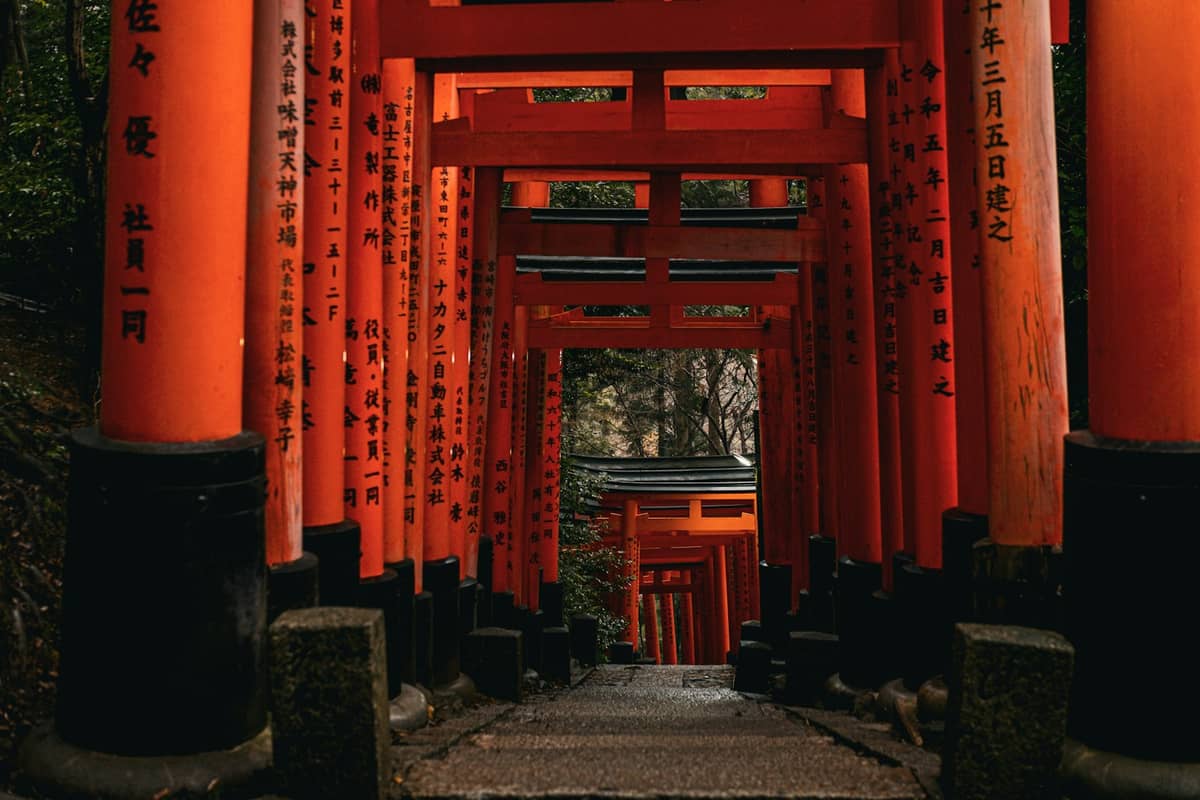
1. Walk the Torii Tunnels of Fushimi Inari Taisha
Japan's most visited shrine is open 24 hours and free. Thousands of vermilion gates wind up Mount Inari over 4km. The full loop takes 2-3 hours. Arrive before 7am or after dark to experience the tunnels without the midday crowds.
Explore1. Walk the Torii Tunnels of Fushimi Inari Taisha
Japan's most visited shrine is open 24 hours and free. Thousands of vermilion gates wind up Mount Inari over 4km. The full loop takes 2-3 hours. Arrive before 7am or after dark to experience the tunnels without the midday crowds.
Explore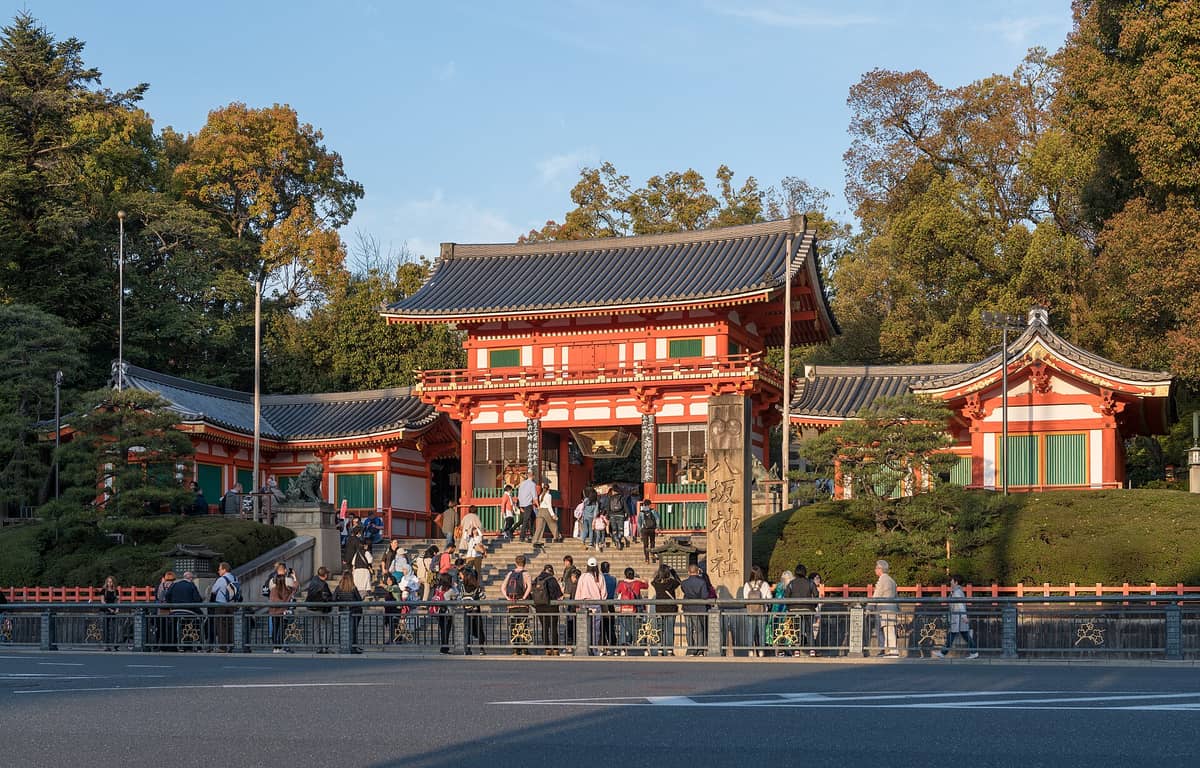
2. Experience Gion's Anchor Shrine: Yasaka Jinja
Free and open around the clock, Yasaka Shrine anchors the eastern end of Shijo-dori and hosts Gion Matsuri each July. The lantern-lit precinct is most atmospheric at dusk or on New Year's Eve when thousands gather for hatsumode (first shrine visit).
Explore2. Experience Gion's Anchor Shrine: Yasaka Jinja
Free and open around the clock, Yasaka Shrine anchors the eastern end of Shijo-dori and hosts Gion Matsuri each July. The lantern-lit precinct is most atmospheric at dusk or on New Year's Eve when thousands gather for hatsumode (first shrine visit).
Explore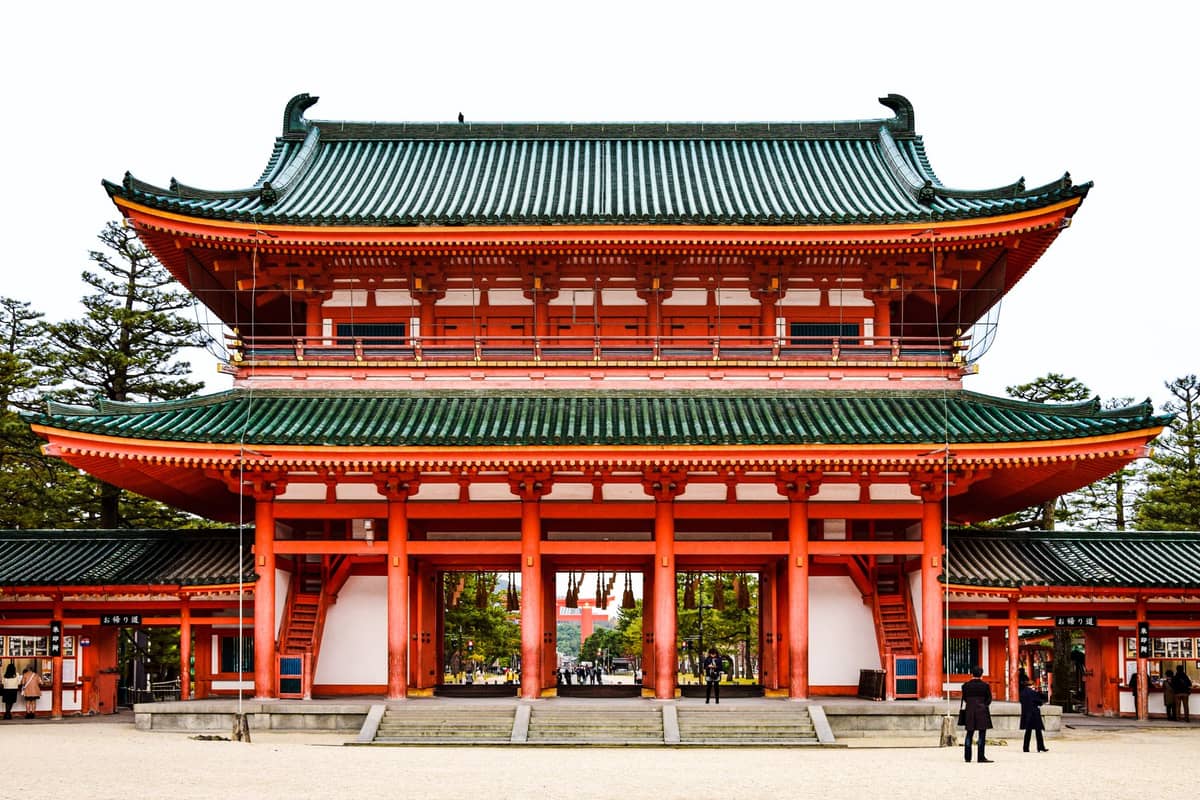
3. See the Grand Scale of Heian Shrine and Its Garden
Built in 1895 for Kyoto's 1,100th anniversary, the vermilion-and-white complex impresses with sheer scale. The free precinct is worth seeing, but the Shin'en stroll garden (600 JPY adults) is the real highlight, with seasonal blooms from plum to autumn maple.
Explore3. See the Grand Scale of Heian Shrine and Its Garden
Built in 1895 for Kyoto's 1,100th anniversary, the vermilion-and-white complex impresses with sheer scale. The free precinct is worth seeing, but the Shin'en stroll garden (600 JPY adults) is the real highlight, with seasonal blooms from plum to autumn maple.
ExploreAncient and UNESCO-Listed Shrines
Several of Kyoto's shrines carry UNESCO World Heritage status as part of the 'Historic Monuments of Ancient Kyoto' designation. These sites represent over a thousand years of continuous Shinto practice and are architecturally and historically distinct from the city's better-known Buddhist temples. ThePhilosopher's Path areaand the northern reaches of the city hold some of the least crowded of these ancient sites.
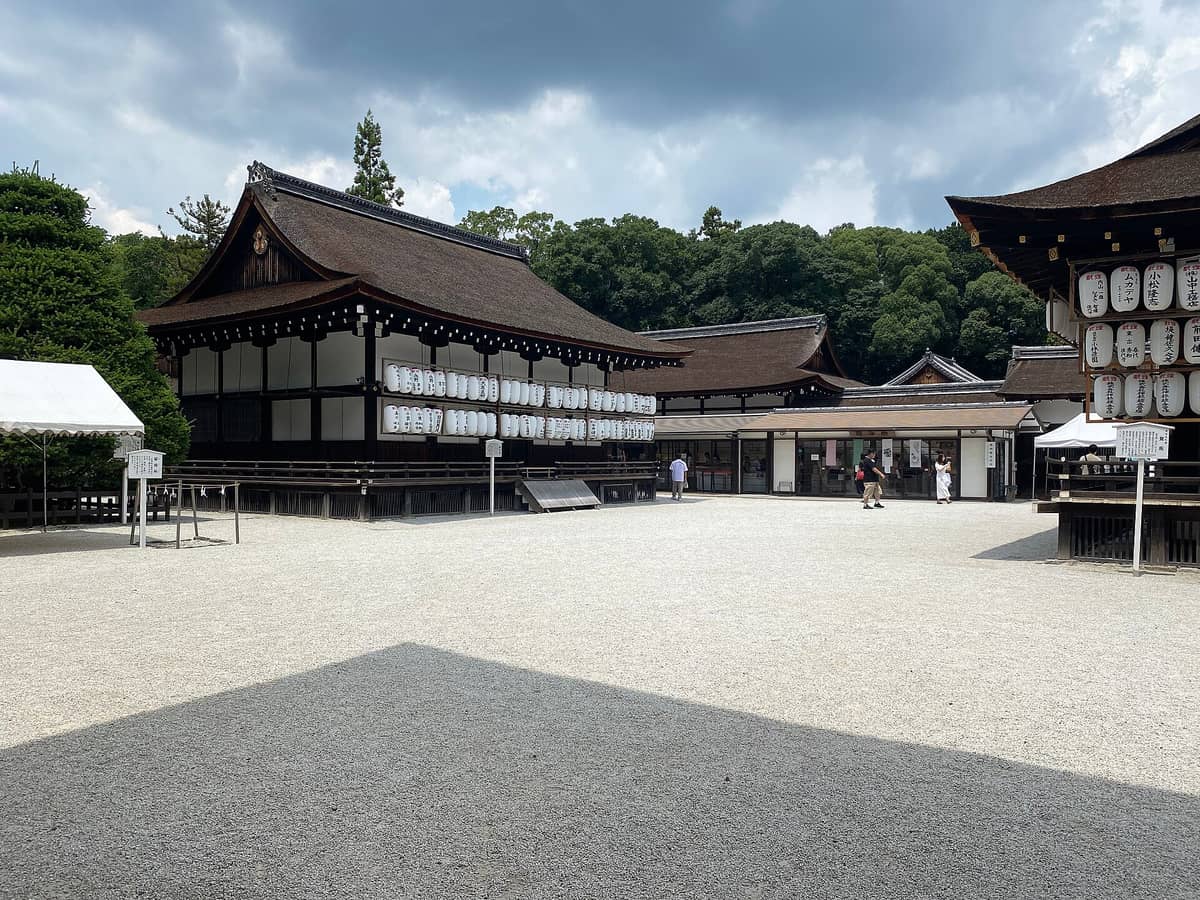
4. Visit One of Japan's Oldest Shrines at Shimogamo
Over 2,500 years old and a UNESCO World Heritage Site, Shimogamo sits within Tadasu no Mori, a primeval urban forest. The forested approach is free and serene year-round. Far fewer visitors than Fushimi Inari, yet equally significant in Shinto history.
Explore4. Visit One of Japan's Oldest Shrines at Shimogamo
Over 2,500 years old and a UNESCO World Heritage Site, Shimogamo sits within Tadasu no Mori, a primeval urban forest. The forested approach is free and serene year-round. Far fewer visitors than Fushimi Inari, yet equally significant in Shinto history.
Explore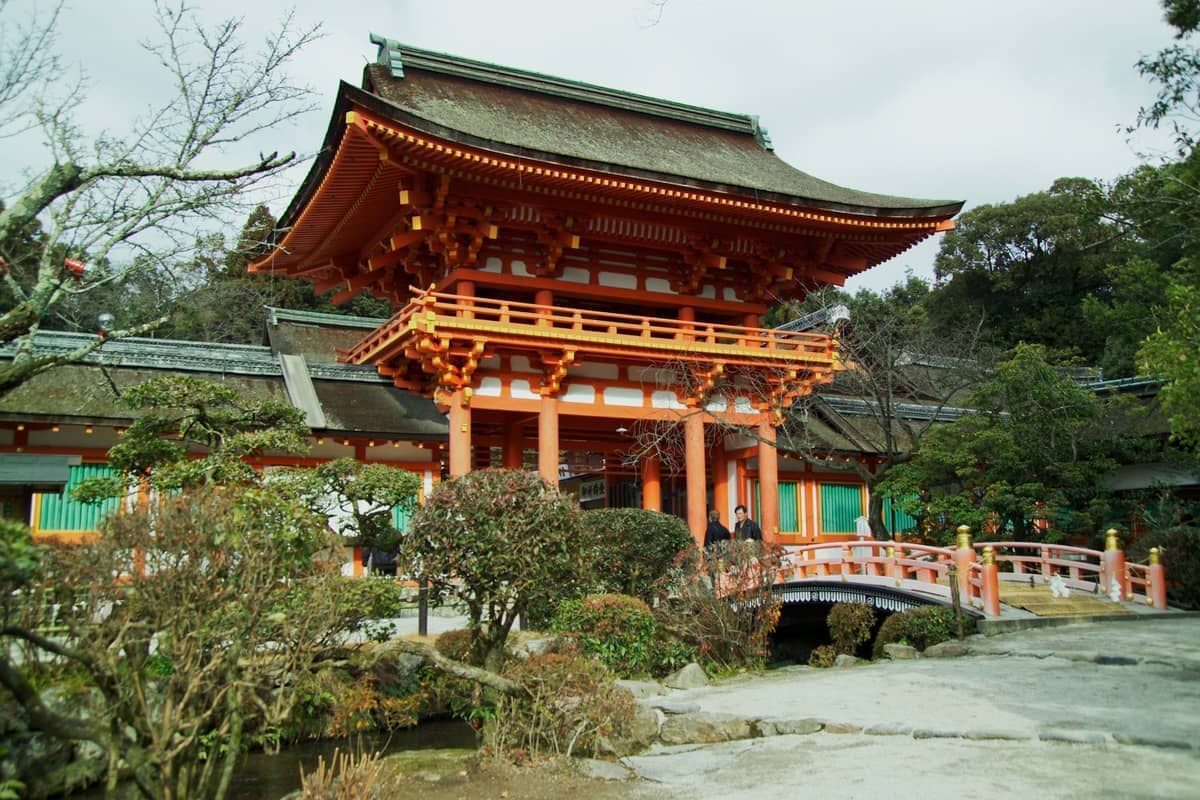
5. Find Solitude at Kamigamo, Kyoto's Most Sacred Shinto Site
Older than Kyoto itself, Kamigamo is a UNESCO-listed shrine along the Kamo River with a wide gravel courtyard and two distinctive white sand cones. Entry is free, crowds are rare, and the forested surroundings feel genuinely removed from the tourist circuit.
Explore5. Find Solitude at Kamigamo, Kyoto's Most Sacred Shinto Site
Older than Kyoto itself, Kamigamo is a UNESCO-listed shrine along the Kamo River with a wide gravel courtyard and two distinctive white sand cones. Entry is free, crowds are rare, and the forested surroundings feel genuinely removed from the tourist circuit.
Explore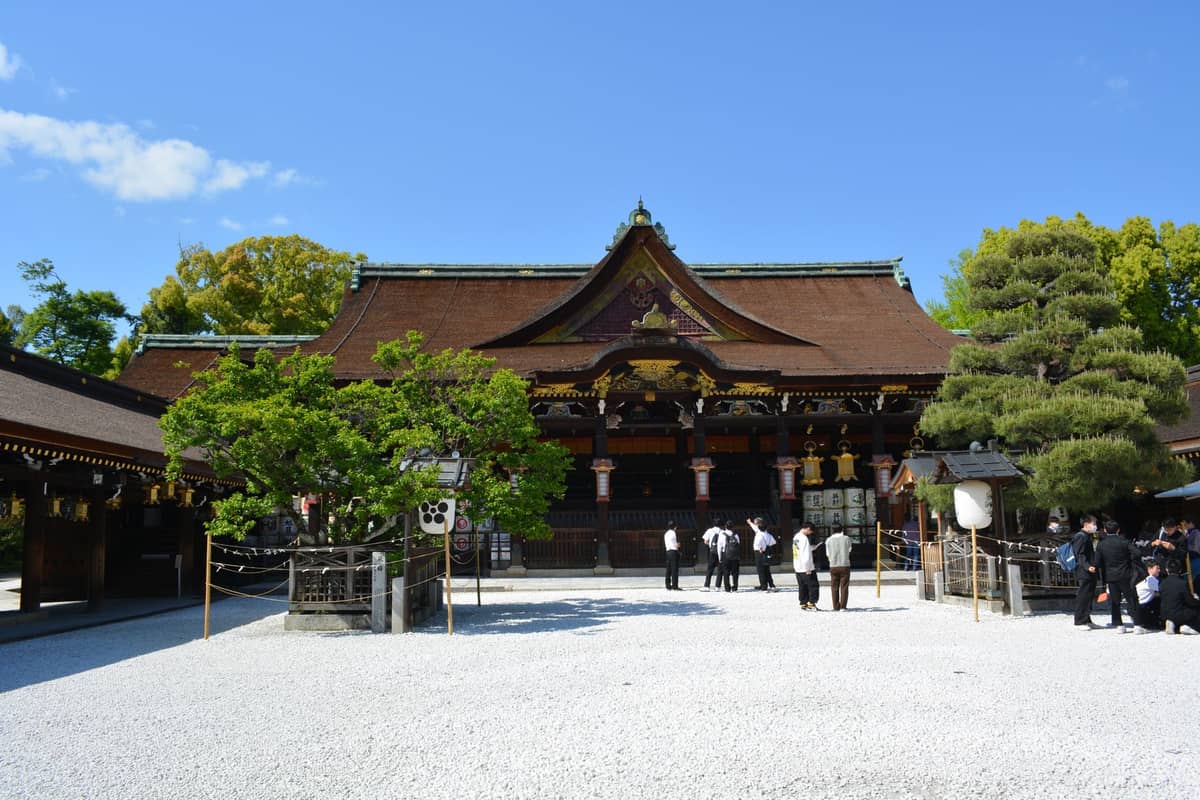
6. Explore Kitano Tenmangu: Plum Blossoms and Monthly Markets
Dedicated to Tenjin, deity of scholarship, this shrine runs open from 5am. The plum garden peaks in late February and costs 600 JPY. On the 25th of each month, a major flea market fills the grounds from 7am to 9pm, drawing locals and serious collectors.
Explore6. Explore Kitano Tenmangu: Plum Blossoms and Monthly Markets
Dedicated to Tenjin, deity of scholarship, this shrine runs open from 5am. The plum garden peaks in late February and costs 600 JPY. On the 25th of each month, a major flea market fills the grounds from 7am to 9pm, drawing locals and serious collectors.
ExploreMountain and Forest Shrines
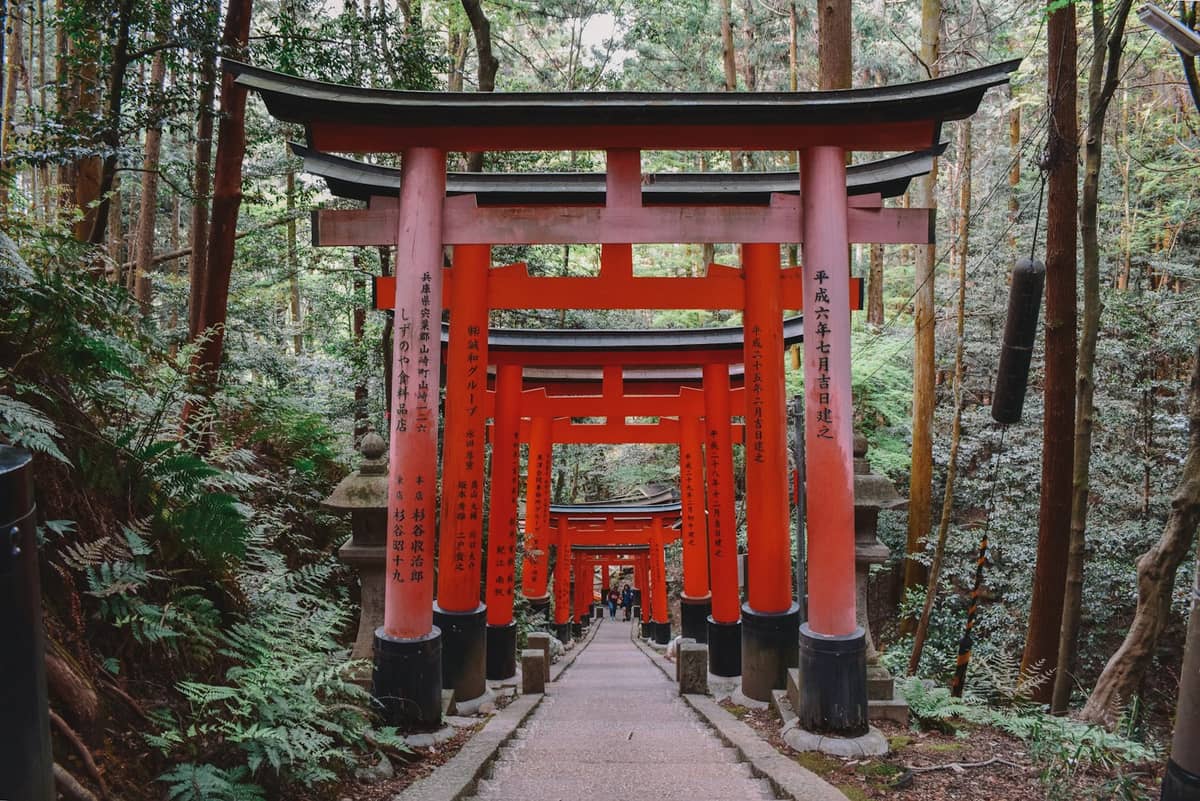
Some of Kyoto's most powerful shrine experiences require a journey into the mountains. TheKurama-Kibune areanorth of the city offers two very different but complementary sacred sites connected by a hiking trail, making them ideal to combine in a single day.
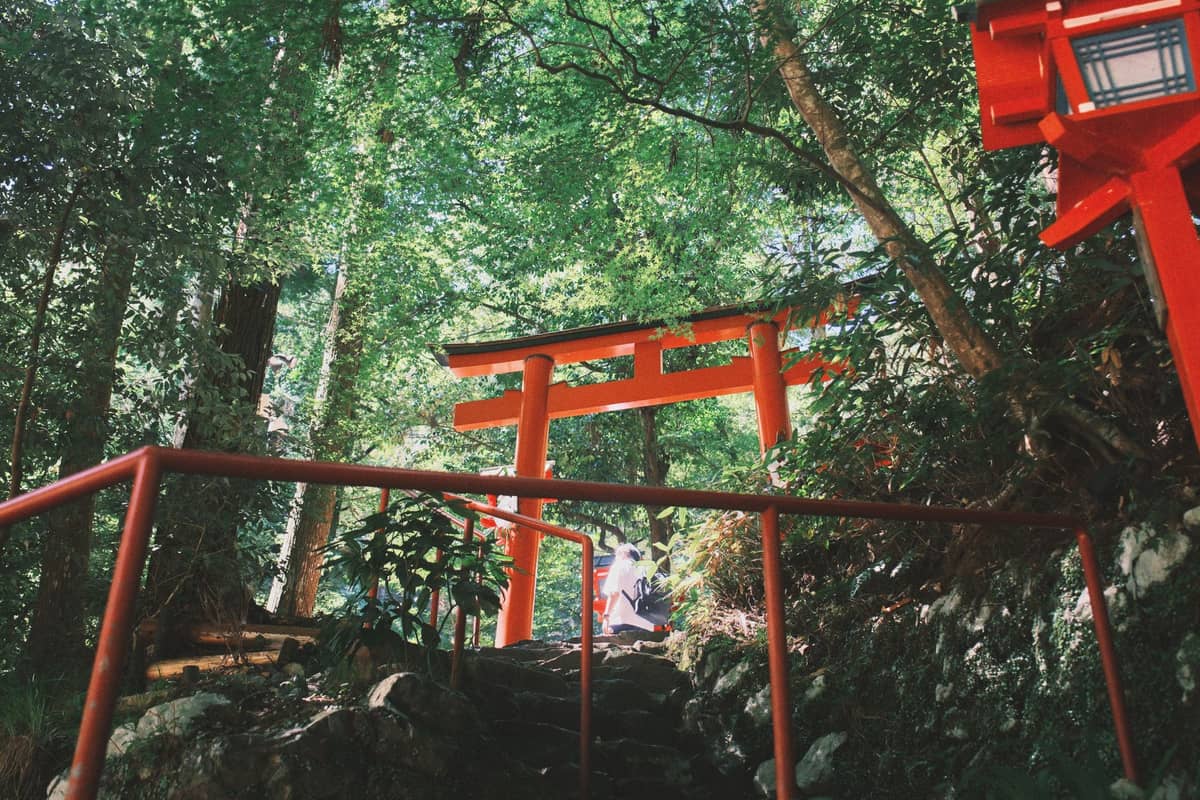
7. Climb to Kibune Shrine Through a Cedar and Lantern Forest
Dedicated to the water deity, Kibune Shrine is reached by a stone staircase lined with red stone lanterns through cedar forest. Open 6am-8pm from May-November. The valley below is famous for summer kawadoko dining platforms built over a rushing stream.
Explore7. Climb to Kibune Shrine Through a Cedar and Lantern Forest
Dedicated to the water deity, Kibune Shrine is reached by a stone staircase lined with red stone lanterns through cedar forest. Open 6am-8pm from May-November. The valley below is famous for summer kawadoko dining platforms built over a rushing stream.
Explore✨ Pro tip
Combine Kurama-dera temple and Kibune Shrine in one mountain hike: take the train to Kurama, hike 90 minutes through cedar forest, descend to Kibune Shrine, and return by bus. The route passes through some of Kyoto's most atmospheric mountain scenery.
Shrines Worth Pairing with a Broader Neighborhood Walk
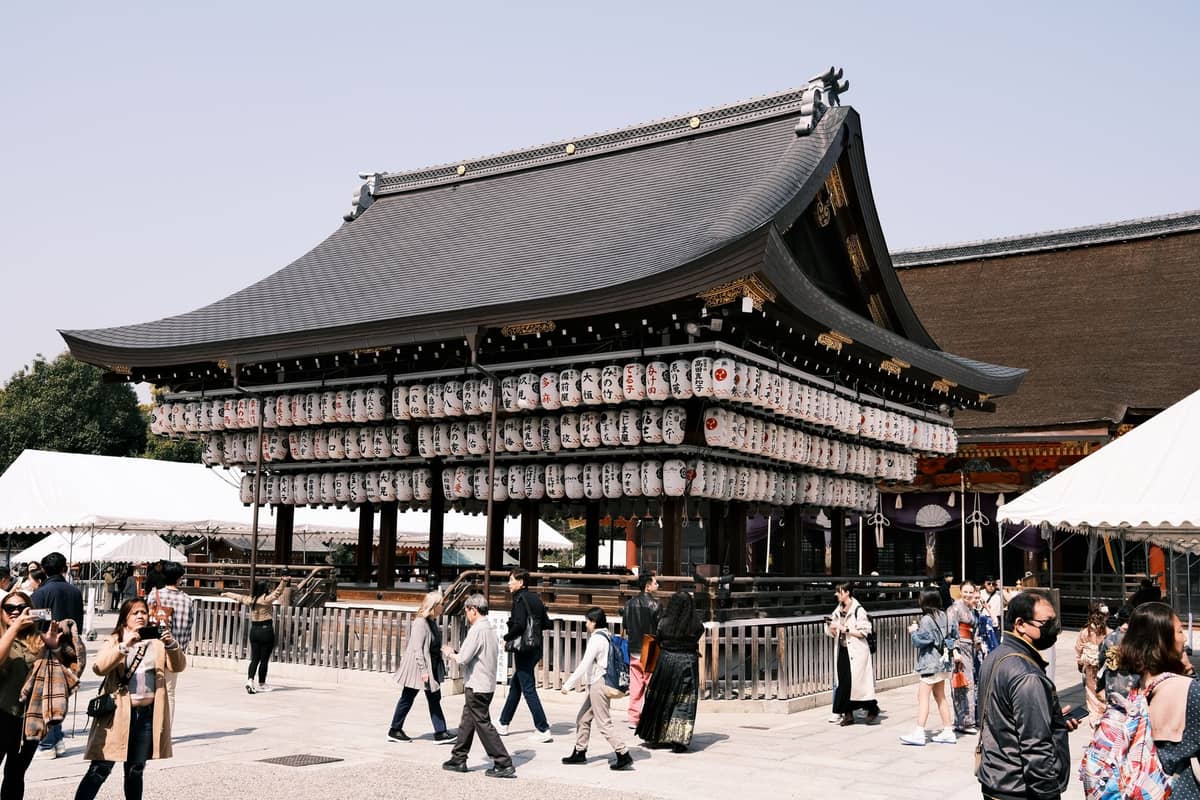
The shrines in this section reward visitors who take time to explore the surrounding district rather than treating each site in isolation. Yasaka Shrine, for example, flows naturally into Maruyama Park and the stone lanes ofHigashiyama. Shimogamo connects to the riverbank cycling path along the Kamo River. Planning these combinations saves time and makes each visit feel more coherent.
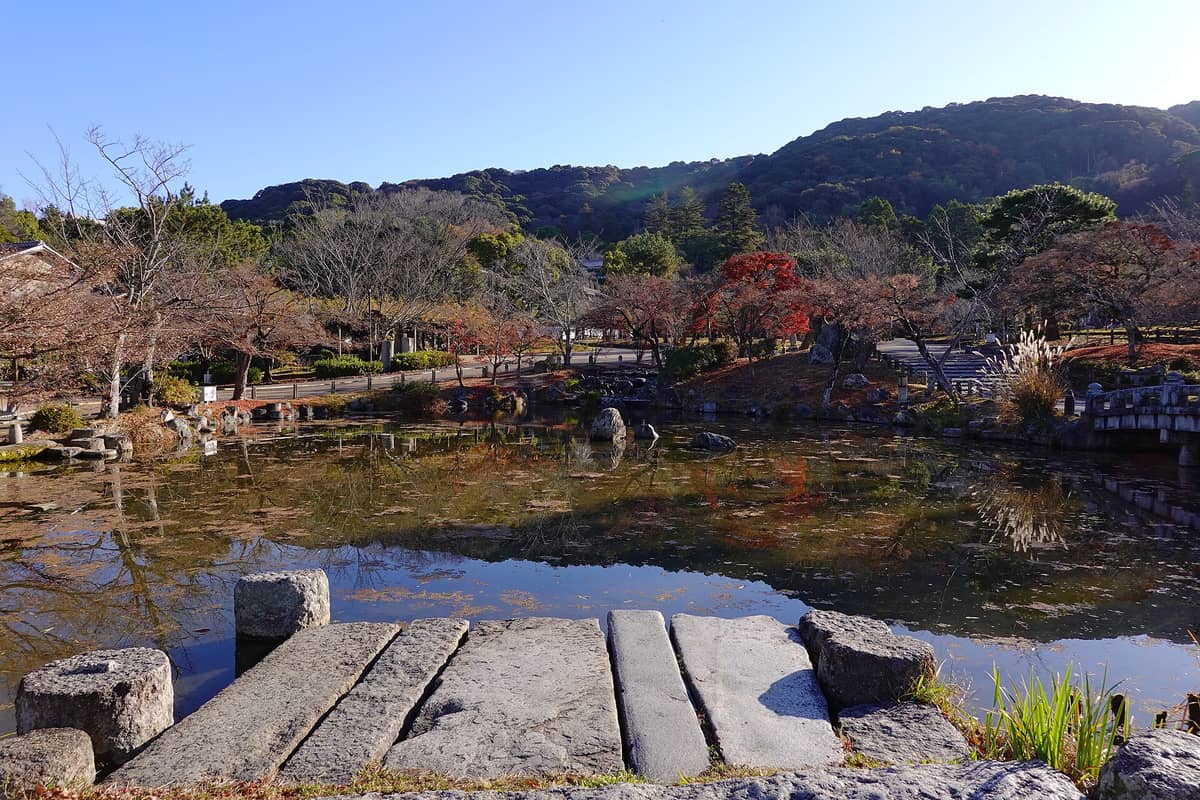
8. Use Maruyama Park as the Bridge Between Yasaka Shrine and Higashiyama
Directly behind Yasaka Shrine, Maruyama Park links the shrine precinct to the Higashiyama temple trail. Its famous weeping cherry tree draws enormous hanami crowds each April. Outside peak season, the park is a calm, leafy corridor between Gion and the eastern hills.
Explore8. Use Maruyama Park as the Bridge Between Yasaka Shrine and Higashiyama
Directly behind Yasaka Shrine, Maruyama Park links the shrine precinct to the Higashiyama temple trail. Its famous weeping cherry tree draws enormous hanami crowds each April. Outside peak season, the park is a calm, leafy corridor between Gion and the eastern hills.
Explore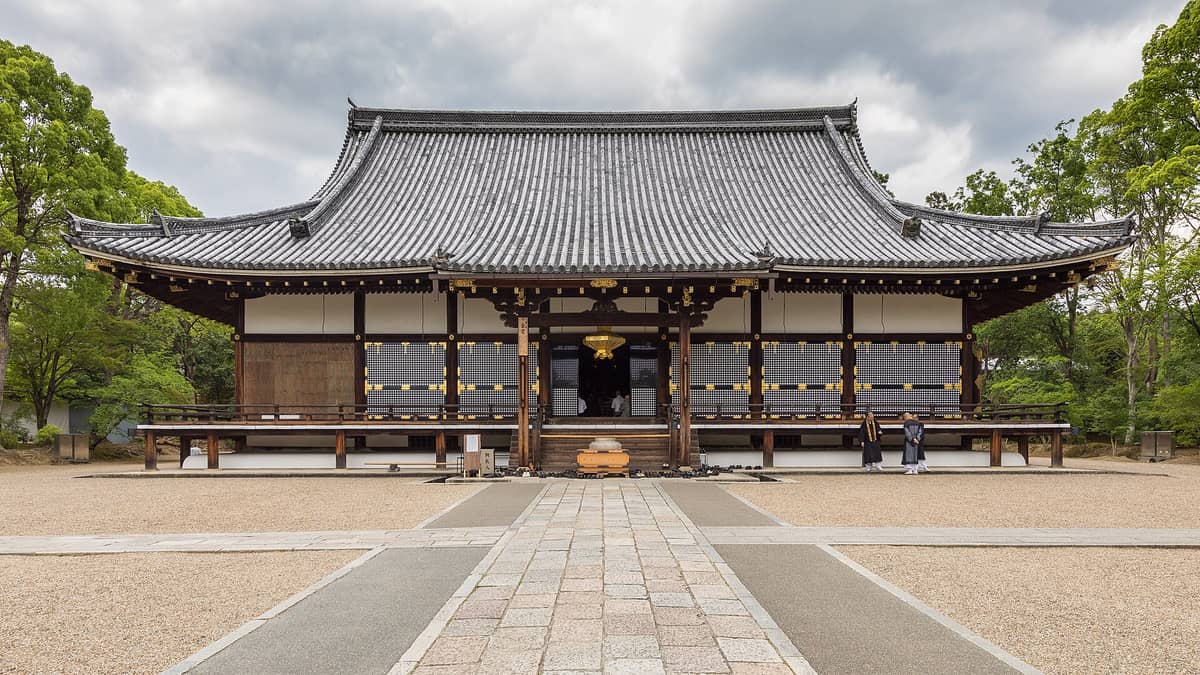
9. Visit Ninna-ji for Its Imperial History and Late-Blooming Cherry Trees
Founded in 888 AD, Ninna-ji is technically a Buddhist temple but functions within the same imperial sacred landscape as Kyoto's UNESCO shrines. Its Omuro cherry trees bloom a week later than central Kyoto, offering a second spring window each April.
Explore9. Visit Ninna-ji for Its Imperial History and Late-Blooming Cherry Trees
Founded in 888 AD, Ninna-ji is technically a Buddhist temple but functions within the same imperial sacred landscape as Kyoto's UNESCO shrines. Its Omuro cherry trees bloom a week later than central Kyoto, offering a second spring window each April.
ExploreShrines to Visit for Seasonal Experiences
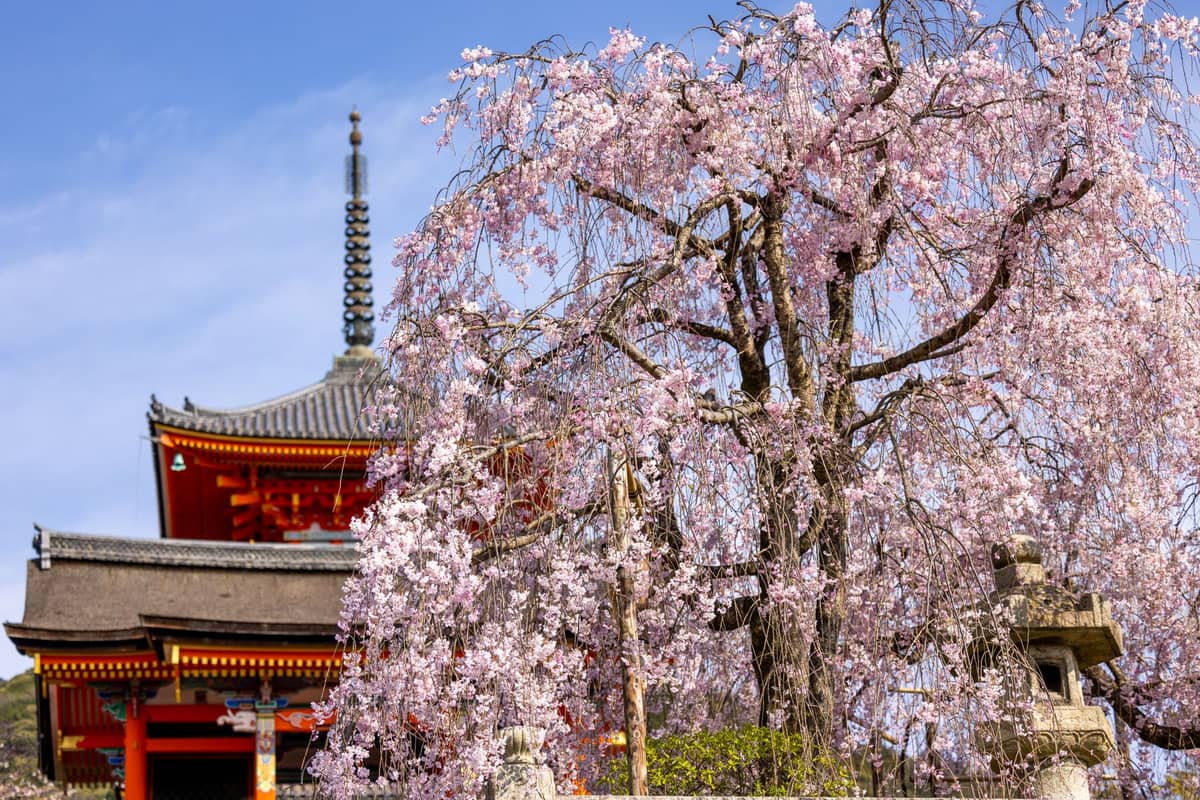
Shinto shrines are deeply tied to the agricultural calendar, and the best time to visit many of them is dictated by specific seasonal events rather than general sightseeing logic. For a full breakdown of how seasons affect all of Kyoto's major attractions, thebest time to visit Kyoto guide covers peak periods, crowds, and weather in detail.
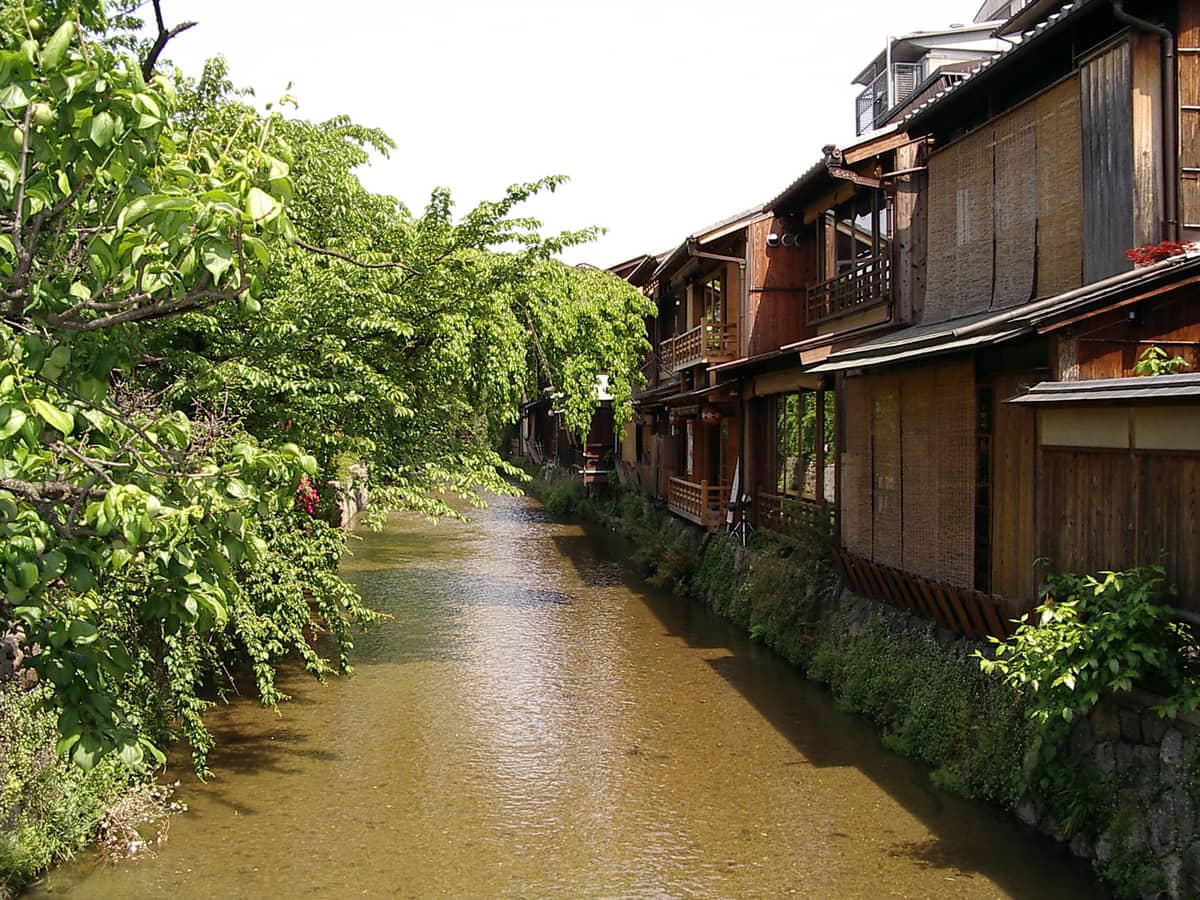
10. See the Gion Canal District During Cherry Blossom Season
Not a shrine itself, but the canal district surrounding Yasaka Shrine's neighborhood is at its peak when weeping cherries overhang the narrow Shirakawa waterway. The combination of blossoms, lantern-lit ochaya, and willow trees makes this Kyoto's most photographed spring scene.
Explore10. See the Gion Canal District During Cherry Blossom Season
Not a shrine itself, but the canal district surrounding Yasaka Shrine's neighborhood is at its peak when weeping cherries overhang the narrow Shirakawa waterway. The combination of blossoms, lantern-lit ochaya, and willow trees makes this Kyoto's most photographed spring scene.
Explore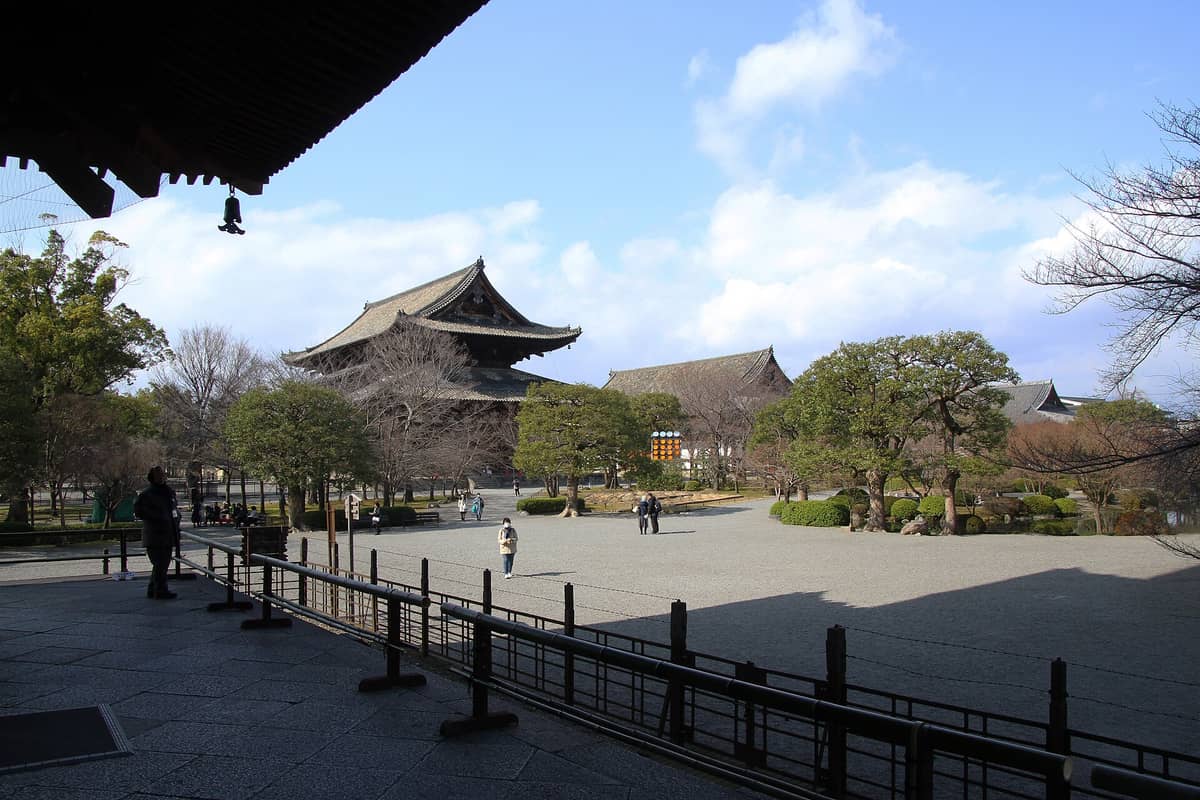
11. Photograph Toji's Pagoda at the Monthly Flea Market
Toji's 55-meter pagoda is technically a Buddhist temple, but its monthly Kobo-san market on the 21st draws the same antique-hunting crowd as Kitano Tenmangu's Tenjin-san. Over 1,000 stalls fill the temple grounds from dawn, making it Kyoto's best flea market experience.
Explore11. Photograph Toji's Pagoda at the Monthly Flea Market
Toji's 55-meter pagoda is technically a Buddhist temple, but its monthly Kobo-san market on the 21st draws the same antique-hunting crowd as Kitano Tenmangu's Tenjin-san. Over 1,000 stalls fill the temple grounds from dawn, making it Kyoto's best flea market experience.
Exploreℹ️ Good to know
If you visit Kyoto in July, the entire city revolves around Gion Matsuri, centered on Yasaka Shrine. The Yamaboko Junko parade on July 17 and 24 is the highlight, but shrine events run throughout the month. Book accommodation well in advance.
FAQ
Which shrine in Kyoto is the most famous?
Fushimi Inari Taisha is Kyoto's most visited attraction overall, known for its thousands of vermilion torii gates winding up Mount Inari. It is free, open 24 hours, and receives millions of visitors annually. Yasaka Shrine in Gion is a close second for cultural prominence, particularly during Gion Matsuri in July.
Are Kyoto's shrines free to enter?
Most shrine precincts in Kyoto are free. Heian Shrine's stroll garden costs 600 JPY for adults. Kitano Tenmangu's plum blossom garden charges around 800–1,200 JPY for adults when it opens in late February. The main paths and worship areas at shrines like Fushimi Inari, Yasaka, Shimogamo, and Kamigamo are entirely free.
What is the best time of day to visit Fushimi Inari?
The torii tunnel paths are open 24 hours. Arriving before 7am gives you the lower tunnels largely to yourself and the best morning light for photography. After 8pm the atmosphere is dramatic and crowds thin considerably. Midday, especially on weekends, is when congestion is worst.
What is the difference between a shrine and a temple in Kyoto?
Shinto shrines (jinja) are dedicated to kami (Shinto deities) and typically marked by torii gates. Buddhist temples (tera or ji) enshrine Buddha statues and are associated with Buddhist practice. Kyoto has both in abundance. Some sites, like Fushimi Inari, are purely Shinto; others, like Ninna-ji, are Buddhist but share the imperial sacred landscape.
How should I dress when visiting shrines in Kyoto?
There is no strict dress code at most Kyoto shrines, but modest attire is appropriate: covered shoulders and avoiding very short hemlines is respectful. Walk to the side of the central sando path leading to the main hall, as that central approach is traditionally reserved for the deity. Tipping is not practiced at shrines or anywhere else in Japan.