Kurama and Kibune are twin mountain villages in Kyoto's northern Rakuhoku area, reached by the Eizan Railway and connected by a forested hiking trail. The area pairs the ancient Kurama-dera Temple and natural onsen with the atmospheric Kifune Shrine and summer riverside restaurants, offering a genuine contrast to the city's more crowded historic districts.
About 30 minutes north of central Kyoto by train, Kurama and Kibune sit in a narrow mountain valley that feels a world away from the city's temple circuits. One village anchors a hillside temple and a sulfurous onsen; the other lines a stream with cedar-shaded shrine steps and restaurants built on platforms over cool river water. Together they form one of the most satisfying half-day or full-day routes in the Kyoto region.
Orientation: Where Kurama and Kibune Sit
Kurama and Kibune occupy the Rakuhoku area of Sakyo-ku, the northeastern ward of Kyoto City, deep in the mountains that form the city's northern boundary. The two settlements sit in adjacent valleys separated by a forested ridge, connected by a hiking trail that takes roughly 50 minutes to walk. Most visitors approach Kurama from the south via the Eizan Railway, and the two villages form a natural loop: arrive at one end, cross the ridge on foot, and descend to the other.
Kurama Station is the southern terminus of the Eizan Railway's Kurama Line. Kibuneguchi Station, one stop south of Kurama, is the rail gateway for Kibune village, which lies about 2 kilometers up a narrow road along the Kibune River. There are no formal street-bounded district lines here: the area is defined entirely by the mountain topography, the valley corridor, and the route between the two stations and Kifune Shrine.
In the wider Kyoto context, Kurama and Kibune are the furthest north of the city's major sightseeing areas. The Philosophers' Path area andOhara villageare the nearest comparable destinations, though both feel much closer to urban Kyoto than this valley does. If you are planning a day that combines Kurama or Kibune with central Kyoto sights, build in at least three to four hours for the mountain area alone.
Character & Atmosphere
The shift in atmosphere begins on the train. The Eizan Railway runs single-car trains through a gradient of residential suburbs that gradually gives way to cedar forest as you approach the end of the line. By the time Kurama Station appears, framed by its small tengu demon statue, you are already in a different register of Kyoto: quieter, cooler, and noticeably more vertical.
On a weekday morning, Kurama village is genuinely quiet. A handful of shops and small restaurants line the short lane from the station toward the temple gate, but even in peak seasons the crowds thin quickly once you start climbing the stone steps into the cedar canopy above. The air smells of damp moss and, closer to the onsen area, a faint sulfur. The sound backdrop is mostly birdsong and the crunch of gravel underfoot.
Kibune has a different quality. The valley is narrower and the stream louder. In summer, the main draw is the kawadoko dining: restaurants extend wooden platforms directly over the Kibune River, and lunch or dinner here is genuinely one of the more atmospheric eating experiences in the Kyoto area. By late afternoon the light drops early into this tight valley, and the stone lanterns along the path to Kifune Shrine begin to matter even before sunset. In autumn, the maples here turn exceptional colors, and the combination of red foliage, stone lanterns, and running water attracts serious photographers.
Neither village is particularly lively after dark. Kurama has its famous fire festival in October, but outside of event days the last practical train back to Demachiyanagi leaves in the early evening. This is not a neighborhood for nightlife. It rewards early arrivals and unhurried afternoons far more than late nights.
💡 Local tip
Arriving at Kurama by 9am on a weekday puts you on the temple trail well ahead of day-trippers from Kyoto's central hotels. The forest light in the morning hours, filtering through cedar before the mist clears, is one of the better reasons to get up early in this city.
What to See & Do
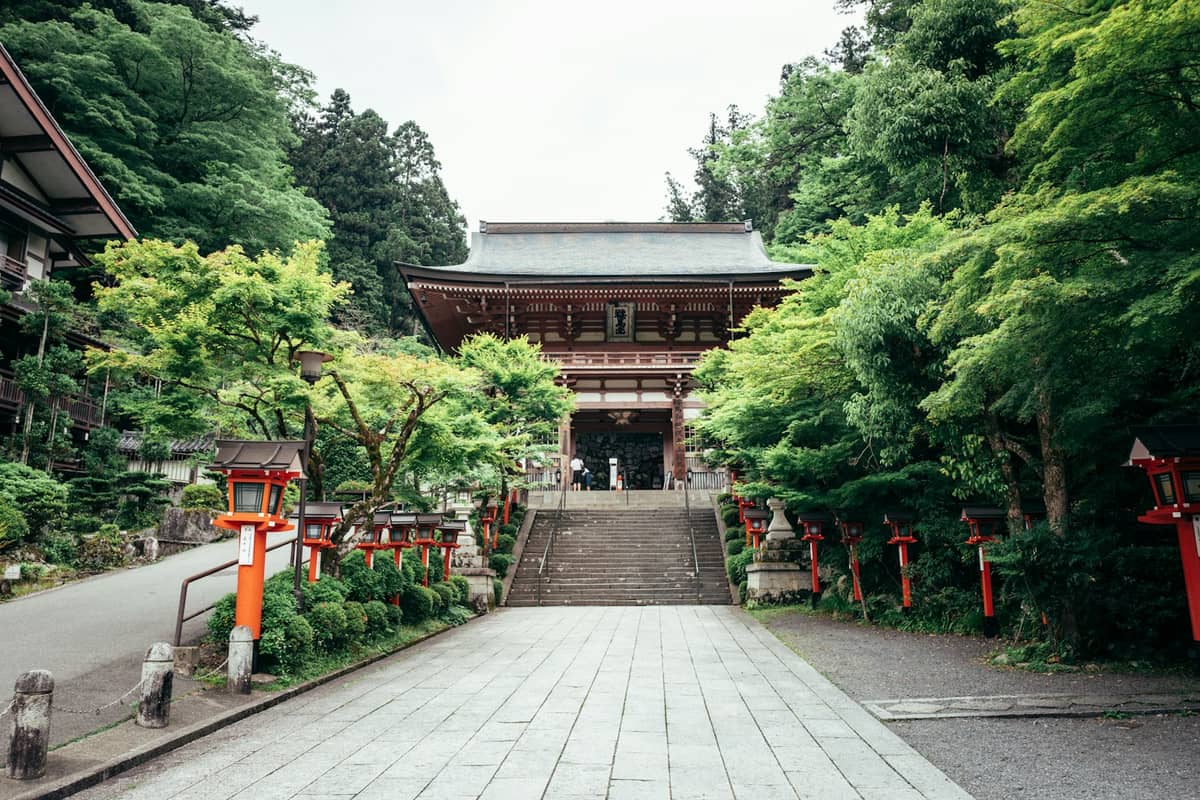
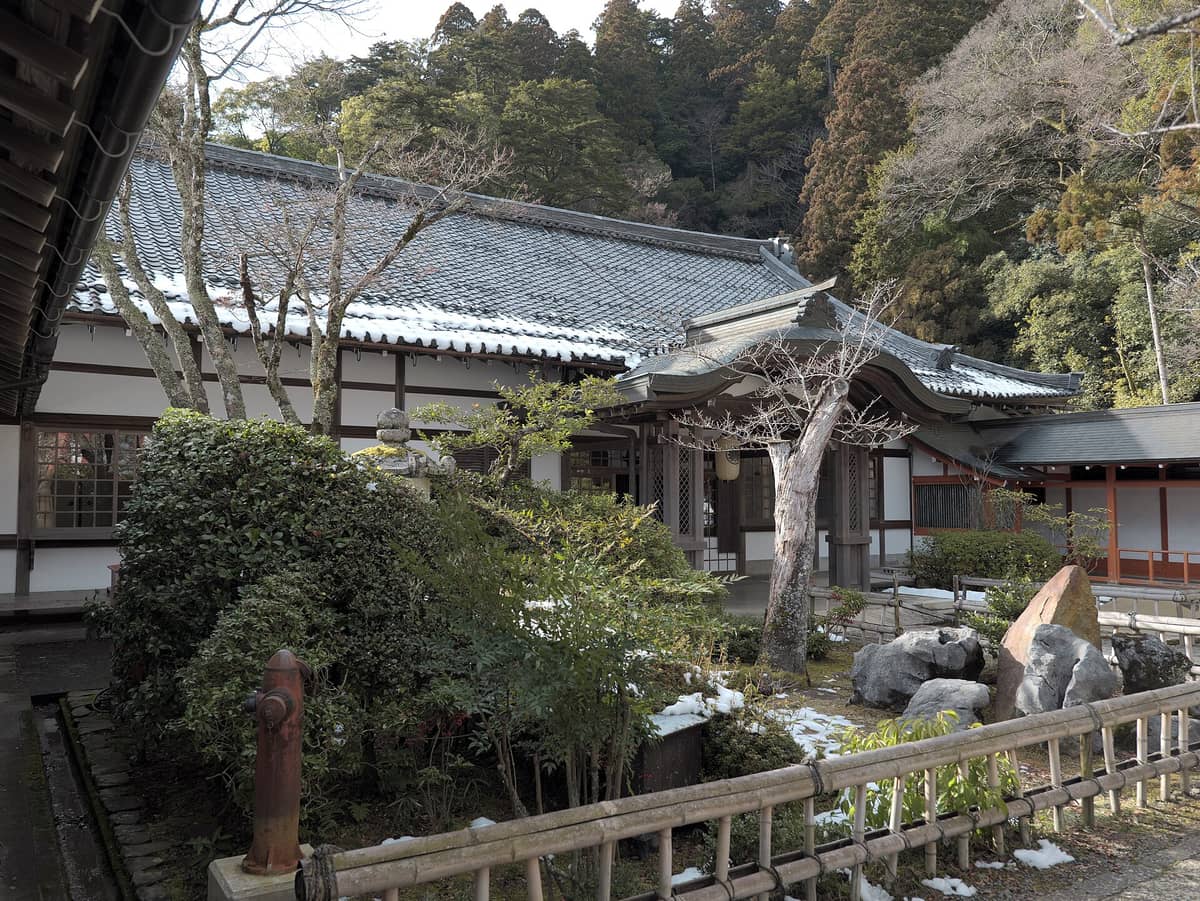
The central experience is Kurama-dera Temple, a mountain temple complex founded in 770 CE that sprawls across the forested ridge above the village. The main approach is a steep stone stairway from the gate near Kurama Station, though a cable car (subject to seasonal availability and current operating status) offers a partial shortcut to the middle precinct. The full climb to the inner sanctuary and the ridge takes around 30 to 40 minutes and rewards the effort with forest views and a sense of genuine remove from the city.
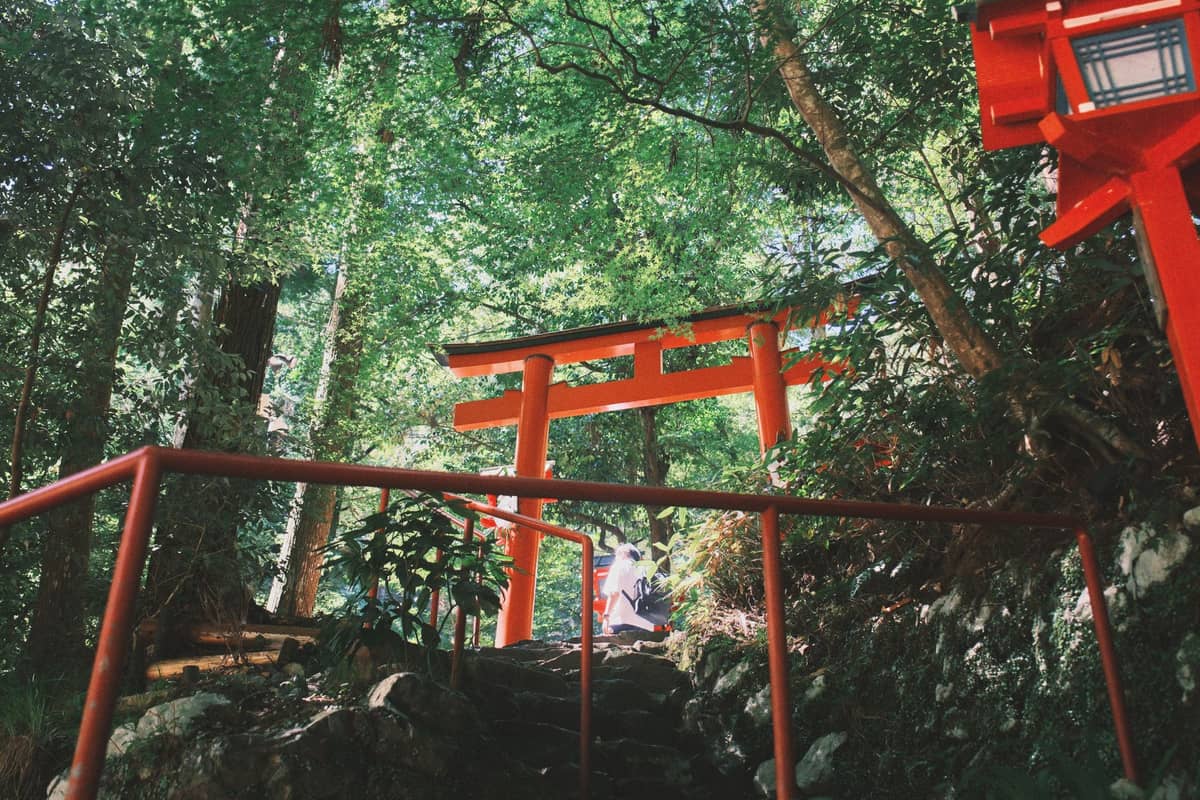
The hiking route over the ridge connects Kurama-dera's upper precincts to Kibune, descending through forest to emerge at the upper end of Kibune village. It is a well-maintained trail, but it involves uneven terrain, tree roots, and some steep sections. Wear appropriate footwear. At the Kibune end, the path delivers you nearKifune Shrine, a water deity shrine that has stood in this valley for over 1,600 years. The main gate approach, lined with stone lanterns and flanked by maples, is one of the most reproduced images in Kyoto travel photography, particularly in autumn.
Kurama-dera Temple: the full climb to the inner sanctuary takes 30-40 minutes; the complex includes multiple sub-shrines and viewpoints along the route
Kifune Shrine (Kibune village): water deity shrine with a famous stone-lantern approach path; the upper Okumiya sub-shrine is a further 15-minute walk up the valley
The Kurama-Kibune hiking trail: approximately 3km, allow 90-120 minutes including temple and shrine visits; connects the two villages via the forested ridge
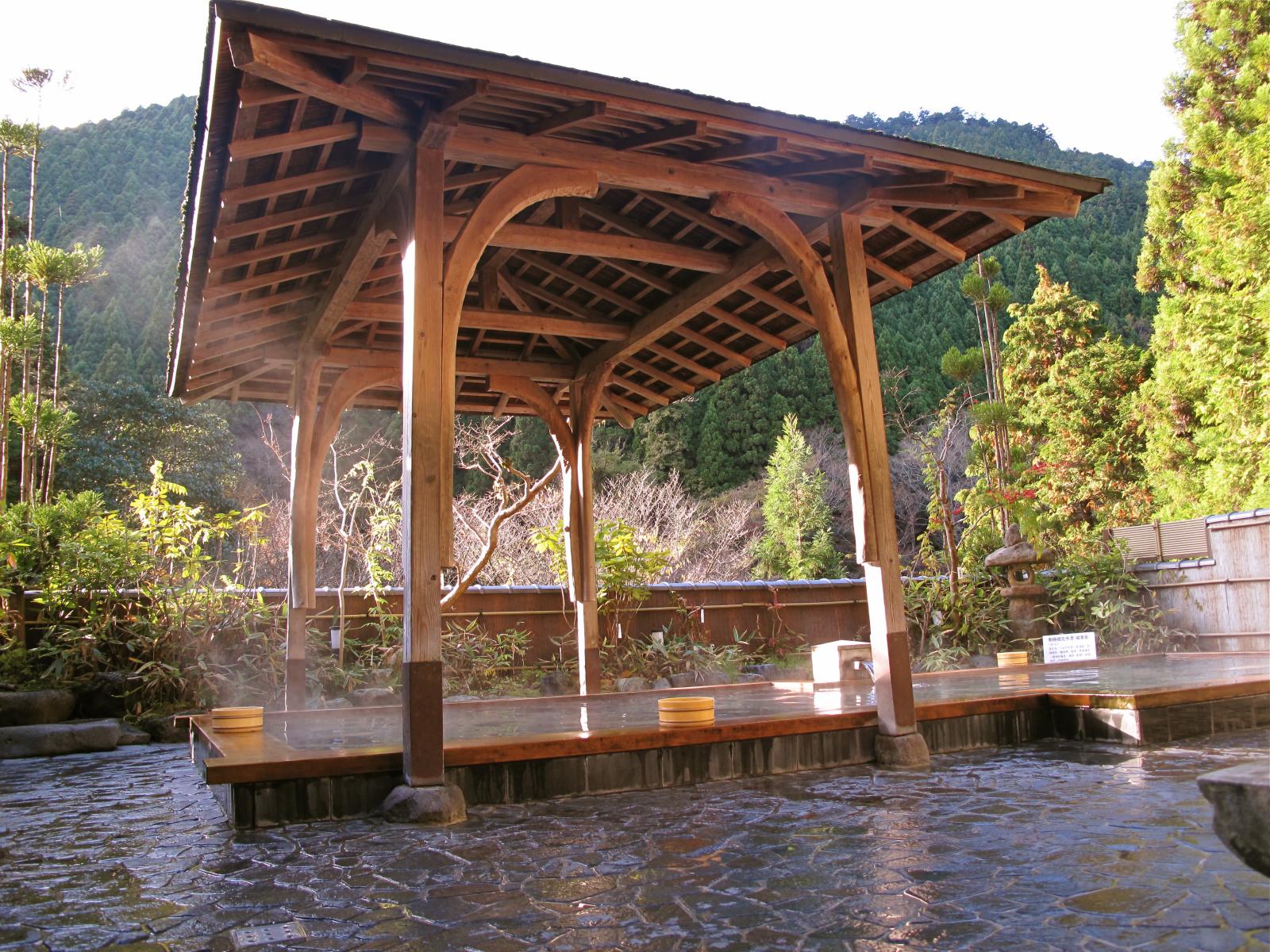
Kurama Onsen: a natural hot spring facility near Kurama Station offering outdoor baths with mountain views; day-use bathing available (typically from late morning to evening, around ¥1,400–¥3,000 per adult; verify hours and fees before visiting)
Kawadoko riverside dining in Kibune: seasonal platform dining over the Kibune River, typically May through September
Autumn foliage: both valleys are among the most celebrated autumn color spots in the Kyoto area, peaking late October to mid-November
The area also connects to broader interests in Kyoto's natural and spiritual landscape. Those interested in Kyoto's mountain shrines and temples can read more in the guide to thebest temples in Kyoto, which places Kurama-dera in the wider context of the city's mountain temple tradition.
⚠️ What to skip
The hiking trail between Kurama and Kibune is not stroller-accessible and is difficult for those with limited mobility. Some sections involve steep stone steps and uneven forest paths. If you want to visit both villages without hiking, you will need to backtrack by train via Kibuneguchi Station rather than crossing the ridge on foot.
Eating & Drinking
The food scene in this area is modest in variety but high in specificity. Kurama village has a small cluster of restaurants and tofu shops near the station, many serving yudofu (simmered tofu) and mountain vegetable dishes that reflect the temple-town culinary tradition. Lunch options here are limited, and several places close on weekdays outside peak seasons, so arriving with some flexibility is sensible.
Kibune's reputation rests almost entirely on kawadoko dining. From late spring through summer, a row of ryotei and kaiseki restaurants extend wooden platforms over the Kibune River, lowering the dining experience literally into the sound and cool air of the stream. The cuisine is traditional Japanese kaiseki at these establishments, and prices reflect that: a full kaiseki lunch typically runs several thousand yen per person and reservations are strongly advisable, particularly on weekends and during peak foliage season. A few more casual options near the shrine steps offer soba and simple set meals at lower price points.
If you want to understand what makes this kind of mountain village cuisine distinct from Kyoto's urban food culture, theKyoto food guidecovers the city's regional specialties and how temple-town cooking traditions differ from the downtown restaurant scene.
💡 Local tip
Kawadoko dining in Kibune is one of summer Kyoto's signature experiences, but it books out well in advance. If you are visiting between May and September and want to eat on the river platforms, contact restaurants at least a week ahead, and more during Golden Week or Obon.
Getting There & Around
The primary route from central Kyoto is the Eizan Railway Kurama Line, departing from Demachiyanagi Station. Demachiyanagi is itself a 10-minute walk from Kyoto University and the Philosopher's Path area, or accessible via the Keihan Railway. The journey from Demachiyanagi to Kurama Station takes approximately 28–29 minutes; to Kibuneguchi Station, approximately 25–28 minutes. The Eizan Railway runs single-car trains, typically every 20 to 30 minutes. Fares are modest, though verify current prices at the station.
From Kibuneguchi Station to Kibune village itself, Kyoto Bus Route 33 runs up the valley road to the Kibune bus stop in about 6 minutes. The road is too narrow for private cars to drive comfortably, and parking is extremely limited. Public transport or a taxi from the station are the practical options. Walking from Kibuneguchi Station to Kibune village along the road is possible but takes around 30 minutes uphill.
An alternative approach uses the Karasuma Subway Line to Kokusaikaikan Station, the northern terminus of the line, from which Kyoto Bus services run toward the Kurama and Kibune area. This route can be convenient if you are coming from Kyoto Station or the southern and central parts of the city, as it avoids transferring to the Eizan Railway. Check current bus schedules at Kokusaikaikan before relying on this option.
For broader context on moving around Kyoto by train, subway, and bus, the guide togetting around Kyotoexplains IC card usage, day pass options, and how the different rail companies interconnect.
Eizan Railway Kurama Line from Demachiyanagi: approximately 28-31 minutes, departures every 20-30 minutes
Kyoto Bus Route 33 from Kibuneguchi Station to Kibune village: approximately 7 minutes
Karasuma Subway Line to Kokusaikaikan, then Kyoto Bus: useful if travelling from Kyoto Station or central/southern Kyoto
Taxis available from Kibuneguchi Station to Kibune village, but road is narrow and journey is short
No useful car parking in either village during peak seasons; arrive by public transport
When to Visit
The Kurama and Kibune area rewards visits across different seasons, but the character changes significantly month to month. For a broader look at how seasonal timing affects all of Kyoto, thebest time to visit Kyotoguide covers crowd levels, weather, and event timing across the city.
Spring brings fresh green to the forest canopy and comfortable hiking temperatures, typically March through May. This is a good period to visit without the extreme crowds that gather during cherry blossom season in central Kyoto. Summer, June through September, is the kawadoko season in Kibune: the riverside platforms are set up and the cool stream air makes the valley a genuine refuge from Kyoto city's intense basin heat, where summer temperatures regularly reach 32 to 33 degrees Celsius.
Autumn is the area's most photographed season. The maple forest along the Kibune River and the approaches to both Kurama-dera and Kifune Shrine turn vivid red and orange from late October through mid-November. This overlaps with peak autumn foliage tourism across Kyoto, so crowds in the valley are at their heaviest on weekends. Midweek visits are considerably calmer. Winter strips the trees back but leaves a spare, quiet beauty, and the cedar forest around Kurama-dera retains its dark green through the cold months. TheKyoto in autumn guidecovers the foliage season in detail across the city's main areas.
The Kurama Fire Festival (Kurama no Hi Matsuri), held on October 22nd each year, is one of Kyoto's most dramatic and unusual annual events. The festival involves torchlit processions through the village after dark and draws large crowds to what is normally a very small settlement. Train services are extended on festival night, but the village becomes extremely congested. It is a spectacular experience, but plan transport and arrival times carefully.
Where to Stay
Accommodation options directly in Kurama and Kibune are limited to a small number of traditional ryokan, some of which operate as kaiseki dining establishments with rooms. Staying in the valley overnight is a genuinely different experience from Kyoto city: the quiet after the day-trippers leave is absolute, and the combination of a forest onsen soak and a multi-course dinner served in a riverside or garden setting approaches the upper end of what a traditional Japanese inn can offer.
Most visitors, however, base themselves in central Kyoto and visit Kurama and Kibune as a half-day or full-day trip. The Demachiyanagi area, at the northern end of the Keihan Railway and the Eizan Railway terminus, is a practical base for those who want to prioritize the northern mountains without staying in them. Thewhere to stay in Kyotoguide covers the full range of neighborhoods and accommodation types, including ryokan options for those seeking a traditional inn experience.
Those interested in the full ryokan experience, whether in Kurama or elsewhere in Kyoto, should read theKyoto ryokan guidefor advice on what to expect, how to book, and what distinguishes different grades of accommodation.
Honest Assessment: Is Kurama and Kibune Right for You?
This area is not for every visitor to Kyoto. If your trip is focused on temples, geisha districts, and imperial palaces in the city center, Kurama and Kibune require a real commitment of time for a single valley. The round trip from central Kyoto, including the hike and a meal, takes at minimum four to five hours and more comfortably six to seven.
What the area does offer is essentially unavailable elsewhere in the immediate Kyoto area: genuine mountain forest, a functioning onsen with outdoor baths, riverside kaiseki dining, and a hiking trail that connects a mountain temple to a water shrine through cedar and maple canopy. These are not interchangeable with the city's other attractions. For travelers who want a day that feels fundamentally different from the shrine and temple circuit, this valley delivers it clearly.
ℹ️ Good to know
Kurama and Kibune sit within Kyoto City administrative boundaries but feel remote enough that weather, trail conditions, and seasonal closures matter more here than in central Kyoto. In winter, check trail conditions before attempting the ridge hike. After heavy rain, the forest paths can be slippery and some areas may be closed. The Kurama-dera Temple and Kifune Shrine both have official websites; verify opening hours and any access restrictions before visiting.
TL;DR
Kurama and Kibune are a pair of mountain villages in Kyoto's northern Rakuhoku area, reached in under 30 minutes from Demachiyanagi Station via the Eizan Railway when travelling from northern central Kyoto.
The main draws are Kurama-dera Temple, Kifune Shrine, the forested ridge-crossing hike between the two villages, Kurama Onsen, and Kibune's celebrated kawadoko riverside dining (May to September).
Autumn foliage (late October to mid-November) is the area's most spectacular season; the Kurama Fire Festival on October 22nd is one of Kyoto's most dramatic annual events.
Best suited to travelers who want a genuine half-day or full-day escape from urban Kyoto: recommended for hikers, onsen enthusiasts, couples seeking atmospheric dining, and anyone visiting in summer who wants relief from the city's basin heat.
Not ideal for visitors with very limited time, those with mobility difficulties, or anyone expecting the convenience and variety of central Kyoto's food and transport network.
Kyoto holds more extraordinary Japanese gardens per square kilometer than anywhere else on earth. This guide covers the finest examples across every style, from dry rock gardens to imperial stroll gardens, with practical advice on access, timing, and what makes each one worth the visit.
Kyoto holds more Shinto shrines than almost any city on earth, ranging from grand imperial complexes to quiet forest sanctuaries. This guide covers the best, with practical advice on when to go, what to expect, and what most visitors get wrong.
Kyoto has over 1,600 Buddhist temples and around 400 Shinto shrines, ranging from gold-leafed pavilions to remote mountain retreats. This guide cuts through the noise to highlight the temples that genuinely reward a visit, with context on what makes each one worth your time.
Kyoto rewards visitors year-round, but the experience varies dramatically by season. This guide breaks down every month by weather, crowds, costs, and what's actually worth seeing — so you can choose the right time for your trip, not just the most popular one.
Kyoto's best views range from the famous wooden stage at Kiyomizu-dera to a forested mountain summit reached by a 45-minute hike. This guide covers the city's top viewpoints across temples, hilltops, iconic streets, and observation decks, with tips on timing and what to expect.
Kyoto sits at the center of one of Japan's richest regions for day-tripping. Within an hour by train, you can reach ancient deer parks, mountain temples, sake-brewing canals, and remote moss gardens. This guide covers the best excursions organized by direction and theme.
Kyoto is one of the world's great cultural cities, and a surprising number of its best experiences are completely free. From the torii-gate tunnels of Fushimi Inari to the stone lanes of Higashiyama and the canal-side Philosopher's Path, here is a practical guide to the finest free attractions in Kyoto.
The Fushimi Inari hike is one of the most iconic walks in Japan, threading thousands of vermilion torii gates up Mt. Inari in southern Kyoto. This guide covers every trail option, the best times to go, how to get there cheaply, and the the reality about what the experience is actually like.
Kyoto's transport network is more layered than it first appears. This guide breaks down every practical option, from city buses and subway lines to IC cards, day passes, and airport transfers, so you can move around the city without wasting time or money.
Gion Matsuri fills the entire month of July with shrine rituals, towering floats, and lantern-lit street festivals. This guide breaks down exactly what happens, when, where to stand, and how to survive the July heat without missing the highlights.
Kyoto has no international airport of its own. This guide covers every practical way to reach the city from Kansai International Airport (KIX) and Osaka Itami (ITM), with current fares, journey times, and clear advice on which option suits your trip.
Kyoto's cherry blossom season is one of Japan's great spectacles, but peak bloom lasts barely a week and the crowds are intense. This guide covers exactly when to go, where to stand, what to skip, and how to make the most of sakura season in Kyoto.
Kyoto is Japan's historic capital, with over 1,600 temples, a preserved geisha district, and some of the country’s finest food. This guide covers everything a first-time visitor needs: the best time to visit, how to get from the airport, which neighborhoods to base yourself in, and how to avoid the most common mistakes.
Kyoto's food culture runs deeper than temple towns and tea ceremonies. From formal kaiseki multi-course meals to humble obanzai home cooking and steaming bowls of yudofu beside ancient temples, this guide covers what to eat, where to eat it, and exactly what to budget — season by season.
Kyoto is one of the most atmospheric cities in Asia for couples, with preserved historic streets, seasonal illuminations, ryokan stays, and cultural rituals designed for two. This guide covers the best romantic experiences, realistic pricing, and the timing details that make the difference between a good trip and a memorable one.
Kyoto is the only city in Japan where the geisha tradition survives at scale. This guide covers the five geisha districts, every major dance performance, licensed cultural experiences, and the etiquette rules that matter — so you can engage with this world respectfully and on your own terms.
Kyoto rewards those who look beyond the headline sights. This guide covers the city's most rewarding lesser-known temples, atmospheric alleyways, mountain retreats, and local institutions, from a moss-carpeted UNESCO garden requiring advance booking to a century-old public bathhouse in a residential neighborhood.
Autumn transforms Kyoto into one of the most photographed places on earth, with maples and ginkgos turning gold and crimson across temples, gardens, and hillsides. This guide covers when foliage peaks, where to go, which illumination events are worth your evening, and how to avoid the worst of the crowds.
Kyoto in winter (December to February) offers crisp, mostly dry weather, thinner crowds, and a quieter side of the city's temples and shrines. This guide covers what the season actually looks like, what to do, how to get around, and where the crowds still gather.
Three days is enough to experience the best of Kyoto without feeling rushed, but only if you plan smart. This guide breaks down exactly where to go, when to go, and how to get around, including updated transport advice that most other guides get wrong.
Renting a kimono in Kyoto is one of the most memorable ways to experience the city, but the advertised prices rarely tell the full story. This guide breaks down real costs, the best neighborhoods to explore in traditional dress, seasonal advice, and practical tips that most shops won't tell you upfront.
Kyoto is the spiritual home of Japanese matcha culture, from centuries-old tea houses in Gion to stone-mill workshops in Uji. This guide covers where to drink, eat, and learn about matcha — with real prices, practical logistics, and practical advice on what's worth your time.
Kyoto's nightlife is quieter than Tokyo's but far richer than most visitors expect. This guide covers the best izakayas, sake bars, evening tours, and riverside dining across Pontocho, Gion, and Kiyamachi, with practical advice on costs, timing, and what to skip.
Kyoto is one of Japan's most rewarding cities to visit, but costs can add up fast. This guide breaks down exactly how to stretch your yen further — covering transport passes, free attractions, affordable food, and the best times to visit when prices drop.
Seven days is the ideal length to experience Kyoto without rushing. This guide breaks down each day by district, with practical logistics, timing advice, and clear assessments of what's worth your time. Whether you're planning your first visit or returning with more days to spare, this itinerary covers the full range of Kyoto's historic city.
Kyoto offers a surprisingly diverse range of hot-spring bathing options, from rural mountain onsen to sleek hotel spas. This guide breaks down the best facilities, real pricing, seasonal timing, and the rules you need to know before you strip off your yukata.
Kyoto's ramen scene runs deeper than most visitors expect. This guide covers the top-rated shops, the best neighborhoods to explore, what styles define Kyoto ramen, and practical advice for navigating queues, hours, and seasonal menus.
A Kyoto ryokan stay is one of the most distinctive lodging experiences in Japan, but the rules, pricing structures, and expectations are unlike any Western hotel. This guide breaks down what actually happens from check-in to breakfast, what things cost across budget tiers, and which neighborhoods make the most sense depending on your itinerary.
Kyoto is Japan's craft capital, where century-old textile workshops sit alongside covered shopping arcades and a legendary food market. This guide breaks down where to shop, what to buy, and how to avoid tourist traps — by neighborhood, price point, and category.
Kyoto's sushi scene runs deeper than most visitors expect. This guide breaks down the best sushi restaurants in Kyoto by price tier, neighborhood, and style, with practical advice on reservations, seasonal fish, and common mistakes to avoid.
From quick group introductions to private lessons in historic teahouses, Kyoto offers more ways to experience chado than almost anywhere in Japan. This guide covers the best venues, realistic prices, booking advice, and the cultural context that makes each sip mean something.
Visiting Kyoto's temples and shrines without understanding the etiquette means missing half the experience. This guide covers everything from torii gate protocol and hand-purification steps to photography restrictions, admission costs, and the key differences between Shinto shrines and Buddhist temples.
Nara is one of the easiest and most rewarding day trips from Kyoto, just 40 km away with frequent train connections. This guide breaks down every transport option, cost comparisons, and how to make the most of your time there.
The Kyoto to Tokyo corridor is one of Japan's most-traveled routes. This guide covers every realistic option, from the Tokaido Shinkansen to overnight highway buses, with clear breakdowns of cost, speed, and when each option makes sense.
Kyoto rewards walkers more than almost any city in Japan. This guide breaks down the best self-guided walking routes by district, with timing, admission costs, crowd advice, and clear assessments of what's worth your time and what isn't.
Kyoto's weather swings from bitter January mornings to oppressive August humidity, with two peak tourist seasons sandwiched in between. This guide breaks down what to expect every month, what to pack, and when the crowds and weather actually align in your favor.
Kyoto is not just temples and shrines. The city has a surprisingly strong lineup of kid-friendly attractions, from the Kyoto Railway Museum and Aquarium in Umekoji Park to samurai theme parks and wide outdoor spaces. This guide covers what's genuinely worth your family's time, realistic pricing, the best seasons to visit with children, and how to structure your days without burning everyone out.
Kyoto rewards those who spend well and plan ahead. This guide covers the city's finest ryokan, reservation-only kaiseki restaurants, and culturally rich experiences, along with practical advice on booking windows, seasonal pricing, and what actually justifies the premium.
Kyoto packs more than 1,600 years of Japanese history into a single city. This guide covers the best things to do in Kyoto across every district, from iconic temples and sake breweries to traditional tea ceremonies and bamboo forest walks, with practical advice on crowds, costs, and timing.
Choosing where to stay in Kyoto shapes your entire trip. This guide covers the five best areas for visitors, price breakdowns by neighbourhood, accommodation type comparisons, and the booking timing you need to avoid paying double during peak season.