Best Sushi Restaurants in Kyoto: From Conveyor Belt to Omakase Counter
Kyoto's sushi scene runs deeper than most visitors expect. This guide breaks down the best sushi restaurants in Kyoto by price tier, neighborhood, and style, with practical advice on reservations, seasonal fish, and common mistakes to avoid.
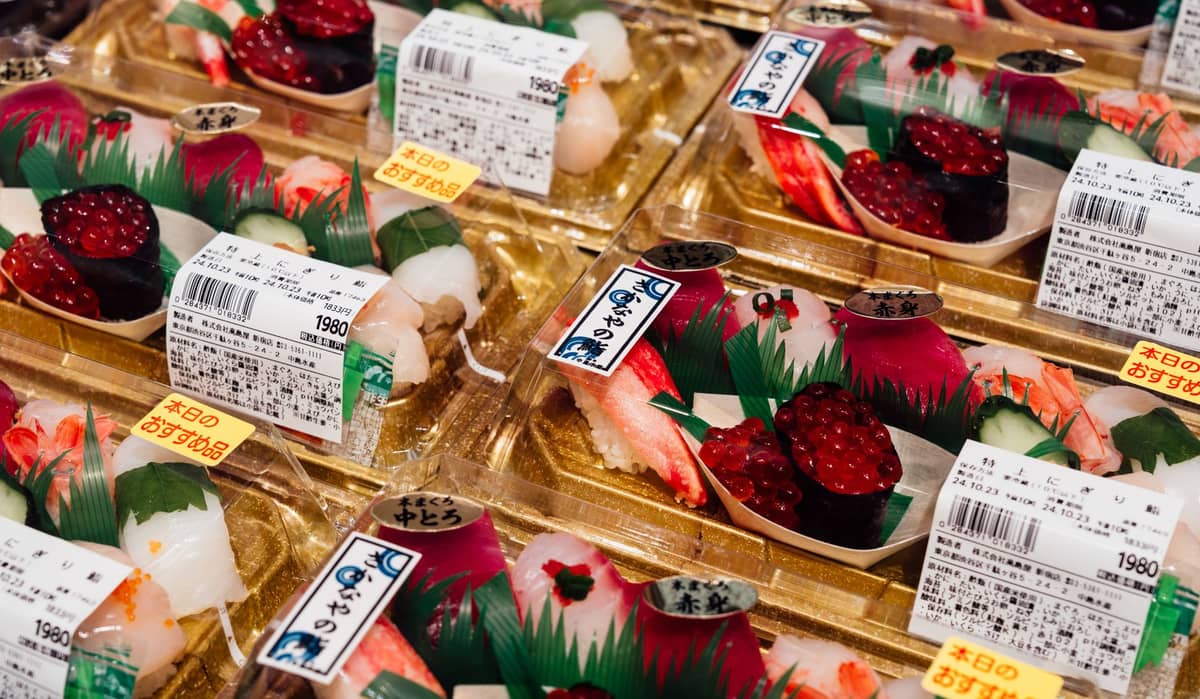
Plan and book this trip
Tools from our partner Travelpayouts help you compare flights and hotels. If you book through them, we may earn a commission at no extra cost to you.
Flights
Hotels map
TL;DR
- Kyoto sushi spans every budget: lunches start around ¥1,500, while top omakase counters charge ¥30,000–50,000 per person.
- Most of the best sushi restaurants are in Gion and Higashiyama, not near Kyoto Station.
- Reservation-only is the norm at high-end counters. Walk-ins rarely work at serious spots.
- Kyoto has a regional specialty: pressed mackerel sushi (saba-zushi), distinct from Edomae-style nigiri. Try it at least once. Pair your sushi trip with theKyoto food guide for the full culinary picture.
- Top omakase prices rival Tokyo. The 'Kyoto is cheaper' assumption is wrong for premium sushi.
What Makes Kyoto Sushi Different
Kyoto is a landlocked city, which shaped its fish culture in ways Tokyo's coastal cuisine never had to contend with. Historically, fresh ocean fish couldn't reach the imperial capital without spoiling, so chefs developed preservation techniques: pickling, curing, and pressing. The result is a distinct regional tradition centered on saba-zushi (pressed mackerel sushi), where vinegar-cured mackerel is packed tightly over seasoned rice and sliced into firm, flavorful pieces. It's served at room temperature, has a more intense flavor than delicate Edomae nigiri, and is absolutely worth trying even if it doesn't match your preconceptions of sushi.
Modern Kyoto has moved far beyond this tradition. Today the city supports a full ecosystem of sushi styles: Edomae omakase counters competing with Tokyo's finest, mid-range kaiseki-influenced sushi that reflects the city's emphasis on seasonal ingredients, and conveyor-belt (kaitenzushi) chains for a quick, affordable feed. TheGion district and surrounding Higashiyamaarea concentrate the highest density of serious sushi restaurants, while budget options scatter across the city center near Shijo and Kawaramachi.
ℹ️ Good to know
Kyoto's water is considered excellent quality and contributes to the rice seasoning used in sushi preparation. Local chefs often cite the soft water as a subtle advantage when cooking shari (sushi rice).
Price Tiers: What to Expect at Each Level
Budget clarity matters more in Kyoto's sushi scene than almost anywhere else in Japan, because the price range is extraordinary: a conveyor-belt lunch can cost ¥1,500 while a top omakase dinner runs ¥50,000. Knowing which tier you're booking into saves real money and real disappointment.
- Budget (¥1,500–3,000 per person) Conveyor-belt sushi (kaitenzushi) chains and specialty mackerel sushi shops. Good for quick meals or a regional saba-zushi experience without ceremony.
- Mid-range (¥3,000–8,000 lunch / ¥5,000–15,000 dinner) Counter sushi restaurants with seasonal menus. Gion Sushi Hira's courses start at ¥8,800 inclusive of tax and represent this tier well. Expect genuine skill and local fish knowledge.
- Premium omakase (¥10,000–20,000 lunch / ¥15,000–30,000 dinner) Restaurants like Sushiiwa Kyoto fall here. Lunch omakase at ¥10,000 or ¥15,000; dinner from ¥15,000 to ¥50,000 depending on additions.
- Luxury omakase (¥30,000–50,000+) Michelin-recognized counters such as Sushi Gion Matsudaya, where courses start from ¥33,000 (excluding tax) and vary with market prices. These require advance reservations weeks or months out.
⚠️ What to skip
Do not assume Kyoto omakase is cheaper than Tokyo. At the top tier, prices are directly comparable, often ¥30,000–50,000 per person. The 'Kyoto budget city' generalization does not apply to high-end sushi counters.
The Best Sushi Restaurants in Kyoto by Category
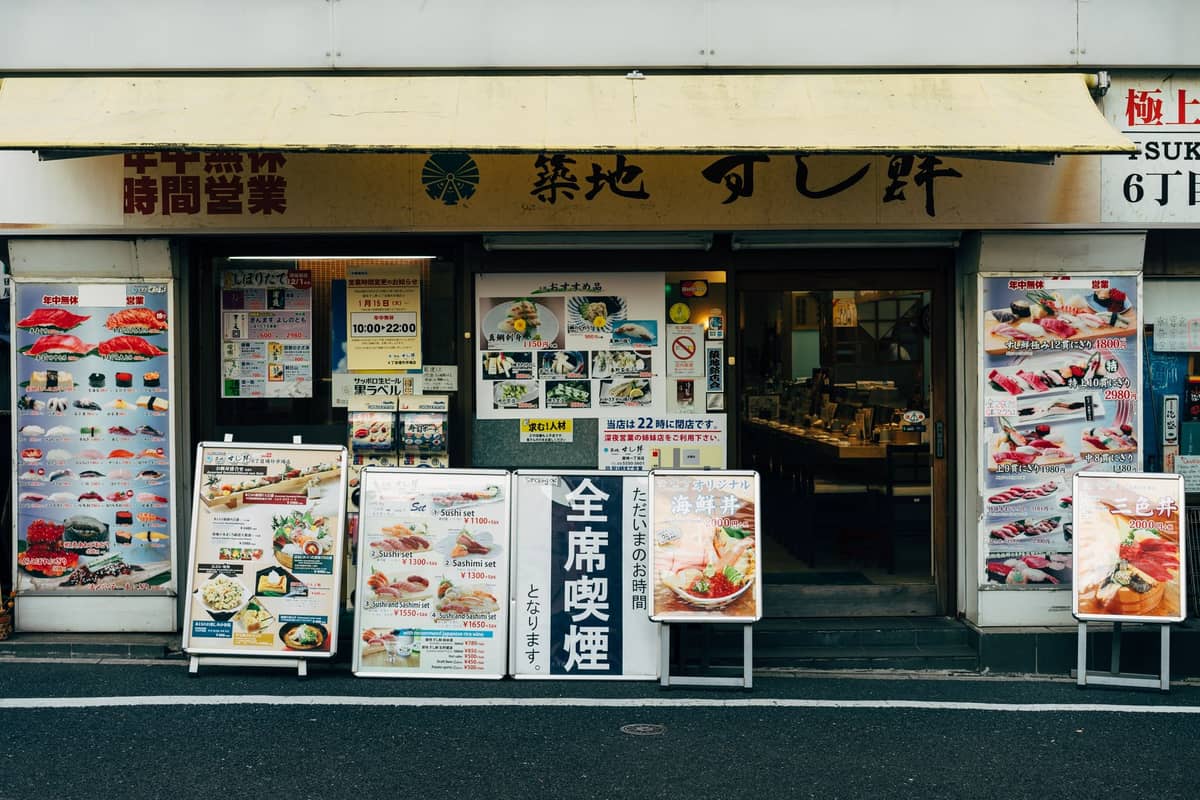
Rather than rank restaurants numerically, which changes with chef turnover and seasonal shifts, it's more useful to know which options are reliable at each level and what distinguishes them.
Sushi Gion Matsudaya is one of Kyoto's most discussed high-end counters, listed in Michelin guides and operating a strict reservation system: two fixed seatings per evening at exactly 17:00 and 19:30, reservation-only, with courses from ¥33,000. The price varies with market conditions, which means peak seasonal fish (autumn buri, spring sakura-dai) will push costs higher. Their official website handles reservations directly and is worth bookmarking months in advance.
Sushiiwa Kyoto, close to Kyoto Station, offers a slightly more accessible entry point into serious omakase. Lunch seatings run 12:00 to 14:00 with courses at ¥10,000 or ¥15,000, making it one of the more reasonable ways to experience counter sushi in the city. Dinner runs 17:30 to 21:00 with courses from ¥15,000 to ¥50,000. Reservations go through their online form and are confirmed by staff, so allow extra time if coordinating from abroad.
For a mid-tier counter experience in Gion, Gion Sushi Hira and Gion Tsuzaki are both worth knowing. Gion Sushi Hira serves dinner from 17:00 to 22:00 (last order 21:45), closed Wednesdays, with courses from ¥8,800 inclusive of tax and average spending around ¥8,000–10,000. Gion Tsuzaki offers both lunch (last order 13:00) and dinner (last order 21:00) with omakase sets from ¥5,500–7,000 and average dinner spending in the ¥10,000–15,000 range. Both can be booked through Japanese restaurant platforms including Tabelog and JPNEAZY.
✨ Pro tip
For luxury sushi bookings, use TABLEALL or contact the restaurant directly by email in Japanese if possible. Restaurants often prioritize inquiries in Japanese, and demonstrating awareness of their seating rules (fixed times, no late arrivals) greatly improves your chances of confirmation.
Where the Best Sushi Restaurants Are Located
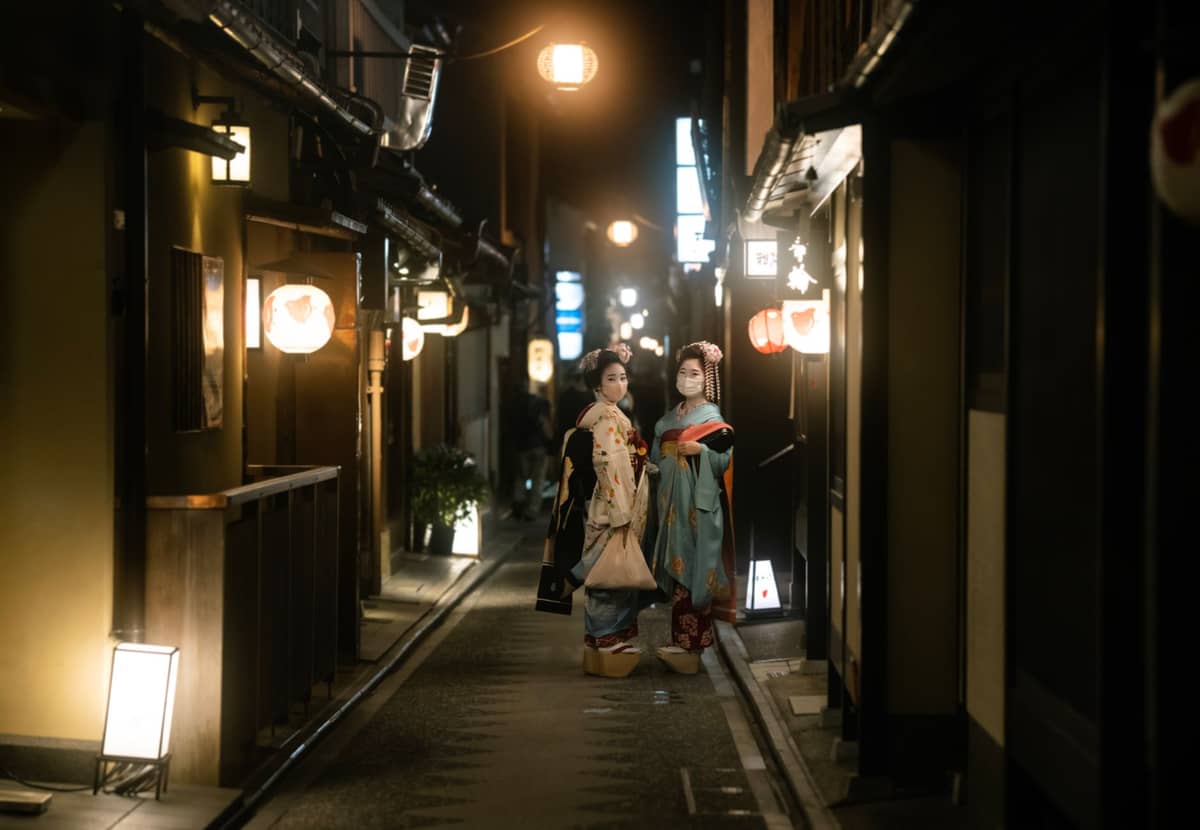
Geography matters for planning a sushi dinner in Kyoto. The most concentrated cluster of serious counters sits in and aroundGion, particularly along and near Hanamikoji Street and the lanes branching off it. This makes sense: Gion's machiya townhouses provide the intimate, counter-focused dining environment that suits traditional sushi service, and the clientele in the neighborhood skews toward diners who expect precisely that.
The area around downtown Kyoto(Shijo-Kawaramachi) has the highest density of mid-range and chain sushi options, along with good izakayas that serve sashimi and pressed sushi. If you're spending time nearNishiki Market, pick up a slice of mackerel sushi from one of the market stalls for a few hundred yen: it's one of Kyoto's best cheap food experiences.
Kyoto Station area has functional options, including Sushiiwa Kyoto, but this part of the city is not where Kyoto's culinary identity lives. If you're deciding where to base yourself, staying inHigashiyamaor central Gion gives you easier walking access to the best sushi restaurants without needing to navigate the city's bus or subway system after dinner.
Reservations: The Practical Reality
Walk-in sushi in Kyoto is perfectly achievable at mid-range and budget spots. At any restaurant with a counter of six to ten seats and a single chef running an omakase, walk-ins are essentially impossible. The best counters in Gion fill weeks to months ahead, particularly during cherry blossom season (late March to early April) and autumn foliage season (mid-November). If Kyoto sushi is a priority on your trip, sort reservations before booking flights.
- Book directly via the restaurant's official website where available, or via curated English-language platforms such as TABLEALL or JPNEAZY.
- Confirm your reservation closer to the date. Failing to show is considered a serious breach of etiquette and may result in being charged a cancellation fee.
- Fixed-time seatings mean exactly that: arriving 15 minutes late at Matsudaya's 17:00 slot is not acceptable. Build travel time conservatively.
- If a restaurant offers both lunch and dinner omakase, lunch is almost always the better value. The fish quality is identical; the price is significantly lower.
- For mid-range spots, Tabelog (with English interface) and Google Maps reviews in English are the most reliable sources for real recent experiences.
If you're planning a broader food-focused trip, the Kyoto food guidecovers ramen, kaiseki, tofu cuisine, and street food alongside sushi, and helps with structuring meals across multiple days. For a three-day itinerary that incorporates food planning, see theKyoto 3-day itinerary.
Seasonal Fish and the Best Time to Visit for Sushi
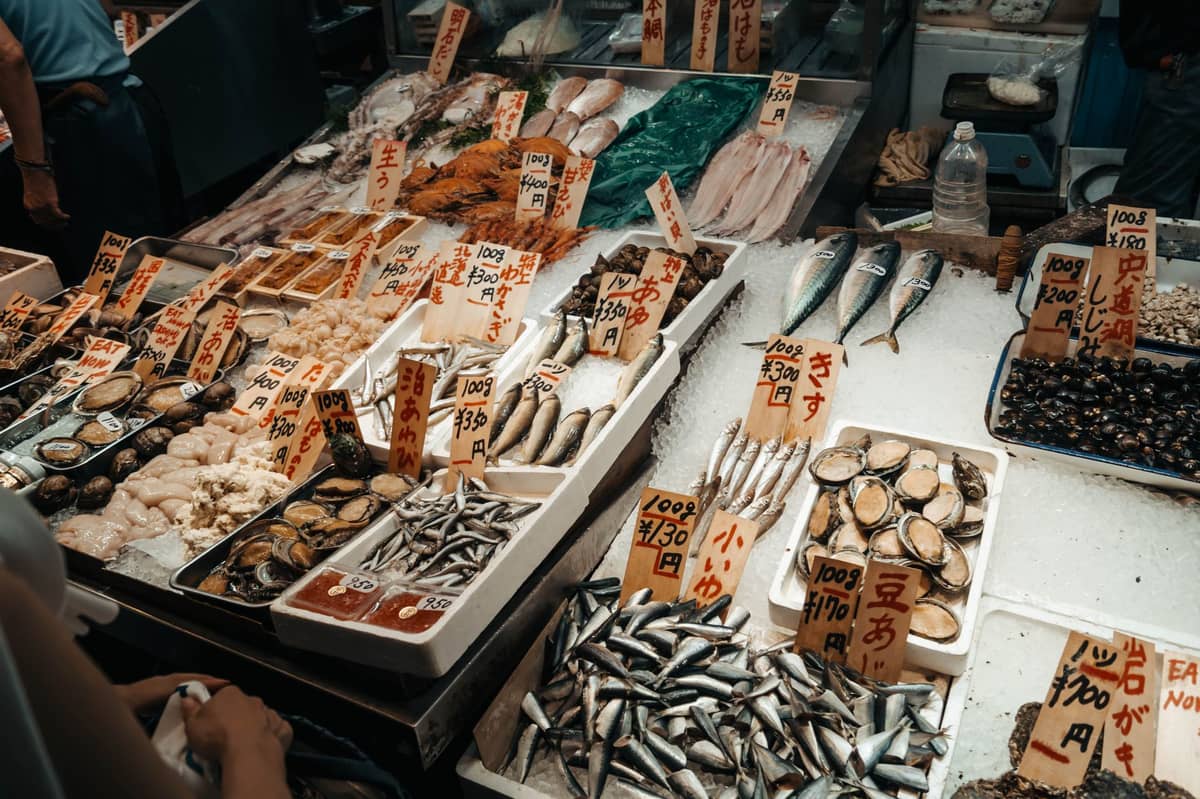
Omakase counters in Kyoto follow the Japanese seasonal fish calendar strictly. Chefs make no apologies for serving what's best right now rather than what a diner might expect. Understanding the seasonal rhythm helps you anticipate what you'll eat.
- Spring (March–May): Sakura-dai (cherry blossom sea bream), firefly squid (hotaru-ika), and young sea bass. March and April are peak tourist months so reservations fill fastest.
- Summer (June–August): Eel (unagi and anago), summer tuna, and sea urchin (uni) from Hokkaido. The heat is intense in Kyoto's basin; evening sushi at a cool counter is a genuine relief.
- Autumn (September–November): Fatty autumn mackerel, Pacific saury (sanma), buri (yellowtail) coming into peak season. This is arguably the finest season for omakase in Kyoto.
- Winter (December–February): Crab, winter buri, oysters, and fugu (puffer fish) at specialist restaurants. Crowds thin, reservation windows shorten, and prices stay high at premium counters.
Kyoto's autumn is especially renowned among food lovers. For context on what the city looks like in this season, theKyoto in autumn guidepairs well with planning a sushi-focused trip in October or November, when the fish is at its best and the city looks spectacular.
FAQ
Do I need to book sushi restaurants in Kyoto in advance?
For any counter sushi restaurant with an omakase format, yes, often weeks to months in advance. Budget kaitenzushi chains and mid-range spots with multiple tables can usually accommodate walk-ins, especially at lunch. The safest rule: if the restaurant has fewer than 12 seats and a single chef, assume it's fully booked and reserve ahead.
What is the average cost of sushi in Kyoto?
Costs vary dramatically. A conveyor-belt lunch runs ¥1,500–2,500. Mid-range counter dinners average ¥8,000–15,000 per person. Premium omakase at places like Sushiiwa Kyoto starts from ¥15,000 for dinner, while Michelin-level counters such as Sushi Gion Matsudaya start from ¥33,000 (excluding tax). Budget around ¥3,000–8,000 for a satisfying lunch experience at a quality spot.
Is Kyoto sushi different from Tokyo sushi?
Yes. Kyoto has its own regional tradition of saba-zushi (pressed mackerel sushi), reflecting the city's historically landlocked position. Modern high-end Kyoto sushi counters serve Edomae-style nigiri, but they often incorporate local and seasonal Kyoto ingredients more explicitly than Tokyo equivalents. The overall flavor philosophy tends toward subtlety and seasonality, consistent with broader Kyoto culinary values.
Where in Kyoto are the best sushi restaurants located?
The highest concentration of serious sushi counters is in and around the Gion district, particularly near Hanamikoji Street. Mid-range and casual options cluster around the Shijo-Kawaramachi downtown area. Kyoto Station has some options including Sushiiwa, but it is not the city's culinary heart. Most recommended restaurants are not walkable from each other, so plan by neighborhood.
Are there good cheap sushi options in Kyoto?
Yes. Kaitenzushi (conveyor-belt) chains operate across the city and offer decent quality for ¥1,500–2,500 per person. Nishiki Market also sells individual pieces of pressed mackerel sushi for a few hundred yen each, which is one of Kyoto's most authentic and affordable sushi experiences. Specialty saba-zushi shops offer full portions for around ¥2,000–3,000, combining value with genuine local flavor.