What to Eat in Kyoto: A Food Lover's Guide
Kyoto's food culture runs deeper than temple towns and tea ceremonies. From formal kaiseki multi-course meals to humble obanzai home cooking and steaming bowls of yudofu beside ancient temples, this guide covers what to eat, where to eat it, and exactly what to budget — season by season.
Plan and book this trip
Tools from our partner Travelpayouts help you compare flights and hotels. If you book through them, we may earn a commission at no extra cost to you.
Flights
Hotels map
TL;DR
- Kyoto's four essential foods are kaiseki (formal multi-course cuisine), obanzai (home-style side dishes), yudofu (tofu hotpot), and Nishiki Market street snacks.
- Kaiseki lunch at reputable restaurants costs around ¥7,000–10,000 per person — far more accessible than dinner, which can reach ¥30,000+.
- Nishiki Market has no entry fee; budget ¥2,000–5,000 to graze properly. Many shops close Wednesdays, so plan accordingly.
- Yudofu is best in colder months (November–February) and pairs well with a temple visit nearNanzen-ji or in Arashiyama.
- Tipping is not customary in Japan. Service charges are included. Do not tip.
Understanding Kyoto's Food Identity
Kyoto cuisine, known as Kyo-ryori, developed over more than a millennium as the imperial capital of Japan. Unlike Osaka's bold, sauce-forward street food or Tokyo's emphasis on theatrically fresh seafood, Kyoto cooking is built on restraint, seasonal precision, and the artful use of plant-based ingredients. The city sits in a landlocked basin, which historically made fresh fish scarce and elevated vegetables, tofu, and fermented foods to the center of the table.
This philosophy shaped three cornerstone dishes that define eating in Kyoto: kaiseki, obanzai, and yudofu. Together they represent a spectrum from ceremonial refinement to everyday practicality. Understanding that spectrum is the difference between an expensive meal that confuses you and one that genuinely moves you. For context on where to find these dishes relative to the city's geography, our guide todowntown Kyoto and the Higashiyama districtcovers the neighborhoods where most serious eating happens.
Kaiseki: Kyoto's Grand Culinary Tradition
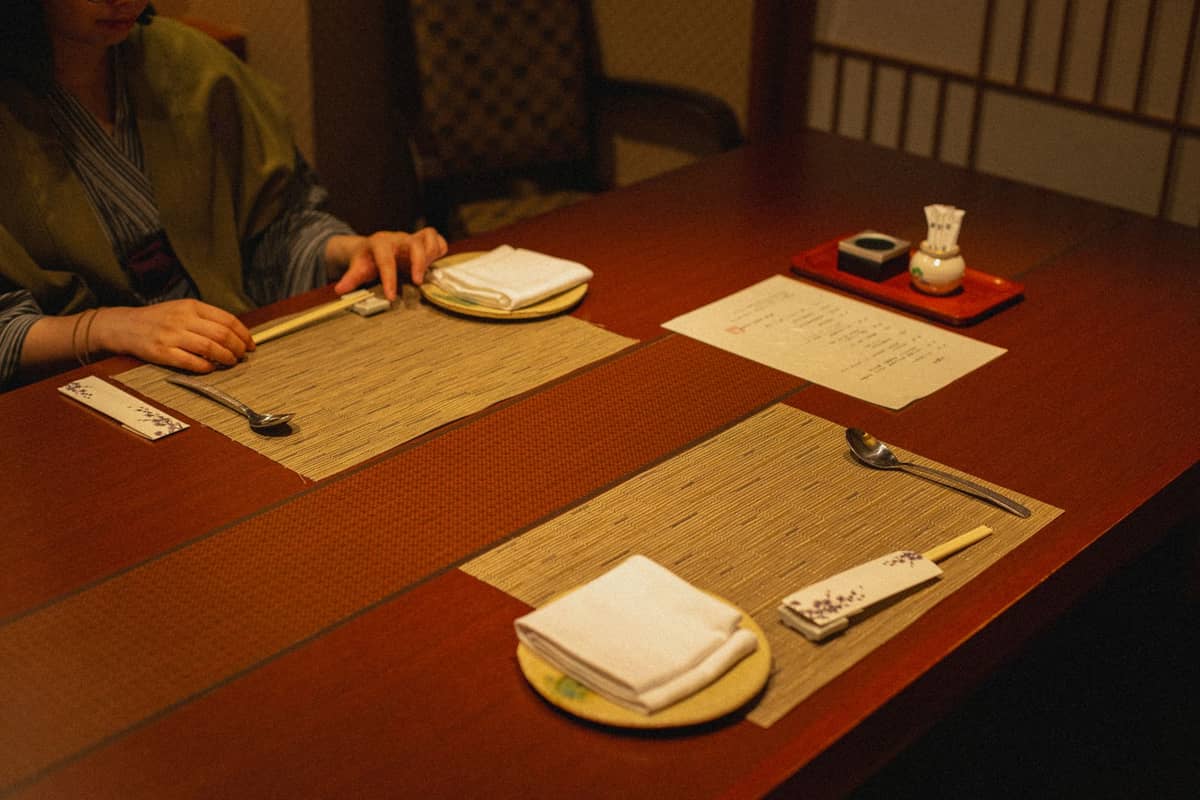
Kaiseki is Kyoto's most celebrated culinary form: a sequential multi-course meal that evolved from the tea ceremony tradition and reflects the season through every ingredient, vessel, and garnish. A full kaiseki dinner is one of the most structured dining experiences in the world, with courses arriving in a fixed order from appetizers and sashimi through simmered dishes, grilled items, rice, and pickles. The pacing is deliberate. You are expected to eat slowly.
Dinner at well-regarded kaiseki restaurants typically costs ¥20,000–30,000 per person. Michelin-starred establishments often charge ¥20,000–30,000 or more for dinner. These are not tourist traps — they reflect genuine cost structures involving hand-sourced seasonal produce, highly trained kitchen staff, and elaborately curated tableware. That said, the same kitchen often serves a condensed kaiseki lunch for around ¥7,000–10,000, which is the smartest way to access this level of cooking without the full financial commitment. These are not tourist traps — they reflect genuine cost structures involving hand-sourced seasonal produce, highly trained kitchen staff, and elaborately curated tableware. That said, the same kitchen often serves a condensed kaiseki lunch for around ¥7,000–10,000, which is the smartest way to access this level of cooking without the full financial commitment.
✨ Pro tip
Always book kaiseki lunch in advance, ideally 2–4 weeks ahead for popular restaurants and months ahead for Michelin-listed ones. Lunch service typically begins around 11:30. Cancellation policies are strict — treat a kaiseki reservation like a theatre booking.
Kaiseki menus are genuinely seasonal. A spring meal will feature bamboo shoots, sakura-cured fish, and young vegetables. Autumn brings matsutake mushrooms and persimmon-based preparations. Winter emphasizes root vegetables, warming broths, and crab. If you visit in the same season twice, the menu will differ. This is not a menu trick — it is the entire point of the cuisine. Ordering outside season or asking for substitutions is uncommon and usually politely declined.
⚠️ What to skip
Kaiseki is not for everyone. If long, quiet, precisely sequenced meals feel uncomfortable rather than enjoyable, be honest with yourself. There are excellent ways to eat extraordinarily well in Kyoto without committing to a two-hour formal dinner. Obanzai and specialty tofu restaurants offer comparable ingredient quality with far less ceremony.
Obanzai: Everyday Kyoto Cooking
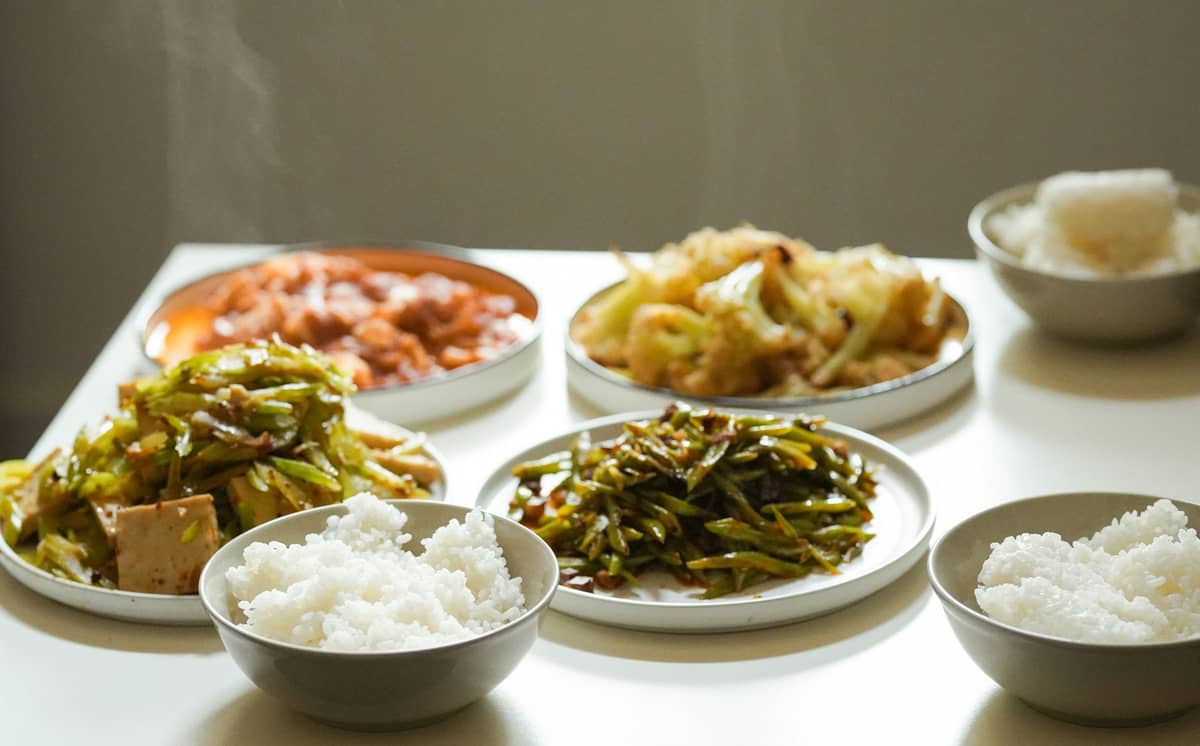
Obanzai is not a restaurant style invented for tourists. It refers to the traditional home-style side dishes that have anchored Kyoto domestic cooking for generations: simmered vegetables, lightly dressed greens, sesame-seasoned root vegetables, small portions of pickled fish, and tofu preparations. The word roughly translates to 'everyday side dishes,' and that unpretentiousness is exactly what makes it worth seeking out.
In restaurant settings, obanzai is typically served as a teishoku set meal: a tray with rice, miso soup, pickles, and several small obanzai dishes arranged in small bowls. Lunch sets at casual obanzai restaurants run around ¥900–1,500, which makes this one of the best-value ways to eat like a Kyoto local. Larger dinner spreads with more dishes typically cost around ¥3,000–5,000 per person. The cooking relies heavily on dashi (kombu and dried bonito stock), soy-based seasonings, and mirin, giving everything a rounded, low-sodium depth that is quite different from the punchy flavors of street food.
The best obanzai experiences tend to be at small, counter-seating restaurants in residential streets rather than tourist corridors. TheGion districthas several long-running obanzai spots, as does the area aroundNishiki Market on the streets parallel to the market arcade.
Yudofu: Temple Tofu and Where to Eat It
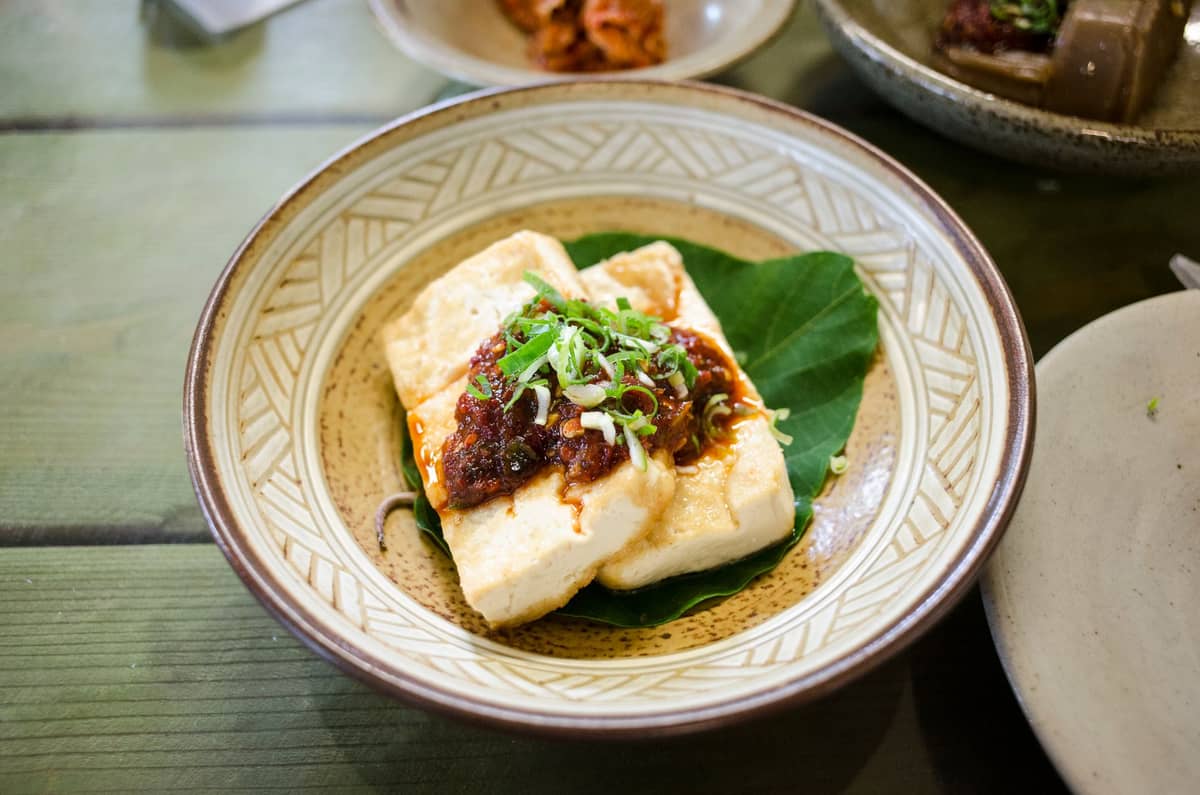
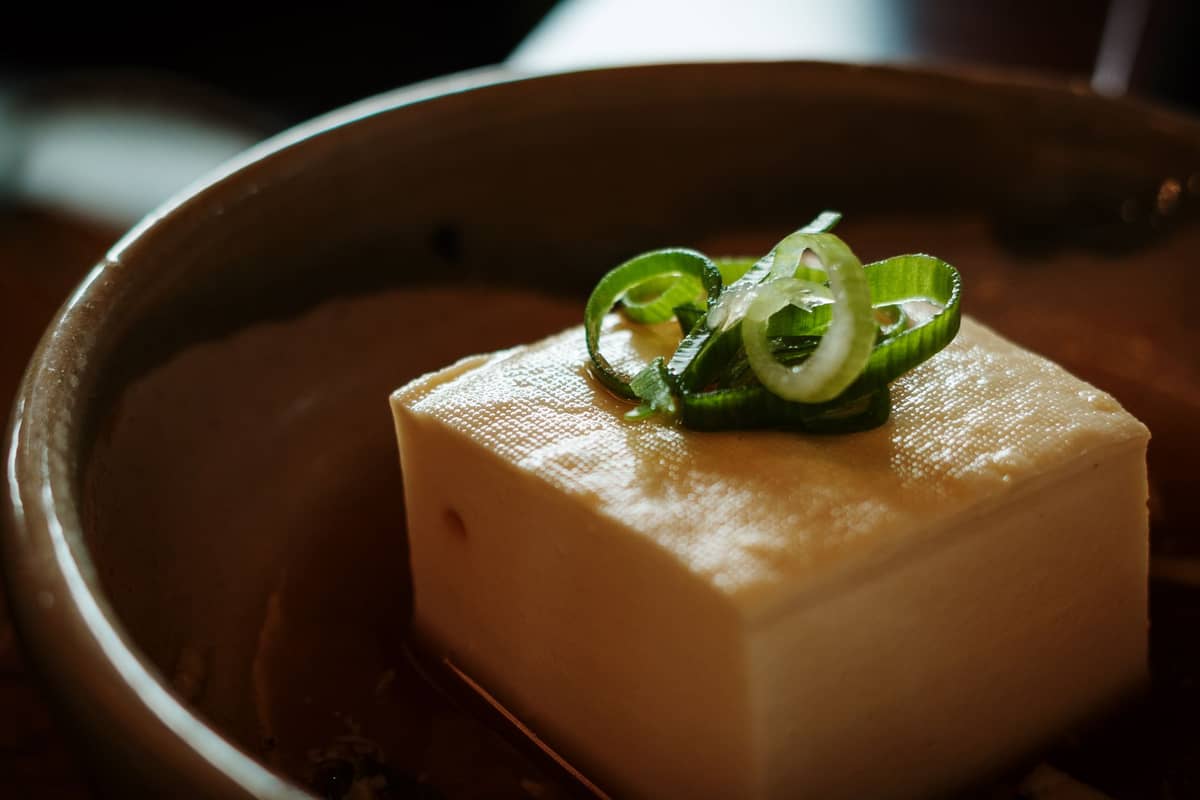
Yudofu is, on the surface, a simple dish: blocks of silken tofu simmered in a light kombu broth, served with dipping sauces and condiments. It became associated with Kyoto because the city's Buddhist temple culture historically demanded plant-based, alcohol-free cooking, and Kyoto's water — notably soft and mineral-light — produces exceptionally delicate tofu. The result, done well, is one of those rare simple preparations that genuinely rewards attention.
Yudofu is strongly seasonal in practice. While available year-round, it is most rewarding from November through February when the warming broth makes sense physically and the minimal presentation feels appropriate to Kyoto's winter quietness. Eating yudofu on a hot August afternoon beside a tourist-packed temple is possible but less satisfying. A full yudofu set meal at a general restaurant costs around ¥1,500–3,000. At established specialists like Okutan near Nanzen-ji or Junsei in the same area, full sets run approximately ¥2,500–4,000 and include multiple courses built around the tofu.
💡 Local tip
The stretch of restaurants along the canal approach to Nanzen-ji is the classic yudofu corridor. Arrive before noon or after 13:30 to avoid peak lunch crowds. The garden seating at some restaurants is only available in good weather — confirm when booking.
- Nanzen-ji area The primary yudofu destination. Several long-running tofu specialists line the approach to the temple, making it easy to combine lunch with a temple visit.
- Arashiyama A secondary yudofu hub with restaurants overlooking the Oi River. Better for combining with bamboo grove and Tenryu-ji visits, though prices can be slightly higher due to the premium location.
- Ryoan-ji vicinity Less visited for yudofu than Nanzen-ji but worth knowing. The temple's own tofu-based restaurant offers a quiet, less commercial experience.
Nishiki Market: How to Eat Your Way Through Kyoto's Kitchen
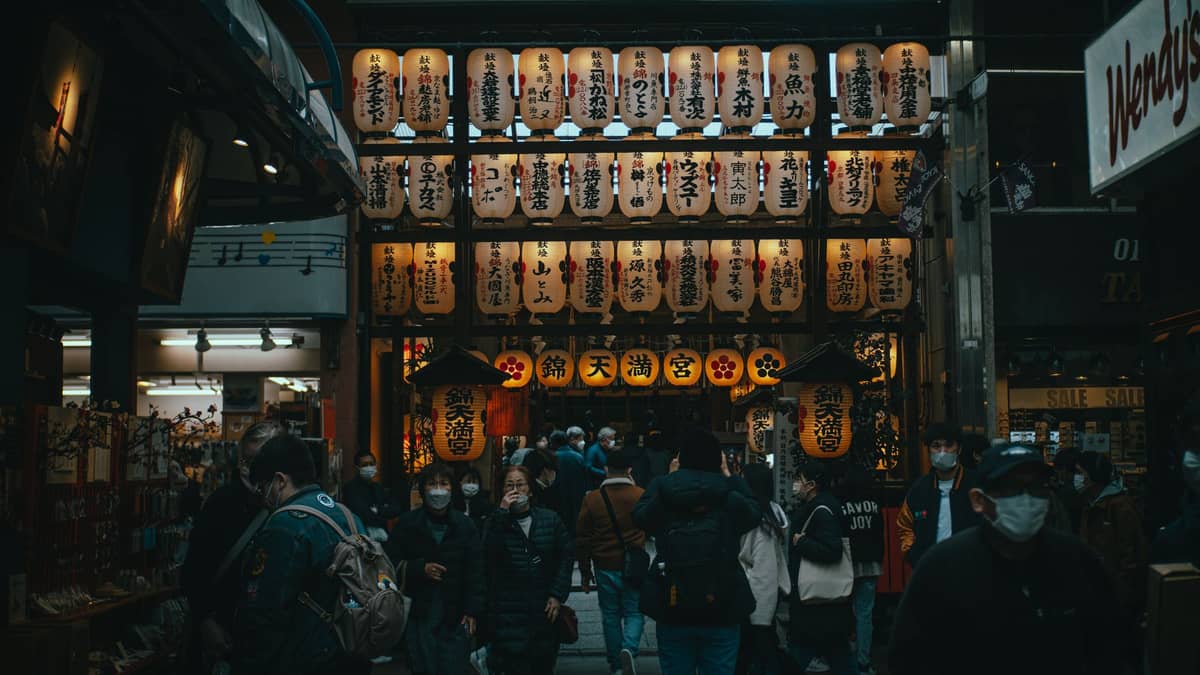
Nishiki Market (錦市場) runs for roughly 390 meters along Nishikikoji-dori in Nakagyo Ward, between Teramachi and Takakura streets. It has been a food market for around 400 years and today contains around 130 shops and stalls selling fresh produce, pickles, seafood, cooked snacks, sweets, and prepared foods. There is no entry fee. Walking through is free. See for a full breakdown of what to expect, but here is what matters most for eating well. and today contains around 130 shops and stalls selling fresh produce, pickles, seafood, cooked snacks, sweets, and prepared foods. There is no entry fee. Walking through is free. SeeNishiki Marketfor a full breakdown of what to expect, but here is what matters most for eating well.
Most shops open between 9:00 and 10:00 and close between 17:00 and 18:00, but hours vary significantly by vendor. The more critical planning detail: Most shops open between 9:00 and 10:00 and close between 17:00 and 18:00, but hours vary significantly by vendor. The more critical planning detail: many traditional shops close on Wednesdays. If you arrive on a Wednesday expecting a full market experience, you may find a patchy version of it. Weekday mornings are the most reliably full. Budget ¥2,000–5,000 if you want to graze properly across multiple stalls. Individual items range from around ¥200 for a pickled vegetable sample to ¥800–1,000 for cooked seafood skewers or tamago-yaki (rolled omelette). Budget ¥2,000–5,000 if you want to graze properly across multiple stalls. Individual items range from around ¥200 for a pickled vegetable sample to ¥800–1,000 for cooked seafood skewers or tamago-yaki (rolled omelette).
- Tsukemono (Kyoto pickles): look for shops specializing in pickled eggplant, turnip, and cucumber in miso or salt brine. These are legitimate Kyoto products with centuries of history.
- Yuba (tofu skin): available fresh or dried, often sold as small prepared portions. Fresh yuba has a silky richness that the dried version cannot replicate.
- Dashimaki tamago: thick, rolled omelette with dashi — sweeter and more delicate than Tokyo-style tamago. Many shops will let you try before buying.
- Kyo-wagashi: traditional Kyoto sweets, often made from bean paste and mochi. Visually precise, seasonally themed, and worth trying even if you find them mildly sweet.
- Matcha-flavored everything: ice cream, mochi, chocolate, crackers. Quality varies enormously. Stick to shops that specialize in matcha rather than those selling it as a sideline.
Nishiki is best visited in the morning on a weekday. By early afternoon, the narrow arcade becomes genuinely congested, with tour groups creating bottlenecks at popular stalls. If you are visiting Kyoto for more than a couple of days, consider a dedicated morning food walk here as a standalone activity. Our broader guide tothings to do in Kyotoplaces Nishiki in context with other food-adjacent activities across the city.
Practical Eating Tips for Kyoto
Tipping is not practiced in Japan. Leaving money on the table can cause confusion or awkward moments. Do not tip. Tap water is safe to drink throughout Kyoto. Restaurants will bring you water or tea without charge — you do not need to buy bottled water at every meal. and leaving money on the table can cause confusion or awkward moments. Do not tip. Tap water is safe to drink throughout Kyoto. Restaurants will bring you water or tea without charge — you do not need to buy bottled water at every meal.
Dietary restrictions require active communication. Vegetarian and vegan dining is genuinely possible in Kyoto given the city's Buddhist food heritage, but dashi (fish-based stock) appears in many dishes that look vegetarian. Shojin-ryori, the formal Buddhist vegetarian cuisine served at some temples, is entirely plant-based and worth seeking out if this matters to you. Some temple-area restaurants also serve it. For broader dining planning by budget, see ourKyoto on a budget guide or, for elevated experiences, the luxury Kyoto guide.
Seasonal food experiences extend well beyond the four categories above. Kyoto's matcha culture is genuinely deep and worth exploring separately — from ceremonial-grade tea in a proper tea house to modern matcha desserts. OurKyoto matcha guidecovers this in full. If a formal tea experience interests you alongside the food, theKyoto tea ceremony guideexplains what to expect, what things cost, and which experiences are worth the price.
ℹ️ Good to know
Kyoto's restaurant scene skews toward lunch as the accessible entry point for high-quality cooking. Many serious restaurants that charge ¥20,000+ for dinner offer condensed versions for ¥7,000–10,000 at lunch. If your budget is limited, prioritize lunches at restaurants you cannot afford for dinner. This is not a compromise — it is the local strategy.
FAQ
What is the best Japanese restaurant experience in Kyoto for a first-time visitor?
For a first visit, a kaiseki lunch at a well-regarded but not ultra-exclusive restaurant gives you the full Kyoto dining experience at a more manageable cost — typically ¥7,000–10,000 per person. Book at least two weeks ahead. If formal dining is not your style, an obanzai teishoku lunch (¥900–1,500) at a small neighborhood restaurant gives you genuine local flavors without the ceremony.
How much should I budget for food in Kyoto per day?
A realistic daily food budget depends heavily on your priorities. Budget travelers can eat well for ¥2,500–4,000 per day using convenience stores for breakfast, obanzai sets for lunch, and ramen or noodles for dinner. Mid-range visitors spending ¥6,000–10,000 per day can mix market snacks, a good obanzai or yudofu lunch, and a sit-down dinner. One special kaiseki lunch might cost ¥7,000–10,000 on its own, so plan for that as a splurge day.
Is Nishiki Market worth visiting, or is it too touristy?
It is worth visiting, with realistic expectations. The market has genuine historical depth and many traditional shops, but popular stalls are fully aware of tourist demand and price accordingly. Go on a weekday morning, focus on Kyoto-specific products like tsukemono pickles and fresh yuba, and avoid stalls selling generic Japan-branded snacks. Arrive before 10:00 for the best experience.
What is the difference between kaiseki and obanzai?
Kaiseki is a formal, multi-course meal with a fixed sequence of dishes — think of it as Kyoto's high cuisine, rooted in tea ceremony culture. Obanzai is everyday home-style cooking: simple, seasonal side dishes served as a set meal with rice and soup. Kaiseki is a deliberate dining occasion; obanzai is how Kyoto people actually eat on a regular Tuesday. Both reflect the same underlying philosophy of seasonal, plant-forward ingredients — just at very different price points and formality levels.
When is the best time of year to eat yudofu in Kyoto?
November through February is the ideal window for yudofu. The warming simplicity of silken tofu in hot kombu broth works best in cold weather, and the quieter winter crowds at temple-area restaurants make the experience more contemplative. You can order yudofu year-round, but eating it in August heat while surrounded by summer tourists is a noticeably different experience.