Kyoto on a Budget: How to Visit for Less
Kyoto is one of Japan's most rewarding cities to visit, but costs can add up fast. This guide breaks down exactly how to stretch your yen further — covering transport passes, free attractions, affordable food, and the best times to visit when prices drop.
Plan and book this trip
Tools from our partner Travelpayouts help you compare flights and hotels. If you book through them, we may earn a commission at no extra cost to you.
Flights
Hotels map
TL;DR
- Kyoto rewards budget travelers: dozens of shrines, gardens, and walking districts cost nothing to enter.
- The Subway & Bus 1-Day Pass (¥1,100 adult) is the most cost-efficient way to get around — but the old bus-only pass is no longer the standard deal. See our full guide togetting around Kyoto for route tips.
- Visiting outside peak cherry blossom (late March to mid-April) and autumn foliage (mid-November) periods cuts accommodation costs significantly.
- Nishiki Market, convenience stores, and standing ramen counters keep food budgets low without sacrificing quality.
- Many of Kyoto's best experiences — walking the Philosopher's Path, exploring Gion at dusk, hiking Fushimi Inari — are entirely free.
Is Kyoto Actually Expensive?
Kyoto has a reputation for draining wallets, and it's partly deserved. Premium ryokan stays, multi-course kaiseki dinners, and taxi rides across town can easily push daily costs past ¥30,000 per person. But that version of Kyoto is optional. A realistic budget traveler can move through the city comfortably on ¥6,000–¥9,000 per day, covering accommodation in a hostel or budget guesthouse, transit, meals, and entry fees for a handful of paid attractions.
The key insight is that Kyoto's most iconic experiences are not locked behind admission fees. The torii gate tunnels at Fushimi Inari, the lantern-lit lanes of Gion, the bamboo grove path in Arashiyama, the preserved stone steps of Ninenzaka and Sannenzaka — none of these cost money to walk through. The city's paid attractions (typically ¥500–¥1,000 per temple) are concentrated enough that you can be selective rather than trying to see everything.
Free and Low-Cost Attractions Worth Your Time
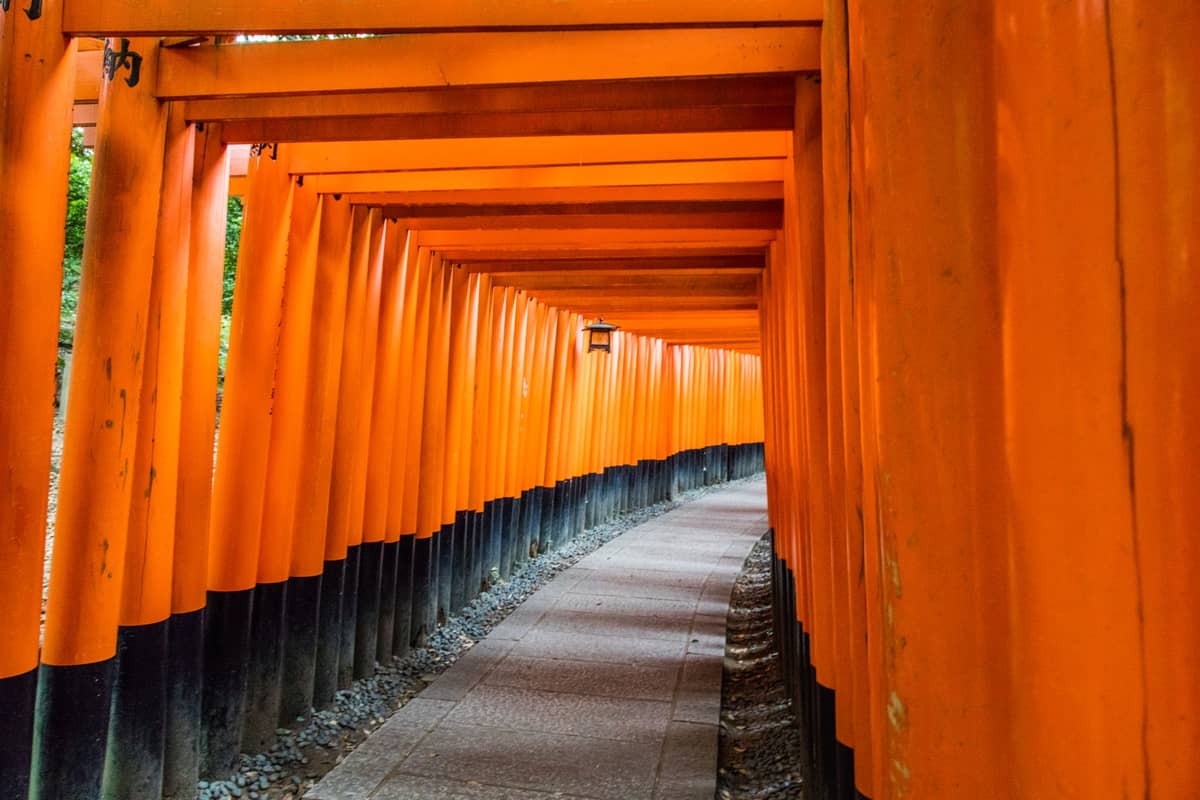
Several of Kyoto's most photographed sites charge no admission at all.Fushimi Inari Taishais free to enter and open around the clock — the full hike to the summit and back takes around 2–3 hours and costs nothing beyond the bus or train fare to get there. Similarly,Shimogamo Shrine and Kamigamo Shrine, both UNESCO World Heritage Sites, have no entry fee for their main grounds.
- Fushimi Inari Taisha Free, open 24 hours. The most atmospheric time is early morning before tour groups arrive, or after dark when the lanterns are lit.
- Philosopher's Path A 2 km canal-side walking path through Sakyō-ku. Stunning in cherry blossom season and during autumn foliage — and free year-round.
- Kyoto Gyoen National Garden The large imperial park surrounding the Kyoto Imperial Palace. Free to enter; peaceful and rarely crowded compared to temple gardens.
- Nishiki Market Kyoto's covered food market stretching five blocks through Nakagyō-ku. Free to browse; individual tastings and snacks cost ¥100–¥500.
- Arashiyama Bamboo Grove Free to walk through, though crowds peak hard between 10am and 4pm. Arrive before 8am or after 5pm for a genuinely different experience.
- Gion and Hanamikoji Street Wandering the preserved machiya streets costs nothing. Evening walks on weekdays see significantly fewer tourists than weekend afternoons.
💡 Local tip
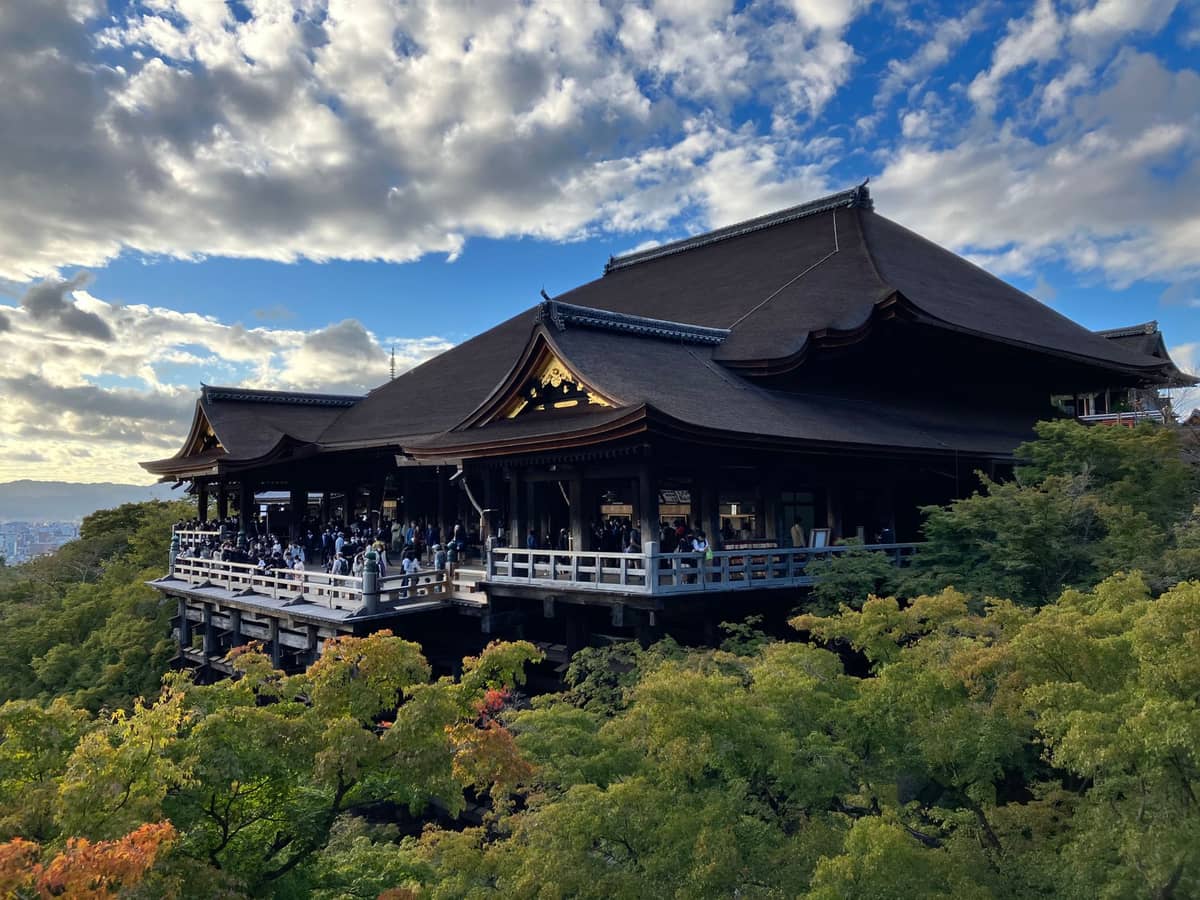
Kyoto's most visited paid temples cluster in Higashiyama and Arashiyama. Rather than buying entry to every site, pick two or three that genuinely interest you and walk the surrounding streets between them for free. Kiyomizu-dera (around ¥500 adult) and Tenryu-ji (around ¥500 for the garden) are generally worth the admission; many smaller temples nearby are skippable.
Getting Around Without Overspending on Transit
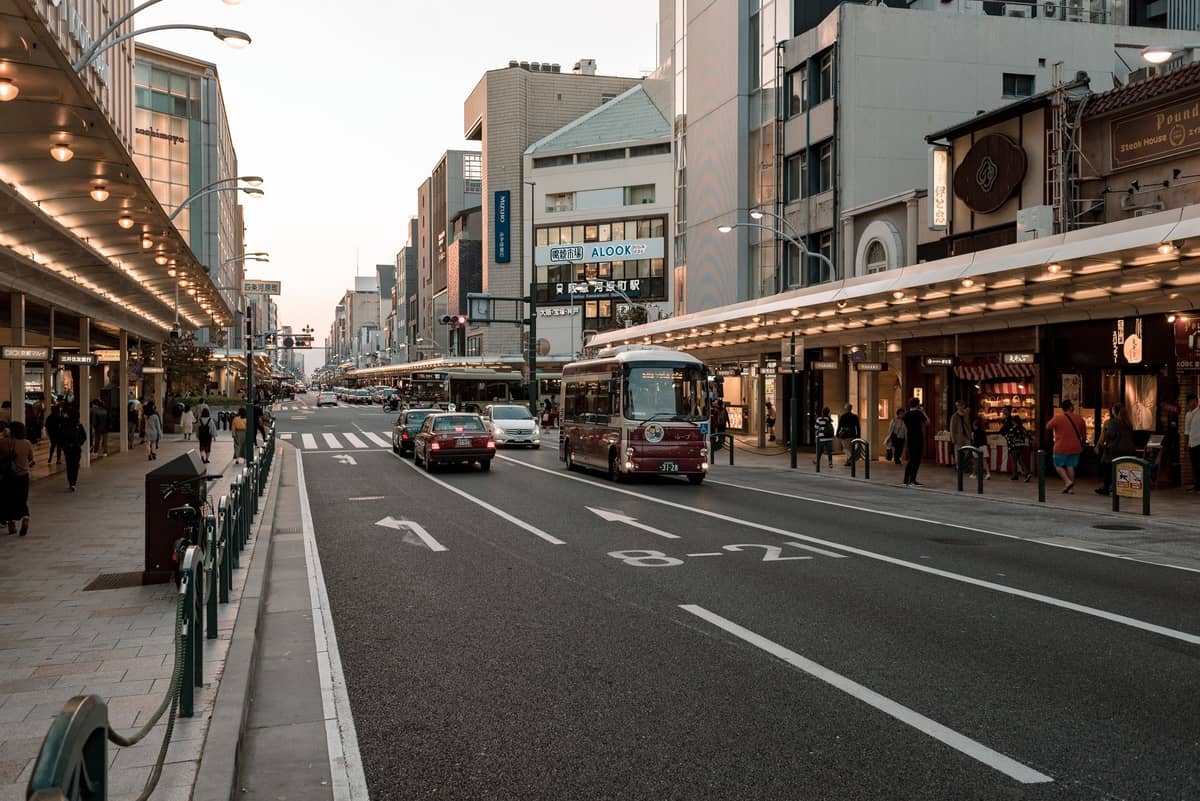
Transit is where many visitors quietly bleed money without realizing it. Kyoto's geography means you can't always walk between districts efficiently — Fushimi is roughly 5 km south of the center, Arashiyama is 10 km to the west, and Kurama is even further north. Getting this wrong adds up fast.
The current standard budget transit tool is the Subway & Bus 1-Day Pass, priced at ¥1,100 for adults and ¥550 for children. This covers unlimited rides for one calendar day on the Kyoto Municipal Subway (both the Karasuma and Tozai lines), all Kyoto City Bus routes, and many Kyoto Bus, Keihan Bus, and West Japan JR Bus routes, with some suburban and express lines excluded. Note: it is valid for one calendar day from first use, not 24 rolling hours. A subway-only day pass is also available at ¥800 adult if your itinerary stays close to subway lines.
⚠️ What to skip
The old unlimited bus day pass has been discontinued as the standard option. If you see references to a ¥600 bus-only day pass, that information is outdated. The current Subway & Bus 1-Day Pass at ¥1,100 is what Kyoto's official transportation bureau now promotes. Also, the pass does not cover all bus routes in Kyoto — some suburban and express routes are excluded, so check the route coverage before relying on it for a specific journey.
On days when you are not buying a day pass, the flat-fare Kyoto City Bus costs ¥230 per ride for adults within the core zone. A single subway ride costs ¥220–¥360 depending on distance. If you are making three or more bus or subway trips in a day, the ¥1,100 pass pays for itself quickly. For the most efficient budget routing across the city, read the detailed breakdown in our guide togetting around Kyoto.
Cycling is another genuinely practical option for budget travelers. Kyoto is mostly flat in its central basin, and rental bikes are widely available near Kyoto Station and in Higashiyama for around ¥1,000–¥1,500 per day. For exploring the area between Gion, Nanzen-ji, and the Philosopher's Path, a bicycle is often faster than the bus and saves on transit costs entirely.
Eating Well in Kyoto Without Paying Restaurant Prices
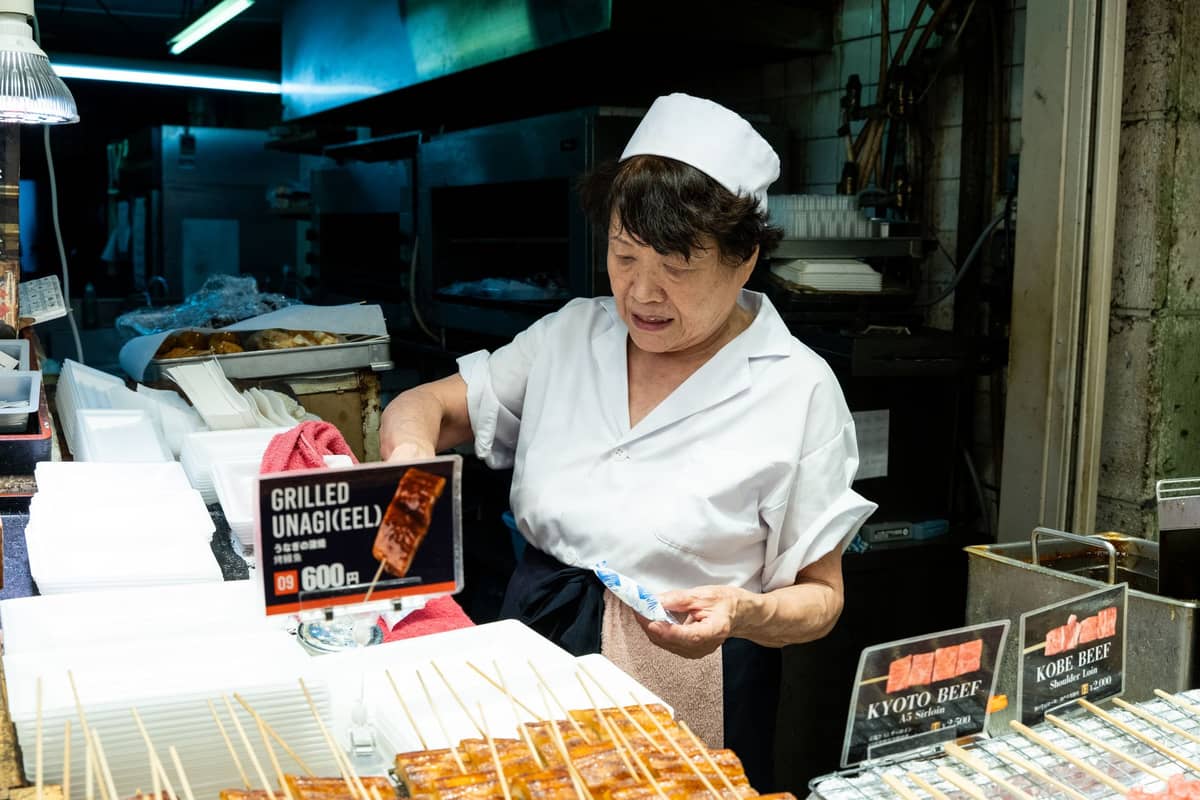
Kyoto's food culture skews toward refinement, which can mean expensive kaiseki menus at the top end. But the city also has a strong tradition of simple, filling food at reasonable prices.Nishiki Marketis genuinely useful for budget eating: tofu skewers, pickled vegetables, dashi-rolled egg, and grilled seafood sold from small stalls cost ¥100–¥500 per item and make for an excellent walk-and-eat lunch.
- Convenience stores (7-Eleven, Lawson, FamilyMart): onigiri from ¥120, hot food counter items from ¥150, decent coffee from ¥100. Breakfast at a konbini costs under ¥400 without sacrificing quality.
- Standing ramen and udon counters: look near Kyoto Station and around Shijo-Kawaramachi for counters serving a full bowl for ¥700–¥950.
- Set lunch menus (teishoku): many restaurants in Nakagyo-ku and Higashiyama that charge ¥2,500–¥4,000 for dinner offer a fixed lunch set for ¥1,000–¥1,500. Same kitchen, fraction of the cost.
- Depachika (department store food basements): the basement floors of Takashimaya and Daimaru near Shijo offer discounted packaged food and bento from around 6pm onward.
- Supermarkets: Kyoto has several Life and Fresco supermarkets near central areas where a full dinner can be assembled for ¥600–¥900.
✨ Pro tip
Matcha everything is marketed heavily in Kyoto, often at premium tourist prices. A matcha soft serve near Kiyomizudera sells for ¥600–¥800 in peak season. You can find equally good matcha-flavored sweets at Nishiki Market or buy high-quality ceremonial matcha at Nishijin's specialty tea shops for a fraction of the cost. For a proper but affordable tea experience, look for self-service tea ceremony spots that charge around ¥1,000–¥1,500 rather than guided sessions at ¥3,000–¥5,000.
When to Visit to Save Money
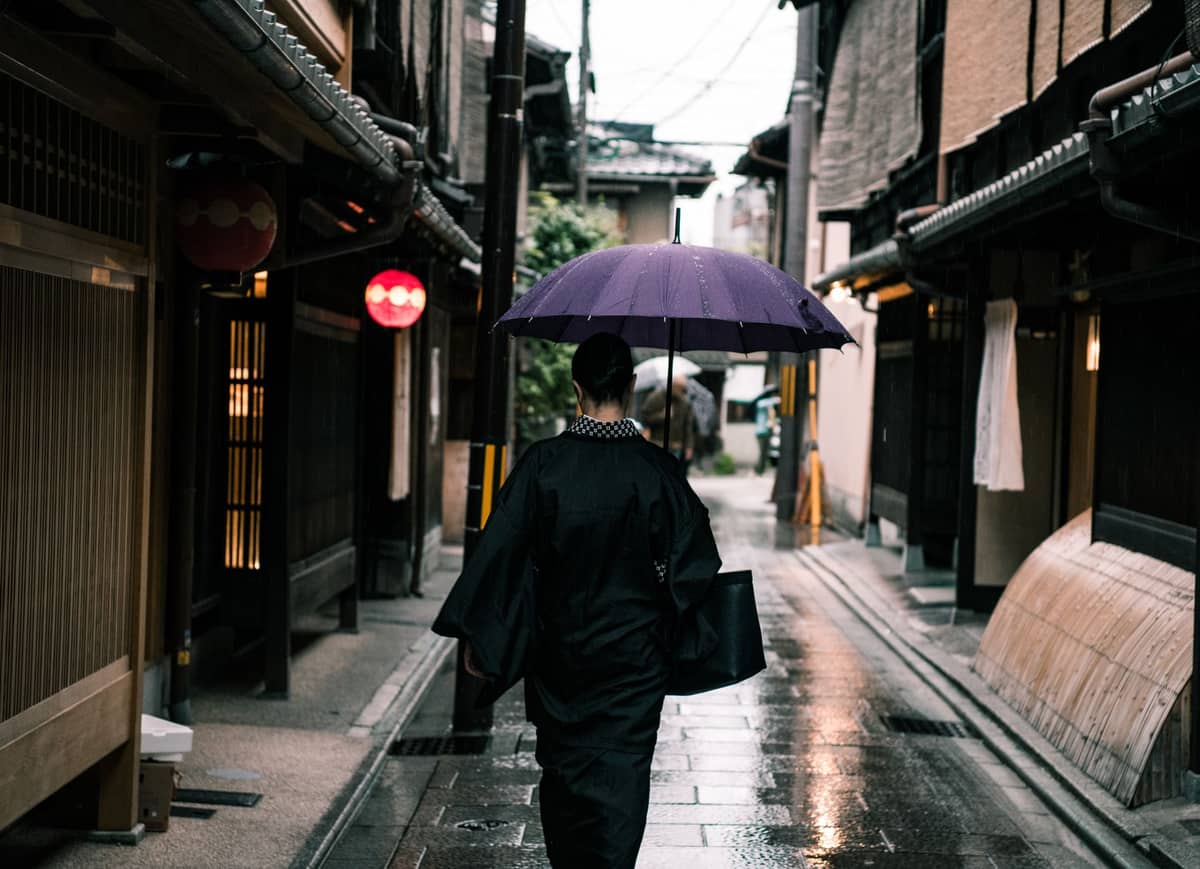
Timing your trip strategically is one of the most effective budget moves available. Kyoto's two peak seasons, cherry blossom (late March to mid-April) and autumn foliage (mid to late November), drive accommodation prices up significantly and make popular sites genuinely difficult to enjoy. If you have flexibility,the best time to visit Kyotofrom a budget perspective is either early February or late June.
January and February are Kyoto's quietest months. Temperatures average around 5–8°C during the day, cold but manageable with layers, and tourist crowds drop sharply. Accommodation rates in guesthouses and mid-range hotels can fall 30–50% compared to peak season. The tradeoff is that some outdoor attractions are less lush, but temples like Ryoan-ji and Daitoku-ji are genuinely better experienced without crowds. Late June sits in the rainy season (Baiu), which deters many visitors — prices drop but you should expect rain on several days and pack accordingly.
For a more detailed breakdown of crowds, prices, and seasonal conditions by month, see our guide toKyoto's weather by month. If you are set on visiting in autumn, arriving in early November rather than mid-November often hits the foliage while avoiding the peak price spike that follows the major long weekend crowds.
Budget Accommodation: What to Expect and Where to Look
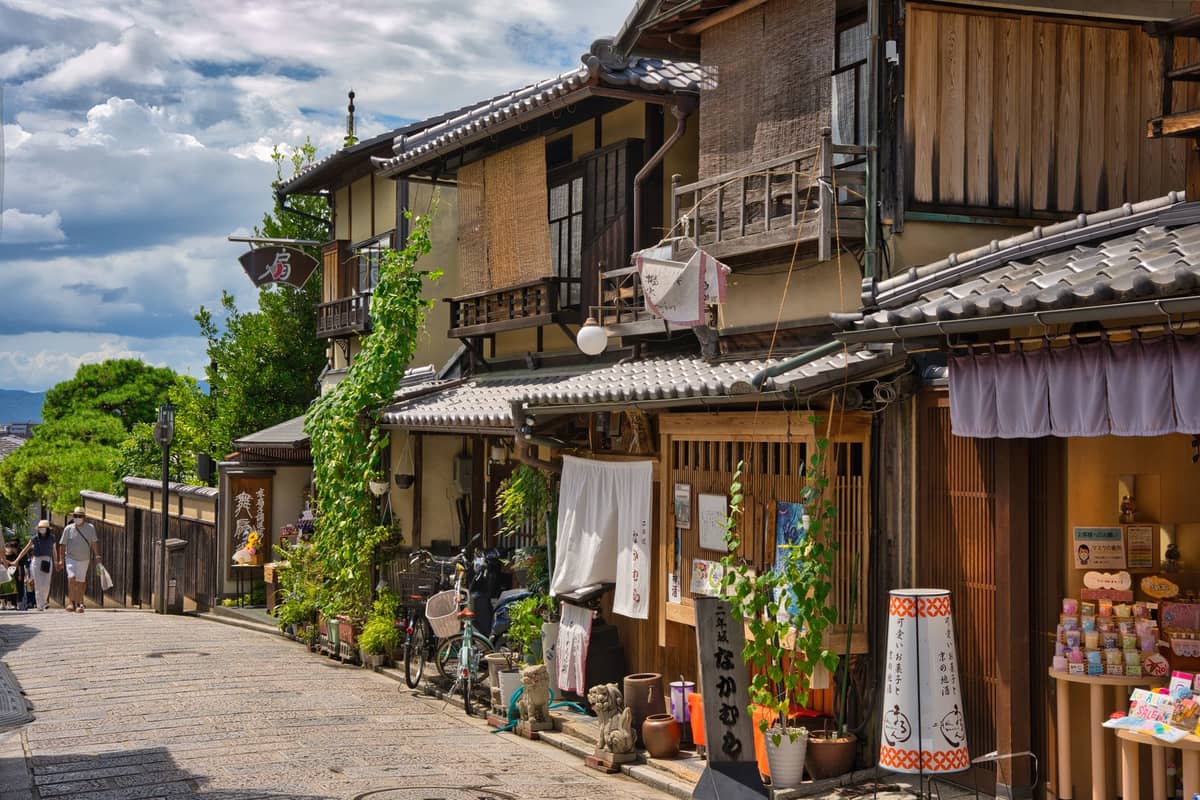
Kyoto has a solid range of budget accommodation options, from international hostel chains to smaller family-run guesthouses. Dorm beds in central areas typically run ¥2,500–¥4,500 per night, while private rooms in budget guesthouses start around ¥6,000–¥9,000 for two. The best-value neighborhoods for budget travelers are around Kyoto Station (Shimogyo-ku) and the Teramachi-Shinkyogoku arcade area in Nakagyo-ku, both of which offer easy transit access.
Staying near Kyoto Station is particularly practical on a budget: the subway's Karasuma Line runs directly north into the city center, and many city bus routes originate here. It is also the departure point for the JR Haruka limited express to Kansai International Airport (KIX), approximately 75 km away and about 75 minutes by rail. For a full breakdown of accommodation areas and price tiers, seewhere to stay in Kyoto.
ℹ️ Good to know
Japan does not have a tipping culture. Service charges are included in restaurant and hotel bills, and attempting to tip can cause confusion or be declined. This is a genuine cost saving compared to many other destinations — the price you see on the menu is the price you pay, no additional 15–20% expected.
Practical Budget Tips Worth Knowing
A few practical details that affect your budget in ways guidebooks often gloss over. First, Kyoto's tap water is safe to drink, so there is no reason to buy bottled water beyond personal preference. Carry a refillable bottle and use it. Second, if you are visiting multiple cities in Japan, check whether a Japan Rail Pass covers your route before buying one: for trips focused heavily on Kyoto, the JR Pass often represents poor value compared to buying individual Shinkansen tickets. See our guide ontraveling between Kyoto and Tokyo for a fare comparison.
- IC cards (Suica, ICOCA): load a rechargeable IC card for seamless bus, subway, and convenience store payments. Eliminates the need to carry exact change and works across most Kansai transit.
- Avoid taxis except for late-night emergencies: a short crosstown taxi ride in Kyoto can easily cost ¥1,500–¥2,000. The bus covers almost the same ground for ¥230.
- Museum entry: the Kyoto National Museum and Kyoto City Kyocera Museum of Art both offer various discounts and free admission for specific categories (students, seniors, residents, visitors with disabilities, etc.) — check their official sites before visiting for current eligibility and prices.
- Kimonos and experiences: kimono rental averages ¥3,000–¥5,000 for a half-day. It is not a budget activity, but if it matters to you, booking directly with smaller rental shops rather than tourist-district storefronts typically cuts costs.
- Pocket Wi-Fi vs. SIM card: a data SIM purchased at Kansai Airport is generally cheaper than renting a pocket Wi-Fi device for trips longer than 3–4 days.
If you are visiting Kyoto as part of a longer Kansai trip, consider that Nara is easily reachable in under an hour by train from Kyoto Station, with free-roaming deer and the impressive Todai-ji temple. It makes an excellent low-cost addition to a Kyoto base. OurKyoto to Nara day trip guide covers the logistics in detail.
FAQ
How much does it cost per day to visit Kyoto on a budget?
A realistic daily budget for Kyoto, excluding accommodation, is ¥4,000–¥6,000 per person. This covers a transit day pass (¥1,100), meals from markets and set-lunch menus (¥1,500–¥2,500), and one or two paid temple admissions (¥500–¥1,000 each). Accommodation adds ¥2,500–¥4,500 for a hostel dorm, or ¥6,000–¥9,000 for a budget private room.
What is the best transit pass for budget travelers in Kyoto?
The Subway & Bus 1-Day Pass at ¥1,100 adult is the standard option. It covers unlimited rides on the Kyoto Municipal Subway (Karasuma and Tozai lines) and most Kyoto City Bus routes for one calendar day. If your itinerary is subway-heavy, the subway-only day pass costs ¥800. The old bus-only unlimited day pass has been discontinued — ignore any references to it you find in older guides.
What are the best free things to do in Kyoto?
Fushimi Inari Taisha (open 24 hours, free), the Arashiyama Bamboo Grove, the Philosopher's Path, Kyoto Gyoen National Garden, Gion and Hanamikoji Street at dusk, Nishiki Market, Shimogamo and Kamigamo shrines (both UNESCO sites with free ground access), and the Kamo River embankment are all free. Walking Ninenzaka and Sannenzaka costs nothing, though the shops will tempt you.
Is Kyoto cheaper to visit in winter?
Yes, noticeably so. January and February see the lowest tourist volumes and accommodation prices drop 30–50% compared to cherry blossom or autumn foliage peaks. Daytime temperatures average around 5–8°C, which is cold but workable with proper layers. Many temples are significantly easier to appreciate without crowds, and you may encounter light snowfall that transforms gardens like Ryoan-ji and Kinkaku-ji into remarkable scenes.
Should budget travelers buy a Japan Rail Pass for Kyoto?
Generally no, if Kyoto is your primary base. The JR Pass pays off mainly for travelers covering long distances across multiple regions of Japan by Shinkansen. If you are staying mostly in Kyoto with day trips to Nara or Osaka, individual tickets and a Kansai IC card will almost certainly be cheaper. Run the numbers against your actual itinerary before committing to the pass.