Kyoto Matcha Guide: Best Cafés, Experiences & Shops
Kyoto is the spiritual home of Japanese matcha culture, from centuries-old tea houses in Gion to stone-mill workshops in Uji. This guide covers where to drink, eat, and learn about matcha — with real prices, practical logistics, and practical advice on what's worth your time.
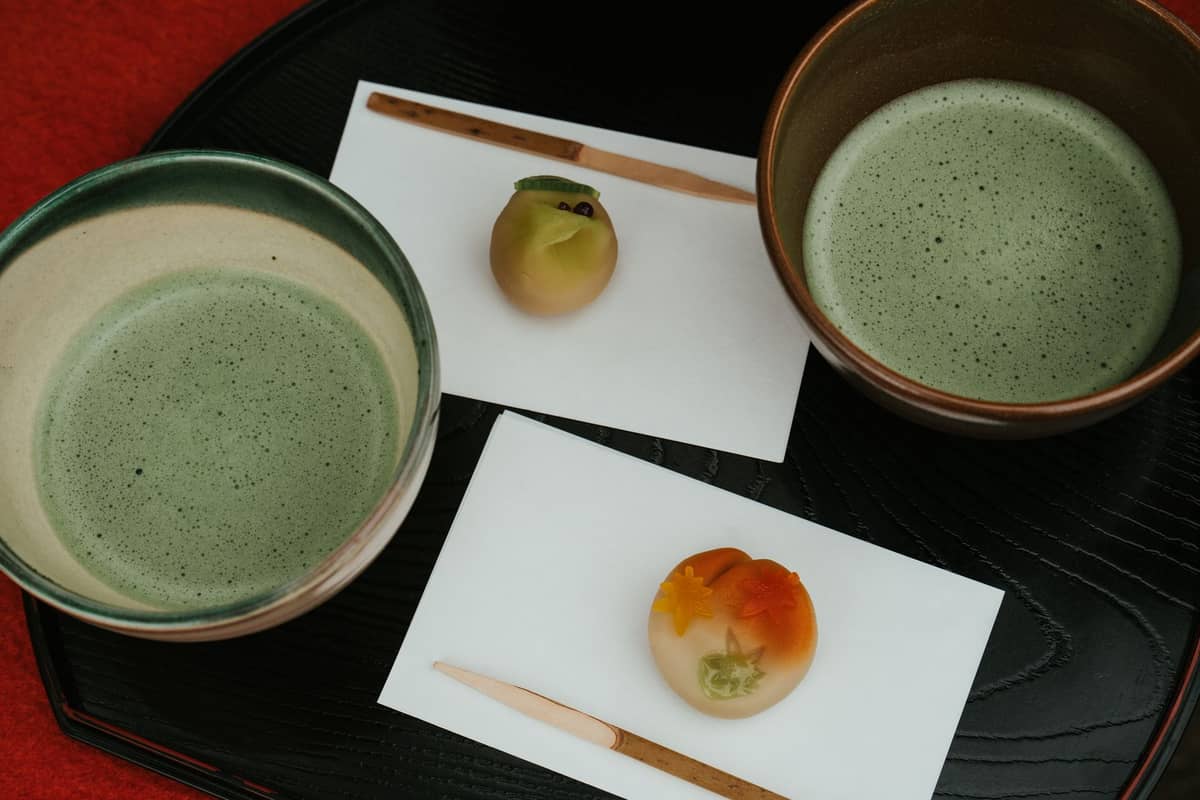
Plan and book this trip
Tools from our partner Travelpayouts help you compare flights and hotels. If you book through them, we may earn a commission at no extra cost to you.
Flights
Hotels map
TL;DR
- Matcha in Kyoto ranges from a ¥500 soft serve to a ¥15,500 omakase tea course — know what you want before you go.
- Uji City, just 20 minutes from Kyoto Station, is Japan's most celebrated matcha-growing region and worth a dedicated half-day — see ourKyoto tea ceremony guide for the full ritual breakdown.
- The best matcha experiences book up fast; Ochakase and Fukujuen's Whole Tea Course require advance reservations.
- Matcha is stone-ground powdered tea — not the same as sencha or gyokuro, both of which also appear on Kyoto café menus.
- Seasonal menus shift constantly, especially for parfaits and limited sweets — always check before visiting, particularly inspring and autumn.
Why Kyoto Is Japan's Matcha Capital
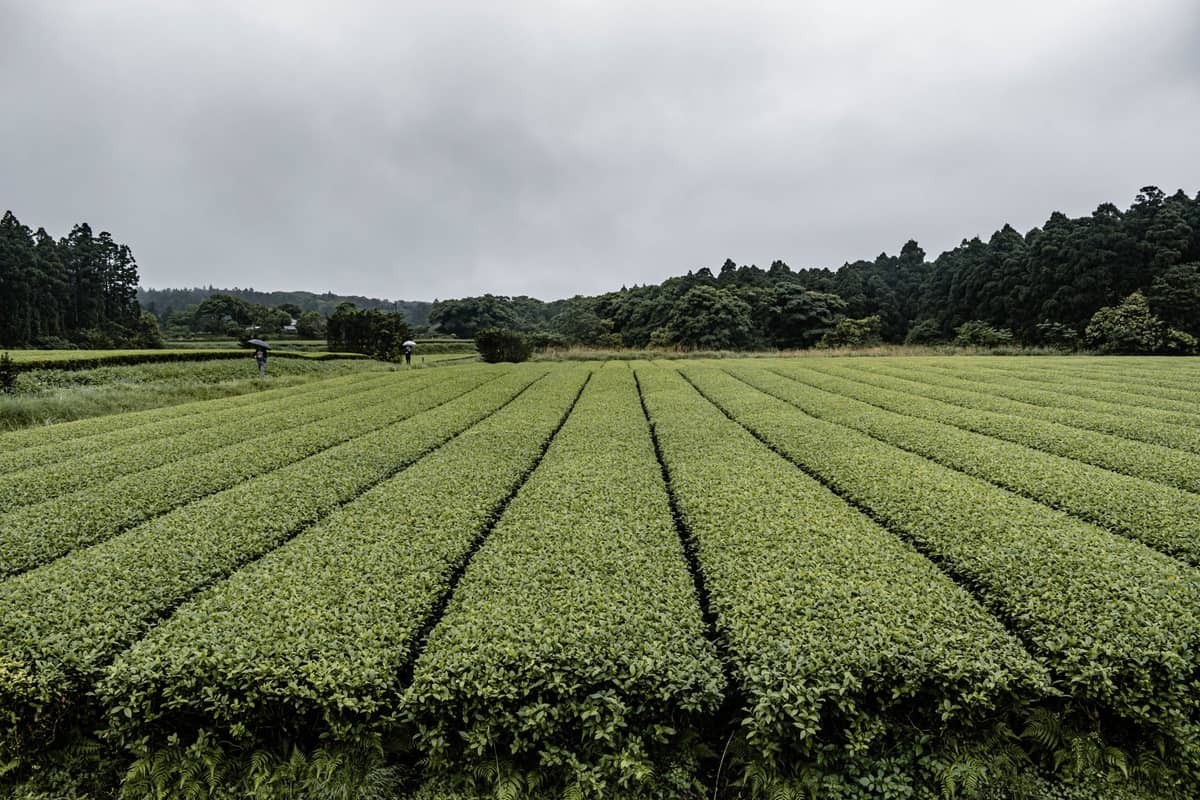
Matcha has been produced in the Kyoto region for over 800 years. The cultivation of shade-grown tea leaves and the development of the stone-grinding technique that produces matcha powder were refined by Buddhist monks and later codified through the Japanese tea ceremony tradition. Uji City, located about 20 km south of central Kyoto, produces some of the most prized matcha in the world, and the Kyoto region's tea houses, temple ceremonies, and specialist retailers have built an entire culture around it.
It is worth clarifying what matcha actually is before you start ordering. Matcha is made from shade-grown tea leaves (tencha) that are stone-ground into a fine powder. It is not the same as sencha, which is steeped whole-leaf tea, or gyokuro, which is another premium shade-grown variety but brewed conventionally. Many Kyoto cafés serve all three, so knowing the difference helps you order intentionally and avoid paying matcha prices for something else.
ℹ️ Good to know
Matcha quality in Kyoto is graded informally by ceremony vs. culinary use. Ceremonial-grade matcha has a vivid green color, minimal bitterness, and a smooth umami finish. If your matcha looks grey-green or tastes mostly bitter without sweetness, it is likely culinary grade — fine for lattes and sweets, but not what you want in a bowl of whisked tea.
Top Matcha Cafés and Tea Houses in Kyoto
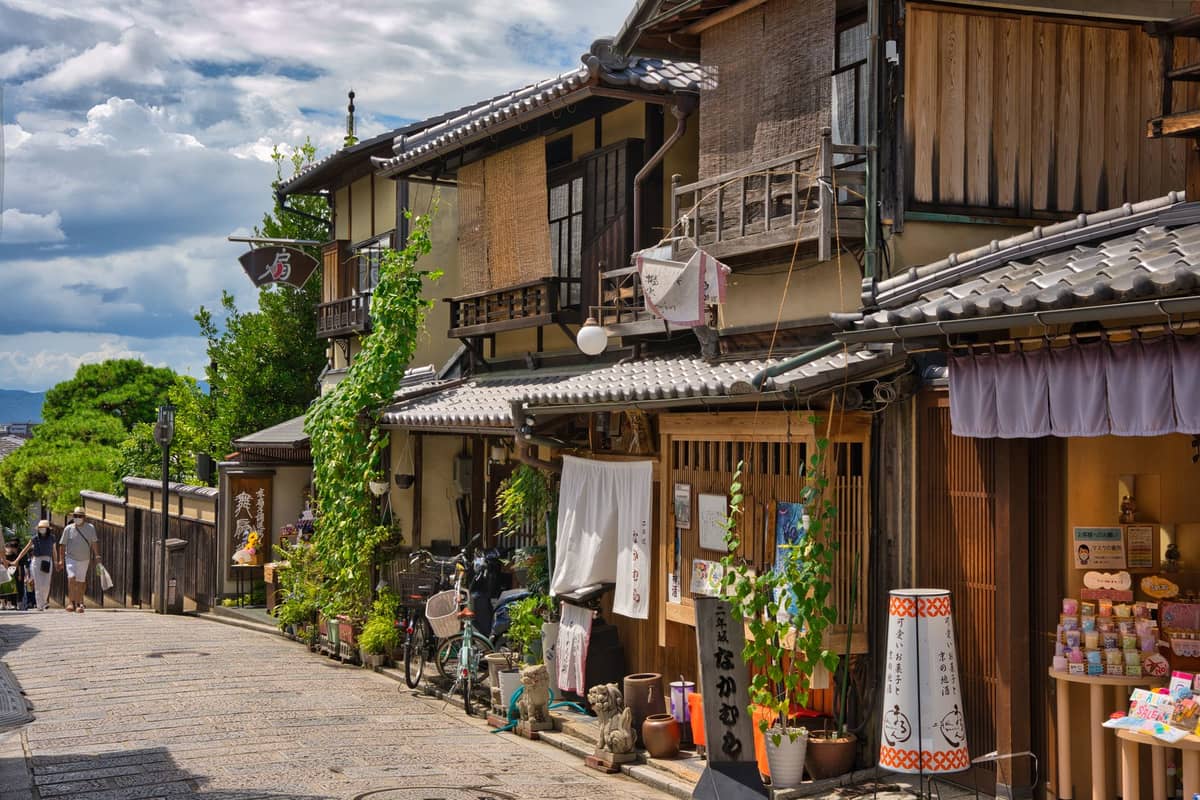
Kyoto's matcha café scene splits into two camps: historic tea houses attached to temples or traditional neighborhoods, and modern cafés that use high-quality matcha as the base for desserts, soft serve, and lattes. TheHigashiyama district and Gionhave the highest concentration of the former; downtown Kyoto around Shijō and Kawaramachi has more of the latter.
- Fukujuen Kyoto Honten (Ura-Senke area) Fukujuen is one of Japan's oldest and most respected tea companies. Their Kyoto flagship offers the 'Whole Tea Course' at ¥5,500 (tax included), running 11:00–18:00 with last order at 17:30 and last entry to the tea ceremony room at 17:00. This is a structured, immersive experience that covers whisked matcha, seasonal sweets, and tea culture context. Reservations are strongly recommended.
- Fukujuen ASTY Kyoto (Kyoto Station) For travelers who want quality matcha without a ceremony, the Fukujuen outlet inside Kyoto Station's ASTY shopping area is open 9:00–21:00 year-round. Good for takeaway matcha drinks, boxed tea gifts, and a quick taste before or after a train journey.
- Ochakase The highest-end option on this list. Ochakase offers a tea omakase experience at ¥15,500 plus 10% service charge, exploring multiple teas, preparation methods, and food pairings across a full sitting. Reservations are made via OpenTable. This is not for everyone — it is a deliberate, slow experience aimed at people who want to understand Japanese tea culture at depth.
- Horaido (Teramachi) A long-established tea merchant in the Teramachi shopping arcade. Hours are 10:30–19:00, but the closure schedule is unusual: closed on the 2nd, 7th, 8th, 12th, 17th, 18th, 22nd, 27th, and 28th of each month. Check carefully before visiting. Excellent for buying loose-leaf tea and quality matcha to take home.
- Kyoto Yoshitsugu A more intimate option with a dedicated Kyoto address. Closed Wednesdays (or Thursdays if Wednesday is a public holiday). Good for those who want a quieter experience away from the major tourist circuits.
- Matcha Tia A specialist matcha café with multiple Kyoto locations. Standard hours are 10:30–15:30 with last admission at 15:00. More accessible price point than Fukujuen or Ochakase, and suited to visitors who want a focused matcha experience without a full ceremony format.
⚠️ What to skip
Seasonal menus at matcha cafés — particularly soft serve, parfaits, and limited-edition sweets — can sell out by early afternoon or disappear entirely between seasons. Do not plan your afternoon around a specific dessert without checking the café's current menu, especially in cherry blossom season (late March to mid-April) and autumn foliage season (November).
The Uji Day Trip: Japan's Matcha Heartland
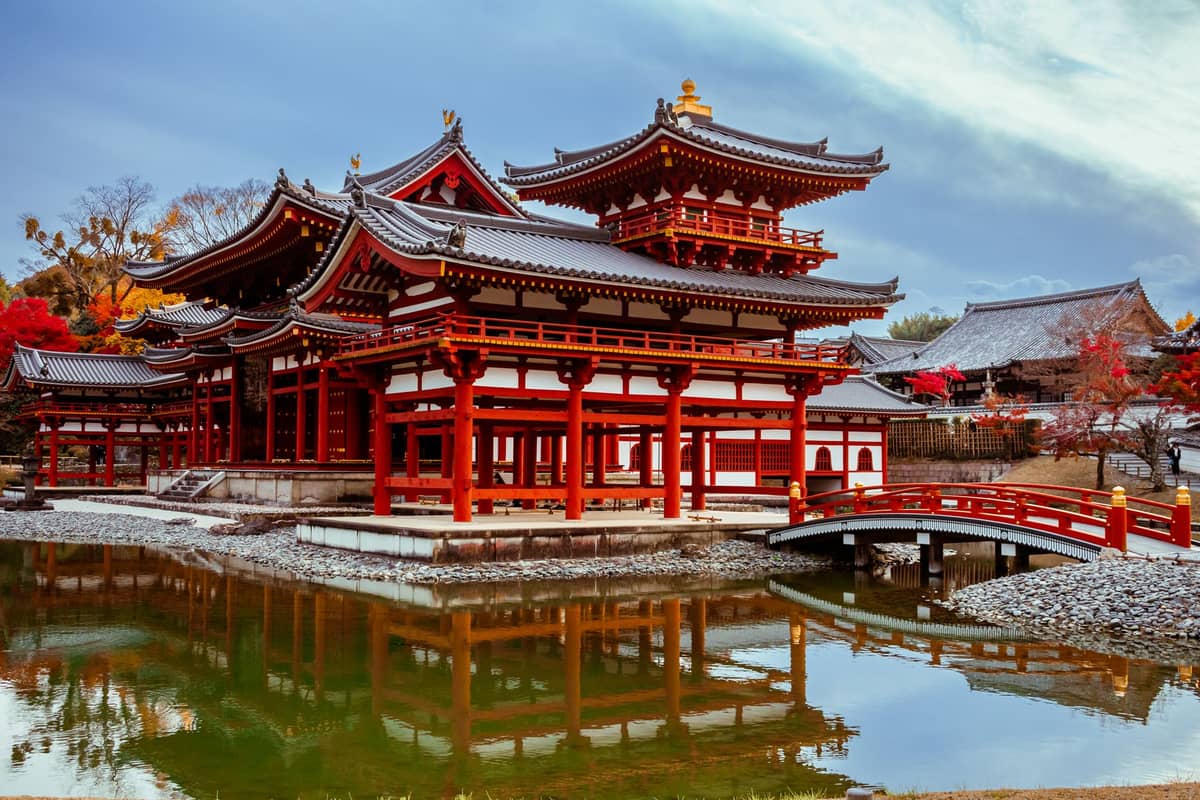
Uji City is not technically part of Kyoto City, but it is the natural extension of any serious matcha itinerary. Located about 20 km south of central Kyoto, Uji is reachable in roughly 17–20 minutes on the JR Nara Line from Kyoto Station. The city's tea fields, stone-mill workshops, and historic merchant streets make it the most complete matcha destination in Japan — and far less crowded than the major sights inHigashiyama or Arashiyama.
Fukujuen Uji Kobo offers a hands-on matcha-making experience using a traditional stone mill (ishi-usu). The listed price is ¥2,200 per person, which is exceptionally reasonable for what is a genuinely educational 30–45 minute workshop. You grind your own tencha leaves and produce a small quantity of matcha, which you then whisk and drink. The Kyoto Tourism Association lists this as an official activity. Booking ahead is recommended, especially on weekends and during the peak spring and autumn travel seasons.
Beyond Fukujuen, Uji's main street (Uji-bashi Dori) is lined with tea merchants and small cafés, many of which have been operating for generations. Tsuboichi Seichaho and Nakamura Tokichi are two well-regarded local names worth walking past. If you are combining Uji with other southern Kyoto sights, note thatByodo-in, the 11th-century temple featured on the 10-yen coin, is also in Uji and worth an hour of your time.
✨ Pro tip
The best time to visit Uji's tea fields is late April to early May during the first harvest (ichibancha). The new-crop matcha sold in this period has the most intense flavor and is what tea merchants mean when they talk about premium ceremonial grade. Some shops release limited first-harvest products that sell out within days — buying directly in Uji at this time is the closest most visitors will get to tea culture at its source.
Matcha Experiences Worth Booking in Advance
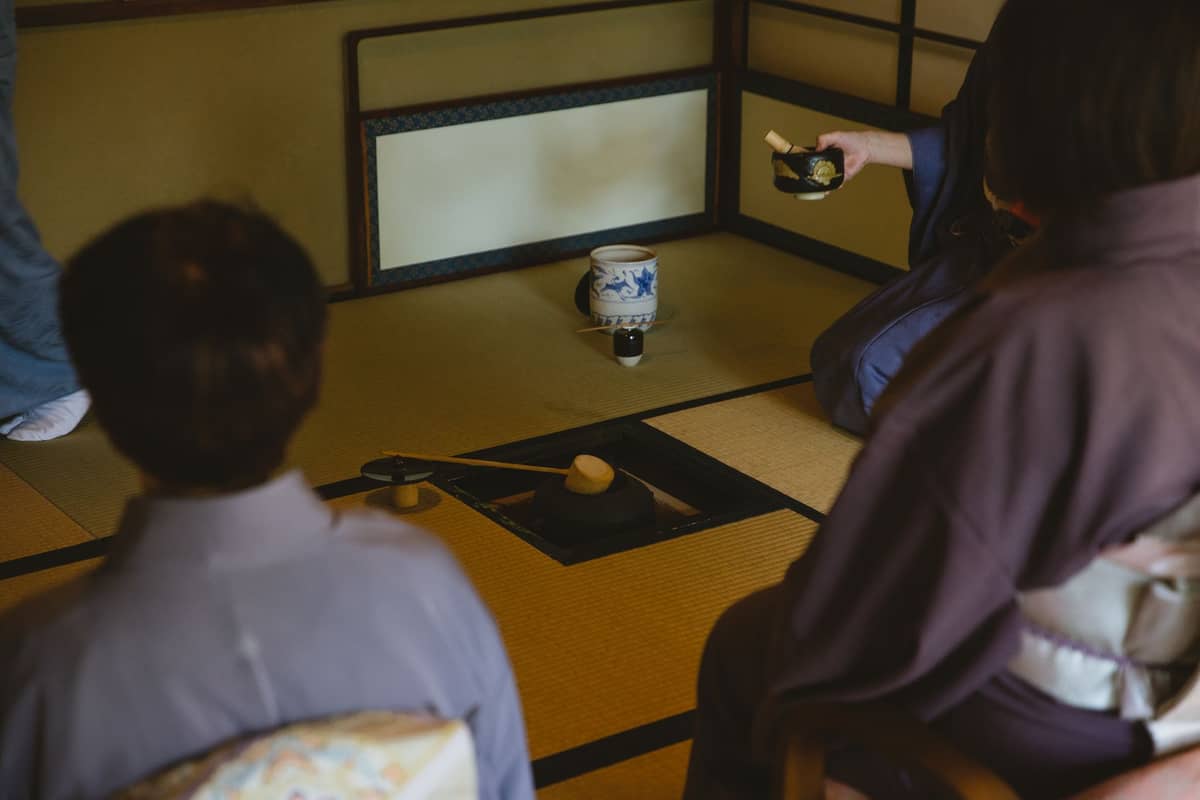
There is a meaningful difference between drinking matcha at a café and participating in a structured tea experience. Kyoto offers both, but the structured options require planning. The tea ceremony (chado) is a formalized practice with specific movements, etiquette, and sequencing that a good experience will teach you, rather than just hand you a bowl and move on.
For a proper introduction to the ceremony format, Fukujuen's Whole Tea Course at ¥5,500 is the most accessible mid-range option from a credentialed tea company. For a deeper, more curated exploration of Japan's tea culture, Ochakase at ¥15,500 plus service is the serious choice. Both require reservations. For general etiquette before attending any tea ceremony, read ourKyoto tea ceremony guide— it covers what to expect, how to sit, and how to drink correctly.
If you want to combine a tea experience with a traditional setting, some temples in Kyoto offer informal matcha and wagashi (Japanese sweets) in their gardens for around ¥500–¥800. Daitoku-ji's sub-temples and the gardens atNanzen-jiare particularly well suited to this. These are not formal ceremonies, but the setting adds genuine context to the drink.
Where to Buy Matcha in Kyoto
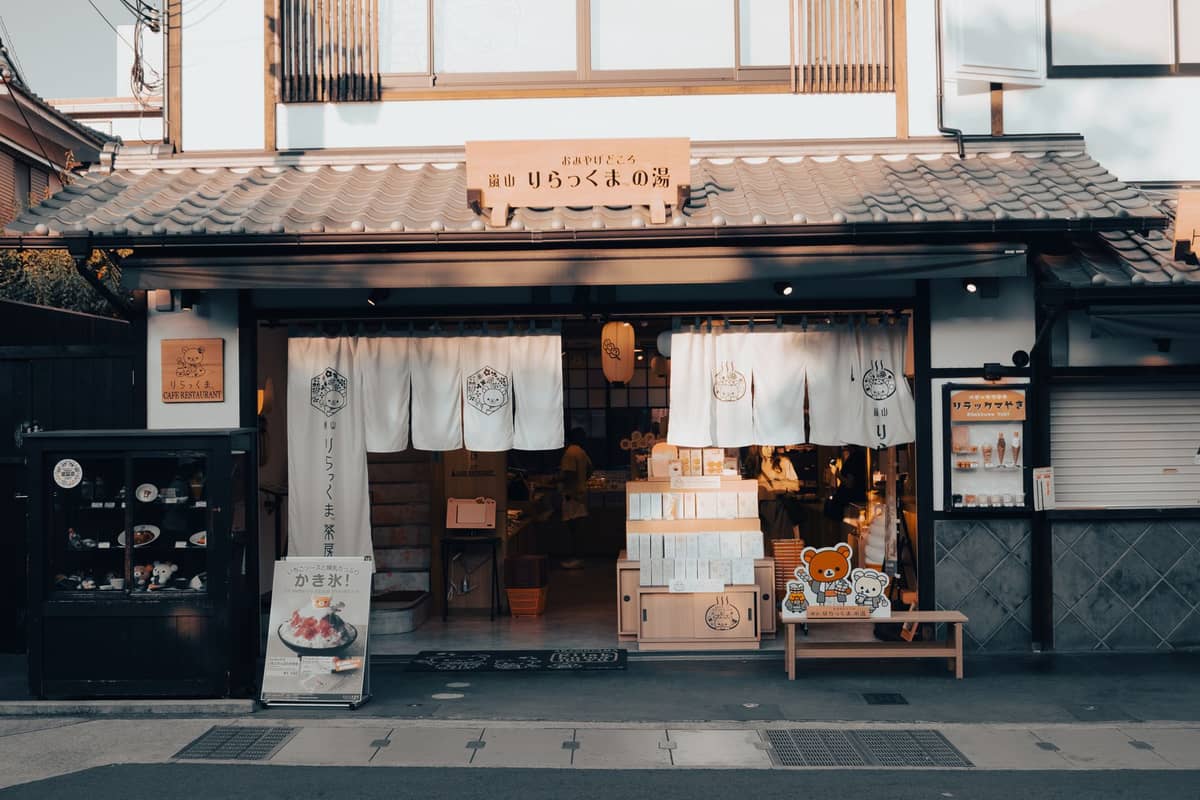
Kyoto is one of the best cities in the world to buy quality matcha to take home, but the range of products varies enormously. Tourist-area shops nearNinenzaka and Sannenzaka and Nishiki Marketcarry accessible, well-packaged matcha at mid-range prices (typically ¥800–¥2,500 for a 30–40g tin). These are fine for gifts and everyday use at home.
For higher-quality matcha, go to specialist tea merchants rather than general souvenir shops. Horaido in Teramachi, Kyoto Yoshitsugu, and the Fukujuen Kyoto Honten all sell loose-leaf tea and matcha powder of demonstrably better quality than what you will find in convenience stores or gift corners. Expect to pay ¥2,500–¥6,000 for a premium 30–40g tin of ceremonial-grade Uji matcha at these shops. The difference in flavor is significant.
- Buy matcha in tins, not paper bags — exposure to air degrades the flavor quickly.
- Ask for 'usucha-yo' if you intend to whisk and drink it plain; culinary grade works better for baking and lattes.
- Most quality matcha tins are vacuum-sealed and will survive a flight home without issue — they make excellent, lightweight gifts.
- If buying matcha sweets to eat immediately, check production dates; many wagashi with matcha filling have a shelf life of 2–3 days.
- Fukujuen's Kyoto Station outlet (open until 21:00) is ideal for last-minute purchases before a shinkansen departure.
Practical Tips: Timing, Crowds, and Getting Around
The most crowded periods for matcha cafés in Kyoto are cherry blossom season (late March to mid-April) and autumn foliage season (mid-November). During these windows, popular spots in Higashiyama can have queues of 45 minutes or more for basic matcha soft serve. If you want a specific café or experience during peak season, arrive at opening time or book ahead. For general crowd strategies across the city, see our guide to thebest time to visit Kyoto.
Most of Kyoto's matcha cafés cluster in Higashiyama, Gion, and the Teramachi-Shinkyogoku arcade area — all walkable from each other. Uji requires a separate trip. If you are organizing a food-focused day, combine Nishiki Market for midday snacks with an afternoon matcha café in Higashiyama, then take the train to Uji the following morning. For a broader food itinerary, ourKyoto food guide covers where to eat across the full day.
Kyoto's public transit handles all of these routes well. The Kyoto Municipal Subway Karasuma Line, Keihan Line, and city bus network connect the main matcha districts efficiently. For a full breakdown of routes and IC card options, see our guide togetting around Kyoto.
💡 Local tip
Tipping is not customary in Japan, including at tea houses and cafés. Prices listed include service. Attempting to tip can cause confusion or embarrassment for staff. If you genuinely want to express appreciation, buying an extra product or leaving a respectful review is more appropriate.
FAQ
What is the difference between matcha and regular green tea in Kyoto cafés?
Matcha is shade-grown tea leaves (tencha) that are stone-ground into a fine powder and then whisked with hot water. Regular green tea (sencha) is made from steeped whole leaves and has a lighter, more vegetal flavor. Many Kyoto cafés serve both, plus gyokuro, another premium shade-grown variety brewed as a steeped tea. If you order 'matcha,' you should receive a powdered preparation — if the menu is unclear, ask which preparation method is used.
How much does a matcha experience in Kyoto cost?
The range is wide. A basic matcha soft serve or drink at a café counter costs around ¥500–¥800. A bowl of whisked matcha with wagashi at a temple garden is typically ¥600–¥900. A structured tea ceremony experience runs ¥2,200–¥5,500 for quality mid-range options (Fukujuen Uji Kobo workshop at ¥2,200, Fukujuen's Whole Tea Course at ¥5,500). The top-end Ochakase omakase is ¥15,500 plus 10% service. Buying a quality tin of matcha to take home costs ¥2,500–¥6,000 at specialist shops.
Where is the best place to buy matcha to take home from Kyoto?
Specialist tea merchants give you better quality and more honest guidance than souvenir shops. Horaido in Teramachi, Fukujuen's Kyoto Station outlet (open until 21:00, useful for departure-day shopping), and the Fukujuen Kyoto Honten are all reliable. For the most prized Uji matcha, buying directly in Uji City at a local merchant gives you access to single-estate and first-harvest products not always available in central Kyoto.
Do I need to book matcha tea ceremony experiences in advance?
Yes, for any structured experience. Fukujuen's Whole Tea Course, Ochakase's omakase, and the Fukujuen Uji Kobo workshop all benefit from advance booking, particularly on weekends and during peak travel seasons (late March to early April, and November). Walk-in café matcha drinks generally do not require reservations, though popular spots may have queues during peak hours.
Is Uji worth visiting just for matcha?
Yes, if matcha is a genuine interest and not just a photo opportunity. Uji offers a stone-mill workshop (¥2,200), dedicated tea merchant streets, and a quieter atmosphere than central Kyoto. The roughly 20-minute train journey from Kyoto Station is minimal overhead. Combining it with Byodo-in temple makes for a full, worthwhile half-day. If matcha is a minor curiosity, central Kyoto's cafés will satisfy you without the extra trip.