Kyoto Cherry Blossom Season: Best Spots, Timing & Practical Guide
Kyoto's cherry blossom season is one of Japan's great spectacles, but peak bloom lasts barely a week and the crowds are intense. This guide covers exactly when to go, where to stand, what to skip, and how to make the most of sakura season in Kyoto.
Plan and book this trip
Tools from our partner Travelpayouts help you compare flights and hotels. If you book through them, we may earn a commission at no extra cost to you.
Flights
Hotels map
TL;DR
- Cherry blossoms in Kyoto typically peak between late March and early April, but the exact window shifts by several days each year based on winter temperatures.
- Full bloom lasts roughly one week. Late-blooming varieties at spots likeNinna-ji extend the season into mid-April.
- Maruyama Park, the Philosopher's Path, and Arashiyama are the top free viewing spots. Kiyomizu-dera charges ¥500 but offers spectacular hillside views.
- Crowds at peak bloom are genuinely extreme. Arriving before 8am or visiting on weekdays makes a significant difference.
- Monitor the official Kyoto sakura calendarin the weeks before your trip, as forecasts shift with weather data.
When Do Cherry Blossoms Peak in Kyoto?
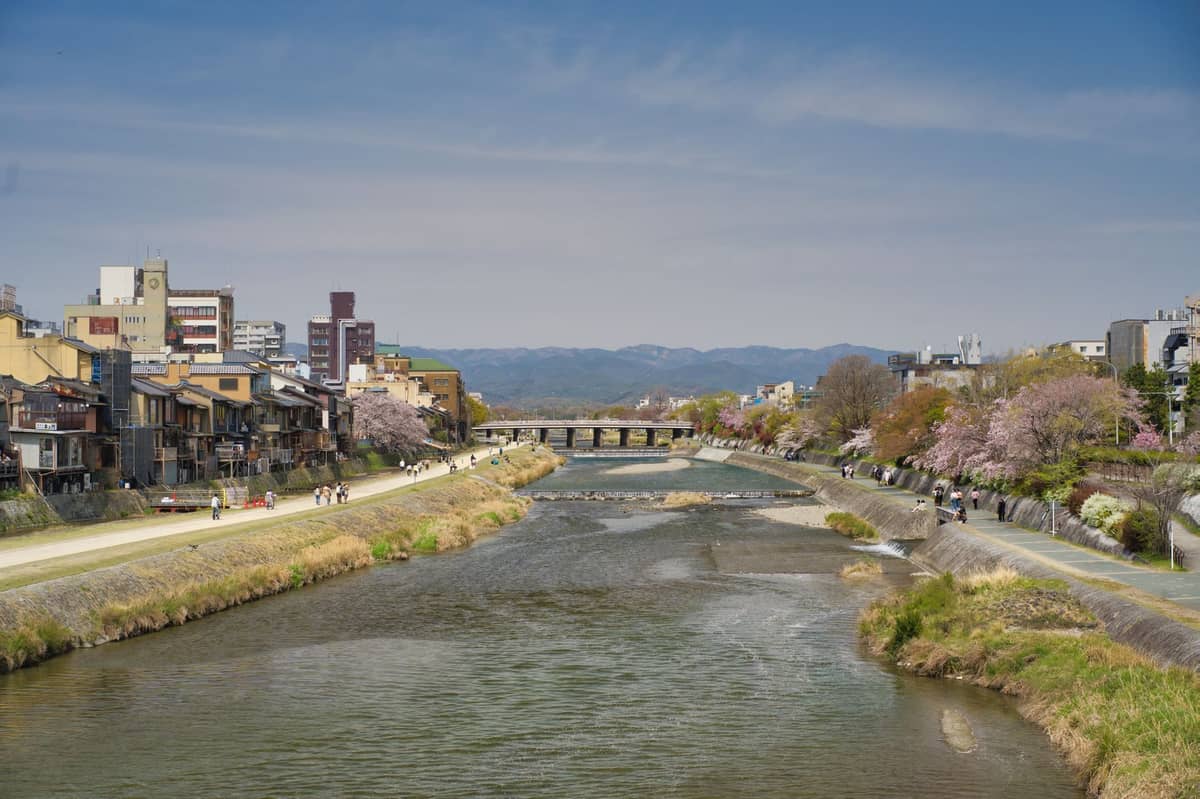
The cherry blossom season in Kyoto does not run on a fixed schedule. The timing depends on the preceding winter: a cold February pushes bloom later, while a mild one pulls it earlier. Based on recent years and forecast data for 2025 and 2026, the general pattern looks like this: first bloom around March 25-30, with full bloom arriving March 30-April 6. In 2025, official forecasts and reports placed full bloom on April 5-6. The 2026 nationwide forecast projected best viewing roughly March 29 to April 5 for the Kyoto area.
Once full bloom is declared, the petals typically stay on the trees for about one week under normal conditions. Rain and warm temperatures accelerate petal fall significantly. A rainy day at peak bloom can strip a tree within 24 hours. Conversely, cool and dry weather in late March can stretch the season by several days. This variability is why you should treat any forecast published more than two weeks before your trip as a rough estimate, not a confirmed date.
💡 Local tip
Kyoto City's official tourism portal (kyoto.travel) publishes a location-by-location cherry blossom calendar each spring, updated with real-time status. Check it in the 10 days before your visit for accurate bloom conditions at specific sites.
One underappreciated aspect of timing: not all cherry trees in Kyoto bloom at the same moment. Standard Somei Yoshino trees, which dominate most parks and riverbanks, bloom earliest. Late-blooming varieties such as the Omuro-zakura at Ninna-ji temple can remain in full bloom well into mid-April, sometimes two weeks after the main wave has passed. If your trip falls in the second week of April, do not assume you have missed everything.
The Best Cherry Blossom Spots in Kyoto
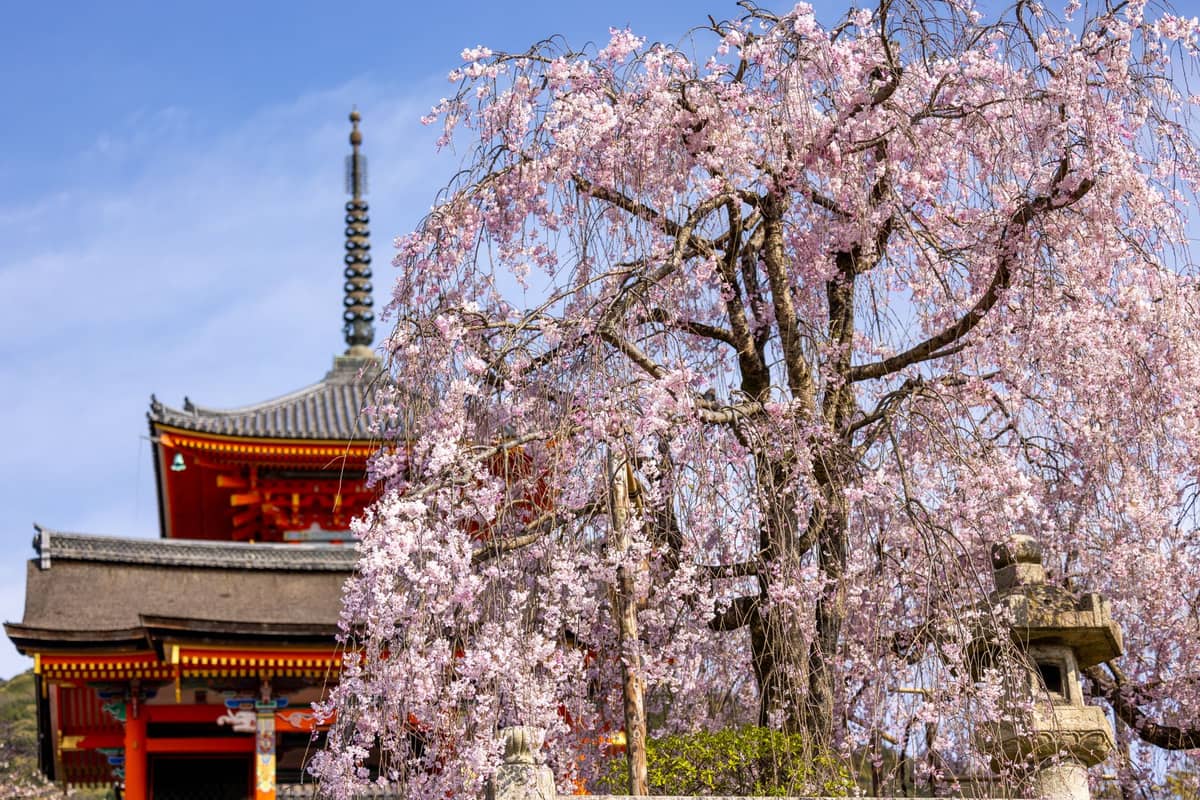
Kyoto has dozens of legitimate viewing spots, but a handful stand out for the density of trees, the quality of the surroundings, or both.Maruyama Parkis the city's most famous sakura location, built around a massive weeping cherry tree (shidare-zakura) that gets illuminated after dark. Entry is free, the park is open around the clock, and the night-lit tree is genuinely impressive. Expect dense crowds on weekends and public holidays. The nearest rail access is Gion-Shijo Station on the Keihan Line or Kawaramachi on the Hankyu, followed by a 10-minute walk.
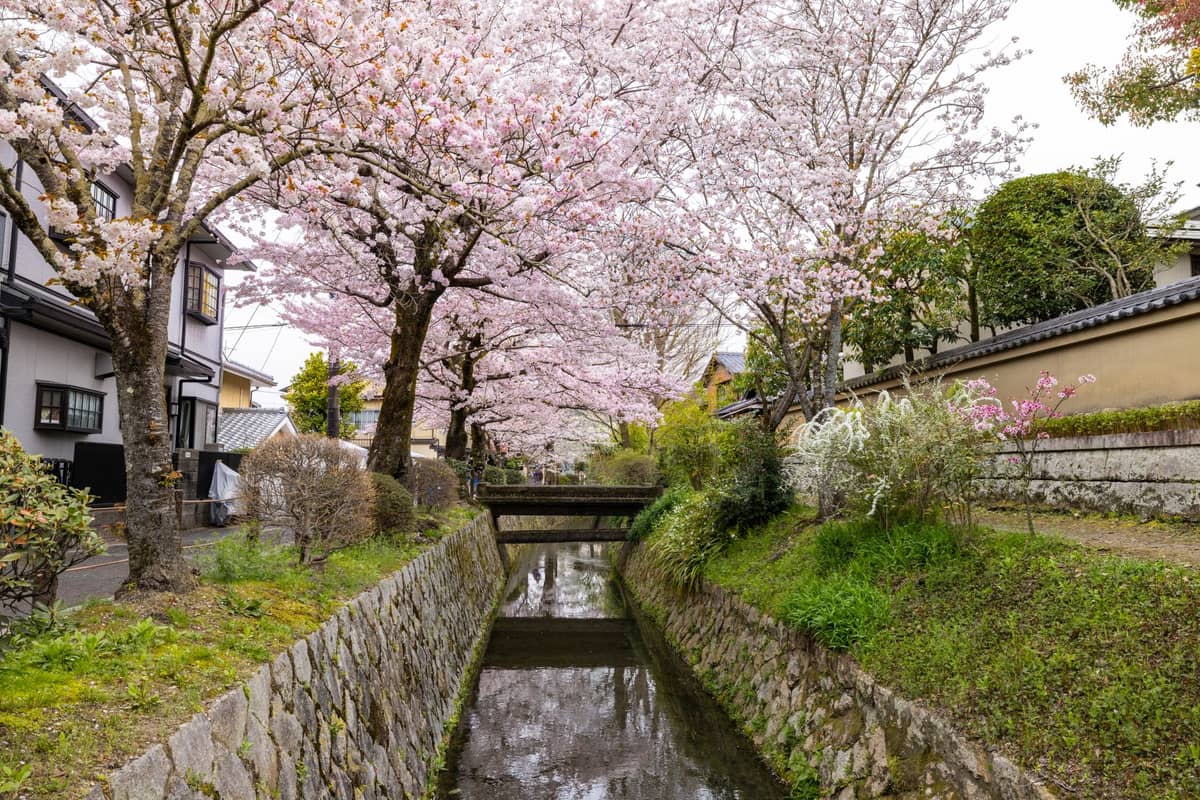
The Philosopher's Pathis a canal-side stone walkway lined with several hundred cherry trees, running roughly 2 km between the Ginkaku-ji area in the north and Nanzen-ji in the south. It is free, has no official opening hours, and rewards early-morning walkers with quiet beauty before tour groups arrive. The combination of blossoms reflecting in the narrow canal and traditional wooden fences along the route makes this one of the more photogenic spots in the city.
- Maruyama Park Free, 24-hour access. Famous weeping cherry with evening illuminations. Crowded on weekends. Access via Gion-Shijo Station (Keihan Line), 10-min walk.
- Philosopher's Path Free, no set hours. 2 km canal walk lined with cherry trees. Best before 8am. Access from Ginkaku-ji bus stop or Nanzen-ji area.
- Arashiyama Riverbank Free. Blossoms along the Oi River near Togetsukyo Bridge. Combine with temple visits. Access via JR Saga-Arashiyama Station (JR Sagano Line) or Arashiyama Station (Hankyu/Keifuku).
- Kiyomizu-dera Paid entry, ¥500. Hillside views of blossoms across Higashiyama district. Special night illumination tickets available during sakura season. Verify current prices before visiting.
- Ninna-ji (Omuro-zakura) Late-blooming variety, typically peaking mid-April. Ideal if traveling after the main wave. Entry fee applies; verify current price. Access via bus or Kitano-Hakubaicho Station (Keifuku Kitano Line).
- Heian Shrine Garden The garden pond area contains impressive weeping cherry trees. Paid entry. Often less crowded than Maruyama Park on peak days.
Arashiyama deserves special attention during sakura season. The blossoms along the Oi River and aroundTogetsukyo Bridgecreate a striking visual, particularly in morning light when mist hangs over the water. The area also works well for a full day of sightseeing, as you can pair riverbank viewing withTenryu-ji's gardenand the bamboo grove. The trade-off is crowd density. Arashiyama becomes genuinely difficult to navigate at midday on peak weekends. JR's Sagano Line from Kyoto Station is the most direct rail option, taking about 15 minutes.
⚠️ What to skip
Avoid relying on buses in Arashiyama at peak bloom on weekends. The main bus routes can run 30-60 minutes behind schedule due to road congestion. Rail is far more reliable during sakura season.
Crowd Reality and How to Work Around It
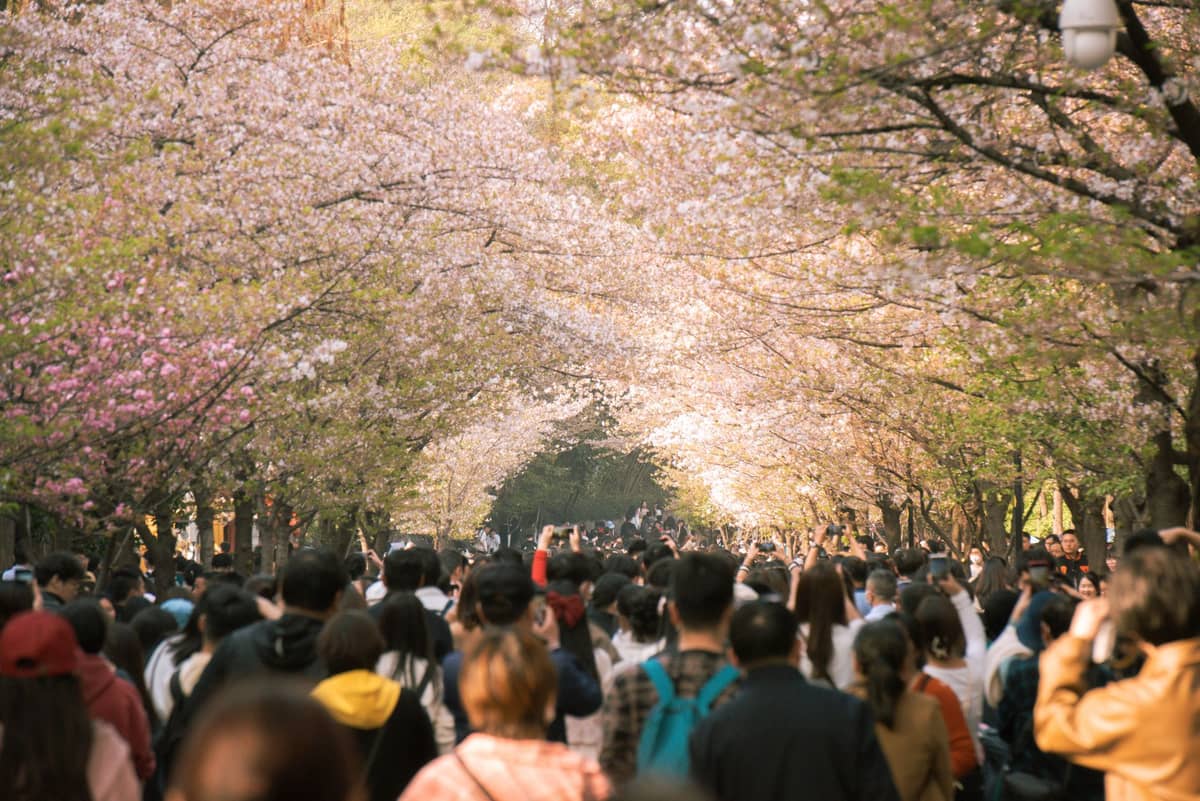
Peak cherry blossom season is Kyoto's single busiest period of the year, and the crowds are not trivially bad. They are genuinely disruptive to the experience at popular sites. On a clear weekend during full bloom, Maruyama Park, the Philosopher's Path, and the Arashiyama riverbank all attract tens of thousands of visitors. Moving through Higashiyama on a Saturday afternoon at peak bloom can feel like navigating a slow-moving queue rather than a walk.
- Arrive at major spots before 8am. Most tour groups do not start until 9am at the earliest, giving you 60-90 minutes of relative quiet.
- Visit popular spots on weekdays. Crowds are noticeably lighter Monday through Thursday compared to weekends and Japanese public holidays.
- Target secondary spots. The Kyoto Botanical Gardens, Kyoto Imperial Palace grounds, and the canal-side paths in Fushimi district offer quality blossom viewing with far fewer visitors.
- Use Keihan or Hankyu rail lines rather than city buses during peak season. Trains run on schedule; buses often do not.
- Consider early or late in the bloom window. The first two or three days of opening bloom (kaika) and the petal-fall phase (hanafubuki) are both beautiful and slightly less crowded than the midpoint of full bloom.
Night illumination events (yozakura) are a genuine alternative to daytime viewing. Several sites including Maruyama Park andKiyomizu-deraset up light installations during sakura season, running roughly from sunset to 9:30pm or 10pm depending on the venue. These events draw crowds of their own, but the atmosphere is different enough to be worth it. Check each site's official page for whether special tickets or timed entry apply.
Late Bloomers: Extending the Season Past Early April
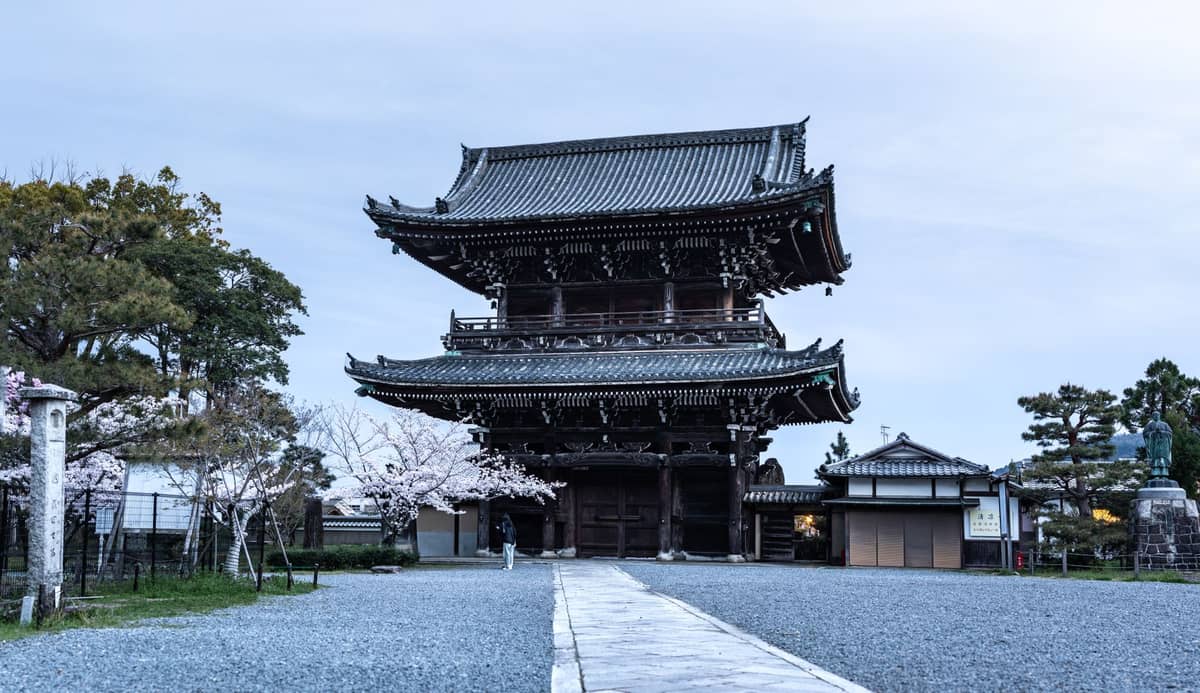
A common frustration among travelers is arriving in mid-April under the assumption that sakura season is over, only to find that late-blooming varieties are still going strong in parts of the city. Ninna-ji temple in northwestern Kyoto is the prime example. Its Omuro-zakura trees are a dwarf variety that typically reach full bloom about two weeks after the standard Somei Yoshino trees in central Kyoto. This makes Ninna-ji one of the last major cherry blossom destinations in the city and a smart fallback for anyone whose trip falls in the second week of April.
Beyond Ninna-ji, the mountain area of Kurama to the north of the city and the hillside paths aroundJingo-jiin the Takao district also see slightly later bloom due to cooler temperatures at higher elevation. These locations suit visitors who want blossom viewing combined with a quieter, more forested setting. Takao in particular is known primarily as an autumn foliage destination, which means it draws far fewer visitors during spring despite having solid cherry tree coverage.
✨ Pro tip
If your travel dates fall in the third week of April, skip the central Kyoto spots and head directly to Ninna-ji and the Takao area. You will likely have better blossom coverage and significantly smaller crowds than anyone who visited at peak in late March or early April.
Practical Planning: Access, Costs, and Logistics
Getting to Kyoto from the main international gateway, Kansai International Airport (KIX), takes roughly 75–80 minutes on the JR Haruka Limited Express to Kyoto Station. Fares are typically in the range of ¥3,000-¥3,100 for a non-reserved seat, though these figures should be verified directly with JR before booking. If you hold a JR Pass, the Haruka is partially covered (a supplement may apply). For full logistics from arrival to city navigation, see theKyoto airport and arrival guide.
Within the city, the most relevant transport lines for cherry blossom spots are the Keihan Line (for Gion and Maruyama Park), the Hankyu Line (for Arashiyama), and the JR Sagano Line (also for Arashiyama). The Kyoto Municipal Subway Karasuma Line is useful for reaching the Kyoto Botanical Gardens. For a full breakdown of how to get around during your visit, thegetting around Kyoto guide covers passes, routes, and transport options in detail.
- Kiyomizu-dera admission: ¥500 standard entry (adult); separate tickets for night illumination events during sakura season. Verify current prices at the official site.
- Ninna-ji admission: temple grounds usually free, but a special entry fee applies during the Omuro-zakura cherry blossom season (verify current price). The Omuro-zakura garden sometimes charges a separate seasonal viewing fee.
- Heian Shrine garden: paid entry to the inner garden (currently around ¥600 for adults). Verify current price.
- Maruyama Park, Philosopher's Path, Arashiyama riverbank: free access, no ticket required.
- Tenryu-ji garden in Arashiyama: paid admission. The garden's pond and cherry trees are worth the cost.
Accommodation prices in Kyoto spike significantly during cherry blossom peak. Budget travelers should look at options near Kyoto Station or in the Fushimi area rather than central Higashiyama or Gion, where both availability and prices work against you at this time of year. For a full overview of where to base yourself, thewhere to stay in Kyoto guidecovers neighborhoods by price point and proximity to key sites. Book accommodation as early as possible, particularly for the late March to early April window.
What to Eat and Do During Sakura Season
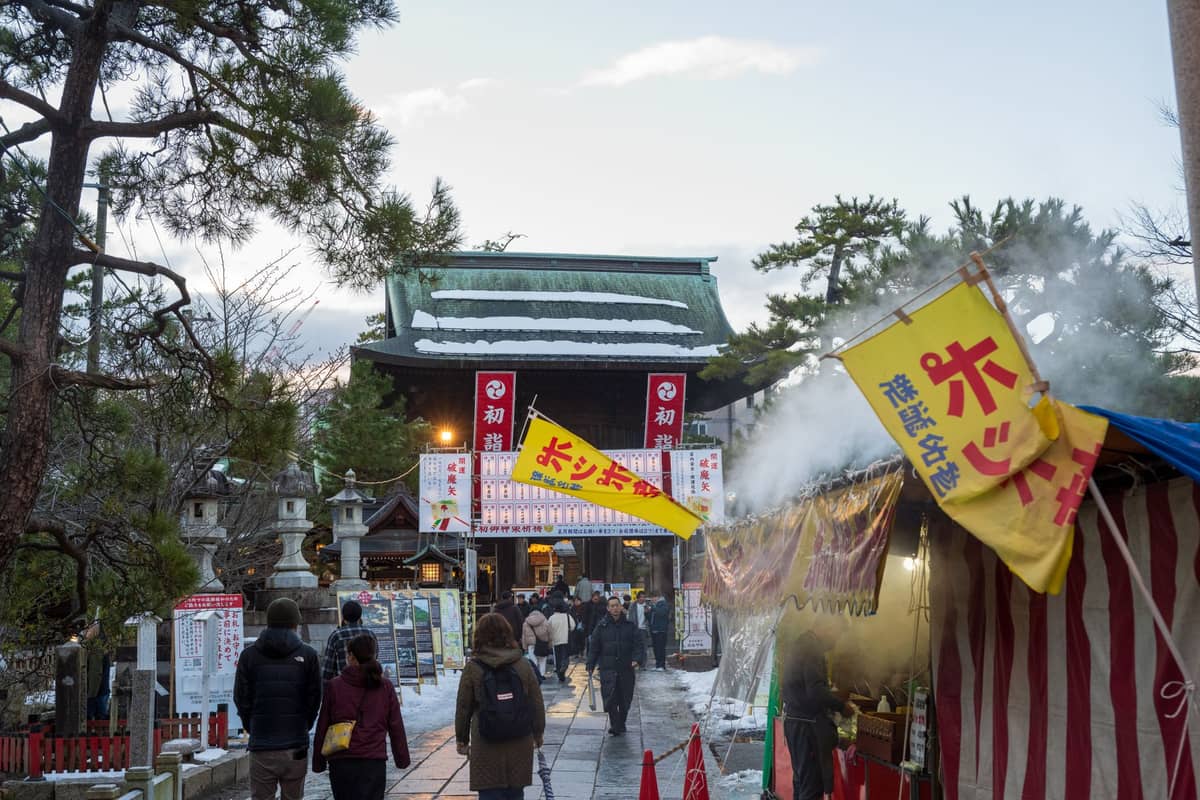
Sakura season in Kyoto is not just about viewing spots. Food stalls set up around Maruyama Park and Arashiyama during peak bloom, selling yakitori, takoyaki, and sakura-flavored sweets including sakura mochi and sakura-flavored soft serve. Street food quality at these stalls is generally reliable, and eating outdoors under the blossoms is a legitimate part of the hanami (flower viewing) tradition. For a broader picture of what and where to eat during your visit, theKyoto food guide is the best starting point.
Wearing a kimono for blossom viewing is popular among both Japanese visitors and international tourists. Rental shops inGionand Higashiyama are plentiful and can outfit you in under 30 minutes. Prices typically range from around ¥3,000-¥6,000 for a basic package including dressing assistance. Weekday bookings are easier to secure than weekends during peak bloom. See thekimono rental guidefor shop recommendations and what to look for in a package.
FAQ
When is the best time to see cherry blossoms in Kyoto?
The peak cherry blossom window in Kyoto is typically late March to early April. In recent years, full bloom has occurred between March 30-April 6, with first bloom around March 25-30. The exact timing shifts by several days each year depending on winter temperatures. Monitor the official Kyoto sakura calendar at kyoto.travel in the two weeks before your trip for accurate, site-specific forecasts.
How long does cherry blossom season last in Kyoto?
Full bloom for the standard Somei Yoshino variety lasts roughly one week under normal weather conditions. Rain or warm temperatures can shorten this to just a few days. However, late-blooming varieties like the Omuro-zakura at Ninna-ji extend the overall season into mid-April, so the broader sakura window in Kyoto spans from roughly late March to mid-April.
What are the best free cherry blossom spots in Kyoto?
The top free viewing locations are Maruyama Park (open 24 hours, famous for its illuminated weeping cherry), the Philosopher's Path (a 2 km canal-side walk lined with cherry trees), and the Arashiyama riverbank near Togetsukyo Bridge. All three offer quality blossom viewing without admission fees, though crowds at peak times are substantial.
Is it too late to see cherry blossoms in Kyoto in mid-April?
Not necessarily. While standard Somei Yoshino trees in central Kyoto will likely have shed most of their petals by mid-April, late-blooming varieties are still going at Ninna-ji temple (Omuro-zakura) and in higher-elevation areas like Takao. If your trip falls in the second week of April, target these spots rather than central Kyoto parks.
How do I avoid the worst crowds during Kyoto cherry blossom season?
Arrive at popular spots before 8am, visit on weekdays rather than weekends, and prioritize rail over buses since road congestion in Arashiyama and Higashiyama can cause serious delays. Secondary spots like the Kyoto Botanical Gardens and the Fushimi canal area offer good blossom viewing with far fewer visitors than the headline locations.