Luxury Kyoto: Best Ryokan, Restaurants & Experiences
Kyoto rewards those who spend well and plan ahead. This guide covers the city's finest ryokan, reservation-only kaiseki restaurants, and culturally rich experiences, along with practical advice on booking windows, seasonal pricing, and what actually justifies the premium.
Plan and book this trip
Tools from our partner Travelpayouts help you compare flights and hotels. If you book through them, we may earn a commission at no extra cost to you.
Flights
Hotels map
TL;DR
- Luxury Kyoto centers on three pillars: traditional ryokan stays, kaiseki dining, and season-specific cultural experiences.
- Book top ryokan 6–9 months ahead for cherry blossom (late March–April) and autumn foliage (October–November) seasons. Read ourKyoto ryokan guide for a full breakdown.
- Some of Kyoto's most iconic properties, including Tawaraya, do not accept online bookings and require direct contact or a luxury travel agent.
- Top kaiseki dinners start around ¥30,000 per person and routinely sell out weeks in advance during peak seasons.
- Tipping is not customary in Japan. Service at high-end properties is exceptional without it.
What Luxury Actually Means in Kyoto
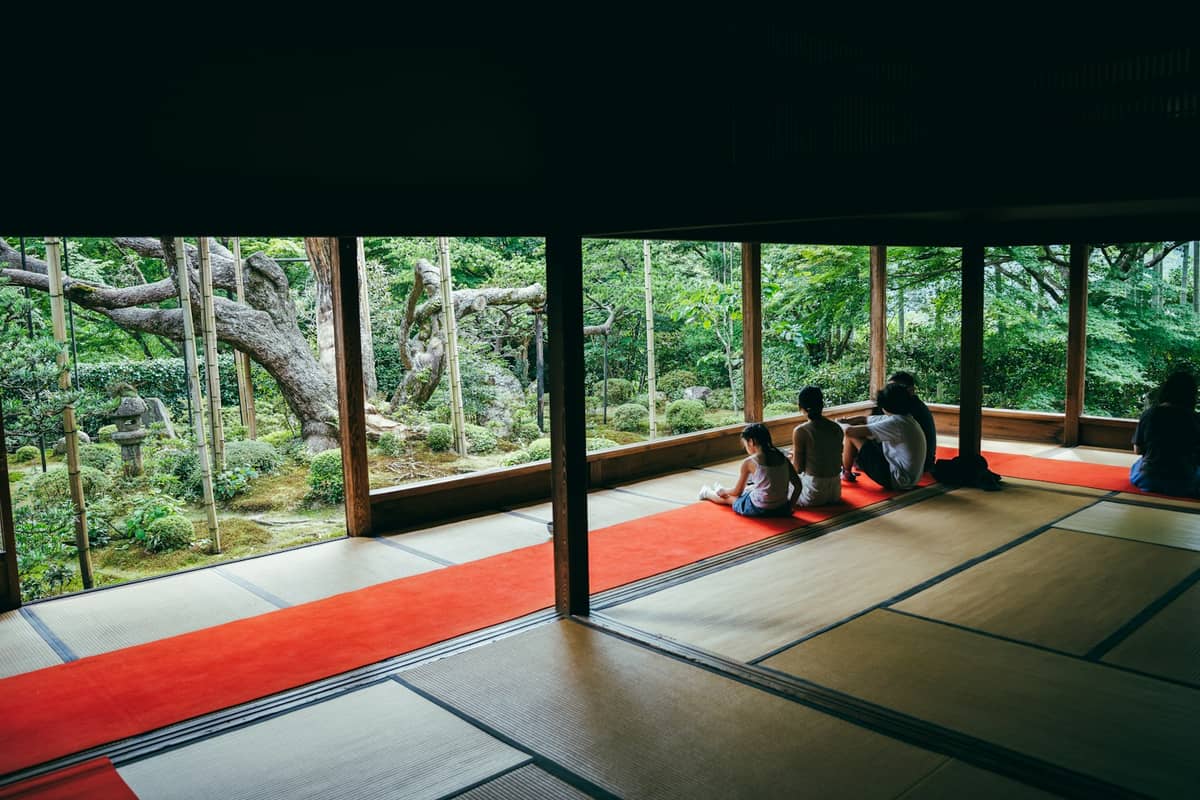
Luxury in Kyoto is not the same as luxury in Paris or New York. You won't find flashy lobbies or celebrity chef spectacles. What you will find is something more considered: a 200-year-old ryokan where a dedicated attendant (nakai) prepares your room, presents a twelve-course kaiseki dinner, and draws your hinoki cypress bath. The prestige is quiet, the service is almost ceremonial, and the price reflects both the scarcity of the product and the labor intensity of delivering it.
That said, Kyoto's luxury market is tiered. At the top sit the legendary machiya-style ryokan in Higashiyama and along the Kamo River. Below that, a growing number of boutique hotels and renovated townhouses offer high-end comfort with fewer of the traditional rituals. Understanding which tier suits you before you book saves both money and disappointment.
ℹ️ Good to know
Japan uses the Japanese yen (JPY). Prices in this guide are listed in yen. At the time of writing, ¥10,000 is roughly equivalent to USD $60–65, though exchange rates fluctuate. Always check current rates before budgeting.
Kyoto Ryokan: The Pinnacle of the Traditional Stay
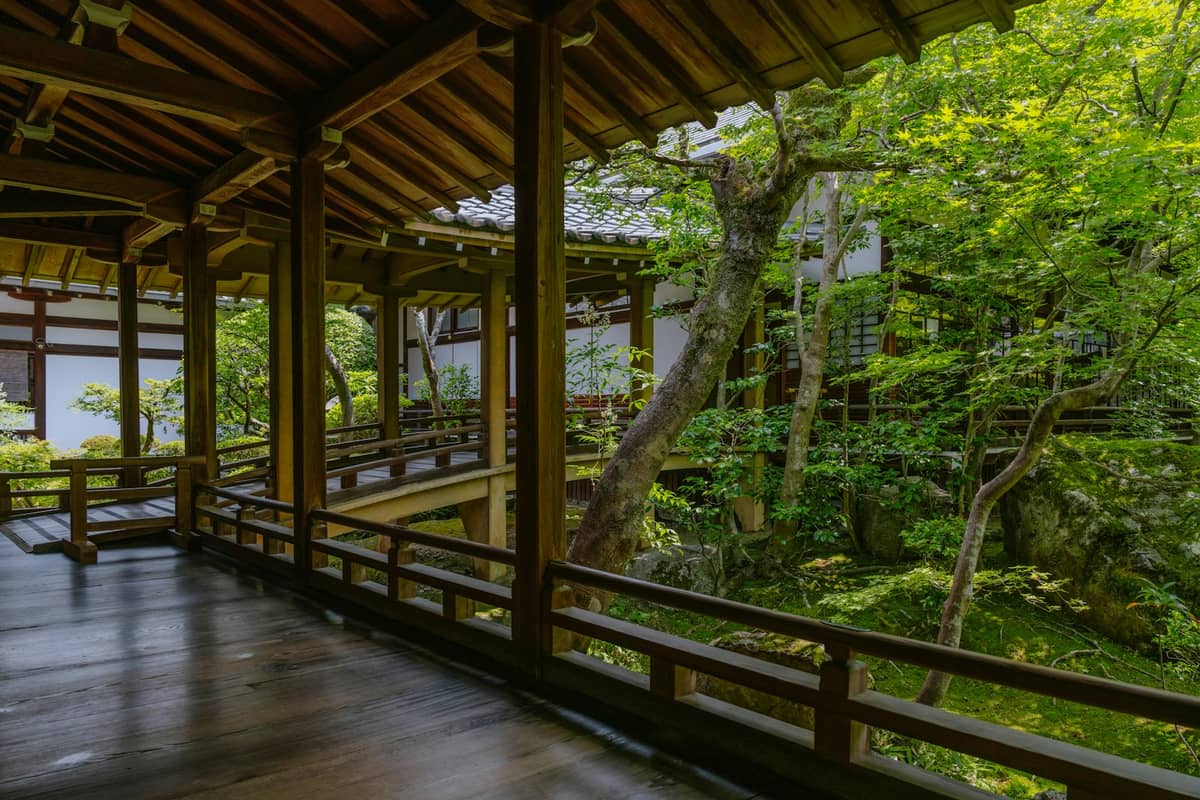
A Kyoto ryokanstay is the single experience most associated with luxury in the city, and for good reason. The best properties combine tatami-floored rooms, in-room kaiseki meals, private or semi-private onsen baths, and meticulous hospitality within buildings that have been hosting guests for generations.
- Tawaraya (Nakagyō-ku) Widely regarded as Japan's most prestigious ryokan and has hosted heads of state and artists for over 300 years. No online booking: reservations are made by telephone directly or through established luxury travel agencies. Rates are not publicly listed but typically run well above ¥100,000 per person per night including meals.
- Hiiragiya Ryokan (Nakagyō-ku) A close rival to Tawaraya in prestige, with roots going back to 1818. Unlike Tawaraya, Hiiragiya does offer online booking through its official site. Rates for two guests including dinner and breakfast start around ¥80,000–¥130,000 per night depending on room type and season.
- Kyoto Nanzenji Garden Ryokan Yachiyo (Sakyō-ku) Located near Nanzen-ji temple in the northeastern part of the city. Publishes detailed rate components including meal supplement options, making budgeting more transparent. A strong choice for guests who want the full ryokan experience in a slightly quieter neighborhood than central Gion.
- Suiran (Arashiyama) A Luxury Collection property set along the Ōi River in Arashiyama. Blends the aesthetics of a traditional ryokan with the reliability of an international hotel group. Better suited to travelers who want luxury comfort but feel uncertain about the more ritualistic aspects of a full-service ryokan.
Booking windows matter enormously. For the cherry blossom season (typically late March to mid-April) and the autumn foliage peak (mid-November), reservations at the top properties are often fully committed 6–9 months in advance. If you are targeting a specific week in April or November, treat the ryokan booking as your first step in planning the entire trip, not the last.
⚠️ What to skip
Not all luxury ryokan are listed on major booking platforms like Booking.com or Expedia. Searching only on OTAs will cause you to miss several of the best properties entirely. Check official ryokan websites and consider a Japan-specialist travel agent for places like Tawaraya that require direct contact.
One practical note on what's included: most luxury ryokan rates are per person and include dinner (kaiseki) and breakfast (traditional Japanese). The food component can account for 40–50% of the nightly rate. If you plan to dine out every night, ask about room-only or breakfast-only rates, which some properties offer at a significantly lower price. That said, skipping the in-room kaiseki at a top ryokan is a bit like booking a front-row seat and spending the show in the lobby.
Kaiseki Dining: Kyoto's Culinary High-Water Mark
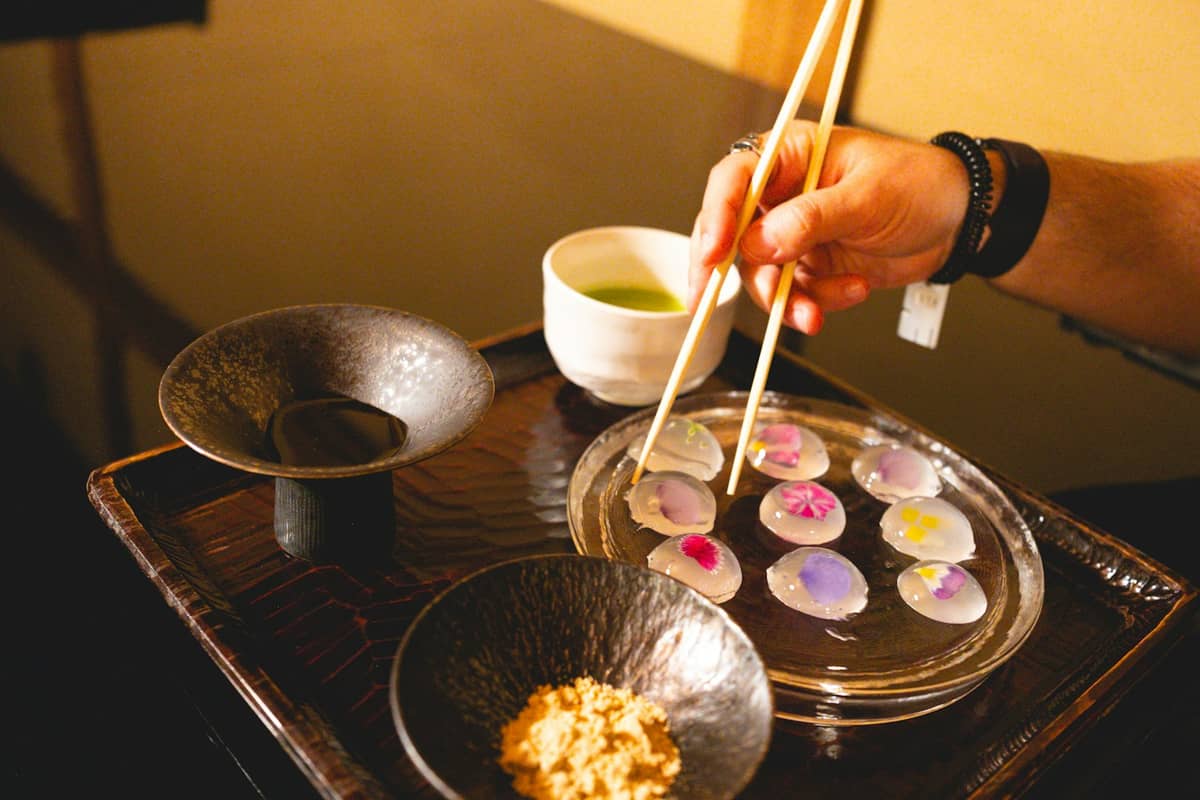
Kaiseki (懐石) is Kyoto's native haute cuisine: a multi-course progression of dishes built around seasonal ingredients, refined technique, and a philosophy that treats the visual composition of each plate as seriously as its flavor. A proper kaiseki meal in Kyoto is one of the more singular dining experiences in the world, and the best restaurants are priced accordingly.
The Michelin Guide's Kyoto section is the most practical reference for identifying top-tier options. It lists verified star ratings, price ranges, days open, and crucially, which restaurants acceptonline reservations. Top-end kaiseki dinners typically start around ¥40,000–¥50,000 per person and can reach ¥70,000 or more at the most decorated restaurants. Lunch sets at the same establishments often run ¥15,000–¥25,000 and are considerably easier to book.
- Kikunoi Honten (Higashiyama): Three Michelin stars, kaiseki in a traditional setting near Maruyama Park. Lunch is bookable online; dinner requires advance planning.
- Mizai (Pontocho): Two Michelin stars, located in Kyoto's famous riverside dining alley. Intimate setting, seasonal focus, reservation essential.
- Nakamura (Nakagyō-ku): One of Kyoto's oldest kaiseki restaurants, operating since the 15th century. A rare case where historical continuity is backed by consistent quality.
- Hyotei (Sakyō-ku): Three Michelin stars, famous for its breakfast kaiseki — a morning meal elevated to an art form and more accessible in price than its dinner menu.
✨ Pro tip
Kaiseki menus change with each season, sometimes monthly. The October–November menu featuring matsutake mushrooms and autumn vegetables is considered among the most prized. If seasonal ingredients are important to you, align your reservation to the specific weeks you want rather than booking arbitrarily within a month.
For restaurants that do not offer English-language online reservations, the concierge at a top hotel or ryokan can often make the call on your behalf. This is not a small thing: some of Kyoto's best dining rooms operate with a fixed number of seats and a single telephone line, and the relationship between the restaurant and a trusted intermediary carries weight.
High-End Experiences Beyond the Dinner Table
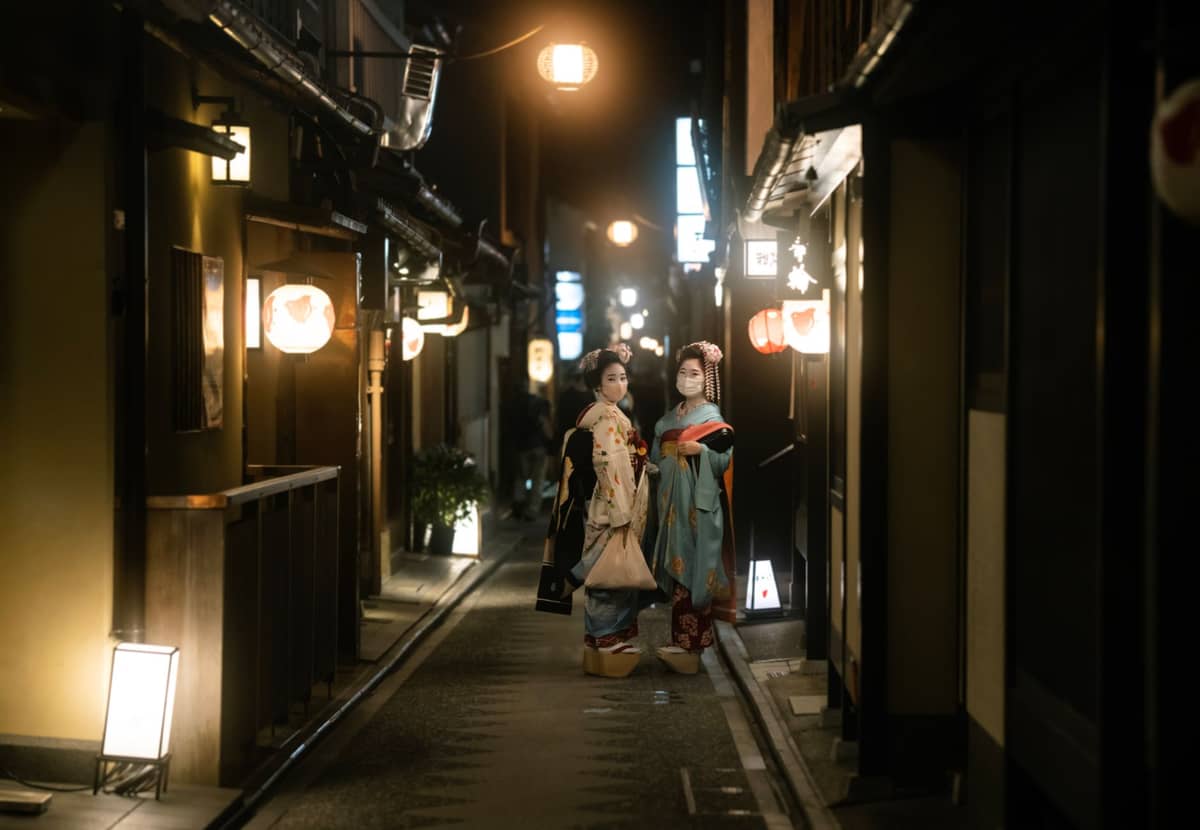
The luxury experience in Kyoto extends well beyond where you sleep and eat. The city's historic districts,Gion and Higashiyamachief among them, contain experiences that reward deeper engagement: private tea ceremonies, guided after-hours temple access, and high-quality kimono rental that goes well beyond the standard tourist packages.
- Private Tea Ceremony Several practitioners in Gion and Higashiyama offer private or small-group formal tea ceremonies lasting 60–90 minutes. These are distinct from the tourist-oriented group versions, with proper instruction in temae (the formal procedure) and higher-quality matcha. Prices range from around ¥5,000–¥15,000 per person depending on formality and setting.
- Kimono Rental with Professional Dressing Premium kimono rental services in Gion provide high-quality silk garments (not the cheaper polyester alternatives common at budget shops) with professional kitsuke dressing assistance. Budget ¥10,000–¥30,000 per person for a full-day rental with premium fabrics.
- Machiya (Townhouse) Private Hire Several historic machiya in Nishijin and Higashiyama can be rented exclusively for small groups or couples, offering a self-contained traditional living experience without the full-service format of a ryokan. Some properties include private garden access.
- Private Guided Walks A licensed English-speaking guide with specialist knowledge of Kyoto's temple architecture, history, or food culture transforms what might otherwise be a surface-level visit. Particularly valuable for Fushimi Inari, Daitoku-ji, and the Philosopher's Path area, where context adds substantial depth.
For travelers spending significant money on accommodation, it's worth allocating budget to one or two of these experience upgrades rather than spreading thin across more sites. Kyoto's premium is best spent on depth, not breadth. TheKyoto tea ceremony guide and kimono rental guide cover both topics in much greater detail.
Timing Your Luxury Kyoto Trip
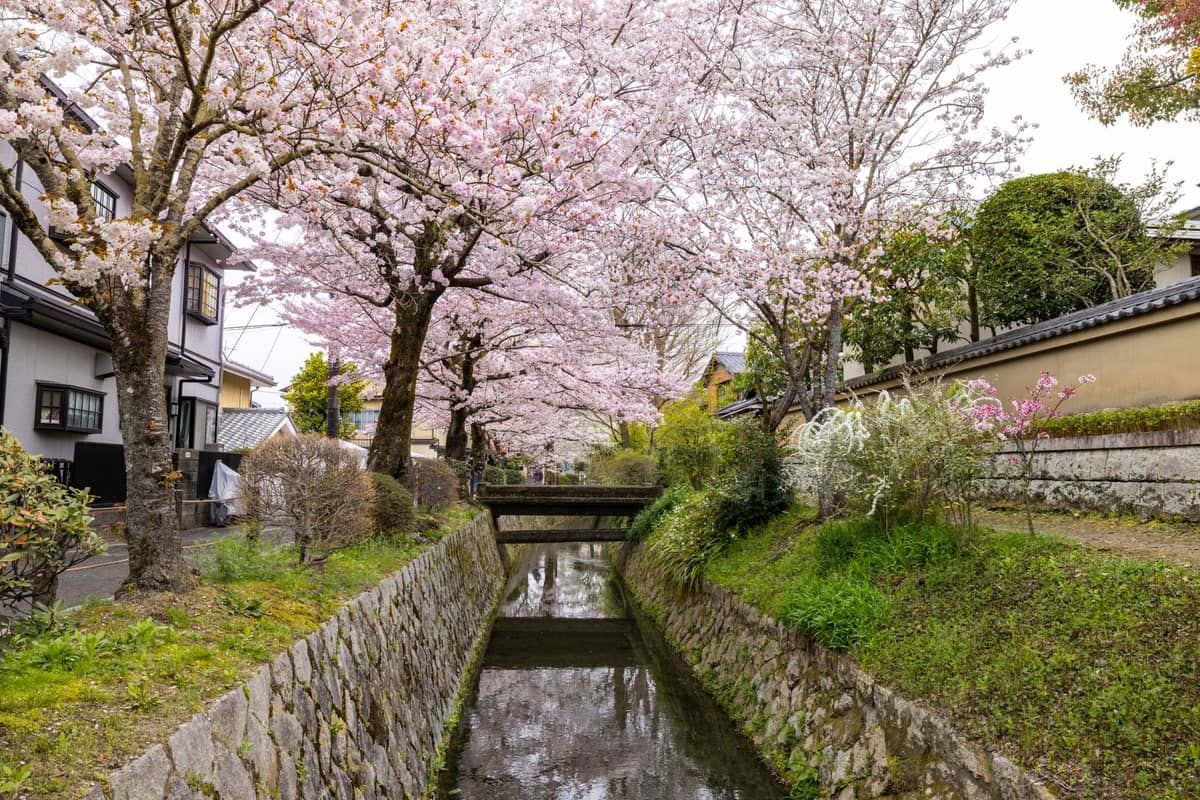
Season is not just a backdrop in Kyoto; it is embedded in the experience itself. The kaiseki menu, the garden view from your ryokan room, and the light hitting the temples all change radically across the year. Choosing the right season is one of the most consequential decisions you'll make.
Spring (late March to mid-April) delivers the cherry blossom spectacle, withthe Philosopher's Path and Maruyama Parkamong the most celebrated locations. This is peak demand period: expect the highest prices, the largest crowds, and the narrowest availability at top properties. It is spectacular, but requires the most planning and the most budget.
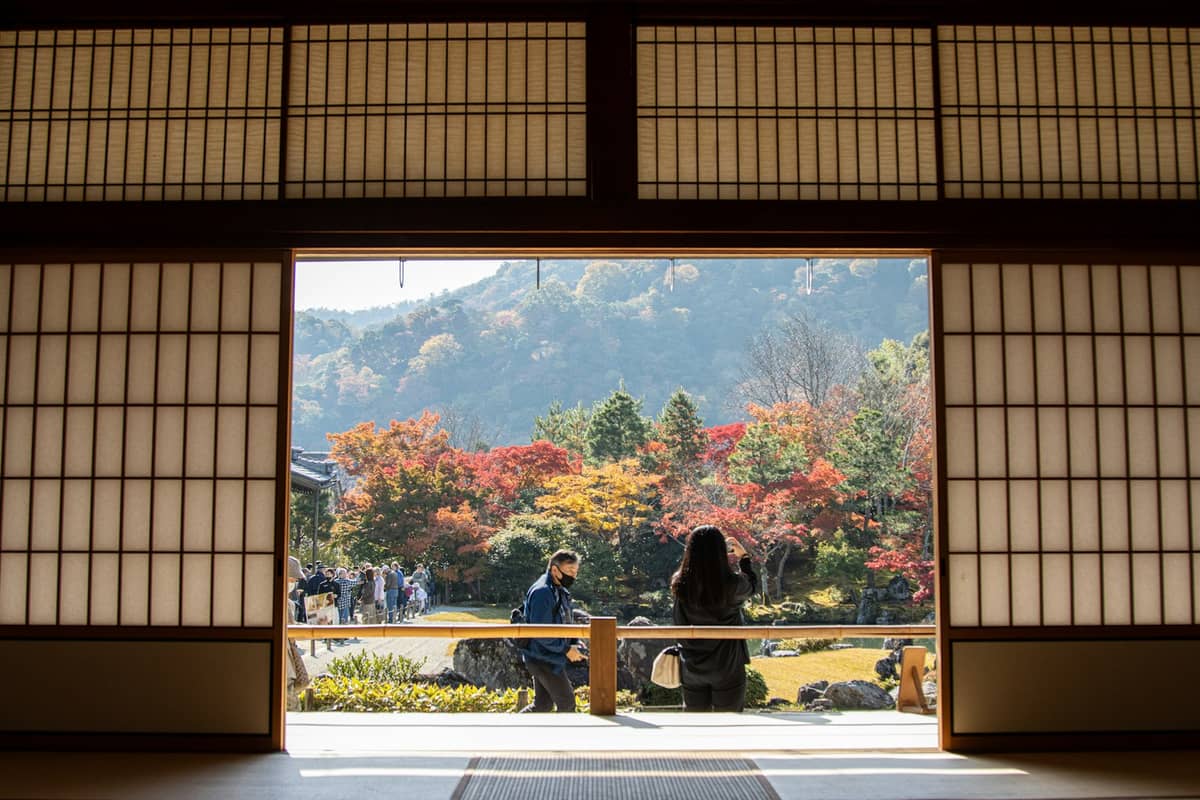
Autumn (mid-October to late November) is broadly considered the best season for luxury Kyoto visits. Temperatures are comfortable at around 15–24°C, the foliage at temples likeEikan-do Zenrin-ji and Rurikoinis extraordinary, and the kaiseki menus reach their seasonal peak. Prices remain high, but the experience arguably justifies it more than any other time of year. See our fullguide to Kyoto in autumn for temple-by-temple foliage timing.
Winter (December to February) is genuinely underrated for luxury travel. Ryokan prices drop, availability opens up, and a dusting of snow on Kinkaku-ji or the stone lanterns of Nanzen-ji is among the most striking sights in Japan. The cold is real, with nighttime temperatures approaching 0°C, but the ryokan's heated tatami rooms and onsen baths become even more appealing in contrast. Summer (June to August) is the one season to approach with caution: Kyoto's basin geography traps heat and humidity, with daytime highs regularly hitting 32–33°C. It's not unlivable, but it's uncomfortable by any standard.
💡 Local tip
If you're flexible on dates, late October to early November hits a sweet spot: the autumn color is beginning, peak crowds haven't arrived yet, and ryokan rates haven't fully spiked. Mid-November is more dramatic but also more crowded and expensive.
Practical Logistics for a High-End Kyoto Trip
Getting to Kyoto from overseas means arriving into Kansai International Airport (KIX, IATA code), located about 95–100 km from central Kyoto. The JR Haruka Limited Express train connects the airport directly to Kyoto Station in approximately 75–80 minutes. Fares run around ¥3,000 one way for a standard non-reserved seat, with discounted tourist tickets available; verify current fares on the JR West official site before travel. Airport limousine buses cover the same route in 90–120 minutes and cost slightly less (around ¥2,800 one way for adults), with the advantage of dropping at some major hotels. For genuine door-to-door convenience, a private transfer from KIX to central Kyoto can cost well over ¥20,000.
Within Kyoto, taxis are the most practical option for luxury travelers who value time and do not want to navigate bus routes with luggage. The Kyoto Municipal Subway (Karasuma and Tozai lines) covers the central city efficiently, and app-based taxi dispatch services like GO are available. For a full overview of transport options, see ourguide to getting around Kyoto.
A few practical notes specific to high-end stays: tipping is not practiced in Japan and is sometimes politely refused. The service you receive at a top ryokan is priced into the room. Dress norms at temples and shrines favor neat, conservative clothing with covered shoulders and knees; this also applies when walking through Gion's older streets, where some photography restrictions exist in the most traditional lanes. Tap water throughout Kyoto is safe to drink. Japan operates on 100V electricity with Type A plugs; travelers from Europe and Australia will need an adapter.
FAQ
How far in advance should I book a luxury ryokan in Kyoto?
For peak seasons (late March–April cherry blossom and October–November foliage), the top properties fill 6–9 months ahead. Outside peak periods, 2–3 months is usually sufficient, though the most prestigious ryokan like Tawaraya can be difficult to secure regardless of season. Book the ryokan first, then plan everything else around it.
Do Kyoto luxury ryokan have English-speaking staff?
The best-known ryokan catering to international guests (Tawaraya, Hiiragiya, Suiran) have English-speaking staff or can accommodate English communication. Smaller or more traditional properties may have limited English. A Japan-specialist travel agent can bridge any gap and often has existing relationships with these properties.
What is the typical cost of a luxury ryokan stay in Kyoto?
Rates at top ryokan in Kyoto typically start around ¥50,000–¥80,000 per person per night including dinner and breakfast, and can exceed ¥150,000 at the most prestigious properties during peak season. Room-only rates (where available) are lower. Budget properties billing themselves as ryokan exist below ¥20,000 per night, but the full luxury experience described here requires significantly more.
What is kaiseki and how much does it cost in Kyoto?
Kaiseki is Kyoto's traditional multi-course cuisine, built around seasonal ingredients with an emphasis on presentation and technique. At top Michelin-starred restaurants, dinner kaiseki starts around ¥30,000 per person and can go considerably higher. Lunch sets at the same venues offer better value, often at ¥15,000–¥25,000. Kaiseki served as part of a ryokan stay is usually included in the room rate.
Is Kyoto worth visiting in winter for a luxury trip?
Yes, and it is underappreciated. Ryokan rates are lower than in spring or autumn, crowds thin out significantly, and snow transforms iconic sites like Kinkaku-ji and Ryoan-ji. The ryokan experience itself — heated tatami rooms, in-room dining, a hot onsen bath — becomes particularly compelling in cold weather. The main downside is shorter daylight hours and the occasional closure of outdoor experiences at smaller temples.