Staying in a Kyoto Ryokan: What to Expect, How Much to Pay, and Where to Book
A Kyoto ryokan stay is one of the most distinctive lodging experiences in Japan, but the rules, pricing structures, and expectations are unlike any Western hotel. This guide breaks down what actually happens from check-in to breakfast, what things cost across budget tiers, and which neighborhoods make the most sense depending on your itinerary.
Plan and book this trip
Tools from our partner Travelpayouts help you compare flights and hotels. If you book through them, we may earn a commission at no extra cost to you.
Flights
Hotels map
TL;DR
- Kyoto ryokan pricing is per person, not per room. Budget options start around ¥8,000–¥15,000 per person; mid-range runs ¥20,000–¥40,000; luxury properties can exceed ¥100,000 per person per night.
- Spring (March–April) and autumn (November) are peak seasons. Book 3–6 months in advance or expect limited availability and higher prices. See thebest time to visit Kyoto for a full seasonal breakdown.
- Kaiseki dinner and Japanese breakfast are usually included in the rate, but some modern ryokan-style hotels skip dinner. Always confirm at booking.
- Shoes off at the entrance, no swimwear in shared baths, and no slipper-wearing on tatami. These are not suggestions.
- The best neighborhoods for a ryokan stay are Higashiyama and Arashiyama — though both come with trade-offs on price and crowds.
What a Ryokan Actually Is (and Isn't)
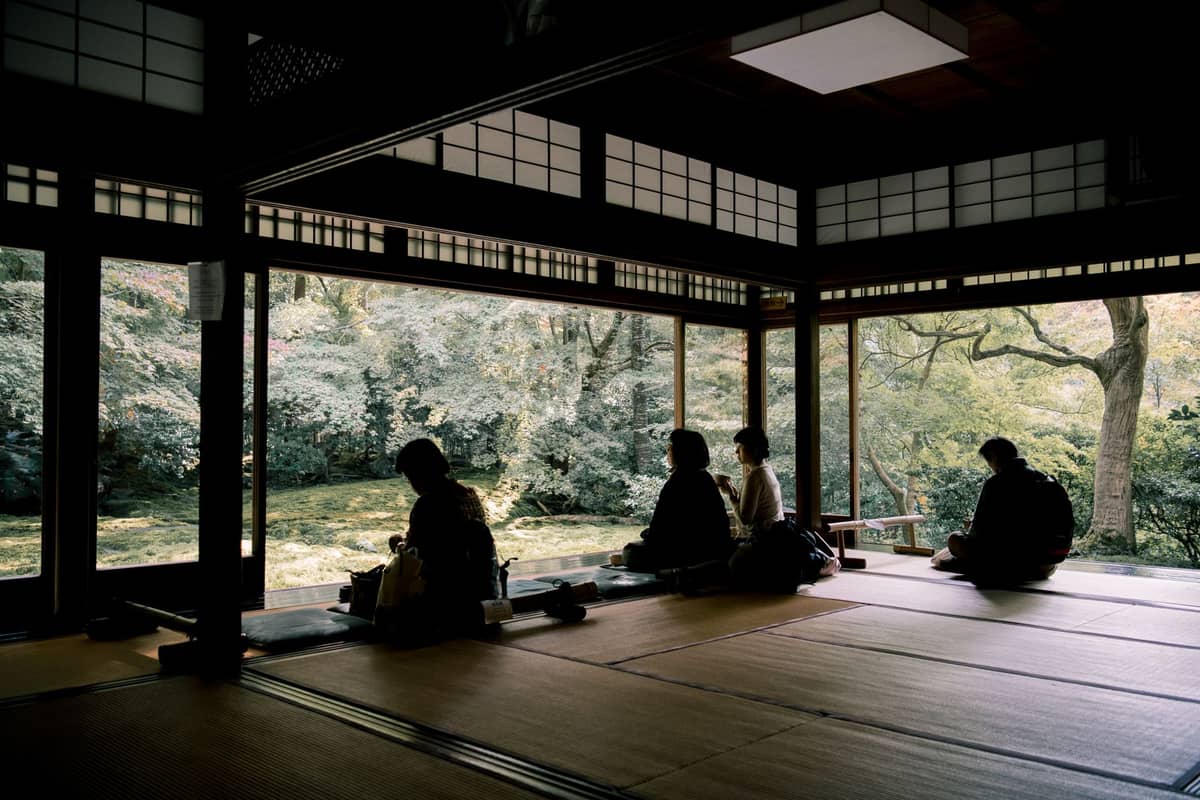
A ryokan is a traditional Japanese inn, but that covers an enormous range of properties. At one end sits a family-run inn with six tatami rooms and a shared hinoki-wood bath. At the other is a heritage estate with private outdoor baths, resident attendants, and multi-course kaiseki dinners prepared by a head chef with decades of experience. Both are technically ryokan. The word tells you the format, not the quality.
The defining features that distinguish a genuine ryokan from a gimmicky 'ryokan-style hotel' are: tatami mat flooring in the guest rooms, futon bedding laid out at turndown, a communal or private ofuro (bath), and at least breakfast served in a Japanese style. Properties that tick most of these boxes but skip the communal bath or futon are sometimes called ryokan-style or 'machiya stays', which is fine but worth knowing before you book.
ℹ️ Good to know
Most legitimate ryokan price per person, not per room, particularly when meals are included. A listing showing ¥30,000 per night might actually cost ¥60,000 for two people with dinner. Always read the pricing structure before comparing properties.
How Much a Kyoto Ryokan Costs: A Realistic Breakdown
Kyoto is one of the most expensive ryokan markets in Japan, partly because of demand and partly because of the concentration of heritage properties that can charge premium rates. A 2026 nationwide survey of around 287 ryokan properties put the median rate at roughly ¥44,660 (approximately $290 USD) per person per night, but that median is skewed by mid-range and luxury inventory. The actual range runs from around ¥8,000 per person at the budget end to well over ¥150,000 per person at flagship properties during peak season.
- Budget (¥8,000–¥15,000 per person) Usually breakfast only, shared bath, basic tatami rooms. Family-run, often outside central tourist areas. Perfectly functional for experiencing the format without the price tag.
- Budget with meals (¥15,000–¥25,000 per person) Includes a kaiseki-style dinner and Japanese breakfast. Smaller properties with shared or semi-private baths. The sweet spot for first-time ryokan guests on a moderate budget.
- Mid-range (¥25,000–¥50,000 per person) Private or in-room bath common at this tier, full kaiseki dinner, attentive service. Often located in desirable neighborhoods like Higashiyama or Arashiyama.
- Luxury (¥50,000–¥150,000+ per person) Heritage properties, private rotenburo (outdoor baths), dedicated attendants (nakai-san), elite kaiseki. Tawaraya and Hiiragiya are the most cited Kyoto examples. Book direct, often months ahead.
During cherry blossom season (late March to mid-April) and autumn foliage peak (mid to late November), mid-range ryokan in Kyoto commonly reach $300–$600 per room per night, while luxury properties push $700–$1,500 or more. Winter (December to February) is significantly cheaper and far easier to book last minute, though some properties reduce services or close temporarily between stays.
⚠️ What to skip
Not all 'ryokan-style' properties include dinner. Some modern boutique hotels in Kyoto use tatami rooms and futons but operate more like hotels, with breakfast only or no meals at all. If the kaiseki dinner is part of why you're booking, confirm explicitly before paying.
Ryokan Etiquette: The Rules That Matter
The experience of a ryokan relies on a set of customs that feel unfamiliar at first but make complete sense once you understand the logic. Most mistakes happen not from bad intentions but from not knowing what to expect.
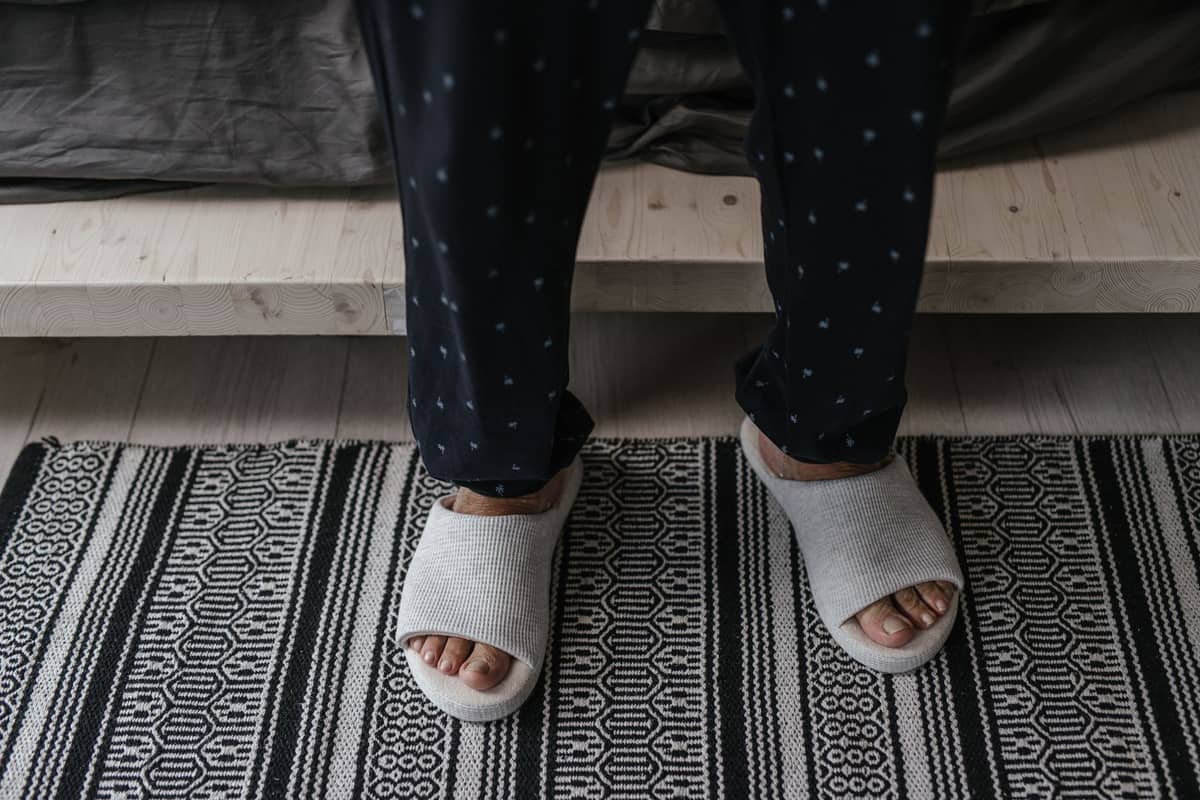
- Remove shoes at the genkan (entrance). You will be given slippers for corridors and common areas. Do not wear these slippers on tatami — go barefoot or in socks.
- Separate toilet slippers are provided in bathrooms. Leave them at the bathroom door when you exit. Wearing toilet slippers back into the corridor is a classic, very embarrassing mistake.
- In shared or communal baths, bathing suits are not permitted. Wash thoroughly at the individual shower stations before entering the communal tub. Towels stay out of the water.
- Futons are typically laid out by staff while you eat dinner and are folded away in the morning. Do not try to do this yourself — it is part of the service.
- Mealtimes at ryokan are often fixed or have a narrow window. Confirm dinner time at check-in and show up on time. Missing the kaiseki service is a significant loss at any price tier.
- Yukata (lightweight cotton robes) are provided and can be worn in common areas and to the dining room. Outside the property, this varies by neighborhood — some Higashiyama ryokan permit it on nearby streets.
Tipping is not practiced in Japan. In ryokan, some guests at high-end properties choose to leave a small gratuity (around ¥1,000–¥2,000) in an envelope for their nakai-san (personal attendant), but this is neither expected nor a well-established custom and most visitors do not tip at all. If uncertain, skip it entirely. For a deeper look at cultural expectations around temple visits and general behaviour in Kyoto, theKyoto temple etiquette guide covers the broader customs.
The Food: Kaiseki Dinner and Japanese Breakfast
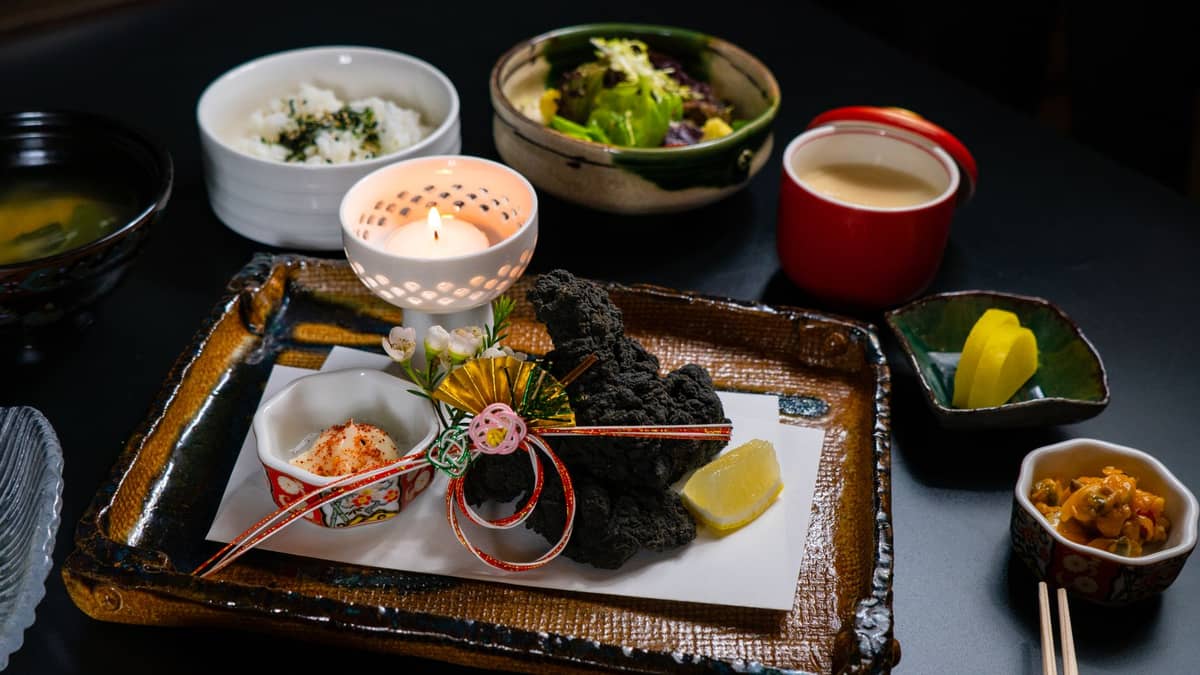
The meals are not an afterthought. At a quality ryokan, the kaiseki dinner is a significant part of what you are paying for, often running 8–12 courses over 90 minutes or more. Kaiseki is the refined multi-course cuisine that originated in Kyoto's tea ceremony tradition: seasonal ingredients, precise presentation, an emphasis on restraint. Expect dashi broth, delicate tofu preparations, grilled fish, simmered vegetables, rice, pickles, and dessert.
Japanese breakfast at a ryokan typically includes grilled salmon or mackerel, steamed rice, miso soup, pickled vegetables, tamagoyaki (rolled omelette), and tofu. It is a considered meal, not continental pastries, and it is usually served in the same dining space as dinner. For guests used to grabbing coffee and running, the fixed-time, seated breakfast can take adjustment, but it tends to be genuinely good.
✨ Pro tip
If you have dietary restrictions, contact the ryokan before arrival rather than at check-in. Many properties, especially at mid-range and above, can adapt the kaiseki menu for vegetarians, shellfish allergies, or other needs if given advance notice. Last-minute requests are much harder to accommodate given the preparation involved.
Best Neighborhoods for a Ryokan Stay in Kyoto
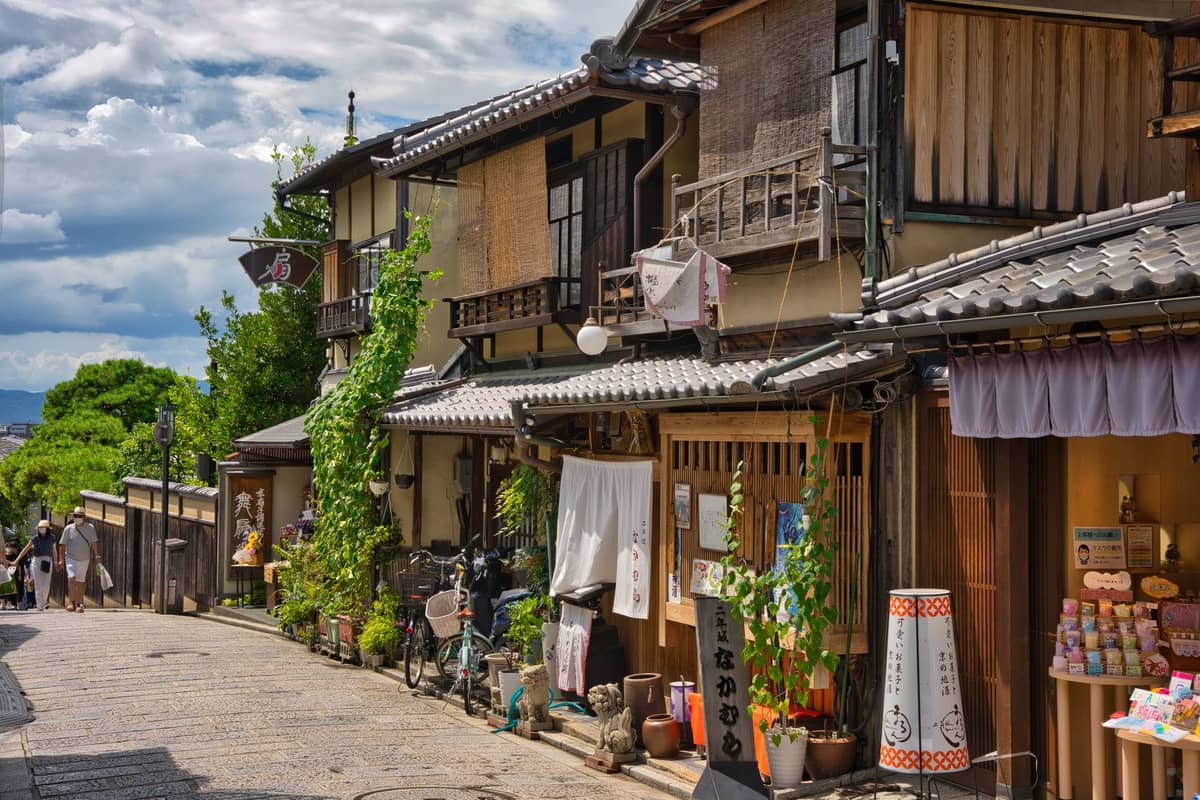
Where you stay matters considerably in Kyoto, both for the experience and for logistics. The city's sights are spread across a wide area, so choosing a ryokan location that aligns with your itinerary will save time and money on transport. Theguide to getting around Kyoto is worth reading alongside this section.
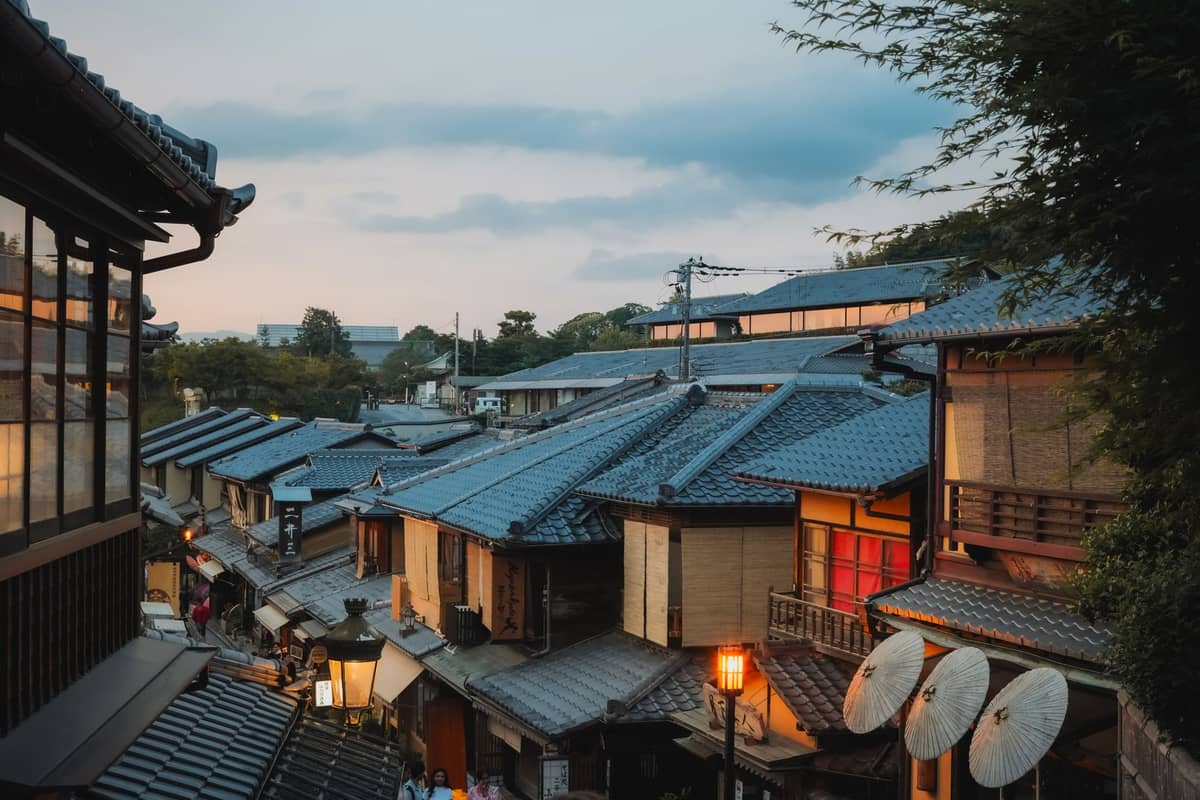
- Higashiyama The most atmospheric location for a ryokan stay. You are walking distance from Kiyomizu-dera, Yasaka Shrine, Ninenzaka, and Gion. Properties here tend to be mid-range to luxury and sell out fast in peak season. Expect ambient noise from tourist streets during the day, which quiets considerably after 6pm.
- Arashiyama Excellent choice if your priority is the western Kyoto sights: the bamboo grove, Tenryu-ji, and the Hozu River area. The neighborhood feels calmer than Higashiyama once day-trippers leave. Ryokan here range from budget to very high-end, and the setting along the river is genuinely special.
- Gion / Pontocho Central, walkable, excellent dining access. Ryokan in Gion proper tend to be smaller and often historic. You are in the heart of traditional Kyoto, but this area also has the highest foot traffic during peak season.
- Fushimi Budget-friendly area in southern Kyoto, near Fushimi Inari Taisha. Fewer upscale ryokan options, but practical for those prioritizing the shrine or day trips toward Nara. Less convenient for northern and western Kyoto sights.
- Kurama / Kibune For a genuinely rural ryokan experience within 45 minutes of central Kyoto. Properties here are set along mountain streams and rice paddies. Ideal for a one or two-night escape from the city, less practical as a base for Kyoto sightseeing.
If you are spending several days in Kyoto and want a temple-focused itinerary,Higashiyamais the most logical base. For couples looking for a romantic stay with a nature backdrop,Arashiyama is harder to beat. The Kyoto for couples guide covers this in more detail.
How to Book a Kyoto Ryokan Without Getting Burned
Major OTAs (Booking.com, Expedia, Agoda) list many Kyoto ryokan, including some smaller properties that would otherwise require Japanese-language booking. For mid-range and budget properties, these platforms work well. For luxury heritage properties like Tawaraya or Hiiragiya, the official website or direct email inquiry is often required, and for some properties, a Japanese-speaking intermediary has historically been necessary, though this has improved.
Japan-specific booking platforms such as Jalan and Rakuten Travel list a wider selection of domestic ryokan but require Japanese language navigation. Specialized English-language services that focus specifically on Japanese inns can bridge this gap for properties that do not appear on global OTAs. For spring and autumn bookings, three to six months advance planning is realistic. For luxury properties during foliage season, six to twelve months is not unusual.
Seasonality has a significant impact on both price and availability. Thecherry blossom season guide and the Kyoto in autumn guideboth address what crowds and prices look like during peak booking windows. If your travel dates are flexible, even shifting by two weeks in either direction can mean a significant difference in availability and cost.
💡 Local tip
When booking a ryokan with meals included, check the cancellation policy carefully. Many properties charge a penalty of 30–50% or more if you cancel within a few days of arrival, since food has been sourced and staff scheduled specifically for your stay. This is standard practice, not a trap.
Onsen at a Ryokan: Private vs. Communal Baths
Many Kyoto ryokan include access to an onsen or ofuro (hot bath), but Kyoto’s city center is not a major hot spring region the way Hakone or Beppu are. Most baths in Kyoto ryokan are heated bathwater rather than true geothermal onsen from on-site springs, though a handful of properties pipe in natural spring water from outside the city. If genuine onsen is a priority, theKyoto onsen guide separates real springs from heated baths.
Communal baths are typically separated by gender and have set hours, often with a late-night and early-morning window. Private in-room baths or rented private bath slots are available at higher price tiers and are the better option for guests with tattoos, since many shared baths in Japan still prohibit visible tattoos. This policy varies by property, so confirm before booking if this applies to you.
FAQ
Is a ryokan worth it for one night in Kyoto?
One night is enough to experience the format: yukata, futon, kaiseki dinner, Japanese breakfast. However, the experience is unhurried by design, and one night can feel rushed, especially if you arrive late. If budget is the constraint, one night at a mid-range property is still a worthwhile experience. If you can extend to two nights, the second day feels much more relaxed.
Do Kyoto ryokan have Western-style beds?
Traditional ryokan use futon mattresses laid on tatami floors. Some properties offer rooms with both futon and bed options, particularly at higher tiers catering to international guests. If sleeping on a futon is a concern due to back issues, check the room configuration before booking. Most ryokan staff can advise on this directly.
Can I stay at a Kyoto ryokan without eating dinner there?
Yes, though it depends on the property. Some ryokan offer room-only or breakfast-only plans, particularly the more hotel-like properties. Traditional inns with a fixed kaiseki dinner built into their service model may not offer a dinner-exclusion option, and declining dinner at a property that has prepared it can cause logistical problems. Check at booking.
What should I bring to a ryokan stay?
Less than you think. Yukata, slippers, toiletries, and towels are all provided. Bring any personal toiletries you prefer, a small bag for your ofuro kit, and a phone charger. Luggage storage is available at most properties. If you are moving between multiple accommodations, many ryokan can arrange luggage forwarding to your next hotel.
What is the check-in and check-out time at Kyoto ryokan?
Check-in is typically between 3pm and 6pm, with some flexibility at higher-end properties. Early arrival is possible but rooms may not be ready. Check-out is usually by 10am or 11am. The fixed check-in window is tied to meal preparation: dinner is served at a specific time and the nakai-san schedules around guest arrival. Communicating your arrival time in advance is important.