3 Days in Kyoto: The Perfect Itinerary
Three days is enough to experience the best of Kyoto without feeling rushed, but only if you plan smart. This guide breaks down exactly where to go, when to go, and how to get around, including updated transport advice that most other guides get wrong.
Plan and book this trip
Tools from our partner Travelpayouts help you compare flights and hotels. If you book through them, we may earn a commission at no extra cost to you.
Flights
Hotels map
TL;DR
- Three days in Kyoto is a solid amount of time to cover the major districts: Higashiyama, Arashiyama, and Fushimi, plus central spots like Nijo Castle and Nishiki Market.
- The old ¥700 City Bus 1-Day Pass was discontinued in 2024. Use the ¥1,100 Subway & Bus 1-Day Pass instead, or buy individual IC card (Suica/ICOCA) fares. See the full breakdown in ourguide to getting around Kyoto.
- Arashiyama Bamboo Grove is free and open 24/7, but go before 8am to avoid the worst crowds. Most other temples open around 8:30am.
- Spring (late March to early April) and autumn (mid-October to late November) are the best seasons, but also the most crowded and expensive.
- Structure your days by geography, not by interest category, to minimize backtracking. Each day in this itinerary covers one coherent area of the city. Check ourfirst-timer's guide to Kyoto if you are visiting Japan for the first time.
How Many Days Do You Actually Need in Kyoto?
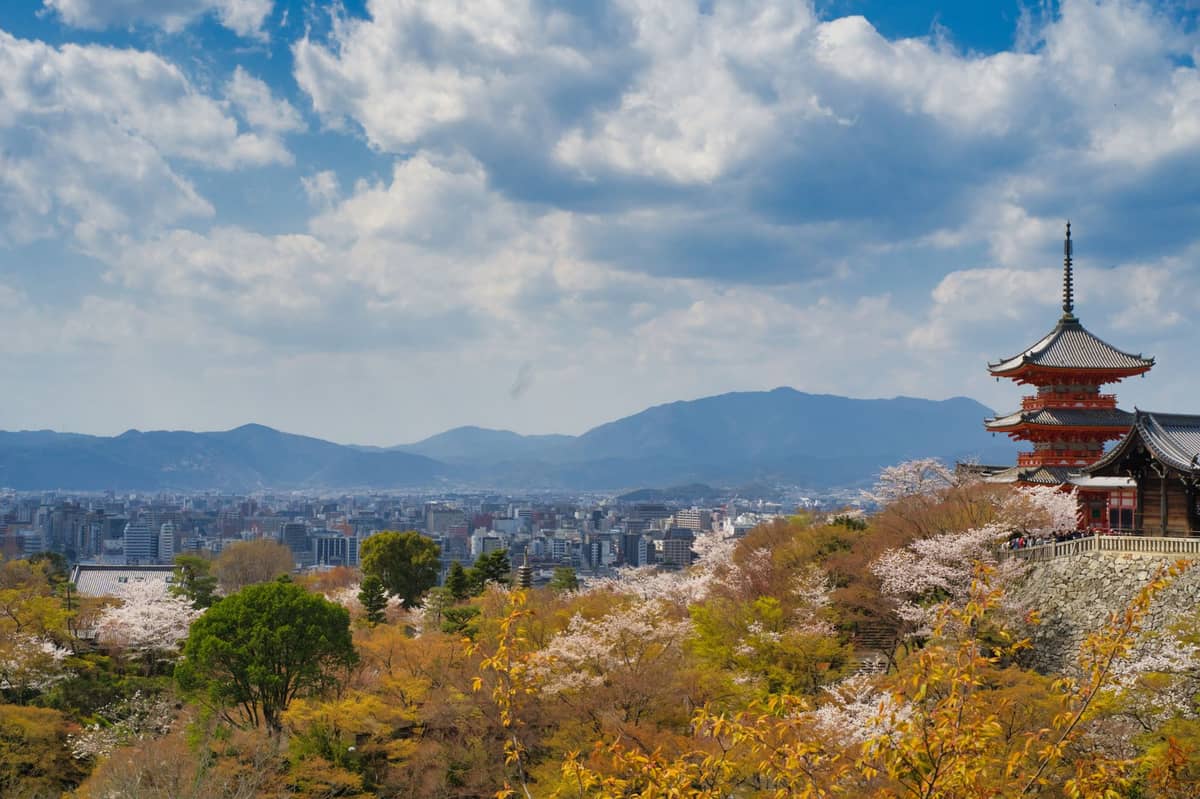
The most common question before booking is how many days in Kyoto makes sense. The honest answer is that three days is the minimum to feel like you have actually experienced the city rather than just ticked boxes. In three days, you can cover Higashiyama's temple-packed hillside lanes, the bamboo groves and riverside scenery of Arashiyama, and the iconic torii gate trails of Fushimi Inari, while leaving room to eat well and walk slowly.
If you have five days, you gain the flexibility to add northern Kyoto (Daitoku-ji, Kinkaku-ji, Ryoan-ji), the Philosopher's Path in full, and a possibleday trip to Nara. For a single weekend, three focused days beat two rushed ones every time. This itinerary is built specifically for the 3-day Kyoto visitor who wants depth, not just distance covered.
⚠️ What to skip
Many travel guides still recommend the old ¥700 City Bus 1-Day Pass. That product was officially discontinued: sales ended September 30, 2023, and use ended March 31, 2024. It no longer exists. The current best unlimited option is the ¥1,100 Subway & Bus 1-Day Pass, which covers both the municipal subway and city buses.
Day 1: Higashiyama and Gion
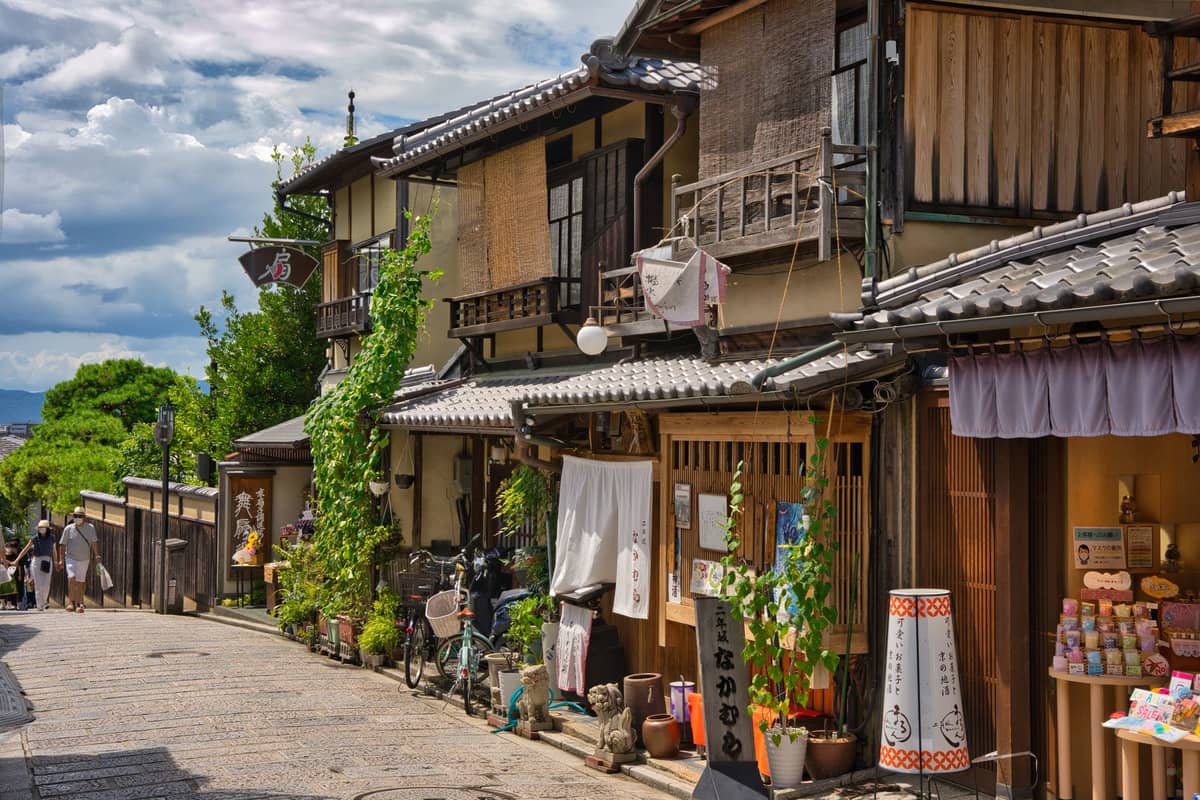
Start your Kyoto itinerary in Higashiyama, the eastern hillside district where much of Kyoto's preserved historic streetscape survives. Begin atKiyomizu-derabefore 9am, when the crowds are still manageable and the morning light hits the main hall's wooden stage at its best. Admission is around ¥500 (verify on the official site before visiting, as fees are updated periodically). The walk down throughNinenzaka and Sannenzakatakes about 20-30 minutes and passes pottery shops, matcha cafes, and preserved machiya townhouses.
By midday, make your way north through Gion toward Hanamikoji Street and Gion Shirakawa, the canal-side lane lined with weeping cherry trees and traditional teahouses. This is where early-evening light is particularly good for photography. If you want to understand the culture behind what you are seeing, theguide to geisha culture in Kyotogives important context on the maiko and geiko traditions of this district.
For dinner, Pontocho Alley runs parallel to the Kamo River and offers everything from affordable ramen counters to kaiseki restaurants. Book in advance for the higher-end options, especially in spring and autumn when the city fills up fast. Eating early (around 6pm) helps you avoid the peak dinner rush.
💡 Local tip
Photography rules in Gion's private lanes are enforced more strictly now than in previous years. Avoid pointing cameras into okiya (geisha houses) or approaching maiko for photos. Stick to the main public streets and canal areas. Signs in the district indicate where photography is restricted.
Day 2: Arashiyama
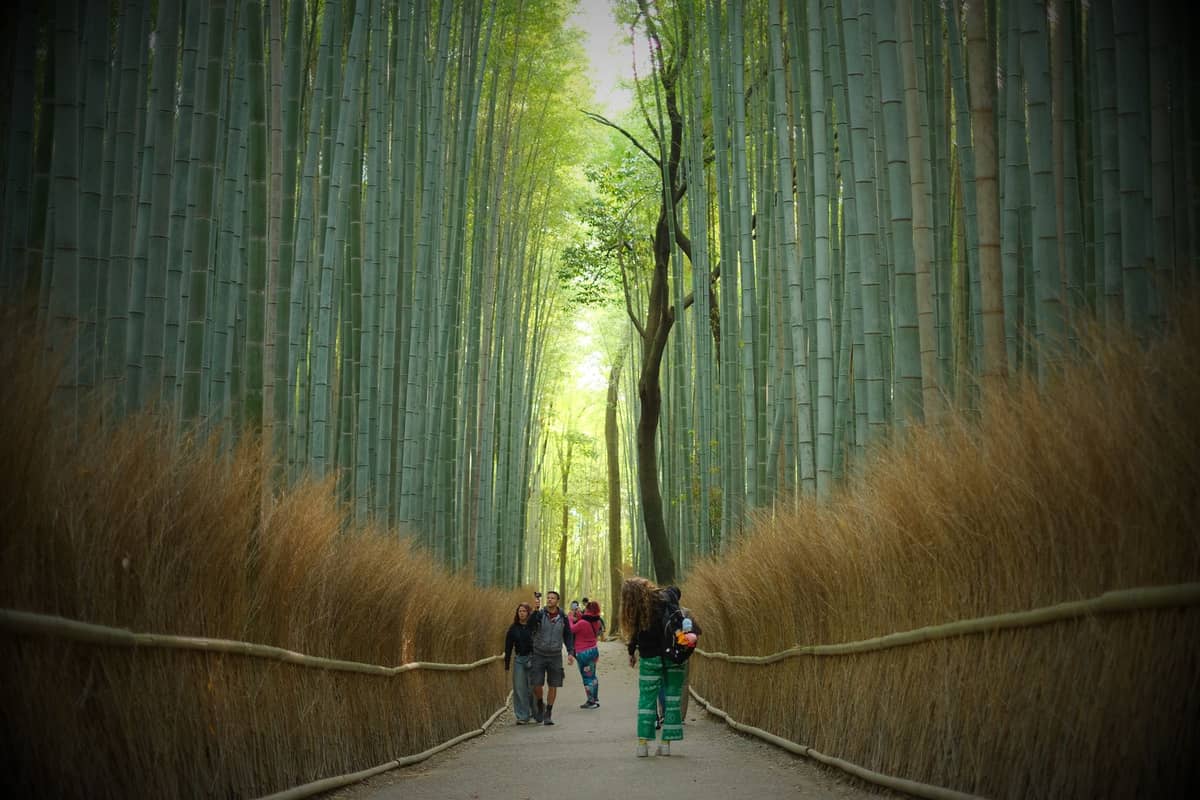
Dedicate your second day entirely to Arashiyamain western Kyoto. The easiest route from central Kyoto is the JR Sagano Line from Kyoto Station to Saga-Arashiyama Station, which takes about 15 minutes, followed by a 10-minute walk to the bamboo grove. Alternatively, the Randen tram from Shijo-Omiya is slower but more atmospheric.
The Arashiyama Bamboo Groveis free to enter and the main 400-meter path is open 24 hours a day, every day of the year. Arrive before 8am for near-solitude. By 10am, tour groups dominate the path and the experience is significantly diminished. After the bamboo grove, walk five minutes toTenryu-ji, one of Kyoto's most important Zen temples, with a garden that frames Arashiyama mountain as its backdrop. Garden admission is around ¥500; the main hall costs extra (verify current fees on the temple's official site).
For a mid-morning break, the area around Togetsukyo Bridgehas river views and several cafes. If you want to add something more active, theHozu River boat ridedeparts from nearby Kameoka and drifts downstream through gorge scenery, taking about two hours. Book in advance during peak seasons. Alternatively, rent a bicycle from one of the shops near Saga-Arashiyama Station, which is an efficient way to cover the district's spread-out sights.
✨ Pro tip
Arashiyama has a second, quieter bamboo path behind Jojakko-ji temple that most visitors miss entirely. It is shorter than the main grove but far less crowded, even at peak times. Walk up from Nonomiya Shrine toward the hillside temples to find it.
Day 3: Fushimi Inari and Central Kyoto
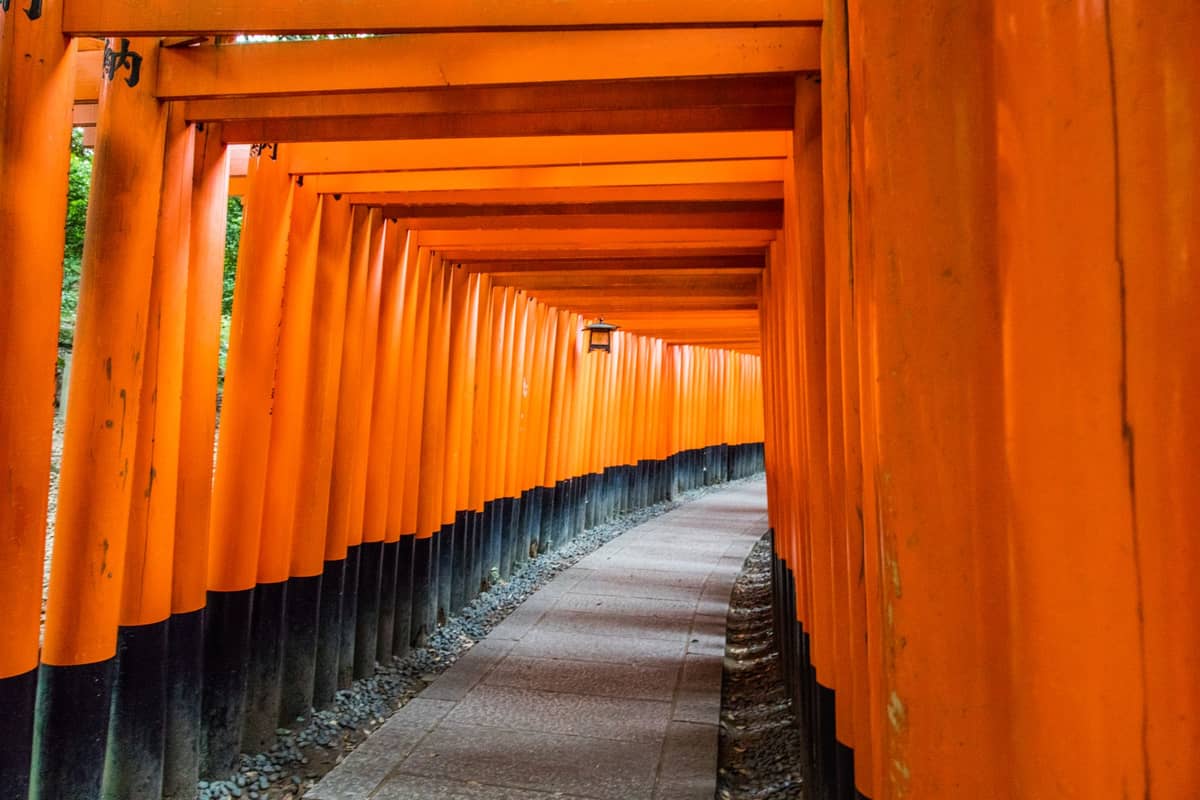
Start day three with an early visit to Fushimi Inari Taishain Fushimi, south of central Kyoto. The shrine is free to enter and the grounds are open at all hours. The lower gates near the main hall are photogenic but packed by 9am. The full hike to the summit of Inari-yama and back takes about two to three hours and involves around 4 kilometers of climbing through thousands of vermillion torii gates. Most visitors turn around at the Yotsutsuji intersection halfway up, which still gives excellent views over the city. For a full breakdown of the hiking route and what to expect, theFushimi Inari hiking guide covers it in detail.
Return to central Kyoto by early afternoon for Nishiki Market, the narrow covered market running parallel to Shijo Street indowntown Kyoto. Around 100 stalls sell pickled vegetables, fresh tofu, skewered octopus, and sweets. It gets cramped and slow after noon, so either go early or accept that it is more of a grazing experience than a shopping trip. Most stalls close around 5-6pm.
If energy allows, finish the day at Nijo Castle, a 17th-century shogunate stronghold with famous 'nightingale floors' designed to squeak under the weight of potential intruders. Admission is ¥1,300 (verify before visiting). The castle gardens are particularly worth the walk during autumn foliage, roughly mid-November.
Getting Around: What's Changed and What to Know
Kyoto's public transport is reliable but more complex than many visitors expect. The city bus network covers almost everywhere tourists want to go, but certain routes, especially the ones serving Kinkaku-ji and Arashiyama, become severely overcrowded during peak seasons. Kyoto City now actively encourages visitors to use the subway and private rail lines where possible, rather than defaulting to buses for every journey.
- IC Card (Suica or ICOCA) The most flexible option. Load it with yen and tap in and out of any bus, subway, or JR train. No pass required, no zone confusion. Works for most journeys in this itinerary.
- ¥1,100 Subway & Bus 1-Day Pass Good value if you plan multiple subway trips in a day. Covers Kyoto Municipal Subway lines and city buses. Best suited for days with heavy use of the Karasuma or Tozai subway lines.
- JR Sagano Line The fastest connection between Kyoto Station and Arashiyama (Saga-Arashiyama Station). JR Pass holders travel free. Non-JR Pass travelers pay around ¥240 each way.
- Keihan and Kintetsu Lines Useful for reaching Fushimi Inari (Keihan Fushimi-Inari Station) and Nara (Kintetsu from Kyoto Station). Often faster than buses to southern and eastern destinations.
Taxis are plentiful but expensive. App-based hailing via GO (formerly JapanTaxi) works in Kyoto and is the most practical way to book a taxi in English. Ride-hailing in the Uber sense is not available in Japan in the same form as Western markets. Bicycle rental is a genuinely good option for Arashiyama and the Philosopher's Path area, with many shops renting standard bikes for around ¥1,000-1,500 per day.
Seasonal Timing: When to Go and What Changes
Choosing the right season matters more in Kyoto than in most Japanese cities, because the city's best experiences are tied directly to seasonal events. For a deeper analysis of crowd patterns and weather month by month, thebest time to visit Kyoto guide goes into more detail.
- Spring (late March to early April) Cherry blossom season. Full bloom typically peaks around April 1-5, though the exact dates shift yearly based on temperatures. Maruyama Park and the Philosopher's Path are the most popular spots. Accommodation prices spike and books out weeks in advance. Worth the crowds if you plan ahead.
- Early Summer (May to early June) Overlooked and genuinely good. Temperatures are warm but not yet oppressive, crowds thin after the cherry blossom rush, and fresh greenery fills the temple gardens. May is arguably the best month for a first visit.
- Rainy Season (June to mid-July) The Baiu brings persistent rain and high humidity. Not ideal for walking-heavy itineraries, though temple gardens look remarkable in the wet. Budget accommodation becomes more available.
- Summer (late July to August) Average highs around 32-33°C with intense humidity. Kyoto's basin geography traps heat. Fushimi Inari and Arashiyama become genuinely uncomfortable by midday. Start every day by 7am and plan afternoon breaks indoors.
- Autumn (mid-October to late November) Peak foliage typically runs from mid-November, with Eikan-do and Tofuku-ji among the best spots. As popular as spring, with similar accommodation pressure. Book three to four months out.
- Winter (December to February) Cold but uncrowded. Average January daytime temperatures around 5-8°C. Snow occasionally dusts temple roofs and bamboo groves, which produces striking images. January and February are the cheapest months to visit.
ℹ️ Good to know
Cherry blossoms do not peak on the same date every year. Long-term averages put Kyoto's full bloom around April 4, but the actual date can fall anywhere from late March to mid-April depending on that winter's temperatures. Check official forecast sources like the Kyoto Travel cherry blossom calendar (kyoto.travel) in the weeks before your trip.
Practical Logistics Before You Go
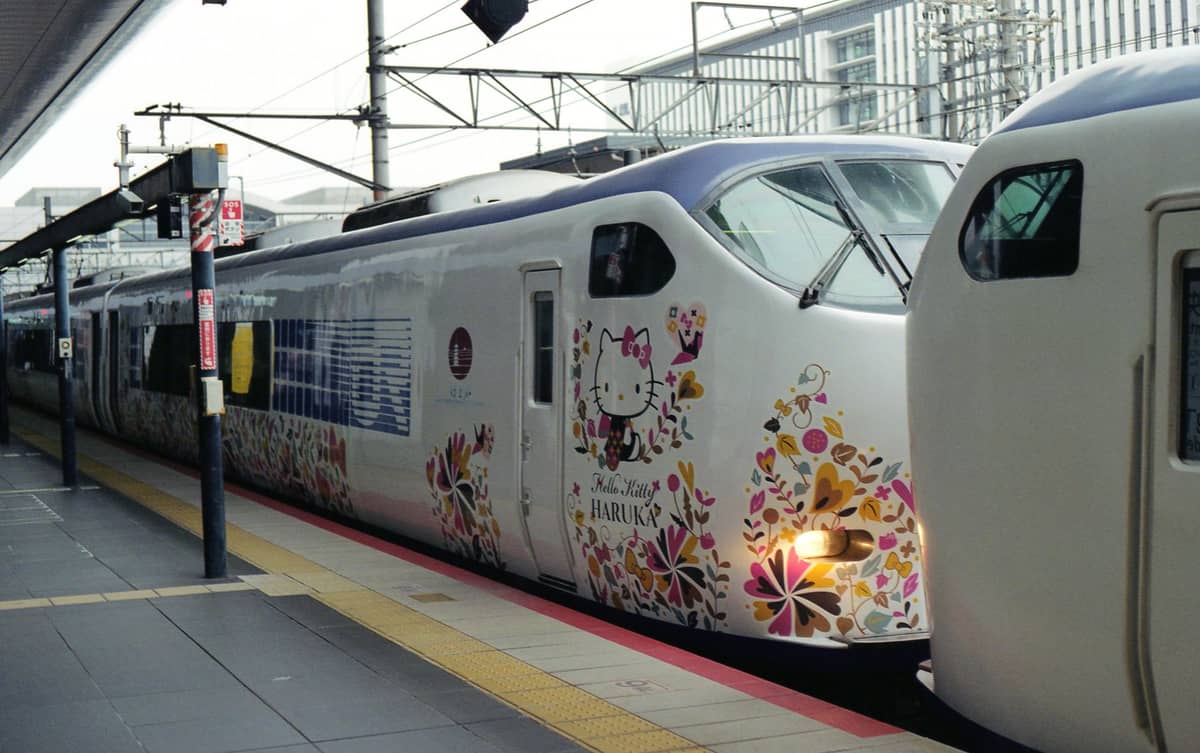
Kyoto does not have its own international airport. The main gateway is Kansai International Airport (KIX), about 75-80km southwest of central Kyoto. The JR Haruka Limited Express runs directly from KIX to Kyoto Station in about 75 minutes, with fares in the range of ¥2,500-3,000 for a standard reserved seat (verify current pricing before traveling). Limousine buses cover the same route in 90-120 minutes depending on traffic and cost roughly the same. Taxis are available but typically cost well over ¥20,000 for the full journey and are rarely worth it unless you are a group of four with heavy luggage.
Tipping is not practiced in Japan. In restaurants, hotels, and taxis, the service charge is either included or the full listed price is simply what you pay. Attempting to tip can cause confusion or discomfort. Japan uses Type A plugs (two flat parallel pins) at 100V, 60Hz in Kyoto's region. Most modern electronics handle this without an adapter, but check your devices. Tap water in Kyoto is safe to drink. Bring a refillable bottle as convenience stores are everywhere but single-use plastic adds up quickly.
For where to base yourself, the area around Kyoto Station gives the best transport access for a 3-day itinerary, particularly if you are starting each day at different districts. Staying in Gion or Higashiyama is more atmospheric but limits your flexibility. For a detailed breakdown of neighborhoods and hotel options, thewhere to stay in Kyotoguide covers all the main options with honest assessments of each area.
FAQ
Is 3 days in Kyoto enough?
Three days is enough to cover the major areas: Higashiyama, Arashiyama, and Fushimi, plus a few central sights. You will not see everything, but you will leave with a genuine sense of the city rather than a highlight-reel blur. If your main interests are temples and gardens, three days works well. If you want to add day trips to Nara or Osaka, you will feel rushed. Five days is better for a more relaxed pace with room for detours.
What is the best Kyoto itinerary for 3 days?
The most logical structure is to organize each day by geography: Day 1 in Higashiyama and Gion (eastern Kyoto), Day 2 in Arashiyama (western Kyoto), and Day 3 in Fushimi and central Kyoto. This minimizes backtracking and makes transport straightforward. Avoid mixing distant areas in the same day, as Kyoto looks compact on a map but buses during peak hours can make cross-city travel surprisingly slow.
How do I get around Kyoto in 3 days?
Load an IC card (Suica or ICOCA) before or upon arrival and use it for buses, subways, and JR trains. The old ¥700 bus day pass was discontinued in 2024. The current ¥1,100 Subway & Bus 1-Day Pass is worth buying on days when you plan multiple subway trips. For Arashiyama, use the JR Sagano Line from Kyoto Station (about 15 minutes). For Fushimi Inari, the Keihan Line to Fushimi-Inari Station is faster and less crowded than the bus.
What time of year is best for a 3-day Kyoto trip?
Late March to early April (cherry blossoms) and mid-October to late November (autumn foliage) offer the most dramatic scenery but also the highest crowds and prices. May is an excellent compromise: good weather, post-cherry-blossom calm, and more available accommodation. January and February are the cheapest months, cold but often beautiful, especially if it snows. Avoid mid-July to late August unless you handle heat and humidity well.
Do I need to book temples and attractions in advance in Kyoto?
Most temples and shrines in Kyoto do not require advance booking and you can simply show up and pay at the gate. Exceptions include some special seasonal viewings (like Rurikoin in autumn) and specific cultural experiences like tea ceremonies or kimono dressing, which often require reservations. During cherry blossom and autumn foliage peak weeks, accommodation needs to be booked months ahead, but the main sights themselves remain walk-in.